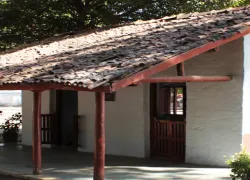
The Gandhi Ashram situated alongside the Sabarmati River, was the nerve center for the Indian Freedom movement. The beautiful ashram complex with it's shady trees offers a refuge from the loud streets of the city. There is a museum inside the Ashram complex. During the lifetime of Mahatma Gandhi it was known as Satyagraha Ashram.
Explore More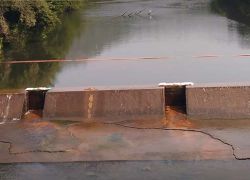
SIndhrot Check Dam is an old check dam located in Gandhinagar in Gujarat. Built long back, this check dam stands on Mahi Sagar River and its construction brought a great relief to the locals as the problem of the shortage of water was solved. Gradually, it was developed into a well-known tourist site and stands as a widely visited destination by the locals and tourists alike. It Is Known For:- 1) Sindhrot check dam is a perfect hangout destination for youngsters and couples. Many youngsters & couples can be spotted around. 2) It is also visited by many birds and thus, it has emanated as a bird watching location. Swans and storks are often spotted at this check dam. 3) Due to its surroundings, it is widely preferred by the shutterbugs for conducting photoshoots. 4) It is a place from where a charming view of the sunrise and sunset can be witnessed. Best Time To Visit:- Although Sindhrot has never disappointed the visitors as it can be visited during any season, the best time is considered during monsoons and early winters. During the monsoons, the refreshed surroundings of this dam enhance its beauty. During early winters, a thin blanket of foggy surrounds it and is a sight that cannot be described in words. Watch Out! Mahi Sagar River is the water body on which this dam stands. It is a navigable water body but swimming is restricted here. Therefore, boating is the only venture that can be enjoyed by the tourists. Swimming is completely prohibited here. Reaching There:- Gandhinagar is a city with a wider connectivity to the roadways, railways, and airways. It can be reached via flights, express trains, or state-run buses from anywhere in Gujarat. Traveling within Gandhinagar can be done via local transit. Nearest Railway Station:- Gandhinagar Railway Station Nearest Airport:- Ahmedabad Airport
Explore More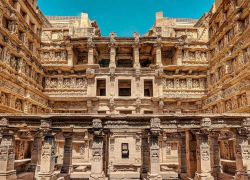
Adalaj Stepwell, located near Gandhinagar in Gujarat, is one of the finest examples of ancient Indian architecture and engineering. Also known as “Adalaj ni Vav,” this historic stepwell is a popular tourist attraction that beautifully combines art, culture, and functionality. Built in the 15th century, the stepwell was designed not only as a water storage system but also as a resting place for travelers and pilgrims. Surrounded by intricate carvings and peaceful surroundings, Adalaj Stepwell attracts history lovers, architecture enthusiasts, and photographers from across the country. Its unique structure and historical importance make it a must-visit destination near Gandhinagar. History of Adalaj Stepwell The Adalaj Stepwell was built in 1499 by Queen Rudabai, the wife of Rana Veer Singh of the Vaghela dynasty. According to historical records, Rana Veer Singh began the construction of the stepwell to provide water to the local people and travelers. However, he was defeated and killed by Sultan Mahmud Begada before the construction was completed. After the king’s death, Sultan Mahmud Begada decided to complete the stepwell. It is believed that he agreed to finish the structure on the condition that Queen Rudabai would marry him. After the completion of the stepwell, the queen chose to sacrifice herself by jumping into the well, making this monument not just a piece of architecture but also a symbol of sacrifice and devotion. Architecture of Adalaj Stepwell The architecture of Adalaj Stepwell is truly remarkable and reflects a blend of Hindu and Islamic styles. The stepwell is built in sandstone and extends five stories deep into the ground. The structure is designed in an octagonal shape at the top, allowing sunlight and air to enter the lower levels. Each level of the stepwell is supported by intricately carved pillars and platforms. The walls are decorated with detailed carvings of flowers, animals, mythological scenes, and geometric patterns. The craftsmanship is so detailed that even after centuries, the carvings remain impressive. The stepwell also served as a cool resting place during hot summers. The temperature inside the well is significantly lower than outside, making it a perfect escape from the heat. Why is Adalaj Stepwell Famous? Adalaj Stepwell is famous for its stunning architecture, historical significance, and unique design. It is considered one of the most beautiful stepwells in India. The stepwell is also popular for its intricate carvings and symmetrical structure, which showcase the advanced engineering skills of ancient India. Additionally, the story of Queen Rudabai adds emotional and cultural value to the site. It is also a favorite location for photography, heritage walks, and cultural exploration. How to Reach Adalaj Stepwell, Gandhinagar Adalaj Stepwell is well-connected and easy to reach from Gandhinagar and Ahmedabad. By Air: The nearest airport is Sardar Vallabhbhai Patel International Airport in Ahmedabad, located about 15 km away. From the airport, taxis and cabs are easily available. By Train: The nearest railway stations are Gandhinagar Capital Railway Station and Ahmedabad Junction. Both stations are well-connected to major cities in India. By Road: Adalaj Stepwell is located around 18 km from Ahmedabad and about 5 km from Gandhinagar. You can reach the site by car, taxi, or local buses. The roads are well-maintained, making the journey smooth and convenient. Weather at Adalaj Stepwell The weather in Gandhinagar plays an important role in planning your visit. Summer (March to June): Summers can be very hot, with temperatures reaching up to 40°C. However, the stepwell remains relatively cool inside, making it a good place to visit even during hot days. Monsoon (July to September): The surroundings become green and refreshing during monsoon. The stepwell looks even more beautiful, but visitors should be cautious due to slippery steps. Winter (October to February): Winter is the best time to visit Adalaj Stepwell. The weather is pleasant and comfortable for exploring the monument. Timing of Adalaj Stepwell Adalaj Stepwell is generally open to visitors from 6:00 AM to 6:00 PM every day. It is recommended to visit during early morning or late afternoon to avoid the heat and enjoy the best lighting for photography. Entry and Visit Details The stepwell is maintained by the Archaeological Survey of India (ASI). There is a nominal entry fee for visitors. Indian Visitors: A small entry fee is charged. Foreign Tourists: A slightly higher fee is applicable. Children below a certain age may enter free of cost. Parking facilities are available near the entrance, and basic amenities are provided for visitors. Things to Do at Adalaj Stepwell 1. Explore the Architecture: Walk through the different levels and admire the intricate carvings and designs. 2. Photography: Capture stunning photos of the symmetrical structure and detailed artwork. 3. Learn History: Understand the historical significance and the story behind the stepwell. 4. Relax in Cool Environment: Enjoy the naturally cool atmosphere inside the stepwell. 5. Cultural Exploration: Experience the blend of Hindu and Islamic architectural styles. Interesting Facts about Adalaj Stepwell The stepwell is five stories deep and was designed to store water throughout the year. It is an excellent example of ancient water management systems in India. The carvings include motifs of elephants, flowers, and mythological scenes. The structure maintains a cool temperature even during peak summer. The stepwell was used as a resting place for travelers in ancient times. Travel Tips for Visitors 1. Wear Comfortable Footwear: The steps can be uneven and steep, so comfortable shoes are recommended. 2. Carry Water: Stay hydrated, especially during summer. 3. Visit Early: Early morning visits are less crowded and more peaceful. 4. Be Careful on Steps: Some areas may be slippery, especially during monsoon. 5. Respect the Monument: Avoid touching or damaging the carvings. 6. Hire a Guide: A local guide can help you understand the history and significance in detail. Conclusion Adalaj Stepwell in Gandhinagar is a perfect blend of history, architecture, and cultural heritage. Its unique design, fascinating story, and peaceful atmosphere make it a must-visit destination in Gujarat. Whether you are a history enthusiast, architecture lover, or traveler looking for something unique, Adalaj Stepwell offers an unforgettable experience.
Explore More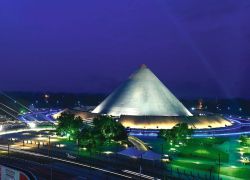
Mahatma Mandir, located in Gandhinagar, Gujarat, is a world-class convention and exhibition center dedicated to Mahatma Gandhi. It is one of the most important landmarks in the city and serves as a hub for national and international conferences, exhibitions, and cultural events. Built as a tribute to the Father of the Nation, Mahatma Mandir combines modern infrastructure with cultural significance, making it a must-visit destination for tourists and professionals alike. Situated in the well-planned capital city of Gujarat, Mahatma Mandir is known for hosting major events such as the Vibrant Gujarat Global Summit. Its spacious layout, modern design, and peaceful surroundings make it a unique blend of business, culture, and tourism. History of Mahatma Mandir Mahatma Mandir was conceptualized as part of Gujarat’s development initiative to create a global platform for business and cultural exchange. The project was completed and inaugurated in 2011 to commemorate the vision and values of Mahatma Gandhi. The convention center was designed to host large-scale international events and promote Gujarat as a major investment destination. Over the years, it has hosted several prestigious conferences, government meetings, and exhibitions, making it a key landmark in Gandhinagar. The name “Mahatma Mandir” reflects the ideals of Mahatma Gandhi, emphasizing peace, unity, and development. Architecture of Mahatma Mandir The architecture of Mahatma Mandir is modern, spacious, and thoughtfully designed. The complex is spread over a large area and includes multiple exhibition halls, conference rooms, auditoriums, and open spaces. One of the main highlights of the architecture is its large convention hall, which can accommodate thousands of people. The design focuses on functionality, with wide corridors, advanced lighting systems, and modern facilities. The campus also includes beautifully landscaped gardens, pathways, and open areas, providing a calm and pleasant environment. The use of sustainable design elements and efficient planning makes Mahatma Mandir an example of modern infrastructure development in India. Why is Mahatma Mandir Famous? Mahatma Mandir is famous for being one of India’s leading convention and exhibition centers. It is widely known for hosting the Vibrant Gujarat Summit, which attracts global leaders, business professionals, and investors. The venue is also popular for exhibitions, trade fairs, cultural programs, and government events. Its association with Mahatma Gandhi and its importance as a business hub make it a significant landmark in Gandhinagar. Additionally, its proximity to other attractions like Dandi Kutir makes it a popular stop for tourists exploring the city. How to Reach Mahatma Mandir, Gandhinagar Mahatma Mandir is well-connected and easily accessible from different parts of Gujarat. By Air: The nearest airport is Sardar Vallabhbhai Patel International Airport in Ahmedabad, located around 20 km away. Taxis and cab services are easily available from the airport. By Train: Gandhinagar Capital Railway Station is the nearest railway station, located just a few kilometers away. Ahmedabad Junction is another major railway hub nearby. By Road: Gandhinagar is well-connected by road to Ahmedabad and other cities. You can reach Mahatma Mandir by private car, taxi, or state transport buses. The roads are wide and well-maintained, ensuring a smooth journey. Weather at Mahatma Mandir The weather in Gandhinagar varies across seasons and plays an important role in planning your visit. Summer (March to June): Summers are very hot, with temperatures reaching up to 40°C or more. It is advisable to visit indoor areas during the day. Monsoon (July to September): The monsoon season brings moderate rainfall and pleasant greenery, making the surroundings more attractive. Winter (October to February): Winter is the best time to visit, with temperatures ranging between 10°C and 25°C. The weather is comfortable for exploring the area. Timing of Mahatma Mandir Mahatma Mandir does not have fixed visiting hours like a typical tourist attraction, as it primarily functions as a convention center. Entry is usually allowed during events, exhibitions, or guided visits. However, the surrounding areas and nearby attractions can be visited during regular daytime hours. It is recommended to check event schedules in advance if you plan to visit the interiors. Entry and Visit Details Entry to Mahatma Mandir depends on ongoing events and exhibitions. During major events, visitors may need to register or purchase tickets. For general visits, access to certain areas may be restricted. However, the outer परिसर and surrounding spaces are open to visitors and are ideal for walking and photography. Parking facilities are available, and the venue is equipped with modern amenities such as restrooms, seating areas, and food stalls during events. Things to Do at Mahatma Mandir 1. Attend Exhibitions and Events: Participate in trade fairs, conferences, and cultural programs. 2. Explore the Architecture: Admire the modern design and large-scale infrastructure. 3. Visit Nearby Attractions: Explore Dandi Kutir and other nearby tourist spots. 4. Photography: Capture the beautiful surroundings and well-planned campus. 5. Relax in Open Spaces: Enjoy the landscaped gardens and peaceful environment. Interesting Facts about Mahatma Mandir Mahatma Mandir was built as a tribute to Mahatma Gandhi and his ideals. It is one of the largest convention centers in India. The venue hosts the famous Vibrant Gujarat Global Summit. The complex includes exhibition halls, auditoriums, and meeting rooms. It plays a key role in promoting Gujarat as a business and investment destination. Travel Tips for Visitors 1. Check Event Schedule: Plan your visit during exhibitions or public events for a better experience. 2. Visit in Winter: The weather is most comfortable during this season. 3. Carry ID Proof: Required for entry during official events. 4. Wear Comfortable Clothes: The campus is large, so comfortable clothing and footwear are recommended. 5. Stay Hydrated: Carry water, especially during summer. 6. Combine with Nearby Visits: Plan your trip along with nearby attractions like Dandi Kutir. Conclusion Mahatma Mandir in Gandhinagar is a symbol of modern development and cultural pride. It is not just a convention center but a place that reflects the vision of progress and unity inspired by Mahatma Gandhi. With its impressive architecture, global events, and peaceful surroundings, Mahatma Mandir offers a unique experience for visitors. Whether you are attending an event or simply exploring the city, this landmark is definitely worth a visit.
Explore More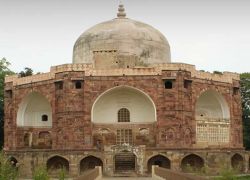
Hazira Maqbara or Hazira is a well-known landmark in the city of Vadodara, Gujarat. It is an ancient tomb of Qutub-Uddin-Mohammed Khan, the tutor of Salim. He also held a place in the court of Akbar. This tomb is architected in the Mughal style. It stands on a vast lawn and has a calm ambiance that serves as the apt spot for spending some time to relax. It Is Known For:- 1) Hazira Maqbara is an edifice that was built in the year 1586 and is a reflection of Humayun’s tomb in Delhi. 2) The outer walls of the garden tomb are constructed using the red bricks and have merlon design of the arcs. 3) The inner walls of the tomb carry the Quranic verses in the Arabic language that are carved in a beautiful manner. 4) The dome is also embellished with the merlon designs in a beautiful manner. Best Time To Visit:- Hazira Maqbara is an amazing destination for the people that wish to seek calmness. Due to its appearance, it catches the attention of the visitors that throng to this place. It can be visited during any time of the year. Watch Out! Try to watch out for the real grave of Qutub-Uddin-Mohammed Khan. The grave in the tomb isn’t the real one but the one below it is the real resting place of the Mughal courtier. Reaching There:- Vadodara is well-connected to the different cities of Gujarat. It has a wider connectivity to the highways, airways, and railways. Vadodara can be reached easily via express trains, flights, and state-run buses from anywhere in the state. Commuting within Vadodara can be done via local transit. Nearest Railway Station:- Vadodara Junction Nearest Airport:- Vadodara Airport
Explore More
Kirti Stambh or the Pillar of Triumph is a prominent tourist attraction in the city of Vadodara. It is an ancient landmark that was built in the year 1935 to mark the 60 years of rule of King Sayajirao Gaekwad. The establishment of the pillar has a great philosophy behind it. Presently, it is situated in the bustling region of the city and is visited on a huge scale. Why Is It Famous? Kirti Stambh marks the completion of 60 years of rule of King Sayajirao Gaekwad. It has a philosophy behind its construction. The pillar has a lion in a seated position on its top. When observed closely, an individual can notice the expressions that convey the fatigue and tiredness of the lion. This is the philosophy where King Sayajirao is depicted an old ruler who is tired and can pass the throne to his successor. Best Time To Visit:- Kirti Stambh is located in a bustling marketplace of Vadodara. Every day of the year is the time when it is visited by the numerous visitors and locals. Thus, there is no special time for visiting this place. Watch Out! Visiting Kirti Stambh can be a great option for you. Due to its location in a busy marketplace, you just need to head towards the market. There are different options for you in the market where you can do shopping, hanker over your favorite dishes, and collect souvenirs etc. Reaching There:- Vadodara can be reached easily via roadways, railways, and airways. A vast connectivity makes it convenient to reach the place without a hassle. There are different state-run buses, express trains, and flights are available from all over Gujarat. Nearest Railway Station:- Vadodara Junction Nearest Airport:- Vadodara Airport
Explore More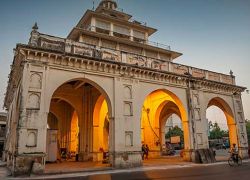
Mandvi Gate is one of the key frequented travel attractions in the city of Vadodara. It is an edifice that was built during the Mughal rule in India. Sultan Muzaffar was the architect of this foursquare gate. In the previous times, it was a place where four directions met at a place and was used for the toll collection. Presently, it is located in the bustling marketplace of the city. Why Is It Famous? Mandvi Gate is popular it was an important spot in the city. It used to be an essential site where the toll was collected from the merchants and traders. All announcements of the royal orders were made from Mandvi Gate. In the year 1864, Ganpatrao Gaekwad, a member of the royal Gaekwad dynasty constructed two more storeys with a clock tower. It was embellished beautifully and till date is bedecked with lights on all festivals and national holidays. Best Time To Visit:- There’s no special time for visiting Mandvi Gate. Since it is located in a bustling area of Vadodara, it is daily visited by countless locals and tourists. Every season of the year is considered as best for visiting this historical site. Watch Out! When you visit Mandvi Gate, do not forget to check out the nearby markets. There are different shops where you can find a vast variety of every item. There are some restaurants and shopping malls that are visited on a huge scale as well. Reaching There:- Vadodara city is well-connected to the major roads, railheads, and airways in Gujarat. There are express trains, state-run buses, and flights that are available on a frequent basis to reach Vadodara from any city of Gujarat. Nearest Railway Station:- Vadodara Junction Nearest Airport:- Vadodara Airport
Explore More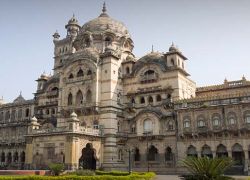
Nazarbaug Palace was a well-known name in the list of the tourist destinations in the Indian state of Gujarat. This palace was located in Vadodara city and served as the erstwhile residence of the royal family of Gaekwads. It was built by Malhar Rao Gaekwad in the year 1721 and was known as the oldest palace in Vadodara. It Is Known For:- 1) Nazarbaug Palace was the oldest palace in the city of Vadodara and it was built in the year 1721. 2) The palace stood in the Gujarati style of architecture with arcs on every door. 3) It was used by the royals for different occasions. It also housed the guns made up of gold and silver with each weighing over 100 kg. 4) In the year 1927, this palace served as a home to the precious jewels and had a collection of the jewelry with a net worth of ten billion dollars. The jewelry was auctioned as there were no heirs left. 5) The interiors of the palace were lavishing and were adorned with the paintings of the Japanese, European, Chinese, and Indian artists. All these paintings were auctioned as well to the millionaires. Best Time To Visit:- Visiting this place is not worthy anymore because the palace was demolished for the construction of the mall and some shopping complexes. The garden around it is now used as a parking for the vehicles. Watch Out! At present, there are numerous shops were the palace existed. One can visit those shops for purchasing the different items. Reaching There:- Vadodara city is well-connected to all major roadways, railways, and airways. Such connectivity makes it convenient for the travelers to reach the site easily via express trains, state-run buses, and flights. Nearest Railway Station:- Vadodara Junction Nearest Airport:- Vadodara Airport
Explore More
Sardar Patel Planetarium or S.P Planetarium is a renowned destination in the city of Vadodara in Gujarat. This planetarium is visited on a huge scale by the many locals and tourists. Just like other planetariums, this planetarium also screens the movies that are based on the solar system and provides information about the celestial bodies, nebulas, stars etc. It Is Known For:- 1) S.P Planetarium is a major crowd puller and is thronged by the numerous people, especially those having a special taste in the solar system. 2) There are special telescopes with a high power lens that allows gazing at the shining balls in the dark sky at night. 3) A working model of the entire solar system is displayed in this planetarium. It includes the rotation speed of all planets and the solar/lunar eclipse. 4) The information of the different planets, as well as the formation of nebulas and stars, can be found inside this planetarium. Best Time To Visit:- S.P Planetarium is a place that is thronged on a huge scale by the educational institutions on a large scale. Though it can be visited during any day, the best time is considered during celestial occurrences like an eclipse or a meteor shower. It is also visited when a planet comes close to the earth. Watch Out! Whenever you visit this planetarium, especially at night, make sure you do not miss to gaze at the celestial bodies in the sky. Moreover, touring the planets and feeling the atmosphere can be done in the auditorium where the movies are shown. Reaching There:- Vadodara city has a well-established connection to the roadways, railways, and airways. Such connectivity allows the people to reach here via express trains, state-run buses, and flights. Nearest Railway Station:- Vadodara Junction Nearest Airport:- Vadodara Airport
Explore More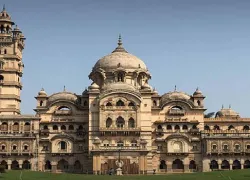
Shiv Mahal Palace is a famous attraction in the city of Vadodara in Gujarat. It is a huge structure that is known for its magnificent architecture, royalty, and luxury indoors. This palace was built in the year 1936 as the residence for Prince Uday Singh Rao, the third son of King Shivaji Singh Rao. Why Is It Famous? Shiv Mahal Palace is known for its charm. It is constructed in the Hindu style of architecture and has exquisite carvings done on its interior and exterior walls. It has enchanting royal furniture, expensive chandeliers, and other sculptures inside the hall. At present, Shiv Mahal Palace is utilized as a property where hosting and organizing different events like a wedding, engagement ceremony, reception, baby shower, birthday party, anniversary etc. Due to the touch of royalty, Shiv Mahal Palace adds lavishness to an event. Apart from all this, it is a perfect accommodation for the tourists that visit this palace for a weekend vacation. Best Time To Visit:- Shiv Mahal Palace is a place that is visited by the tourists on a huge scale. It is the righteous destination, especially for the ones that want to spend a vacation away from their home. This place can be visited throughout the year without any hesitation. Watch Out! Shiv Mahal Palace is the best destination to host a wedding. Its vast expanse and a royal architecture never fail to entice the visitors. If you’re a photographer, this building is not less than a haven for you. Reaching There:- Vadodara city is well-connected to the entire state of Gujarat via major highways, railways, and airways. Such connectivity makes it convenient for the people to reach the site conveniently. Numerous express trains, state-run buses, and flights are available in multitude. Nearest Railway Station:- Vadodara Junction Nearest Airport:- Vadodara Airport
Explore More
Tambekar Wada aka Vitthal Khanderao is a famous tourist attraction in the city of Vadodara in Gujarat. It was the residence of the previous Diwan of Vadodara, Bhau Tambekar. It is a mansion built in the Maratha style of architecture and never fails to attract the visitors. Its structure and paintings add more charm to its beauty. Why Is It Famous? Tambekar Wada is renowned due to its architecture and paintings. It is adorned with the 19th-century murals, paintings, and structures that can be seen inside this mansion. Interestingly, the doors, windows, walls, and ceiling are also covered with the paintings that depict the scenes from Mahabharata and Ramayana. It has the paintings of the Hindu religious figurines painted in the style of 19th-century. The entire mansion is an intricate structure and is protected by the Archaeological Survey of India. Best Time To Visit:- Tambekar Wada is a place that welcomes its visitors throughout the year. Each season is considered as appropriate for paying a casual visit to this amazing destination. Watch Out! When you’re visiting Tambekar Wada, do not forget to visit the nearby markets. There are different shops and eateries where you can spend a good quality time. Reaching There:- The city of Vadodara is well-connected to the entire state of Gujarat via major highways, railways, and airways. Such connectivity makes it convenient for all to reach the city easily through the state-run buses, express trains, and flights that are available from every corner of the state. Nearest Railway Station:- Vadodara Junction Nearest Airport:- Vadodara Airport
Explore More
Veraval Port, Gir Somnath, Gujarat Veraval Port, located in Gir Somnath district of Gujarat, is one of the prominent fishing ports on the western coast of India. Known for its rich maritime history and strategic location along the Arabian Sea, Veraval Port is not only a hub for the local fishing industry but also an important gateway for trade and commerce. The port attracts a mix of tourists interested in its coastal charm, vibrant fishing culture, and proximity to historic sites like Somnath Temple and Gir National Park. History of Veraval Port, Gir Somnath The history of Veraval Port dates back to ancient times. It has been an important center for trade, commerce, and fishing for centuries. Historically, Veraval was known as an ancient harbor used for trade by maritime powers. The port has been mentioned in several historical texts and has played a key role in the region's development over the years. In the medieval period, Veraval port became an important center for the export of goods such as spices, cotton, and textiles to various parts of the world. The town of Veraval, along with its port, has seen influences from the Islamic, Portuguese, and British periods, each contributing to its cultural and architectural heritage. Even today, the town retains its unique blend of ancient maritime traditions and modern fishing industry operations. Architecture of Veraval Port The architecture of Veraval Port is characterized by a mix of modern and traditional structures. The port itself is built with robust docks and harbors that accommodate large fishing boats and small cargo ships. The port area is well-maintained, and there are several facilities for both commercial and leisure activities, including fish markets and souvenir stalls. In addition to its maritime structures, Veraval also boasts colonial-era buildings, particularly along the coastline. Many of the buildings and homes have a distinctive regional style, with influences from Portuguese and British colonial architecture. Visitors can explore these structures as they walk around the port area, enjoying the scenic views and the bustling port activity. Why Famous for Veraval Port, Gir Somnath? Veraval Port is famous primarily for its fishing industry and its role as one of the largest and busiest fishing ports in Gujarat. The port plays a critical role in the local economy by providing employment to thousands of fishermen and workers who rely on the sea for their livelihood. Aside from its economic importance, Veraval Port is also famous for its close proximity to the Somnath Temple, one of the twelve Jyotirlingas of Lord Shiva, which makes it an important part of the pilgrimage circuit in Gujarat. The picturesque coastal setting, combined with the bustling port activities, makes Veraval a unique destination for tourists interested in both cultural heritage and marine life. How to Reach Veraval Port, Gir Somnath Veraval Port is easily accessible by road, rail, and air, making it convenient for visitors to reach from various parts of Gujarat and beyond. By Road: Veraval is well-connected by road, and you can easily reach the port via taxis or buses from nearby cities like Rajkot (about 160 km), Junagadh (around 60 km), and Somnath (about 6 km). The port is easily reachable from the main roads, and local transport services are available. By Rail: Veraval has a major railway station, Veraval Junction, which is well-connected to cities like Rajkot, Ahmedabad, and Surat. From the railway station, taxis or auto-rickshaws can take you to the port. By Air: The nearest airport to Veraval is Diu Airport, located about 85 km away. Alternatively, Rajkot Airport (around 160 km) offers more frequent flights. From both airports, taxis and buses are available to travel to Veraval. Weather at Veraval Port The climate in Veraval is coastal, characterized by hot summers, a moderate monsoon season, and mild winters. During the summer months (March to June), temperatures can rise above 35°C, making it warm and humid. The monsoon season (July to September) brings moderate rainfall, which cools the atmosphere but also leads to high humidity. The best time to visit Veraval is during the winter months (October to February), when the weather is cooler and more pleasant, with temperatures ranging between 15°C to 25°C. This is ideal for outdoor activities and sightseeing, as the weather is comfortable for exploring the port and its surrounding attractions. Timing of Veraval Port Veraval Port is an active working port, and while there are no set visiting hours for the port itself, it is best to visit during the day to experience the full bustle of port activities. Most tourists visit in the morning to see the arrival of fishing boats and the busy fish markets. The port area remains active throughout the day, with activity typically winding down by evening. Visitors are advised to check with local authorities regarding the best times for tours and visits, especially if they are interested in exploring the commercial side of the port. Entry and Visit Details Entry to the Veraval Port area is free and open to the public, though the fishing docks and boat yards are working areas. Tourists can walk around the port to witness the busy activities and visit the fish markets. However, some areas may require special permits, especially if tourists are looking to go on boat rides or take part in fishing activities. There are also nearby attractions, such as the Somnath Temple, Gir National Park, and the Triveni Sangam, which can be visited after touring the port. It is advisable to hire a local guide for a more in-depth experience of the region and its history. Things to Do at Veraval Port While visiting Veraval Port, there are several activities you can enjoy: Explore the Fish Markets: Visit the lively fish markets to experience the local fishing culture and see a variety of fresh catches, including seafood like prawns, crabs, and fish. Take a Boat Ride: You can book a boat ride to explore the Arabian Sea, enjoy the coastal views, and observe the port's maritime activities from the water. Photography: Veraval Port offers great opportunities for photography, especially for those interested in capturing the hustle and bustle of a busy port, fishing boats, and sea life. Visit Nearby Temples: After your visit to the port, explore nearby religious sites such as the Somnath Temple, Triveni Sangam, and Gir National Park. Interesting Facts about Veraval Port Veraval Port is one of the oldest and busiest ports in Gujarat, serving as a vital hub for both fishing and trade. The port is strategically located on the Arabian Sea, which has made it a key point for maritime trade over the centuries. It is a major producer of seafood, with fish from Veraval being exported to both domestic and international markets. Veraval's fishing industry is so significant that it supports a large part of the local economy, employing thousands of people in the fishing, processing, and export sectors. Tips for Visiting Veraval Port Visit the port early in the morning to see the fishing boats return with their catch and experience the busy fish markets. Wear comfortable footwear as you may need to walk around the port area, which can be busy and sometimes uneven. Don’t forget to bring sunscreen and a hat to protect yourself from the sun, especially during the summer months. Respect the working port environment by avoiding disruptions and keeping a safe distance from the fishing boats and docks. Plan your visit around the port's schedule, especially if you want to take a boat ride or witness specific activities. Veraval Port is a unique destination that offers a glimpse into the fishing culture of Gujarat, the maritime history of the region, and its vibrant coastal life. Whether you are a history enthusiast, a nature lover, or a foodie, Veraval provides a well-rounded experience that blends cultural exploration with relaxation by the sea.
Explore MoreAhmedabad Saputara 2 Nights / 3 Days
3 Days/ 2 Night
Ahmedabad - Saputara
Dwarka – Somnath Tour Package
4 Days/ 3 Night
Ahmedabad - Dwarka
Glimpse Of Gujarat Tour 8 Nights 9 Days
9 Days/ 8 Night
Ahmedabad - Bhavnagar - Bhuj - Vadodara (Baroda) - Dwarka - Kevadia - Kutch
Rann Utsav Kutch Season Special
3 Days/ 2 Night
Bhuj
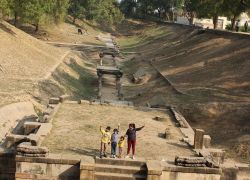
Sahastralinga Talav, located in Patan, is a mesmerizing tourist attraction that offers a unique blend of natural beauty, historical significance, and rich biodiversity. This ancient reservoir, also known as the Sahasralinga Lake, attracts visitors from far and wide due to its serene ambiance, diverse birdlife, and historical importance. History of Sahastralinga Talav The history of Sahastralinga Talav dates back to ancient times when it served as a crucial water source for the region. Originally built as a reservoir to store water for irrigation, this talav holds immense historical and cultural significance. It was a favored spot for the royal families of Patan and surrounding areas, serving as a retreat and hunting ground. Today, the conservation efforts undertaken to preserve this site have earned it recognition by UNESCO for its historical and ecological importance. Architecture and Natural Beauty of Sahastralinga Talav Sahastralinga Talav is not only renowned for its historical value but also for its picturesque surroundings. The talav is surrounded by lush wetlands, verdant forests, and sprawling grasslands that provide a perfect habitat for a variety of bird species. The tranquil landscapes and the presence of the ancient Keoladeo Temple within the park add to its allure, making it a must-visit destination for nature lovers and history enthusiasts alike. Why is Sahastralinga Talav Famous? Sahastralinga Talav has gained fame as a haven for birdwatchers, photographers, and wildlife enthusiasts. The diverse bird species that inhabit the wetlands and forests attract nature lovers seeking to witness the beauty of migratory birds in their natural habitat. The talav's serene environment and rich biodiversity make it a popular destination for those looking to connect with nature and explore the wonders of wildlife. How to Reach Sahastralinga Talav Reaching Sahastralinga Talav is convenient as it is well-connected by air, rail, and road. The nearest airport is located in the city of Patan, providing easy access to visitors from various parts of the country. Additionally, the park is easily accessible by rail, with the nearest railway station offering convenient transportation options. For those traveling by road, well-maintained highways and local transport services make reaching the talav hassle-free. Weather and Best Time to Visit Sahastralinga Talav The weather at Sahastralinga Talav varies across seasons, with summer bringing warm temperatures, monsoon adding lush greenery, and winter offering a pleasant climate. The best time to visit the talav is during the winter months when the weather is mild, and the bird population is at its peak, providing an ideal setting for birdwatching and nature exploration. Timings of Sahastralinga Talav Sahastralinga Talav welcomes visitors throughout the year, with timings varying slightly based on seasonal changes. It is advisable to plan your visit during the early morning or late afternoon to witness the bird activity at its best. The park authorities ensure that visitors have a memorable experience by providing essential information and assistance during their visit. Entry Fee and Visit Details Visitors to Sahastralinga Talav can enjoy a range of services and facilities, including guided tours, safari options, bicycle rentals, and visitor centers. The entry procedures are simple, with nominal fees for entry and additional charges for guided tours. Visitors can also avail themselves of amenities such as refreshment stalls and restroom facilities within the park premises. Things to Do at Sahastralinga Talav At Sahastralinga Talav, visitors can engage in a host of activities such as birdwatching, photography, cycling, walking trails, and nature observation. The park's serene environment and diverse bird species offer ample opportunities for nature enthusiasts to explore and capture the beauty of the surroundings. Educational experiences are also available for those keen on learning more about the biodiversity and conservation efforts at the talav. Interesting Facts About Sahastralinga Talav Sahastralinga Talav is home to a plethora of migratory birds that travel great distances to seek refuge in its tranquil environs. The park's conservation achievements in preserving the natural habitat and promoting biodiversity have been recognized globally. The ecological importance of Sahastralinga Talav in sustaining bird populations and fostering environmental awareness underscores its significance as a vital natural reserve. Travel Tips for Visiting Sahastralinga Talav When planning a visit to Sahastralinga Talav, it is advisable to wear comfortable clothing suitable for outdoor activities and carry essential items such as sunscreen and insect repellent. Birdwatching enthusiasts may benefit from bringing binoculars and cameras to capture the vibrant avian life in the park. It is recommended to visit during the winter months for the best birdwatching experience and practice responsible tourism by respecting the park's rules and regulations. Conclusion In conclusion, Sahastralinga Talav in Patan stands out as a premier tourist destination that offers a harmonious blend of history, nature, and wildlife. The talav's historical significance, architectural beauty, and rich biodiversity make it a captivating spot for visitors seeking a tranquil retreat amidst nature's wonders. Whether you are a birdwatcher, photographer, or nature enthusiast, a visit to Sahastralinga Talav promises a memorable experience filled with exploration, discovery, and admiration for the natural world.
Explore More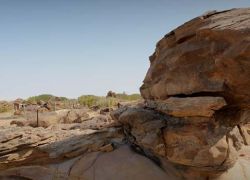
Dholavira is a name that many people have heard and read about. It is an archaeological site situated in Kutch district of Gujarat. Dholavira is the place that contains the remains of the Indus Valley Civilization. It is the fifth largest of the 8 major Harappan sites. Under excavation since 1990, a lot of artifacts and other things have been discovered that have unfolded the mysteries of the earliest human inhabitance in the state of Gujarat. It Is Known For:- 1) As per the archaeological findings and their history, Dholavira was a settlement of the in the bygone times in the Indus Valley Civilization. It was occupied by the humans in the previous eras but was gradually abandoned due to different reasons. 2) The settlement was constructed in the geometrical plan and had proper gates, canal system, wells, streets, open yards etc. 3) The step-well and bath system was also found in the excavations and can be seen at this site. 4) Apart from all this, other findings include the seal making equipment, utensils, weapons, and coins. 5) It is also said that the invention of the wheel was done in Dholavira. Best Time To Visit:- Dholavira welcomes its guests throughout the year. Archaeologists, historians, and tourists visit this site on a huge scale. Though it can be visited in any season, the best time is considered between October-March. The weather is pleasant during this period. Watch Out! Dholavira is a great place of interest in Kutch. Since it is a historical site of national interest, no visitor is allowed to dump any scrap or leftovers. Offenders are penalized with a heavy fine. Reaching There:- Ahmedabad is the nearest city that is well-connected to all the key highways, airways, and railways that connect it with the rest of Gujarat. One can reserve the seat in a plane, express train, or a luxury bus to visit Ahmedabad from any corner of Gujarat. Traveling in the city is done by hiring the service of the local transit. Nearest Railway Station:- Ahmedabad Junction Nearest Airport:- Sardar Vallabh Bhai Patel International Airport
Explore More
The Rann of Kutch is one of the most unique and mesmerizing landscapes in India, located in the Gir Somnath district of Gujarat. This vast expanse of salt marshes is renowned for its incredible natural beauty and the annual Rann Utsav, a cultural festival that draws thousands of tourists from across the world. The Rann of Kutch is a place where the stark white land meets the sky in an endless horizon, making it a photographer’s paradise. It is also home to diverse wildlife and a rich cultural heritage, with tribal communities adding to the charm of the region. History of the Rann of Kutch, Gir Somnath The history of the Rann of Kutch is deeply rooted in the ancient traditions and folklore of Gujarat. The region was once a thriving coastal area but gradually became a vast salt desert after tectonic shifts altered the landscape. This transformation created the unique salt marshes that stretch across the land. The Rann of Kutch has played a crucial role in the local economy, as it has been a center for salt production and camel herding for centuries. The region’s history is also marked by various tribal communities, such as the Kutchhi and the Rabari, who have traditionally lived in this arid region and have adapted to the harsh conditions by developing unique agricultural and livestock management practices. In modern times, the region has become famous for its festivals and cultural events, drawing international attention. The Rann Utsav, an annual celebration of the culture, craft, music, and dance of Kutch, has added to the region’s fame and is one of the most awaited events in Gujarat. Architecture and Landscape of Rann of Kutch The Rann of Kutch is characterized by its vast, flat expanses of white salt desert, which stretches as far as the eye can see. The region is divided into two parts: the Great Rann and the Little Rann. The Great Rann is the larger of the two, and it is known for the incredible sight of the salt desert that looks surreal, especially during the full moon night when the land glows under the moonlight. The landscape is primarily barren and dry, yet it is home to a variety of wildlife, including the endangered Indian Wild Ass, the Nilgai, and a wide variety of birds that migrate to the region during the winter months. The Rann is also dotted with small villages and settlements, where traditional mud houses built by local communities can be seen, showcasing the simple yet functional architecture adapted to the environment. Why Famous for Rann of Kutch, Gir Somnath? Rann of Kutch is famous for its ethereal landscape, which is unlike anything else in India. The vast, barren salt desert creates a stunning visual spectacle, especially during the Rann Utsav, where visitors can witness cultural performances, camel rides, and traditional crafts. The festival is a major attraction, with folk music, dance, and local handicrafts being showcased in an open-air setting that captures the essence of Gujarat’s rich culture. The Rann is also known for its rich biodiversity. The Little Rann of Kutch is a wildlife sanctuary that is home to the endangered Wild Ass, making it an important destination for wildlife enthusiasts. The region’s status as an ecological hotspot adds to its appeal, as it provides a habitat for several species of birds, including migratory birds from Europe and Central Asia. Furthermore, the Rann of Kutch is historically significant, as it is mentioned in ancient texts and has been a place of strategic importance due to its proximity to the Arabian Sea. Over the years, the region has played a role in trade and commerce, as well as in the cultural exchange between India and other parts of Asia. How to Reach Rann of Kutch, Gir Somnath The Rann of Kutch is accessible by road, rail, and air, making it a convenient destination for tourists from all over India and beyond. By Road: The Rann of Kutch is well-connected by road to major cities like Ahmedabad (about 400 km), Rajkot (about 230 km), and Bhuj (about 80 km). From Bhuj, the drive to the Rann of Kutch takes around 1-2 hours. Various private and government buses operate to and from the region. By Rail: The nearest railway station to the Rann of Kutch is Bhuj Railway Station, which is well-connected to major cities in Gujarat and other parts of India. From Bhuj, taxis and buses are available to reach the Rann. By Air: The nearest airport is Bhuj Airport, located around 80 km from the Rann. Flights to Bhuj are available from major cities like Ahmedabad and Mumbai. Alternatively, Ahmedabad Airport (about 400 km away) offers more frequent flights. Weather at Rann of Kutch The weather at the Rann of Kutch is characterized by hot summers, a moderate monsoon, and mild winters. Summers (March to June) can be extremely hot, with temperatures often exceeding 40°C. It is best to avoid visiting during this time unless you are attending the Rann Utsav, which is held during winter months. The monsoon season (July to September) brings some relief from the heat, but it is also the time when the region experiences rain, which makes the landscape lush and vibrant. The best time to visit the Rann of Kutch is during the winter months (October to February), when the temperatures are cooler, ranging between 15°C to 25°C, making it comfortable for outdoor activities and safaris. Timing of Rann of Kutch The Rann of Kutch can be visited throughout the year, but the most popular time to visit is during the Rann Utsav, which usually takes place from November to February. The festival offers a unique cultural experience and is a highlight for many tourists. The salt desert is also particularly breathtaking during the full moon, when the white expanse of salt seems to glow under the moonlight, creating an unforgettable sight. During the festival, the region is more lively with several activities organized for tourists, including cultural performances, craft exhibitions, camel rides, and more. Entry and Visit Details Entry to the Rann of Kutch is free; however, during the Rann Utsav, there are special entry charges for the festival grounds, where various events and activities take place. Tickets for safaris, cultural performances, and other activities are also available. It is advisable to book tickets in advance, especially if you plan to visit during the festival period, as it can get crowded. Visitors can also explore the nearby villages where traditional handicrafts, textiles, and embroidery are made by local artisans. The village tours offer a deeper understanding of the culture and lifestyle of the Kutchhi people. Things to Do at Rann of Kutch There are several activities that visitors can enjoy while visiting the Rann of Kutch: Rann Utsav: The Rann Utsav is the most significant event, featuring cultural performances, traditional dance, music, handicrafts, and a chance to experience the local life of Kutch. Safari Tours: The region offers jeep and camel safaris, where visitors can explore the salt desert and spot wildlife, including the Wild Ass, which is native to the region. Birdwatching: The Rann is an important habitat for migratory birds, making it an excellent destination for birdwatching. During winter, the area is home to several species of birds, including flamingos and cranes. Village Tours: Explore the local villages to see traditional handicrafts like the famous Kutchhi embroidery, bandhani textiles, and other artisan crafts. Interesting Facts about Rann of Kutch The Rann of Kutch is home to the Wild Ass Sanctuary, which is dedicated to the conservation of the endangered Indian Wild Ass, the last of its kind in the world. The region is also famous for the Rann Utsav, an annual cultural festival that showcases the rich traditions, music, dance, and cuisine of Gujarat. The salt desert of the Rann of Kutch is often referred to as the "White Desert" due to its striking white appearance during the dry season. It is one of the largest salt deserts in the world and spans an area of over 30,000 square kilometers. Tips for Visiting Rann of Kutch Visit during the Rann Utsav to experience the full cultural vibrancy of the region. Book your accommodations and safaris in advance, especially during peak tourist season. Carry sunscreen, hats, and sunglasses to protect yourself from the harsh sun. Wear comfortable shoes suitable for walking on uneven terrain. Carry water to stay hydrated, especially during the summer months. Respect the local customs and traditions when visiting villages and interacting with the locals. The Rann of Kutch is a one-of-a-kind destination that offers a unique combination of natural beauty, wildlife, culture, and history. Whether you're visiting for the Rann Utsav, wildlife safaris, or to witness the mesmerizing salt desert under the moonlight, it’s an experience you won't forget.
Explore More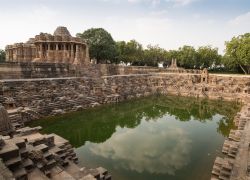
Surya Kund is a magnificent stepwell located in the historic town of Modhera in Gujarat. It is an integral part of the famous Modhera Sun Temple complex and stands as a brilliant example of ancient Indian architecture and water management systems. This beautifully designed kund (water tank) was not only used for storing water but also held deep religious importance, where devotees performed ritual cleansing before entering the temple. History of Surya Kund, Modhera Surya Kund was built in the early 11th century during the reign of the Solanki (Chaulukya) dynasty, particularly under King Bhima I. The structure was constructed along with the Modhera Sun Temple, which is dedicated to the Sun God, Surya. In ancient times, the kund served as a sacred water reservoir where devotees would take a holy dip before offering prayers. It symbolized purification of body and soul before entering the temple premises. Over centuries, despite invasions and natural wear, the structure has remained well-preserved and continues to attract tourists and historians. The kund represents not just religious beliefs but also the advanced engineering and artistic excellence of ancient India. It highlights how water structures were designed with both utility and spirituality in mind. :contentReference[oaicite:0]{index=0} Architecture of Surya Kund The architecture of Surya Kund is one of its most striking features. It is a large rectangular stepwell with geometrically arranged steps that descend symmetrically towards the water. The kund is surrounded by beautifully carved miniature shrines, creating a stunning visual effect. There are more than 100 small shrines built into the steps, dedicated to various Hindu deities such as Lord Vishnu, Lord Shiva, and Ganesha. The entire structure looks like an inverted temple or a sunken gallery, showcasing detailed carvings and sculptures. :contentReference[oaicite:1]{index=1} The steps are designed in a precise geometric pattern, forming terraces that lead down to the water level. This design not only enhances beauty but also reflects the scientific understanding of water conservation and symmetry in ancient Indian architecture. Why Famous for Surya Kund, Modhera? Surya Kund is famous for its unique stepwell design and its association with the Modhera Sun Temple. It is considered one of the finest examples of stepwell architecture in India. The kund is also known for its spiritual importance, as it was used for ritual purification before entering the temple. Its alignment with the temple and the solar significance adds to its uniqueness. Tourists and photographers are especially attracted to the site due to its symmetrical steps, intricate carvings, and stunning visual appeal. The place becomes even more magical during sunrise and sunset when light and shadow create beautiful patterns. How to Reach Surya Kund, Modhera Surya Kund is located in Modhera, about 100 km from Ahmedabad and around 25–30 km from Mehsana. By Road: Modhera is well connected by road. You can easily reach by taxi, private car, or bus from Ahmedabad, Mehsana, or Patan. By Rail: The nearest railway station is Mehsana Railway Station, about 25 km away. From there, taxis and buses are available. By Air: The nearest airport is Sardar Vallabhbhai Patel International Airport in Ahmedabad. Weather at Surya Kund The climate in Modhera is generally hot and dry. Summer (March to June): Temperatures can go above 40°C, making it quite hot for sightseeing. Monsoon (July to September): Moderate rainfall with some humidity. Winter (October to February): Best time to visit, with pleasant temperatures between 15°C to 25°C. Timing of Surya Kund Surya Kund is open daily from 6:00 AM to 6:00 PM. Morning and evening are the best times to visit for comfortable weather and good photography. Entry and Visit Details Entry to Surya Kund is included with the Modhera Sun Temple complex ticket. The entry fee is nominal for Indian and foreign tourists. The site is maintained by the Archaeological Survey of India (ASI), and visitors are advised to follow rules such as not touching carvings or littering. Things to Do at Surya Kund Explore the beautifully designed stepwell and admire its symmetry. Take photographs of the intricate carvings and geometric steps. Visit the nearby Modhera Sun Temple and learn about solar architecture. Enjoy peaceful surroundings and spend time relaxing near the kund. Attend the famous Modhera Dance Festival held annually. Interesting Facts about Surya Kund Surya Kund contains over 100 small shrines, making it unique among stepwells. It is designed as a ceremonial gateway before entering the temple. The structure reflects ancient knowledge of geometry, symmetry, and water conservation. The kund resembles a sunken temple due to its stepped design. Tips for Visiting Surya Kund Visit early morning or evening to avoid heat. Wear comfortable footwear as there are many steps. Carry water, sunglasses, and sunscreen. Respect the heritage site and avoid damaging carvings. Combine your visit with nearby attractions like Patan and Rani Ki Vav. Surya Kund is not just a water reservoir but a masterpiece of ancient Indian architecture and spirituality. Its beauty, symmetry, and historical importance make it a must-visit destination in Modhera, Gujarat.
Explore More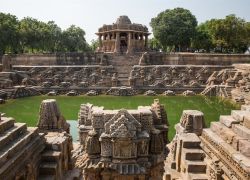
Brahma Kund is an important and revered stepwell located in the village of Modhera, Gujarat. It is situated near the famous Modhera Sun Temple and is a part of the ancient religious complex dedicated to the Sun God (Surya). Known for its stunning architecture and historical significance, the kund served as a ceremonial bathing area where pilgrims would cleanse themselves before entering the Sun Temple for worship. The intricate carvings and designs around the kund add to its cultural and spiritual significance, making it a popular tourist attraction in Gujarat. History of Brahma Kund Brahma Kund is believed to have been built during the 11th century, likely under the rule of the Solanki dynasty, the same dynasty that constructed the Modhera Sun Temple. The stepwell was built in honor of Lord Brahma, the Hindu god of creation, and was used by devotees for ritual purification before entering the temple. This ritual was a part of the elaborate process that involved washing away one's sins in the holy water of the kund. Although the exact historical details of Brahma Kund remain unclear, it is assumed that the kund was a key element in the grand design of the Modhera Sun Temple. The stepwell served both a functional purpose, as a water reservoir, and a spiritual one, helping pilgrims to cleanse themselves before offering prayers to the Sun God. The kund also held religious significance, symbolizing purification and renewal. Architecture of Brahma Kund Brahma Kund is a large rectangular stepwell, with several descending levels of stairs leading down to the water. The structure is well-known for its architectural beauty and geometric precision. Unlike many other stepwells in India, Brahma Kund features a series of ornate carvings and sculptures, which are characteristic of Solanki architecture. These carvings include depictions of deities, mythological creatures, and various animals, creating a rich tapestry of cultural and religious symbolism. The walls and steps of the kund are adorned with intricate designs, showcasing the fine craftsmanship of the artisans who built it. The architectural style is a blend of both functional design and artistic expression, with the layout of the stepwell aligning perfectly with the spiritual and practical needs of the time. The well is designed to collect and store rainwater, which was crucial for the survival of the people living in this semi-arid region. Why Famous for Brahma Kund, Modhera? Brahma Kund is famous for its historical significance and architectural beauty. As a part of the Modhera Sun Temple complex, it holds cultural and spiritual importance in Hinduism. The stepwell is often regarded as a symbol of devotion and purity, with many pilgrims visiting to perform their purification rituals before worshiping at the Sun Temple. The intricate carvings and sculptures on the walls of Brahma Kund make it an architectural gem, attracting photographers, historians, and art enthusiasts from around the world. The structure also offers a fascinating insight into the advanced water management systems that were used in ancient India, showcasing how architecture and functionality were intertwined to meet the needs of the time. In addition to its religious and architectural significance, Brahma Kund is also famous for its serene and tranquil environment. Visitors often come to enjoy the calm atmosphere of the kund and its surrounding temple complex, making it an ideal place for reflection and meditation. How to Reach Brahma Kund, Modhera Brahma Kund is located in the village of Modhera, Gujarat, which is well connected by road, rail, and air. Here’s how to reach the site: By Road: Modhera is easily accessible by road from nearby cities like Ahmedabad (about 100 km), Patan (around 25 km), and Mehsana (around 30 km). Visitors can hire a taxi or take a bus from these cities to reach Modhera. By Rail: The nearest railway station to Modhera is Mehsana Railway Station, located about 30 km away. From there, you can take a taxi or a local bus to reach Brahma Kund. By Air: The nearest airport is the Sardar Vallabhbhai Patel International Airport in Ahmedabad, which is about a 2-hour drive from Modhera. You can hire a taxi or rent a car from the airport to reach the site. Weather at Brahma Kund, Modhera The climate in Modhera is typically hot and dry, with temperatures reaching high levels during the summer months. The best time to visit Brahma Kund is during the cooler months, from October to March, when the weather is more pleasant and comfortable for sightseeing. Summer (March to June): Temperatures can reach 40°C or higher, making it less comfortable for outdoor activities. Monsoon (July to September): The region experiences moderate rainfall, but the humidity can make it uncomfortable for sightseeing. Winter (October to February): The weather is most favorable during this time, with temperatures ranging from 15°C to 25°C, making it ideal for visiting the stepwell. Timing of Brahma Kund, Modhera Brahma Kund is open to visitors throughout the week from 6:00 AM to 6:00 PM. It is recommended to visit early in the morning or later in the afternoon to avoid the midday heat, particularly during the summer months. The site is beautifully lit during special events and festivals, such as the Modhera Dance Festival, which takes place annually during the winter months. Entry and Visit Details The entry to Brahma Kund is free of charge, and visitors are allowed to explore the site at their own pace. However, a small fee may apply if you wish to visit the Modhera Sun Temple or participate in guided tours of the area. It is advisable to check with local authorities or tour operators about any updated entry fees during peak seasons or festivals. Guided tours are available for those who wish to learn more about the history, architecture, and spiritual significance of Brahma Kund. These tours are a great way to understand the deeper cultural context of the site and its importance in Hinduism. Things to Do at Brahma Kund, Modhera Admire the Architecture: Explore the stepwell's intricate carvings, sculptures, and geometric designs, which reflect the advanced architectural skills of the Solanki dynasty. Visit the Modhera Sun Temple: Located nearby, the Modhera Sun Temple is another must-see landmark, known for its beautiful architecture and solar alignment. Photography: The picturesque setting and stunning architecture of Brahma Kund make it a great spot for photography, particularly during sunrise or sunset. Relax and Reflect: Enjoy the peaceful atmosphere around the kund and spend some time reflecting or meditating in the serene surroundings. Attend the Modhera Dance Festival: If you visit during the festival season, you can enjoy classical dance performances and cultural events held at the temple complex. Interesting Facts about Brahma Kund Brahma Kund is one of the largest and most intricately designed stepwells in Gujarat, showcasing the Solanki dynasty’s architectural brilliance. The kund was primarily used for ritual purification by pilgrims before they entered the Modhera Sun Temple for worship. The well features detailed carvings of Hindu gods and goddesses, which were meant to invoke divine blessings. It was also an essential water storage system, demonstrating the advanced hydraulic engineering of the time. Tips for Visiting Brahma Kund Wear comfortable footwear as the area requires some walking and climbing of steps. Bring water, sunscreen, and a hat, especially if visiting in summer. Take a guided tour to gain deeper insights into the history and significance of the kund. Visit early or late in the day to avoid the heat and crowds. Check out nearby attractions such as the Modhera Sun Temple and Patan during your visit. Brahma Kund is a cultural and architectural marvel that showcases the brilliance of ancient Indian engineering. Its historical and spiritual significance, along with the peaceful surroundings, make it an unforgettable destination in Gujarat.
Explore More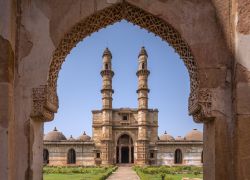
Champaner-Pavagadh Archaeological Park
The Champaner-Pavagadh Archaeological Park, located in the state of Gujarat, India, is a UNESCO World Heritage site known for its historical and cultural significance. The park is an extraordinary ensemble of architectural and archaeological wonders, including temples, mosques, palaces, forts, and step wells. Spanning over an area of 1,000 hectares, it represents the rich cultural heritage of the region. The site was once the capital of the Gujarat Sultanate and is an important example of Islamic military architecture. With its fascinating history and architectural beauty, the Champaner-Pavagadh Archaeological Park attracts history lovers, tourists, and scholars from around the world. How to Reach Champaner-Pavagadh Archaeological Park, Champaner Champaner-Pavagadh Archaeological Park is located around 47 kilometers east of Vadodara, in Gujarat, India. The easiest way to reach the site is by road. You can take a taxi or private car from Vadodara, which takes approximately 1 to 1.5 hours. Vadodara is well-connected by train and air, with the Vadodara Railway Station and Vadodara Airport serving major cities in India. Alternatively, if you are traveling from Ahmedabad, it is around a 2- to 2.5-hour drive to the archaeological park. Weather at Champaner-Pavagadh Archaeological Park, Champaner The weather at Champaner-Pavagadh Archaeological Park varies depending on the time of year. The climate is generally tropical, with hot summers, pleasant monsoons, and mild winters. The best time to visit the park is between November and March when the weather is cooler and more comfortable for exploring the outdoor monuments. The summer months (March to June) can be extremely hot, with temperatures soaring above 40°C (104°F), making it less ideal for sightseeing. During the monsoon season (June to September), the region experiences moderate to heavy rainfall, which can make travel more difficult and muddy. Timing to Visit Champaner-Pavagadh Archaeological Park, Champaner The Champaner-Pavagadh Archaeological Park is open to visitors every day of the week from 9:00 AM to 6:00 PM. It is advisable to visit early in the day to avoid the afternoon heat, especially during the summer months. The site can get crowded during peak tourist seasons, so planning an early visit can help you avoid large groups. If you are interested in photography, the soft morning light provides great opportunities for capturing the beauty of the park. Why Champaner-Pavagadh Archaeological Park is Famous Champaner-Pavagadh Archaeological Park is famous for its exceptional collection of Islamic architecture and its historical significance. The site was once a thriving capital city under the Gujarat Sultanate and is home to a unique blend of Hindu and Islamic structures. The park is known for its well-preserved medieval monuments, including the Pavagadh Hill Fort, the Jama Masjid, the Kevda Masjid, and several step wells. The park also features beautiful ruins, temples, and forts that reflect the golden era of Gujarat’s architecture and culture. The fascinating mix of Islamic and Hindu styles, combined with the stunning landscapes, makes it a one-of-a-kind destination for tourists and history enthusiasts. Entry and Visit Details About Champaner-Pavagadh Archaeological Park, Champaner The entry to the Champaner-Pavagadh Archaeological Park is managed by the Gujarat State Government. The entry fee for Indian visitors is around INR 25, while foreign nationals may be charged INR 300. The park is accessible to all types of visitors, and it is advisable to hire a local guide to help you understand the historical significance of each monument. There are several routes within the park, and the key sites include the Pavagadh Hill Fort, the Jama Masjid, the Vadaj Step Well, and the Siddi Sayyid Mosque. Visitors can explore the park on foot or hire bicycles for a more enjoyable experience. The park is well-maintained and provides basic amenities such as restrooms, water facilities, and refreshment stalls. History and Architecture of Champaner-Pavagadh Archaeological Park, Champaner Champaner-Pavagadh Archaeological Park is a treasure trove of historical and architectural significance. The area was originally a Hindu settlement, with temples and structures dating back to the 8th century. However, the city became an important capital under the rule of Mahmud Begada, the Sultan of Gujarat, in the 15th century. During this time, Champaner transformed into a vibrant center of Islamic architecture, marked by the construction of grand mosques, palaces, and forts. The architecture of Champaner is distinctive due to the combination of Islamic and Hindu styles, with intricate carvings, arches, and domes that reflect the cultural fusion of the period. Key architectural marvels within the park include the Jama Masjid, a large and intricately designed mosque with beautiful courtyards and a central dome, and the Kevda Masjid, known for its unique blend of Hindu and Islamic elements. The Pavagadh Hill Fort is another highlight, located atop a hill offering spectacular views of the surrounding landscapes. The fort and temples scattered across the hill are excellent examples of the region's military and religious architecture. Things to Do at Champaner-Pavagadh Archaeological Park, Champaner Visitors to Champaner-Pavagadh Archaeological Park can indulge in a variety of activities. Some of the most popular things to do include: Exploring the Monuments: The primary activity is exploring the many historical monuments, including the mosques, temples, forts, and step wells that reflect the rich history of the region. Hiking to Pavagadh Hill Fort: For the adventurous, hiking to the Pavagadh Hill Fort offers a rewarding experience with breathtaking views of the surrounding area. Photography: With its stunning landscapes, beautiful architecture, and lush greenery, the park is an excellent place for photography enthusiasts. Visit the Step Wells: Explore the step wells scattered around the park, which are excellent examples of ancient water management systems. Interesting Facts About Champaner-Pavagadh Archaeological Park, Champaner Here are some interesting facts about Champaner-Pavagadh Archaeological Park: The site is believed to be an ancient capital of the Gujarat Sultanate, making it one of the most important historical locations in India. Champaner is known for its unique blend of Hindu and Islamic architectural styles, showcasing the cultural harmony that existed during the Sultanate period. The park features numerous step wells, which were once vital for storing water during the region's dry seasons. Despite being a UNESCO World Heritage site, Champaner-Pavagadh is relatively less crowded compared to other heritage sites in India, providing a peaceful experience. Tips for Visiting Champaner-Pavagadh Archaeological Park, Champaner Here are some tips to make the most of your visit to Champaner-Pavagadh Archaeological Park: Wear Comfortable Footwear: Since the park covers a large area, it is important to wear comfortable walking shoes for exploring the monuments. Stay Hydrated: The weather can be hot, especially in the summer, so carry water with you and stay hydrated. Hire a Guide: To fully appreciate the history and architecture, consider hiring a local guide who can provide detailed information about the significance of each monument. Plan for a Full Day: The park is extensive, so plan to spend a full day exploring the various monuments, hiking the hills, and enjoying the surroundings. Respect the Heritage: As a UNESCO World Heritage site, it’s important to respect the preservation efforts and avoid damaging the monuments.
Explore More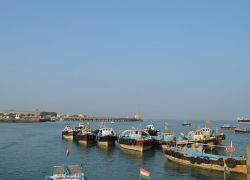
Bet Dwarka is a sacred island located off the coast of Dwarka in the Jamnagar district of Gujarat. Surrounded by the Arabian Sea, this beautiful island is known for its religious importance, serene environment, and scenic coastal views. It is believed to be the original residence of Lord Krishna, making it one of the most significant pilgrimage sites for devotees visiting Dwarka. How to Reach Bet Dwarka, Jamnagar Reaching Bet Dwarka involves a combination of road and boat travel, making the journey itself a unique experience. By Air: The nearest airport is Jamnagar Airport, located about 130 km from Bet Dwarka. From the airport, you can hire a taxi to reach Okha Port. By Train: The nearest railway station is Dwarka Railway Station or Okha Railway Station. Both are well connected to major cities in Gujarat and India. By Road: From Jamnagar or Dwarka, you can travel by road to Okha Port, which is around 30 km from Dwarka. By Boat: From Okha Port, regular ferry services are available to Bet Dwarka. The boat ride takes around 15–20 minutes and offers scenic views of the sea. Weather Bet Dwarka experiences a coastal climate with moderate temperatures throughout the year. Summer (March to June): Warm and humid with temperatures ranging between 30°C to 38°C. Monsoon (July to September): Moderate rainfall with occasional rough sea conditions. Winter (November to February): Pleasant and ideal for travel, with temperatures between 15°C to 25°C. Timings Bet Dwarka is open for visitors throughout the day. However, the main temple on the island generally remains open from 6:00 AM to 1:00 PM and 5:00 PM to 9:00 PM. Ferry services usually operate from early morning until evening, depending on weather conditions. Why Famous for Bet Dwarka, Jamnagar? Bet Dwarka is famous for its strong connection to Lord Krishna. It is believed that this island was the residence of Lord Krishna during his reign in Dwarka. The main attraction is the ancient Dwarkadhish Temple, where devotees come to seek blessings. The island is also known for its peaceful beaches, clear waters, and religious atmosphere. Apart from its spiritual importance, Bet Dwarka is famous for its association with mythology, as it is believed that Lord Krishna received his friend Sudama here. The combination of spirituality and natural beauty makes it a unique destination. Entry and Visit Details Entry Fee: There is no entry fee to visit Bet Dwarka island or the temple. However, ferry charges from Okha Port are minimal and usually range between ₹20 to ₹50 per person. Duration of Visit: Visitors typically spend around 2 to 4 hours on the island, including temple darshan and exploring nearby areas. Facilities: Basic facilities like small shops, food stalls, and resting areas are available near the temple. However, the island is not highly commercialized. History and Architecture Bet Dwarka has a rich historical and mythological background dating back thousands of years. According to Hindu scriptures, this island was part of the ancient kingdom of Dwarka ruled by Lord Krishna. Archaeological findings suggest that the area was an important trading port in ancient times. The Dwarkadhish Temple on the island is believed to be over 500 years old and showcases traditional Indian temple architecture. The temple structure is simple yet spiritually powerful, with beautifully carved pillars and sacred idols. The idol of Lord Krishna here is worshipped in his kingly form. Nearby temples dedicated to other deities, such as Hanuman and Vishnu, also add to the religious significance of the island. Things to Do at Bet Dwarka Visitors to Bet Dwarka can enjoy a mix of spiritual and leisure activities: Temple Darshan: Visit the Dwarkadhish Temple and seek blessings. Boat Ride: Enjoy a scenic ferry ride from Okha to Bet Dwarka. Explore Beaches: Relax at the peaceful beaches and enjoy the sea breeze. Photography: Capture the beauty of the island, temples, and sea views. Visit Nearby Temples: Explore smaller temples dedicated to different deities around the island. Interact with Locals: Experience the simple lifestyle and culture of the local fishing communities. Facts and Tips About Bet Dwarka, Jamnagar Bet Dwarka is considered one of the most sacred places associated with Lord Krishna. The ferry ride is an important part of the journey and offers beautiful views of the Arabian Sea. Carry cash, as digital payment options may be limited on the island. Wear comfortable clothes and footwear suitable for walking. Visit early in the day to avoid crowds and enjoy a peaceful darshan. Avoid visiting during rough weather or heavy monsoon due to ferry disruptions. Respect religious customs and maintain cleanliness on the island. Conclusion Bet Dwarka is a perfect blend of spirituality, history, and natural beauty. Located near Jamnagar, this sacred island offers a unique travel experience with its religious significance and peaceful surroundings. Whether you are a devotee or a traveler seeking tranquility, Bet Dwarka provides a memorable journey filled with devotion, culture, and scenic charm.
Explore More
Ranjit Vilas Palace is one of the most magnificent royal residences located in Bhuj, Gujarat. Nestled amidst lush greenery and scenic surroundings, this palace is a fine example of regal architecture and royal heritage. Though not as frequently visited as other monuments in Bhuj, Ranjit Vilas Palace holds immense historical and cultural importance and offers a glimpse into the luxurious lifestyle of the Kutch royal family. How to Reach Ranjit Vilas Palace, Bhuj Reaching Ranjit Vilas Palace is convenient as Bhuj is well connected by different modes of transport. By Air: The nearest airport is Bhuj Airport (BHU), located about 6–8 km from the palace. Regular flights connect Bhuj with cities like Mumbai and Ahmedabad. By Train: Bhuj Railway Station is well-connected with major cities in Gujarat and India. From the station, you can hire a taxi or auto-rickshaw to reach the palace. By Road: Bhuj has a strong road network with cities like Ahmedabad, Rajkot, and Gandhinagar. Private taxis, buses, and self-drive options are easily available. Weather Bhuj experiences a semi-arid climate, so planning your visit according to the season is important. Summer (March to June): Very hot with temperatures reaching up to 42°C. Not ideal for sightseeing. Monsoon (July to September): Moderate rainfall with slightly cooler temperatures. Winter (November to February): Pleasant and best time to visit, with temperatures between 12°C and 25°C. Timings Ranjit Vilas Palace is a private property and is not regularly open to the general public. Visits are usually allowed only with prior permission from the royal family or during special occasions, heritage tours, or film shootings. It is advisable to check locally or through tourism authorities before planning a visit. Why Famous for Ranjit Vilas Palace, Bhuj? Ranjit Vilas Palace is famous for its royal grandeur, elegant design, and peaceful surroundings. Unlike other crowded tourist spots, the palace offers a serene and exclusive experience. It is also known for its association with the royal family of Kutch and has been used as a filming location for several movies due to its majestic appearance and scenic beauty. Entry and Visit Details Entry Fee: There is no fixed public entry fee as the palace is privately owned. If entry is permitted, it may involve special permission or guided tour arrangements. Duration of Visit: If access is granted, visitors typically spend 1–2 hours exploring the palace and its surroundings. Note: Visitors should always respect the privacy and rules of the property and avoid entering without permission. History and Architecture Ranjit Vilas Palace was built during the reign of the Kutch royal family in the early 20th century. It served as a royal residence and continues to be associated with the descendants of the royal lineage. The architecture of the palace is a beautiful blend of Rajput, colonial, and European styles. The palace features grand domes, wide corridors, large windows, and intricately designed interiors. Surrounded by well-maintained gardens, the structure stands as a symbol of elegance and sophistication. The interiors of the palace are equally impressive, showcasing antique furniture, chandeliers, and decorative elements that reflect the royal lifestyle. Though not fully open to the public, glimpses of its interiors during special tours reveal its timeless charm. Things to Do at Ranjit Vilas Palace If you get the opportunity to visit the palace, here are some things you can do: Admire the royal architecture and design of the palace. Explore the beautiful gardens and enjoy the peaceful surroundings. Capture stunning photographs of the palace exterior and landscapes. Learn about the royal history of Kutch and the significance of the palace. Combine your visit with nearby attractions in Bhuj such as Prag Mahal and Aina Mahal. Facts and Tips About Ranjit Vilas Palace, Bhuj The palace is still associated with the royal family, which is why access is restricted. It is less crowded compared to other tourist attractions, making it ideal for those seeking peace and exclusivity. Many Bollywood films and photo shoots have been conducted here due to its scenic beauty. Always seek prior permission before planning a visit. Wear comfortable clothing and carry water, especially during warmer months. Respect the heritage property and follow all rules if access is granted. Conclusion Ranjit Vilas Palace in Bhuj is a hidden gem that reflects the royal heritage and architectural brilliance of Gujarat. While access may be limited, the palace remains an important part of Bhuj’s cultural landscape. For those who manage to visit, it offers a unique and memorable experience filled with history, elegance, and tranquility.
Explore More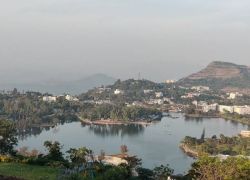
Table Point in Saputara, Gujarat is one of the most scenic viewpoints in the Western Ghats, offering panoramic views of lush valleys, rolling hills, and the Saputara town below. Named for its flat, plateau-like surface that resembles a giant table, Table Point is a must-visit destination for nature lovers, photographers, and travelers seeking tranquility and breathtaking landscapes. Its elevated location provides a perfect spot for sunrise and sunset vistas, making it one of the top attractions in Saputara. How to Reach Table Point, Saputara, Gujarat Reaching Table Point is convenient for travelers visiting Saputara. The town is approximately 170 km from Surat and 250 km from Nashik, making it accessible by road. The following options are available: By Road: Saputara is well-connected by state highways and private buses from Surat, Nashik, and other nearby cities. Private taxis or self-drive cars are ideal for reaching Table Point, as it allows flexibility to stop along scenic routes. By Rail: The nearest railway station is in Waghai (about 30 km away), from where local transport or taxis can be used to reach Saputara and Table Point. By Air: Surat Airport is the nearest airport, connected to major Indian cities. From the airport, travelers can hire a taxi or use rental vehicles to reach Saputara. Weather in Saputara The climate at Table Point is pleasant throughout most of the year due to its elevation in the Western Ghats. Summers (March to June) are mild, with temperatures ranging from 25°C to 35°C, making it comfortable for sightseeing. Monsoon season (July to September) brings heavy rainfall, enhancing the greenery but sometimes making roads slippery. Winters (October to February) are ideal for visiting, with temperatures ranging between 15°C and 25°C, clear skies, and cool breezes perfect for photography and outdoor activities. Timings of Table Point Table Point is accessible throughout the day, typically from 6:00 AM to 6:00 PM. Early morning visits are recommended for sunrise views and a serene atmosphere, while late afternoon is ideal for sunset photography. The viewpoint is open to the public, and the flat plateau provides ample space to explore, relax, or enjoy picnics with family and friends. Why Table Point is Famous Table Point is famous for its panoramic vistas of the Saputara hills and valleys, its unique plateau-like structure, and breathtaking sunrises and sunsets. The viewpoint offers 360-degree views of the surrounding Western Ghats, forests, and the winding rivers below. Visitors flock here for photography, nature walks, and to experience the serene ambiance of the hill station. The name “Table Point” is derived from its flat surface, which resembles a table, making it an easy landmark to identify and a favorite spot for tourists. Entry and Visit Details Entry to Table Point is free of charge. Visitors can walk around the plateau, enjoy the views, and spend time exploring the surrounding area. Basic amenities like benches and small food stalls are available, but carrying water, snacks, and comfortable walking shoes is advisable. Guided tours are available for visitors who wish to learn more about the flora, fauna, and geography of the Western Ghats around Saputara. History and Architecture Table Point itself is a natural geological formation, so there is no man-made architecture at the site. However, its location within Saputara, a hill station developed during the colonial era, adds historical significance. The town and surrounding areas were historically inhabited by tribal communities, and visitors can explore local villages to see traditional architecture, including mud houses with thatched roofs and bamboo structures. Nearby temples and gardens also reflect the cultural heritage of the Dang district. Things to Do at Table Point Photography: Capture panoramic views of valleys, hills, and the distant Saputara town. Sunrise and Sunset Viewing: Enjoy spectacular natural colors reflected over the Western Ghats. Nature Walks: Explore the plateau and surrounding forested areas. Picnics: Spend time with family or friends while enjoying the scenic environment. Bird Watching: Observe local birds and wildlife in the Western Ghats ecosystem. Facts About Table Point Table Point is one of the highest points in Saputara, providing unobstructed views in all directions. Its flat plateau is ideal for gatherings, meditation, and photography. The viewpoint is surrounded by dense forests, making it home to several species of birds and small wildlife. The area is part of the Western Ghats, a UNESCO World Heritage site known for biodiversity and natural beauty. Table Point is a key attraction that draws both domestic and international tourists visiting Saputara. Tips for Visiting Table Point, Saputara, Gujarat Wear comfortable walking shoes for trekking around the plateau. Carry water and light snacks, especially if planning a long visit. Visit during early morning or late afternoon for the best lighting and views. Respect the natural environment and avoid littering to maintain the site’s beauty. Combine your visit with other Saputara attractions like Sunset Point, Saputara Lake, and the Artist Village for a full experience. In conclusion, Table Point, Saputara, Gujarat is a spectacular viewpoint offering breathtaking views, peaceful surroundings, and an immersive experience in the Western Ghats. Whether you are a photographer, nature lover, or casual traveler, Table Point provides an unforgettable experience. Its panoramic vistas, serene atmosphere, and proximity to other attractions in Saputara make it a must-visit destination for anyone exploring this beautiful hill station in Gujarat.
Explore More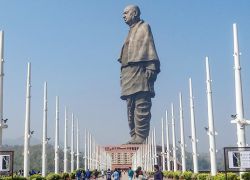
The Statue of Unity, the world's tallest statue, stands proudly in Kevadia, a small town in the Narmada district of Gujarat, India. This engineering marvel is a tribute to Sardar Vallabhbhai Patel, India’s first Deputy Prime Minister and Home Minister, who played a key role in unifying the country after independence. Inaugurated on October 31, 2018, the statue is not just a monument, but a symbol of national unity, pride, and vision. Location and Distance The Statue of Unity is located on Sadhu Bet Island on the Narmada River, near the Sardar Sarovar Dam. The statue lies about: 3.5 km from Kevadia town 90 km from Vadodara 150 km from Surat 200 km from Ahmedabad 420 km from Mumbai Its peaceful natural setting amid hills, rivers, and lush greenery makes it not just a tourist spot but a complete travel destination. Symbolism and Design The Statue of Unity stands 182 meters (597 feet) tall, nearly twice the height of the Statue of Liberty. The number 182 was chosen to represent the 182 Assembly constituencies of Gujarat, symbolizing unity across the state. Sardar Patel’s expression is firm and visionary, reflecting strength, leadership, and resolve. The statue was designed by renowned sculptor Ram V. Sutar, and constructed by Larsen & Toubro (L&T). It took nearly 42 months to complete and cost around ₹3,000 crore. This statue is more than an architectural wonder—it represents India’s unity in diversity, the strength of federalism, and a reminder of Patel’s dream of a united India. Travel Guide – Things to Do at Statue of Unity The Statue of Unity complex is more than just the statue. It’s a complete tourist ecosystem. Here are the top attractions: 1. Viewing Gallery Located at a height of 153 meters, this gallery offers a panoramic view of the Sardar Sarovar Dam, Narmada River, and the surrounding Vindhya and Satpura hills. 2. Museum and AudioVisual Gallery Located at the base, this museum displays Sardar Patel’s life, achievements, and India’s freedom struggle through interactive exhibits and short documentaries. 3. Valley of Flowers Spread over 600 acres, this beautifully landscaped garden features more than 100 species of plants and flowers. 4. Sardar Sarovar Dam A sight to behold, especially during monsoon, the dam is a symbol of engineering excellence and a crucial lifeline for Gujarat. 5. Laser Light and Sound Show Held every evening, this show narrates Sardar Patel’s journey and India’s unity story with vibrant lights and surround sound. 6. Jungle Safari Park Spread over 375 acres, this safari features more than 100 species of animals and birds, including giraffes, zebras, lions, and more. 7. Cactus Garden and Butterfly Park A unique garden showcasing over 450 species of cacti and a park filled with colorful butterflies, perfect for nature lovers. 8. River Rafting and Boating For adventure lovers, river rafting in the Narmada and boat rides offer a thrilling experience with picturesque views. 9. Ekta Mall and Ekta Nursery Shop for local handicrafts and sustainable souvenirs at Ekta Mall. The nursery showcases various plants and supports ecotourism. How to Reach the Statue of Unity Reaching the Statue of Unity is easy, thanks to wellconnected roads, rail, and air networks. By Air Nearest Airport: Vadodara Airport (90 km) Also nearby: Surat Airport (150 km), Ahmedabad Airport (200 km) From the airport, you can hire a taxi or use bus services. By Train Kevadiya Railway Station is now connected with major cities like Mumbai, Ahmedabad, and Varanasi. Regular express trains run from Ahmedabad, Vadodara, and Surat. By Road Buses run from Ahmedabad, Vadodara, Surat, and Rajpipla to Kevadia. You can also drive via NH48 or book a cab. Roads are smooth and scenic. Where to Stay – Accommodation Near Statue of Unity There are several stay options, from budget to luxury: Tent City Narmada – A premium experience with tents, cottages, and riverside views. SOU Resorts and Hotels – Many options near Kevadia. Government Guesthouses and Budget Hotels – Available for families and group travelers. Online booking is recommended, especially during holidays or weekends. Best Time to Visit The best time to visit the Statue of Unity is from October to March, when the weather is pleasant and ideal for sightseeing. Winter (Oct–Feb): Cool and breezy. Best for fullday exploration. Monsoon (Jul–Sep): Lush greenery and flowing river views, but can be wet. Summer (Apr–Jun): Hot and dry. Visit early morning or late evening. Tickets and Entry Timings Opening Hours: 8:00 AM to 6:00 PM (Closed on Mondays) Laser Show: 7:30 PM onwards (check onsite for exact time) Ticket Types 1. Basic Entry Ticket: ₹150 (Adults), ₹90 (Children) 2. Viewing Gallery Ticket: ₹380 (Includes entry + gallery access) 3. Express Entry Ticket: ₹1030 (Avoid queues) 4. Jungle Safari: ₹200 (Adults), ₹125 (Children) Why You Should Visit the Statue of Unity It's the world’s tallest statue and a masterpiece of Indian engineering. Ideal for history lovers, families, students, and adventure seekers. Combines culture, nature, and modern attractions in one place. Promotes ecotourism and local culture through exhibits, gardens, and local crafts. Travel Tips for Visitors Carry water, sunscreen, and hats, especially in summer. Wear comfortable walking shoes. Book tickets and accommodation in advance. Check weather and timings before travel. Opt for electric shuttle buses inside the complex for easy travel. Final Thoughts The Statue of Unity is not just a monument—it's a journey through India’s history, unity, and progress. A visit here is inspiring, educational, and refreshing all at once. Whether you’re a solo traveler, a family, or a history buff, this destination is a must visit to feel proud of India’s rich heritage and future vision.
Explore More
Sardar Sarovar Dam is one of India’s largest and most important river valley projects, located near Kevadia, Gujarat on the mighty Narmada River. It is a symbol of engineering excellence and plays a crucial role in irrigation, drinking water supply, and electricity generation for several Indian states. Surrounded by scenic hills and lush greenery, the dam has also become a popular tourist attraction, especially due to its proximity to the Statue of Unity. Why Famous for Sardar Sarovar Dam, Kevadia? The Sardar Sarovar Dam is famous for its massive size, strategic importance, and multi-purpose benefits. It is one of the largest dams in the world and serves millions of people across Gujarat, Madhya Pradesh, Maharashtra, and Rajasthan. Major reasons for its popularity include: • One of India’s largest dams built on the Narmada River • Provides irrigation to drought-prone areas • Supplies drinking water to thousands of villages • Generates hydroelectric power • Scenic beauty and tourist attraction • Close to the Statue of Unity, making it part of a major tourist circuit History and Architecture The idea of building the Sardar Sarovar Dam was first conceived after India’s independence to utilize the waters of the Narmada River effectively. The foundation stone was laid in 1961 by Prime Minister Jawaharlal Nehru. However, the project faced several challenges, including environmental concerns and inter-state disputes. After decades of planning, construction, and legal processes, the dam was finally completed and dedicated to the nation in 2017. Architecturally, the dam is a gravity dam made of concrete. It stands as a remarkable example of modern engineering. Key architectural features include: • Height: 163 meters • Length: 1,210 meters • Large reservoir known as the Sardar Sarovar Reservoir • Spillway system to manage water flow • Canal network extending across multiple states The dam’s design ensures efficient water storage, flood control, and electricity generation. Entry and Visit Details Entry Fee: • General viewing areas: Free or minimal charges • Viewing gallery ticket (if applicable): ₹20 – ₹50 (approx.) Note: Entry policies may vary depending on security guidelines and tourism regulations. Best Time to Visit: The best time to visit is during monsoon and post-monsoon seasons when the water levels are high and the dam looks most impressive. Timing Opening Days: Open all days Timings: 8:00 AM to 6:00 PM Visitors should check for updated timings before planning their visit. Weather at Kevadia, Gujarat The climate in Kevadia varies throughout the year: • Summer (March–June): Hot and dry, temperatures may reach up to 40°C • Monsoon (July–September): Heavy rainfall with full reservoir views • Winter (October–February): Pleasant and cool, ideal for sightseeing Best Season: October to February is the most comfortable time for visiting. How to Reach Sardar Sarovar Dam, Kevadia By Air: The nearest airport is Vadodara Airport, approximately 95 km away. By Train: Ekta Nagar Railway Station is the closest railhead, around 8 km from the dam. By Road: Kevadia is well connected by road to major cities like Ahmedabad, Surat, and Vadodara. Regular buses and taxis are available. Local Transport: Electric buses, taxis, and auto-rickshaws operate within the tourism area. Things to Do at Sardar Sarovar Dam • Enjoy Scenic Views – Witness the vast reservoir and surrounding hills. • Visit Viewing Points – Get panoramic views of the dam structure. • Photography – Capture the beauty of the dam and Narmada River. • Explore Nearby Attractions – Combine your visit with the Statue of Unity. • Learn About Engineering – Understand the construction and significance of the dam. • Boating (Nearby Areas) – Enjoy water-based activities near the reservoir. Interesting Facts • It is one of the tallest dams in India. • The dam benefits over 40 million people across multiple states. • It has a vast canal network for irrigation. • The reservoir is one of the largest in India. • The project took several decades to complete. Tips for Visiting • Visit during monsoon or winter for the best views. • Carry water, sunscreen, and hats during summer. • Follow security guidelines at the dam site. • Wear comfortable shoes for walking. • Combine your visit with nearby tourist attractions. • Avoid restricted areas and follow instructions from authorities. Conclusion Sardar Sarovar Dam in Kevadia, Gujarat is not only an engineering marvel but also a symbol of India’s development and resource management. With its massive structure, scenic surroundings, and vital importance, it offers both educational and visual appeal to visitors. Whether you are interested in engineering, nature, or tourism, this iconic dam provides a memorable experience.
Explore More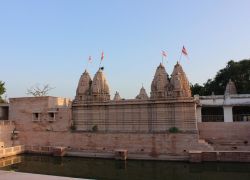
Bindu Sarovar is a sacred and historically significant water tank located near Patan in Gujarat, specifically in the town of Siddhpur. It is considered one of the holiest places in India, especially for performing Hindu rituals for ancestors. This serene and spiritual destination holds immense religious importance and attracts pilgrims from across the country. Bindu Sarovar is not just a water body but a place deeply connected with ancient traditions, mythology, and cultural practices. Surrounded by temples and ghats, the site offers a peaceful atmosphere that makes it ideal for spiritual reflection and religious ceremonies. Why Famous for Bindu Sarovar, Patan, Gujarat? Bindu Sarovar is famous for being one of the five sacred sarovars (water tanks) in India. It is especially known for performing Matru Shraddh, a unique ritual dedicated to mothers who have passed away. Unlike other places where rituals are performed mainly for fathers or ancestors, Bindu Sarovar holds a special place for honoring mothers, making it spiritually unique. The site is also known for its calm environment, religious significance, and historical importance, attracting both devotees and tourists. History of Bindu Sarovar, Patan, Gujarat The history of Bindu Sarovar dates back to ancient times and is mentioned in Hindu scriptures. According to mythology, it is believed that Lord Vishnu shed tears (bindu) here for humanity, which led to the formation of the sarovar. The place has been a center for religious rituals and ceremonies for centuries. It is closely associated with the sage Kardama Rishi and his wife Devahuti, who are important figures in Hindu mythology. Over time, the site developed into a major pilgrimage center, with temples and ghats constructed around the water tank. Architecture of Bindu Sarovar The architecture of Bindu Sarovar is simple yet spiritually significant, focusing on functionality and religious practices. Key features include: • Sacred Tank: A well-maintained water reservoir. • Stone Ghats: Steps leading down to the water for rituals. • Surrounding Temples: Dedicated to various Hindu deities. • Open Courtyards: Space for performing ceremonies. The layout is designed to facilitate religious activities and provide a peaceful environment for devotees. Things to Do at Bindu Sarovar, Patan, Gujarat Visitors can engage in several meaningful activities: 1. Perform Rituals: Conduct Matru Shraddh and other ceremonies. 2. Visit Temples: Explore nearby religious sites. 3. Meditation: Spend quiet time in spiritual reflection. 4. Photography: Capture the serene surroundings (where permitted). 5. Cultural Learning: Understand Hindu traditions and beliefs. Entry and Visit Details Entry Fee: Entry to Bindu Sarovar is free. Visit Duration: Visitors usually spend around 1 to 2 hours, depending on rituals performed. Facilities: Basic facilities such as priests, पूजा materials, and seating arrangements are available. Visitors are expected to maintain respect for religious practices and follow guidelines. Timings of Bindu Sarovar The site is open throughout the day. However, morning hours are considered the best time for rituals and peaceful visits. Weather at Bindu Sarovar, Patan, Gujarat The climate in the region is as follows: Summer (March to June): Hot, with temperatures up to 42°C. Monsoon (July to September): Moderate rainfall. Winter (October to February): Pleasant, with temperatures between 10°C and 25°C. Winter is the best time to visit Bindu Sarovar. How to Reach Bindu Sarovar, Patan, Gujarat By Air: The nearest airport is Ahmedabad Airport, about 110 km away. By Train: The nearest railway station is Siddhpur Railway Station, located very close to the site. By Road: Siddhpur is well connected by road to Patan, Mehsana, and Ahmedabad. Buses, taxis, and private vehicles are easily available. Bindu Sarovar is located in Siddhpur, around 35 km from Patan, and can be reached easily by local transport. Interesting Facts about Bindu Sarovar • It is one of the five sacred sarovars in India. • It is specially known for Matru Shraddh rituals. • It is associated with Lord Vishnu’s tears. • It has been a pilgrimage site for centuries. Travel Tips for Bindu Sarovar • Wear modest and respectful clothing. • Visit early morning for rituals. • Carry water and sun protection. • Follow guidance from priests during ceremonies. • Maintain cleanliness and respect the sacred site. Conclusion Bindu Sarovar near Patan is a deeply spiritual and culturally rich destination that holds a special place in Hindu traditions. Its unique significance for honoring mothers, combined with its peaceful environment, makes it a must-visit place for pilgrims and travelers. A visit to Bindu Sarovar offers not only religious fulfillment but also a deeper understanding of India’s ancient traditions.
Explore MoreRann of Kutch ( 2N 3D)
3 Days/ 2 Night
Ahmedabad - Bhuj - Surat - Kutch
Dwarka & Somnath, Statue, Diu, SasanGir Tour
8 Days/ 7 Night
Ahmedabad - Diu - Dwarka - Kevadia - Porbandar
Gujarat Heritage - Pilgrimage Tour - 5 Nights - 6 Days
6 Days/ 5 Night
Ahmedabad - Dwarka
Gujarat 8 Days - 7 Nights Tour
8 Days/ 7 Night
Ahmedabad - Vadodara (Baroda) - Diu - Kevadia - Sasan
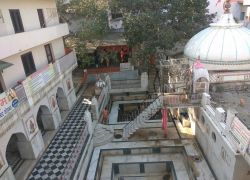
Khan Sarovar is a historic water reservoir located in Patan, Gujarat, known for its cultural significance, peaceful environment, and architectural charm. This beautiful lake-like structure reflects the rich heritage of Patan, which was once the capital of the Solanki dynasty. Though not as famous as Rani ki Vav, Khan Sarovar holds its own importance as a serene and less crowded destination for visitors. The sarovar is surrounded by stone steps and traditional structures, making it a perfect place for relaxation, photography, and exploring Gujarat’s historical water management systems. It is a hidden gem for those who wish to experience Patan beyond its popular attractions. Why Famous for Khan Sarovar, Patan, Gujarat? Khan Sarovar is famous for its historical significance and traditional step-tank design. It represents the ancient techniques used for water storage and conservation in Gujarat. The sarovar is also known for its calm and scenic surroundings, making it an ideal place for peaceful walks and quiet time. Unlike crowded tourist spots, it offers a relaxing atmosphere. Its architectural style and connection to Patan’s heritage attract history lovers and photographers. History of Khan Sarovar, Patan, Gujarat The history of Khan Sarovar is linked to the medieval period when Patan flourished under various rulers. It is believed that the sarovar was constructed to meet the water needs of the local population and to support the city’s development. Such reservoirs were an essential part of urban planning in ancient Gujarat, showcasing the importance of water conservation. Over time, Khan Sarovar became a part of the region’s cultural and historical identity. Though it may not have extensive documented history like other monuments, it remains an important example of traditional infrastructure. Architecture of Khan Sarovar The architecture of Khan Sarovar reflects simple yet effective design principles used in ancient water systems. Key architectural features include: • Step Structure: Stone steps leading down to the water. • Large Water Tank: Designed for storage and usage. • Symmetrical Layout: Balanced and organized construction. • Stone Embankments: Strong boundaries for durability. The design focuses on functionality while maintaining aesthetic appeal. Things to Do at Khan Sarovar, Patan, Gujarat Visitors can enjoy various activities at this peaceful location: 1. Sightseeing: Explore the structure and surroundings. 2. Photography: Capture scenic and architectural views. 3. Relaxation: Spend quiet time near the water. 4. Heritage Walk: Combine with other historical sites in Patan. 5. Cultural Exploration: Learn about traditional water systems. Entry and Visit Details Entry Fee: Entry to Khan Sarovar is free. Visit Duration: Visitors usually spend around 30 minutes to 1 hour at the site. Facilities: Basic facilities are limited, so visitors should carry essentials. The site is open to all and suitable for visitors looking for a calm experience. Timings of Khan Sarovar Khan Sarovar is open throughout the day. However, morning and evening are the best times to visit due to pleasant weather. Weather at Khan Sarovar, Patan, Gujarat The climate in Patan is as follows: Summer (March to June): Hot, with temperatures up to 42°C. Monsoon (July to September): Moderate rainfall. Winter (October to February): Pleasant, with temperatures between 10°C and 25°C. Winter is the best time to visit for a comfortable experience. How to Reach Khan Sarovar, Patan, Gujarat By Air: The nearest airport is Ahmedabad Airport, about 125 km away. By Train: The nearest railway station is Patan Railway Station. By Road: Patan is well connected by road to Ahmedabad, Mehsana, and other nearby cities. Buses, taxis, and private vehicles are available. Khan Sarovar is located within Patan and can be easily reached by local transport. Interesting Facts about Khan Sarovar • It reflects ancient water conservation techniques. • It is less crowded compared to other tourist spots. • It offers a peaceful and scenic environment. • It is part of Patan’s historical heritage. Travel Tips for Khan Sarovar • Visit during cooler hours of the day. • Carry water and snacks. • Wear comfortable footwear. • Be cautious near the water edges. • Combine your visit with other attractions in Patan. Conclusion Khan Sarovar in Patan is a peaceful and historically interesting destination that highlights the importance of water management in ancient India. Its calm environment and simple beauty make it a great place to relax and explore. A visit to Khan Sarovar offers a unique glimpse into the heritage and lifestyle of the past.
Explore More
Royal Garages in Gondal, Gujarat, is a unique and fascinating attraction that showcases an extraordinary collection of vintage and classic cars owned by the royal family of Gondal. Located within the palace complex, this place is a paradise for automobile lovers, history enthusiasts, and tourists who are interested in royal heritage. The Royal Garages is not just a parking space but a well-preserved museum that reflects the luxurious lifestyle and refined taste of the Gondal royal family. The collection includes rare automobiles, some of which are still in working condition, making it one of the most remarkable vintage car collections in India. Why Famous for Royal Garages, Gondal, Gujarat? The Royal Garages is famous for its extensive collection of vintage and classic cars, including rare models from world-renowned automobile brands. These cars represent different eras of automotive history and showcase the evolution of design and engineering. It is also known for the fact that many of these vehicles are still maintained in running condition, which is rare for such old automobiles. The collection reflects the passion of the Gondal royal family for cars and mechanical excellence. The unique combination of history and automobiles makes it a must-visit attraction in Gondal. History of Royal Garages, Gondal, Gujarat The Royal Garages dates back to the time when Gondal was a princely state ruled by visionary rulers who had a keen interest in modern technology and luxury. The royal family began collecting automobiles during the early 20th century, when cars were considered a symbol of prestige and innovation. Over the years, the collection grew to include various models from different parts of the world. The vehicles were carefully maintained and preserved, ensuring their longevity. Today, the Royal Garages serves as a museum, allowing visitors to witness this impressive collection and learn about the automotive interests of the royal family. Architecture of Royal Garages The architecture of the Royal Garages is simple yet functional, designed to house and protect valuable automobiles. Key features include: • Spacious Structure: Large halls to accommodate multiple vehicles. • Vintage Design Elements: Reflecting the era in which it was built. • Well-Maintained Interiors: Clean and organized display areas. • Practical Layout: Designed for easy movement and viewing of cars. The focus is more on functionality and preservation rather than decorative elements. Things to Do at Royal Garages, Gondal, Gujarat Visitors can enjoy several activities at this attraction: 1. Explore Vintage Cars: View a wide range of classic automobiles. 2. Photography: Capture images of rare and historic vehicles. 3. Learn Automotive History: Understand the evolution of car design. 4. Cultural Experience: Discover the royal lifestyle and interests. 5. Guided Tours: Gain detailed insights through guides (if available). Entry and Visit Details Entry Fee: A nominal entry fee is charged for visitors. Visit Duration: Visitors usually spend around 1 to 2 hours exploring the collection. Facilities: Basic facilities such as parking and guided assistance are available. The site is suitable for all age groups, especially automobile enthusiasts. Timings of Royal Garages The Royal Garages is generally open from 9:00 AM to 5:00 PM. Timings may vary on holidays or special occasions. Weather at Royal Garages, Gondal, Gujarat The climate in Gondal is typical of Gujarat: Summer (March to June): Hot, with temperatures up to 40°C. Monsoon (July to September): Moderate rainfall and greenery. Winter (October to February): Pleasant, with temperatures between 12°C and 28°C. Winter is the best time to visit for a comfortable experience. How to Reach Royal Garages, Gondal, Gujarat By Air: The nearest airport is Rajkot Airport, about 40 km away. By Train: The nearest railway station is Gondal Railway Station, well connected to nearby cities. By Road: Gondal is easily accessible by road from Rajkot and other major cities in Gujarat. Buses, taxis, and private vehicles are available. The Royal Garages is located within the palace complex and can be easily reached from the town center. Interesting Facts about Royal Garages • It houses one of the finest vintage car collections in India. • Many cars are still in working condition. • The collection includes rare international models. • It reflects the royal family’s passion for automobiles. Travel Tips for Royal Garages • Visit during morning hours to avoid crowds. • Carry water, especially in summer. • Follow rules regarding photography. • Take time to explore each vehicle in detail. • Combine your visit with nearby attractions in Gondal. Conclusion Royal Garages in Gondal is a unique destination that offers a glimpse into the world of vintage automobiles and royal luxury. Its impressive collection, historical importance, and well-maintained vehicles make it a must-visit spot for travelers. Whether you are a car enthusiast or a history lover, this attraction provides a memorable and enriching experience.
Explore More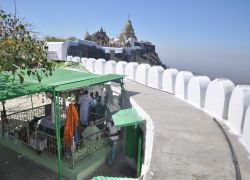
Angar Pir is a revered spiritual site located near Palitana in Gujarat. Known for its peaceful environment and religious significance, this shrine attracts devotees from different communities who come to seek blessings and spiritual comfort. Situated close to the sacred Shatrunjaya Hill, Angar Pir holds a unique place in the cultural and religious landscape of the region. The site is especially known for its association with Sufi traditions, symbolizing harmony, faith, and devotion. Visitors often combine a trip to Angar Pir with a visit to the famous Jain temples of Palitana, making it a place that reflects unity among different religions. Why Famous for Angar Pir, Palitana, Gujarat? Angar Pir is famous for its spiritual importance and belief in wish fulfillment. Devotees visit the shrine to offer prayers and seek blessings for health, prosperity, and peace. The site is also known for its calm and serene atmosphere, which provides a perfect setting for meditation and reflection. Many visitors believe that the place has a positive energy that brings comfort and relief from stress. Its significance as a Sufi shrine makes it an important destination for those interested in religious harmony and cultural diversity. History of Angar Pir, Palitana, Gujarat The history of Angar Pir is rooted in local traditions and Sufi beliefs. It is associated with a revered saint who is believed to have lived in the region and guided people through spiritual teachings. Over time, the place became a center of devotion, attracting followers who respected the saint’s wisdom and miracles. Though detailed historical records are limited, the shrine has been an important part of the local community for many years. The continued faith of devotees has helped preserve the significance of Angar Pir as a spiritual destination. Architecture of Angar Pir The architecture of Angar Pir is simple and reflects the modest style of traditional Sufi shrines. Key features include: • Shrine Structure: A small yet peaceful space dedicated to the saint. • Open Courtyard: Area for devotees to sit and pray. • Simple Design: Focus on spirituality rather than decoration. • Surrounding Greenery: Enhances the calm atmosphere. The simplicity of the structure adds to its spiritual charm and makes it a welcoming place for visitors. Things to Do at Angar Pir, Palitana, Gujarat Visitors can engage in several meaningful activities: 1. Offer Prayers: Seek blessings and spiritual guidance. 2. Meditation: Spend quiet time in a peaceful environment. 3. Cultural Experience: Learn about Sufi traditions and practices. 4. Relaxation: Enjoy the calm surroundings. 5. Combine Visit: Explore nearby attractions in Palitana. Entry and Visit Details Entry Fee: Entry to Angar Pir is free for all visitors. Visit Duration: Visitors typically spend around 30 minutes to 1 hour at the shrine. Facilities: Basic facilities are available, but visitors should plan accordingly. Visitors are expected to maintain respect and follow local customs. Timings of Angar Pir The shrine is generally open throughout the day, from early morning to evening. It is best to visit during daylight hours. Weather at Angar Pir, Palitana, Gujarat The weather in Palitana is as follows: Summer (March to June): Hot, with temperatures reaching up to 38°C. Monsoon (July to September): Moderate rainfall with greenery. Winter (October to February): Cool and pleasant, with temperatures between 10°C and 25°C. Winter is the best time to visit for a comfortable experience. How to Reach Angar Pir, Palitana, Gujarat By Air: The nearest airport is Bhavnagar Airport, approximately 55 km away. By Train: The nearest railway station is Palitana Railway Station, which is well connected to nearby cities. By Road: Palitana is easily accessible by road from Bhavnagar and other parts of Gujarat. Buses and taxis are available. Angar Pir is located close to Palitana town and can be reached by local transport or private vehicles. Interesting Facts about Angar Pir • It is a Sufi shrine visited by people of different religions. • The site is known for its peaceful and calming environment. • Devotees believe their wishes are fulfilled here. • It reflects religious harmony in the region. Travel Tips for Angar Pir • Dress modestly while visiting the shrine. • Maintain silence and respect the spiritual atmosphere. • Carry water, especially during summer. • Visit during morning or evening for a better experience. • Follow local customs and traditions. Conclusion Angar Pir in Palitana is a peaceful and spiritually enriching destination that highlights the region’s cultural diversity and religious harmony. Its simple yet powerful atmosphere makes it a special place for visitors seeking peace and blessings. A visit to Angar Pir adds a meaningful dimension to your journey through Palitana.
Explore More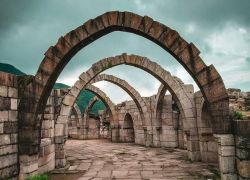
Saat Kaman is a fascinating historical structure located near Champaner in Gujarat, on the slopes of the famous Pavagadh Hill. The name “Saat Kaman” literally means “Seven Arches”, referring to the seven large stone arches that form this unique architectural site. Though now in ruins, Saat Kaman stands as a symbol of the engineering brilliance and strategic planning of ancient times. It is a lesser-known yet intriguing attraction within the Champaner-Pavagadh Archaeological Park, a UNESCO World Heritage Site. Why Famous for Saat Kaman, Champaner, Gujarat? Saat Kaman is famous for its distinctive seven-arched structure and historical significance. Unlike temples or palaces, this monument is believed to have served a military or strategic purpose, possibly as a watchtower or a structure for defense. The site is also known for its panoramic views of the surrounding landscape, including forests, hills, and the plains of Champaner. The peaceful and less crowded environment makes it a perfect spot for those who enjoy offbeat destinations and historical exploration. History of Saat Kaman, Champaner, Gujarat The history of Saat Kaman dates back to the medieval period, likely during the rule of Sultan Mahmud Begada in the 15th century. Champaner was then the capital of the Gujarat Sultanate, and many structures were built for defense, administration, and urban development. Saat Kaman is believed to have been part of a water distribution system or a military structure, although its exact purpose remains unclear. Some historians suggest that it was intended to support a large water tank or channel system, while others believe it was designed for surveillance and protection. Today, the ruins of Saat Kaman reflect the architectural creativity and practical thinking of that era, making it an important historical landmark. Architecture of Saat Kaman The architecture of Saat Kaman is simple yet impressive, focusing on functionality rather than decoration. The structure consists of seven large stone arches aligned in a row, built using strong local materials. Key architectural features include: • Seven Arches: The main highlight of the structure, giving it its name. • Stone Construction: Built using durable stones to withstand time and weather. • Elevated Location: Positioned strategically on a hill slope. • Minimal Decoration: Designed more for utility than ornamentation. Despite its ruined condition, the structure still stands strong and offers a glimpse into ancient engineering techniques. Things to Do at Saat Kaman, Champaner, Gujarat Visitors can enjoy several activities at this historic site: 1. Explore the Ruins: Walk around the arches and understand their structure. 2. Photography: Capture the unique architecture and scenic surroundings. 3. Enjoy Views: Take in panoramic views of the Champaner region. 4. Trekking: Reach the site via a short trek on Pavagadh Hill. 5. Peaceful Experience: Relax in the quiet and natural environment. Entry and Visit Details Entry Fee: Entry to Saat Kaman is generally free as part of the archaeological area. Visit Duration: Visitors usually spend around 30 minutes to 1 hour exploring the site. Facilities: Basic facilities are limited, so visitors should plan accordingly. Timings of Saat Kaman Saat Kaman is open throughout the day, but it is best to visit between 8:00 AM and 5:00 PM for safety and better visibility. Weather at Saat Kaman, Champaner, Gujarat The weather in Champaner varies by season: Summer (March to June): Hot with temperatures up to 38°C. Monsoon (July to September): Green and scenic but paths may be slippery. Winter (October to February): Cool and pleasant, with temperatures between 12°C and 25°C. The best time to visit Saat Kaman is during winter or early morning hours in other seasons. How to Reach Saat Kaman, Champaner, Gujarat By Air: The nearest airport is Vadodara Airport, about 50 km away. By Train: The nearest railway station is Vadodara Railway Station. By Road: Champaner is well connected by road to Vadodara and nearby cities. Buses and taxis are available. From the base of Pavagadh Hill, visitors may need to trek or walk to reach Saat Kaman. Interesting Facts about Saat Kaman • The name means “Seven Arches.” • Its exact purpose is still debated by historians. • It is part of a UNESCO World Heritage Site. • The site offers stunning panoramic views of the region. Travel Tips for Saat Kaman • Wear comfortable shoes for walking or trekking. • Carry water and snacks as facilities are limited. • Visit during morning or evening for better weather. • Be cautious while exploring the ruins. • Avoid visiting during heavy rain due to slippery paths. Conclusion Saat Kaman in Champaner is a unique and lesser-known historical site that offers a glimpse into the engineering and strategic planning of ancient times. Its distinctive arches, peaceful surroundings, and scenic views make it a must-visit for history enthusiasts and travelers seeking offbeat destinations. A visit to Saat Kaman adds depth to your exploration of the Champaner-Pavagadh region.
Explore More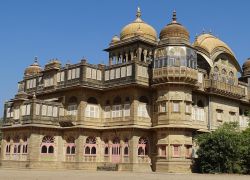
Vijay Vilas Palace is one of the most stunning royal heritage sites in Gujarat, located near the coastal town of Mandvi in the Kutch district. Surrounded by lush gardens and close to the Arabian Sea, this grand palace is a fine example of Rajput architecture blended with local Kutchi style. Built as a summer retreat for the royal family of Kutch, the palace attracts tourists for its beauty, peaceful surroundings, and historical significance. Why Famous for Vijay Vilas Palace, Mandvi, Gujarat? Vijay Vilas Palace is famous for its majestic architecture, royal history, and scenic location. The palace is also well-known as a filming location for several Bollywood movies, including the popular film “Hum Dil De Chuke Sanam.” Its beautifully carved sandstone structure, elegant balconies, and domes make it a visual delight for visitors. The palace offers a unique opportunity to experience the lifestyle of the royal family, along with breathtaking views of the surrounding gardens and the distant sea from its rooftop. The peaceful environment and well-maintained premises make it one of the top tourist attractions in Mandvi. History of Vijay Vilas Palace, Mandvi, Gujarat The palace was built in 1929 by Maharaja Vijayrajji of Kutch as a summer residence for his family. At that time, Mandvi was known for its pleasant coastal climate, making it an ideal retreat from the heat of inland regions. After India’s independence, the palace remained under the ownership of the royal family of Kutch. Even today, a part of the palace is used by the descendants of the royal family, while other sections are open to tourists. The palace stands as a symbol of the royal heritage and architectural brilliance of the bygone era. Architecture of Vijay Vilas Palace The architecture of Vijay Vilas Palace is a beautiful blend of Rajput, Mughal, and European styles. Built using red sandstone, the palace features intricate carvings, decorative jharokhas (balconies), domes, and pillars. Some of the key architectural highlights include: • Central Dome: A large and impressive dome that dominates the structure. • Carved Pillars: Finely detailed pillars showcasing skilled craftsmanship. • Jharokhas and Balconies: Offering panoramic views of the gardens and surroundings. • Colored Glass Windows: Adding beauty and elegance to the interiors. The palace is surrounded by well-maintained gardens, water channels, and fountains, which enhance its royal charm and provide a relaxing atmosphere for visitors. Things to Do at Vijay Vilas Palace, Mandvi, Gujarat Visitors can enjoy a variety of activities while exploring the palace: 1. Explore the Palace Interiors: Walk through the grand rooms filled with antique furniture, photographs, and royal artifacts. 2. Climb to the Terrace: Enjoy breathtaking panoramic views of the gardens and the Arabian Sea. 3. Photography: Capture the stunning architecture and scenic beauty. 4. Visit the Gardens: Relax in the lush green surroundings and enjoy the peaceful environment. 5. Combine with Beach Visit: Visit the nearby Mandvi Beach for a complete travel experience. Entry and Visit Details Entry Fee: Visitors need to pay a nominal entry fee to explore the palace. Additional charges may apply for camera or video recording. Visit Duration: On average, tourists spend around 1 to 2 hours exploring the palace and its surroundings. Facilities: Parking, restrooms, and small refreshment options are available near the palace premises. Timings of Vijay Vilas Palace The palace is generally open to visitors from 9:00 AM to 6:00 PM. It is advisable to visit during daytime hours to fully enjoy the architecture and views. Weather at Vijay Vilas Palace, Mandvi, Gujarat The weather in Mandvi is mostly pleasant throughout the year: Summer (March to June): Warm with temperatures reaching up to 35°C. Monsoon (July to September): Moderate rainfall with humid conditions. Winter (October to February): Best time to visit with temperatures ranging between 10°C and 25°C. Winter is considered the ideal season to explore the palace comfortably. How to Reach Vijay Vilas Palace, Mandvi, Gujarat By Air: The nearest airport is Bhuj Airport, about 60 km away. Taxis and cabs are easily available from the airport. By Train: The nearest railway station is Bhuj Railway Station, which is well connected to major cities in India. By Road: Mandvi is well connected by road to Bhuj and other parts of Gujarat. Regular buses and private taxis are available. The palace is located around 8 km from Mandvi town and can be easily reached by local transport. Interesting Facts about Vijay Vilas Palace • The palace is still partly owned and used by the royal family of Kutch. • It has been featured in several Bollywood movies. • The palace offers a rare mix of different architectural styles. • Its terrace provides one of the best views in the Mandvi region. Travel Tips for Vijay Vilas Palace • Visit early in the morning or late afternoon for the best experience. • Carry water and wear comfortable footwear as you may need to walk and climb stairs. • Do not touch or damage historical artifacts. • Combine your visit with nearby attractions like Mandvi Beach. • Keep your camera ready to capture beautiful views. Conclusion Vijay Vilas Palace is a perfect destination for those who love history, architecture, and peaceful surroundings. Its royal charm, scenic beauty, and cultural importance make it one of the must-visit attractions in Gujarat. A visit to this palace offers a glimpse into the luxurious lifestyle of the past while allowing you to enjoy the natural beauty of Mandvi.
Explore More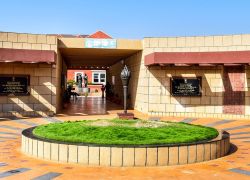
Shyamji Krishna Varma Memorial
Shyamji Krishna Varma Memorial, also known as Kranti Teerth, is an important historical and patriotic site located in Mandvi, Gujarat. This memorial is dedicated to the great Indian freedom fighter and revolutionary Shyamji Krishna Varma, who played a significant role in India’s independence movement. Situated near the Arabian Sea, the memorial is not only a place of remembrance but also an educational center that inspires visitors about India’s struggle for freedom. Why Famous for Shyamji Krishna Varma Memorial, Mandvi, Gujarat? The memorial is famous for honoring Shyamji Krishna Varma, one of the earliest revolutionaries who promoted Indian independence from British rule. He founded the famous India House in London, which became a hub for Indian freedom fighters. The site is also well-known for its replica of India House, museum galleries, and preserved ashes of Shyamji Krishna Varma and his wife, which were brought back to India from Switzerland. The memorial stands as a symbol of patriotism, sacrifice, and national pride, attracting tourists, students, and history enthusiasts. History of Shyamji Krishna Varma Memorial Shyamji Krishna Varma was born in Mandvi in 1857 and later became a prominent lawyer, scholar, and nationalist. He strongly opposed British rule and worked actively to promote India’s independence while living abroad. The memorial was established by the Government of Gujarat in 2010 to honor his contributions to the freedom struggle. His ashes, which were preserved in Geneva, Switzerland, were brought back to India and placed at this memorial, fulfilling his long-awaited wish. Today, the memorial stands as a tribute to his life and work, reminding visitors of the sacrifices made for India’s freedom. Architecture of Shyamji Krishna Varma Memorial The architecture of the memorial is both modern and symbolic. The complex is beautifully designed with spacious layouts and well-maintained gardens. Key architectural highlights include: • Replica of India House: A detailed reconstruction of the original India House in London. • Museum Galleries: Displaying photographs, documents, and life stories of freedom fighters. • Memorial Hall: Housing the urns containing the ashes of Shyamji Krishna Varma and his wife. • Landscaped Gardens: Clean and peaceful surroundings for visitors. The structure is built to educate and inspire, combining history with modern presentation techniques. Things to Do at Shyamji Krishna Varma Memorial, Mandvi, Gujarat Visitors can engage in several informative and meaningful activities: 1. Explore the Museum: Learn about the life of Shyamji Krishna Varma and other freedom fighters. 2. Visit India House Replica: Experience the environment where Indian revolutionaries once gathered. 3. Watch Documentary Films: Gain deeper insights into India’s independence movement. 4. Photography: Capture the architecture and surroundings. 5. Educational Tours: Ideal for students and history enthusiasts. Entry and Visit Details Entry Fee: A nominal entry fee is charged for visitors. Charges may vary for adults, children, and camera usage. Visit Duration: Visitors typically spend around 1 to 2 hours exploring the memorial and museum. Facilities: The complex offers parking, restrooms, and well-maintained pathways for visitors. Timings of Shyamji Krishna Varma Memorial The memorial is generally open from 10:00 AM to 6:00 PM. It may remain closed on certain public holidays, so it is advisable to check before visiting. Weather at Shyamji Krishna Varma Memorial, Mandvi, Gujarat The climate in Mandvi is mostly pleasant throughout the year: Summer (March to June): Warm and dry, with temperatures up to 35°C. Monsoon (July to September): Moderate rainfall with humidity. Winter (October to February): Cool and comfortable, with temperatures between 10°C and 25°C. The best time to visit is during winter when the weather is ideal for sightseeing. How to Reach Shyamji Krishna Varma Memorial, Mandvi, Gujarat By Air: The nearest airport is Bhuj Airport, located about 60 km away. Taxis are available from the airport. By Train: The nearest railway station is Bhuj Railway Station, well connected to major Indian cities. By Road: Mandvi is well connected by road to Bhuj and other cities in Gujarat. Local buses, taxis, and auto-rickshaws are available. The memorial is located within Mandvi town and is easily accessible by local transport. Interesting Facts about Shyamji Krishna Varma Memorial • It houses the ashes of Shyamji Krishna Varma, brought from Switzerland. • The memorial includes a replica of the famous India House in London. • Shyamji Krishna Varma was among the first to demand complete independence for India. • The site promotes awareness about India’s freedom struggle. Travel Tips for Shyamji Krishna Varma Memorial • Allocate enough time to explore the museum properly. • Visit during morning or late afternoon for a comfortable experience. • Maintain discipline and respect the memorial environment. • Combine your visit with nearby attractions like Mandvi Beach. • Carry water and wear comfortable footwear. Conclusion Shyamji Krishna Varma Memorial is a must-visit destination for anyone interested in Indian history and patriotism. It beautifully showcases the life and contributions of a great revolutionary while offering a peaceful and informative experience. A visit to this memorial not only educates but also inspires pride in India’s rich heritage and freedom struggle.
Explore More