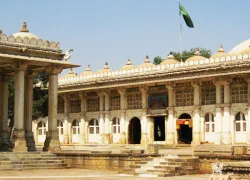
The Sarkhej Roza is an elegant architectural creation remarkable for the use of pierced stone trellises and complete absence of arches. This monument houses the tombs of Saint Ahmed Khattu Baksh and also that of Emperor Mehmud Shah Beguda and his queen. The peaceful atmosphere makes it an ideal retreat. The suburb of Sarkhej, about 8 Kms. southwest of Ahmedabad is noted for its elegant group of buildings, including the Mausoleum of Azam and Mu'assam, built in 1457 by the brothers who were responsible for Sarkhej's architecture. The architecture here is interesting because the style is almost purely Hindu, with little of the Saracenic influence so evident in Ahmedabad. As you enter Sarkhej, you pass the Mausoleum of Mahmud Begara and, beside the tank and connected to his tomb, that of his queen, Rajabai. Also by the tank is the Tomb of Ahmad Khattu Ganj Buksh, a renowed Muslim saint and spiritual adviser to Ahmed Shah. He was the revered saint whose blessings were invoked while founding Ahmedabad. The palace, with pavilions and a harem, is also around the tank. The Dutch established a factory in Sarkhej in 1620 to process the indigo grown here.
Explore More
Gujarat step wells or baolis are strange and unique and the Dada Hari Well built in 1499 is a magnificent masterpiece representing the typical Gujarati style of architecture Entirely underground, they were built to overcome heat and dust. Behind the well is the tomb of Dada Hari. Northern Gujarat abounds in remarkable step-wells, with elaborately carved walls and broad flights of covered steps leading to the shaft.Dada Harini Vav, in the northwest of the city, is one of the finest. While it is a Muslim construction, built in 1500 for Bai Harir Sultani, superintendent of the royal harem, the craftsmen were Hindu and their influence is clear in the lavish and sensuous carvings on the walls and pillars. A lady of Sultan Mahmud Begara court built one such step well in 1501.It is a fascinating place, though has signs of neglect today. It has a series of steps leading down to lower platforms terminating at a small, octagonal well. The depths of the well are cool, even on the hottest day, and it must once have been quite beautiful.
Explore More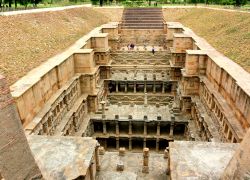
Rani Ki Vav is a magnificent stepwell located in Patan, Gujarat. This historical site holds immense significance not only for its architectural beauty but also for its rich history and cultural importance. The city of Patan, known for its heritage and craftsmanship, is home to this splendid monument that attracts tourists, history enthusiasts, and architecture aficionados alike. History of Rani Ki Vav The history of Rani Ki Vav dates back to the 11th century when it was built as a memorial to King Bhimdev I by his widowed queen, Udayamati. This stepwell served as both a functional water storage system and a place of spiritual importance. The intricate carvings on the walls depict various mythological themes, deities, and scenes from everyday life, reflecting the artistic brilliance of the craftsmen of that era. Rani Ki Vav was recognized as a UNESCO World Heritage Site in 2014, highlighting its architectural and historical significance. Architecture and Natural Beauty of Rani Ki Vav Surrounded by lush greenery and a serene atmosphere, Rani Ki Vav stands as a testimony to the architectural prowess of the Solanki dynasty. The stepwell is adorned with intricate sculptures of gods and goddesses, celestial beings, and mythological creatures, making it a visual delight for visitors. The presence of the nearby historical Keoladeo Temple adds to the charm of this site, providing a holistic experience for those exploring the architectural and natural beauty of the region. Why is Rani Ki Vav Famous? Rani Ki Vav is renowned for its unique blend of architectural grandeur and historical significance. The stepwell's intricate design and exquisite carvings make it a paradise for art lovers and history buffs. Additionally, the site's tranquil surroundings and spiritual aura attract visitors seeking a peaceful retreat amidst the hustle and bustle of modern life. How to Reach Rani Ki Vav Travelling to Rani Ki Vav is convenient as Patan is well-connected by air, rail, and road. The nearest airport is located in Ahmedabad, approximately 126 km away, while the Patan railway station serves as a vital link for those arriving by train. Visitors can also opt for road transport with regular bus services plying to Patan from various cities in Gujarat. Weather and Best Time to Visit Rani Ki Vav The weather in Patan experiences typical seasonal variations with hot summers, refreshing monsoons, and pleasant winters. The best time to visit Rani Ki Vav is during the winter months from October to March when the weather is cool and ideal for exploring the outdoor attractions without the discomfort of extreme heat. Timings of Rani Ki Vav Rani Ki Vav is open to visitors from morning till evening, allowing ample time to explore the intricate carvings and architectural marvels of the stepwell. The timings may vary slightly during different seasons, so it is advisable to check the schedule before planning your visit. Entry Fee and Visit Details Visitors can enter Rani Ki Vav by paying a nominal entry fee, which contributes to the maintenance and preservation of this heritage site. Guide services are available for those interested in learning more about the history and significance of the stepwell. Additionally, visitors can opt for safari options, bicycle rentals, and other facilities to enhance their overall experience. Things to Do at Rani Ki Vav At Rani Ki Vav, visitors can engage in a variety of activities such as admiring the intricate carvings, capturing the beauty of the surroundings through photography, embarking on cycling expeditions to explore the nearby areas, indulging in leisurely walks along the stepwell, observing the diverse flora and fauna, and immersing themselves in the educational experiences offered at this historical site. Interesting Facts About Rani Ki Vav Rani Ki Vav is not just a marvel of architecture but also a haven for biodiversity. The stepwell attracts migratory birds during certain seasons, adding to its ecological importance. Conservation efforts have been undertaken to preserve this historical gem and ensure that future generations can appreciate its beauty and cultural significance. Travel Tips for Visiting Rani Ki Vav When visiting Rani Ki Vav, it is advisable to wear comfortable clothing and carry essential items such as sunscreen, hats, and water bottles. Photography enthusiasts should not miss the opportunity to capture the intricate details of the carvings and the natural surroundings. It is recommended to visit during the cooler months for a more pleasant experience and to practice responsible tourism by respecting the heritage and environment of the site. Conclusion In conclusion, Rani Ki Vav in Patan is a treasure trove of history, art, and natural beauty. Its architectural splendor, historical significance, and serene ambiance make it a must-visit destination for travelers seeking a glimpse into the rich cultural heritage of Gujarat. A visit to Rani Ki Vav promises a blend of spirituality, artistry, and tranquility, offering a memorable experience for all who venture to this enchanting site.
Explore More
Keerti Stambh Victory Tower in Gondal, Gujarat, is an iconic historical monument that reflects the pride, heritage, and architectural brilliance of the region. Located in the heart of Gondal town, this tower stands as a symbol of victory and royal legacy. It is one of the lesser-known yet culturally significant landmarks that attract visitors interested in history and architecture. The tower is known for its elegant design and historical importance, offering a glimpse into the glorious past of Gondal’s princely era. Surrounded by the charm of the old town, Keerti Stambh adds to the cultural richness of Gondal. Why Famous for Keerti Stambh Victory Tower, Gondal, Gujarat? Keerti Stambh Victory Tower is famous for its symbolic representation of victory and honor. Such towers were traditionally built to commemorate important achievements or events. It is also admired for its architectural beauty and historical significance, making it a point of interest for tourists and history enthusiasts. The tower stands tall as a reminder of Gondal’s royal heritage. Its central location and unique structure make it a popular spot for sightseeing and photography. History of Keerti Stambh Victory Tower, Gondal, Gujarat The Keerti Stambh in Gondal is believed to have been constructed during the rule of the Gondal royal family, who were known for their progressive vision and appreciation for art and architecture. The tower was built to commemorate achievements and reflect the strength and glory of the state. While exact historical records may vary, it is widely regarded as an important symbol of the region’s past. Over time, it has become a landmark that represents Gondal’s cultural and historical identity. Architecture of Keerti Stambh Victory Tower The architecture of the Keerti Stambh is a fine example of traditional Indian tower design with artistic detailing. Key architectural features include: • Tall Structure: A vertically rising tower visible from a distance. • Carved Details: Decorative elements on the surface. • Symmetrical Design: Balanced proportions and structure. • Stone Construction: Built using durable materials. The tower reflects both strength and elegance, making it visually appealing. Things to Do at Keerti Stambh Victory Tower, Gondal, Gujarat Visitors can enjoy several activities: 1. Sightseeing: Explore the historical monument. 2. Photography: Capture the tower and surrounding area. 3. Learn History: Understand the significance of the monument. 4. Local Exploration: Walk around the nearby market and town. 5. Cultural Experience: Experience Gondal’s heritage. Entry and Visit Details Entry Fee: Entry to Keerti Stambh is generally free. Visit Duration: Visitors usually spend around 20 to 40 minutes at the site. Facilities: Basic facilities are available nearby in the town area. Visitors are advised to respect the monument and maintain cleanliness. Timings of Keerti Stambh Victory Tower The tower can be visited throughout the day. However, the best time to visit is during morning or evening for a pleasant experience. Weather at Keerti Stambh Victory Tower, Gondal, Gujarat The climate in Gondal is as follows: Summer (March to June): Hot, with temperatures up to 40°C. Monsoon (July to September): Moderate rainfall. Winter (October to February): Pleasant, with temperatures between 12°C and 28°C. Winter is the best time to visit for comfortable sightseeing. How to Reach Keerti Stambh Victory Tower, Gondal, Gujarat By Air: The nearest airport is Rajkot Airport, about 40 km away. By Train: The nearest railway station is Gondal Railway Station. By Road: Gondal is well connected by road to Rajkot and other cities in Gujarat. Buses, taxis, and private vehicles are available. The tower is located in the town center and can be easily reached by local transport or on foot. Interesting Facts about Keerti Stambh Victory Tower • It symbolizes victory and royal pride. • It is an important historical landmark in Gondal. • The tower reflects traditional architectural style. • It is a popular spot for photography. Travel Tips for Keerti Stambh Victory Tower • Visit during early morning or evening to avoid heat. • Carry water, especially in summer. • Respect the monument and avoid damaging it. • Combine your visit with other nearby attractions. • Wear comfortable footwear for walking around. Conclusion Keerti Stambh Victory Tower in Gondal is a remarkable symbol of the region’s history and architectural heritage. Its elegant structure and cultural significance make it a must-visit destination for travelers exploring Gujarat. A visit to this monument offers a glimpse into the royal past and adds a meaningful experience to your journey.
Explore More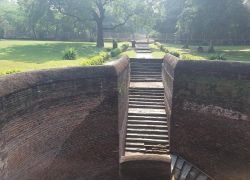
Helical Step Well in Champaner, Gujarat, is one of the most unique and fascinating historical water structures in India. Located within the famous Champaner-Pavagadh Archaeological Park, this stepwell stands out for its rare spiral (helical) staircase design, which is different from the traditional straight-step wells found across Gujarat. It is an excellent example of ancient engineering, water management, and architectural creativity. Why Famous for Helical Step Well, Champaner, Gujarat? The Helical Step Well is famous for its circular design and spiral staircase that winds down to the water source. This unusual structure makes it one of the rare stepwells not only in Gujarat but in the entire country. It is also admired for its efficient water conservation system, which was designed to store and provide water throughout the year. The stepwell reflects the advanced knowledge of hydrology and architecture during ancient times. Being part of a UNESCO World Heritage Site, it attracts historians, architects, and tourists who are interested in heritage and unique structures. History of Helical Step Well, Champaner, Gujarat The Helical Step Well dates back to the 15th century and is believed to have been constructed during the rule of Sultan Mahmud Begada, when Champaner was developed as the capital of the Gujarat Sultanate. Stepwells were an essential part of life in arid regions like Gujarat, serving as water reservoirs and community gathering places. This particular stepwell was designed to ensure easy access to water even during dry seasons. Over the centuries, the structure has survived as a symbol of the region’s rich heritage and innovative engineering practices. Architecture of Helical Step Well The architecture of the Helical Step Well is simple yet highly innovative. Unlike typical stepwells with straight descending steps, this structure features a spiral staircase that circles around a central shaft. Key architectural features include: • Spiral Staircase: A helical path that winds down to the water level. • Circular Shaft: The central well where water is stored. • Stone Construction: Built using durable local stones. • Functional Design: Focused on water access and storage rather than decoration. The design allowed people to descend gradually and safely, even when water levels changed. It also helped in maintaining the structure’s strength and stability. Things to Do at Helical Step Well, Champaner, Gujarat Visitors can enjoy several activities at this site: 1. Explore the Structure: Walk around and observe the unique spiral design. 2. Photography: Capture the rare architecture and historical setting. 3. Learn History: Understand ancient water management systems. 4. Combine with Nearby Sites: Visit other monuments in Champaner. 5. Educational Visits: Ideal for students and history enthusiasts. Entry and Visit Details Entry Fee: Entry to the Helical Step Well is usually included under the Champaner Archaeological Park ticket, which has a nominal fee. Visit Duration: Visitors typically spend around 30 minutes to 1 hour exploring the site. Facilities: Basic facilities like parking and guides are available nearby. Timings of Helical Step Well The stepwell is generally open from 8:00 AM to 6:00 PM. Daytime visits are recommended for safety and better visibility. Weather at Helical Step Well, Champaner, Gujarat The weather in Champaner is seasonal: Summer (March to June): Hot, with temperatures up to 38°C. Monsoon (July to September): Pleasant with greenery but humid. Winter (October to February): Cool and comfortable, with temperatures between 12°C and 25°C. Winter is the best time to visit the Helical Step Well for a comfortable experience. How to Reach Helical Step Well, Champaner, Gujarat By Air: The nearest airport is Vadodara Airport, approximately 50 km away. By Train: The nearest railway station is Vadodara Railway Station, well connected to major cities. By Road: Champaner is easily accessible by road from Vadodara and nearby cities. Buses, taxis, and private vehicles are available. The Helical Step Well is located within the archaeological park and can be reached by local transport. Interesting Facts about Helical Step Well • It is one of the few helical stepwells in India. • The spiral design is unique compared to traditional stepwells. • It reflects advanced water management techniques of ancient times. • It is part of a UNESCO World Heritage Site. Travel Tips for Helical Step Well • Wear comfortable footwear for walking. • Be careful while exploring as the structure is old. • Carry water, especially during summer. • Visit along with other nearby attractions in Champaner. • Respect the historical significance of the site. Conclusion Helical Step Well in Champaner is a remarkable example of ancient engineering and architectural innovation. Its unique spiral design and historical importance make it a must-visit destination for travelers interested in heritage and history. Exploring this stepwell offers a deeper understanding of how ancient civilizations managed water resources efficiently.
Explore More
Welcome to the fascinating world of the Lothal Archaeological Site located in the city of Lothal. This historical gem offers a glimpse into the ancient civilization that once thrived in this region, making it a must-visit destination for history buffs, archaeology enthusiasts, and curious travelers. History of Lothal Archaeological Site The history of Lothal Archaeological Site dates back to the ancient Harappan civilization, with its origins rooted in maritime trade and urban planning. This site served as a prominent center for trade, showcasing advanced engineering and town planning techniques. Formerly a royal hunting ground, Lothal has witnessed significant conservation efforts to preserve its rich heritage, leading to its recognition as a UNESCO World Heritage Site. Architecture and Natural Beauty of Lothal Archaeological Site Lothal boasts a unique blend of archaeological ruins and natural beauty, with wetlands, grasslands, and bird habitats surrounding the ancient structures. The picturesque landscapes offer a serene backdrop to the historical remnants, with the majestic Keoladeo Temple standing as a testament to the architectural marvels of the bygone era. Why is Lothal Archaeological Site Famous? The allure of Lothal lies in its historical significance, attracting birdwatchers, photographers, nature enthusiasts, and wildlife lovers alike. The site's architectural splendor, coupled with its natural charm, creates a harmonious environment that appeals to visitors seeking a blend of history and scenic beauty. How to Reach Lothal Archaeological Site Traveling to Lothal is convenient, with options available by air, rail, and road. The nearest airports and railway stations provide easy access to the site, ensuring a smooth journey for travelers looking to explore this ancient marvel. Weather and Best Time to Visit Lothal Archaeological Site Lothal experiences varying weather conditions throughout the year, with summers being hot, monsoons bringing rainfall, and winters offering a pleasant climate. The best time to visit is during the cooler months, allowing visitors to explore the site comfortably. Timings of Lothal Archaeological Site The visitor timings at Lothal Archaeological Site cater to different seasons, providing flexibility for tourists to plan their visit accordingly. Understanding the seasonal variations can enhance the overall experience of exploring this historical site. Entry Fee and Visit Details Entry procedures at Lothal Archaeological Site are straightforward, with guide services available for a more in-depth exploration. Safari options, bicycle rentals, and visitor facilities ensure a convenient and enjoyable visit for all travelers. Things to Do at Lothal Archaeological Site Engage in a myriad of activities at Lothal, from birdwatching and photography to cycling and nature observation. The walking trails offer a leisurely way to explore the site, while educational experiences provide insights into the rich history and biodiversity of the region. Interesting Facts About Lothal Archaeological Site Lothal is home to a diverse range of migratory birds, showcasing the region's biodiversity and ecological importance. Conservation achievements at the site highlight the efforts to preserve this historical treasure for future generations to appreciate and learn from. Travel Tips for Visiting Lothal Archaeological Site When visiting Lothal, ensure to dress comfortably, carry essential photography equipment, and adhere to responsible tourism practices. Familiarize yourself with the visiting seasons to make the most of your trip and contribute to the conservation of this cultural heritage site. Conclusion In conclusion, the Lothal Archaeological Site in Lothal offers a captivating journey through time, blending history, architecture, and natural beauty seamlessly. With its significance, diverse attractions, and visitor-friendly amenities, Lothal stands as a testament to the rich cultural heritage of the region, inviting travelers to explore its wonders and unravel the mysteries of the past.
Explore More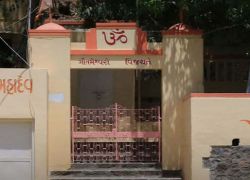
Gandhi Smriti in Bhavnagar, Gujarat, is a significant memorial dedicated to the life and legacy of Mahatma Gandhi, the Father of the Nation. Located in the heart of the city near the famous Crescent Circle and clock tower, this peaceful place serves as a cultural and educational center. It is one of the most visited tourist attractions in Bhavnagar, especially for those interested in India’s freedom struggle and Gandhian philosophy. History of Gandhi Smriti, Bhavnagar Gandhi Smriti was established in 1955 as a tribute to Mahatma Gandhi and his immense contribution to India’s independence movement. :contentReference[oaicite:0]{index=0} The memorial was built to preserve Gandhi’s teachings, values, and memories for future generations. It also reflects Bhavnagar’s connection with Gandhi, as he studied briefly at Samaldas College in the city before going to England. :contentReference[oaicite:1]{index=1} The complex houses a rich collection of photographs, personal belongings, books, and documents that showcase different stages of Gandhi’s life—from his childhood to his leadership in the freedom movement. Over the years, Gandhi Smriti has become a symbol of peace, truth, and non-violence. Architecture of Gandhi Smriti The structure of Gandhi Smriti is simple yet elegant, reflecting Gandhian values of simplicity and minimalism. The building is a two-storey structure with spacious halls and galleries designed to display historical content effectively. :contentReference[oaicite:2]{index=2} The memorial is located adjacent to a prominent clock tower, which adds to its visual appeal and historical significance. The interiors are designed to create a calm and reflective environment, with wide corridors, natural lighting, and well-organized exhibition spaces. The ground floor houses the museum (including the Barton Museum), while the upper floor features a detailed gallery of photographs and documents related to Gandhi’s life. The overall design is functional and focused on education rather than ornamentation. Why Famous for Gandhi Smriti, Bhavnagar? Gandhi Smriti is famous for several important reasons: • Dedicated to Mahatma Gandhi and his philosophy of non-violence. • Houses rare photographs and personal memorabilia of Gandhi. • Includes a museum showcasing cultural artifacts of the Saurashtra region. • Contains a library with valuable books and historical documents. • Features a Khadi Gramodyog store promoting traditional handicrafts. • Located in the central area, making it easily accessible. It is not just a museum but a place that inspires visitors to understand Gandhi’s principles and apply them in daily life. Things to Do at Gandhi Smriti 1. Explore the Gandhi Gallery: View rare photographs and documents that narrate Gandhi’s life journey. 2. Visit the Museum: Discover cultural artifacts, including carvings and traditional items from the Saurashtra region. :contentReference[oaicite:3]{index=3} 3. Read and Research: Spend time in the library exploring books related to history and Gandhian philosophy. 4. Shop Khadi Products: Buy authentic handmade products from the Khadi Gramodyog section. 5. Photography: Capture the heritage structure and exhibits (subject to permission). 6. Peaceful Exploration: Enjoy the calm atmosphere and reflect on Gandhian values. How to Reach Gandhi Smriti, Bhavnagar By Air: The nearest airport is Bhavnagar Airport, located around 6 km from the memorial. :contentReference[oaicite:4]{index=4} By Train: Bhavnagar Railway Station is approximately 2–3 km away, making it easily accessible by local transport. :contentReference[oaicite:5]{index=5} By Road: Bhavnagar is well-connected by road to cities like Ahmedabad, Rajkot, and Surat. Taxis, buses, and private vehicles can be used to reach the site. Local Transport: Auto-rickshaws and taxis are readily available within the city to reach Gandhi Smriti conveniently. :contentReference[oaicite:6]{index=6} Weather in Bhavnagar Summer (March to June): Hot and dry, with temperatures often exceeding 35°C. Monsoon (July to September): Moderate rainfall with occasional humidity. Winter (October to February): Pleasant and comfortable, with temperatures between 15°C and 28°C. The best time to visit Gandhi Smriti is during winter, as the weather is ideal for sightseeing and exploration. Timings of Gandhi Smriti, Bhavnagar Opening Hours: 9:00 AM – 1:00 PM and 2:00 PM – 6:00 PM Closed On: Sundays and 2nd & 4th Saturdays of the month :contentReference[oaicite:7]{index=7} Visitors are advised to confirm timings before visiting, as they may change on public holidays. Entry and Visit Details Entry Fee: Approximately INR 3 to INR 5 per person. :contentReference[oaicite:8]{index=8} Visit Duration: Around 1–2 hours is sufficient to explore the entire complex. :contentReference[oaicite:9]{index=9} Visitor Guidelines: • Maintain silence inside the museum and gallery. • Do not touch exhibits unless permitted. • Follow photography rules. • Respect the historical importance of the site. Interesting Facts about Gandhi Smriti • Built in 1955 as a tribute to Mahatma Gandhi. • Located near the iconic clock tower in Bhavnagar. • Houses a combination of museum, library, and gallery. • Displays rare photographs covering Gandhi’s entire life journey. • Includes a Khadi Gramodyog store promoting traditional crafts. • Connected to Gandhi’s early education in Bhavnagar. Travel Tips for Visitors • Visit early: Morning hours are less crowded and more peaceful. • Maintain silence: It is a place of learning and reflection. • Carry essentials: Water and light snacks, especially during summer. • Combine nearby attractions: Visit Barton Library, Takhteshwar Temple, or Ganga Deri. • Respect the heritage: Avoid damaging or mishandling artifacts. Conclusion Gandhi Smriti, Bhavnagar is a must-visit destination for anyone interested in India’s history and Mahatma Gandhi’s life. With its rich collection of photographs, artifacts, and books, it offers a meaningful and educational experience. The peaceful ambiance, historical importance, and central location make it an ideal place for tourists, students, and history lovers. A visit here not only enriches knowledge but also inspires visitors to follow the values of truth and non-violence in their own lives.
Explore More
Girnar Hills doesn’t require any formal introduction. It is the highest point in Junagadh district of Gujarat. Its geology says that it comprises the igneous rocks and is older than the mighty Himalayas. Girnar Hills has a height of 3,666 feet and hold a sacred significance among the followers of Jainism and Hinduism. It is visited on a huge scale by numerous devotees as well as adventure lovers. It Is Known For:- 1) Girnar Hills are known for their religious importance. In Jainism, these hills are the place where Shri Neminath, the 22nd Tirthankara, attained salvation. According to the Hindus, Lord Dattatreya resided in the sacred Girnar Hills for a certain period of time. 2) There is a Jain Temple located on this hill that enshrines Lord Neminath. 3) A further trek on the other side of the hills leads to a Hindu temple dedicated to Lord Shiva. It is often visited by the devotees, especially on Mondays and on the sacred occasion of Maha Shivaratri. 4) Girnar Festival and Maha Shivaratri are prominent festivals that are celebrated here. Best Time To Visit:- Girnar Hills welcome the visitors throughout the year. A sizable number of the adventure lovers, as well as devotees, throng to Girnar Hills. October-March is the best season for embarking a journey to Girnar Hills. Watch Out! Do not forget to be the part of the intriguing celebrations of Girnar Festival and Maha Shivaratri. Hundreds of pilgrims gather at this place in the celebration the festivals. Moreover, spreading litter on this holy hill is an offense and should be avoided. Reaching There:- Junagadh is well-connected via roadways, railways, and airways. Such connectivity makes it convenient for the visitors to reach the site from different parts of Gujarat. The state-run buses, express trains, and flights are regarded as the best option for visiting Junagadh. Traveling within the city can be done easily via local transit. Nearest Railway Station:- Junagadh Junction Nearest Airport:- Keshogad Airport
Explore More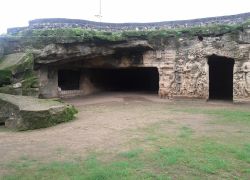
Khambhalida Caves in Rajkot, a city known for its rich cultural heritage and historical significance, is a hidden gem that attracts tourists seeking a unique blend of history and natural beauty. The caves offer a tranquil retreat from the bustling city life, making it a perfect destination for nature lovers and history enthusiasts alike. History of Khambhalida Caves The Khambhalida Caves hold a fascinating historical background, believed to have been carved out in the 4th to 5th century AD. Originally serving as a place of worship, these caves are significant for their intricate rock-cut architecture and ancient inscriptions. This archaeological site showcases the rich craftsmanship of the bygone era and stands as a testament to the region's cultural heritage. Architecture and Natural Beauty of Khambhalida Caves Surrounded by lush greenery and serene landscapes, Khambhalida Caves offer a peaceful retreat for visitors. The natural environment around the caves is teeming with biodiversity, providing a habitat for various species of flora and fauna. The nearby Keoladeo Temple adds to the charm of the surroundings, making it a holistic experience for those exploring the site. Why is Khambhalida Caves Famous? Khambhalida Caves are renowned for their historical significance and architectural beauty, attracting history buffs and architecture enthusiasts from far and wide. The caves also appeal to nature lovers and photographers, offering picturesque views and ample opportunities to immerse in the tranquility of the surroundings. How to Reach Khambhalida Caves Traveling to Khambhalida Caves is convenient, with various transportation options available. The nearest airport is located in Rajkot, providing easy access to the site. Additionally, the caves are well-connected by rail and road networks, making it accessible for both local and international tourists. Weather and Best Time to Visit Khambhalida Caves The weather in Rajkot, including Khambhalida Caves, varies across seasons. While summers can be hot and humid, monsoons bring lush greenery to the region. The winter months offer pleasant weather, making it an ideal time to explore the caves. The best time to visit Khambhalida Caves is during the winter season, from October to March. Timings of Khambhalida Caves Khambhalida Caves are open to visitors during specific timings, allowing tourists to explore the site at their convenience. It is advisable to check for any seasonal variations in timings and plan your visit accordingly to make the most of your experience. Entry Fee and Visit Details Visitors can enter Khambhalida Caves after paying a nominal entry fee, which contributes to the conservation and maintenance of the site. Guide services are available for those seeking detailed insights into the historical and architectural aspects of the caves. Additionally, safari options and bicycle rentals provide unique ways to explore the surroundings. Things to Do at Khambhalida Caves Khambhalida Caves offer a range of activities for visitors to enjoy, including birdwatching, photography, cycling, and nature walks. The caves provide a serene setting for nature observation and offer educational experiences for those interested in the region's history and biodiversity. Interesting Facts About Khambhalida Caves The caves are known for their significance in preserving ancient art and inscriptions, offering a glimpse into the region's rich cultural past. The site also serves as a habitat for migratory birds, adding to its ecological importance and highlighting the need for conservation efforts to protect the biodiversity of the area. Travel Tips for Visiting Khambhalida Caves When visiting Khambhalida Caves, it is advisable to wear comfortable clothing and carry essentials like sunscreen and water bottles. Photography enthusiasts should remember to capture the beauty of the surroundings responsibly. The winter season is recommended for a pleasant and enriching experience at the caves, ensuring a memorable visit for all. Conclusion In conclusion, Khambhalida Caves in Rajkot stand as a testament to the region's historical and natural heritage, offering a unique blend of architectural beauty and serene landscapes. The caves provide visitors with a glimpse into the past while immersing them in the tranquility of the present, making it a must-visit destination for those seeking a holistic travel experience.
Explore More
Welcome to the magnificent Nawabi Palace in the city of Veraval, a true gem for nature lovers and wildlife enthusiasts alike. This historic attraction offers a perfect blend of rich biodiversity, stunning landscapes, and a glimpse into the past royal hunting grounds. History of Nawabi Palace The Nawabi Palace holds a significant historical background as it served as the former royal hunting grounds for the Nawabs of Veraval. Over the years, the palace has witnessed dedicated conservation efforts to preserve its natural beauty and wildlife. Its remarkable efforts have earned it recognition by UNESCO for its conservation initiatives. Architecture and Natural Beauty of Nawabi Palace Surrounded by lush wetlands, dense forests, and sprawling grasslands, Nawabi Palace is a paradise for bird habitats and diverse wildlife. The historical Keoladeo Temple nestled within the park adds a touch of cultural richness to its natural allure. Why is Nawabi Palace Famous? Nawabi Palace is renowned for its captivating appeal to birdwatchers, photographers, nature enthusiasts, and wildlife lovers. The park's diverse ecosystem and abundance of migratory birds make it a must-visit destination for those seeking a close encounter with nature. How to Reach Nawabi Palace Traveling to Nawabi Palace is convenient with options available by air, rail, and road. The city is well-connected with nearby airports and railway stations, ensuring easy access for visitors from various locations. Weather and Best Time to Visit Nawabi Palace Nawabi Palace experiences varying weather conditions throughout the year, with summer, monsoon, and winter seasons offering unique experiences. The best time to visit is during the cooler months when the wildlife is most active and the weather is pleasant. Timings of Nawabi Palace The visitor timings at Nawabi Palace allow for a memorable experience, with seasonal variations providing different sights and sounds based on the time of the year. Planning your visit accordingly ensures you make the most of your time at this natural paradise. Entry Fee and Visit Details Entry to Nawabi Palace is accompanied by guided services, safari options, bicycle rentals, and well-maintained visitor facilities. The park's management aims to provide a seamless and enriching experience for all visitors, ensuring their comfort and safety. Things to Do at Nawabi Palace Engage in popular activities at Nawabi Palace such as birdwatching, photography, cycling, walking trails, nature observation, and educational experiences. The park offers a range of opportunities for visitors to connect with nature and appreciate its wonders. Interesting Facts About Nawabi Palace Nawabi Palace is home to a myriad of migratory birds, showcasing the park's commitment to biodiversity conservation. Its ecological importance and conservation achievements make it a standout destination for those passionate about wildlife and nature preservation. Travel Tips for Visiting Nawabi Palace For a fulfilling visit to Nawabi Palace, consider practical tips on clothing, photography gear, birdwatching equipment, preferred visiting seasons, and responsible tourism practices. Embracing these tips ensures a seamless and enjoyable experience for all visitors. Conclusion In conclusion, Nawabi Palace in Veraval stands as a testament to natural beauty, wildlife conservation, and cultural heritage. Its allure to visitors seeking a peaceful retreat into nature's embrace makes it a must-visit destination for those looking to connect with the environment and appreciate its wonders firsthand.
Explore MoreAhmedabad Saputara 2 Nights / 3 Days
3 Days/ 2 Night
Ahmedabad - Saputara
Dwarka – Somnath Tour Package
4 Days/ 3 Night
Ahmedabad - Dwarka
Glimpse Of Gujarat Tour 8 Nights 9 Days
9 Days/ 8 Night
Ahmedabad - Bhavnagar - Bhuj - Vadodara (Baroda) - Dwarka - Kevadia - Kutch
Rann of Kutch ( 2N 3D)
3 Days/ 2 Night
Ahmedabad - Bhuj - Surat - Kutch