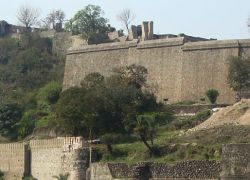
About The Kangra Fort The Kangra Fort, located in Kangra, Himachal Pradesh, is one of the oldest and largest forts in India. It is situated on the confluence of the Banganga and Manjhi rivers, offering breathtaking views of the surrounding valleys and mountains. The fort has a rich history dating back to ancient times and has witnessed multiple battles and invasions over the years. Timings Of Kangra Fort The Kangra Fort is open to visitors from 9:00 AM to 6:00 PM every day of the week. It is advisable to visit the fort during the early hours of the morning to avoid the crowds and make the most of your visit. Entry Fee The entry fee for the Kangra Fort is INR 150 per person for Indian nationals and INR 300 per person for foreign tourists. Children below the age of 15 can enter for free. There are additional charges for cameras and video cameras. Required Time And Restricted Items It is recommended to allocate at least 2-3 hours to explore the Kangra Fort thoroughly. Visitors are not allowed to carry food, plastic bags, and weapons inside the fort premises. It is advisable to wear comfortable footwear as the fort has uneven pathways and steep stairs. Architecture Of Kangra Fort The architecture of the Kangra Fort showcases a blend of Hindu and Mughal styles. The fort has several temples, royal quarters, and intricately designed gates. The walls of the fort are made of stone and mud, reflecting the ancient craftsmanship of that era. Best Time To Visit The best time to visit the Kangra Fort is during the months of October to March when the weather is pleasant and ideal for exploring the fort and its surroundings. Avoid visiting during the monsoon season as the pathways can get slippery. How To Reach The Kangra Fort is easily accessible by road, rail, and air. The nearest airport is Gaggal Airport, located 7 km away from Kangra. The Kangra Railway Station is well-connected to major cities like Delhi and Pathankot. Local buses and taxis are available for commuting within Kangra. History Of Kangra Fort The Kangra Fort has a storied past that dates back to the Rajput era. It was ruled by various dynasties, including the Katoch rulers, the Mughals, and the Sikhs. The fort was attacked multiple times by invaders, including Mahmud of Ghazni and Timur. Inside Kangra Fort Inside the Kangra Fort, visitors can explore the Sheesh Mahal, the Laxmi Narayan Temple, and the Ambika Devi Temple. The fort also houses a museum that displays artifacts and relics from different periods of its history. The panoramic views from the top of the fort are truly mesmerizing. Traveling Tips It is recommended to carry a water bottle, sunscreen, and a hat to protect yourself from the sun while exploring the Kangra Fort. Wear comfortable clothing and footwear to navigate the fort's pathways easily. Hiring a guide is advisable to learn about the fort's historical significance. Hotels Near Kangra Fort Some of the hotels near Kangra Fort where visitors can stay include The Pavilion by HPCA, Hotel The Grand Raj, and Hotel Victoriya Palace. These hotels offer comfortable accommodation and amenities for a relaxing stay. Nearby Tourist Spots Of Kangra Fort Some of the nearby tourist spots that visitors can explore after visiting the Kangra Fort include the Brajeshwari Devi Temple, Masroor Rock Cut Temples, and Kareri Lake. These attractions offer a glimpse into the cultural and natural beauty of Kangra.
Explore More
About The Akhand Chandi Palace The Akhand Chandi Palace, also known as the Chamba Palace, is a majestic historical landmark located in Chamba, Himachal Pradesh. It was built by Raja Umed Singh in the 18th century and is a fine example of traditional Himachali architecture. Timings Of Akhand Chandi Palace The Akhand Chandi Palace is open to visitors from 9:00 AM to 5:00 PM on all days of the week. Entry Fee The entry fee for the Akhand Chandi Palace is INR 20 per person for Indian nationals and INR 100 for foreign tourists. Required Time And Restricted Items Visitors typically spend about 1-2 hours exploring the palace and its surroundings. Some of the restricted items inside the palace include weapons, alcohol, and pets. Architecture Of Akhand Chandi Palace The Akhand Chandi Palace features a blend of Mughal and British architectural styles with intricate carvings, colorful frescoes, and ornate balconies. The palace is surrounded by lush gardens and offers panoramic views of the surrounding mountains. Best Time To Visit The best time to visit the Akhand Chandi Palace is during the months of March to June and September to November when the weather is pleasant and suitable for exploring the palace and its surroundings. How To Reach The Akhand Chandi Palace is located in Chamba, Himachal Pradesh, and can be easily reached by road from major cities like Delhi, Chandigarh, and Shimla. The nearest airport is in Kangra, about 170 km away, and the nearest railway station is in Pathankot, about 120 km away. History Of Akhand Chandi Palace The Akhand Chandi Palace was built by Raja Umed Singh in the 18th century as a residence for the royal family of Chamba. Over the years, the palace has been renovated and restored to its former glory, showcasing the rich cultural heritage of the region. Inside Akhand Chandi Palace Inside the Akhand Chandi Palace, visitors can admire the exquisite artwork, antique furniture, and royal artifacts that are on display. The palace also houses a museum that showcases the history and culture of Chamba through various exhibits. Traveling Tips Some traveling tips for visiting the Akhand Chandi Palace include wearing comfortable footwear, carrying a water bottle, and exploring the surrounding areas for a complete experience of the palace and its historical significance. Hotels Near Akhand Chandi Palace Some of the hotels near the Akhand Chandi Palace include Hotel Iravati, Hotel Mini Swiss, and Hotel Aroma Palace, offering comfortable accommodation and modern amenities for visitors. Nearby Tourist Spots Of Akhand Chandi Palace Some nearby tourist spots to explore after visiting the Akhand Chandi Palace include the Bhuri Singh Museum, Chamunda Devi Temple, and Manimahesh Lake, each offering a unique glimpse into the cultural and natural beauty of the region.
Explore More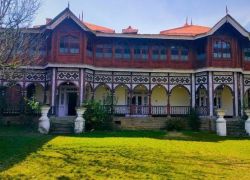
Situated in the picturesque town of Sarahan, Sarahan Palace is a charming tourist attraction that offers a blend of history, natural beauty, and cultural significance. This magnificent palace holds a rich heritage and is surrounded by breathtaking landscapes, making it a must-visit destination for travelers seeking a unique experience in the heart of Sarahan. History of Sarahan Palace With a captivating historical background, Sarahan Palace was once the royal hunting grounds of the region. Over the years, efforts have been made to conserve this heritage site, leading to its recognition by UNESCO. The palace stands as a testament to the traditional architecture and royal legacy of Sarahan. Architecture and Natural Beauty of Sarahan Palace Surrounded by lush forests, grasslands, and bird habitats, Sarahan Palace boasts a natural environment that is both serene and diverse. The historical Keoladeo Temple located within the palace grounds adds to its architectural beauty, creating a harmonious blend of history and nature. Why is Sarahan Palace Famous? Sarahan Palace is renowned for its appeal to birdwatchers, photographers, nature enthusiasts, and wildlife lovers. The variety of avian species, scenic landscapes, and peaceful surroundings make it a preferred destination for those seeking a close encounter with nature. How to Reach Sarahan Palace Traveling to Sarahan Palace is convenient, with options available by air, rail, and road. The nearest airports and railway stations provide easy access to this enchanting destination, allowing visitors to embark on a memorable journey to Sarahan. Weather and Best Time to Visit Sarahan Palace The weather at Sarahan Palace varies across summer, monsoon, and winter seasons. The best time to visit is during the moderate months when the climate is pleasant, offering an ideal setting for exploration and enjoyment. Timings of Sarahan Palace Visitors can explore Sarahan Palace during designated timings, which may vary seasonally. It is advisable to plan your visit accordingly and make the most of your time at this historic site. Entry Fee and Visit Details Entry procedures to Sarahan Palace are straightforward, with guide services and safari options available for a more immersive experience. Visitors can also opt for bicycle rentals and avail of various facilities to enhance their visit. Things to Do at Sarahan Palace Engage in popular activities at Sarahan Palace, including birdwatching, photography, cycling, walking trails, nature observation, and educational experiences. Immerse yourself in the beauty of the surroundings and create lasting memories during your stay. Interesting Facts About Sarahan Palace Discover fascinating facts about migratory birds, biodiversity conservation efforts, and the ecological importance of Sarahan Palace. These insights shed light on the significance of preserving this natural heritage for future generations to appreciate. Travel Tips for Visiting Sarahan Palace When planning your trip to Sarahan Palace, consider practical advice on clothing choices, photography essentials, birdwatching equipment, visiting seasons, and responsible tourism practices. By following these tips, you can make the most of your visit while respecting the environment and local culture. Conclusion In conclusion, Sarahan Palace in Sarahan stands as a testament to the region's historical richness and natural splendor. Visitors are invited to immerse themselves in the beauty of this heritage site, engage in exciting activities, and appreciate the tranquil surroundings that make Sarahan Palace a true gem in the heart of Sarahan.
Explore More
Chehni Kothi, located in Banjar, is a captivating tourist attraction nestled in the heart of nature's bounty. This historical site offers a unique blend of architectural marvels, natural beauty, and rich biodiversity, making it a must-visit destination for travelers seeking a tranquil retreat amidst the serene surroundings. History of Chehni Kothi Steeped in history, Chehni Kothi stands as a testimony to the royal heritage of Banjar. Originally built as a watchtower to guard against intruders, this structure evolved into a fortified manor for the local ruler. The site's former role as a royal hunting ground adds to its historical significance. Chehni Kothi's conservation efforts have earned it recognition from UNESCO, highlighting its importance in preserving the region's cultural heritage. Architecture and Natural Beauty of Chehni Kothi The surroundings of Chehni Kothi boast of lush wetlands, dense forests, and vast grasslands that serve as habitats for a diverse range of bird species. The picturesque landscapes offer a tranquil setting for visitors to immerse themselves in nature's beauty. The historical Keoladeo Temple, situated within the park, adds a spiritual dimension to the architectural charm of the site. Why is Chehni Kothi Famous? Chehni Kothi has gained fame as a haven for birdwatchers, photographers, nature enthusiasts, and wildlife lovers. The rich avian diversity, including migratory birds, attracts birdwatchers from around the globe. The site's serene ambiance and unique biodiversity make it a paradise for those seeking a close encounter with nature. How to Reach Chehni Kothi Traveling to Chehni Kothi is convenient, with options available by air, rail, and road. The nearest airports and railway stations provide easy access to the site, ensuring a hassle-free journey for visitors. The well-connected road network further facilitates travel to this picturesque destination. Weather and Best Time to Visit Chehni Kothi Throughout the year, Chehni Kothi experiences varying weather conditions, with distinct seasons of summer, monsoon, and winter. The best time to visit is during the moderate climate months, offering a pleasant and comfortable experience for tourists looking to explore the natural wonders of the region. Timings of Chehni Kothi Visitors can explore Chehni Kothi during specified timings, allowing ample time to soak in the beauty of the surroundings. Seasonal variations may affect accessibility, so it is advisable to plan your visit accordingly to make the most of your trip. Entry Fee and Visit Details Entry to Chehni Kothi is subject to prescribed procedures, with guide services available for a more informative tour of the site. Safari options, bicycle rentals, and visitor facilities cater to the diverse needs of guests, ensuring a memorable and comfortable visit. Things to Do at Chehni Kothi Engaging activities such as birdwatching, photography, cycling, walking trails, and nature observation await visitors at Chehni Kothi. The site offers a range of experiences for nature enthusiasts, providing opportunities for both relaxation and exploration amidst the natural splendor. Interesting Facts About Chehni Kothi Chehni Kothi is home to a myriad of migratory birds, showcasing the region's rich biodiversity. Conservation efforts have led to significant achievements in preserving the ecological balance of the area, highlighting the site's importance in maintaining a harmonious coexistence with nature. Travel Tips for Visiting Chehni Kothi When planning a trip to Chehni Kothi, it is advisable to dress comfortably, carry essential photography equipment, and be prepared for birdwatching excursions. Understanding the visiting seasons and practicing responsible tourism ensures a fulfilling and sustainable travel experience at this pristine destination. Conclusion In conclusion, Chehni Kothi in Banjar stands out as a remarkable tourist attraction that offers a perfect blend of historical charm, natural beauty, and wildlife diversity. This serene sanctuary provides visitors with a unique opportunity to connect with nature and explore the cultural heritage of the region, making it a must-visit destination for all travel enthusiasts.
Explore More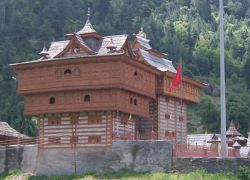
About The Sapni Fort The Sapni Fort, located in the picturesque town of Kalpa in the Kinnaur district of Himachal Pradesh, is a historical monument that showcases the rich cultural heritage of the region. The fort stands tall on a hilltop and offers breathtaking views of the surrounding mountains and valleys. Timings of Sapni Fort The Sapni Fort is open to visitors from 9:00 AM to 5:00 PM on all days of the week. Entry Fee There is no entry fee to visit the Sapni Fort. Required Time and Restricted Items It takes approximately 1-2 hours to explore the Sapni Fort. Visitors are not allowed to carry any food items or plastic bottles inside the fort premises. Architecture of Sapni Fort The Sapni Fort exhibits a mix of traditional Himachali and Tibetan architecture. The fort has intricately carved wooden doors, colorful murals, and sloping roofs that are characteristic of the region. Best Time to Visit The best time to visit the Sapni Fort is during the summer months of May to July when the weather is pleasant and the surrounding landscapes are lush green. Winter months, from November to February, offer a different charm with snow-capped mountains. How to Reach The Sapni Fort is easily accessible by road. Visitors can hire a taxi or take a local bus from Reckong Peo, which is the nearest town and is well connected to major cities in Himachal Pradesh. History of Sapni Fort The Sapni Fort was built by the rulers of the Kinnaur region in the 17th century as a defensive structure against invasions. It has witnessed several battles and changes in power over the centuries. Inside Sapni Fort Inside the Sapni Fort, visitors can explore the various rooms, courtyards, and watchtowers that offer a glimpse into the lifestyle of the royals who once resided here. The fort also houses a small museum showcasing artifacts and historical memorabilia. Traveling Tips It is advisable to wear comfortable shoes as there are steep steps and uneven pathways inside the fort. Visitors should also carry a water bottle and sunscreen as there are limited facilities available inside the fort. Hotels Near Sapni Fort Some of the hotels near the Sapni Fort in Kalpa are Hotel Apple Pie, The Grand Shonit, and Hotel Rollingrang. These hotels offer comfortable accommodation with stunning views of the mountains. Nearby Tourist Spots of Sapni Fort Some of the nearby tourist spots that visitors can explore while visiting the Sapni Fort include the Kalpa Village, Suicide Point, Roghi Village, and the Narayan-Nagini Temple. These places offer a glimpse into the local culture and breathtaking natural beauty of the region.
Explore More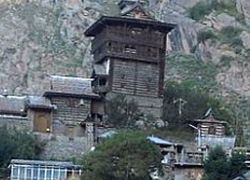
About The Kamru Fort The Kamru Fort, located in Sangla, Himachal Pradesh, is a historical marvel that stands tall as a symbol of the region's rich heritage. Situated at an altitude of 2600 meters above sea level, this fort offers panoramic views of the surrounding valleys and mountains. The fort is a significant landmark in the region and attracts tourists and history enthusiasts from all over the world. Timings Of Kamru Fort The Kamru Fort is open to visitors every day from 9 am to 6 pm. It is advisable to visit the fort during the daytime to fully appreciate its beauty and explore its intricate architecture. Entry Fee The entry fee for visiting the Kamru Fort is minimal, making it accessible to all. Visitors can purchase tickets at the entrance gate or through online booking platforms. Required Time And Restricted Items It is recommended to spend at least 2-3 hours at the Kamru Fort to explore its various sections and learn about its history. Visitors are advised not to carry any food items or beverages inside the fort premises to maintain its cleanliness. Architecture Of Kamru Fort The Kamru Fort is an architectural masterpiece with its intricate wooden carvings, stone walls, and traditional Himachali design elements. The fort is built in typical Tibetan style, showcasing a blend of Indian and Tibetan architectural influences. The multi-tiered structure of the fort is a sight to behold, with its towering walls and grand entrance gates. Best Time To Visit The best time to visit the Kamru Fort is during the summer months from April to June when the weather is pleasant and conducive for sightseeing. The monsoon season from July to September should be avoided due to heavy rainfall in the region. How To Reach Sangla is well-connected to major cities in Himachal Pradesh by road. Visitors can reach Sangla by hiring a taxi or taking a bus from Shimla or Chandigarh. From Sangla, the Kamru Fort is easily accessible by a short trek or a local taxi ride. History Of Kamru Fort The Kamru Fort has a rich history dating back to the 15th century when it was built by the rulers of the Bushahr dynasty. The fort served as the residence of the rulers and later became a strategic military outpost in the region. Over the years, the fort has witnessed various battles and conquests, making it a vital part of Himachal Pradesh's historical legacy. Inside Kamru Fort Inside the Kamru Fort, visitors can explore the various sections such as the courtyard, temple, and royal chambers. The fort houses a dedicated shrine to the local deity, Kamakhya Devi, which is revered by the locals. The intricate carvings and paintings inside the fort depict scenes from Hindu mythology and showcase the artistic prowess of the craftsmen of that era. Traveling Tips - Wear comfortable footwear as there is some walking involved within the fort premises. - Carry a water bottle and sunscreen to stay hydrated and protected from the sun. - Respect the local customs and traditions while visiting the fort. - Engage with the local guides to learn more about the history and significance of the Kamru Fort. Hotels Near Kamru Fort - The Royal Castle Sangla - Hotel Batseri - Hotel Rupin River View Nearby Tourist Spots Of Kamru Fort 1. Batseri Village: A quaint Himalayan village known for its traditional wooden houses and serene surroundings. 2. Chitkul: The last inhabited village near the Indo-Tibetan border, famous for its apple orchards and breathtaking views. 3. Baspa River: A pristine river that flows through the Sangla Valley, offering opportunities for fishing and picnicking.
Explore More
Welcome to the mesmerizing world of Ratanpur Fort, a historical gem nestled in the heart of Bilaspur. This magnificent fort stands as a testament to the rich heritage and architectural brilliance of the region. The allure of Ratanpur Fort lies not only in its historical significance but also in the natural beauty that surrounds it, making it a must-visit destination for travelers seeking a blend of history and biodiversity. History of Ratanpur Fort Steeped in history, Ratanpur Fort dates back to ancient times and served as a significant stronghold for various dynasties. Originally a royal hunting ground, the fort has witnessed centuries of battles and conquests. Thanks to dedicated conservation efforts, Ratanpur Fort has gained recognition for its historical value and stands as a proud symbol of Bilaspur's past glory. Architecture and Natural Beauty of Ratanpur Fort Surrounded by lush wetlands, dense forests, and sprawling grasslands, Ratanpur Fort offers a picturesque setting that captivates visitors. The fort's architecture reflects a blend of traditional and modern influences, showcasing intricate designs and majestic structures. Within the fort premises lies the historic Keoladeo Temple, adding a spiritual touch to the natural beauty of the surroundings. Why is Ratanpur Fort Famous? Ratanpur Fort has earned fame as a haven for birdwatchers, photographers, nature enthusiasts, and wildlife lovers. The diverse bird habitats, stunning landscapes, and rare flora and fauna species make it a paradise for those seeking a close encounter with nature's wonders. How to Reach Ratanpur Fort Traveling to Ratanpur Fort is convenient, with options available by air, rail, and road. The nearest airports are easily accessible, and well-connected railway stations offer seamless connectivity. Visitors can choose from various transportation modes to reach this enchanting destination in Bilaspur. Weather and Best Time to Visit Ratanpur Fort Ratanpur Fort experiences varying weather conditions throughout the year, with distinct summer, monsoon, and winter seasons. The best time to visit is during the cooler months when the weather is pleasant, allowing visitors to explore the fort and its surroundings comfortably. Timings of Ratanpur Fort Ratanpur Fort welcomes visitors during specific timings, ensuring a well-planned and enjoyable experience. Seasonal variations, if any, are communicated to visitors, along with essential information to help them make the most of their visit. Entry Fee and Visit Details Entry procedures at Ratanpur Fort are streamlined, with guide services available for those seeking deeper insights into the fort's history. Safari options, bicycle rentals, and visitor facilities cater to the diverse needs of guests, ensuring a memorable and enriching visit. Things to Do at Ratanpur Fort Engage in a plethora of activities at Ratanpur Fort, from birdwatching and photography to cycling through scenic trails. Walking amidst the natural beauty, observing wildlife, and participating in educational experiences are sure to create lasting memories for every visitor. Interesting Facts About Ratanpur Fort Ratanpur Fort is home to a myriad of migratory birds, showcasing the region's rich biodiversity. The conservation achievements within the fort premises highlight the ecological importance of preserving such historical and natural treasures for future generations. Travel Tips for Visiting Ratanpur Fort Prepare for your Ratanpur Fort visit by packing appropriate clothing, essential photography gear, and birdwatching equipment. Consider the best visiting seasons to make the most of your trip and practice responsible tourism to contribute to the preservation of this unique destination. Conclusion In conclusion, Ratanpur Fort in Bilaspur stands as a captivating blend of history, architecture, and natural beauty. Visitors are welcomed to explore the fort's heritage, witness diverse wildlife, and immerse themselves in the tranquility of the surroundings. A trip to Ratanpur Fort promises an enriching experience that resonates with the essence of Bilaspur's cultural and environmental treasures.
Explore More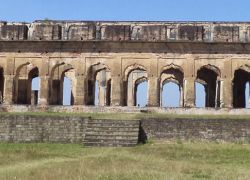
About The Nadaun Fort The Nadaun Fort, located in the Hamirpur district of Himachal Pradesh, is a historical fort that dates back to the 16th century. The fort is situated on the banks of the River Beas and offers a stunning view of the surrounding landscape. Timings Of Nadaun Fort The Nadaun Fort is open to visitors from 9:00 AM to 6:00 PM on all days of the week. Entry Fee There is no entry fee to visit the Nadaun Fort. Required Time And Restricted Items It takes approximately 1-2 hours to explore the Nadaun Fort. Visitors are advised not to carry any food items or alcoholic beverages inside the fort premises. Architecture Of Nadaun Fort The Nadaun Fort displays a mix of Mughal and Rajput architectural styles. The fort features intricately designed gateways, bastions, and underground chambers. The walls of the fort are made of sturdy stone and offer a glimpse into the rich history of the region. Best Time To Visit The best time to visit the Nadaun Fort is during the months of October to March when the weather is pleasant and ideal for exploring the fort. How To Reach The Nadaun Fort is easily accessible by road. It is located approximately 20 km away from Hamirpur town. Visitors can hire a taxi or take a bus to reach the fort. History Of Nadaun Fort The Nadaun Fort was built by Raja Bikramajit in the 16th century. It served as a strategic fortification to defend the region against invasions. The fort has witnessed many battles and has an intriguing history attached to it. Inside Nadaun Fort Inside the Nadaun Fort, visitors can explore the various sections including the palace ruins, the darbar hall, the granaries, and the underground chambers. The fort offers panoramic views of the River Beas and the surrounding countryside. Traveling Tips Visitors are advised to wear comfortable footwear as there is some walking involved while exploring the fort. It is also recommended to carry water bottles and sunscreen to stay hydrated and protected from the sun. Hotels Near Nadaun Fort Some of the hotels near Nadaun Fort include Hotel Hill Top, Hotel Hamir, and Hotel Beas View. These hotels offer comfortable accommodation options for visitors exploring the fort. Nearby Tourist Spots Of Nadaun Fort Some of the nearby tourist spots of Nadaun Fort include the Sujanpur Tira Fort, the Tauni Devi Temple, and the Naina Devi Temple. These spots offer a mix of historical and religious experiences for visitors.
Explore More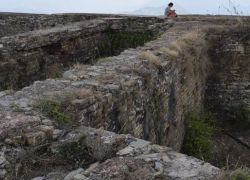
About The Gurkha Fort Subathu The Gurkha Fort Subathu is a historical fort located in Parwanoo, Himachal Pradesh. It holds great significance as it was once used as a military base by the Gurkha regiment. The fort is surrounded by lush greenery and offers stunning views of the surrounding mountains. Timings Of Gurkha Fort Subathu The Gurkha Fort Subathu is open to visitors from 9:00 AM to 5:00 PM on all days of the week. Entry Fee There is no entry fee to visit the Gurkha Fort Subathu. Required Time And Restricted Items It takes about 1-2 hours to explore the entire fort. Visitors are not allowed to carry weapons, alcohol, or any other prohibited items inside the fort. Architecture of Gurkha Fort Subathu The architecture of the Gurkha Fort Subathu is a blend of British and Gurkha styles. The fort has thick stone walls, watchtowers, and cannons, showcasing its military past. Best Time To Visit The best time to visit the Gurkha Fort Subathu is during the months of March to June and September to November when the weather is pleasant and ideal for exploring the fort. How To Reach The Gurkha Fort Subathu is located in Parwanoo, Himachal Pradesh, and is easily accessible by road. The nearest major city is Chandigarh, which is about 30 kilometers away. Visitors can hire a taxi or take a local bus to reach the fort. History Of Gurkha Fort Subathu The Gurkha Fort Subathu was built in the early 19th century by the British East India Company. It served as a strategic military base for the Gurkha regiment during the Anglo-Nepalese War. The fort played a crucial role in the defense of the region. Inside Gurkha Fort Subathu Inside the Gurkha Fort Subathu, visitors can explore the barracks, armory, and officer's quarters. There is also a museum showcasing the history of the fort and the Gurkha regiment. The fort offers panoramic views of the surrounding valleys and mountains. Traveling Tips It is advisable to wear comfortable shoes as there is a fair amount of walking involved in exploring the fort. Carry a water bottle and sunscreen to stay hydrated and protected from the sun. Do not litter and maintain the cleanliness of the fort premises. Hotels Near Gurkha Fort Subathu Some of the hotels near Gurkha Fort Subathu are: Hotel Windsmoor Hotel Parwanoo Heights Hotel Shali Heights Hotel Le Mariet Nearby Tourist Spots of Gurkha Fort Subathu Some of the nearby tourist spots of Gurkha Fort Subathu include: Dagshai Kali Mata Temple Timber Trail Fruit Orchards
Explore More
Welcome to the mesmerizing world of Ramgarh Fort located in Nalagarh, a place where history, architecture, and natural beauty intertwine to create a truly enchanting destination for travelers. This iconic fort holds within its walls tales of ancient royalty, diverse biodiversity, and a serene ambiance that captivates visitors from all walks of life. History of Ramgarh Fort Stepping back in time, the history of Ramgarh Fort unfolds a narrative of regal grandeur and strategic significance. Originally built as a royal hunting lodge, this fort has witnessed the passage of time and stands today as a symbol of architectural marvel. The conservation efforts undertaken here have not only preserved the historical essence but have also garnered UNESCO recognition for its cultural significance. Architecture and Natural Beauty of Ramgarh Fort Embraced by lush wetlands, dense forests, and sprawling grasslands, Ramgarh Fort is a sanctuary for a myriad of bird species and wildlife. The picturesque landscapes surrounding the fort provide a perfect backdrop for the historical Keoladeo Temple nestled within the park, adding a spiritual dimension to its natural allure. Why is Ramgarh Fort Famous? Ramgarh Fort has carved a niche for itself as a haven for birdwatchers, photographers, nature enthusiasts, and wildlife lovers. The rich biodiversity, coupled with the serene ambiance, makes it a sought-after destination for those seeking a rendezvous with nature in its purest form. How to Reach Ramgarh Fort Traveling to Ramgarh Fort is a seamless experience with multiple options available. Whether by air, rail, or road, visitors can easily access this enchanting destination. The nearest airports and railway stations ensure convenient connectivity for travelers from near and far. Weather and Best Time to Visit Ramgarh Fort Throughout the seasons, Ramgarh Fort exudes a unique charm. While summers offer a vibrant landscape, the monsoons paint a lush green canvas, and winters bring a serene blanket of tranquility. The best months to visit vary according to personal preferences, with each season offering a distinct experience. Timings of Ramgarh Fort Visitor timings at Ramgarh Fort cater to the diverse needs of travelers, ensuring an enriching experience for all. Seasonal variations may bring slight changes in schedules, making it essential for visitors to plan their trips accordingly and make the most of their time here. Entry Fee and Visit Details Upon arrival, visitors are greeted with a seamless entry procedure, guide services, safari options, bicycle rentals, and a host of visitor facilities that enhance the overall experience. These amenities ensure that guests can explore the fort and its surroundings comfortably and conveniently. Things to Do at Ramgarh Fort Engaging in popular activities such as birdwatching, photography, cycling, walking trails, nature observation, and educational experiences at Ramgarh Fort opens up a world of exploration and discovery. Each activity offers a unique perspective on the fort's ecosystem and cultural heritage. Interesting Facts About Ramgarh Fort Delve into the realm of fascinating facts surrounding Ramgarh Fort, from the annual arrival of migratory birds to the conservation achievements that have contributed to its ecological importance. These insights shed light on the fort's role in preserving biodiversity and promoting sustainable tourism practices. Travel Tips for Visiting Ramgarh Fort For a fulfilling visit to Ramgarh Fort, it is advisable to pack appropriate clothing, carry essential photography and birdwatching equipment, choose the ideal visiting season, and uphold responsible tourism practices. These tips ensure a memorable and respectful exploration of this historical and natural treasure. Conclusion In conclusion, Ramgarh Fort in Nalagarh stands as a testament to the harmonious coexistence of history and nature. Its significance, architectural beauty, and tourism appeal make it a must-visit destination for those seeking a blend of cultural heritage and natural splendor. Embark on a journey to Ramgarh Fort and immerse yourself in the timeless charm of this enchanting hotspot.
Explore More
Welcome to Nalagarh, a city known for its captivating Nalagarh Fort, a treasure trove of history, natural beauty, and biodiversity. This majestic fort stands as a testament to the glorious past of the region and attracts visitors from far and wide. History of Nalagarh Fort Steeped in history, Nalagarh Fort traces its origins back to being the former royal hunting grounds of the Maharajas of Nalagarh. Over the years, the fort has undergone conservation efforts to preserve its architectural grandeur and historical significance. The fort's charm has garnered UNESCO recognition, adding to its allure. Architecture and Natural Beauty of Nalagarh Fort Surrounded by lush wetlands, dense forests, and expansive grasslands, Nalagarh Fort offers a picturesque setting that is a haven for bird habitats and diverse landscapes. Within the fort premises lies the ancient Keoladeo Temple, adding a touch of spirituality to the natural beauty that surrounds it. Why is Nalagarh Fort Famous? Nalagarh Fort has earned its fame as a popular destination among birdwatchers, photographers, nature enthusiasts, and wildlife lovers due to its rich biodiversity and serene ambiance. The fort's serene surroundings make it an ideal spot for those seeking a rendezvous with nature. How to Reach Nalagarh Fort Traveling to Nalagarh Fort is convenient, with options available by air, rail, and road. The nearest airports and railway stations provide easy access to this historical gem, ensuring a hassle-free journey for visitors. Weather and Best Time to Visit Nalagarh Fort Throughout the seasons, Nalagarh Fort offers a different yet equally enchanting experience. Summer, monsoon, and winter each bring their own charm to the fort's surroundings, making it a year-round destination. The best time to visit depends on personal preferences, with each season offering a unique perspective of the fort. Timings of Nalagarh Fort Visitor timings at Nalagarh Fort are optimized to provide a memorable experience for guests. Seasonal variations may impact the operating hours, so it is advisable to plan your visit accordingly to make the most of your time at the fort. Entry Fee and Visit Details Entry procedures at Nalagarh Fort are designed to ensure a smooth and enjoyable visit. Guide services, safari options, bicycle rentals, and visitor facilities are available to enhance your experience and make your exploration of the fort more enriching. Things to Do at Nalagarh Fort Nalagarh Fort offers a plethora of activities for visitors to indulge in, including birdwatching, photography, cycling, walking trails, nature observation, and educational experiences. Each activity provides a unique way to connect with the fort's surroundings and immerse oneself in its beauty. Interesting Facts About Nalagarh Fort Delve into fascinating facts about Nalagarh Fort, from its role as a sanctuary for migratory birds to its contributions to biodiversity conservation and ecological balance. These insights shed light on the fort's significance beyond its historical and architectural appeal. Travel Tips for Visiting Nalagarh Fort For a seamless visit to Nalagarh Fort, consider practical tips such as appropriate clothing, essential photography gear for capturing the fort's beauty, ideal visiting seasons, and responsible tourism practices that help preserve the fort's heritage for future generations. Conclusion In conclusion, Nalagarh Fort in Nalagarh stands as a beacon of history and natural splendor, offering visitors a glimpse into the region's rich heritage and biodiversity. A visit to this iconic fort promises a memorable experience filled with exploration, learning, and appreciation for the wonders of nature.
Explore More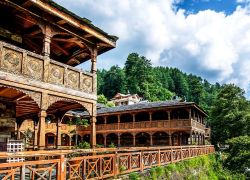
Welcome to Naggar Castle, a mesmerizing tourist attraction nestled in the beautiful city of Naggar. This historical gem offers visitors a unique blend of rich heritage, architectural marvels, and breathtaking natural beauty. History of Naggar Castle Steeped in history, Naggar Castle boasts a fascinating past dating back to ancient times. Originally built as a royal residence, this castle served as a hunting lodge for the erstwhile rulers. Today, it stands as a testament to the architectural grandeur of the bygone era and has garnered recognition from UNESCO for its historical significance. Architecture and Natural Beauty of Naggar Castle The castle is surrounded by lush wetlands, verdant forests, and sprawling grasslands that provide a haven for a diverse range of bird species. The picturesque landscapes and the nearby Keoladeo Temple further enhance the charm of this heritage site, making it a popular destination for nature lovers and history buffs alike. Why is Naggar Castle Famous? Naggar Castle is renowned for its unparalleled beauty and is a haven for birdwatchers, photographers, and wildlife enthusiasts. The tranquil ambiance and the rich biodiversity of the surrounding areas make it a paradise for those seeking a peaceful retreat amidst nature. How to Reach Naggar Castle Traveling to Naggar Castle is convenient, with options available by air, rail, and road. The nearest airports are located in Kullu and Chandigarh, while the closest railway station is in Joginder Nagar. Visitors can also opt for road transport via well-connected highways leading to Naggar. Weather and Best Time to Visit Naggar Castle Naggar Castle experiences pleasant weather conditions throughout the year, with distinct seasons of summer, monsoon, and winter. The best time to visit is during the spring and autumn months when the weather is mild, and the natural surroundings are at their scenic best. Timings of Naggar Castle Naggar Castle welcomes visitors during specific timings, with variations based on seasonal changes. It is advisable to plan your visit accordingly and check for any updates on the timings to make the most of your trip. Entry Fee and Visit Details Upon arrival, visitors can avail of guide services, safari options, and bicycle rentals to explore the castle and its surroundings. The visitor facilities ensure a comfortable and enriching experience for all guests, making it an ideal destination for a memorable day out. Things to Do at Naggar Castle There are numerous activities to indulge in at Naggar Castle, ranging from birdwatching and photography to cycling and nature trails. Visitors can immerse themselves in the serene beauty of the surroundings and partake in educational experiences to learn more about the local flora and fauna. Interesting Facts About Naggar Castle Naggar Castle is home to a plethora of migratory birds and boasts a rich biodiversity that highlights the importance of conservation efforts. The castle's ecological significance and conservation achievements underscore the need to protect and preserve such natural treasures for future generations. Travel Tips for Visiting Naggar Castle When visiting Naggar Castle, it is advisable to dress comfortably, carry essential photography gear, and be prepared for birdwatching expeditions. Understanding the seasonal variations and practicing responsible tourism are crucial to ensuring a sustainable and enjoyable visit to this historic site. Conclusion In conclusion, Naggar Castle in Naggar stands as a beacon of historical heritage and natural splendor, offering visitors a delightful blend of architectural marvels and serene landscapes. The castle's significance, coupled with its diverse offerings, makes it a must-visit destination for travelers seeking a tranquil escape into the heart of nature.
Explore More4-Day Himachal Itinerary Tour
4 Days/ 3 Night
Kufri - Manali - Shimla - Kullu
3D Zanskar Trip From Manali - Gonbo Rongjon - Shinkhu La
3 Days/ 2 Night
Manali - Jispa
Complete Himachal Tour - 8 Days - 7 Nights
8 Days/ 7 Night
Dalhousie - Manali - Shimla - Dharamshala
5 night 6 Days Shimla Manali Package
6 Days/ 5 Night
Kullu - Chandigarh City - Lahaul & Spiti - Shimla - Manali