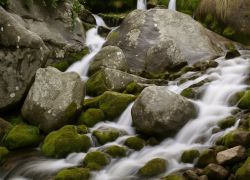
The Jogini waterfalls stream down to join the rapid rivers of Beas in the lower Kullu Valley. It is a sacramental place for the villagers of Manali, and is therefore considered as a Shakti Peeth. Jogini falls are located on the northern suburb of Vashisht Village. The waterfalls were initially the ritual bathing place of ‘joginis’ or daughters of Indra who abstained from marriage. A small shrine can be seen below the admirable falls. People from the villages pay visits to the temple to make their offerings. The temple surroundings are well kept and peaceful by the locals. At the time of special occasions, rituals are performed and special food is cooked. Jogini Devi is also known as ‘Fungni’ that is restricted to the valley of Kullu. Mahamaya Devi is the Sanskrit translation of Jogini which means ‘Goddess of great illusions’. The trek to the waterfalls is indeed a breathtaking experience with craggy paths and azure green brooks. The waters flow through an array of small hills, which is really worth relishing. On the way you can see a horde of shops and eateries that sell local delicacies like aata namkeen, rajma and kadi chawal. The Jogini waterfalls is bliss for photo fanatics and green panthers as it gives a good opportunity to marvel at the beauty of nature in its full glory. The perfect time to click pictures is at dusk and dawn, especially when the sunlight reflects on the pristine waters, knitting a mystical effect..
Explore More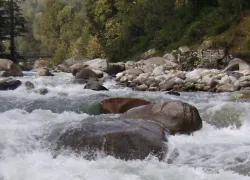
Rahala Waterfalls is one of the most picturesque natural attractions located near Manali in Himachal Pradesh. Nestled amidst the Himalayan hills and dense pine forests, this stunning waterfall is a haven for nature lovers, adventure enthusiasts, and photographers. The cascading waters, surrounded by lush greenery and rocky terrain, create a mesmerizing view, making it a must-visit destination for anyone traveling to Manali. Unlike some of the more commercialized tourist spots, Rahala Waterfalls maintains a serene and relatively untouched charm that allows visitors to connect closely with nature. How to Reach Rahala Waterfalls, Manali, Himachal Pradesh Reaching Rahala Waterfalls is relatively straightforward and can be done via road and a short trek. By Air: The nearest airport is Kullu-Manali Airport (Bhuntar Airport), located around 50 km from Manali. From the airport, you can hire a taxi or take a rental car to Manali and then proceed to Rahala Waterfalls. By Train: The nearest railway station is Joginder Nagar Railway Station, about 120 km from Manali. From the station, you can take a taxi or bus to reach Manali and continue to Rahala Waterfalls by local transport or private vehicle. By Road: Manali is well-connected to major cities like Delhi, Chandigarh, and Shimla. Private taxis, buses, and self-drive cars are commonly used. From Manali town, Rahala Waterfalls is approximately 12 km away, and visitors can enjoy a scenic drive through winding mountain roads. A short trek of about 15-20 minutes through forested trails leads to the main waterfall area. Weather at Rahala Waterfalls, Manali The weather at Rahala Waterfalls varies according to the seasons: Summer (March to June): The weather is pleasant with temperatures ranging from 15°C to 25°C, making it an ideal time to visit and enjoy the waterfall’s full beauty. Monsoon (July to September): The waterfall is at its peak during the monsoon season due to heavy rainfall. However, visitors should be cautious as the trekking path can become slippery. Winter (October to February): The temperatures range from 0°C to 15°C. The waterfall may freeze partially in winter, creating a beautiful icy landscape for visitors to admire. Timing of Rahala Waterfalls, Manali The waterfall is accessible throughout the day, but the recommended visiting hours are from 8:00 AM to 5:00 PM. Visiting in the morning is ideal for enjoying a peaceful environment and clear photography opportunities. Afternoon visits are great for seeing the waterfall in bright daylight and for picnics by the stream. Why Rahala Waterfalls, Manali is Famous Rahala Waterfalls is famous for its natural beauty, scenic trekking trails, and tranquil surroundings. It is a favorite spot for both locals and tourists seeking an escape from the hustle and bustle of Manali town. The waterfall’s cascading streams, surrounded by dense forests and rocky terrain, make it a photographer’s paradise. Additionally, the waterfall is often included in nature tours and eco-tourism activities around Manali, contributing to its popularity. Its relative seclusion ensures a calm experience away from overcrowded tourist attractions. Entry and Visit Details of Rahala Waterfalls, Manali Visiting Rahala Waterfalls is straightforward and mostly free, though some trekking paths may be maintained by local authorities who occasionally charge a nominal entry fee. Entry Fee: Generally free, some local charges may apply Opening Hours: 8:00 AM – 5:00 PM Best Time to Visit: March to June and September to November Facilities: Limited amenities; visitors should carry water, snacks, and basic first-aid supplies History and Natural Significance of Rahala Waterfalls, Manali Rahala Waterfalls does not have a man-made history or architectural heritage, but its natural and ecological significance is noteworthy. It is part of the Himalayan watershed and contributes to the ecosystem by supporting local flora and fauna. The area around the waterfall is rich in biodiversity, including pine, deodar, and rhododendron trees. The waterfall is also a source of freshwater streams that feed nearby villages and farming communities. Locals often consider the area spiritually significant due to its serene environment. Things to Do at Rahala Waterfalls, Manali Visitors to Rahala Waterfalls can enjoy a variety of activities: Trekking through scenic forest trails leading to the waterfall. Photography of the cascading water, forested areas, and surrounding mountains. Picnicking near the waterfall and relaxing by the streams. Birdwatching and observing local wildlife and alpine flora. Adventure activities such as light rock climbing and nature exploration. Interesting Facts about Rahala Waterfalls, Manali Rahala Waterfalls is one of the lesser-known waterfalls near Manali, offering a peaceful escape for nature lovers. The waterfall’s water flow is strongest during the monsoon season, making it a spectacular sight. The surrounding pine and deodar forests provide a cool, refreshing environment year-round. The trek to the waterfall is moderate in difficulty and suitable for beginners as well as experienced trekkers. Many travelers use Rahala Waterfalls as a stopover on nature trekking tours around Manali. Tips for Visiting Rahala Waterfalls, Manali Wear sturdy trekking shoes and comfortable clothing for the hike. Carry water, snacks, and a first-aid kit during your visit. Check weather conditions before visiting, especially during monsoon or winter seasons. Maintain cleanliness and avoid littering to preserve the natural beauty. Carry a camera or smartphone for capturing the scenic waterfall and forest surroundings. In conclusion, Rahala Waterfalls, Manali, is a stunning natural destination offering a combination of adventure, tranquility, and scenic beauty. Whether you are trekking through the Himalayan forests, enjoying a picnic near the waterfall, or capturing breathtaking photographs, Rahala Waterfalls provides a memorable experience. Its untouched charm, crystal-clear water, and serene surroundings make it a must-visit location for travelers seeking to explore the natural wonders of Himachal Pradesh.
Explore More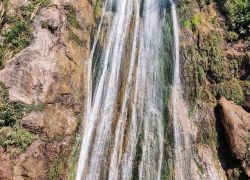
Welcome to Mohra Falls, a captivating tourist attraction nestled in the charming city of Solan. Mohra Falls is a picturesque destination renowned for its natural beauty, rich biodiversity, and serene ambiance, making it a paradise for nature lovers and wildlife enthusiasts. History of Mohra Falls Steeped in history, Mohra Falls has a fascinating past dating back to its origins as former royal hunting grounds. Over the years, dedicated conservation efforts have transformed it into a sanctuary of natural beauty, earning it recognition from UNESCO for its ecological significance. Architecture and Natural Beauty of Mohra Falls The allure of Mohra Falls lies in its lush wetlands, dense forests, expansive grasslands, and diverse bird habitats. The park is also home to the historic Keoladeo Temple, adding a touch of spirituality to its already mesmerizing landscapes. Why is Mohra Falls Famous? Mohra Falls has gained fame as a haven for birdwatchers, photographers, and wildlife enthusiasts due to its diverse avian population, stunning vistas, and tranquil environment that offer a unique and rewarding experience to all visitors. How to Reach Mohra Falls Traveling to Mohra Falls is convenient with options available by air, rail, and road. The nearest airports and railway stations provide easy access to this natural wonder, ensuring a smooth journey for travelers. Weather and Best Time to Visit Mohra Falls Throughout the seasons, Mohra Falls showcases different charms, from lush greenery in summer to misty allure in monsoon and crisp landscapes in winter. The best time to visit varies, with each season offering a distinct experience to explore the beauty of Mohra Falls. Timings of Mohra Falls Visitors can enjoy Mohra Falls during specified timings, with seasonal variations influencing the park's accessibility. Planning ahead ensures a well-timed visit to make the most of your trip to this natural marvel. Entry Fee and Visit Details Entry to Mohra Falls comes with procedures to follow, guide services for enriching experiences, safari options for adventurous souls, bicycle rentals for exploring at your pace, and visitor facilities to ensure a comfortable and enjoyable visit. Things to Do at Mohra Falls Engage in a variety of activities at Mohra Falls, from immersive birdwatching and captivating photography sessions to leisurely cycling, scenic walking trails, nature observation, and educational programs that offer a deeper understanding of the park's ecosystem. Interesting Facts About Mohra Falls Did you know that Mohra Falls is a hub for migratory birds, boasts rich biodiversity, celebrates conservation achievements, and plays a crucial role in preserving ecological balance? Discover these and more intriguing facts about this natural gem. Travel Tips for Visiting Mohra Falls For a seamless experience at Mohra Falls, pack suitable clothing, bring along photography and birdwatching equipment, plan your visit during the recommended seasons, and practice responsible tourism to preserve the beauty and sanctity of this pristine destination. Conclusion In conclusion, Mohra Falls in Solan stands as a testament to nature's splendor and the importance of conservation. With its rich history, diverse landscapes, and abundant wildlife, Mohra Falls offers visitors a unique opportunity to connect with nature and create unforgettable memories in the heart of Solan.
Explore More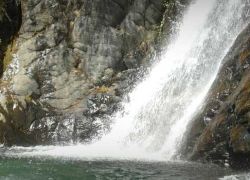
Bhagsunag Waterfall, also known as Bhagsu Falls, is one of the most popular natural attractions in Mcleodganj, Himachal Pradesh. Nestled amidst the scenic Dhauladhar mountain range, this beautiful waterfall is located near the famous Bhagsunag Temple and attracts thousands of tourists, trekkers, photographers, and nature lovers every year. The waterfall is situated at an altitude of approximately 1,770 meters above sea level and offers a refreshing escape from the hustle and bustle of city life. Surrounded by lush greenery, rocky cliffs, and picturesque mountain landscapes, Bhagsunag Waterfall is a perfect destination for visitors seeking peace, adventure, and natural beauty. The waterfall cascades from a considerable height, creating a mesmerizing sight, especially during the monsoon season when the water flow is at its peak. The location is also a popular stop for trekkers heading towards Triund and other Himalayan trails. The soothing sound of falling water, fresh mountain air, and stunning views make Bhagsunag Waterfall one of the must-visit attractions in Mcleodganj and Dharamshala. Why Famous for Bhagsunag Waterfall, Mcleodganj, Himachal Pradesh? Bhagsunag Waterfall is famous for its breathtaking natural beauty, refreshing atmosphere, and scenic surroundings. The waterfall is a favorite destination among tourists looking to relax amidst nature and enjoy the cool mountain climate. One of the major reasons for its popularity is its proximity to the famous Bhagsunag Temple, which holds religious significance for both locals and pilgrims. Visitors often combine their visit to the temple with a trip to the waterfall. The waterfall is also known for its crystal-clear water, picturesque hiking trails, and opportunities for photography. During the monsoon season, the waterfall becomes particularly impressive as the increased water flow creates a spectacular visual display. Adventure enthusiasts and trekkers frequently visit Bhagsunag Waterfall as part of their journey through the beautiful hills surrounding Mcleodganj. The area also features charming cafes where visitors can relax while enjoying panoramic mountain views. History of Bhagsunag Waterfall, Mcleodganj, Himachal Pradesh The history of Bhagsunag Waterfall is closely linked to the ancient Bhagsunag Temple located nearby. According to local legends, King Bhagsu, a ruler of the region, once traveled to the sacred Nag Dal Lake to obtain water during a severe drought affecting his kingdom. The king secretly carried water from the sacred lake, which angered the local serpent deity, Nag Devta. A battle followed between the king and the deity. Although King Bhagsu was defeated, he later repented and sought forgiveness. The deity blessed him, and the place was named Bhagsunag in honor of both King Bhagsu and Nag Devta. Over time, the temple and waterfall became important religious and tourist attractions. Today, visitors come not only for the natural beauty but also to learn about the fascinating legends associated with the area. Architecture and Natural Landscape of Bhagsunag Waterfall Bhagsunag Waterfall itself is a natural wonder and does not feature man-made architecture. However, its surrounding landscape is one of the most attractive aspects of the destination. The waterfall descends over rugged rocks and cliffs, creating multiple cascades before flowing into small pools below. The nearby Bhagsunag Temple showcases traditional Himalayan temple architecture with simple yet elegant stone structures. The temple complex includes sacred water pools and prayer areas used by devotees. The waterfall is surrounded by dense vegetation, pine forests, and mountain slopes. The combination of natural beauty and spiritual significance creates a unique atmosphere that attracts visitors from around the world. How to Reach Bhagsunag Waterfall, Mcleodganj, Himachal Pradesh By Air: The nearest airport is Gaggal Airport (Kangra Airport), located approximately 18 kilometers from Mcleodganj. Taxis and local transport services are available from the airport. By Train: The nearest major railway station is Pathankot Railway Station, about 90 kilometers away. Visitors can hire taxis or use bus services to reach Mcleodganj. By Road: Mcleodganj is well connected by road to major cities such as Delhi, Chandigarh, Amritsar, and Shimla. Regular state transport and private buses operate to Dharamshala and Mcleodganj. Local Access: Bhagsunag Waterfall is located approximately 2 kilometers from Mcleodganj town. Visitors can walk through the scenic pathway from Bhagsunag Temple or hire local taxis and auto-rickshaws to reach the starting point of the trail. Weather at Bhagsunag Waterfall, Mcleodganj, Himachal Pradesh Summer (March to June): Temperatures range from 15°C to 30°C. The weather remains pleasant and ideal for sightseeing and trekking. Monsoon (July to September): The area receives significant rainfall, making the waterfall more powerful and beautiful. However, pathways may become slippery. Autumn (October to November): Clear skies and cool temperatures provide excellent conditions for visiting the waterfall. Winter (December to February): Temperatures can drop to near freezing levels. The surrounding mountains may receive snowfall, creating stunning views. Timing of Bhagsunag Waterfall, Mcleodganj, Himachal Pradesh The waterfall is generally accessible throughout the day. Most visitors prefer visiting between 6:00 AM and 6:00 PM when daylight allows safe exploration of the trails and surrounding areas. Morning hours are ideal for photography and enjoying a peaceful atmosphere before larger crowds arrive. Entry and Visit Details about Bhagsunag Waterfall, Mcleodganj, Himachal Pradesh There is usually no entry fee for visiting Bhagsunag Waterfall. Visitors can freely access the waterfall via the walking trail from Bhagsunag Temple. The short trek to the waterfall is suitable for people of most age groups, although comfortable footwear is recommended due to uneven and rocky terrain. Visitors should carry drinking water, light snacks, and weather-appropriate clothing. During peak tourist seasons, local cafes and shops near the waterfall offer refreshments and resting areas. Things to Do at Bhagsunag Waterfall, Mcleodganj, Himachal Pradesh 1. Enjoy the Waterfall: Relax and admire the beauty of the cascading water amidst scenic mountain surroundings. 2. Photography: Capture stunning photographs of the waterfall, forests, and surrounding Himalayan landscapes. 3. Visit Bhagsunag Temple: Explore the nearby ancient temple and learn about its religious significance. 4. Trekking: Enjoy short hikes and nature walks around the waterfall and nearby mountain trails. 5. Café Experience: Visit popular hillside cafes offering beautiful views and delicious local and international cuisine. 6. Meditation and Relaxation: Experience the peaceful atmosphere created by nature and flowing water. 7. Bird Watching: Observe various bird species found in the surrounding forests. 8. Explore Local Culture: Interact with local residents and learn about Himachali traditions and Tibetan influences in Mcleodganj. Interesting Facts about Bhagsunag Waterfall, Mcleodganj, Himachal Pradesh • Bhagsunag Waterfall is located near the famous Bhagsunag Temple. • The waterfall is one of the most photographed attractions in Mcleodganj. • It serves as a popular resting point for trekkers heading toward Triund. • The waterfall becomes especially powerful during the monsoon season. • The site combines natural beauty with religious and cultural significance. • The surrounding area offers spectacular views of the Dhauladhar mountain range. • Numerous cafes around the waterfall attract backpackers and international travelers. • The destination is visited by thousands of tourists every year. Travel Tips for Visiting Bhagsunag Waterfall, Mcleodganj, Himachal Pradesh 1. Wear comfortable walking or trekking shoes to navigate the rocky paths safely. 2. Visit early in the morning to avoid crowds and enjoy peaceful surroundings. 3. Carry a camera to capture the stunning scenery and waterfall views. 4. Be cautious during the monsoon season as rocks and pathways may become slippery. 5. Keep the area clean and avoid littering to help preserve its natural beauty. 6. Carry a light jacket even during summer as temperatures can be cooler near the waterfall. 7. Stay hydrated and carry drinking water, especially if planning additional trekking activities. 8. Respect local customs and traditions while visiting nearby religious sites. 9. Follow safety instructions and avoid climbing dangerous rocks near the waterfall. 10. Combine your visit with nearby attractions such as Bhagsunag Temple, Dal Lake, Naddi View Point, and Triund for a complete Mcleodganj experience. Conclusion Bhagsunag Waterfall in Mcleodganj, Himachal Pradesh, is a captivating destination that perfectly blends natural beauty, spiritual heritage, and adventure. Surrounded by lush forests, majestic mountains, and scenic trekking routes, the waterfall offers visitors a refreshing retreat into nature. Whether you are a photographer, trekker, spiritual traveler, or someone seeking tranquility, Bhagsunag Waterfall provides a memorable experience. Its easy accessibility, stunning landscapes, and peaceful environment make it one of the most cherished tourist attractions in the Dharamshala-Mcleodganj region.
Explore More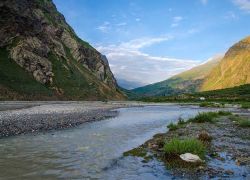
Jispa Waterfall, located in the picturesque city of Jispa, is a natural wonder that captivates visitors with its stunning beauty and serene surroundings. This magnificent waterfall is a popular tourist attraction, drawing nature enthusiasts, photographers, and adventure seekers alike. History of Jispa Waterfall The history of Jispa Waterfall dates back to ancient times when it was formed by the natural flow of the river through the rocky terrain. Once a hidden gem, the waterfall has gained recognition for its beauty and tranquility, becoming a must-visit destination for travelers seeking solace in nature. Architecture and Natural Beauty of Jispa Waterfall The natural environment surrounding Jispa Waterfall is nothing short of spectacular. Lush green forests, vibrant wetlands, and diverse bird habitats create a perfect setting for this mesmerizing cascade. The historical Keoladeo Temple nestled nearby adds a touch of ancient charm to the landscape. Why is Jispa Waterfall Famous? Jispa Waterfall has gained fame for being a paradise for birdwatchers, photographers, and nature lovers. The serene atmosphere and rich biodiversity make it a haven for wildlife enthusiasts seeking to witness nature's beauty up close. How to Reach Jispa Waterfall Traveling to Jispa Waterfall is convenient, with options available by air, rail, and road. The nearest airports are located in the vicinity, and well-connected railway stations offer easy access to this natural marvel. Road transportation provides a scenic journey through the picturesque landscapes of Jispa. Weather and Best Time to Visit Jispa Waterfall Jispa Waterfall experiences varying weather conditions throughout the year. While summers offer pleasant temperatures for outdoor exploration, monsoons bring a refreshing touch to the surroundings. Winter months provide a snowy spectacle, making it a unique time to witness the waterfall's beauty. Timings of Jispa Waterfall Jispa Waterfall welcomes visitors during specific timings, ensuring a peaceful and enjoyable experience for all. Seasonal variations may affect accessibility, so it is advisable to plan your visit accordingly to make the most of your trip. Entry Fee and Visit Details Visitors can access Jispa Waterfall with ease, following the entry procedures and availing guide services if desired. Safari options, bicycle rentals, and visitor facilities are available to enhance the overall experience and provide a memorable visit to this natural wonder. Things to Do at Jispa Waterfall Engage in a variety of activities at Jispa Waterfall, including birdwatching, photography, cycling, walking trails, and nature observation. Immerse yourself in the serene surroundings, explore the diverse flora and fauna, and create unforgettable memories amidst nature's bounty. Interesting Facts About Jispa Waterfall Jispa Waterfall is home to a rich diversity of migratory birds and boasts significant conservation achievements. The ecological importance of this natural marvel highlights the need for sustainable practices to preserve its beauty for future generations to enjoy. Travel Tips for Visiting Jispa Waterfall When planning a trip to Jispa Waterfall, remember to pack suitable clothing, carry essential photography equipment, and be prepared for birdwatching adventures. Understanding the best visiting seasons and practicing responsible tourism ensures a fulfilling and respectful experience at this enchanting destination. Conclusion In conclusion, Jispa Waterfall in Jispa stands as a testament to nature's grandeur and offers visitors a tranquil retreat from the hustle and bustle of urban life. With its rich biodiversity, captivating landscapes, and serene ambiance, Jispa Waterfall remains a must-visit hotspot for those seeking solace in the lap of nature.
Explore More
Welcome to the mesmerizing world of Rudra Nag Waterfall located in the serene city of Kheerganga. This enchanting tourist attraction offers a unique blend of natural beauty, biodiversity, and tranquility that captivates the hearts of all who visit. History of Rudra Nag Waterfall Steeped in history, Rudra Nag Waterfall holds a special place as a former royal hunting ground that has been transformed into a conservation area. Its rich heritage and efforts towards wildlife preservation have garnered recognition, making it a UNESCO-recognized gem. Architecture and Natural Beauty of Rudra Nag Waterfall The picturesque Rudra Nag Waterfall is surrounded by lush wetlands, dense forests, and sprawling grasslands that provide a natural habitat for a variety of bird species. The historical Keoladeo Temple nestled within the park adds to its charm, creating a harmonious blend of spirituality and nature. Why is Rudra Nag Waterfall Famous? Rudra Nag Waterfall is renowned for its breathtaking landscapes that attract birdwatchers, photographers, nature enthusiasts, and wildlife lovers from far and wide. Its serene ambiance and diverse ecosystem make it a haven for those seeking a peaceful retreat into nature. How to Reach Rudra Nag Waterfall Travelling to Rudra Nag Waterfall is convenient with options for air, rail, and road transport. Nearby airports and railway stations ensure easy access, allowing visitors to embark on a memorable journey to this nature lover's paradise. Weather and Best Time to Visit Rudra Nag Waterfall Experience the beauty of Rudra Nag Waterfall in different seasons, from the vibrant hues of summer to the lush greenery of the monsoon and the serene snowfall of winter. The best time to visit varies, offering unique perspectives of this enchanting destination. Timings of Rudra Nag Waterfall Plan your visit to Rudra Nag Waterfall with insights into visitor timings, seasonal variations, and essential information to make the most of your trip. Whether you prefer a tranquil morning or a serene evening, Rudra Nag Waterfall welcomes you with open arms. Entry Fee and Visit Details Explore Rudra Nag Waterfall with ease as you learn about entry procedures, guide services, safari options, bicycle rentals, and visitor facilities that cater to your every need. Immerse yourself in the beauty of this natural wonder with convenient amenities at your fingertips. Things to Do at Rudra Nag Waterfall Delve into a world of adventure and exploration at Rudra Nag Waterfall with activities such as birdwatching, photography, cycling, walking trails, nature observation, and educational experiences that offer a deeper understanding of this captivating destination. Interesting Facts About Rudra Nag Waterfall Discover fascinating facts about Rudra Nag Waterfall, from the migratory birds that grace its skies to the conservation achievements that safeguard its biodiversity. Explore the ecological importance of this natural marvel and gain insights into its significance in the region. Travel Tips for Visiting Rudra Nag Waterfall Prepare for your journey to Rudra Nag Waterfall with practical advice on clothing, photography essentials, birdwatching equipment, ideal visiting seasons, and responsible tourism practices that ensure a memorable and sustainable travel experience. Embrace the beauty of Rudra Nag Waterfall while treading lightly on its pristine landscapes. Conclusion In conclusion, Rudra Nag Waterfall in Kheerganga stands as a testament to the wonders of nature, offering visitors a glimpse into a world of tranquility and beauty. With its rich history, diverse ecosystem, and captivating landscapes, Rudra Nag Waterfall promises an unforgettable experience for all who seek solace in its serene embrace.
Explore More
Jibhi Waterfall is a hidden gem located in the heart of Jibhi village, offering a serene and refreshing escape into nature. Tucked away amidst lush greenery and towering pine trees, the waterfall is accessible through a short, scenic trek along a trail dotted with small wooden bridges and streams. The sound of gushing water and chirping birds creates a peaceful ambiance, making it a perfect spot for nature lovers and photographers.
Explore More4-Day Himachal Itinerary Tour
4 Days/ 3 Night
Kufri - Manali - Shimla - Kullu
3D Zanskar Trip From Manali - Gonbo Rongjon - Shinkhu La
3 Days/ 2 Night
Manali - Jispa
Complete Himachal Tour - 8 Days - 7 Nights
8 Days/ 7 Night
Dalhousie - Manali - Shimla - Dharamshala
5 night 6 Days Shimla Manali Package
6 Days/ 5 Night
Kullu - Chandigarh City - Lahaul & Spiti - Shimla - Manali