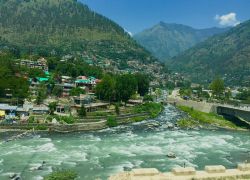
Beas River is one of the most beautiful and important rivers flowing through Manali, Himachal Pradesh. Originating from the Beas Kund near Rohtang Pass in the Himalayas, this river travels through scenic valleys, mountains, and towns before entering the plains of Punjab. In Manali, the Beas River is a major attraction known for its crystal-clear water, thrilling adventure activities, and breathtaking natural beauty. Surrounded by snow-capped peaks, pine forests, and lush green valleys, the Beas River offers a peaceful escape for nature lovers and adventure seekers. It is not only a geographical landmark but also a lifeline for the region, supporting agriculture, tourism, and local ecosystems. Why Beas River is Famous? Beas River is famous for its stunning natural beauty and powerful flow through the Himalayan region. In Manali, it is a key attraction where tourists enjoy riverside walks, photography, and adventure sports. It is also famous for white-water rafting, which attracts adventure enthusiasts from all over India. The river’s fast-flowing rapids make it ideal for thrilling rafting experiences. Another reason for its fame is its spiritual and ecological importance, as it supports biodiversity and has been mentioned in ancient Indian texts and mythology. History of Beas River The Beas River has ancient historical and mythological significance. It is believed to be named after the sage Veda Vyasa, who is said to have meditated near its banks. In ancient times, it was known as Vipasha. Historically, the river has played an important role in supporting early Himalayan settlements and trade routes. It has also been a source of irrigation and livelihood for centuries. Today, the Beas River is an important part of Himachal Pradesh’s tourism and ecology, attracting visitors from around the world. Architecture and Natural Landscape The Beas River does not have man-made architecture, but its natural formation is its greatest beauty. Flowing through deep valleys and rocky terrains, the river creates scenic landscapes with gushing waters and riverbanks covered in stones and greenery. In Manali, small wooden bridges, riverside cafes, and viewing platforms have been built to allow tourists to enjoy the river safely. The surrounding Himalayan mountains add to its dramatic scenery. During different seasons, the river changes its appearance—from calm and gentle in summer to strong and fast during monsoon and snowmelt periods. How to Reach Beas River, Manali Beas River flows through Manali town, making it easily accessible from all nearby locations. By Air: The nearest airport is Bhuntar Airport (Kullu-Manali Airport), located around 50 km from Manali. From there, taxis and buses are available. By Road: Manali is well connected to Delhi (approx. 550 km), Chandigarh (approx. 300 km), and Shimla. Regular Volvo buses, taxis, and private vehicles operate on this route. By Train: The nearest railway station is Joginder Nagar, but most travelers prefer Chandigarh or Ambala stations followed by road travel. Once in Manali, the Beas River can be easily reached by walking, local taxis, or staying in riverside hotels and cafes. Weather at Beas River The Beas River region experiences a cool Himalayan climate throughout the year. Best Time to Visit: March to June and September to November are ideal for pleasant weather and outdoor activities. Summer (March to June): Pleasant and cool, perfect for riverside activities and sightseeing. Monsoon (July to September): Heavy rainfall increases river flow, making it dangerous for water activities but visually powerful. Winter (October to February): Cold weather with snowfall in nearby areas, creating a scenic frozen landscape. Timings and Entry Details Visiting Hours: The Beas River is open 24 hours as it is a natural water body. Entry Fee: There is no entry fee to visit the river. However, adventure activities like rafting or camping may have separate charges. Tourists are advised to follow safety guidelines, especially near fast-flowing sections. Things to Do at Beas River The Beas River offers a variety of adventure and relaxation activities for visitors. River Rafting: One of the most popular adventure sports in Manali, offering thrilling rapids. Photography: Capture stunning views of flowing water, mountains, and bridges. Riverside Walks: Enjoy peaceful walks along the banks of the river. Camping: Experience overnight stays near the river under the stars. Picnics: Relax with family and friends in scenic riverside spots. Nature Observation: Enjoy bird watching and Himalayan scenery. Facts About Beas River • Originates from Beas Kund near Rohtang Pass. • Ancient name is “Vipasha.” • Major river flowing through Himachal Pradesh and Punjab. • Famous for white-water rafting in Manali. • Important source of water and ecology in the region. Tips for Visitors Avoid getting too close to fast-flowing water during monsoon or snowmelt season. Wear comfortable shoes for walking along rocky riverbanks. Carry warm clothes in winter and rain protection during monsoon. Book rafting activities through certified operators for safety. Avoid littering and keep the river environment clean. Early morning visits are best for peaceful views and photography. Conclusion Beas River in Manali, Himachal Pradesh is a breathtaking natural wonder that combines beauty, adventure, and spirituality. With its crystal-clear waters, thrilling rafting opportunities, and serene riverside landscapes, it offers a perfect Himalayan experience. Whether you are an adventure lover, nature enthusiast, or traveler seeking peace, the Beas River is a must-visit destination in Manali.
Explore More
Welcome to the serene and enchanting destination of Parashar Lake nestled in the beautiful city of Mandi. Surrounded by lush greenery and a tranquil ambiance, Parashar Lake is a hidden gem waiting to be explored by nature enthusiasts and adventure seekers alike. History of Parashar Lake The history of Parashar Lake dates back to ancient times, with legends and myths woven around its mystical origins. Believed to be named after the sage Parashar, this pristine lake holds cultural and religious significance. The area surrounding the lake was once a royal hunting ground, adding to its historical charm. Efforts towards conservation have preserved the natural beauty of this place, making it a revered spot for both locals and visitors. Parashar Lake's untouched splendor has garnered recognition for its ecological importance. Architecture and Natural Beauty of Parashar Lake Parashar Lake is not just a water body; it is a harmonious blend of diverse ecosystems. The wetlands, dense forests, sprawling grasslands, and varied bird habitats make it a haven for biodiversity. Adding to the allure is the historic Keoladeo Temple nestled amidst the verdant landscapes, enriching the cultural tapestry of the region. Why is Parashar Lake Famous? Parashar Lake has gained fame as a haven for birdwatchers, photographers, and nature lovers. The abundance of avian species, picturesque landscapes, and serene environment make it a paradise for those seeking solace in nature's embrace. The lake's pristine surroundings offer a retreat from the bustling urban life, attracting visitors year-round. How to Reach Parashar Lake Reaching Parashar Lake is an adventurous journey in itself. The nearest airports and railway stations provide convenient access to Mandi, from where a scenic road trip leads to the lake. Travelers can opt for air, rail, or road transport based on their preferences and convenience, immersing themselves in the natural beauty of the route. Weather and Best Time to Visit Parashar Lake The weather around Parashar Lake exhibits distinct seasonal variations. While summers offer pleasant days for exploration, the monsoons rejuvenate the surroundings with lush greenery. Winter transforms the landscape into a picturesque wonderland. The best time to visit Parashar Lake is during the mild summer and autumn months when the weather is ideal for outdoor activities. Timings of Parashar Lake Parashar Lake welcomes visitors during specific timings, allowing them to relish the beauty of different seasons. Understanding the seasonal variations in footfall can aid in planning a peaceful and enjoyable trip to this natural marvel. Entry Fee and Visit Details Visitors can explore Parashar Lake by following the entry procedures and availing guide services for a more enriching experience. Safari options, bicycle rentals, and well-equipped visitor facilities enhance the overall visit, ensuring a memorable stay amidst nature's bounty. Things to Do at Parashar Lake Engage in a myriad of activities at Parashar Lake, from birdwatching to photography, cycling, and nature observation. The walking trails offer a chance to immerse in the tranquility of the surroundings, while educational experiences provide insights into the local flora and fauna. Interesting Facts About Parashar Lake Parashar Lake is a hub of migratory birds, boasting a rich biodiversity that highlights the region's conservation efforts. The ecological significance of the lake is underscored by its role in preserving the local flora and fauna, making it a vital habitat for various species. Travel Tips for Visiting Parashar Lake For a fulfilling experience at Parashar Lake, pack suitable clothing, essential photography gear, and birdwatching equipment. Plan your visit during the recommended seasons to witness the best of nature's offerings, all while practicing responsible tourism to preserve the sanctity of this natural wonder. Conclusion In conclusion, Parashar Lake in Mandi stands as a testament to nature's unparalleled beauty and tranquility. Its historical legacy, ecological significance, and diverse attractions make it a must-visit destination for those seeking a blend of culture, biodiversity, and serenity. Immerse yourself in the charm of Parashar Lake and create lasting memories amidst the scenic landscapes of this pristine gem.
Explore More
Welcome to Rewalsar Lake in Mandi, a hidden gem nestled in the serene landscapes of Himachal Pradesh. Rewalsar Lake, also known as Tso Pema Lotus Lake, holds great significance for both locals and tourists alike. Its natural beauty, biodiversity, and historical importance make it a must-visit destination for nature enthusiasts and history buffs. History of Rewalsar Lake Rewalsar Lake boasts a rich historical background dating back to ancient times. It is believed to be a sacred spot for Hindus, Buddhists, and Sikhs. The lake is surrounded by lush greenery and was once a former royal hunting ground. Efforts have been made for its conservation, and it holds UNESCO recognition for its cultural and natural heritage. Architecture and Natural Beauty of Rewalsar Lake The natural environment around Rewalsar Lake is breathtaking, with wetlands, forests, and grasslands that provide habitats for a variety of bird species. The picturesque landscapes offer a tranquil setting for visitors to immerse themselves in nature. The historic Keoladeo Temple located near the lake adds to its charm and cultural significance. Why is Rewalsar Lake Famous? Rewalsar Lake is famous for being a paradise for birdwatchers, photographers, and wildlife enthusiasts. The diverse bird habitats attract migratory birds, making it a perfect spot for nature lovers to observe and appreciate the avian wonders. The serene surroundings and peaceful ambiance also make it a preferred destination for those seeking a retreat into nature. How to Reach Rewalsar Lake Travelling to Rewalsar Lake is convenient, with options available by air, rail, and road. The nearest airport is located in Bhuntar, approximately 65 kilometers away. Mandi is well-connected by rail, with Joginder Nagar Railway Station being the closest. Road transport is easily accessible, with regular bus services and taxis plying to and from Mandi. Weather and Best Time to Visit Rewalsar Lake The weather at Rewalsar Lake varies with the seasons. Summer is pleasant, monsoon brings lush greenery, and winter offers a chilly yet enchanting experience. The best time to visit Rewalsar Lake is during the spring months of March to May when the weather is mild, and the surroundings are vibrant with blooming flowers. Timings of Rewalsar Lake Visitors can explore Rewalsar Lake from morning till evening, with timings varying slightly based on seasonal changes. It is recommended to plan your visit during daylight hours to fully experience the beauty of the lake and its surroundings. Entry Fee and Visit Details Entry to Rewalsar Lake is usually free, allowing visitors to enjoy the natural splendor without any charge. Guide services are available for those interested in learning more about the history and ecology of the area. Additionally, safari options, bicycle rentals, and basic visitor facilities are provided to enhance the overall experience. Things to Do at Rewalsar Lake At Rewalsar Lake, there are plenty of activities to engage in, from birdwatching to photography and cycling. The walking trails around the lake offer scenic views, while nature observation allows visitors to connect with the local flora and fauna. Educational experiences are also available for those keen on learning about the ecological importance of the region. Interesting Facts About Rewalsar Lake One of the most fascinating aspects of Rewalsar Lake is its role as a haven for migratory birds, showcasing the rich biodiversity of the area. Conservation efforts have been successful in preserving the natural heritage of the lake, making it a notable ecological hotspot. The lake's ecological importance and cultural significance add to its allure. Travel Tips for Visiting Rewalsar Lake When planning a trip to Rewalsar Lake, it is advisable to pack clothing suitable for the prevailing weather conditions. Carrying photography and birdwatching equipment can enhance your experience at the lake. The best time to visit is during the spring season, but visitors should also practice responsible tourism by respecting the surroundings and wildlife. Conclusion In conclusion, Rewalsar Lake in Mandi is a destination that offers a perfect blend of natural beauty, historical charm, and recreational activities. Whether you are a nature lover, bird enthusiast, or someone seeking tranquility amidst scenic landscapes, Rewalsar Lake has something special to offer. Plan your visit to this enchanting hotspot and immerse yourself in the wonders of nature.
Explore More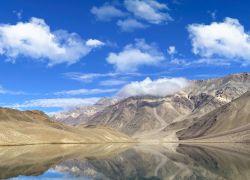
Chandratal Lake, located in Lahaul & Spiti, is a mesmerizing tourist attraction that lures travelers with its pristine beauty and serene surroundings. Situated at an altitude of 4300 meters in the Himalayas, this high-altitude lake is popularly known as the "Moon Lake" due to its crescent shape. The crystal-clear blue waters reflect the snow-capped peaks surrounding it, creating a picturesque landscape that captivates visitors. History of Chandratal Lake The history of Chandratal Lake dates back centuries, with the region being a significant part of ancient trade routes. It is believed that the lake was formed by the remnants of a glacier, adding to its natural allure. Chandratal Lake was also a favored camping spot for traders and travelers, providing a vital resting place on their arduous journeys through the Himalayas. Architecture and Natural Beauty of Chandratal Lake The natural environment around Chandratal Lake is a haven for biodiversity, with lush green meadows, snow-clad peaks, and a variety of flora and fauna. The lake serves as a vital habitat for numerous bird species, making it a paradise for birdwatchers and nature enthusiasts. The Keoladeo Temple, a historic site near the lake, adds a cultural touch to the serene surroundings. Why is Chandratal Lake Famous? Chandratal Lake is renowned for its stunning beauty, making it a favorite destination for photographers seeking to capture the essence of the Himalayas. Birdwatchers flock to the area to catch glimpses of rare avian species that inhabit the region. Nature lovers are drawn to the tranquility and purity of the lake, offering a peaceful retreat amidst nature's bounty. How to Reach Chandratal Lake Traveling to Chandratal Lake can be an adventurous journey, with options for reaching the destination by air, rail, and road. The nearest airports are located in Bhuntar and Kullu, while the closest railway station is in Joginder Nagar. From there, travelers can embark on a scenic road trip to the lake, enjoying the picturesque landscapes along the way. Weather and Best Time to Visit Chandratal Lake Chandratal Lake experiences varying weather conditions throughout the year, with summers being pleasant and ideal for outdoor activities. The monsoon season brings lush greenery to the region, while winters transform the landscape into a winter wonderland. The best time to visit Chandratal Lake is during the summer months from June to September. Timings of Chandratal Lake Visitors can explore the beauty of Chandratal Lake from early morning till evening, allowing ample time to soak in the natural splendor of the surroundings. Seasonal variations may affect accessibility to the lake, so it is advisable to plan the visit accordingly and check for any travel advisories beforehand. Entry Fee and Visit Details There is no entry fee to visit Chandratal Lake, offering travelers the freedom to explore its beauty without any additional costs. Guide services are available for those seeking local insights and assistance in navigating the area. Safari options, bicycle rentals, and visitor facilities are limited due to the pristine nature of the surroundings, emphasizing the need for responsible tourism practices. Things to Do at Chandratal Lake Chandratal Lake offers a range of activities for visitors to indulge in, including birdwatching, photography, cycling around the lake, and walking trails that showcase the natural diversity of the region. Nature observation and educational experiences provide insights into the unique ecosystem surrounding the lake, creating memorable moments for travelers. Interesting Facts About Chandratal Lake Chandratal Lake is home to a plethora of migratory birds that flock to the region during the summer months, adding to the vibrancy of the area. Conservation efforts have been instrumental in preserving the biodiversity of the lake and its surroundings, highlighting the ecological importance of this pristine destination. Travel Tips for Visiting Chandratal Lake When visiting Chandratal Lake, it is advisable to carry warm clothing, sturdy footwear, and essential photography equipment to capture the beauty of the surroundings. The summer months offer the best weather for exploration, ensuring a comfortable and enjoyable experience for travelers. Responsible tourism practices, such as minimizing waste and respecting the natural environment, are crucial to preserving the pristine nature of Chandratal Lake. Conclusion In conclusion, Chandratal Lake in Lahaul & Spiti is a hidden gem nestled in the Himalayas, offering a tranquil retreat for nature lovers and adventure seekers alike. The natural beauty, biodiversity, and cultural significance of the lake make it a must-visit destination for those seeking to connect with the essence of the Himalayan region. A visit to Chandratal Lake promises an unforgettable experience, immersing travelers in the untouched splendor of one of India's most picturesque destinations.
Explore More
Welcome to the mesmerizing beauty of Suraj Tal Lake located in the captivating city of Lahaul & Spiti. This pristine lake is a true gem nestled in the heart of the Himalayas, offering visitors a serene escape into nature's tranquility. History of Suraj Tal Lake Suraj Tal Lake holds historical significance as a former royal hunting ground and has been a focus of conservation efforts in recent years. Its rich biodiversity has earned it recognition by UNESCO for its ecological importance. Architecture and Natural Beauty of Suraj Tal Lake The lake is surrounded by lush wetlands, dense forests, and picturesque grasslands that provide habitats for a diverse range of bird species. The historical Keoladeo Temple adds a touch of ancient charm to the natural landscape. Why is Suraj Tal Lake Famous? Suraj Tal Lake is renowned for its appeal to birdwatchers, photographers, nature enthusiasts, and wildlife lovers who flock here to witness the breathtaking beauty of the surroundings and observe the rich avian diversity. How to Reach Suraj Tal Lake Traveling to Suraj Tal Lake is possible by air, rail, and road, with nearby airports and railway stations providing convenient access to this natural paradise. Weather and Best Time to Visit Suraj Tal Lake The lake experiences varied weather conditions throughout the year, making it essential to plan your visit according to the best months when the climate is most favorable for exploration and enjoyment. Timings of Suraj Tal Lake Visitor timings at Suraj Tal Lake are structured to offer the best experience, with seasonal variations ensuring that each visit is unique and tailored to the natural rhythms of the environment. Entry Fee and Visit Details Entry procedures at Suraj Tal Lake are designed to facilitate a seamless experience for visitors, with guide services, safari options, bicycle rentals, and essential visitor facilities enhancing the overall visitation experience. Things to Do at Suraj Tal Lake Engage in popular activities such as birdwatching, photography, cycling, walking trails, nature observation, and educational experiences that allow you to immerse yourself in the beauty and tranquility of Suraj Tal Lake. Interesting Facts About Suraj Tal Lake Suraj Tal Lake is home to a multitude of migratory birds and boasts impressive biodiversity, underscoring its significance in conservation efforts and highlighting its crucial role in maintaining ecological balance. Travel Tips for Visiting Suraj Tal Lake Ensure a memorable and responsible visit by following practical advice on clothing choices, photography essentials, birdwatching equipment, ideal visiting seasons, and practices that promote sustainable tourism and environmental stewardship. Conclusion In conclusion, Suraj Tal Lake in Lahaul & Spiti is a haven for nature lovers seeking solace in the lap of the Himalayas. Its historical, ecological, and recreational value makes it a must-visit destination for those who appreciate the beauty and importance of preserving our natural heritage.
Explore More
Welcome to the stunning destination of Khajjiar Lake in the charming city of Khajjiar. Surrounded by breathtaking natural beauty and offering a serene environment, Khajjiar Lake is a must-visit hotspot for nature lovers, photographers, and birdwatchers. History of Khajjiar Lake Khajjiar Lake has a rich historical background and was once a royal hunting ground. Over the years, significant conservation efforts have been made to preserve its natural beauty. The area's importance has been recognized by UNESCO for its ecological significance. Architecture and Natural Beauty of Khajjiar Lake The lake is nestled amidst lush forests, pristine wetlands, and picturesque grasslands. It serves as a habitat for various bird species and offers mesmerizing landscapes for visitors to admire. The historical Keoladeo Temple adds a touch of cultural charm to the surroundings. Why is Khajjiar Lake Famous? Khajjiar Lake is renowned for its diverse bird population, making it a paradise for birdwatchers. The scenic beauty and tranquility of the lake attract photographers, nature enthusiasts, and wildlife lovers seeking a peaceful retreat in the lap of nature. How to Reach Khajjiar Lake Traveling to Khajjiar Lake is convenient, with options available by air, rail, and road. The nearest airports are located in nearby cities, and the region is well-connected by rail. Visitors can also opt for a scenic road trip to reach this picturesque destination. Weather and Best Time to Visit Khajjiar Lake Khajjiar Lake experiences pleasant weather conditions throughout the year. While summers are ideal for sightseeing, the monsoon season enhances the beauty of the surroundings. Winter months offer a magical charm, making it a year-round destination. The best time to visit depends on personal preferences, but generally, the post-monsoon period is recommended for a visit. Timings of Khajjiar Lake Khajjiar Lake welcomes visitors during specified timings, ensuring a pleasant experience for all. Seasonal variations may impact visitation, so it is advisable to check the timings before planning your trip. Proper planning can enhance your visit to this enchanting location. Entry Fee and Visit Details Entry to Khajjiar Lake is subject to certain procedures, and guide services are available for a more enriching experience. Safari options allow visitors to explore the area extensively, while bicycle rentals offer a fun way to traverse the surroundings. Visitor facilities are well-maintained and cater to the needs of tourists. Things to Do at Khajjiar Lake Khajjiar Lake offers a range of activities for visitors to enjoy. From birdwatching to photography, cycling, walking trails, and nature observation, there is something for everyone. Educational experiences await those keen on learning more about the biodiversity and natural wonders of the region. Interesting Facts About Khajjiar Lake Khajjiar Lake is home to a variety of migratory birds, highlighting its ecological importance. Conservation efforts have led to significant achievements in preserving the biodiversity of the area. The lake plays a crucial role in maintaining the region's ecological balance. Travel Tips for Visiting Khajjiar Lake When visiting Khajjiar Lake, it is advisable to dress appropriately for the weather and carry essential photography and birdwatching equipment. Understanding the best seasons for visiting and practicing responsible tourism can help protect the natural beauty of the area. Engaging with local guides can enhance your experience and provide valuable insights. Conclusion In conclusion, Khajjiar Lake in Khajjiar is a gem waiting to be explored. Its historical significance, natural beauty, and diverse wildlife make it a top choice for travelers seeking a peaceful retreat in nature. Whether you are a nature enthusiast or a photography lover, Khajjiar Lake offers a memorable experience that will leave you in awe of its splendor.
Explore More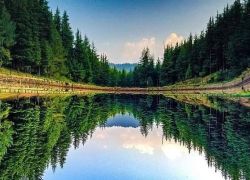
Welcome to the serene and captivating Tannu Jubbar Lake, nestled in the picturesque city of Narkanda. This hidden gem offers a tranquil escape into nature, attracting visitors with its pristine beauty and abundant biodiversity. Let's explore the essence and allure of this enchanting tourist hotspot. History of Tannu Jubbar Lake Steeped in history, Tannu Jubbar Lake holds a significant place as a former royal hunting ground, now transformed into a protected sanctuary. With dedicated conservation efforts, this idyllic locale has garnered recognition for its ecological importance, symbolizing a harmonious blend of nature and heritage. Architecture and Natural Beauty of Tannu Jubbar Lake The mesmerizing wetlands, verdant forests, and sprawling grasslands of Tannu Jubbar Lake create a haven for diverse bird species and wildlife. The landscape is adorned with the historical Keoladeo Temple, adding a touch of spirituality to the natural splendor of the surroundings. Why is Tannu Jubbar Lake Famous? Tannu Jubbar Lake has gained popularity among birdwatchers, photographers, and nature enthusiasts due to its rich avian diversity and stunning landscapes. The allure of this destination lies in its tranquil ambience, offering a perfect retreat for wildlife lovers and those seeking solace in nature. How to Reach Tannu Jubbar Lake Traveling to Tannu Jubbar Lake is convenient, with options available by air, rail, and road. The nearest airports and railway stations provide easy access to this natural oasis, allowing visitors to embark on a seamless journey to this enchanting destination. Weather and Best Time to Visit Tannu Jubbar Lake The weather at Tannu Jubbar Lake varies across seasons, offering distinct experiences during summer, monsoon, and winter. The best time to visit is during certain months when the climate is ideal, ensuring a delightful and comfortable exploration of the surroundings. Timings of Tannu Jubbar Lake Visitor timings at Tannu Jubbar Lake are structured to enhance the overall experience, accommodating seasonal variations to optimize sightseeing opportunities. Essential planning information is provided to help visitors make the most of their time at this captivating destination. Entry Fee and Visit Details Entry procedures at Tannu Jubbar Lake are streamlined to facilitate a hassle-free experience for visitors. Guide services, safari options, bicycle rentals, and well-equipped visitor facilities enhance the overall visit, ensuring a memorable and enriching journey into nature. Things to Do at Tannu Jubbar Lake Engage in a myriad of activities at Tannu Jubbar Lake, including birdwatching, photography, cycling, walking trails, and nature observation. Educational experiences abound, offering insights into the rich biodiversity and ecological significance of this pristine sanctuary. Interesting Facts About Tannu Jubbar Lake Tannu Jubbar Lake is adorned with fascinating facts about migratory birds, conservation achievements, and its pivotal role in preserving biodiversity. These intriguing elements highlight the ecological importance of this sanctuary, making it a must-visit destination for nature enthusiasts. Travel Tips for Visiting Tannu Jubbar Lake When planning a visit to Tannu Jubbar Lake, consider practical tips regarding clothing, photography essentials, birdwatching equipment, ideal visiting seasons, and responsible tourism practices. By following these guidelines, visitors can enhance their experience and contribute to the conservation efforts of this natural paradise. Conclusion In conclusion, Tannu Jubbar Lake in Narkanda stands as a testament to the harmonious coexistence of nature and heritage. With its rich biodiversity, serene landscapes, and immersive experiences, this enchanting hotspot offers a sanctuary for those seeking solace in the lap of pristine wilderness. Embark on a journey to Tannu Jubbar Lake and discover the magic of this hidden treasure in the heart of nature.
Explore More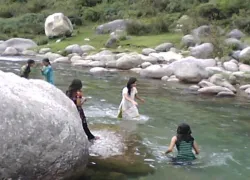
Neugal Khad, Palampur is a wide stream of water that flows on the brink of the town. Also dubbed as Bundla Chasm, Neugal Khad may be a popular picnic destination situated about 3 to 4 km from Palampur.The Dhauladhar Range has a bird’s eye view from Neugal Khad that is amazing; the mountains at a distance are generally filled with snow and make the view more pleasing. The main attraction aside from the stream is that the massive iron bridge.Those curious about photography have the great opportunity to capture the sweetness of this colossal bridge and therefore the surrounding landscape. Aside from photography, walking along the pebbled path of Neugal Khad is right. An ideal place for day outing and family picnic, Neugal Khad is amongst the favoured tourist attractions near Palampur.Neugal Khad to Neugal Park is a short distance. Here are a few cafés and eateries. Visitors can request for a table outside and alongside savouring the food or can enjoy the bird's eye view of the Dhauladhar Mountains.Things to doPalampur is a pretty hill station in the lap of Himachal Pradesh which has great scenic beauty and a lot more things to do than one can expect. Apart from visiting the Neugal Khad, Palampur you can try our certain thing which is amazing and one should experience it at least for once.Go for paragliding in the Bir, trek to Triund, explore art at Naam art gallery, explore the tea plantations, seek blessings at Baijnath Temple, visit the Tashi Jong Monastery, try your hand at pottery at Andretta, pay your respect at Chadmunda Devi temple etc. These excursions will make your fun, thrilling and exciting. You will have memorable experiences.HistoryPalampur once formed a neighbourhood of the local Sikh Kingdom but later it came under British. Some colonial architecture can be seen on the hill station which was built during the British rule.Palampur came into being when an Englishman, Dr Jameson, the superintendent of Botanical garden during that time introduced the tea bush from Almora in the year 1849. The bush thrived then did the town which became a focus of the ECU tea estate owners. The Kangra tea from that time got internationally acclaimed.FestivalThere are several festivals that are celebrated in Palampur with pomp and splendour. You can visit Neugal Khad, Palampur in these festivals and celebrate it with them.Holi the festival of colours is celebrated all over the country but here it is celebrated in a flamboyant manner. Holi here is celebrated for around four days. Public celebrations are also carried out during this time. Sair is a local festival which is celebrated uniquely in Palampur.During Thai time people offer their offerings and also offer puja and aarti to the deity Sair. In ancient times Palampur used to experience floods and lots of destruction which is why they started this ritual and still do it in the present day. Another festival that is celebrated here in large scale is Lohri. People organise for feasts and come tighter to sing the songs of Lohri.CultureHinduism is widely followed in Himachal Pradesh. About 90% of the total pollution is Himachal Pradesh is Hindu. But due to the state being near to Tibet there is a majority of Buddhist pollution in some areas. The main Hindu communities that are found here are Rajput, Brahmins, Kannets and Kolis. The state also has a large tribal population.Visiting Neugal Khad, Palampur is a great idea if you want to experience a different culture and amazing people here.Best Time to VisitPalampur has a very mild climate. This is the reason why you can visit this place at any time of year. However, the best time to visit this place is around March to June and mid-September to November. During this time the weather is more pleasant and ideal for hopping from one place to another without much trouble. The weather here during this time is amazing and comfortable.How to reach?The nearest broad gauge railroad station is in Pathankot which is 120 km far away from Palampur and therefore the nearest narrow gauge railroad station is in Maranda which is 5 km away. This and buses are available to travel between destinations.The nearest airport to Palampur is that the Gaggal airport, which is situated at a distance of 25 km from Palampur. From Gaggal airport you'll hire a personal taxi to Palampur. You can also catch an HRTC bus which is definitely available from Gaggal to Palampur. Chandigarh airport is the nearest airport to Palampur.Palampur is well-connected with all the main cities of Himachal Pradesh. Direct buses run from Dharamsala, Manali, Kangra, Chandigarh and also from the capital city. The costs of buses are quite reasonable, starting from INR 500-1000 counting on the deluxe and non-deluxe buses.The nearest railroad station to Palampur is Pathankot railroad station. It at a distance of 90 km from Palampur. Variety of buses and taxis are available from Pathankot to Palampur.Palampur may be a small village and may be covered on foot. To reach Neugal Khad, Palampur simply takes local transport.Nearby AttractionsPalampur has a lot more to give than the Neugal Khad. There are several beautiful places there which are a treat to visit. The tea estate is one among the others. Palampur is based in between the tea plantations of Kangra. Walking through this tea estate is an invigorating experience. Many estates also provide plantation stays for travellers.Other than tea plantations, you can visit the Bundla Mata temple. Other attractions include St. John Church, Tashi Jong Monastery etc. You get to enjoy all the places and will have a great experience here. The visit to Palampur will be a memorable experience.Visit Neugal Khad, Palampur in your holidays and enjoy to the fullest with your family and friends. You will have an amazing experience by witnessing the amazing beauty of nature, high mountains people, culture and a lot more.
Explore More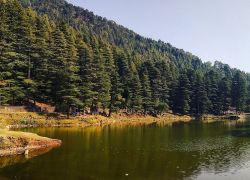
Dal Lake is one of the most serene and picturesque tourist attractions in Mcleodganj, Himachal Pradesh. Situated amidst dense deodar forests at an altitude of around 1,775 meters above sea level, this small yet beautiful lake is located approximately 3 kilometers from Mcleodganj and serves as a peaceful retreat for nature lovers and travelers. Unlike the famous Dal Lake in Kashmir, Dal Lake in Mcleodganj is a charming mountain lake known for its tranquil surroundings, spiritual significance, and breathtaking natural beauty. Surrounded by towering deodar trees and the majestic Dhauladhar mountain range, Dal Lake offers visitors a refreshing escape from busy city life. The calm waters of the lake reflect the surrounding greenery and mountains, creating a picturesque setting that attracts photographers, families, couples, and adventure seekers throughout the year. The lake is also home to a sacred Shiva temple located on its banks, making it an important religious site for local devotees. The annual fair held near the lake attracts a large number of visitors and showcases the rich culture and traditions of Himachal Pradesh. Whether you want to relax in nature, enjoy a peaceful walk, or explore the spiritual side of Mcleodganj, Dal Lake is a must-visit destination. Why Famous for Dal Lake, Mcleodganj, Himachal Pradesh? Dal Lake is famous for its peaceful environment, scenic beauty, and religious significance. Nestled amidst dense forests and surrounded by spectacular mountain views, the lake offers visitors a unique combination of natural charm and spiritual tranquility. One of the main reasons for its popularity is its location within a beautiful grove of deodar trees, which creates a calm and refreshing atmosphere. Visitors often come here to enjoy picnics, photography, meditation, and leisurely walks around the lake. The ancient Shiva temple situated beside the lake adds to its religious importance. During the annual Gaddi fair held in September, local communities gather to celebrate traditional Himachali culture, attracting tourists from different parts of India. The lake is also a popular stop for travelers exploring nearby attractions such as Naddi Village, Sunset Point, Bhagsunag Temple, and Triund Trek. Its easy accessibility and scenic surroundings make it one of the most visited natural attractions in Mcleodganj. History of Dal Lake, Mcleodganj, Himachal Pradesh Dal Lake has long been an important natural and spiritual landmark in the Kangra region of Himachal Pradesh. Although its exact origin is not documented, the lake has been revered by local communities for generations. The area surrounding the lake has historically been inhabited by the Gaddi tribes, who consider it a sacred place. The Shiva temple located on the banks of the lake is believed to be several centuries old and continues to attract devotees throughout the year. Local legends and traditions have contributed to the religious importance of the site, making it a significant pilgrimage destination for nearby villages. Over the years, with the growth of tourism in Dharamshala and Mcleodganj, Dal Lake gained popularity among visitors seeking a peaceful and scenic destination. Today, it remains one of the most cherished tourist spots in the region. Architecture and Natural Landscape of Dal Lake Dal Lake is primarily known for its natural beauty rather than architectural structures. The lake is surrounded by thick deodar forests, rolling hills, and stunning views of the snow-capped Dhauladhar mountains. The calm waters create beautiful reflections of the surrounding landscape, especially during clear weather. The most notable architectural feature near the lake is the ancient Shiva temple. Built in traditional Himachali style, the temple features simple stone and wood construction that blends harmoniously with the natural environment. Its peaceful setting adds to the spiritual atmosphere of the area. Walking paths around the lake allow visitors to enjoy the natural scenery from different viewpoints. The combination of forested surroundings, mountain vistas, and religious structures creates a unique and memorable landscape. How to Reach Dal Lake, Mcleodganj, Himachal Pradesh By Air: The nearest airport is Gaggal Airport (Kangra Airport), located approximately 18 kilometers from Mcleodganj. Taxis are readily available from the airport to Dal Lake. By Train: The nearest major railway station is Pathankot Railway Station, about 90 kilometers away. Visitors can hire taxis or take buses to reach Mcleodganj. By Road: Mcleodganj is well connected by road with Delhi, Chandigarh, Amritsar, Shimla, and other major cities. Regular government and private buses operate to Dharamshala and Mcleodganj. Local Transportation: Dal Lake is located around 3 kilometers from Mcleodganj town center. Visitors can easily reach the lake by taxi, auto-rickshaw, local buses, or even by walking through scenic forest routes. Weather at Dal Lake, Mcleodganj, Himachal Pradesh Summer (March to June): Temperatures range between 15°C and 28°C. The pleasant weather makes this an ideal time for sightseeing and outdoor activities. Monsoon (July to September): The area receives moderate to heavy rainfall, enhancing the greenery around the lake. However, occasional landslides and slippery paths may occur. Autumn (October to November): Clear skies, cool temperatures, and excellent visibility make autumn one of the best seasons to visit. Winter (December to February): Temperatures can fall close to freezing. The surrounding mountains often receive snowfall, creating spectacular views. Timing of Dal Lake, Mcleodganj, Himachal Pradesh Dal Lake is generally open to visitors throughout the day. Most tourists visit between 7:00 AM and 7:00 PM to enjoy the scenic surroundings and pleasant weather. Morning and evening hours are particularly popular due to the peaceful atmosphere and beautiful lighting conditions for photography. Entry and Visit Details about Dal Lake, Mcleodganj, Himachal Pradesh There is usually no entry fee for visiting Dal Lake. Visitors can freely explore the lake area, walking trails, and surrounding forest landscapes. The lake is suitable for travelers of all ages and can be visited as part of a half-day sightseeing tour in Mcleodganj. Local shops and food stalls are available nearby, especially during tourist seasons and festivals. Visitors should carry comfortable footwear, drinking water, and weather-appropriate clothing. The area is generally safe, but maintaining cleanliness and respecting local customs is encouraged. Things to Do at Dal Lake, Mcleodganj, Himachal Pradesh 1. Nature Walks: Enjoy peaceful walks around the lake and through the surrounding deodar forests. 2. Photography: Capture stunning views of the lake, forests, and Dhauladhar mountain range. 3. Visit the Shiva Temple: Explore the ancient temple and experience its spiritual atmosphere. 4. Picnic: Spend quality time with family and friends in the serene surroundings. 5. Bird Watching: Observe various Himalayan bird species that inhabit the nearby forests. 6. Meditation and Relaxation: Enjoy the peaceful environment and fresh mountain air. 7. Explore Nearby Attractions: Visit Naddi Village, Sunset Point, Bhagsunag Temple, and Mcleodganj Market. 8. Attend Local Festivals: Experience traditional Himachali culture during the annual fair held near the lake. Interesting Facts about Dal Lake, Mcleodganj, Himachal Pradesh • Dal Lake is surrounded by dense deodar forests that are several decades old. • The lake is named after the famous Dal Lake in Kashmir, although it is much smaller in size. • An ancient Shiva temple is located on the banks of the lake. • The annual Gaddi fair held near the lake attracts large crowds from nearby regions. • The lake is located approximately 3 kilometers from Mcleodganj town. • It serves as a popular picnic and photography destination for tourists. • The surrounding forest area supports diverse bird and wildlife species. • The calm waters often reflect the surrounding trees and mountains, creating beautiful scenery. Travel Tips for Visiting Dal Lake, Mcleodganj, Himachal Pradesh 1. Visit during the morning or evening for the best views and pleasant temperatures. 2. Wear comfortable walking shoes for exploring the surrounding trails. 3. Carry a camera to capture the beautiful landscapes and reflections. 4. Bring light woolen clothing, even during summer, as temperatures can be cool. 5. Avoid littering and help preserve the natural environment. 6. Respect the religious significance of the Shiva temple and follow local customs. 7. Carry drinking water and light snacks if planning a longer visit. 8. Exercise caution during monsoon season as pathways may become slippery. 9. Combine your visit with nearby attractions for a complete sightseeing experience. 10. Attend the annual fair if visiting in September to experience local culture and traditions. Conclusion Dal Lake in Mcleodganj, Himachal Pradesh, is a beautiful destination that offers a perfect blend of natural beauty, spiritual significance, and peaceful surroundings. Surrounded by towering deodar forests and stunning mountain views, the lake provides a refreshing retreat for visitors seeking relaxation and scenic charm. Whether you are interested in photography, nature walks, cultural experiences, or spiritual exploration, Dal Lake has something to offer everyone. Its tranquil atmosphere and picturesque setting make it one of the most rewarding places to visit in the Dharamshala-Mcleodganj region.
Explore More
Located in the picturesque city of Kangra, Kareri Lake is a hidden gem nestled amidst the majestic Dhauladhar range of the Himalayas. This enchanting high-altitude freshwater lake is a must-visit destination for nature lovers, trekkers, and adventure enthusiasts seeking solace in the lap of nature. History of Kareri Lake With a rich historical background, Kareri Lake is believed to have originated from the melting glaciers of the Dhauladhar range. Once serving as royal hunting grounds, the area has now been transformed into a conservation zone to protect its diverse flora and fauna. Kareri Lake's ecological significance has garnered recognition from UNESCO for its conservation efforts and pristine natural beauty. Architecture and Natural Beauty of Kareri Lake The natural environment surrounding Kareri Lake is a paradise for biodiversity, featuring lush forests, verdant grasslands, and vibrant bird habitats. The historical Keoladeo Temple, located in proximity to the lake, adds a touch of spirituality and cultural significance to the area, making it a perfect blend of natural and architectural beauty. Why is Kareri Lake Famous? Kareri Lake is renowned for its stunning landscapes, making it a favorite destination for birdwatchers, photographers, and wildlife enthusiasts. The serene ambiance and untouched wilderness of the lake attract visitors seeking a peaceful retreat amidst nature's bounty. How to Reach Kareri Lake Traveling to Kareri Lake is an adventure in itself. Visitors can reach Kangra by air, rail, or road and then embark on a scenic trek to the lake, immersing themselves in the breathtaking beauty of the Himalayan foothills. The nearest airport is Gaggal Airport, and the closest railway station is Pathankot, offering convenient access to this natural marvel. Weather and Best Time to Visit Kareri Lake Kareri Lake experiences varied weather conditions throughout the year. While summers offer pleasant trekking weather, monsoons bring lush greenery to the region. The best time to visit Kareri Lake is during the post-monsoon season from September to November when the weather is clear and the landscapes are at their vibrant best. Timings of Kareri Lake Visitors can explore the beauty of Kareri Lake from dawn till dusk, with seasonal variations affecting accessibility to certain areas of the lake. It is advisable to plan your visit during the daytime to make the most of the natural splendor and wildlife sightings. Entry Fee and Visit Details Entry to Kareri Lake is subject to specific procedures to maintain the ecological balance of the area. Guided tours, safari options, and bicycle rentals are available for visitors to explore the surroundings responsibly. Visitor facilities include basic amenities to ensure a comfortable and enjoyable experience. Things to Do at Kareri Lake From birdwatching to photography, cycling, and nature walks, Kareri Lake offers a plethora of activities for outdoor enthusiasts. The diverse flora and fauna of the region provide ample opportunities for nature observation and educational experiences, making it an ideal destination for eco-tourism. Interesting Facts About Kareri Lake Kareri Lake is a haven for migratory birds, boasting a rich biodiversity that highlights the importance of conservation efforts in preserving the region's ecological balance. The lake's pristine waters and surrounding landscapes stand as a testament to the harmonious coexistence of nature and humans. Travel Tips for Visiting Kareri Lake When visiting Kareri Lake, it is essential to pack appropriate clothing for varying weather conditions and carry essential birdwatching equipment for a memorable experience. Understanding the visiting seasons and practicing responsible tourism are key to preserving the natural sanctity of this tranquil destination. Conclusion In conclusion, Kareri Lake in Kangra stands as a testament to the raw beauty and ecological significance of the Himalayan region. Its serene landscapes, diverse wildlife, and cultural heritage make it a must-visit destination for those seeking an immersive experience in nature's embrace. Explore the wonders of Kareri Lake and embark on a journey of discovery in the heart of the Himalayas.
Explore More
Welcome to Maharana Pratap Sagar Lake, located in Kangra, a destination that captivates visitors with its natural beauty and biodiversity. This serene lake holds historical significance and is a haven for birdwatchers, nature enthusiasts, and photographers. History of Maharana Pratap Sagar Lake Maharana Pratap Sagar Lake, formerly known as Pong Dam Reservoir, has a rich historical background. Initially a royal hunting ground, it has transformed into a conservation area. The park's efforts in preserving wildlife have earned it recognition from UNESCO, highlighting its importance in wildlife conservation. Architecture and Natural Beauty of Maharana Pratap Sagar Lake The lake is surrounded by lush wetlands, dense forests, and vast grasslands that provide a habitat for a diverse range of bird species. The picturesque landscapes offer a tranquil setting for visitors to enjoy nature. The historic Keoladeo Temple situated within the park adds to its cultural charm. Why is Maharana Pratap Sagar Lake Famous? Maharana Pratap Sagar Lake is renowned for its abundance of bird species, making it a popular destination for birdwatchers. The scenic beauty and varied wildlife attract nature enthusiasts and wildlife lovers seeking a close encounter with nature's wonders. How to Reach Maharana Pratap Sagar Lake Traveling to Maharana Pratap Sagar Lake is convenient with options by air, rail, and road. The nearest airports and railway stations provide easy access to the park, ensuring a hassle-free journey for visitors. Weather and Best Time to Visit Maharana Pratap Sagar Lake The weather at Maharana Pratap Sagar Lake varies across seasons, offering different experiences throughout the year. Understanding the climate during summer, monsoon, and winter seasons helps visitors choose the best months to explore this scenic destination. Timings of Maharana Pratap Sagar Lake Visitors can enjoy the beauty of Maharana Pratap Sagar Lake during specific timings, with seasonal variations that may impact the overall experience. Planning ahead and being aware of the operational hours ensures a well-organized visit to the park. Entry Fee and Visit Details Entry procedures to Maharana Pratap Sagar Lake are straightforward, with guide services available for those seeking a more informative visit. Safari options, bicycle rentals, and visitor facilities cater to diverse preferences, enhancing the overall experience at the park. Things to Do at Maharana Pratap Sagar Lake Engage in popular activities at Maharana Pratap Sagar Lake, such as birdwatching, photography, cycling, and walking trails. The park offers ample opportunities for nature observation and educational experiences, making it an ideal destination for outdoor enthusiasts. Interesting Facts About Maharana Pratap Sagar Lake Discover fascinating facts about Maharana Pratap Sagar Lake, from the diverse migratory bird population to the park's conservation achievements. The ecological importance of the area underscores the need for its preservation and appreciation among visitors. Travel Tips for Visiting Maharana Pratap Sagar Lake Prepare for your visit to Maharana Pratap Sagar Lake with practical advice on clothing choices, photography essentials, and birdwatching equipment. Understanding the visiting seasons and practicing responsible tourism ensures a memorable and respectful experience at this natural gem. Conclusion In conclusion, Maharana Pratap Sagar Lake in Kangra stands out as a remarkable tourist attraction, offering a blend of history, biodiversity, and natural beauty. Visitors can immerse themselves in the tranquility of the surroundings, creating unforgettable memories in this picturesque setting.
Explore More
Serloskar Lake in Banjar is a hidden gem waiting to be discovered by nature enthusiasts and wildlife lovers. This picturesque lake offers a tranquil escape into the lap of natural beauty, surrounded by lush greenery and diverse flora and fauna. History of Serloskar Lake The history of Serloskar Lake dates back to ancient times, with the area once being a royal hunting ground for the local rulers. Over the years, concerted conservation efforts have been made to preserve the rich biodiversity of the region, leading to its recognition by UNESCO as an important natural heritage site. Architecture and Natural Beauty of Serloskar Lake The natural environment around Serloskar Lake is a harmonious blend of wetlands, forests, and grasslands, creating a haven for numerous bird species. The historical Keoladeo Temple situated within the park adds a touch of cultural significance to the already stunning landscapes. Why is Serloskar Lake Famous? Serloskar Lake has gained fame for being a paradise for birdwatchers, photographers, and nature enthusiasts. Its diverse bird habitats and serene surroundings make it a sought-after destination for those seeking a close encounter with the wonders of wildlife. How to Reach Serloskar Lake Traveling to Serloskar Lake is convenient with options available by air, rail, and road. The nearest airport is located in the nearby city, and the region is well-connected by rail, making it easily accessible for visitors coming from various parts of the country. Weather and Best Time to Visit Serloskar Lake The weather at Serloskar Lake varies across seasons, with summers being warm, monsoons bringing lush greenery, and winters offering a pleasant chill. The best time to visit is during the cooler months, when the wildlife is most active and the surroundings are at their vibrant best. Timings of Serloskar Lake Serloskar Lake welcomes visitors during specific timings, allowing them to explore the beauty of the region at their own pace. Seasonal variations may affect these timings, so it's advisable to plan your visit accordingly for an optimal experience. Entry Fee and Visit Details Visitors to Serloskar Lake can enjoy a hassle-free entry process, with guide services available for those seeking a deeper understanding of the region. Safari options, bicycle rentals, and visitor facilities are also provided to enhance the overall experience. Things to Do at Serloskar Lake At Serloskar Lake, there are plenty of activities to indulge in, from birdwatching and photography to cycling and walking trails. Nature observation and educational experiences abound, making it a perfect destination for all ages to engage with the natural world. Interesting Facts About Serloskar Lake Serloskar Lake is home to a wide variety of migratory birds, showcasing the rich biodiversity of the region. The conservation achievements in preserving this ecosystem highlight the ecological importance of such natural habitats for the well-being of our planet. Travel Tips for Visiting Serloskar Lake When visiting Serloskar Lake, it's advisable to dress comfortably for outdoor activities and carry essential photography and birdwatching equipment. Understanding the best visiting seasons and practicing responsible tourism are key to ensuring a memorable and sustainable experience. Conclusion In conclusion, Serloskar Lake in Banjar stands as a testament to the beauty and diversity of our natural world. Its significance in terms of biodiversity and tourism importance makes it a must-visit destination for those seeking a closer connection with nature and wildlife in a serene setting.
Explore More4-Day Himachal Itinerary Tour
4 Days/ 3 Night
Kufri - Manali - Shimla - Kullu
3D Zanskar Trip From Manali - Gonbo Rongjon - Shinkhu La
3 Days/ 2 Night
Manali - Jispa
Complete Himachal Tour - 8 Days - 7 Nights
8 Days/ 7 Night
Dalhousie - Manali - Shimla - Dharamshala
5 night 6 Days Shimla Manali Package
6 Days/ 5 Night
Kullu - Chandigarh City - Lahaul & Spiti - Shimla - Manali
Welcome to the serene and enchanting destination of Baspa River & Bridge nestled in the picturesque city of Chitkul. This hidden gem offers a tranquil retreat for nature lovers, photographers, and wildlife enthusiasts seeking a unique experience amidst the beauty of the natural world. History of Baspa River & Bridge The history of Baspa River & Bridge traces back to ancient times when it served as a vital lifeline for the local communities. The area around the river and bridge was once a royal hunting ground, showcasing the rich cultural heritage of the region. Today, conservation efforts have been put in place to preserve the pristine ecosystem, leading to the recognition of its significance by UNESCO. Architecture and Natural Beauty of Baspa River & Bridge The architectural marvel of Baspa River & Bridge is complemented by the surrounding natural beauty that includes lush wetlands, dense forests, expansive grasslands, and diverse bird habitats. The historical Keoladeo Temple, situated nearby, adds a touch of spirituality to the landscape, creating a harmonious blend of man-made and natural wonders. Why is Baspa River & Bridge Famous? Baspa River & Bridge has gained fame as a hotspot for birdwatchers, photographers, nature enthusiasts, and wildlife lovers due to its rich biodiversity and scenic vistas. The area provides a haven for rare bird species, making it a paradise for those seeking to observe and capture the beauty of avian life. How to Reach Baspa River & Bridge Traveling to Baspa River & Bridge is convenient with multiple options available. Visitors can access the destination by air, rail, or road, with nearby airports and railway stations providing easy connectivity. The journey to Chitkul promises breathtaking views and a sense of adventure as you approach this captivating location. Weather and Best Time to Visit Baspa River & Bridge The weather at Baspa River & Bridge varies across seasons, offering unique experiences throughout the year. While summers are mild and pleasant, the monsoon season brings lush greenery and rejuvenates the surroundings. Winter transforms the landscape into a winter wonderland, creating a magical setting for visitors. The best time to visit depends on personal preferences, with each season offering its own charm. Timings of Baspa River & Bridge The timings of Baspa River & Bridge cater to the needs of visitors, ensuring an enjoyable experience for all. Seasonal variations may influence the operational hours, so it is advisable to plan your visit accordingly. The management provides useful information to help you make the most of your time at this natural haven. Entry Fee and Visit Details Entry to Baspa River & Bridge is accompanied by simple procedures to ensure a hassle-free experience. Guide services are available for those seeking in-depth knowledge about the area, while safari options promise exciting wildlife encounters. Bicycle rentals offer a unique way to explore the surroundings, and visitor facilities are designed to enhance your comfort during your stay. Things to Do at Baspa River & Bridge Engage in a variety of activities at Baspa River & Bridge, from birdwatching and photography to cycling and nature observation. The walking trails provide an intimate connection with the environment, allowing you to immerse yourself in the beauty of the surroundings. Educational experiences await those curious about the ecosystem, offering insights into the wonders of nature. Interesting Facts About Baspa River & Bridge Baspa River & Bridge is home to a plethora of fascinating facts that highlight the migratory birds, rich biodiversity, conservation efforts, and ecological importance of the region. These facts shed light on the unique characteristics that make this destination a must-visit for anyone passionate about nature and wildlife. Travel Tips for Visiting Baspa River & Bridge When planning your trip to Baspa River & Bridge, consider practical advice such as appropriate clothing, essential photography equipment, ideal visiting seasons, and responsible tourism practices. By following these tips, you can ensure a memorable and respectful experience that contributes to the preservation of this natural paradise. Conclusion In conclusion, Baspa River & Bridge in Chitkul offers a harmonious blend of history, natural beauty, and biodiversity that captivates the hearts of all who visit. Whether you seek tranquility, adventure, or a deeper connection with nature, this destination promises an unforgettable experience that will leave you in awe of the wonders of the world.
Explore More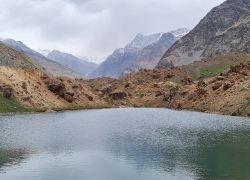
Deepak Tal is a stunning high-altitude lake located in Jispa, Himachal Pradesh, offering a serene escape amidst the majestic Himalayas. Nestled near the Manali-Leh highway, Deepak Tal is known for its tranquil waters, scenic landscapes, and the spectacular reflection of snow-capped peaks on its surface. It is a hidden gem in the Lahaul Valley, attracting trekkers, nature enthusiasts, photographers, and those seeking solitude in the lap of nature. How to Reach Deepak Tal, Jispa, Himachal Pradesh Reaching Deepak Tal is an adventure that starts from Manali, the nearest major town. Travelers can hire taxis, take guided tours, or drive along the Manali-Leh highway through Keylong and Jispa village. The lake is located about 20 kilometers from Jispa, requiring a short trek from the accessible parking area. The roads leading to Deepak Tal pass through picturesque valleys, rugged terrains, and alpine landscapes, offering breathtaking views along the way. The nearest airport is Bhuntar Airport (Kullu), from where travelers can drive to Manali and continue towards Jispa. For those approaching from Leh, the Manali-Leh highway also provides access to the region, allowing a scenic detour to the lake during Himalayan road trips. Weather in Jispa, Himachal Pradesh The climate around Deepak Tal is high-altitude and cold throughout most of the year. The best time to visit is between June and September when the weather is pleasant, with daytime temperatures ranging from 10°C to 20°C. The nights remain chilly, so warm clothing is necessary. Winters (October to May) bring heavy snowfall, sub-zero temperatures, and often inaccessible roads, making summer the ideal season for sightseeing and trekking. Timings for Visiting Deepak Tal Deepak Tal is best explored during daylight hours, typically from 8:00 AM to 5:00 PM. Visiting early in the morning allows travelers to witness the calm lake reflecting the surrounding Himalayan peaks and enjoy the serene environment with minimal tourist activity. Trekking to the lake should be completed before late afternoon to avoid cold temperatures and limited visibility during sunset. Why Deepak Tal is Famous Deepak Tal is famous for its untouched natural beauty, tranquil environment, and the reflective waters that mirror the surrounding mountains. It is a popular destination for trekking, nature photography, and meditation. The lake’s location in a secluded valley makes it a perfect stopover for travelers exploring the Lahaul region along the Manali-Leh highway. Its pristine waters, combined with panoramic views of glaciers and snow-clad peaks, give Deepak Tal a unique charm unmatched by many Himalayan lakes. Entry and Visit Details Visiting Deepak Tal does not require any formal entry fee. Trekking paths are accessible to most travelers, though guided treks are recommended for safety and better navigation of high-altitude terrain. Camping near the lake is allowed at designated sites, offering an immersive experience in nature. Visitors are encouraged to carry sufficient water, snacks, and warm clothing due to limited facilities in the vicinity. Photography is permitted, and capturing the pristine beauty of the lake is highly recommended. History and Architecture While Deepak Tal is a natural formation, the area around the lake holds cultural significance for local Himalayan communities. The lake and surrounding valleys have been part of traditional travel and trade routes for centuries. Though there are no built structures within the immediate lake vicinity, the nearby villages feature typical Himalayan architecture—stone houses with sloped roofs, wooden balconies, and prayer flags fluttering in the wind—reflecting centuries-old local traditions and lifestyle. Things to Do at Deepak Tal Trekking: Embark on the trek to the lake, exploring scenic valleys and alpine meadows. Camping: Spend the night under the stars at designated camping sites. Photography: Capture the reflective lake waters, mountain vistas, and sunrise/sunset views. Nature Walks: Explore the surrounding forests, streams, and meadows for bird watching and flora observation. Relaxation and Meditation: Enjoy peaceful moments by the lakeside, taking in the natural serenity. Facts About Deepak Tal Deepak Tal is situated at an elevation of around 4,300 meters above sea level. It is part of the Lahaul Valley watershed and is fed by glacial streams, ensuring clear, pristine waters. The lake is surrounded by high-altitude meadows and snow-covered peaks, making it ecologically significant. Its secluded location supports unique Himalayan flora and fauna, and migratory birds occasionally visit the area during summer months. Tips for Visiting Deepak Tal, Jispa, Himachal Pradesh Acclimatize at Keylong or Jispa before ascending to prevent altitude sickness. Wear warm, layered clothing, waterproof gear, and sturdy trekking shoes. Hire local guides for trekking, camping, and navigating high-altitude terrain safely. Carry sufficient water, snacks, and basic first-aid supplies, as amenities are limited near the lake. Travel during the summer months (June-September) for better accessibility and safer conditions. In conclusion, Deepak Tal, Jispa, Himachal Pradesh is a pristine high-altitude lake offering a blend of natural beauty, adventure, and tranquility. From trekking across Himalayan trails to camping beside its reflective waters, a visit to Deepak Tal promises an unforgettable experience. Surrounded by snow-capped peaks and alpine meadows, this hidden gem in the Lahaul Valley is perfect for travelers seeking peace, adventure, and a deep connection with nature.
Explore More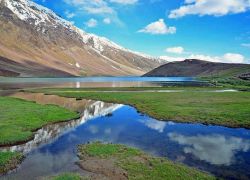
Chandra Tal, also known as the “Moon Lake,” is one of the most enchanting high-altitude lakes in Jispa, Himachal Pradesh. Nestled at an elevation of approximately 4,300 meters in the Lahaul Valley, it is renowned for its crystal-clear waters, snow-capped mountain backdrop, and tranquil environment. Chandra Tal attracts nature lovers, trekkers, adventure enthusiasts, and photographers seeking the serene beauty of the Himalayas. The lake’s pristine surroundings and scenic location make it a must-visit destination along the Manali-Leh highway. How to Reach Chandra Tal, Jispa, Himachal Pradesh Accessing Chandra Tal requires a combination of road travel and trekking. The journey usually begins from Manali, which is the nearest major hub connected by road and air to other Indian cities. From Manali, travelers drive along the scenic Manali-Leh highway via Keylong and Jispa, covering approximately 230 km to reach the base of Chandra Tal. The last stretch involves a trek of 5–6 km from the parking area at the base. A sturdy vehicle is recommended to handle the rough terrain and high-altitude roads. For those traveling from Leh, Chandra Tal can be accessed via Tandi, crossing the Bhaga River and moving towards the high-altitude plateau where the lake lies. Weather at Chandra Tal, Jispa, Himachal Pradesh The weather at Chandra Tal is extreme due to its high altitude. The best time to visit is from June to September when temperatures range between 5°C and 15°C during the day, with chilly nights. Winters, from October to May, are extremely harsh, with heavy snowfall and sub-zero temperatures making the area inaccessible. Visitors should carry warm clothing, waterproof gear, and sufficient supplies, as facilities are minimal around the lake. Timings for Visiting Chandra Tal Chandra Tal can be visited during daylight hours, typically between 8:00 AM and 5:00 PM. Early morning visits are ideal for photography and witnessing the tranquil waters reflecting the surrounding peaks. Trekking to the lake should be planned to ensure return before dusk, as the high-altitude region can become cold and challenging after sunset. Why Chandra Tal is Famous The Chandra Tal Lake is famous for its unique crescent shape, crystal-clear waters, and breathtaking Himalayan panorama. It is considered a paradise for photographers, nature enthusiasts, and trekkers. The lake also has ecological importance, supporting migratory birds and local wildlife. Its proximity to the Chandra River adds to its scenic charm, and the reflection of surrounding peaks in its waters creates a surreal, almost magical landscape. Entry and Visit Details Visiting Chandra Tal usually requires permits for high-altitude travel, especially for foreign tourists. Entry to the lake area is generally free, but camping or guided tours may incur charges. Trekkers are advised to book with licensed guides who are familiar with the terrain and local weather conditions. Facilities near the lake are minimal, so visitors should carry food, water, and camping equipment if planning to stay overnight. History and Architecture While Chandra Tal is a natural formation, the surrounding area has historical and cultural significance. The lake lies in the Lahaul-Spiti region, which has been inhabited by local communities for centuries. Nearby monasteries and traditional villages reflect Himalayan architecture, including stone and wood houses with sloped roofs to withstand snowfall. The lake is often associated with Hindu mythology and is considered sacred by locals, adding spiritual significance to its natural beauty. Things to Do at Chandra Tal Trekking: Enjoy the trek from Jispa or nearby base camps to reach the lake. Camping: Overnight camping under the stars offers a surreal experience at high altitude. Photography: Capture reflections of mountains, migratory birds, and pristine waters. Bird Watching: Spot local and migratory species, including Brahminy ducks and Bar-headed geese. Nature Walks: Explore the surrounding meadows, streams, and glaciers for a full Himalayan experience. Facts About Chandra Tal Chandra Tal is located in the upper reaches of the Chandra River and forms a part of the larger Himalayan watershed feeding into the Chenab River. Its crescent shape gives it the nickname “Moon Lake.” The lake is at an altitude where the oxygen levels are lower, making acclimatization important. Chandra Tal is also a protected area to preserve the fragile high-altitude ecosystem and its migratory bird population. Tips for Visiting Chandra Tal, Jispa, Himachal Pradesh Acclimatize at Keylong or Jispa before heading to the lake to avoid altitude sickness. Carry warm, layered clothing and waterproof gear, as weather can change rapidly. Hire local guides for trekking and camping for safety and local insights. Carry sufficient water, snacks, and camping equipment, as facilities are minimal near the lake. Travel during summer months (June to September) for safer road conditions and accessible trekking paths. In conclusion, Chandra Tal, Jispa, Himachal Pradesh is a magical destination that combines natural beauty, adventure, and spiritual serenity. From trekking across high-altitude trails to camping beside its tranquil waters, the lake offers an unforgettable Himalayan experience. Its unique crescent shape, vibrant ecosystem, and panoramic mountain views make it one of the most iconic destinations in the Indian Himalayas.
Explore More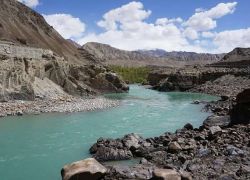
The Zanskar River in Jispa, Himachal Pradesh is one of the most pristine and breathtaking rivers in the Indian Himalayas. Renowned for its crystal-clear waters, dramatic gorges, and thrilling rapids, the Zanskar River attracts adventure enthusiasts, nature lovers, and photographers alike. Flowing through the heart of the Zanskar Valley, this river offers a unique combination of serene landscapes, challenging rafting experiences, and a glimpse into the rich culture of the region. How to Reach Zanskar River, Jispa, Himachal Pradesh Reaching the Zanskar River in Jispa is an adventure in itself. The nearest major town is Leh in Ladakh, while Manali is the primary access point from the Himachal side. From Manali, travelers typically follow the Manali-Leh highway, passing through Keylong and Jispa. The journey offers stunning views of snow-capped mountains, high-altitude valleys, and quaint villages. For those traveling by air, the nearest airport is in Leh (Kushok Bakula Rimpochee Airport), which connects to major cities like Delhi and Chandigarh. Road travelers from Manali can hire taxis, self-drive vehicles, or join guided tours to reach Jispa and the Zanskar River. The drive is scenic but can be challenging due to high altitude and winding roads, so proper acclimatization is recommended. Weather in Jispa, Himachal Pradesh The weather around the Zanskar River varies with seasons. Summer (June to September) is the best time to visit, with temperatures ranging from 15°C to 25°C, ideal for rafting and sightseeing. Monsoon season (July-August) brings occasional landslides, so caution is advised. Winter (November to April) is extremely cold, with temperatures dropping below freezing, and heavy snowfall often makes the region inaccessible. Visitors should carry layered clothing, sunscreen, and adequate hydration for a safe and enjoyable trip. Timings of Zanskar River Exploration The ideal time for exploring the Zanskar River is during daylight hours, typically from 7:00 AM to 5:00 PM. Rafting tours, guided nature walks, and photography sessions are usually scheduled within these hours. Early morning visits are recommended to enjoy the river’s serene beauty and avoid tourist crowds, especially during peak season. Why Zanskar River is Famous The Zanskar River is famous for its adventure tourism and stunning natural beauty. It is considered one of the top rivers in India for white-water rafting, with rapids classified as Grade III to IV, providing an exciting challenge for both beginners and experienced rafters. The river flows through deep gorges and valleys, creating panoramic landscapes that are a photographer’s delight. Additionally, the Zanskar River holds cultural significance for local Buddhist communities, adding a spiritual dimension to its charm. Entry and Visit Details Visiting the Zanskar River does not require an entry fee, but adventure activities such as rafting or kayaking are organized by licensed operators and come with associated charges. It is advisable to book rafting trips in advance, especially during peak season, and ensure safety equipment is provided. Guided treks along the riverbanks offer opportunities to explore hidden villages, prayer flags, and ancient monasteries. History and Architecture The region surrounding the Zanskar River is historically significant. The river has nurtured life in the remote Zanskar Valley for centuries, supporting small Buddhist settlements and monasteries. While the river itself is natural, the architecture along its banks, such as the ancient gompas (monasteries) and stone bridges, reflects traditional Himalayan craftsmanship. The Chadar Trek in winter follows the frozen river and showcases the ingenuity of locals who have adapted to extreme climates for centuries. Things to Do Along Zanskar River White-water Rafting: Experience thrilling rapids and adventure amidst stunning landscapes. Trekking: Explore trails along the river, including scenic routes to remote villages. Photography: Capture panoramic views, sunsets, and the river cutting through gorges. Village Visits: Interact with local Buddhist communities and learn about their traditions. Bird Watching: Spot endemic Himalayan bird species along the riverbanks. Facts About Zanskar River The Zanskar River originates from the Zanskar Range and eventually merges with the Indus River. Its frozen stretches in winter make it a unique trekking path called the Chadar Trek, attracting adventure travelers from all over the world. The river flows through rugged mountains, high-altitude deserts, and lush valleys, creating diverse ecosystems that are home to rare flora and fauna. Tips for Visiting Zanskar River, Jispa, Himachal Pradesh Acclimatize in Manali or Keylong before ascending to Jispa to prevent altitude sickness. Carry warm clothing even in summer, as nights are chilly in the mountains. Hire certified guides for rafting and trekking activities for safety. Respect local customs and the natural environment by avoiding littering. Plan your trip during summer for better road conditions and accessibility. In conclusion, Zanskar River, Jispa, Himachal Pradesh is a breathtaking destination that offers adventure, scenic beauty, and cultural experiences. Whether you are seeking adrenaline-pumping rafting adventures, peaceful nature walks, or opportunities to explore traditional Himalayan culture, the Zanskar River provides an unforgettable Himalayan escape. From its dramatic gorges to its serene waters, every visit promises moments of awe and connection with nature.
Explore More
Located in the picturesque city of Kinnaur, the Baspa River is a mesmerizing tourist attraction that captivates visitors with its natural beauty and serene environment. The river holds immense significance for both locals and tourists, offering a glimpse into the rich biodiversity and unique landscapes of the region. History of Baspa River The Baspa River has a deep historical background, once serving as royal hunting grounds for the ancient rulers of the region. Over the years, efforts towards conservation have been made to preserve the natural habitat along the riverbanks. The Baspa River's ecological importance has been recognized by UNESCO, highlighting its value as a protected natural area. Architecture and Natural Beauty of Baspa River The Baspa River is surrounded by lush wetlands, dense forests, and vast grasslands that provide a habitat for a diverse range of bird species. Birdwatchers and nature enthusiasts are drawn to the area for its abundant birdlife and stunning landscapes. The historic Keoladeo Temple situated near the river adds to the cultural charm of the region. Why is Baspa River Famous? The Baspa River is renowned for its appeal to birdwatchers, photographers, and wildlife lovers. The tranquil environment and rich biodiversity attract visitors seeking a peaceful retreat in the lap of nature. The river's beauty and natural splendor make it a popular destination for those looking to immerse themselves in the wonders of the outdoors. How to Reach Baspa River Traveling to Baspa River is convenient, with options available by air, rail, and road. The nearest airports and railway stations provide easy access to the city of Kinnaur, from where visitors can make their way to the river. The well-connected road network ensures a smooth journey for tourists exploring this scenic destination. Weather and Best Time to Visit Baspa River The Baspa River experiences varying weather conditions throughout the year, with distinct seasons of summer, monsoon, and winter. The best time to visit depends on personal preferences, but generally, the months of [Best Months] offer pleasant weather and ideal conditions for exploring the beauty of the river and its surroundings. Timings of Baspa River Visitor timings for Baspa River may vary based on seasonal changes and specific regulations. It is advisable to plan your visit accordingly and check for any updates regarding timings and accessibility. Proper planning ensures a smooth and enjoyable experience for all travelers. Entry Fee and Visit Details Entry procedures for Baspa River are designed to enhance visitor experiences, with guide services, safari options, and bicycle rentals available for those looking to explore the area extensively. Visitor facilities are in place to cater to the needs of tourists, providing a comfortable and enjoyable stay while discovering the wonders of the Baspa River. Things to Do at Baspa River Engaging in popular activities such as birdwatching, photography, cycling, and nature observation allows visitors to fully appreciate the beauty of Baspa River. Walking trails offer a chance to explore the surroundings at a leisurely pace, while educational experiences provide insights into the rich biodiversity and ecological significance of the region. Interesting Facts About Baspa River The Baspa River is home to a plethora of migratory birds, showcasing the region's diverse wildlife and ecological importance. Conservation efforts have led to remarkable achievements in preserving the natural habitat along the riverbanks, contributing to the overall health of the ecosystem. The river serves as a symbol of environmental stewardship and the need to protect our natural resources. Travel Tips for Visiting Baspa River When visiting Baspa River, it is advisable to pack appropriate clothing for the prevailing weather conditions and carry essential photography and birdwatching equipment. Understanding the best visiting seasons and practicing responsible tourism ensures a positive impact on the environment and helps in preserving the natural beauty of the region for future generations. Conclusion In conclusion, Baspa River in Kinnaur stands out as a must-visit destination for those seeking tranquility and natural splendor. With its historical significance, rich biodiversity, and captivating landscapes, the river offers a unique experience for visitors of all interests. Exploring Baspa River provides an opportunity to connect with nature and appreciate the wonders of this enchanting city.
Explore More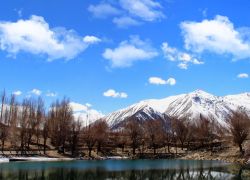
Nestled in the serene city of Kinnaur, a visit to Nako Lake is a true retreat for nature lovers and adventure seekers alike. This picturesque lake offers a tranquil escape from the hustle and bustle of urban life, surrounded by breathtaking landscapes and a rich biodiversity waiting to be explored. History of Nako Lake Steeped in history, Nako Lake holds tales of ancient civilizations and cultural heritage. Once a royal hunting ground, this pristine lake now stands as a symbol of conservation efforts and is recognized for its ecological significance. Architecture and Natural Beauty of Nako Lake The natural beauty of Nako Lake is unparalleled, with its crystal-clear waters reflecting the lush greenery of the surrounding forests and grasslands. The lake serves as a vital bird habitat, attracting a myriad of avian species, while the nearby Keoladeo Temple adds a touch of historical charm to the landscape. Why is Nako Lake Famous? Nako Lake has gained fame as a haven for birdwatchers, photographers, and wildlife enthusiasts. Its diverse ecosystem and stunning vistas make it a popular destination for those seeking to immerse themselves in the wonders of nature. How to Reach Nako Lake Reaching Nako Lake is a delightful journey in itself. Travelers can opt for air, rail, or road transport, with nearby airports and railway stations providing convenient access to this natural marvel. Weather and Best Time to Visit Nako Lake Throughout the seasons, Nako Lake offers a different yet equally enchanting experience. Summer brings pleasant weather, while the monsoon transforms the landscape into a vibrant tapestry. Winter blankets the surroundings in snow, creating a magical atmosphere. The best time to visit depends on one's preferences, with each season offering a unique charm. Timings of Nako Lake Visitors can explore the beauty of Nako Lake during specified timings, taking into account any seasonal variations that may affect their experience. Planning your visit accordingly ensures a smooth and enjoyable trip. Entry Fee and Visit Details Upon arrival, visitors can easily access Nako Lake with information on entry procedures, guide services, safari options, bicycle rentals, and other visitor facilities. These services enhance the overall experience, allowing guests to make the most of their time at this natural wonder. Things to Do at Nako Lake Embark on a journey of discovery at Nako Lake with a range of activities to choose from. Whether it's birdwatching, photography, cycling, walking trails, or simply immersing oneself in nature, there is something for everyone to enjoy at this captivating destination. Interesting Facts About Nako Lake Delve into the fascinating world of Nako Lake and uncover intriguing facts about migratory birds, biodiversity conservation efforts, and the ecological importance of this natural gem. Each discovery adds depth to the overall experience, highlighting the wonders of the environment. Travel Tips for Visiting Nako Lake For a seamless and rewarding visit to Nako Lake, remember to pack appropriate clothing, essential photography gear, and birdwatching equipment. Understanding the best seasons to visit and practicing responsible tourism ensures a fulfilling and sustainable travel experience. Conclusion In conclusion, a visit to Nako Lake in Kinnaur promises an unforgettable journey through nature's wonders. From its historical significance to its diverse wildlife and captivating landscapes, Nako Lake offers a holistic experience for all who seek solace in the beauty of the outdoors.
Explore More
Bhakra Dam, Bilaspur is situated in the border of North Indian states of Himachal Pradesh and Punjab. It is a very famous dam and has the highest straight gravity Dam within the entire world. The view of this vast dam and therefore the surrounding jungles is completely stunning then, tons of tourist visits this amazing place to get the glimpse of this engineering marvel. The Bhakra Dam s four decades old and it lies within the Bhakra village of Bilaspur, which is about 13 km upstream from Nangal township. The dam is visited by quite two to three lakh visitors per annum from everywhere the planet. Built across the Sutlej River, the Bhakra Dam is Asia's second tallest at 225.55 meters (740 feet) high next to the 261 meter Tehri, which is additionally in India. The Gobind Sagar, the reservoir of Bhakra Dam, stores up to 9.34 billion cubic meters of water, which is enough to empty the entire of Chandigarh and parts of Haryana, Punjab, and Delhi. When there is a shortage of water the dam withholds the second-largest reservoir in India. The Indira Sagar Dam in Madhya Pradesh has a capacity of 12.22 billion cubic meters of water. The dam was constructed to stop floods within the Sutlej-Beas river valley, to supply irrigation to adjoining states, and to offer hydroelectricity. It becomes a major tourist spot in Bilaspur due to its huge size and uniqueness. The Bhakra Dam holds an important place in the map of India and is three times taller than Qutab Minar. Things To Do Tourists visiting Bhakra Dam, Bilaspur even has the chance to undertake the water sports at the famous Gobind Lake. this is often a man-made lake formed as a result of the Bhakra Dam on the river Sutlej. The lake is sort of popular for sports like water skiing, sailing, kayaking, and sea scooter racing. Overlooking the Lake Gobind, there is the holy shrine of Naina Devi which travelers like to visit. History After Independence, the Bhakra Dam, Bilaspur was one among the river valley development schemes which were taken by India. The development of this dam started in 1948 when Jawaharlal Lal Nehru poured the primary bucket of concrete into the foundations of Bhakra. The dam was completed by the top of 1963 and its construction was started by Sir Louis Dane, the elected official of Punjab. Festival Bilaspur features a rich cultural heritage with its own dance styles, cuisine, and traditional and ethnic music. Aside from the main Indian festivals, people in Bilaspur also celebrate local festivals like the Rout Dance, Harley, and Pola. Bilaspur serves a spread of delectable dishes, like Chila, rice roll, angakar roti, thetri-khurmi, dhusaka, etc. A visit to Bilaspur is incomplete without tasting their unusual samosa, which is extremely different from the standard Punjabi samosa Culture The majority of people in Bilaspur follow Hinduism as a faith. Because of the significant industrialization, people from different parts of the country have migrated to Bilaspur, contributing to its cosmopolitan culture while the kind-hearted citizens of Bilaspur are documented for his or her simplicity and adaptableness. They are up so far on new trends and designs. Being quite fond of colours, people in Bilaspur usually dress up in colourful clothes. Bilaspur is additionally famous for the weaving of Tussar silk and cotton clothes. Most of the people in Bilaspur are engaged in working in small or medium-sized industries. Well known for its varied culture and multi-ethnicity, Bilaspur often leaves tourists stumped on what language they ought to converse in with the locals. While Chhattisgarhi and Hindi are official languages that are spoken in Bilaspur, due to high literacy rates and industrialization people here speak English fluently. Best Time to Visit October is the starting point of the tourist season in Bhakra Dam, Bilaspur, with the retreating rains leaving the environment with fresh foliage. After the monsoon is over, the cool and pleasant winter season in Bilaspur is the perfect time to visit. One can enjoy sightseeing, traveling, shopping, and other such activities in this weather. Festivities at the top of the year bring out a celebratory mood during this coal city, adding a riot of colors within the months of October and November. The best time to visit Bhakra Dam, Bilaspur is in the months of October to March. How To Reach? Those trying to find a cushy and quick journey to Bilaspur often look for ways to reach in Bilaspur by air. Although Bilaspur has an airstrip at Chakrabhata Airport, which is employed for VIP and military operations, it doesn't have a billboard airport of its own. The nearest airport to Bilaspur is Swami Vivekananda Airport in Raipur. Indigo, There are regular flights that one can avail from the major cities if the country. One can board an immediate flight from New Delhi, Bengaluru, Mumbai, Chennai, Nagpur, Hyderabad or Indore to Raipur. Tourists can take a cab or a bus from Raipur to succeed in Bilaspur for the last leg of their journey. Bilaspur by road- National Highways like NH-130, NH-49, NH-12A connect Bilaspur to Mumbai, Kolkata, Raipur, Ambikapur, Kharagpur, Jabalpur, etc. Bilaspur is well connected to Raipur in Chhattisgarh and neighboring states, like Indore, Bhopal in Madhya Pradesh, Nagpur in Maharashtra, etc. Aside from the private tour operators, tourists also can board state-run buses and start a cushy journey to Bilaspur. By train- Bilaspur railroad station is that the busiest junction in Chhattisgarh and is well connected to major cities in India like Kolkata, New Delhi, Roorkee, Puri, Patna, Amritsar, Bhopal, etc. Regular cabs are available for tourists to travel from the railroad station to the main parts of the town. Bhakra Dam, Bilaspur is a must-visit to witness the great culture and beautiful scenic beauty. You will fall in love with the place. Thus, plan your holidays with friends and family and visit Bhakra Dam.
Explore More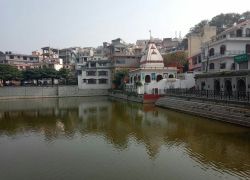
Have been a retreat place for all the Royalties at a certain period of time, Rani Tal, Nahan, is now considered to be one of the best tourist places that is beautified for being amidst the Shivalik Hills. The best part about Rani Tal is the amazing and eye-treating idol of Lord Shiva that you can find on one of the ends of the lake. Exactly there, you will also be happy to pay your visit to the small temple dedicated to Goddess Lata Devi. Sitting in the lap of scenic and natural beauty, Rani Tal has a magnetic charm of attracting many tourists, courtesy it’s calm and peaceful environment. The lake is also bounded by lush green lawns and one can also enjoy boating here in the Rani Tal. Traveller Information: For all those travellers who are wondering as to what are the prices of Rani Tal, then you can take a breath of relief as there is no entry fee to enjoy the beauty of this place. And as far as the timings of Rani Tal, Nahan is concerned, it is open 24 hours. Things to Do: Rani Tal is beautifully surrounded by lush green lawns and in addition to this, all the travellers can enjoy boating in Rani Tal as well. Moreover, one can also pay their holy visit to the idol of Lord Shiva and a small temple, dedicated to Goddess Lata Devi. A huge number of devotees visit this place for their offerings all around the year. Best Time to Visit: The best time to visit Nahan is during the summer months from March to June. The water of the lake dries up during the peak season so it is not advised to travel during that time. Moreover, if you travel during March to June, you will be able to enjoy other popular places such as Renuka Lake, Renuka Wildlife Park, Suketi Fossil Park, Dhaula Kuan, Rani Tal, Simbalwada Wildlife Sanctuary, etc. How to Reach: The ones who are travelling to Rani Tal by plane, the nearest airport happens to be Chandigarh Airport, which is 50 km away from Nahan. If not Chandigarh, then Dehra Dun Airport (DED), Dehradun happens to be another option which is 79 km away from Uttarakhand. For all those who are travelling via rail, Barog (BOF) railway station is the nearest railway station, which is 42 km away and Solan (SOL) railway station is another one that is 43 km away. In case, both these transportation doesn’t suit you then you can easily go by bus that provide services on regular basis. You will have to get down at Nahan bus stand. Festival in Himachcal Pradesh: Himachal Pradesh celebrates festivals such as Pori Festival Lahaul, Minjar Fair Chamba, Summer Festival Shimla, Halda Festival, Sazo Festival, Lohri Festival, Himachal Winter Carnival, Losar Festival, Doongri Festival, Ice Skating Carnival, International Himalayan Festival, Kullu Dussehra, La Darcha Fair and many others. Nearby Attractions: For all those who are planning to travel to Rani Tal must also go and explore nearby attractions namely, Renuka Lake, Shivalik Fossil Park, Suketi Fossil Park, Jaitak Fort, Dhaula Kuan, Churdhar Peak, Fishing, Mall Road, Simbalwada Wildlife Sanctuary, Jaggannath Temple, Renuka Wildlife Park, Rajbans/Sirmouri Tal, Giri Nagar, Jamu Peak, Chaugan Road, Trilokpur Temple, Kangojodi, Nahan Bada Bazaar, etc.
Explore More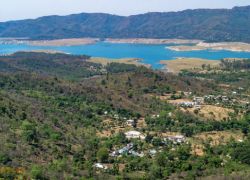
Some reservoirs are known as artificial lakes as these are used for storing water for various usages and Gobind Sagar Lake, Una is one such. Made by constructing a dam, these manmade lakes are the storehouse of natural wealth. The Gobind Lake is in Bilaspur district, a man-made dam generating hydel power. After the 10th Sikh Gurus, Guru Gobind Singh and Gobind Sagar, this lake was confirmed as a water birds harbor in 1962. Numerous bird lovers and nature enthusiasts are thereby fascinated by this place.Among various activities, boating at Gobind Sahib is a pleasant experience. People use motorboats for this purpose while some use speed boats too, who are passionate visitors. Another important place of Sikh Worship is Anandpur Sahib which is 83 kilometers from here, founded by Guru Teg Bahadur. People from across the world come and pays homage to Waheguru, their Lord.Activities to do in Govind Sagar Lake, Una-Gobind Sagar Lake Reservoir is in Una and Bilaspur Districts of Himachal Pradesh. It has an extended length of 56 km length and nearly 3 km breadth. It offers a diversity of watersports activities in adjacent association with the Executive tourism and Civil Aviation and Board of directors of Mountaineering and Similar Sports.WatersportsDue to the fluctuating level of Lake here, the watersports are mostly restrained to half of the year between Augusts to January.During this period the activities like swimming, water-skiing, surfing kayaking, propelling, canoeing, white-water river propelling are catered well. You can get indulged in courses conducted at three levels – beginners, intermediate and advance. To enjoy these courses and activity the Tourism Department of Himachal Pradesh has constructed a huge Water Sports Complex in Luhnoo Ground, Bilaspur. It consists of all the boarding, lodging and equipment facilities.River RaftingThis scintillating sport is making Una a focused place. For a surge of adrenaline to gush through every manner and gush cover every single muscle, one can enjoy doing race over the cascades of the river – Sutlej. Not just this, the scenario right from Rampur to Bilaspur through a winding path in cavernous gorges, easygoing mountains, green alpine pastures, and thick jungles, everything is generating a massive spectrum. Nondivers and beginner can also have this electrifying experience in an expandable rubber yacht, on some of the milder cascades.Fishing at Gobind SagarAs the water in Gobind Sagar is stagnant, it is a preferred fishing place for the enthusiasts. They can sit here from the morning with their fishing rod in search of a fish. This is considered as the most prevalent scene at Gobind Sagar Lake. Since there are 51 types and categories of fishes found here, it is the best mode for the sustenance of waterfowls. Some of the normally found types are the following: Mystus seenghala Tor pitutrata, Labeo dero, Mirror carpBest time to visit Gobind Sagar LakeIt would be fantastic to visit the Gobind Sagar reservoir at any time of the year. It has some breathtaking quaint views. The months from June to August tend to be pleasing and bring in rainfall. This is the time when the lake is at its peaceful best.The Department of Tourism sponsors watersports and leisure activities when the water level is at its peak from September to December. You Look forward to going to this time of the year if you are an adventure enthusiast.Tips for travelers to visit Gobind Sagar Lake, Una1. It is compulsory for the visitors reaching the place to obtain an entry permit from the town of Nangal, by handing over a valid ID proof.2. Photography is forbidden in and around the dam and lake for security reasons.3. Swimming is permissible in the lake in specific areas but at your own risk.4. Always be careful of hazards such as waterspouts and deep waters.How to Reach?By AirTalking about airways, Shimla, Chandigarh, and Bhuntar are the nearest airports. These are located 85 km, 135 km, and 131 km respectively from Gobind Sagar Lake Una.By TrainThe nearby railway station is at Kiratpur Sahib, Punjab and nearby narrow gauge railway station are at Shimla, from Gobind Sagar Lake.By RoadGobind Sagar Lake is easily connected by road from Shimla at a distance of about 85 km and Chandigarh is about 135 km away.Nearby attractions• Vyas CaveThis cave is on the banks of Sutlej River, somewhere the author of the epic Mahabharata-Rishi Vyas stayed in his days of performance penance.• Shri Naina Devi JiThe Naina Devi Temple was constructed by Raja Bir Chand in the 8th century and is located at the height of 1219m above sea level.• Kandraur BridgeThe Kandraur bridge on the Sutlej was the top bridge in Asia some years ago. But it is at the height of 80 meters, is still one of the highest peaks in the world.• Koldam damKoldam Dam is constructed on River Satluj and placed about 18 kilometers from Bilaspur. It is one of the most renowned attractions near Bilaspur and majorly draws engineering admirers because of the enormous engineering marvel it is. The Dam is bordered by the natural landscape and is often favored by picnickers for a quick outflow in the region.• Kahlur fortKahlur Fort or Kot-Kahlur is a royal structure built about 3600 feet above sea level. The remains of the fort are a well-known charm on the Naina Devi Dhar/ Hill. This is a very little distance away from the Ganguwal Hydroelectric plant.• Markandeya rishi templeMarkandeya Ji Temple is a place of devotion devoted to Markandeya Rishi positioned at a distance of 20 kilometers from Bilaspur. Devotees of Rishi Markandeya frequently visit the temple which is of extraordinary religious significance, but the attractiveness of the shrine also attracts tourists from all over the world.To plan a wonderful trip to this plan seeks the help of professionals. They can help prepare your package as per your demands.
Explore More
Located in Nalagarh, Gobind Sagar Lake is a captivating tourist attraction that offers a unique blend of natural beauty and biodiversity. This picturesque lake serves as a haven for birdwatchers, photographers, nature enthusiasts, and wildlife lovers, attracting visitors from far and wide. History of Gobind Sagar Lake The history of Gobind Sagar Lake dates back to its origins as a former royal hunting ground. Over the years, concerted conservation efforts have transformed it into a sanctuary for various bird species and wildlife. The lake's significance has been recognized by UNESCO for its ecological importance and biodiversity preservation. Architecture and Natural Beauty of Gobind Sagar Lake Gobind Sagar Lake is renowned for its tranquil wetlands, lush forests, expansive grasslands, and diverse bird habitats. Nestled within the lake's serene surroundings lies the historical Keoladeo Temple, adding to the area's cultural and architectural charm. Why is Gobind Sagar Lake Famous? Gobind Sagar Lake is celebrated for its rich avian population, making it a paradise for birdwatchers. The lake's natural beauty and serene landscapes also make it a preferred destination for photographers and nature lovers seeking a peaceful retreat amidst scenic surroundings. How to Reach Gobind Sagar Lake Traveling to Gobind Sagar Lake is convenient, with options available by air, rail, and road. The nearest airports and railway stations provide easy access to this popular tourist destination, ensuring a hassle-free journey for visitors. Weather and Best Time to Visit Gobind Sagar Lake Gobind Sagar Lake experiences varying weather conditions throughout the year, with distinct seasons of summer, monsoon, and winter. The best time to visit is during specific months when the weather is pleasant, allowing visitors to explore the lake's beauty comfortably. Timings of Gobind Sagar Lake Gobind Sagar Lake welcomes visitors during specific timings, with seasonal variations that may impact accessibility. It is advisable for travelers to plan their visit accordingly and be aware of any changes in operating hours based on the time of year. Entry Fee and Visit Details Visitors to Gobind Sagar Lake can avail themselves of various services, including guide assistance, safari options, bicycle rentals, and essential visitor facilities. Entry procedures are streamlined to ensure a smooth and enjoyable visit for all guests. Things to Do at Gobind Sagar Lake Popular activities at Gobind Sagar Lake include birdwatching, photography, cycling, walking trails, nature observation, and engaging educational experiences. Visitors can immerse themselves in the natural beauty of the lake while partaking in these exciting and enriching adventures. Interesting Facts About Gobind Sagar Lake Gobind Sagar Lake is home to a diverse range of migratory birds, showcasing the region's rich biodiversity. The conservation efforts undertaken at the lake have led to significant achievements in preserving the ecosystem and highlighting the ecological importance of this natural treasure. Travel Tips for Visiting Gobind Sagar Lake When planning a trip to Gobind Sagar Lake, it is advisable to pack appropriate clothing, essential photography gear, and birdwatching equipment. Understanding the best visiting seasons and practicing responsible tourism are crucial for a fulfilling and sustainable travel experience. Conclusion In conclusion, Gobind Sagar Lake in Nalagarh stands out as a must-visit destination for those seeking a harmonious blend of natural serenity and ecological diversity. The lake's historical significance, picturesque landscapes, and vibrant birdlife offer visitors a memorable and enriching experience, making it a top choice for nature enthusiasts and wildlife aficionados.
Explore More
Sarolsar Lake, nestled in the serene city of Jibhi, is a hidden gem that offers a tranquil retreat amidst the lush greenery of Himachal Pradesh. The lake's crystal-clear waters, surrounded by towering pine forests and snow-capped mountains, create a picturesque setting that mesmerizes every visitor. History of Sarolsar Lake The history of Sarolsar Lake dates back to ancient times when it was believed to be a sacred site for locals. Once a royal hunting ground, the lake has undergone significant conservation efforts to preserve its natural beauty. Its ecological importance has garnered recognition, making it a potential UNESCO heritage site. Architecture and Natural Beauty of Sarolsar Lake The lake is encompassed by diverse ecosystems, including wetlands, dense forests, and sprawling grasslands that provide a habitat for a variety of bird species. The picturesque landscapes around the lake are complemented by the presence of the historical Keoladeo Temple, adding a cultural touch to the natural surroundings. Why is Sarolsar Lake Famous? Sarolsar Lake is renowned for its rich biodiversity, making it a haven for birdwatchers, photographers, and nature enthusiasts. The tranquil ambiance and the opportunity to witness diverse wildlife species in their natural habitat attract visitors seeking a peaceful retreat in the lap of nature. How to Reach Sarolsar Lake Traveling to Sarolsar Lake is possible via air, rail, and road. The nearest airport is located in Bhuntar, while the closest railway station is in Joginder Nagar. From there, a scenic drive through winding roads surrounded by lush valleys leads to the enchanting beauty of Sarolsar Lake. Weather and Best Time to Visit Sarolsar Lake The weather at Sarolsar Lake varies throughout the year, with cool summers, pleasant monsoons, and snowy winters. The best time to visit is during the summer months from April to June when the weather is ideal for outdoor activities and nature exploration. Timings of Sarolsar Lake Sarolsar Lake welcomes visitors throughout the year, but it is advisable to check for any seasonal variations in timings. The serene ambiance of the lake offers a perfect retreat for those looking to escape the hustle and bustle of city life. Entry Fee and Visit Details Visitors can explore Sarolsar Lake by following designated trails or opting for guided tours. Entry procedures are simple, and facilities such as safari options, bicycle rentals, and informative guides enhance the overall visitor experience. Things to Do at Sarolsar Lake Engaging in activities like birdwatching, photography, cycling around the lake, exploring walking trails, and observing the rich flora and fauna are popular choices for visitors at Sarolsar Lake. Educational experiences about the local ecosystem are also available for those keen on learning more about the region's natural heritage. Interesting Facts About Sarolsar Lake Sarolsar Lake is a critical stopover for migratory birds, adding to its ecological significance. The conservation efforts aimed at protecting the biodiversity of the region have led to remarkable achievements in preserving the delicate balance of the ecosystem. Travel Tips for Visiting Sarolsar Lake When planning a visit to Sarolsar Lake, it is advisable to carry appropriate clothing for varying weather conditions, along with birdwatching equipment and a camera to capture the mesmerizing landscapes. Being respectful of nature and wildlife, following designated trails, and visiting during the recommended seasons contribute to responsible tourism practices. Conclusion In conclusion, Sarolsar Lake in Jibhi stands as a testament to the raw beauty of Himachal Pradesh, offering visitors a chance to immerse themselves in the tranquility of nature. Its historical significance, rich biodiversity, and serene ambiance make it a must-visit destination for those seeking a peaceful retreat amidst the captivating landscapes of the region.
Explore More