
The War Memorial in Dharamshala, Himachal Pradesh is a significant tribute to the brave soldiers of India who sacrificed their lives in various wars and conflicts. Set against the backdrop of the majestic Dhauladhar mountain range, this memorial is not only a place of remembrance but also a symbol of patriotism and national pride. It attracts both local visitors and tourists who wish to pay their respects and reflect on the valor of Indian armed forces. How to Reach War Memorial, Dharamshala, Himachal Pradesh Reaching the War Memorial in Dharamshala is convenient due to its proximity to the town and accessibility by air, rail, and road. By Air: The nearest airport is Gaggal Airport (Kangra Airport), approximately 12 km from Dharamshala. Taxis and local cabs are available from the airport to the memorial. By Train: The closest railway station is Kangra Railway Station, around 18 km from Dharamshala. From the station, taxis and buses can take visitors to the memorial. By Road: Dharamshala is well-connected by road to major cities like Delhi, Chandigarh, and Shimla. Private taxis, buses, and shared cabs can reach the town, and from there, the memorial is a short drive or walk away. Weather at War Memorial, Dharamshala The weather in Dharamshala is generally pleasant throughout the year, enhancing the experience of visiting the War Memorial. Summer (March to June): Moderate temperatures between 20°C to 30°C, ideal for sightseeing and outdoor visits. Monsoon (July to September): Occasional rainfall and lush greenery. Visitors should carry umbrellas and be cautious of slippery paths. Winter (October to February): Cold temperatures ranging from 5°C to 15°C, sometimes lower in the evenings. Snow in surrounding areas adds to the scenic beauty. Timing of War Memorial, Dharamshala The War Memorial is an open site, accessible to visitors throughout the day. Recommended visiting hours are 8:00 AM to 6:00 PM to enjoy natural daylight and serene surroundings for photography, reflection, and peaceful walks. Why War Memorial, Dharamshala is Famous The War Memorial in Dharamshala is famous for honoring the valiant soldiers of the Indian armed forces. It is a symbol of bravery, patriotism, and sacrifice. Located in a picturesque area, it combines national pride with natural beauty. Many visitors come to pay homage, participate in remembrance ceremonies, and learn about India’s military history. The memorial’s serene setting with manicured lawns, plaques, and statues creates a contemplative atmosphere that draws people of all ages and backgrounds. Entry and Visit Details of War Memorial, Dharamshala Visiting the War Memorial is free and open to the public. It is suitable for individuals, families, and groups. Key details include: Entry Fee: Free Opening Hours: 8:00 AM – 6:00 PM Best Time to Visit: March to June and September to November for pleasant weather Facilities: Well-maintained pathways, benches, and gardens for visitors History and Architecture of War Memorial, Dharamshala The War Memorial in Dharamshala was established to commemorate Indian soldiers who laid down their lives in various military operations. It reflects respect and gratitude towards the armed forces and serves as an educational site for visitors interested in military history. The architecture is simple yet symbolic, featuring engraved plaques listing the names of fallen heroes, a central monument, and landscaped gardens. The memorial’s design ensures a solemn and reflective environment while harmonizing with the surrounding natural beauty of the Dhauladhar mountains. Things to Do at War Memorial, Dharamshala While primarily a memorial, visitors can engage in several activities: Pay respects to fallen soldiers and participate in remembrance ceremonies. Photography of the memorial with the backdrop of the mountains. Learn about India’s military history and the contribution of soldiers from Himachal Pradesh. Enjoy peaceful walks and spend time reflecting in the landscaped gardens. Attend special events on national holidays like Independence Day and Republic Day. Interesting Facts about War Memorial, Dharamshala The memorial features inscriptions of soldiers’ names, ensuring their bravery is remembered for generations. It is a popular site for school and college educational trips in Himachal Pradesh. The location offers panoramic views of the Dhauladhar mountains, combining patriotism with natural beauty. Special ceremonies and wreath-laying events are held annually to honor fallen soldiers. The memorial is a peaceful retreat, encouraging reflection and gratitude towards the armed forces. Tips for Visiting War Memorial, Dharamshala Maintain silence and respect the solemn nature of the memorial. Carry water and wear comfortable walking shoes. Visit in the morning or late afternoon for softer light and a quieter environment. Check for any ceremonial events that may be taking place during your visit. Engage with guides or informational plaques to learn about the history and significance of the memorial. In conclusion, the War Memorial, Dharamshala is a tribute to the valor and sacrifice of Indian soldiers. Combining national pride, historical significance, and stunning Himalayan scenery, it offers visitors an opportunity for reflection, education, and appreciation of India’s military heritage. It is a must-visit for anyone interested in history, patriotism, or simply seeking a peaceful place for contemplation in Himachal Pradesh.
Explore More
Welcome to the charming destination of Hawa Ghar nestled in the beautiful city of Sarahan. Hawa Ghar, known for its natural beauty and biodiversity, attracts tourists from around the globe seeking a tranquil escape into nature. History of Hawa Ghar The history of Hawa Ghar dates back to ancient times when it served as a royal hunting ground for the nobility. Over the years, the area transformed into a conservation area to protect the rich wildlife and ecosystem it harbors. Hawa Ghar has gained international recognition, with UNESCO acknowledging its importance in biodiversity conservation. Architecture and Natural Beauty of Hawa Ghar Surrounded by lush wetlands, dense forests, and vast grasslands, Hawa Ghar offers a picturesque landscape that is home to numerous bird species. The historical Keoladeo Temple situated within the park adds a touch of architectural beauty to the natural surroundings. Why is Hawa Ghar Famous? Hawa Ghar has gained fame as a hotspot for birdwatchers, photographers, nature enthusiasts, and wildlife lovers due to its diverse avian population, stunning landscapes, and unique biodiversity. Visitors are captivated by the opportunity to witness nature in its purest form. How to Reach Hawa Ghar Traveling to Hawa Ghar is convenient with options available by air, rail, and road. The nearest airport is located in the city, while the railway station provides easy access for those preferring train travel. The well-connected road network ensures a smooth journey for road travelers. Weather and Best Time to Visit Hawa Ghar The weather at Hawa Ghar varies across seasons, with summers being warm, monsoons bringing lush greenery, and winters offering a pleasant chill. The best time to visit is during the cooler months when the wildlife is more active, making it an ideal time for exploration. Timings of Hawa Ghar Hawa Ghar welcomes visitors during specified timings, allowing them to enjoy the natural beauty at their convenience. The park may have seasonal variations in timings, so it is advisable to plan your visit accordingly to make the most of your experience. Entry Fee and Visit Details Upon entry, visitors are guided through the park with the assistance of knowledgeable guides who offer insights into the flora and fauna. Safari options provide a unique way to explore the wilderness, while bicycle rentals are available for those seeking an active adventure. Visitor facilities ensure a comfortable and informative visit for all. Things to Do at Hawa Ghar At Hawa Ghar, visitors can indulge in a range of activities such as birdwatching, photography, cycling through scenic trails, walking amidst nature, and engaging in educational experiences to learn more about the ecosystem. Each activity promises a memorable and enriching experience. Interesting Facts About Hawa Ghar Hawa Ghar is home to a plethora of migratory birds that travel great distances, showcasing the park's significance in avian conservation. The conservation efforts have led to remarkable achievements in preserving biodiversity and highlighting the ecological importance of the region. Travel Tips for Visiting Hawa Ghar When planning a visit to Hawa Ghar, it is advisable to pack suitable clothing for the weather conditions, carry photography equipment for capturing the stunning landscapes and birdlife, visit during the recommended seasons for optimal sightings, and practice responsible tourism by respecting the natural habitat. Conclusion In conclusion, Hawa Ghar in Sarahan stands as a testament to natural beauty, biodiversity, and conservation efforts. The visitor experience at Hawa Ghar promises a harmonious blend of nature, wildlife, and tranquility, making it a must-visit destination for those seeking a profound connection with the environment.
Explore More
Welcome to the mesmerizing world of Atal Tunnel, located in the captivating city of Lahaul & Spiti. This architectural marvel is not just a tunnel but a gateway to a realm of natural wonders and breathtaking beauty that will leave you spellbound. Let's delve into the rich history, architectural grandeur, and the ecological significance of this iconic hotspot. History of Atal Tunnel The Atal Tunnel holds a significant historical background, serving as a vital link between Manali and Leh. It was constructed to provide all-weather connectivity to the remote Lahaul Valley. The tunnel stands on the former royal hunting grounds of Lahaul & Spiti and has played a crucial role in boosting tourism and trade in the region. Its engineering brilliance and strategic importance have earned it recognition from UNESCO. Architecture and Natural Beauty of Atal Tunnel Surrounded by pristine wetlands, lush forests, and vast grasslands, Atal Tunnel is a haven for diverse bird species and wildlife habitats. The picturesque landscapes along the tunnel route offer a glimpse into the untouched beauty of Lahaul & Spiti. Nestled within this natural paradise lies the historical Keoladeo Temple, adding a spiritual touch to the scenic surroundings. Why is Atal Tunnel Famous? Atal Tunnel has gained immense popularity among birdwatchers, photographers, nature enthusiasts, and wildlife lovers due to its unique blend of natural splendor and architectural brilliance. The tunnel provides a seamless passage for travelers while offering a rare opportunity to witness the raw beauty of the Himalayan region. How to Reach Atal Tunnel Traveling to Atal Tunnel is convenient, with multiple options available. Visitors can reach the tunnel by air through nearby airports, by rail via the nearest railway stations, or by road through well-connected routes. The journey to Atal Tunnel is as enchanting as the destination itself, offering panoramic views of the surrounding landscapes. Weather and Best Time to Visit Atal Tunnel Throughout the year, Atal Tunnel experiences varying weather conditions, with summers offering pleasant temperatures, monsoons bringing lush greenery, and winters blanketing the region in snow. The best time to visit Atal Tunnel is during the summer months when the weather is mild, making it ideal for exploring the natural beauty of Lahaul & Spiti. Timings of Atal Tunnel Visitor timings for Atal Tunnel are subject to seasonal variations, and it is recommended to plan your visit accordingly. Whether you choose to explore the tunnel during the day or witness the mystical charm of the night, Atal Tunnel promises a memorable experience for all travelers. Entry Fee and Visit Details Entry procedures to Atal Tunnel are hassle-free, with guide services available for a more insightful journey. Adventure enthusiasts can opt for safari options or bicycle rentals to explore the surroundings at their own pace. Visitor facilities are well-maintained, ensuring a comfortable and enjoyable visit for all. Things to Do at Atal Tunnel Embark on a journey of discovery at Atal Tunnel with a myriad of activities to indulge in. From birdwatching to photography, cycling to walking trails, and nature observation to educational experiences, there is something for every traveler to enjoy amidst the tranquil beauty of Lahaul & Spiti. Interesting Facts About Atal Tunnel Did you know that Atal Tunnel is a vital passage for migratory birds, contributing to the rich biodiversity of the region? The conservation efforts surrounding the tunnel have led to remarkable achievements in preserving the ecological balance, making it a testament to sustainable tourism practices. Travel Tips for Visiting Atal Tunnel When planning your visit to Atal Tunnel, remember to pack suitable clothing for varying weather conditions. Bring along your photography equipment to capture the stunning landscapes and wildlife sightings. Respect the natural surroundings and local culture by practicing responsible tourism and embracing the beauty of Lahaul & Spiti with care. Conclusion In conclusion, Atal Tunnel in Lahaul & Spiti is not just a tunnel but a gateway to an enchanting world of natural wonders and cultural heritage. Whether you are a nature lover, adventure seeker, or history enthusiast, Atal Tunnel promises a memorable experience that will stay etched in your heart forever. Explore this hidden gem of the Himalayas and unravel the mysteries of Atal Tunnel at your own pace.
Explore More
The Rang Mahal in Dalhousie is a historical monument that showcases exquisite architecture and design from the Mughal era. It was built by Raja Umed Singh in the 18th century and served as his royal residence. The palace is known for its vibrant colors, intricate carvings, and beautiful frescoes that adorn the walls. Timings Of Rang Mahal The Rang Mahal is open to visitors from 10 am to 5 pm on all days of the week. Entry Fee The entry fee for visiting the Rang Mahal is INR 50 for Indian tourists and INR 200 for foreign tourists. Required Time And Restricted Items It is recommended to spend at least an hour exploring the Rang Mahal to appreciate its beauty. Visitors are not allowed to carry food, drinks, or pets inside the palace. Architecture Of Rang Mahal The architecture of Rang Mahal is a blend of Mughal and British styles. The palace features a grand entrance with intricate carvings, spacious courtyards, and arched doorways. The interior is decorated with vibrant colors and detailed frescoes depicting mythological scenes. Best Time To Visit The best time to visit the Rang Mahal is during the months of March to June when the weather is pleasant and ideal for exploring the historical site. How To Reach The Rang Mahal is located in Dalhousie, Himachal Pradesh, and can be easily reached by road. The nearest airport is in Pathankot, which is around 80 kilometers away from Dalhousie. Visitors can also take a train to Pathankot and then hire a taxi to reach Dalhousie. History Of Rang Mahal The Rang Mahal was built by Raja Umed Singh in the 18th century as a summer retreat for the royal family. It was later used as a residence by the British officials during the colonial period. The palace has been meticulously maintained over the years and stands as a testament to the rich cultural heritage of Himachal Pradesh. Inside Rang Mahal Inside the Rang Mahal, visitors can admire the stunning frescoes, intricate carvings, and architectural details that make this palace a must-visit attraction. The palace also houses a small museum that showcases artifacts and historical objects related to the royal family. Traveling Tips It is advisable to wear comfortable footwear as you will be doing a lot of walking inside the palace. Carry a camera to capture the beautiful views and artwork in the Rang Mahal. Make sure to follow the regulations and respect the historical significance of the site during your visit. Hotels Near Rang Mahal With Names Some of the hotels near Rang Mahal in Dalhousie include Hotel Mount View, Hotel Grand View, Hotel Pearl Dalhousie, and Hotel President. These hotels offer comfortable accommodation options for travelers visiting the Rang Mahal. Nearby Tourist Spots Of Rang Mahal While visiting the Rang Mahal, tourists can explore other nearby attractions in Dalhousie such as Khajjiar, Dainkund Peak, Kalatop Wildlife Sanctuary, and St. John's Church. These places offer scenic views, trekking opportunities, and a chance to experience the natural beauty of Himachal Pradesh.
Explore More
Welcome to the serene and captivating destination of Nagasti ITBP Post nestled in the charming city of Chitkul. This picturesque hotspot offers a unique blend of natural beauty, rich biodiversity, and a tranquil environment that attracts visitors from far and wide. History of Nagasti ITBP Post The history of Nagasti ITBP Post dates back to its establishment as a strategic location in the region. Once serving as a significant post, it holds historical significance for its role in safeguarding the area. The surrounding landscapes were known to be former royal hunting grounds, adding to the mystique of the place. Conservation efforts have been implemented to preserve the natural habitat, leading to UNESCO recognition for its biodiversity and ecological importance. Architecture and Natural Beauty of Nagasti ITBP Post As you explore Nagasti ITBP Post, you will be mesmerized by the lush wetlands, verdant forests, and expansive grasslands that create a habitat for a diverse range of bird species. The area is a haven for birdwatchers and nature enthusiasts, offering a glimpse into the avian world. The historical Keoladeo Temple adds a touch of cultural charm to the natural beauty of the surroundings. Why is Nagasti ITBP Post Famous? Nagasti ITBP Post has gained popularity among birdwatchers, photographers, and wildlife lovers due to its rich bird habitats and stunning landscapes. The diverse avifauna and the tranquil environment make it an ideal destination for those seeking a close encounter with nature. How to Reach Nagasti ITBP Post Travelling to Nagasti ITBP Post is convenient with options for air, rail, and road transport. The nearest airports are located at accessible distances, and well-connected railway stations offer easy connectivity to the city of Chitkul. Visitors can opt for road transport to enjoy scenic drives amidst the natural surroundings. Weather and Best Time to Visit Nagasti ITBP Post Nagasti ITBP Post experiences varying weather conditions throughout the year. While summers are pleasant, monsoons bring lush greenery to the region. Winter months offer a different charm with a hint of snowfall. The best time to visit Nagasti ITBP Post is during the cooler months when the weather is favorable for outdoor exploration. Timings of Nagasti ITBP Post The visiting hours at Nagasti ITBP Post vary according to the seasons and are subject to change. It is advisable to plan your visit accordingly and check for any seasonal variations in timings to make the most of your trip. Entry Fee and Visit Details Entry to Nagasti ITBP Post may require following specific procedures depending on the regulations in place. Guide services are available for those interested in exploring the area with expert assistance. Safari options, bicycle rentals, and visitor facilities enhance the overall experience of discovering this natural gem. Things to Do at Nagasti ITBP Post There are numerous activities to indulge in at Nagasti ITBP Post, ranging from birdwatching in the early morning to capturing breathtaking moments through photography. Cycling through the scenic trails, walking amidst nature, and engaging in educational experiences provide a holistic view of the diverse ecosystem. Interesting Facts About Nagasti ITBP Post Nagasti ITBP Post is known for its migratory birds that flock to the area during specific seasons, adding to the biodiversity of the region. Conservation efforts have led to notable achievements in preserving the natural habitat, highlighting the ecological importance of this pristine location. Travel Tips for Visiting Nagasti ITBP Post When planning a visit to Nagasti ITBP Post, it is advisable to pack appropriate clothing for the prevailing weather conditions. Carrying photography and birdwatching equipment can enhance your experience. Understanding the best visiting seasons and practicing responsible tourism are essential to ensure a memorable and sustainable trip. Conclusion In conclusion, Nagasti ITBP Post in Chitkul offers a tranquil retreat amidst nature's bounty, making it a must-visit destination for those seeking serenity and natural beauty. With its rich history, diverse biodiversity, and engaging activities, Nagasti ITBP Post promises a memorable experience for every traveler.
Explore More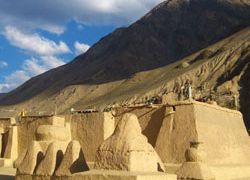
Welcome to Tabo Monastery, a hidden gem nestled in the scenic city of Tabo. This ancient monastery holds a significant place in history and is surrounded by a natural environment that captivates visitors from around the world. Let's explore the rich heritage, architectural beauty, and biodiversity that make Tabo Monastery a must-visit destination for travelers seeking spiritual tranquility and natural wonders. History of Tabo Monastery Tabo Monastery has a fascinating historical background dating back centuries. Originally serving as a royal hunting ground, it has transformed into a sacred space dedicated to Buddhist teachings and practices. The monastery's conservation efforts have preserved its heritage, leading to its recognition as a UNESCO World Heritage Site, attracting pilgrims and tourists alike. Architecture and Natural Beauty of Tabo Monastery Surrounded by lush wetlands, dense forests, and picturesque grasslands, Tabo Monastery offers a serene escape into nature. Bird habitats thrive in this natural haven, adding to the peaceful ambiance. The majestic Keoladeo Temple within the monastery complex adds to its architectural charm, blending spirituality with natural beauty. Why is Tabo Monastery Famous? Tabo Monastery is renowned for its serene atmosphere, making it a favorite destination for birdwatchers, photographers, nature enthusiasts, and wildlife lovers. The tranquil surroundings and spiritual aura create an ideal setting for introspection and connection with nature. How to Reach Tabo Monastery Traveling to Tabo Monastery is convenient, with options available by air, rail, and road. Nearby airports and railway stations offer easy access to this spiritual retreat, allowing visitors to immerse themselves in its peaceful ambiance effortlessly. Weather and Best Time to Visit Tabo Monastery Tabo Monastery experiences varying weather conditions throughout the year, with distinct seasons of summer, monsoon, and winter. The best time to visit is during the pleasant months when the natural surroundings are at their most vibrant, offering a truly enchanting experience. Timings of Tabo Monastery Visitor timings at Tabo Monastery ensure that travelers can explore its beauty at their convenience. Seasonal variations may affect accessibility, so planning ahead and checking for any updates is advisable to make the most of your visit. Entry Fee and Visit Details Entry procedures at Tabo Monastery are straightforward, with guide services available for a more enriching experience. Safari options, bicycle rentals, and visitor facilities cater to the diverse needs of guests, ensuring a comfortable and memorable visit. Things to Do at Tabo Monastery Engage in popular activities at Tabo Monastery such as birdwatching, photography, cycling, walking trails, and nature observation. Educational experiences abound, allowing visitors to learn more about the monastery's heritage and the biodiversity that surrounds it. Interesting Facts About Tabo Monastery Tabo Monastery is home to a diverse range of migratory birds, showcasing the rich biodiversity of the region. Conservation achievements have further highlighted its ecological importance, making it a beacon of sustainability and preservation in the midst of natural beauty. Travel Tips for Visiting Tabo Monastery When visiting Tabo Monastery, remember to dress appropriately for the weather, carry essential photography and birdwatching equipment, and plan your trip during the recommended seasons for the best experience. Embrace responsible tourism practices to help preserve this unique destination for future generations. Conclusion In conclusion, Tabo Monastery in Tabo is a treasure trove of history, spirituality, and natural beauty that offers a serene retreat for travelers seeking a harmonious blend of cultural heritage and biodiversity. Plan your visit to Tabo Monastery to immerse yourself in its tranquil ambiance and discover the wonders of this sacred site.
Explore MoreSpiti Valley Explorer - Manali To Manali Tour
6 Days/ 5 Night
Manali - Lahaul & Spiti - Kaza
Himachal Family Holiday 6N - 7D Tour
7 Days/ 6 Night
Kufri - Manali - Shimla - Kullu
Shimla Getaway 4 Days - 3 Nights
4 Days/ 3 Night
Kufri - Shimla - Mashobra
Shimla Kufri Volvo Tour Package From Delhi 3 Night 4 Days
4 Days/ 3 Night
Kufri - Shimla