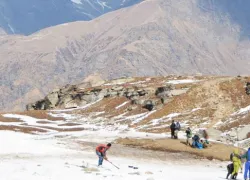
Rohtang Pass is a beautiful mountain pass situated on the eastern side of Himalayas. It links the Kullu Valley with Spiti and Lahaul Valleys of Himachal Pradesh. The pass hovers over the watershed between Beas and Chenab basins. On the extreme south of this pass, the Beas River flows southward and the Chandra River flows westward. Rohtang Pass is situated on a highway to Leh from Manali. The journey offers a spectacular and panoramic view of the lofty mountains. The pass is always open from the months of Jone to October annually. The best part about this pass is the scenic sight of glaciers, rivers and peaks. Marhi is an ideal haven for para gliders, as the wind here is mild and hardly changes all the time. The skyscraper tall peaks are usually draped in thick fog, and sometimes these mountains also witness cloudbursts. Rohtang Pass is always known for its unpredictable wind velocity and snowfalls. The place also has much in stock for the adventure freaks like mountain biking, skating and skiing. Be cautious as the density of oxygen starts lowering down at such altitudes. It is advised not to go all the way up if you suffer from chronic respiratory diseases like asthma and bronchitis. Most of the tourists who arrive at the pass prefer setting up tents by the roadside. Apart from camping facilities there are also plethora of river-side cottages, deluxe hotels, and luxury resorts. There is also the option of availing homestay that will allow you to relish in the beauty of nature and indulge in the culture of locals.
Explore More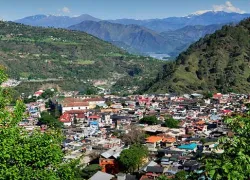
Chaugan means a plain in the local Himachali language. It is a vast plain in Chamba that is a major attraction for many locals and tourists. It covers an area of merely 1 km in length and 75 meters wide. This grassy plain is the hub of different recreational activities and sports like polo. Many festive celebrations are organized at this vast ground where numerous people participate. Why Is It Famous? Chaugan is popular among the locals and tourists because it is the hub of many recreational activities. It is the spot where the sport of polo is organized, festivals are celebrated, weekly markets are set up, Minjar Fair is organized etc. If the pages of the history are turned, Chaugan used to be the cricket ground of the British. In the present-day scenario, it is a well-maintained open space where people can spend a good quality time with their family and friends. Camping is a prominent activity that can be enjoyed here and many people can be spotted relishing the fun of this activity. Best Time To Visit:- There is no specific time to visit Chaugan. This serene locale can be flocked during every season of the year. People on a huge scale visit this place for the different purposes listed above. Thus, each season is apt and welcomes the visitors on a huge scale. Watch Out! Watch out for the cleanliness. Since this place is thronged on a huge scale by umpteen visitors, the managing authorities have installed the waste-bins for disposing of the garbage. Thus, all are expected to maintain the cleanliness of Chaugan by not littering the place in any manner. Reaching There:- Chamba is well-connected to all major roads, railways, and airways in Himachal Pradesh. Such connectivity makes it convenient for all to reach the place without any hassle. Commuting within the town can be done via local buses, cabs, and autos. Nearest Railway Station - Pathankot Railway Station Nearest Airport - Pathankot Airport
Explore More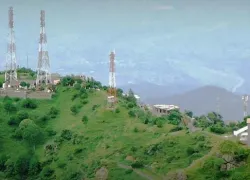
Located amid the exquisite surroundings, Naddi Hill Point is an appealing viewpoint in the village of Naddi in Kangra. It is enveloped in the valley of Dhauladhar Ranges and is a must-see site for the visitors that come to this place for holidays. On a clear day, the misty snow-covered Himalayan peaks can also be witnessed from this viewpoint. One can relax him/herself in the nearby village. Why Is It Famous? Naddi Hill Point is popular among the visitors because it provides an exciting view of the nearby valley and Himalayan peaks. Apart from this, tourists can also witness the magical sight of the sunrise & sunset from this viewpoint. It is a perfect spot for the trek-lover as well. The rough hills make this point a place where the trekkers are challenged to cross their limits. A local fair is also set up for 3 days between June-July as it is the peak season that witnesses a huge footfall of the tourists from different states of the country. Best Time To Visit:- Naddi Hill Point is visited throughout the year. Since the weather remains pleasantly cool for a major portion of the year, it becomes comfortable for the visitors to explore the nearby attractions as well. Many tourists flock to this site in the early hours of the morning to witness the first ray of the sun peeking from the horizon. Watch Out! Do not miss to capture the photos of the snowy valley on a winter morning from Naddi Hill Point. The view in winters is an amazing opportunity, especially for the photographers, to ensnare this marvel of Mother Nature in the camera. Reaching There:- A well-established connectivity to the major highways, railways, and airways makes it easier to reach Chamba from the different corners of Himachal Pradesh. One can easily reach the site via interstate buses, trains, and flights. Traveling within the district can be done via local transit that is available on a frequent basis. Nearest Railway Station:- Pathankot Railway Station Nearest Airport:- Pathankot Airport
Explore More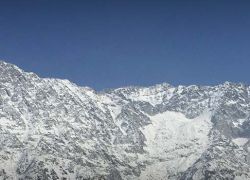
Hanuman Ka Tibba is a renowned travel destination in the Indian state of Himachal Pradesh. It is known as the highest point in the Pir Panjal Range of the Himalayas as it has a height of 19,000 feet above the sea level. Since this point remains shrouded in the snow for a major portion of the year, it is also known by the name of ‘White Mountain’. It is visited on a huge scale by the adventure aficionados. It Is Known For:- 1) Hanuman Ka Tibba is popular because is the highest mountain in Pir Panjal Range of Himalayas. 2) The name of Lord Hanuman is associated with it. According to the mythology, Lord Hanuman was himself injured while he was flying to the Himalayas to bring the Sanjivani Booti. 3) Hanuman Ka Tibba was the place where he rested and tested the effects of Sanjivani Booti by applying it to his wounds. He stood at this point to lift up the entire mountain of the medicine. 4) Apart from the religious significance, this point of Pir Panjal range is popular among the adventure buffs for trekking and mountaineering. Numerous trekkers and mountain climbers flock to this place on a huge scale. Best Time To Visit:- The best time to visit Hanuman Ka Tibba is summers. It is the apt season for visiting the site because the roads are cleared and the mountain can be reached without any hassle. It becomes completely inaccessible to reach Hanuman Ka Tibba during winters due to excessive snowfall. Watch Out! It is recommended that all visitors should carry extra woolens and mountaineering equipment while heading towards the place for the activity of mountaineering or trekking. Reaching There:- Chamba is well-connected to Himachal Pradesh via all major roadways, railheads, and airways. The express trains, interstate buses, and flights operate from different parts of Himachal Pradesh and nearby states. Nearest Railway Station:- Pathankot Railway Station Nearest Airport:- Pathankot Airport
Explore More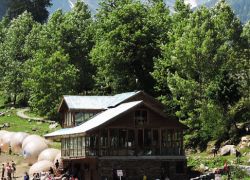
Solang Valley is one of the most popular and breathtaking tourist destinations located in Kullu, Himachal Pradesh, near Manali. Known for its snow-covered landscapes, lush green meadows, and thrilling adventure sports, Solang Valley is often called the adventure capital of Himachal Pradesh. It attracts tourists throughout the year for both winter snow activities and summer adventure sports. Surrounded by majestic Himalayan peaks, pine forests, and open valleys, Solang Valley offers a perfect combination of natural beauty and adrenaline-filled experiences. Whether you are a nature lover, adventure enthusiast, or honeymoon couple, this valley has something for everyone. Why Solang Valley is Famous? Solang Valley is famous for its wide range of adventure activities and scenic beauty. In winter, the valley turns into a snowy wonderland ideal for skiing, snowboarding, and snow scooter rides. In summer, it transforms into a green paradise where tourists enjoy paragliding, zorbing, camping, and ropeway rides. The changing landscape throughout the year makes it a unique destination. Another reason for its fame is its proximity to Manali and Rohtang Pass, making it a must-visit stop for travelers exploring Himachal Pradesh. History of Solang Valley Solang Valley does not have ancient historical monuments or recorded events, but it has long been part of the traditional Himalayan landscape used by local shepherds for grazing livestock. Over time, as tourism developed in Manali and Kullu, Solang Valley gained popularity as an adventure sports hub. The introduction of skiing institutes and paragliding facilities transformed it into a major tourist attraction. Today, it is one of the most developed adventure tourism destinations in North India. Architecture and Landscape Solang Valley does not feature man-made architecture as its primary attraction is its natural beauty. The valley is surrounded by snow-covered mountains, pine forests, glaciers, and open grassy fields. During winter, the entire valley is covered in thick snow, while in summer it turns into a lush green meadow filled with colorful flowers. Basic tourist infrastructure like ski resorts, ropeways, cafes, and adventure activity centers have been built to support tourism while preserving the natural environment. How to Reach Solang Valley Solang Valley is located about 14 km from Manali and is easily accessible by road. By Air: The nearest airport is Bhuntar Airport (Kullu-Manali Airport), located around 60 km from Manali. From there, taxis are available. By Road: Solang Valley is well connected to Manali via motorable roads. Regular taxis, buses, and private vehicles operate between Manali and Solang Valley. By Train: The nearest railway station is Joginder Nagar, but most travelers prefer Chandigarh or Ambala railway stations followed by road travel. From Manali, Solang Valley can be reached within 30–40 minutes by car or taxi. Weather at Solang Valley Solang Valley experiences a cool Himalayan climate throughout the year with distinct seasonal changes. Best Time to Visit: December to February for snow activities and April to June for adventure sports. Summer (April to June): Pleasant weather, ideal for paragliding, camping, and sightseeing. Monsoon (July to September): Moderate rainfall enhances greenery but may cause travel disruptions. Winter (October to February): Heavy snowfall turns the valley into a winter sports paradise. Timings and Entry Details Visiting Hours: Solang Valley is open throughout the day. Entry Fee: There is no fixed entry fee for the valley, but adventure activities are chargeable separately. Visitors should check weather conditions before planning snow activities during winter. Things to Do in Solang Valley Solang Valley is a hub of adventure activities and natural exploration. Skiing: One of the most popular winter sports in the valley. Paragliding: Experience flying over the beautiful Himalayan landscapes. Zorbing: Roll down grassy slopes inside a transparent ball during summer. Snow Scooter Ride: Enjoy thrilling rides on snow-covered terrain. Ropeway Ride: Take cable cars for panoramic valley views. Photography: Capture stunning landscapes of snow, mountains, and greenery. Facts About Solang Valley • Located near Manali in Himachal Pradesh. • Famous for skiing and adventure sports. • Transforms into a snow paradise in winter. • Popular paragliding destination in India. • Surrounded by Himalayan peaks and forests. Tips for Visitors Wear warm clothes during winter as temperatures drop below freezing. Book adventure activities through authorized operators for safety. Carry sunglasses and sunscreen to protect against snow reflection. Avoid visiting during heavy snowfall if roads are closed. Stay hydrated and carry essential medicines. Reach early in the day to avoid crowds during peak season. Conclusion Solang Valley in Kullu, Himachal Pradesh is a spectacular destination that perfectly blends adventure, nature, and scenic beauty. With its snow-covered slopes in winter and lush green meadows in summer, it offers year-round tourism experiences. Whether you are an adventure lover or a nature enthusiast, Solang Valley is a must-visit destination in Himachal Pradesh.
Explore More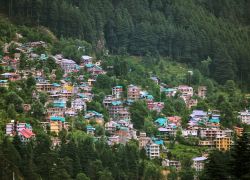
Old Manali is one of the most charming and peaceful tourist areas located in Manali, Himachal Pradesh. Situated across the Manalsu River from the main Manali town, Old Manali is known for its relaxed vibe, wooden cottages, apple orchards, scenic landscapes, and hippie culture. It is a favorite destination for backpackers, solo travelers, couples, and nature lovers seeking peace in the lap of the Himalayas. Unlike modern Manali, Old Manali offers a calm and rustic atmosphere with narrow lanes, traditional Himachali homes, cozy cafes, and breathtaking views of snow-covered mountains. It is a perfect escape from city life and a hub for cultural and natural experiences. Why Old Manali is Famous? Old Manali is famous for its peaceful environment, scenic beauty, and bohemian lifestyle. It attracts travelers who prefer slow travel and nature-based experiences. It is also known for its vibrant cafes serving international cuisine, live music sessions, and artistic vibe that makes it popular among foreign tourists and backpackers. Another reason for its fame is its close proximity to adventure activities like trekking, paragliding, river rafting, and exploring nearby Himalayan villages. History of Old Manali Old Manali is part of the ancient settlement of Manali, which has mythological significance. According to Hindu beliefs, Manali is named after Manu, the ancient lawgiver who is believed to have survived a great flood and recreated human life here. Historically, Old Manali was a small Himalayan village inhabited by local Himachali communities who depended on agriculture, apple orchards, and livestock farming. Over time, it transformed into a popular tourist destination, especially after the 20th century when backpackers and travelers from around the world discovered its natural beauty and peaceful environment. Architecture and Landscape Old Manali features traditional Himachali architecture with wooden houses, stone foundations, and sloped roofs designed to withstand heavy snowfall. The area is surrounded by lush green valleys, apple orchards, pine forests, and snow-capped mountains. The Manalsu River flows nearby, adding to its natural charm. Small bridges, rustic cottages, and colorful cafes blend harmoniously with nature, creating a unique mountain village atmosphere. How to Reach Old Manali Old Manali is easily accessible from Manali town and nearby regions. By Air: The nearest airport is Bhuntar Airport (Kullu-Manali Airport), located about 50 km away. From there, taxis and buses are available. By Road: Old Manali is well connected via road from Delhi (approx. 550 km), Chandigarh (approx. 300 km), and other Himachal towns. Volvo buses, private taxis, and self-drive options are commonly used. By Train: The nearest railway station is Joginder Nagar Railway Station, but most travelers prefer Chandigarh or Ambala railway stations followed by road travel. From Manali town, Old Manali is just a short walk or taxi ride across the river bridge. Weather at Old Manali Old Manali experiences a cool mountain climate throughout the year. Best Time to Visit: March to June and September to November are ideal for pleasant weather and outdoor activities. Summer (March to June): Pleasant and cool, perfect for sightseeing and trekking. Monsoon (July to September): Moderate rainfall enhances greenery but may cause occasional landslides. Winter (October to February): Cold weather with heavy snowfall, ideal for snow lovers. Timings and Entry Details Visiting Hours: Old Manali is open 24 hours as it is a public village area. Entry Fee: There is no entry fee to explore Old Manali. However, individual attractions like cafes, adventure sports, and nearby temples may have separate charges. Things to Do in Old Manali Old Manali offers a wide range of relaxing and adventure activities. Cafe Hopping: Enjoy global cuisine and live music in cozy mountain cafes. Trekking: Explore nearby trails like Jogini Waterfall and Himalayan villages. River Walks: Walk along the Manalsu River for peaceful views. Shopping: Buy handmade crafts, woolens, and souvenirs from local shops. Adventure Sports: Try paragliding, rafting, and ziplining in nearby areas. Photography: Capture scenic landscapes, mountains, and village life. Facts About Old Manali • Located across the Manalsu River from Manali town. • Known for its hippie culture and backpacker vibe. • Surrounded by apple orchards and pine forests. • Popular among foreign tourists. • Gateway to many Himalayan treks. Tips for Visitors Wear warm clothes even in summer evenings as temperatures drop. Carry comfortable shoes for walking on steep and narrow lanes. Book accommodation in advance during peak season. Respect local culture and avoid littering in natural areas. Stay hydrated and carry basic medicines for mountain travel. Avoid traveling during heavy snowfall or landslide warnings. Conclusion Old Manali in Manali, Himachal Pradesh is a magical mountain destination that offers a perfect blend of natural beauty, cultural charm, and peaceful living. With its wooden cottages, scenic landscapes, vibrant cafes, and relaxed atmosphere, it is a paradise for travelers seeking escape from busy city life. Whether you are an adventurer, backpacker, or nature lover, Old Manali promises an unforgettable Himalayan experience.
Explore More
Dainkund Peak, located in Khajjiar, is a mesmerizing tourist attraction known for its natural beauty and scenic landscapes. Nestled in the heart of the Himalayas, this peak offers visitors a serene escape into the lap of nature, making it a must-visit destination for those seeking tranquility and adventure. History of Dainkund Peak The history of Dainkund Peak dates back to ancient times when it served as a royal hunting ground for the local rulers. Over the years, efforts have been made to conserve the rich biodiversity of the region, leading to its recognition by UNESCO for its ecological significance. Architecture and Natural Beauty of Dainkund Peak Dainkund Peak is characterized by lush forests, sprawling grasslands, and diverse bird habitats. The majestic Keoladeo Temple, a historical marvel, adds to the charm of the surroundings, making it a perfect blend of nature and spirituality. Why is Dainkund Peak Famous? Dainkund Peak has gained popularity among birdwatchers, photographers, nature enthusiasts, and wildlife lovers due to its rich avian diversity, breathtaking landscapes, and peaceful ambiance that offers a unique experience for all visitors. How to Reach Dainkund Peak Traveling to Dainkund Peak is convenient with options available by air, rail, and road. The nearest airports and railway stations provide easy access to this picturesque destination, allowing travelers to immerse themselves in the beauty of Khajjiar. Weather and Best Time to Visit Dainkund Peak The weather at Dainkund Peak varies across seasons, with summers being pleasant, monsoons bringing lush greenery, and winters offering a snowy wonderland. The best time to visit is during the summer months for a comfortable and enjoyable experience. Timings of Dainkund Peak Dainkund Peak welcomes visitors during specific timings, with seasonal variations that may affect accessibility. It is advisable to plan your visit accordingly to make the most of your time at this enchanting location. Entry Fee and Visit Details Entry procedures to Dainkund Peak are straightforward, with guide services and safari options available for those looking to explore the area extensively. Bicycle rentals and visitor facilities ensure a comfortable and enjoyable visit for all nature enthusiasts. Things to Do at Dainkund Peak Popular activities at Dainkund Peak include birdwatching, photography, cycling, walking trails, and nature observation. Visitors can engage in educational experiences that offer insights into the rich biodiversity of the region, making it a fulfilling journey for all. Interesting Facts About Dainkund Peak Dainkund Peak is home to a variety of migratory birds, showcasing the region's ecological importance and conservation efforts. The achievements in preserving this natural habitat contribute to the overall appeal of the destination, attracting visitors from far and wide. Travel Tips for Visiting Dainkund Peak When visiting Dainkund Peak, it is advisable to dress appropriately for the weather, carry essential photography and birdwatching equipment, and be mindful of the best seasons to explore the area. Responsible tourism practices ensure the preservation of this pristine environment for future generations. Conclusion In conclusion, Dainkund Peak in Khajjiar stands as a testament to the beauty of nature and the significance of conservation efforts. Visitors can immerse themselves in the tranquility of this enchanting destination, experiencing a harmonious blend of history, biodiversity, and natural splendor that leaves a lasting impression on all who venture to this remarkable hotspot.
Explore More
Welcome to Green Valley in Kufri, a mesmerizing tourist attraction that offers a blend of natural beauty and biodiversity. The valley is renowned for its lush green surroundings, making it a perfect haven for nature lovers and wildlife enthusiasts. History of Green Valley Green Valley has a rich historical background, once serving as royal hunting grounds. Over the years, concerted conservation efforts have transformed it into a sanctuary for various species. The park's commitment to preserving flora and fauna has garnered recognition from UNESCO. Architecture and Natural Beauty of Green Valley Green Valley is characterized by its diverse ecosystems, including wetlands, forests, and grasslands. It is a birdwatcher's paradise, with numerous bird habitats attracting a variety of species. The iconic Keoladeo Temple, situated within the park, adds a touch of history and spirituality to the natural landscape. Why is Green Valley Famous? Green Valley is famous for its appeal to birdwatchers, photographers, and nature enthusiasts alike. The abundance of wildlife, coupled with picturesque landscapes, makes it a sought-after destination for those seeking tranquility and natural beauty. How to Reach Green Valley Traveling to Green Valley is convenient, with options available by air, rail, and road. The nearest airports and railway stations provide easy access to the park, ensuring a hassle-free journey for visitors. Weather and Best Time to Visit Green Valley Green Valley experiences distinct weather patterns throughout the year, with summer, monsoon, and winter seasons offering unique experiences. The best time to visit varies based on individual preferences, with certain months showcasing the valley's beauty at its peak. Timings of Green Valley Visitor timings at Green Valley cater to varying schedules, with seasonal variations taken into account. Planning a visit to the park is made easier with detailed information on operational hours and other essential details. Entry Fee and Visit Details Entry procedures at Green Valley are streamlined to enhance the visitor experience. Guide services, safari options, bicycle rentals, and other facilities are available to ensure a memorable and informative visit for all guests. Things to Do at Green Valley Green Valley offers a plethora of activities for visitors, including birdwatching, photography, cycling, walking trails, and nature observation. Educational experiences abound, making it an ideal destination for both leisure and learning. Interesting Facts About Green Valley Green Valley is home to a myriad of migratory birds, showcasing the region's rich biodiversity. Conservation achievements within the park underscore its ecological importance, making it a significant hub for wildlife preservation. Travel Tips for Visiting Green Valley For a seamless visit to Green Valley, practical tips on clothing, photography equipment, and responsible tourism practices are essential. Understanding the best visiting seasons and being mindful of the environment contribute to a fulfilling experience at the park. Conclusion In conclusion, Green Valley in Kufri stands as a testament to nature's splendor and the value of conservation efforts. Visitors are treated to a harmonious blend of natural beauty and wildlife, making it a must-visit destination for those seeking serenity and ecological wonders.
Explore More
Dharamkot is a charming hill village located above Mcleodganj in Himachal Pradesh. Perched at an altitude of approximately 2,100 meters above sea level, Dharamkot is known for its breathtaking views of the Dhauladhar mountain range, peaceful atmosphere, and vibrant international traveler community. Often referred to as the "Yoga Village of Himachal Pradesh," Dharamkot has become a favorite destination for backpackers, spiritual seekers, trekkers, and nature lovers from around the world. Situated about 2 kilometers from Mcleodganj, Dharamkot offers a refreshing escape from crowded tourist areas. The village is surrounded by dense forests of deodar, pine, and oak trees, creating a serene environment ideal for relaxation and meditation. Over the years, it has developed into a hub for yoga retreats, meditation centers, holistic healing workshops, and cultural exchanges. Dharamkot also serves as the starting point for popular treks such as Triund, Indrahar Pass, and Kareri Lake. Its scenic beauty, peaceful ambiance, and proximity to major attractions make it one of the most attractive places to visit in the Dharamshala-Mcleodganj region. Why Famous for Dharamkot, Mcleodganj, Himachal Pradesh? Dharamkot is famous for its peaceful environment, yoga and meditation centers, stunning Himalayan views, and trekking opportunities. Unlike the bustling streets of Mcleodganj, Dharamkot offers a quiet and relaxed atmosphere where visitors can reconnect with nature and themselves. The village has gained international recognition as a center for yoga, spiritual learning, and wellness tourism. Many travelers spend weeks or even months here attending yoga teacher training programs, meditation retreats, and healing workshops. Dharamkot is also renowned for its spectacular views of the Kangra Valley and the snow-capped Dhauladhar mountains. The beautiful scenery attracts photographers, artists, and nature enthusiasts throughout the year. Its location on the route to Triund Trek further adds to its popularity among adventure lovers. Visitors can enjoy a unique combination of spirituality, adventure, culture, and natural beauty in one destination. History of Dharamkot, Mcleodganj, Himachal Pradesh Dharamkot has historically been a small Himalayan village inhabited by local communities engaged in agriculture and livestock farming. The village remained relatively unknown to mainstream tourism for many years due to its remote location and simple lifestyle. The transformation of Dharamkot began after the arrival of Tibetan refugees and the establishment of the Tibetan Government-in-Exile in nearby Mcleodganj during the 1960s. As tourism in Dharamshala and Mcleodganj increased, travelers started exploring nearby villages, including Dharamkot. During the 1980s and 1990s, the village became popular among international backpackers and spiritual seekers looking for a peaceful alternative to busier tourist centers. Over time, yoga schools, meditation centers, guesthouses, and cafés were established, helping Dharamkot evolve into a globally recognized wellness destination. Today, the village successfully blends traditional Himachali culture with international influences, creating a unique and welcoming atmosphere for visitors. Architecture and Natural Landscape of Dharamkot Dharamkot features traditional Himalayan architecture combined with modern guesthouses and wellness centers. Many buildings are constructed using locally sourced stone and wood, reflecting the architectural style commonly found in Himachal Pradesh. The village's narrow pathways, rustic homes, colorful prayer flags, and cozy cafés contribute to its charming character. Visitors will also notice Tibetan influences in some structures due to the region's close connection with Tibetan culture. The surrounding landscape is one of Dharamkot's biggest attractions. Dense forests, mountain slopes, scenic viewpoints, and panoramic vistas of the Kangra Valley create an unforgettable setting. The nearby Dhauladhar mountain range provides a dramatic backdrop throughout the year. How to Reach Dharamkot, Mcleodganj, Himachal Pradesh By Air: The nearest airport is Gaggal Airport (Kangra Airport), located approximately 20 kilometers from Dharamkot. Taxis are available from the airport to the village. By Train: The nearest major railway station is Pathankot Railway Station, around 90 kilometers away. From Pathankot, visitors can hire taxis or take buses to Dharamshala and Mcleodganj. By Road: Dharamshala and Mcleodganj are well connected by road to Delhi, Chandigarh, Amritsar, and other major cities. Regular bus services are available. From Mcleodganj: Dharamkot is located about 2 kilometers uphill from Mcleodganj. Visitors can walk, hire taxis, or use local transportation to reach the village. Weather at Dharamkot, Mcleodganj, Himachal Pradesh Summer (March to June): Temperatures generally range between 15°C and 28°C. The weather remains pleasant and ideal for outdoor activities. Monsoon (July to September): Dharamkot receives moderate to heavy rainfall, resulting in lush green landscapes. However, trekking trails may become slippery. Autumn (October to November): Clear skies and cool temperatures make this one of the best seasons to visit. Winter (December to February): Temperatures can drop below 5°C, and occasional snowfall occurs in nearby higher-altitude areas. Timing of Dharamkot, Mcleodganj, Himachal Pradesh Dharamkot is an open village destination and can be visited at any time of the day. Most cafés, yoga centers, and local businesses operate between 8:00 AM and 9:00 PM. Morning and evening hours are particularly enjoyable due to the cool weather and beautiful mountain views. Entry and Visit Details about Dharamkot, Mcleodganj, Himachal Pradesh There is no entry fee to visit Dharamkot village. Visitors are free to explore the village streets, viewpoints, cafés, and surrounding forest trails. Separate fees may apply for yoga classes, meditation retreats, workshops, accommodation, and organized trekking activities. The village offers a variety of guesthouses, hostels, homestays, and wellness centers catering to different budgets. Travelers should carry comfortable clothing, walking shoes, and weather-appropriate gear, especially if planning trekking or outdoor activities. Things to Do at Dharamkot, Mcleodganj, Himachal Pradesh 1. Join Yoga Classes: Participate in yoga sessions and teacher training programs offered by various schools. 2. Practice Meditation: Experience mindfulness and meditation retreats in a peaceful Himalayan setting. 3. Trek to Triund: Begin the famous Triund Trek from Dharamkot and enjoy spectacular mountain views. 4. Explore Forest Trails: Walk through beautiful pine and deodar forests surrounding the village. 5. Enjoy Café Culture: Visit cozy cafés serving local, Indian, and international cuisine. 6. Photography: Capture stunning landscapes, mountain views, and village life. 7. Attend Wellness Workshops: Participate in healing, mindfulness, and holistic wellness programs. 8. Experience Local Culture: Interact with local residents and learn about Himachali traditions. 9. Visit Nearby Attractions: Explore Bhagsunag Waterfall, Dal Lake, Naddi View Point, and Mcleodganj Market. 10. Watch Sunrise and Sunset: Enjoy breathtaking views of the mountains and valleys during golden hours. Interesting Facts about Dharamkot, Mcleodganj, Himachal Pradesh • Dharamkot is often called the "Yoga Village" of Himachal Pradesh. • It is located approximately 2 kilometers above Mcleodganj. • The village attracts visitors from all over the world for yoga and meditation programs. • Dharamkot serves as a major starting point for the famous Triund Trek. • The area offers panoramic views of both the Dhauladhar Mountains and Kangra Valley. • It has a strong international backpacker community. • The village combines traditional Himachali culture with global influences. • Many wellness centers and alternative healing institutes operate in the village. Travel Tips for Visiting Dharamkot, Mcleodganj, Himachal Pradesh 1. Carry comfortable walking shoes as many village paths are steep and uneven. 2. Bring warm clothing, especially during evenings and winter months. 3. Book accommodation in advance during peak tourist seasons. 4. Respect local customs and maintain silence around meditation and yoga centers. 5. Carry reusable water bottles to reduce plastic waste. 6. Start trekking activities early in the day for better weather conditions. 7. Keep cash available as some small establishments may not accept digital payments. 8. Explore local cafés and support small businesses. 9. Avoid littering and help preserve the village's natural beauty. 10. Spend at least one or two days in Dharamkot to fully experience its peaceful atmosphere. Conclusion Dharamkot, located near Mcleodganj in Himachal Pradesh, is a unique destination that combines natural beauty, spirituality, wellness, and adventure. Surrounded by lush forests and magnificent Himalayan views, the village offers a peaceful retreat for travelers seeking relaxation and self-discovery. Whether you are interested in yoga, meditation, trekking, photography, or simply enjoying the tranquility of the mountains, Dharamkot provides an unforgettable experience. Its welcoming atmosphere, scenic landscapes, and rich cultural blend make it one of the most rewarding places to visit in the Dharamshala region.
Explore More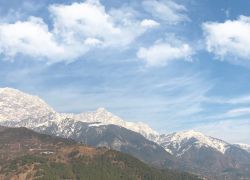
Dharamshala, located in Kangra, is a captivating tourist attraction that draws visitors from around the world with its serene natural beauty and rich cultural heritage. Nestled amidst the Himalayas, Dharamshala offers a perfect blend of spirituality, adventure, and relaxation, making it a must-visit destination for all kinds of travelers. History of Dharamshala With a fascinating historical background, Dharamshala was once a part of the ancient Katoch Dynasty and served as a former royal hunting ground. Over the years, it has evolved into a prominent hub for Tibetan culture and spirituality. The region has witnessed significant conservation efforts to preserve its biodiversity, leading to UNESCO recognition for its environmental importance. Architecture and Natural Beauty of Dharamshala Dharamshala is renowned for its lush forests, picturesque landscapes, and diverse bird habitats. The wetlands and grasslands add to the natural charm of the region, while the historic Keoladeo Temple stands as a testament to its architectural grandeur and spiritual significance. Why is Dharamshala Famous? Dharamshala has gained fame as a paradise for birdwatchers, photographers, nature enthusiasts, and wildlife lovers. The region's unique biodiversity and serene ambiance attract visitors seeking a closer connection to nature and a peaceful retreat from the hustle and bustle of city life. How to Reach Dharamshala Traveling to Dharamshala is convenient, with options available by air, rail, and road. The nearest airports are Gaggal Airport in Kangra and Chandigarh Airport, while the closest railway station is Kangra Mandir Railway Station. Road connectivity is excellent, with regular bus services from nearby cities. Weather and Best Time to Visit Dharamshala Dharamshala experiences pleasant weather conditions throughout the year, with distinct summer, monsoon, and winter seasons. The best time to visit is during the spring and autumn months when the weather is mild, offering a comfortable and enjoyable travel experience. Timings of Dharamshala The visitor timings for Dharamshala vary based on the season, with longer hours during peak tourist periods. It is advisable to plan your visit accordingly and check for any seasonal variations to make the most of your trip. Entry Fee and Visit Details Entry to Dharamshala is usually free for visitors, with options available for guide services, safari experiences, bicycle rentals, and other visitor facilities. These services enhance the overall travel experience, allowing visitors to explore the region more effectively. Things to Do at Dharamshala Popular activities in Dharamshala include birdwatching, photography, cycling, walking trails, nature observation, and engaging in educational experiences that offer insights into the region's cultural and ecological significance. These activities cater to diverse interests and ensure a memorable visit for all travelers. Interesting Facts About Dharamshala Dharamshala is home to a wide variety of migratory birds, showcasing the region's rich biodiversity. The conservation efforts in Dharamshala have led to significant achievements in preserving the natural environment and highlighting the ecological importance of the area. Travel Tips for Visiting Dharamshala When planning a trip to Dharamshala, it is advisable to pack appropriate clothing for varying weather conditions, carry essential photography and birdwatching equipment, choose the right visiting season for your preferences, and practice responsible tourism to respect the local culture and environment. Conclusion In conclusion, Dharamshala, Kangra, offers a unique and enriching travel experience for visitors seeking a harmonious blend of nature, culture, and adventure. With its historical significance, natural beauty, and diverse activities, Dharamshala stands out as a top tourist destination that promises unforgettable memories and a deep appreciation for the wonders of the Himalayas.
Explore More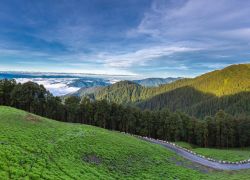
Nestled in Himachal Pradesh's Banjar Valley, Jibhi is a hidden Himalayan gem. Lush pine forests, gushing rivers, and traditional wooden houses dot the landscape. A haven for nature lovers, offering trekking, camping, and serene mountain views. Experience rural Himachali life in this tranquil retreat away from tourist crowds.
Explore More
Welcome to the serene and picturesque Chintpurni Hill Station, nestled in the heart of Chintpurni city. This enchanting destination is a haven for nature lovers and adventure seekers, offering a perfect blend of tranquility and natural beauty. History of Chintpurni Hill Station Chintpurni Hill Station boasts a rich historical background, once serving as royal hunting grounds for the local nobility. Over the years, concerted conservation efforts have transformed this area into a thriving wildlife sanctuary, earning recognition from UNESCO for its biodiversity and ecological significance. Architecture and Natural Beauty of Chintpurni Hill Station The hill station is renowned for its lush wetlands, dense forests, sprawling grasslands, and diverse bird habitats. The iconic Keoladeo Temple, steeped in history and culture, stands as a testament to the region's architectural and spiritual heritage. Why is Chintpurni Hill Station Famous? Chintpurni Hill Station is a popular destination among birdwatchers, photographers, and nature enthusiasts due to its unparalleled natural beauty and diverse wildlife. The area's tranquil ambiance and breathtaking landscapes attract visitors from far and wide. How to Reach Chintpurni Hill Station Traveling to Chintpurni Hill Station is convenient, with options available by air, rail, and road. The nearest airports are located in close proximity, and well-connected railway stations offer easy access to this idyllic destination. Weather and Best Time to Visit Chintpurni Hill Station The hill station experiences varying weather conditions throughout the year, with summers being warm, monsoons bringing lush greenery, and winters offering a cool and pleasant climate. The best time to visit is during the cooler months for a delightful experience. Timings of Chintpurni Hill Station Visitor timings at Chintpurni Hill Station are conducive to exploring the natural beauty and wildlife at different times of the day. Seasonal variations may impact accessibility, so it is advisable to plan your visit accordingly. Entry Fee and Visit Details Entry procedures to Chintpurni Hill Station are straightforward, with guide services available for those seeking a more in-depth experience. Safari options, bicycle rentals, and visitor facilities are also provided to enhance your visit. Things to Do at Chintpurni Hill Station Embark on a journey of discovery at Chintpurni Hill Station with activities such as birdwatching, photography, cycling, walking trails, and nature observation. Immerse yourself in the beauty of the surroundings and savor unforgettable experiences. Interesting Facts About Chintpurni Hill Station Chintpurni Hill Station is renowned for its migratory birds, diverse biodiversity, conservation achievements, and ecological importance. The area serves as a vital habitat for numerous species, contributing to the region's ecological balance. Travel Tips for Visiting Chintpurni Hill Station When visiting Chintpurni Hill Station, remember to dress comfortably, carry essential photography equipment, and adhere to responsible tourism practices. Familiarize yourself with the best visiting seasons to make the most of your trip to this enchanting destination. Conclusion In conclusion, Chintpurni Hill Station in Chintpurni is a gem waiting to be explored, offering a unique blend of natural beauty, wildlife, and cultural heritage. Whether you are a nature enthusiast, photographer, or simply seeking tranquility, this destination promises an unforgettable experience amidst the lap of nature.
Explore More4-Day Himachal Itinerary Tour
4 Days/ 3 Night
Kufri - Manali - Shimla - Kullu
3D Zanskar Trip From Manali - Gonbo Rongjon - Shinkhu La
3 Days/ 2 Night
Manali - Jispa
Complete Himachal Tour - 8 Days - 7 Nights
8 Days/ 7 Night
Dalhousie - Manali - Shimla - Dharamshala
5 night 6 Days Shimla Manali Package
6 Days/ 5 Night
Kullu - Chandigarh City - Lahaul & Spiti - Shimla - Manali
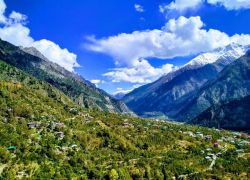
Welcome to the picturesque destination of Chitkul Village, located in the charming city of Chitkul. This hidden gem in the heart of nature offers visitors a unique experience filled with natural beauty and cultural significance. History of Chitkul Village Chitkul Village boasts a rich historical background, with its origins dating back to ancient times. Once a royal hunting ground, this area has now transformed into a conservation haven, with efforts being made to preserve its natural heritage. The village has also gained recognition from UNESCO for its environmental conservation initiatives. Architecture and Natural Beauty of Chitkul Village The village is surrounded by lush wetlands, dense forests, and expansive grasslands that provide a habitat for a diverse range of bird species. Visitors can also explore the historical Keoladeo Temple, adding a touch of spirituality to the natural beauty of the surroundings. Why is Chitkul Village Famous? Chitkul Village is renowned for its appeal to birdwatchers, photographers, nature enthusiasts, and wildlife lovers. The abundance of bird habitats, landscapes, and biodiversity make it a paradise for those seeking to connect with nature. How to Reach Chitkul Village Traveling to Chitkul Village is convenient, with options available by air, rail, and road. The nearest airports and railway stations provide easy access to this scenic destination, making it a popular choice for travelers. Weather and Best Time to Visit Chitkul Village The weather in Chitkul Village varies across seasons, with summer, monsoon, and winter offering different experiences. The best time to visit depends on personal preferences, but many recommend certain months for an optimal travel experience. Timings of Chitkul Village Visitor timings at Chitkul Village may vary seasonally, so it is essential to plan ahead and check for any updates. Understanding the timings can help visitors make the most of their trip and ensure a memorable experience. Entry Fee and Visit Details Entry procedures at Chitkul Village are straightforward, with guide services, safari options, bicycle rentals, and visitor facilities available for convenience. These services cater to the needs of tourists, enhancing their overall experience. Things to Do at Chitkul Village Popular activities at Chitkul Village include birdwatching, photography, cycling, walking trails, and nature observation. Visitors can immerse themselves in the serene surroundings and engage in educational experiences that highlight the area's natural wonders. Interesting Facts About Chitkul Village Chitkul Village is home to a myriad of migratory birds, showcasing the region's rich biodiversity. Conservation achievements in the area have contributed to its ecological importance, making it a significant destination for eco-conscious travelers. Travel Tips for Visiting Chitkul Village When visiting Chitkul Village, it is advisable to pack suitable clothing, carry photography equipment, and be prepared for birdwatching excursions. Understanding the best visiting seasons and practicing responsible tourism can enhance the overall travel experience. Conclusion In conclusion, Chitkul Village in Chitkul is a destination that offers a perfect blend of natural beauty, cultural heritage, and recreational activities. Whether you are a nature lover, photographer, or wildlife enthusiast, a visit to Chitkul Village promises an unforgettable experience that celebrates the wonders of the natural world.
Explore More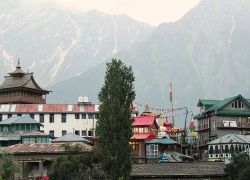
Welcome to Kalpa Village, a hidden gem nestled in the heart of Kalpa city. This quaint village offers a serene retreat amidst nature's beauty, making it a perfect destination for travelers seeking an authentic cultural experience. Kalpa Village is a place where time seems to stand still, allowing visitors to immerse themselves in the natural charm and tranquility of the surroundings. History of Kalpa Village With a rich historical background, Kalpa Village traces its origins to the former royal hunting grounds of the region. Over the years, concerted conservation efforts have preserved the natural heritage of the village, leading to its recognition by UNESCO for its biodiversity and cultural significance. Architecture and Natural Beauty of Kalpa Village The village is surrounded by lush forests, verdant wetlands, and picturesque grasslands that provide a habitat for a diverse range of bird species. The historical Keoladeo Temple, located within the village, adds to its architectural charm and cultural appeal. Why is Kalpa Village Famous? Kalpa Village has gained popularity among birdwatchers, photographers, nature enthusiasts, and wildlife lovers due to its unique natural environment and abundant biodiversity. The village offers a peaceful retreat for those looking to connect with nature. How to Reach Kalpa Village Traveling to Kalpa Village is convenient, with options available by air, rail, and road. The nearest airports and railway stations provide easy access to the village, ensuring a smooth journey for visitors. Weather and Best Time to Visit Kalpa Village The weather in Kalpa Village varies across the summer, monsoon, and winter seasons. The best time to visit is during the months when the weather is most favorable, allowing visitors to enjoy the beauty of the village to the fullest. Timings of Kalpa Village Visitor timings in Kalpa Village may vary based on seasonal considerations. Planning ahead and checking for any updates can help in optimizing the visit experience and making the most of your time in the village. Entry Fee and Visit Details Entry procedures, guide services, safari options, bicycle rentals, and visitor facilities are available to enhance the visitor experience at Kalpa Village. These amenities cater to the diverse interests of travelers, ensuring a memorable stay. Things to Do at Kalpa Village Popular activities at Kalpa Village include birdwatching, photography, cycling, walking trails, nature observation, and educational experiences. These activities allow visitors to engage with the natural surroundings and create lasting memories. Interesting Facts About Kalpa Village Kalpa Village is home to a plethora of migratory birds, showcasing the rich biodiversity of the region. Conservation achievements in the village have contributed to its ecological importance, making it a significant hub for wildlife enthusiasts. Travel Tips for Visiting Kalpa Village When visiting Kalpa Village, it is advisable to pack appropriate clothing, carry essential photography equipment, be mindful of birdwatching etiquettes, and plan your visit during the recommended seasons. Responsible tourism practices ensure the preservation of the village's natural beauty for future generations to enjoy. Conclusion In conclusion, Kalpa Village offers a unique blend of natural beauty, cultural heritage, and biodiversity, making it a must-visit destination in Kalpa city. Whether you are a nature lover, wildlife enthusiast, or cultural explorer, Kalpa Village promises an enriching experience that will leave you captivated by its charm.
Explore More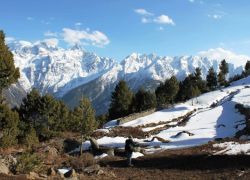
Welcome to Chaka Village, nestled in the picturesque city of Kalpa, a hidden gem awaiting exploration in the heart of nature's bounty. The village boasts a unique charm that attracts travelers seeking tranquility, natural beauty, and a glimpse into the rich biodiversity of the region. History of Chaka Village Chaka Village has a fascinating historical background, once serving as royal hunting grounds for the erstwhile rulers of the region. Over the years, concerted conservation efforts have transformed this area into a sanctuary for wildlife, earning it recognition from UNESCO for its biodiversity preservation. Architecture and Natural Beauty of Chaka Village The village is surrounded by lush wetlands, dense forests, sprawling grasslands, and diverse bird habitats, creating a stunning tapestry of landscapes. Amidst this natural beauty lies the historic Keoladeo Temple, a testament to the architectural heritage of the region. Why is Chaka Village Famous? Chaka Village has garnered fame as a haven for birdwatchers, photographers, nature enthusiasts, and wildlife lovers alike. Its pristine environment and abundant biodiversity offer a unique opportunity to witness nature's wonders up close. How to Reach Chaka Village Traveling to Chaka Village is convenient, with options available by air, rail, and road. The nearest airports and railway stations provide easy access to this idyllic destination, inviting visitors to embark on a memorable journey into nature's embrace. Weather and Best Time to Visit Chaka Village Throughout the summer, monsoon, and winter seasons, Chaka Village offers a different charm, making it a year-round destination. However, the best time to visit is during the mild weather months when the natural surroundings are at their most vibrant. Timings of Chaka Village The visitor timings at Chaka Village vary with the seasons, ensuring that guests can enjoy the beauty of the surroundings at different times of the day. It is advisable to plan your visit accordingly to make the most of your experience. Entry Fee and Visit Details Entry procedures at Chaka Village are straightforward, with guide services available for those seeking in-depth knowledge about the area. Safari options, bicycle rentals, and visitor facilities are also provided to enhance the overall visit experience. Things to Do at Chaka Village Embark on a journey of discovery at Chaka Village by engaging in popular activities such as birdwatching, photography, cycling, walking trails, and nature observation. Immerse yourself in the serene ambiance of the surroundings and create unforgettable memories. Interesting Facts About Chaka Village Chaka Village is known for its diverse array of migratory birds, showcasing the region's ecological importance. Conservation achievements in the area have contributed significantly to preserving the natural heritage of the village, making it a unique destination for eco-conscious travelers. Travel Tips for Visiting Chaka Village When visiting Chaka Village, remember to dress appropriately for the weather, carry essential photography and birdwatching equipment, and be mindful of the best seasons for exploration. Embrace responsible tourism practices to ensure the sustainability of this pristine ecosystem. Conclusion In conclusion, Chaka Village in Kalpa offers a harmonious blend of history, natural beauty, and wildlife conservation, making it a must-visit destination for those seeking a retreat into nature's embrace. Explore the wonders of Chaka Village and indulge in an unforgettable experience that will leave you enchanted and rejuvenated.
Explore More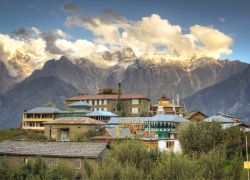
Kalpa, located in Kinnaur, is a charming tourist attraction nestled in the Himalayan region of Himachal Pradesh, India. This picturesque destination is known for its serene natural environment, rich biodiversity, and cultural significance. Kalpa offers a tranquil escape for nature lovers, adventure enthusiasts, and those seeking a peaceful retreat amidst the majestic mountains. History of Kalpa Steeped in history, Kalpa has a fascinating past dating back to ancient times. It was once a royal hunting ground for the Kinnaur kings and has witnessed centuries of cultural heritage. The region's conservation efforts have been recognized globally, leading to UNESCO acknowledging Kalpa's importance in preserving its unique ecosystem. Architecture and Natural Beauty of Kalpa Kalpa boasts stunning landscapes comprising lush forests, rolling grasslands, and vibrant bird habitats. The historic Keoladeo Temple, nestled within the park, adds to the scenic beauty of the area, attracting visitors with its architectural splendor and spiritual significance. Why is Kalpa Famous? Kalpa is renowned for its diverse bird species, making it a paradise for birdwatchers and photographers. Nature enthusiasts are drawn to the area for its rich biodiversity, offering a glimpse into the natural wonders of the Himalayas. Wildlife lovers flock to Kalpa to witness the stunning flora and fauna that thrive in this pristine environment. How to Reach Kalpa Traveling to Kalpa is a memorable journey in itself. Visitors can reach the destination by air, rail, or road, with nearby airports and railway stations providing convenient access. The scenic routes leading to Kalpa offer breathtaking views of the surrounding mountains, making the travel experience truly unforgettable. Weather and Best Time to Visit Kalpa Kalpa experiences varying weather conditions throughout the year, with distinct summer, monsoon, and winter seasons. The best time to visit is during the mild summer months when the weather is pleasant, allowing visitors to explore the natural beauty of the region comfortably. Timings of Kalpa Visitor timings at Kalpa may vary seasonally, so it is advisable to plan your trip accordingly. Whether you prefer early morning birdwatching sessions or late afternoon walks through the forests, Kalpa offers a range of activities to suit every visitor's schedule. Entry Fee and Visit Details Entry procedures at Kalpa are straightforward, with guide services available for those seeking a more immersive experience. Safari options, bicycle rentals, and visitor facilities are offered to enhance your visit, ensuring a memorable and convenient stay in this natural paradise. Things to Do at Kalpa Visitors to Kalpa can indulge in a variety of activities, including birdwatching, photography, cycling, walking trails, and nature observation. The region provides ample opportunities for educational experiences, allowing visitors to learn about the local ecosystem and conservation efforts firsthand. Interesting Facts About Kalpa Kalpa is home to a diverse range of migratory birds, highlighting the region's ecological importance. Conservation achievements in Kalpa have contributed to the preservation of its unique biodiversity, making it a valuable destination for nature conservationists and environmental enthusiasts. Travel Tips for Visiting Kalpa When visiting Kalpa, it is advisable to pack appropriate clothing for varying weather conditions and bring along essential photography and birdwatching equipment. Understanding the best visiting seasons and practicing responsible tourism are key to preserving the natural beauty of Kalpa for future generations to enjoy. Conclusion In conclusion, Kalpa in Kinnaur is a hidden gem waiting to be explored by travelers seeking a harmonious blend of nature, culture, and adventure. With its rich history, breathtaking landscapes, and vibrant biodiversity, Kalpa offers a unique and unforgettable experience for all visitors, making it a must-visit destination in the heart of the Himalayas.
Explore More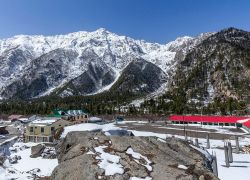
Sangla Valley is a picturesque tourist destination located in Kinnaur, known for its natural beauty, biodiversity, and serene environment. Nestled amidst the Himalayas, this valley offers a unique experience to travelers seeking tranquility and a connection with nature. History of Sangla Valley The history of Sangla Valley dates back to ancient times, with references to its significance in local folklore and traditions. Once a royal hunting ground, the valley has now transformed into a conservation area, attracting attention for its rich ecological heritage. The efforts towards preserving its natural beauty have led to UNESCO recognition, highlighting the importance of this pristine location. Architecture and Natural Beauty of Sangla Valley The architectural marvels of Sangla Valley are complemented by its diverse natural landscapes, including wetlands, forests, and grasslands. The region is a haven for bird habitats, offering a unique opportunity for birdwatchers and nature enthusiasts to witness a variety of avian species. The historic Keoladeo Temple adds to the cultural significance of the valley, blending spirituality with natural beauty. Why is Sangla Valley Famous? Sangla Valley has gained fame for being a hotspot for birdwatchers, photographers, and wildlife lovers. The abundance of migratory birds and the stunning landscapes attract visitors who seek to immerse themselves in the tranquility of nature. The valley's biodiversity and ecological importance make it a popular choice for those interested in exploring the wonders of the natural world. How to Reach Sangla Valley Reaching Sangla Valley is convenient through multiple travel options. Travelers can access the valley by air, rail, or road, with nearby airports and railway stations providing easy connectivity. The journey to Sangla Valley is as enchanting as the destination itself, offering scenic views of the Himalayan ranges along the way. Weather and Best Time to Visit Sangla Valley The weather in Sangla Valley varies across seasons, with pleasant summers, refreshing monsoons, and snowy winters. The best time to visit depends on personal preferences, but the months of spring and autumn are often recommended for ideal weather conditions and clear skies. Timings of Sangla Valley Sangla Valley welcomes visitors throughout the year, with seasonal variations influencing the experience. Understanding the timings and planning ahead can enhance the overall visit, ensuring that travelers make the most of their time in this serene location. Entry Fee and Visit Details Visitors to Sangla Valley can enjoy a range of facilities, including guided tours, safari options, and bicycle rentals to explore the surroundings. Entry procedures are straightforward, and the availability of visitor services adds convenience to the travel experience. Things to Do at Sangla Valley Popular activities in Sangla Valley include birdwatching, photography, cycling, walking trails, and nature observation. The valley offers a range of experiences for travelers of all interests, with educational opportunities to learn more about the local flora and fauna. Interesting Facts About Sangla Valley Sangla Valley is home to a diverse range of migratory birds, showcasing the region's ecological significance. Conservation efforts have led to the preservation of this biodiversity, contributing to the valley's reputation as an important sanctuary for wildlife enthusiasts and nature lovers. Travel Tips for Visiting Sangla Valley When planning a trip to Sangla Valley, it is advisable to pack appropriate clothing for changing weather conditions and carry essential photography and birdwatching equipment. Understanding the best visiting seasons and practicing responsible tourism can help preserve the natural beauty of the valley for future generations to enjoy. Conclusion In conclusion, Sangla Valley in Kinnaur stands out as a gem in the Himalayan landscape, offering a unique blend of natural beauty, biodiversity, and cultural heritage. Visitors to this enchanting destination can immerse themselves in the tranquility of nature, explore diverse ecosystems, and create lasting memories in this pristine valley.
Explore More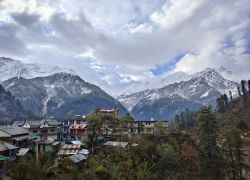
Welcome to Tosh Village, located near Kasol, a picturesque destination nestled in the heart of the Parvati Valley in Himachal Pradesh. Tosh Village is renowned for its natural beauty, serene atmosphere, and unique cultural charm, making it a must-visit for travelers seeking an offbeat and tranquil retreat amidst the majestic Himalayas. History of Tosh Village The history of Tosh Village dates back to ancient times, believed to have been inhabited by indigenous tribes for centuries. Once a humble settlement, Tosh has now evolved into a popular tourist destination offering visitors a glimpse into the traditional Himalayan way of life. The village has retained its rustic charm while embracing sustainable tourism practices to preserve its cultural heritage. Architecture and Natural Beauty of Tosh Village Tosh Village is surrounded by lush forests, towering mountains, and meandering streams, creating a scenic backdrop for nature enthusiasts and adventure seekers. The village is home to a diverse range of flora and fauna, including rare Himalayan species, making it an ideal destination for eco-tourism. The historical Keoladeo Temple, located nearby, adds a spiritual touch to the natural beauty of the village. Why is Tosh Village Famous? Tosh Village has gained popularity among birdwatchers, photographers, and nature lovers due to its rich biodiversity and serene environment. The village offers a peaceful retreat away from the hustle and bustle of city life, allowing visitors to connect with nature and experience the Himalayan way of living. Tosh is a haven for those seeking tranquility and a deeper connection with the natural world. How to Reach Tosh Village Traveling to Tosh Village is an adventurous journey, with options to reach by air, rail, and road. The nearest airport is Kullu-Manali Airport, and the closest railway station is Joginder Nagar Railway Station. From there, visitors can take a scenic drive through the winding mountain roads to reach Tosh Village, immersing themselves in the beauty of the Parvati Valley. Weather and Best Time to Visit Tosh Village Tosh Village experiences pleasant weather during summer, offering a respite from the heat in the plains. Monsoon brings lush greenery to the region, while winter transforms the village into a winter wonderland with snow-capped peaks. The best time to visit Tosh Village is during the summer months from April to June and the post-monsoon season from September to November. Timings of Tosh Village Tosh Village welcomes visitors throughout the year, with no specific timings for entry. However, it is recommended to plan your visit during daylight hours to fully appreciate the natural beauty and tranquility of the village. Seasonal variations may affect accessibility, so it is advisable to check local conditions before planning your trip. Entry Fee and Visit Details Entry to Tosh Village is free for all visitors, allowing everyone to experience the charm of this hidden gem in the Himalayas. Guide services are available for those interested in exploring the surrounding areas, and bicycle rentals offer a unique way to discover the village at a leisurely pace. Visitor facilities are limited, emphasizing the village's focus on sustainable tourism practices. Things to Do at Tosh Village Popular activities in Tosh Village include birdwatching, photography, cycling through the scenic trails, walking amidst the lush forests, and observing the local way of life. Visitors can engage in educational experiences to learn more about the cultural and ecological significance of the region, making their trip both enjoyable and informative. Interesting Facts About Tosh Village Tosh Village is a haven for migratory birds, with a diverse range of species flocking to the region during specific seasons. Conservation efforts in Tosh have helped preserve the unique biodiversity of the area, contributing to its ecological importance in the Himalayan ecosystem. The village stands as a testament to the harmonious coexistence of nature and humanity. Travel Tips for Visiting Tosh Village When visiting Tosh Village, it is advisable to pack warm clothing, comfortable shoes for walking, and essential photography equipment to capture the beauty of the surroundings. The best time to visit is during the recommended months to avoid extreme weather conditions. Responsible tourism practices, such as respecting local culture and nature, are encouraged to ensure a sustainable travel experience. Conclusion In conclusion, Tosh Village in Kasol is a hidden gem that offers a serene escape into the lap of nature. With its rich biodiversity, cultural heritage, and tranquil ambiance, Tosh Village beckons travelers to immerse themselves in the beauty of the Parvati Valley. Whether you are a nature enthusiast, a birdwatcher, or simply seeking a peaceful retreat, Tosh Village promises an unforgettable experience amidst the majestic Himalayas.
Explore More