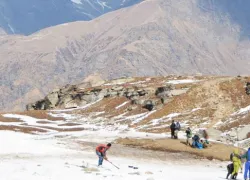
Rohtang Pass is a beautiful mountain pass situated on the eastern side of Himalayas. It links the Kullu Valley with Spiti and Lahaul Valleys of Himachal Pradesh. The pass hovers over the watershed between Beas and Chenab basins. On the extreme south of this pass, the Beas River flows southward and the Chandra River flows westward. Rohtang Pass is situated on a highway to Leh from Manali. The journey offers a spectacular and panoramic view of the lofty mountains. The pass is always open from the months of Jone to October annually. The best part about this pass is the scenic sight of glaciers, rivers and peaks. Marhi is an ideal haven for para gliders, as the wind here is mild and hardly changes all the time. The skyscraper tall peaks are usually draped in thick fog, and sometimes these mountains also witness cloudbursts. Rohtang Pass is always known for its unpredictable wind velocity and snowfalls. The place also has much in stock for the adventure freaks like mountain biking, skating and skiing. Be cautious as the density of oxygen starts lowering down at such altitudes. It is advised not to go all the way up if you suffer from chronic respiratory diseases like asthma and bronchitis. Most of the tourists who arrive at the pass prefer setting up tents by the roadside. Apart from camping facilities there are also plethora of river-side cottages, deluxe hotels, and luxury resorts. There is also the option of availing homestay that will allow you to relish in the beauty of nature and indulge in the culture of locals.
Explore More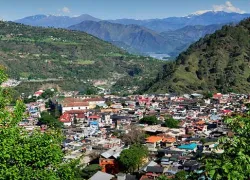
Chaugan means a plain in the local Himachali language. It is a vast plain in Chamba that is a major attraction for many locals and tourists. It covers an area of merely 1 km in length and 75 meters wide. This grassy plain is the hub of different recreational activities and sports like polo. Many festive celebrations are organized at this vast ground where numerous people participate. Why Is It Famous? Chaugan is popular among the locals and tourists because it is the hub of many recreational activities. It is the spot where the sport of polo is organized, festivals are celebrated, weekly markets are set up, Minjar Fair is organized etc. If the pages of the history are turned, Chaugan used to be the cricket ground of the British. In the present-day scenario, it is a well-maintained open space where people can spend a good quality time with their family and friends. Camping is a prominent activity that can be enjoyed here and many people can be spotted relishing the fun of this activity. Best Time To Visit:- There is no specific time to visit Chaugan. This serene locale can be flocked during every season of the year. People on a huge scale visit this place for the different purposes listed above. Thus, each season is apt and welcomes the visitors on a huge scale. Watch Out! Watch out for the cleanliness. Since this place is thronged on a huge scale by umpteen visitors, the managing authorities have installed the waste-bins for disposing of the garbage. Thus, all are expected to maintain the cleanliness of Chaugan by not littering the place in any manner. Reaching There:- Chamba is well-connected to all major roads, railways, and airways in Himachal Pradesh. Such connectivity makes it convenient for all to reach the place without any hassle. Commuting within the town can be done via local buses, cabs, and autos. Nearest Railway Station - Pathankot Railway Station Nearest Airport - Pathankot Airport
Explore More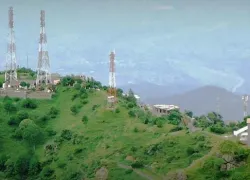
Located amid the exquisite surroundings, Naddi Hill Point is an appealing viewpoint in the village of Naddi in Kangra. It is enveloped in the valley of Dhauladhar Ranges and is a must-see site for the visitors that come to this place for holidays. On a clear day, the misty snow-covered Himalayan peaks can also be witnessed from this viewpoint. One can relax him/herself in the nearby village. Why Is It Famous? Naddi Hill Point is popular among the visitors because it provides an exciting view of the nearby valley and Himalayan peaks. Apart from this, tourists can also witness the magical sight of the sunrise & sunset from this viewpoint. It is a perfect spot for the trek-lover as well. The rough hills make this point a place where the trekkers are challenged to cross their limits. A local fair is also set up for 3 days between June-July as it is the peak season that witnesses a huge footfall of the tourists from different states of the country. Best Time To Visit:- Naddi Hill Point is visited throughout the year. Since the weather remains pleasantly cool for a major portion of the year, it becomes comfortable for the visitors to explore the nearby attractions as well. Many tourists flock to this site in the early hours of the morning to witness the first ray of the sun peeking from the horizon. Watch Out! Do not miss to capture the photos of the snowy valley on a winter morning from Naddi Hill Point. The view in winters is an amazing opportunity, especially for the photographers, to ensnare this marvel of Mother Nature in the camera. Reaching There:- A well-established connectivity to the major highways, railways, and airways makes it easier to reach Chamba from the different corners of Himachal Pradesh. One can easily reach the site via interstate buses, trains, and flights. Traveling within the district can be done via local transit that is available on a frequent basis. Nearest Railway Station:- Pathankot Railway Station Nearest Airport:- Pathankot Airport
Explore More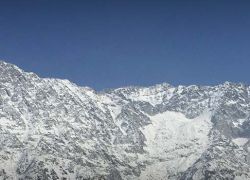
Hanuman Ka Tibba is a renowned travel destination in the Indian state of Himachal Pradesh. It is known as the highest point in the Pir Panjal Range of the Himalayas as it has a height of 19,000 feet above the sea level. Since this point remains shrouded in the snow for a major portion of the year, it is also known by the name of ‘White Mountain’. It is visited on a huge scale by the adventure aficionados. It Is Known For:- 1) Hanuman Ka Tibba is popular because is the highest mountain in Pir Panjal Range of Himalayas. 2) The name of Lord Hanuman is associated with it. According to the mythology, Lord Hanuman was himself injured while he was flying to the Himalayas to bring the Sanjivani Booti. 3) Hanuman Ka Tibba was the place where he rested and tested the effects of Sanjivani Booti by applying it to his wounds. He stood at this point to lift up the entire mountain of the medicine. 4) Apart from the religious significance, this point of Pir Panjal range is popular among the adventure buffs for trekking and mountaineering. Numerous trekkers and mountain climbers flock to this place on a huge scale. Best Time To Visit:- The best time to visit Hanuman Ka Tibba is summers. It is the apt season for visiting the site because the roads are cleared and the mountain can be reached without any hassle. It becomes completely inaccessible to reach Hanuman Ka Tibba during winters due to excessive snowfall. Watch Out! It is recommended that all visitors should carry extra woolens and mountaineering equipment while heading towards the place for the activity of mountaineering or trekking. Reaching There:- Chamba is well-connected to Himachal Pradesh via all major roadways, railheads, and airways. The express trains, interstate buses, and flights operate from different parts of Himachal Pradesh and nearby states. Nearest Railway Station:- Pathankot Railway Station Nearest Airport:- Pathankot Airport
Explore More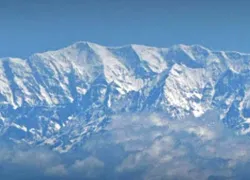
Snow View as the name suggests offers an indescribably beautiful and breath-taking picture of the glittering snows of Himalayas. It is the most easily accessible hilltop and is 2.5 Kms away from Nainital. On the top one can have a breathtaking view of Northern Himalyan ranges. There are strong binoculars from which one can see Nanda Devi (7817 m), which is second highest mountain in India. On the way from Nainital to Snow View there is a small Gadhan Kunkyop Ling Gompa of the Gelupka order.
Explore More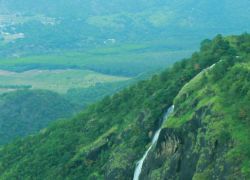
Adorned with the pristine hill stations, lush greenery everywhere, emerald backwaters, Arabian Sea, and sprawling tea estates, the unsparing beauty of Kerala can surely make you fall in love with the place. Kerala doesn’t only provide you with nature’s true beauty, but the place is also rich in its culture. Their music, dance, delectable cuisines, festivals, literature, art, Ayurvedic therapies, and many more specialties beguile globetrotter from every nook of the world. Kerala has all of it, and once you see it, even you will fall in love with it. The best time for visiting Kerala is the time between November and February. Visit Kerala, and you will fall in love with their amazing architecture, aromatic spices, exotic honeymoon destinations, long coastlines and beaches, variety of dance forms, and of course, their rich wildlife. Periyar Among the many other beautiful places, Periyar is a must-visit place of Kerala. This halting ground is surely a paradise on earth, Periyar. There is a lot to do in Periyar and even a lot more to see. There are many Periyar sightseeing tours organised which remain incomplete if you do not visit the landmarks like Periyar lake, Peiyar tiger trail, etc. Some of the places to visit in Periyar are: Chellarkovil Chellarkovil is a small village that is famous for being the best tourist place in Idukki, as it attracts many tourists from all around the globe. The mesmerizing beautiful place is almost 200 meters above the sea level and is enchanted for its cascading waterfalls, breathtakingly gorgeous view of plains, picturesque beauty, and the lush green mountains. This famous village of Chellarkovil borders the coconut groves of the Cumbum in Tamil Nadu. A fascinating feature of the Chellarkovil waterfall is that it starts to fall from Kerala and falls on the land of Tamil Nadu. There is even a watchtower at the Chellarkovil-Periyar, which has a telescope fixed on the balcony; it is called 'God’s balcony,' which offers a mind-blowing view of both the sunrise and sunset. Periyar Wildlife Sanctuary The Periyar Wildlife Sanctuary is located in Thekkady. It is a perfect example of nature’s bounty, with rich biodiversity and lazing scenic beauty. In Kerala, the Periyar Wildlife Sanctuary is one of the most protected areas for tigers and elephants. It is one of the most renowned and famous national parks in Southern India. The Periyar national park is located in the high ups of western ghat ranges. The park is adorned with a pretty lake in the heart of the sanctuary. Which is basically an artificial but 100 years old lake in the Thekkady? Famous for its dense forests of the Western Ghats and the wild elephants, there are many fully gown thick tropical evergreen forest covered with tall grown trees. Some semi-evergreen forest land is also spread with many species of animals all across the park. Therefore, these were some of the many things you will get to see in Kerala, Periyar. And Kerala must be in the bucket list of every traveller. Visit this place to experience nature’s true beauty.
Explore More
Aryankavu is a village and a hill station located amid the Western Ghats in Kollam. It is entirely an amazing place where one can succumb to nature. This place, in true words, is nature’s bounty because of the serene surroundings. Tourists on an extensive scale visit this enchanting place throughout the year. It Is Known For:-1) Aryankavu is known for its beautiful surroundings as it never fails to lure tourists2) The temple of Ayyappan is a major highlight of this hill station3) Palaruvi Waterfalls and Rose Mala also attract visitors on a large scale4) The forests of Kadmanpara are another place fit to relish the venture of trekking5) Rose Mala ecoregion is a must-visit site in Aryankavu Best Time To Visit:-Aryankavu is a celebrated hill town in Kollam. Its soul-soothing ambiance serves as the best doctor to kill the stress immediately. Since it is located amid the Western Ghats, this hill town can be visited throughout the year. Reaching There:-Kollam has a vast network of the local transit i.e. roadways, railways, and airways. To reach Aryankavu, one can hire the service of the buses that ply to the route of this enchanting hill town in Kerala. Nearest Railway Station- Aryankavu Railway StationNearest Airport- Trivandrum International Airport
Explore More
Ask anyone about Elaveezha poonchira and they will not get tired praising its beauty. Elaveezha poonchira is an arresting tourist attraction in 'God's Own Country' Kerala. This place is beckoned by the enchanting hillocks of Mankunnu, Kodayathoormala, and Thonippara. This place is frequented by the wayfarers on an extensive scale. Do not miss to pay a visit to Elaveezha poonchira during your trip to Kerala. It Is Known For:- The bewitching surroundings and exquisite hillocks that are visited by tourists. It is a trekker's paradise and one can relish this venture on the hills of Mankunnu, Kodayathoormala, and Thonippara Best Time To Visit:- Elaveezha poonchira is a destination that is thronged throughout the year. Each day, hundreds of zealous trekkers and holidaymakers visit this region to spend some time away from the noises of the city. This has become possible due to its geographical location. Reaching There:- Elaveezha poonchira is a famous landmark in Kerala. Being a frequented recreational site, the local government has made efforts and has established a proper network of the roadways so that visitors can reach here easily. By hiring the service of the local transit, one can reach the hills of Elaveezha poonchira. Nearest Railway Station - KottayamNearest Airport - Cochin International Airport
Explore More
Kottathavalam is a well-known tourist spot in Kottayam (Kerala). Blest with a serene ambiance, this region is hemmed in the alluring Murugan hill. As far as your sight goes, you will see nothing else but lush green surroundings. These hillocks of Kottathavalam are the haven for nature lovers and trek aficionados. Tourists from distant places swarm to Kottathavalam and spend a good time here. It is a perfect location for the photo shoot as well. It Is Known For:- The caves that were used as a resting place for the royal family of Madurai. The bewitching surroundings of Kottathavalam hillocks. Best Time To Visit:- The best time to spend the vacation here is throughout the year except monsoons. Due to the heavy rainfall, the hillocks become muddy and you'll not like dirtying your branded footwear. Thus, chuck the monsoon and choose any season you like. During your trip, do not miss to explore the caves where the royal family of Madurai rested. These caves today hold the intricately rock-carved sculptures that catch the sight. Reaching There:- Regular services of the local transports are available to reach Kottathavalam. They charge a minimal amount for their service. Nearest Railway Station- Kottayam Railway StationNearest Airport- Trivandrum International Airport
Explore More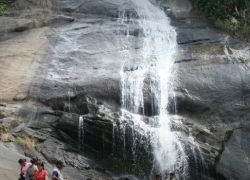
Thusharagiri is popular for its lush green forests and waterfalls. Located 11 Kms away from Kodenchery, Thusharagiri is a place which is abundant in coconut, rubber plantations, ginger, pepper and all kinds of spices. There is a dam located at Kakkayam which is at a distance of 45 Kms from Calicut. This place offers challenging rock climbing and trekking through numerous waterfalls and river path.
Explore More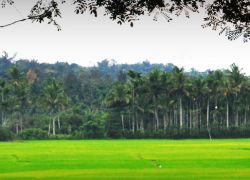
A serene ambiance, garnet green carpets of grass unfolded over acres of land, picturesque landscape with the backdrop of hillocks- don't you feel this site is ethereal? If yes, then you are an ardent traveler. This is the beauteous introduction of Sulthan Bathery, a town and tourist attraction located in Wayanad district of Kerala. This town is a frequented by the travelers on a large scale. One simply cannot describe the beauty of this town in words. It can be experienced only after paying a visit. It Is Known For:- 1. Muthanga Wildlife Sanctuary- A home to a variety of fauna like elephant, monkey, tiger etc. 2. Jain Temples- Intricately carved Jain Temples that were built in the 13th century. 3. Edakkal Caves- A well-known site on the outskirts of Wayanad. 4. Bathery Jumma Masjid- The largest mosque in town with a capacity of accommodating 1000 worshipers. Best Time To Visit:- The best time to visit Sulthan Bathery is between October-March. During this time, the weather conditions are feasible and allow people to tour the nearby areas. Also, the animals in the Muthanga Wildlife Sanctuary welcome their offspring during this time. Reaching There:- Sulthan Bathery has a well-established connection with roads and can be accessed without hassle. Frequent bus services are available for the travelers to reach Sulthan Bathery. Nearest Railway Station- KozhikodeNearest Airport- Calicut International Airport
Explore More
Nrupatunga Hill is a prominent tourist site in the beautiful city of Hubli. It is a hill that is visited by numerous locals and visitors on a huge scale. The site has been developed by the Dharwad Development Authority that has carved a smooth pathway with stairs. This hill is properly light up with the lamp-posts. A majority of lamp-posts are equipped with the solar panels that make it an eco-friendly destination. It Is Known For:- 1) Nrupatunga Hill is popular for its ambiance. It is blessed with tranquillity by Mother Nature 2) Initially, it was a plain and rocky hill but was developed for by Dharwad Development Authority for the welfare of people. It was carved in order to gain a smooth access 3) At present, it has a small park for children which is equipped with the swings and a restaurant that serves delicious South Indian food 4) The park is well-maintained and has a paved path where people often arrive for walking & jogging 5) Being a famous picnic site, it always remains flooded with the holidaymakers 6) From the top of Nrupatunga Hill, a panoramic view of the city of Hubli can be witnessed. Best Time To Visit:- Nrupatunga Hill is a famous tourist site in Hubli and attracts numerous visitors on a huge scale. This place welcomes the vacationers across the year. There lies no hassle in visiting this hill during any season. The entry to Nrupatunga is paid for all. One has to pay INR 10 per head (for adults) and INR 5 per head (for kids). Watch Out! Nrupatunga Hill is a picnic spot and is visited extensively. There are high chances of littering the place that is a punishable offense. Thus, visitors should abide by the rules and do not throw garbage on this hill. Reaching There:- Hubli city is well-connected with all major cities of Karnataka and can be reached by roads, railways, and flights. Visitors can hire the service of the local transit like the bus, taxi, and autos to commute within the city. Nearest Railway Station - Hubli Junction Nearest Airport - Hubli Airport
Explore More6 Nights - 7 Days Sikkim - Darjeeling Tour Package
7 Days/ 6 Night
Gangtok - Darjeeling - Pelling - Zuluk
Ahmedabad Saputara 2 Nights / 3 Days
3 Days/ 2 Night
Ahmedabad - Saputara
Vaishno Devi Package Ex-Mumbai
5 Days/ 4 Night
Katra
Chopta Tungnath Trip
5 Days/ 4 Night
Devprayag - Chopta - Rudraprayag
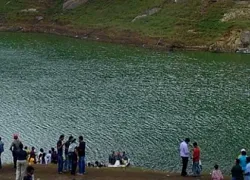
Echo Point is a scenic location that rests in the middle of the picturesque mountains of Munnar. This point lies in the conflux of Mudrapuzha, Nallathanni, and Kundala ranges and is known for its echoing phenomenon. This location is not only for the echo, but it is a famous place where one can succumb to nature. Echo Point is a must-visit destination while enjoying a vacation in Kerala. It Is Known For:-1) The enticing beauty that defines this place as a must-see attraction2) It also houses a variety of the tea gardens, coffee plantations, and spice gardens etc.3) Visitors relish the nature walks that are organized on the slopes of Mudrapuzha, Nallathanni, and Kundala ranges4) A residence for the rare birds that are spotted only in this region5) Nature photography6) Neelakurinji flower, a flower that blooms only in Munnar Best Time To Visit:-Echo Point in Munnar welcomes its visitors throughout the year. You can plan a vacation here in any season. Since it is located at a higher altitude, the average temperatures scale between 10°C-20°C that makes it appropriate to enjoy the different activities. Reaching There:-Echo Point is a major attraction and is swarmed by a large number of tourists. To reach this location, tourists hire the pocket-friendly service of the local cabs. Nearest Railway Station- Chaganacherry Railway StationNearest Airport- Cochin International Airport
Explore More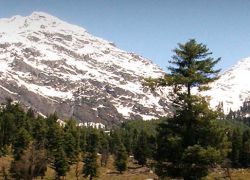
Aru Valley is a prominent tourists’ site in Kashmir. It is a spot that assures a tranquil ambiance, lush green beautiful surroundings, and the jaw-dropping backdrop of the Himalayan peaks. This valley never fails to attract the visitors, nature enthusiasts, and venture aficionados from different parts of the state. This valley serves as the base camp for starting the exuberant trekking and hiking in the craggy slopes of the Himalayan hillocks. It Is Known For:- 1) Aru Valley is known for its scenic beauty. Its natural pulchritude makes it a huge attraction for all tourists. 2) The soul-soothing ambiance of this place makes it a remarkable site for spending a good quality time away from the bustling cities. 3) It has a small village that serves as the smallest hill-town in the state. 4) Due to the tranquility in its ambiance, it has been declared as an eco-friendly biosphere zone. No motor vehicle is allowed to enter the valley premises. 5) Apart from camping and trekking, horse-riding is a key activity that can be relished in Aru Valley. Best Time To Visit:- Aru Valley is a scenic site that lures the tourists on an extensive scale. It can be visited during any time of the year. During summers, the weather is pleasant and visitors can take delight in activities like trekking, camping, and horse riding. Winter is the time when Aru Valley is bedecked with a blanket of snow and the rest is self-explanatory! Watch Out! Do not miss to take the horse-cart rides! Since the motor vehicles aren’t permitted in this area, the commuters commute either by cycles or via horse-carts. Reaching There:- Aru Valley has Pahalgam as the closest neighboring town. It can be reached via state-run buses, express trains, or flights from any part of the state of J&K. Commuting within the town can be done via local buses, taxis, and horse-carts that are available on a regular basis. Nearest Railway Station:- Jammu Railway Station Nearest Airport:- Srinagar Airport
Explore More
Zoji-La Pass is a major tourists’ destination in Jammu & Kashmir. It rests in the belt of the mighty Himalayas and is a high mountain pass. It has a mammoth height of 11, 575 feet above the sea level and serves as a link between the valley of Kashmir and Ladakh. This mountainous pass remains under the blanket of snow throughout the year and has an historical importance. In the bygone times, it was captured during the ‘First War for Kashmir’ in the year 1947. The following year in November, the Indian Military forces were successful in re-capturing it from the Pakistani army.It Is Known For:-1) Zoji-La Pass is India’s one of the highest roads.2) This place is historically important because it was the place captured by Pakistan during the Indo-Pak war of 1947 that was fought for Kashmir. In the year 1948, the Indian Military deployed the tanks and was successful in recapturing it own area.3) This place is bestowed with the Himalayan beauty in profusion and offers a great view of the mighty snow-clad peaks of the Himalayas.4) During winters, Zoji-La Pass remains closed due to excessive snowfall and Borders & Roads Organization (BRO) clears it. It is the period when this pass becomes completely inaccessible.5) During the other seasons, this pass offers a great view of the nearby valleys of Dras.Best Time To Visit:-Zoji-La Pass is the place that can be visited during any season except winters. During winters, the heavy blanket of the shimmering snow makes it impossible to reach this site. Therefore, the period between May-October/November is considered as appropriate for embarking a casual voyage to Zoji-La Pass.Watch Out!Due to its high elevation, the temperature of Zoji-La Pass remains cold for a major portion of the year. Thus, it is recommended that visitors should carry woolens along with them in order to stay warm.Reaching There:-Ganderbal is the nearest district to Zoji-La Pass. It is well-connected via all major roads, railheads, and airways to the whole Kashmir. Tourists can reach Ganderbal from anywhere in Kashmir. Commuting within the district is usually done via local buses, taxis, and autos. To reach Zoji-La Pass, one can hire a private vehicle or relish the journey on a bike for an adrenaline-boosting ride.Nearest Railway Station:- Srinagar Railway StationNearest Airport:- Srinagar Airport
Explore More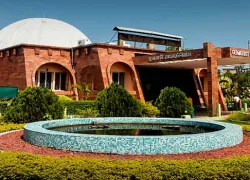
Guwahati Planetarium is a famous tourist destination in Guwahati. It is an astronomical institute and planetarium that serves as a huge crowd puller in the city. It is the best place in the city for the space enthusiasts that love exploring the celestial bodies. Tourists and students visit this place on a huge scale to enhance their knowledge about the solar system and the entire universe.It Is Known For:- Guwahati Planetarium is an amazing astronomical research center- It is installed with the instruments like telescopes and projectors manufactured by GoTo, a Japan-based company. These instruments provide an ease for projecting movies and observing the celestial bodies- The huge dome of the planetarium serves as the screen for projecting the movies- The seminars and exhibitions are also organized by the planetarium authorities for the astronomy fraternity and locals- Special arrangements are made for the visitors that visit to witness a celestial event like an eclipse or a meteor shower closely- It has a library where you can find a vast collection of books based on astronomyBest Time To VisitGuwahati Planetarium never leaves a chance to attract and impress visitors. People, especially students, are seen here every day as movies are projected on a daily basis. Apart from this, the best time for visiting Guwahati Planetarium is during an eclipse. The management makes apt arrangements to witness such wonderful events.Watch Out!Guwahati Planetarium has certain rules that should be followed. No one is permitted to touch any model of the solar system and other planets. The cell phones should be on the silent/vibration mode, especially during seminars.Nearest Railway Station - Guwahati Railway StationNearest Airport - Guwahati International Airport
Explore More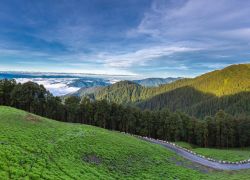
Nestled in Himachal Pradesh's Banjar Valley, Jibhi is a hidden Himalayan gem. Lush pine forests, gushing rivers, and traditional wooden houses dot the landscape. A haven for nature lovers, offering trekking, camping, and serene mountain views. Experience rural Himachali life in this tranquil retreat away from tourist crowds.
Explore More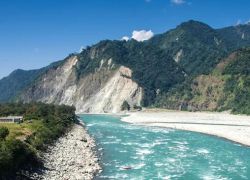
The Lohit River Valley, located in the Changlang district of Arunachal Pradesh, is a region of immense natural beauty, cultural richness, and historical importance. Formed by the Lohit River, one of the major tributaries of the Brahmaputra River, this valley is known for its lush green landscapes, dense forests, rolling hills, and vibrant tribal life. The Lohit River Valley offers travelers a peaceful escape into nature while also providing insight into the traditional lifestyle of the indigenous communities of eastern Arunachal Pradesh. How to Reach Lohit River Valley Reaching the Lohit River Valley requires a journey through some of the most scenic routes in Northeast India. The nearest major town is Changlang, which acts as a gateway to the valley. By Air: The nearest airport is Dibrugarh Airport in Assam, located about 160–180 km from the Lohit River Valley. From Dibrugarh, taxis and shared vehicles are available to reach Changlang and nearby areas along the Lohit River. By Rail: The closest railway station is Tinsukia Railway Station in Assam. Tinsukia is well-connected to major cities like Guwahati, Kolkata, and New Delhi. From Tinsukia, road transport can be used to reach the valley. By Road: Lohit River Valley is accessible by road from Tinsukia, Dibrugarh, and other parts of Arunachal Pradesh. The roads pass through scenic hills, tea gardens, and forested areas, making the journey visually rewarding. Weather in Lohit River Valley The Lohit River Valley experiences a pleasant climate for most of the year, influenced by its riverine geography and forest cover. Summer (March to June): Summers are mild and comfortable, with temperatures ranging between 18°C and 30°C. This is a good time for sightseeing and exploring the valley. Monsoon (July to September): The region receives heavy rainfall during the monsoon season. The river flows at its fullest, enhancing the beauty of the valley, but landslides and roadblocks may occur. Winter (October to February): Winters are cool and pleasant, with temperatures ranging from 10°C to 20°C. This is considered the best time to visit the Lohit River Valley. Timing and Best Time to Visit The Lohit River Valley does not have fixed visiting hours as it is a natural region rather than a single attraction. Visitors can explore the valley throughout the day. The best time to visit is from October to April, when the weather is dry, pleasant, and suitable for travel and outdoor activities. Why Famous for Lohit River Valley, Changlang, Arunachal Pradesh? The Lohit River Valley is famous for its untouched natural beauty and cultural diversity. The crystal-clear waters of the Lohit River, surrounded by green hills and forests, create a stunning landscape. The valley is also known for its rich biodiversity and serves as a lifeline for local communities. Another reason for its fame is the presence of various indigenous tribes such as the Tangsa, Singpho, and Tutsa communities, who maintain their traditional customs, festivals, and handicrafts. The valley is also historically significant as the Lohit River is believed to be one of the main sources of the Brahmaputra River. Entry and Visit Details There is no specific entry fee to visit the Lohit River Valley. However, since the area lies in Arunachal Pradesh, Indian tourists are required to obtain an Inner Line Permit (ILP), while foreign nationals need a Protected Area Permit (PAP). Some areas near the river and villages may require permission from local authorities or village councils. Visitors are advised to respect local customs and regulations during their visit. History and Cultural Significance The Lohit River Valley has been an important region since ancient times. The river itself holds mythological significance and is often associated with early references to the Brahmaputra River in ancient Indian texts. Historically, the valley has served as a trade route connecting Tibet with Assam. Over centuries, tribal communities settled along the riverbanks, developing agriculture, fishing practices, and unique cultural traditions that are still preserved today. Architecture and Settlements There is no monumental architecture in the Lohit River Valley, but the traditional tribal houses are architecturally significant. Homes are usually made of bamboo, wood, and thatch, built on raised platforms to protect against floods and wildlife. Village layouts are simple and closely connected to nature. Community spaces, prayer areas, and traditional granaries reflect the sustainable lifestyle of the local people. Things to Do in Lohit River Valley Nature Walks and Photography: The valley offers excellent opportunities for nature walks, landscape photography, and birdwatching. River Exploration: Visitors can enjoy riverside picnics, explore the riverbanks, and observe local fishing techniques. Cultural Interaction: Meeting local tribal communities and learning about their customs, food, and festivals adds depth to the travel experience. Camping: Camping near the river under proper guidance is a popular activity for adventure and nature lovers. Facts about Lohit River Valley The Lohit River is one of the major tributaries of the Brahmaputra River. The valley is home to several indigenous tribes of Arunachal Pradesh. The region is rich in flora and fauna, including rare bird species. The Lohit River Valley plays a crucial role in the local economy through agriculture and fishing. Tips for Visiting Lohit River Valley Always carry valid permits required for Arunachal Pradesh. Visit during the dry season to avoid travel disruptions caused by monsoon rains. Respect local traditions, customs, and the natural environment. Carry essential supplies, as facilities are limited in remote areas. Hire local guides for a safer and more informative experience. The Lohit River Valley in Changlang, Arunachal Pradesh, is an ideal destination for travelers seeking serenity, cultural exploration, and unspoiled natural beauty. Its peaceful landscapes and welcoming communities make it a memorable place to explore.
Explore More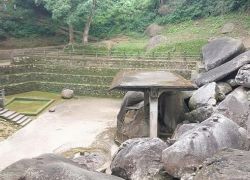
Dadan Hill is a scenic and culturally significant hill located in Goalpara district, Assam. Nestled amidst lush greenery and overlooking the Brahmaputra River, the hill is a perfect blend of natural beauty, historical importance, and spiritual significance. Dadan Hill is slowly emerging as a popular destination for tourists seeking a combination of scenic views, tranquility, and cultural exploration. The site offers a panoramic view of the surrounding landscape, making it an ideal spot for nature lovers, photographers, and pilgrims alike. Why Dadan Hill is Famous in Goalpara, Assam Dadan Hill is famous for its historical and religious significance. The hill is home to a centuries-old Shiva temple that attracts devotees from across Assam, especially during Maha Shivaratri. Its elevated location provides spectacular views of the Brahmaputra river and surrounding villages. The serene environment, combined with the presence of a historic temple, makes Dadan Hill a unique destination where nature and spirituality coexist. In addition, the hill offers opportunities for trekking and casual hiking, attracting adventure enthusiasts and travelers looking for offbeat experiences in Goalpara. History of Dadan Hill The history of Dadan Hill is intertwined with the religious and cultural evolution of Goalpara and surrounding regions. The hill has been a place of worship for several centuries, primarily dedicated to Lord Shiva. Local legends suggest that the hill was a meditation and worship site for saints and spiritual practitioners. Over time, a Shiva temple was constructed at the summit, which became the focal point of religious activities in the area. During ancient times, the hill also served as a lookout point, providing strategic advantages due to its elevated location. The presence of old stone structures and locally preserved relics indicates that Dadan Hill has played an important role in both spiritual and local community life for generations. Architecture and Features of Dadan Hill The main architectural attraction on Dadan Hill is the Shiva temple. The temple showcases traditional Assamese temple architecture with simple yet elegant design. Constructed using stone and local materials, the temple features a sloping roof, small prayer halls, and a sanctum housing the Shiva lingam. The simplicity of the temple blends naturally with the hill’s environment, creating a harmonious and peaceful ambiance. Besides the temple, the hill is dotted with natural rock formations, steps carved into the slope for easier access, and small shrines maintained by locals. The combination of natural terrain and traditional architecture offers a unique experience to visitors. How to Reach Dadan Hill, Goalpara, Assam Dadan Hill is accessible from Goalpara town and nearby areas via road and rail. By Road: Goalpara is well connected to Guwahati and other major towns of Assam. From Goalpara town, visitors can hire taxis or private vehicles to reach Dadan Hill. The hill is located approximately 15 km from the town, and the drive offers scenic views of rural Assam. By Rail: Goalpara Town Railway Station is the nearest railway station. From there, local transport options such as taxis or auto-rickshaws can be used to reach Dadan Hill. By Air: The nearest airport is Lokpriya Gopinath Bordoloi International Airport in Guwahati. From Guwahati, travelers can take a road or rail journey to Goalpara, followed by a short drive to Dadan Hill. Weather and Best Time to Visit Dadan Hill The weather at Dadan Hill is generally mild, with seasonal variations: Summer (March to June): Summers are warm, with temperatures ranging from 25°C to 35°C. Early mornings and evenings are the best times for visiting to avoid the heat. Monsoon (July to September): The monsoon season brings heavy rainfall, enhancing the greenery around the hill. However, paths can become slippery, so caution is advised. Winter (October to February): Winter is the ideal time to visit Dadan Hill. The weather is cool and comfortable, perfect for sightseeing, trekking, and photography. Timings of Dadan Hill Dadan Hill is accessible to visitors throughout the day, typically from 6:00 AM to 6:00 PM. Since the site is an open natural area, it is recommended to visit during daylight hours for safety and to enjoy panoramic views. Entry and Visit Details of Dadan Hill There is no formal entry fee to visit Dadan Hill. Visitors are encouraged to maintain cleanliness and respect the local religious practices. The Shiva temple may have designated visiting hours for devotees, and photography inside the sanctum may be restricted. Guided tours are generally not available, but local guides can provide historical and cultural insights if requested. Things to Do at Dadan Hill Temple Visit: Pay a visit to the ancient Shiva temple and participate in local religious rituals. Trekking and Nature Walks: Explore the hill trails and enjoy short treks with scenic views of the surrounding area. Photography: Capture the natural beauty, sunrise and sunset views, and the architecture of the temple. Picnicking: The hill’s calm environment is ideal for family picnics or group outings. Birdwatching: The hill area hosts various local bird species, making it an attractive spot for nature enthusiasts. Interesting Facts about Dadan Hill The hill has been a place of worship for centuries and holds religious significance for local communities. Dadan Hill offers panoramic views of the Brahmaputra River and surrounding villages. The Shiva temple on the hill is considered a spiritual center for devotees in the region. The site blends natural beauty with cultural heritage, making it ideal for offbeat tourism. The hill also provides opportunities for short treks and nature-based activities. Travel Tips for Visiting Dadan Hill Wear comfortable footwear suitable for hill climbing. Carry water, snacks, and sun protection, especially during summer. Respect local customs and religious practices at the temple. Visit during winter or post-monsoon for pleasant weather and clear views. Maintain cleanliness and avoid littering to preserve the natural environment. Conclusion Dadan Hill in Goalpara, Assam, is a unique destination that combines spirituality, history, and natural beauty. With its ancient Shiva temple, scenic landscapes, and peaceful surroundings, it offers visitors a meaningful and refreshing experience. Whether you are a pilgrim, nature lover, or adventure enthusiast, Dadan Hill provides an enriching opportunity to explore Assam’s heritage and enjoy the serene countryside.
Explore More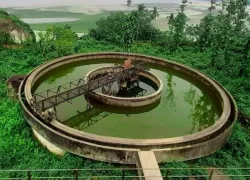
Hulukanda Hill is one of the most prominent and historically important hills located in Goalpara district of Assam. Rising gracefully above the surrounding plains, this hill is known for its natural beauty, ancient ruins, and strong connection to the region’s cultural past. Surrounded by greenery and offering wide views of the Brahmaputra valley, Hulukanda Hill attracts history lovers, nature enthusiasts, and travelers looking to explore lesser-known destinations in Assam. The hill stands as a silent witness to the rich historical and religious traditions of Goalpara. Why Hulukanda Hill is Famous in Goalpara, Assam Hulukanda Hill is famous for its archaeological and historical significance. The hill is believed to have been an important center during ancient and medieval times, with ruins and remnants of old structures scattered around the area. These remains indicate that Hulukanda Hill may have once served as a fortification or religious center. The hill is also popular for its peaceful atmosphere, scenic surroundings, and panoramic views, making it a favored spot for local visitors and explorers interested in Assam’s hidden heritage. History of Hulukanda Hill The history of Hulukanda Hill dates back several centuries and is closely associated with the ancient kingdoms that once ruled the Goalpara region. Historical records and local legends suggest that the hill was an important settlement or defensive site due to its strategic elevation. The presence of stone ruins, foundations, and scattered artifacts point toward human activity during early periods. Some historians believe that Hulukanda Hill may have been connected to the rule of the Koch dynasty or other regional powers that dominated western Assam. Over time, the site lost its political importance, and nature gradually reclaimed much of the area. However, the historical essence of the hill still remains visible through its ruins and folklore passed down by local communities. Architecture and Structural Remains of Hulukanda Hill Unlike modern tourist spots, Hulukanda Hill does not feature well-preserved monuments. Instead, its architectural significance lies in the scattered ruins found on and around the hill. These include stone blocks, remnants of walls, and foundations that hint at ancient structures such as temples, watchtowers, or small forts. The construction style appears to be simple and functional, using locally available stone and materials. The ruins blend naturally with the landscape, adding a mysterious charm to the hill. Although time and weather have worn down most of the structures, the remaining elements offer valuable insight into early architectural practices in the Goalpara region. How to Reach Hulukanda Hill, Goalpara, Assam Hulukanda Hill is easily accessible from Goalpara town through a combination of road and local transport. By Road: Goalpara is well connected to Guwahati and other major towns in Assam by road. From Goalpara town, Hulukanda Hill is located at a short distance and can be reached by taxi, auto-rickshaw, or private vehicle. The approach road passes through scenic rural areas. By Rail: The nearest railway station is Goalpara Town Railway Station. From the station, visitors can hire local transport to reach the hill. By Air: The nearest airport is Lokpriya Gopinath Bordoloi International Airport in Guwahati. From Guwahati, travelers can reach Goalpara by road or train and then continue to Hulukanda Hill. Weather and Best Time to Visit Hulukanda Hill The climate around Hulukanda Hill is typical of Assam, with moderate to high humidity. Summer (March to June): Summers can be warm, with temperatures ranging between 25°C and 35°C. Visiting during early morning or late afternoon is advisable. Monsoon (July to September): Monsoon brings heavy rainfall, making the surroundings lush and green. However, paths may become slippery, so visitors should be cautious. Winter (October to February): Winter is the best time to visit Hulukanda Hill. The weather is cool and pleasant, ideal for walking, sightseeing, and photography. Timings of Hulukanda Hill Hulukanda Hill is an open site and can be visited from morning to evening, generally between 6:00 AM and 6:00 PM. It is recommended to visit during daylight hours to explore the ruins safely and enjoy the surrounding views. Entry and Visit Details of Hulukanda Hill There is no entry fee to visit Hulukanda Hill. The site is freely accessible to visitors throughout the year. Since it is not a formally maintained tourist complex, visitors are advised to be careful while exploring the ruins and natural trails. No official guides are available, but local residents can often share stories and information about the hill’s history. Things to Do at Hulukanda Hill Explore Historical Ruins: Walk around the hill to observe ancient stone remains and foundations. Nature Walks: Enjoy peaceful walks amidst greenery and fresh air. Photography: Capture scenic landscapes, ruins, and views of the surrounding plains. Picnic Spot: The calm environment makes it suitable for small picnics with family or friends. Local Exploration: Interact with nearby villagers to learn about local legends and traditions associated with the hill. Interesting Facts about Hulukanda Hill Hulukanda Hill is considered one of the historically significant sites in Goalpara district. The hill contains scattered ruins that suggest ancient human settlement or fortification. It offers panoramic views of the surrounding countryside and nearby river plains. The site remains largely untouched by modern development. Local folklore adds to the mystery and cultural importance of the hill. Travel Tips for Visiting Hulukanda Hill Wear comfortable shoes suitable for uneven terrain. Carry water and basic essentials, as facilities are limited. Avoid visiting during heavy rains due to slippery paths. Respect the historical site and avoid damaging ruins. Keep the area clean and take back all waste. Conclusion Hulukanda Hill in Goalpara, Assam, is a fascinating destination for those interested in history, archaeology, and nature. With its ancient ruins, scenic views, and peaceful surroundings, the hill offers a quiet escape from crowded tourist spots. Visiting Hulukanda Hill provides a deeper understanding of Goalpara’s rich past while allowing travelers to enjoy the untouched beauty of Assam’s landscape.
Explore More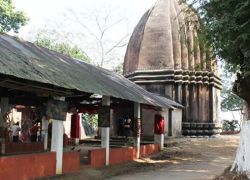
Hatimura Hill is a lesser-known yet beautiful natural attraction located in Nagaon district of Assam. Surrounded by greenery, small forest patches, and a calm rural atmosphere, Hatimura Hill is an ideal destination for travelers looking for peace, scenic views, and a break from crowded tourist spots. Though not as famous as Kaziranga or Batadrava Than, Hatimura Hill holds local importance and is gradually gaining attention among nature lovers, photographers, and weekend travelers. The hill offers a gentle elevation rather than a steep climb, making it suitable for visitors of all age groups. From the top, one can enjoy panoramic views of nearby villages, agricultural fields, and the natural landscape that reflects the true essence of rural Assam. Why Hatimura Hill Is Famous in Nagaon, Assam Hatimura Hill is famous mainly for its natural beauty and peaceful surroundings. Unlike crowded tourist destinations, this hill remains calm and untouched, making it a perfect spot for relaxation, short hikes, and nature walks. Local people often visit Hatimura Hill for picnics, morning walks, and spiritual solitude. The hill is also known for its scenic sunrise and sunset views. During early mornings and late afternoons, the landscape appears especially beautiful, with soft sunlight spreading over green fields and distant tree lines. For photographers and nature enthusiasts, Hatimura Hill provides excellent opportunities to capture Assam’s rural charm. History of Hatimura Hill, Nagaon Hatimura Hill does not have a well-documented ancient history like major religious or archaeological sites of Assam. However, it has been part of the local landscape for centuries and holds significance in local folklore and village traditions. The name “Hatimura” is believed to be derived from local dialects, possibly linked to ancient village settlements or natural features of the area. Over the years, Hatimura Hill has served as a natural lookout point for nearby villages. It has also been used as a resting and observation area by locals, especially farmers and travelers moving between villages. Today, the hill remains a symbol of natural heritage rather than historical architecture. Architecture and Natural Features of Hatimura Hill Hatimura Hill does not have man-made architectural structures such as temples or monuments. Its main attraction lies in its natural formation. The hill is covered with grass, shrubs, and scattered trees that support local birdlife and small animals. The terrain is gentle, with natural walking paths created by locals over time. The absence of concrete structures adds to its raw and untouched beauty. From the top, visitors can see farmlands, water bodies during monsoon, and small village clusters, offering a beautiful contrast between human settlement and nature. How to Reach Hatimura Hill, Nagaon, Assam Hatimura Hill is easily accessible from Nagaon town and nearby areas. By Road: Hatimura Hill is located a short distance from Nagaon town. Visitors can reach the area by private vehicle, taxi, or local transport. The last stretch may require a short walk depending on the access road. By Rail: The nearest railway station is Nagaon Railway Station. From there, visitors can hire a taxi or auto-rickshaw to reach Hatimura Hill. By Air: The nearest airport is Lokpriya Gopinath Bordoloi International Airport, Guwahati, about 130–140 km away. From Guwahati, travelers can reach Nagaon by road or train and continue to Hatimura Hill. Weather and Best Time to Visit Hatimura Hill Hatimura Hill experiences a pleasant climate typical of central Assam. Summer (March to June): Summers are warm and humid, with temperatures ranging between 25°C and 35°C. Early morning and evening visits are recommended. Monsoon (July to September): The hill becomes lush green during monsoon, making it visually appealing. However, paths may be slippery due to rain. Winter (October to February): Winter is the best time to visit Hatimura Hill, with cool temperatures and clear views ideal for sightseeing and outdoor activities. Timings of Hatimura Hill Hatimura Hill is open throughout the day as it is a natural site. However, it is advisable to visit between 6:00 AM and 6:00 PM. Early mornings and late afternoons are the most pleasant times for exploration. Entry and Visit Details of Hatimura Hill There is no entry fee to visit Hatimura Hill. As it is an open natural area, visitors are free to explore while respecting the environment. There are no ticket counters or formal entry gates. Visitors should avoid visiting after sunset as there are no lighting facilities or security arrangements on the hill. Things to Do at Hatimura Hill Nature Walks: Enjoy peaceful walks along the natural trails. Photography: Capture scenic views, sunrise, sunset, and rural landscapes. Picnics: A good spot for short picnics with friends and family. Bird Watching: Spot local birds in the surrounding trees and fields. Relaxation: Spend quiet time away from city noise. Interesting Facts about Hatimura Hill Hatimura Hill is one of the lesser-explored natural spots in Nagaon. The hill offers wide views of surrounding villages and farmlands. It remains mostly untouched by commercial tourism. The area reflects authentic rural Assamese lifestyle. Locals often visit the hill for morning walks and relaxation. Tips for Visiting Hatimura Hill, Nagaon Wear comfortable walking shoes. Carry drinking water and snacks, as no shops are nearby. Avoid visiting during heavy rain. Do not litter and help keep the area clean. Visit during daylight hours for safety. Conclusion Hatimura Hill in Nagaon, Assam, is a hidden gem for travelers who appreciate natural beauty and peaceful surroundings. Though simple and undeveloped, its charm lies in its untouched landscape and calm atmosphere. A visit to Hatimura Hill offers a refreshing experience and a chance to connect with nature while exploring one of Nagaon’s quiet yet beautiful destinations.
Explore More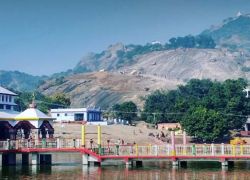
Mandar Hills is a popular travel destination in Bihar. It is a beautiful hill range in Bhagalpur with a height of 700 feet. Blessed with mesmerizing surroundings, this hill range adds more charm to the beauty of Bhagalpur. Many tourists visit this hill range on a huge scale. Not only its visual beauty but its historical significance also attracts the tourists. Why Is It Famous? The popularity of Mandar Hills goes back to the ancient times. It has its name mentioned in the Vedas. According to Vedas, this mountain was used for churning the ocean by the demons and demi-gods. There are 2 temples built at top Mandar Hills. They are Hindu and Jain temples respectively and people visit these temples on a huge scale. A pond exists close to this holy mountain and is known by the name of Paapharni. By taking a dip in this pond, one can get rid of the sins of the life. Best Time To Visit:- Many people visit Mandar Hill on a huge scale for adventure and religious purposes. Excluding the monsoons, every season is perfect for visiting Mandar Hill. Watch Out! Do not miss the activity of trekking when you visit this place. Reaching atop the hill provides a mesmerizing view of the entire nearby region of Bhagalpur and Paapharni pond. Reaching There:- The flights, broad gauge trains, and state-run buses are the best modes for reaching Bhagalpur easily. Various travelers prefer these modes to reach the city. Nearest Railway Station:- Bhagalpur Railway Station Nearest Airport:- Patna Airport
Explore More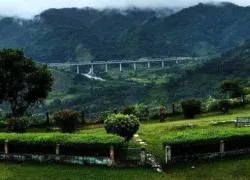
Maibong is a picturesque town in the Indian state of Assam. It lies in a hilly region of the state and has beautiful green hillocks everywhere. The mighty Himalayas overlook this town which is a home to the mesmerizing waterfalls, landscapes, and historical relics. In the previous times, Maibong was the capital of the Kachri dynasty. Apart from the Kachri dynasty, Maibong was also ruled by the Dimacha dynasty during the medieval era. It Is Known For:- 1) Maibong town served as a capital for 2 dynasties in different eras. It was ruled by Kachris and Dimachas 2) This town is blessed with the beauty of nature in abundance. There are so many green hills around it that are overlooked by the misty Himalayas 3) The famous shrine of Ramchandi stands in Maibong. Many pilgrims visit the temple on a huge scale 4) Maibong is known for its natural beauty and serves as a perfect recreational site 5) You can experience the thrill of trekking, hill climbing, and camping at Maibong Best Time To Visit:- Maibong invites the tourists and visitors on a huge scale. People often visit this place, especially on weekends. The trekkers and campers also flock to Maibong for experiencing the thrill. The best time for enjoying at Maibong is between September-December. Watch Out! Maibong is a beautiful place and extremely tidy. No one dumps any garbage or leaves behind the leftovers. Thus, you should abide by the rules and do not litter the terrains of Maibong. Reaching There:- Tourists can visit Maibong via roadways, railways, and airways. There are many state-run buses, broad gauge trains, and flights that are available from all over Assam. You can travel within Maibong via local transit and bullock cart. Nearest Railway Station - Lamding Railway Station Nearest Airport - Guwahati airport
Explore More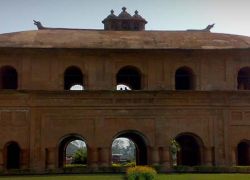
Charaideo needs no special introduction. It is a remarkable and must-see travel destination in Assam. It has a great historical significance that makes it an interesting destination. It served as the first ever capital of the Ahom dynasty. The first Ahom King, Chao Lung, laid the foundation of this city in the early 12th century. Many tourists from different parts of Assam visit this place. Why Is It Famous? Charaideo is famous because of its historical significance. It was the first capital of the Ahoms. As the empire expanded, the kings shifted their capitals but Charaideo remained an iconic center. It is a beautiful place with a serene ambiance and lush green vegetation. The tombs and cenotaphs of all the Ahom royal families are located here. It also includes the temples of the Ahom Gods. There are many graves in Charaideo but only 30 are protected by the ASI. The unprotected ones are damaged and are undergoing restoration. Best Time To Visit: Charaideo attracts the visitors on a huge scale. Every day, many tourists and locals visit this place alike. Not only as a travel destination but people visit this place as a recreational spot. The serene ambiance of Charaideo is enough to provide some mental calmness. Watch Out! Littering is a punishable offense at Charaideo. This place is listed among the heritage sites in Assam and no one is allowed to create a mess in any manner. So, use the waste-bins for dumping the trash. Reaching There: Sivasagar is the nearest city to Charaideo. People can reach here via state-run buses, broad gauge trains, and flights due to its wider connectivity in Assam. One can travel within Sivasagar via local transit. Nearest Railway Station - Sivasagar Town Railway Station Nearest Airport - Jorhat Airport
Explore MoreHaridwar Mussoorie Jim Corbett Nainital Tour From Delhi 6 Night 7 Days
7 Days/ 6 Night
Mussoorie - Haridwar - Nainital - Corbett
3 Nights - 4 Days Sikkim Tour Package
4 Days/ 3 Night
Gangtok
5 Days Captivating Kerala Tour Package
5 Days/ 4 Night
Thekkady - Alleppey - Munnar
Andamans Blue 5N - 6D Tour
6 Days/ 5 Night
Port Blair - Neil Island - Havelock
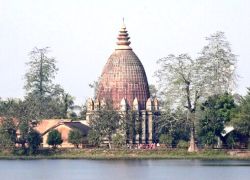
Gaurisagar Tank is a renowned tourist attraction in Assam. It is located 12 km from Sivasagar town and was constructed 200 years ago. The tank is huge and 3 temples of the Hindu Goddess Durga stand near it. The main temple enshrines Goddess Durga, whereas, the other temples enshrine her other forms. Queen Phuleshwari Devi was the reigning queen during that time. She was a devoted follower of Sakta Hinduism and tried to make it the state religion.It Is Known For:- Gaurisagar Tank is a spiritual destination in Sivasagar- The temples enshrining Goddess Durga and her forms stand near this tank- This water tank was constructed on the orders of Queen Phuleshwari Devi, the avid follower of Shaktism- The other side of Gauri Sagar Tank has temples of Lord Shiva & Lord Vishnu. Many devotees pay a visit there on a daily basisBest Time To Visit:Gaurisagar Tank never discriminates between the pilgrims and tourists. Everybody visits this religious cum tourist site on a daily basis. The best time for visiting Gaurisagar Tank is on the occasion of Bihu and Navaratri.Watch Out!No animal sacrifice is allowed in any of the three temples near Gaurisagar Tank. The gruesome practice has been stopped permanently after Moamaria rebellion. Make sure no one tries to trick you into such acts.During Bihu and Navaratri, the area around this tank is decorated beautifully. Different stalls for food and other handmade products like baskets and toys etc. are set up. Do not forget visiting the local marketplace and purchasing souvenirs. Reaching There:Sivasagar is the closest township to Gaurisagar Tank. Since this city has a wide connectivity to the major highways, railways, and airways, people can reach there easily. The state-run buses, broad gauge trains, and flights are the apt modes for reaching Sivasagar.Nearest Railway Station - Sivasagar Town Railway StationNearest Airport - Jorhat Airport
Explore More
Lal Jhamela Basti is a famous tourist spot that rests in the quaint corner of Dooars, West Bengal. It is a beautiful place that is dotted with towering trees and a vast carpet of the green grass. Such a location of this tourist attraction makes it stand among the places where one can succumb to nature. It serves as a perfect weekend getaway for many visitors. It Is Known For:-1) Lal Jhamela Basti is known for its tantalizing surroundings that have a serene ambiance2) It is an ideal destination for spending a weekend and rejuvenating the tired limbs2) The River Diana flows through this enchanting place that makes it look even appealing3) One can also witness the view of the murky hills of Bhutan5) The nearby forests in Lal Jhamela Basti provide shelter to the herds of deer and elephant. They are frequently spotted by tourists Best Time To Visit:-The best time to visit Lal Jhamela Basti is during the months of October-February. It is the period when the weather is appropriate for relishing the outdoor activities like camping, trekking, bird watching etc. in the nearby woods. One can also experience the fun of boating in the River Diana. Prior the visit, one should inquire about the availability of the accommodations like a hotel, motel or a resort etc. Reaching There:-Lal Jhamela Basti is a well-known tourist spot and is visited extensively. It can be reached without any hassle by hiring the service of the local buses and cabs. Nearest Railway Station- Siliguri Junction/ Jalpaiguri JunctionNearest Airport- Bagdogra Airport
Explore More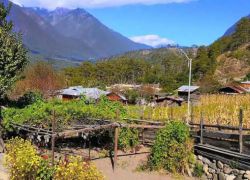
Dong Valley is one of the most unique and fascinating destinations in Arunachal Pradesh, located in the Lohit district near the India–China–Myanmar tri-junction. This remote valley is widely known for being among the first places in India to witness the sunrise every day. Surrounded by rugged mountains, pristine rivers, and untouched natural landscapes, Dong Valley offers a rare blend of adventure, geography, and raw natural beauty. The valley lies at the confluence of the Lohit River and the Sati River, making it not only scenic but also geographically significant. Due to its remote location and limited accessibility, Dong Valley remains largely unexplored, attracting adventure lovers, trekkers, photographers, and travelers who seek offbeat destinations away from crowded tourist spots. History and Significance of Dong Valley Dong Valley holds historical and strategic importance because of its proximity to international borders. The area gained prominence after the 1962 Indo-China war, as it lies close to sensitive border regions. Over time, Dong Valley became known for its unique geographical position rather than historical monuments or ancient structures. The valley is inhabited by local tribal communities who have lived in harmony with nature for generations. Their traditional lifestyle, dependence on rivers, and close connection with the surrounding landscape add cultural depth to the region. Dong Valley today stands as a symbol of India’s easternmost frontier and natural heritage. Natural Architecture and Landscape Dong Valley does not feature man-made architecture in the conventional sense. Its true architecture is entirely natural. Towering hills, deep valleys, flowing rivers, and dense forests shape the terrain. The dramatic landscape offers panoramic views of snow-fed rivers and rugged mountain slopes. The confluence of rivers creates stunning visuals, especially during sunrise and sunset. The untouched terrain, rocky paths, and forest trails give Dong Valley a raw and adventurous character, making it ideal for trekkers and explorers. Why Dong Valley is Famous Dong Valley is famous for several unique reasons that set it apart from other destinations in Arunachal Pradesh: One of the first places in India to see the sunrise Located near the India–China–Myanmar tri-junction Confluence of Lohit and Sati rivers Remote, untouched natural beauty Popular among adventure seekers and trekkers The experience of witnessing the first rays of sunlight over the valley is the biggest attraction for visitors, making Dong Valley a truly special destination. How to Reach Dong Valley, Lohit Reaching Dong Valley requires careful planning due to its remote location, but the journey is highly rewarding. By Air The nearest airport is Lilabari Airport in Assam, located around 150–160 km away. The airport is connected to Guwahati and other major cities. From Lilabari, travelers can hire taxis to reach Tezu and then continue by road toward Walong. By Train Tinsukia Railway Station in Assam is the nearest major railhead, approximately 120 km from Dong Valley. From Tinsukia, taxis and shared vehicles are available to reach Walong via Tezu. By Road Dong Valley is accessible by road up to Walong town. From Walong, visitors need to trek approximately 4–5 km to reach Dong Valley. The trek passes through forest trails and hilly terrain, offering scenic views along the way. Local guides are highly recommended for this route. Weather and Best Time to Visit The weather in Dong Valley varies with seasons due to its mountainous terrain. Summer (March to June): Pleasant weather with temperatures between 15°C and 25°C Monsoon (July to September): Heavy rainfall, slippery trails, and difficult trekking conditions Winter (October to February): Cold temperatures ranging from 5°C to 15°C, with chilly mornings The best time to visit Dong Valley is from October to April, when weather conditions are stable and trekking is safer. Dong Valley Timings Dong Valley does not have fixed opening or closing timings, as it is a natural destination. However, sunrise viewing requires early morning visits. Best Time for Sunrise: Early morning (around 4:30 AM – 5:30 AM, depending on season) Recommended Visit Hours: Daylight hours only Entry and Visit Details There is no official entry fee to visit Dong Valley. However, visitors may require inner line permits (ILP) to enter Arunachal Pradesh, which can be obtained online or from designated offices. Hiring a local guide or porter from Walong is strongly advised for safety and navigation. During certain periods, army or local authorities may regulate access for security reasons. Things to Do at Dong Valley Dong Valley offers unique activities focused on nature and adventure: Witness the first sunrise in India Trekking from Walong to Dong Valley Nature photography and landscape photography Explore river confluences and mountain trails Interact with local communities in nearby villages Interesting Facts about Dong Valley Dong Valley is located near India’s easternmost border region The valley lies at the meeting point of two rivers It is one of the least populated tourist areas in Arunachal Pradesh Sunrise here occurs earlier than most places in India Tips for Visitors To make your visit safe and enjoyable, consider the following tips: Carry warm clothing, especially for early morning sunrise visits Hire an experienced local guide for trekking Carry sufficient water, food, and basic medical supplies Avoid visiting during monsoon season Respect local customs and sensitive border regulations Conclusion Dong Valley in Lohit district is a destination like no other in India. Its remote location, breathtaking landscapes, and the rare opportunity to witness one of the earliest sunrises in the country make it a truly unforgettable experience. Ideal for adventure lovers and offbeat travelers, Dong Valley offers a raw and authentic glimpse into Arunachal Pradesh’s frontier beauty and geographical significance.
Explore More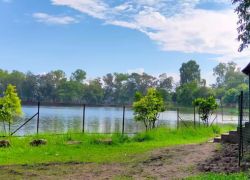
Settled away from the polluted cities, Dhekijauli is a quaint town in Tezpur, Assam. It is a town that is famous for producing litchis. There are numerous litchi farms in this small town where many litchi farms exist. Apart from this, Shaheed Nagri is another nickname given to Dhekijauli because it is also the soil where many martyrs laid their lives during the freedom struggle. Why Is It Famous?1) Dhekijauli is famous for its litchi farms.2) There are many tea gardens located in the town as well. The tea leaves, on a huge scale, are supplied to many parts of India from Dhekijauli.3) Dhekijauli is renowned for its craftsmanship as well. Best Time To Visit:-The best time for visiting Dhekijauli is throughout the year. During extreme winters, the elevated areas may witness snowfall. Summer is the time when the weather remains moderately hot throughout the day but cools down at night. Nearest Railway Station - Tezpur Railway StationNearest Airport - Tezpur Airport
Explore More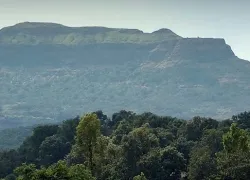
Amba Ghat is an enchanting mountain pass that lies on the highway that connects Kolhapur and Ratnagiri. It is an extension of the Sahyadri ranges that is covered with a canopy of the lush green vegetation. Passing through the green surroundings at a height of 2000 feet above the sea level is an experience which is beyond description.It Is Known For:-1) Amba Ghat is known for its visual appeal.2) It pleases the tired eyes immediately and has emerged as a prominent site for clicking pictures. While passing through this highway road, one can see many passer-byes clicking pictures.3) This place looks even appealing to eyes when the rains wash away the tiresome layer and refreshes the leaves.4) Sipping a cup of tea at the dhabas located nearby shouldn’t be missed.Best Time To Visit:-Amba Ghat never disappoints its visitors. Due to its location at a great height, the vehicles pass through this place throughout the year. Also, the weather remains pleasantly cool throughout the year as it is adorned with the greenery on both sides. Thus, it can be visited during any season of the year.Enjoying the rainfall at this site is a blissful experience. The fragrance of the wet soil makes weather cooler as the first drop mingles with the earth’s soil.Reaching There:-Amba Ghat is well-connected via all roads as it is a major highway. It can be accessed at any time simply by a bus, taxi, or a car.Nearest Railway Station:- Kolhapur Railway StationNearest Airport:- Kolhapur Airport
Explore More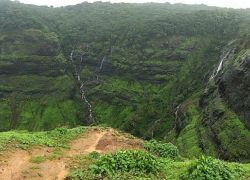
A dainty hill-station tucked away amidst the mountain tops of the great Sahyadri ranges, Matheran is listed amongst the must-visit places for all the nature and bird lovers. The Echo Point, Matheran has garnered immense popularity for its nature’s bounty and breath-taking scenery and real-life physics lesson illustrations through echo acoustics. Centred by the verdant green stretches and loose clouds dressing up the place in white, the Echo Point is the best viewpoint to witness the hypnotizing views of the Western Ghats and indulge in the exciting echoes and reverberations. This is where, the viewpoint derives its name. Thanks to its location at the hilltop, the place is a haven for adrenaline junkies, which offers a plethora of engaging adventure sports. An eco-friendly hill-station, the Echo Point boasts of being one of the few automobile-free spots and is said to echo in the same manner as the ancient years, irrespective of nature’s erosions and man-made developments. Traveller Tips that Might Be Helpful • Get offline maps installed in your smartphones, as it might be helpful. • The Echo Point, Matheran is a 40 minutes’ walk from the main market. • You can book a horse ride to reach the Echo Point, to help save yourselves from the walk. Though the trees on both the sides of the Echo-Point helps you save from the • The zip-lining is offered to cross the valley, by the local tour agencies and operators throughout the tourist season. • The trekkers usually board the State Transport bus from Panvel to travel to Dodhani, from where the sunset point of Matheran is just an hour trek. This trek is mostly taken up during the monsoons, to enjoy the rich forest area that carpets the trekking route, the sparkling streams, and verdant green trees. Things to Do at the Echo Point • The Echo Point, Matheran offers magnificent views of the lakes and the hills. • The viewpoint is famous as one of the most frequented sightseeing spots in Matheran, where you can enjoy capturing the beautiful sunset and sunrise shots through your lenses. • You can indulge in an adrenaline rush, by choosing to cross the valley by zip-lining. • Masala Chai being sold by almost all the vendors present there is one of the few specialties of the place that you must indulge in. • A nice viewpoint to treat your sore eyes to the riveting water-falls. Besides, the hills surrounding the place are responsible for the reverberation. Availability The place is opened between sunrise and sunset. And, it requires about a couple of hours to take a tour around the place. History of Echo Point Matheran was first explored in the 1850s by Hugh Poyntz Malet followed by the then Thane’s district collector, who while camping across the Village Chowk and quenching his thirst from the spring, unveiled and discovered the spellbinding hill station. The development foundation as a future hill station was however laid by the then Governor of Mumbai- Lord Elphinstone. The development of Matheran and Echo Point by the Britishers were mainly to brave the summer heat in the area, and to become as one of the most favourite hanging spots Architectural Specialties of Echo Point, Matheran The architecture all around Matheran is characterized by restored furnishings and quaint corners, some of them hinting at the Parsi culture. The Echo-Point on the other hand boasts of colonial quality and special heritage. You can expect flawless colonial style in the churches found all around in Matheran with the holy cross in the windows and pinched arches. The colonial charm of Matheran oozes through its famous toy train, narrow lanes, and gigantic mansions. Festivals Celebrated Almost all the Hindu and Muslim festivals are thoroughly enjoyed and celebrated with sheer magnificence and grandeur like the Makar Sankranti and Republic that is celebrated in January, Gudi Padwa in April, followed by Christmas and New Year. However, Ganesh Chaturthi is one of the most significant and important festivals that is celebrated here in August or September. Popular Culture The Marathi culture is strikingly dominant all-around Matheran and amidst the lifestyle of the Matheran residents. The food served and sold at Echo point, Matheran is from the two flavoursome cuisines of Gujarat and Maharashtra. The most famous food that is savoured in the stall of Echo Point and all around Matheran is Vada Pav with delicious garlic chutney. The other food items found in the stalls and sold by the vendors along the route of Echo Point, Matheran are jalebi, usual, and missal. Best Time to Visit the Echo Point The Echo Point, Matheran comes alive with the free-flowing waterfalls descending the hills, making it a sight to behold for the tourists during the monsoons. No wonder, why the best time to visit the place is from July to February. You can be part of nature’s precious bounty and flawless beauty. However, the best is also best explored from March to May and between September to December, when there are no showers. How to Reach Echo Point? Matheran boasts of good connectivity to the cities nearby like Pune and Mumbai through a dense roadway network, and you can reach Echo Point at ease, by either booking a taxi or a rickshaw. The distance between the Matheran railway station and Echo Point is 2.5 kilometres. Interesting Facts and Trivia About the Echo Point • You can witness the Prabalgad and West Valley with a visible V-shaped notch. • On a clear sky day, you can marvel at the HPCL Marol of Mumbai Chimney followed by the Tromboy hills, besides the building outlines in Sewri without the help of binoculars. • The last lap of the Echo Point path is a bit risky, courtesy to the 1000 feet valley on of the sides. • It is the only hill-station that could successfully ban motor vehicles, thus deriving the title- eco-sensitive zone of Maharashtra where there is no trace of pollution. • You can marvel at the Sahyadri mountain ranges from here. Frequently Asked Questions on Echo point Q1) When is the Best Time to Visit Echo Point? The perfect time to visit Echo Point, Matheran is during the weekends. Q2) What are the popular hotels near Echo Point? Few of the popular hotels nearby Echo Point are the • TY Cecil Hotel • Regal Hotel • Khan’s Park View Resort Matheran • Diwadkars • Modi’s Resort Karjat • Alexander Heritage and Rainforest Resort
Explore More