"Experience spiritual serenity at this sacred site."
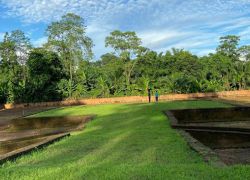
Parshuram Kund is one of the most sacred pilgrimage destinations in Arunachal Pradesh and an important religious site for Hindus across India. Located in the Lohit district, this holy spot lies on the banks of the mighty Lohit River, a major tributary of the Brahmaputra. Surrounded by dense forests, hills, and flowing river waters, Parshuram Kund combines deep spiritual significance with breathtaking natural beauty.
Every year, thousands of devotees and tourists visit Parshuram Kund to take a holy dip, especially during the festival of Makar Sankranti. Apart from its religious importance, the place attracts nature lovers, photographers, and travelers seeking peaceful surroundings in eastern Arunachal Pradesh.
History of Parshuram Kund
The history of Parshuram Kund is deeply rooted in Hindu mythology. According to legend, Sage Parashurama, the sixth incarnation of Lord Vishnu, came to this place to atone for the sin of killing his mother under his father’s command. It is believed that after bathing in the waters of the Lohit River at this spot, Parashurama was absolved of his sins.
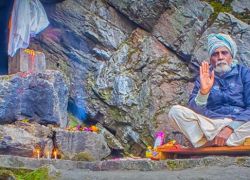
Because of this belief, Parshuram Kund became a revered pilgrimage site, where devotees believe that bathing in the river cleanses them of sins and brings spiritual purification. Over centuries, the site has remained an important religious center, especially for pilgrims from Arunachal Pradesh, Assam, and other northeastern states.
Architecture and Site Layout
Parshuram Kund does not have grand temple architecture like many other pilgrimage centers. Instead, its spiritual charm lies in its natural setting. The main attraction is the riverbank area where pilgrims gather for ritual bathing.
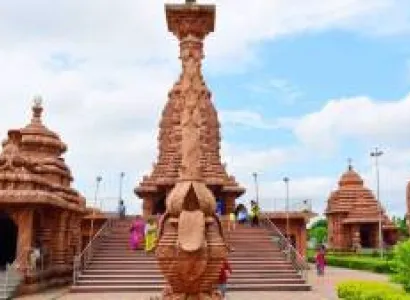
Simple temples, stone steps, and pathways have been developed around the kund to facilitate pilgrims. Small shrines dedicated to Lord Parashurama and other Hindu deities are located nearby. The surrounding landscape of hills, forests, and flowing river creates a serene and sacred atmosphere that enhances the spiritual experience.
Why Parshuram Kund is Famous
Parshuram Kund is famous for several religious and natural reasons:
How to Reach Parshuram Kund, Lohit
Parshuram Kund is accessible through road, rail, and air routes via nearby towns and cities.
By Air
The nearest airport is Lilabari Airport in Assam, located about 120–130 km away. The airport is connected to major cities like Guwahati and Kolkata. From the airport, taxis and shared vehicles are available to reach Parshuram Kund.
By Train
The nearest railway station is Tinsukia Railway Station in Assam, approximately 90 km from Parshuram Kund. Tinsukia is well connected to major Indian cities. From there, travelers can hire taxis or use local transport to reach the site.
By Road
Parshuram Kund is well connected by road to Tezu, Tinsukia, and other nearby towns. Regular buses and taxis operate from Tezu and Assam towns. The final stretch involves hilly roads, offering scenic views of forests and river valleys.
Weather and Best Time to Visit
The climate around Parshuram Kund varies with the seasons:
The best time to visit Parshuram Kund is from October to April. The most significant time is during Makar Sankranti (January), when large religious gatherings take place.
Parshuram Kund Timings
Parshuram Kund is generally open throughout the day as it is a natural religious site. However, ritual bathing usually takes place during daylight hours.
Entry and Visit Details
There is no official entry fee to visit Parshuram Kund. The site is open to pilgrims and tourists free of charge.
During festivals, local authorities may regulate crowd movement and provide temporary facilities such as shelters, drinking water, medical aid, and security services. Donations at nearby temples are optional.
Things to Do at Parshuram Kund
Visitors can engage in both religious and leisure activities at Parshuram Kund:
Interesting Facts about Parshuram Kund
Tips for Visitors
To ensure a safe and pleasant visit, keep the following tips in mind:
Conclusion
Parshuram Kund in Lohit district is a unique blend of spirituality, mythology, and natural beauty. Whether you are a pilgrim seeking spiritual cleansing or a traveler exploring Arunachal Pradesh’s lesser-known destinations, Parshuram Kund offers a meaningful and memorable experience. With its sacred river, peaceful surroundings, and cultural importance, it stands as one of the most significant religious landmarks in northeastern India.