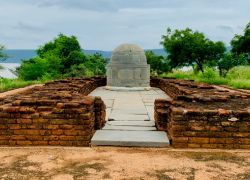
Nagarjunasagar and Nagarjunakonda are two closely connected yet distinct tourist destinations located in the Indian state of Andhra Pradesh, along the Krishna River. Together, they represent a rare combination of ancient Buddhist heritage, impressive archaeological discoveries, and one of India’s most remarkable engineering achievements. Surrounded by hills, forests, and a vast water reservoir, this region attracts history lovers, spiritual seekers, nature enthusiasts, and casual travelers alike. Named after the great Buddhist philosopher Acharya Nagarjuna, Nagarjunakonda was once a flourishing center of Buddhist learning, while Nagarjunasagar gained modern prominence with the construction of the massive Nagarjunasagar Dam. Visiting these places offers a journey through centuries, from ancient dynasties to modern India. History of Nagarjunasagar and Nagarjunakonda The history of Nagarjunakonda dates back to the early centuries of the Common Era, particularly between the 2nd century BCE and the 4th century CE. It was an important Buddhist center during the reign of the Ikshvaku dynasty. Several Buddhist monasteries, stupas, and universities thrived here, making it one of the most significant Buddhist sites in South India. Excavations carried out in the early 20th century revealed a wealth of sculptures, inscriptions, and architectural remains. When the Nagarjunasagar Dam project was initiated in the 1950s, much of ancient Nagarjunakonda was at risk of submergence. As a result, a large-scale archaeological relocation project was undertaken, and important monuments were shifted to an island that is now known as Nagarjunakonda Island. Architecture and Archaeological Significance The architectural remains at Nagarjunakonda reflect a strong Buddhist influence combined with elements of early South Indian design. Structures such as stupas, viharas, chaityas, and assembly halls were constructed using stone and brick. Many sculptures depict scenes from the life of Lord Buddha, Bodhisattvas, and symbols like the lotus and the wheel. The Nagarjunakonda Museum, located on the island, is an open-air museum where relocated monuments are carefully reconstructed. Visitors can see ancient pillars, carved panels, inscriptions in Brahmi script, and relics that provide insight into religious practices, education, and daily life in ancient times. Why Nagarjunasagar and Nagarjunakonda Are Famous Nagarjunasagar is famous for the Nagarjunasagar Dam, one of the largest masonry dams in the world. Built across the Krishna River, the dam plays a vital role in irrigation and hydroelectric power generation for Andhra Pradesh and neighboring regions. Nagarjunakonda is renowned as a major Buddhist archaeological site. It is considered one of the most important Buddhist centers in southern India and has contributed greatly to understanding the spread of Buddhism to other parts of Asia. How to Reach Nagarjunasagar By Air: The nearest major airport is Vijayawada Airport, located approximately 190 km away. Another convenient option is Hyderabad International Airport, about 160 km from Nagarjunasagar. From both airports, taxis and buses are available. By Train: The nearest railway stations are Macherla and Miryalaguda. These stations are connected to major cities like Hyderabad, Vijayawada, and Guntur. By Road: Nagarjunasagar is well connected by road to cities such as Guntur, Vijayawada, and Hyderabad. Regular buses operated by APSRTC and private operators make road travel convenient. Weather and Best Time to Visit Nagarjunasagar experiences a tropical climate. Summers, from March to June, are hot, with temperatures often reaching 40°C. The monsoon season, from July to September, brings moderate rainfall, enhancing the beauty of the reservoir and surrounding hills. The best time to visit Nagarjunasagar and Nagarjunakonda is from October to February, when the weather is pleasant and suitable for sightseeing and outdoor activities. Timings and Entry Details Nagarjunasagar Dam: Generally open from 9:00 AM to 6:00 PM. Timings may vary depending on water release and security regulations. Nagarjunakonda Museum: Open from 10:00 AM to 5:00 PM and usually closed on Fridays. Entry Fee: A nominal entry fee is charged for the museum. Separate charges apply for the boat ride to Nagarjunakonda Island. Fees may differ for adults, children, and foreign visitors. Things to Do at Nagarjunasagar and Nagarjunakonda One of the main activities is enjoying the scenic beauty of the Nagarjunasagar Dam and reservoir. Visitors can take a boat ride across the Krishna River to reach Nagarjunakonda Island, which itself is a memorable experience. History enthusiasts can explore the museum and ancient ruins, while photographers can capture stunning views of the dam, hills, and water bodies. Nearby temples and viewpoints offer peaceful spots for relaxation and spiritual reflection. Interesting Facts About Nagarjunasagar and Nagarjunakonda Nagarjunasagar Dam was completed in 1967 and remains a key irrigation project in southern India. Nagarjunakonda is one of the few sites in India where large-scale relocation of ancient monuments was successfully carried out. Artifacts found here suggest strong cultural and trade links between ancient India and Southeast Asian regions such as Sri Lanka and Indonesia. Travel Tips for Visitors Wear comfortable clothing and footwear, especially when exploring the museum and island. Carry sufficient drinking water, sunscreen, and hats during warmer months. It is advisable to check boat service timings in advance and plan your visit early in the day. Respect the archaeological sites by not touching or damaging monuments, and always follow safety guidelines during boat rides. Conclusion Nagarjunasagar and Nagarjunakonda in Andhra Pradesh offer a unique travel experience that blends ancient Buddhist heritage with modern engineering excellence. Whether you are a history lover, a spiritual seeker, or a nature enthusiast, these destinations promise an enriching and memorable journey through India’s cultural and historical landscape.
Explore More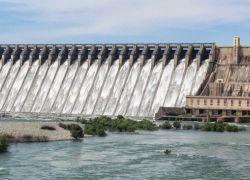
Nagarjunasagar Dam is a beautiful site of interest in the district of Nalgonda in Andhra Pradesh. This place is simply alluring because it is blessed with the enchanting and scenic surroundings where an individual can succumb to nature. It is visited by hundreds of people on a daily basis. The beauty of Nagarjunasagar calls the travelers from the different directions of the country. It Is Known For:-1) Nagarjunasagar is best-known for Nagarjunasagar Dam. It is an earthen dam that stands on the river Krishna and has a height of 490 feet from its foundation2) This dam is one of the earliest multi-purpose dams built in India. The main motive behind the construction of this dam was to generate the hydroelectricity and supply water for irrigation3) Due to its scenic surroundings, Nagarjunasagar Dam is a perfect place to spend a quality time away from the bustling cities. Many tourists arrive here and spend a jovial time. Best Time To Visit:-The best time to pay a visit to Nagarjunasagar Dam is throughout the year. However, one should avoid visiting the place during the daytime in summers due to the scorching temperatures. Tourists can enjoy boating in the reservoir created by this dam even during monsoons. Reaching There:-Nagarjunasagar Dam is a famous landmark in the district of Nalgonda. It has a well-established network of roadways as well as railways that make it easier for the travelers to reach the place. Frequent services of the local transit like the bus and cab are available that can be hired to reach Nagarjunasagar Dam. Nearest Railway Station- Nalgonda Railway StationNearest Airport- Vijayawada Airport
Explore More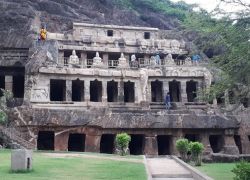
Nagarjunakonda Caves is a historical site in Andhra Pradesh. This place is known as one of the richest Buddhist sites in India. This place bears the name of Nagarjuna, a Buddhist saint that lived in the 2nd century. It is said that he was the one to spread Buddhism and activities related to it in the region. He also founded the Madhyamika School of Mahayana Buddhism. This place was ruled by the Ikshvaku dynasty for more than 150 years. Though this place is in a ruined state, it still attracts visitors on a huge scale. It Is Known For:- 1) The present-day ruined site of Nagarjunakonda was once a place where several educational institutions and Buddhist monasteries existed. Students from Bhutan, China, Gandhar, and Sri Lanka visited Nagarjunakonda to acquire knowledge about Buddhism 2) After the civilization of this region was abandoned due to devastation, the ruins became the storytellers. The carved pillars were discovered during excavations 3) Not only for the ruins of the Buddhist sites, Nagarjunakonda is also known for the nearby attractions like Ethipothala Falls, Nallamalla Hills, and Srisailam Wildlife Sanctuary Best Time To Visit:- The best time to visit Nagarjunakonda is between October-March. During these months, the temperatures do not shoot up and can cause discomfort while touring the place. Thus, it is recommended to choose a pleasant weather for visiting Nagarjunakonda. Watch Out! If you’re visiting these caves post-sunset, do not forget to carry flashlights and extra batteries. The nearby hilly region is the place where you can enjoy the activity of camping. But, make sure that you are carrying all the essentials including the first-aid kit. Nearest Railway Station - Nalgonda Railway StationNearest Airport - Vijayawada Airport
Explore More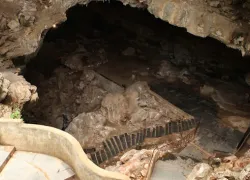
Borra Caves are a great point of interest in Visakhapatnam. These marvelous caves are found in the hills of Ananthagiri in Araku Valley. Borra Caves are listed among the largest caves in India and they are made up of Karstic Limestone. They have a depth of 260 that makes them the deepest caves in the country. According to the history, these caves were discovered in the early 18th century by William George from Geological Survey of India. It Is Known For:-1) Borra Caves are one of the largest caves in India2) Having a depth of 260 feet, they are tagged 'deepest caves in the country'3) An ancient rock Shivalinga that is claimed to be self-manifested was found by the shepherds when a cow slipped but remained unhurt4) Countless species of microorganisms are found in these caves5) Interestingly, the temperature inside Borra Caves remain 16°C-20°C throughout the year due to insufficient sunlight Best Time To Visit:-To visit and gaze at the natural rock formations inside Borra Caves, the appropriate time is during the months between January-March and August-November. During that time, the weather is perfect for exploring the caves and the nearby forests. The travelers need to carry extra food items as the food outlets are located far away. A flashlight is a must as there is no source of light inside the caves. Reaching There:-Since Borra Caves is located in a hilly region, reaching the place becomes a package full of fun. Travelers can reach the hills of Ananthagiri by hiring a jeep. After reaching the hilly area, a short trek can be relished to reach and explore Borra Caves. Nearest Railway Station- Vizag Railway StationNearest Airport- Visakhapatnam International Airport
Explore More
Submarine Museum is one of the key attractions located in Visakhapatnam. It is located on Ramakrishna Beach that is another destination for tourists. This museum is nothing else but a submarine that was commissioned in the Indian Navy and served for 31 years. People from distant places arrive at RK Beach to see this amazing submarine turned museum. It Is Known For:-1) The Submarine Museum is Asia's first and world's second submarine turned museum2) The submarine that stands on the beach was active and served in the Indian Navy for 31 years. It was named INS Kursura and was manufactured in Russia3) INS Kursura receives the 'Dressing Ship' honor from the Indian Navy despite being decommissioned. This honor is given only to the submarines that are active in the present-day scenario4) Visitors are allowed to enter the submarine and witness the amazing chambers including the deck and the engine room5) One can also gain knowledge about the functions of the submarine during the wartime and the hardships faced by the sailors as well Best Time To Visit:-The Submarine Museum is a place that can be visited at any time, keeping in mind with the time slot. This museum remains open on all days excluding the national holidays and festivals. One has to confirm about paying the fee prior the entry. Reaching There:-The Submarine Museum is a major landmark and is visited by a vast number of visitors. A well-established network of roadways makes it easier for the visitors to reach the place. It can be reached easily by the local buses, taxis, auto rickshaws etc. Nearest Railway Station- Visakhapatnam Railway StationNearest Airport- Visakhapatnam International Airport
Explore More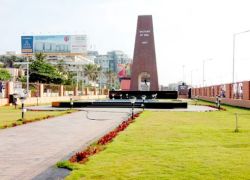
Honoring the army men is one of the greatest things that are followed in our country. Victory At Sea Memorial is a place that has honored the brave act of the Indian Army. This memorial was built in the year 1996 to commemorate the victory of the Indian Navy over Pakistan Navy in the war of 1971. This memorial is situated near R.K Beach and the Submarine Museum. It Is Known For:-1) The memorial is the sign of India's victory. The Indian Navy was successful to sank the battleships of Pakistan2) It is commemorated to pay a tribute to all the martyrs from the Indian Navy3) The celebration of the Indian Navy Day, Republic Day, and Independence Day Best Time To Visit:-Each day visited here is considered as best because it is a memorial dedicated to the real superheroes. Though people do not visit this place each day, the crowd at this place remains relatively less as compared to the other attractions in Visakhapatnam. The best time to visit Victory At Sea Memorial is during the celebration of the Indian Independence Day & Republic Day. Individuals should keep in mind that it is a sensitive area and no photography is allowed here. Reaching There:-Victory At Sea Memorial is easily accessible because it is located in the heart of the city. All the major roads provide a smooth access to this memorial. Visitors can hire the service of the local buses and taxis to reach Victory At Sea Memorial. Nearest Railway Station- Visakhapatnam JunctionNearest Airport- Visakhapatnam Airport
Explore More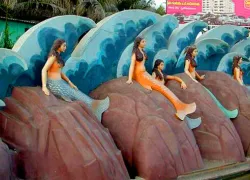
Matysadarshini Aquarium is one of the best places to kill boredom in Visakhapatnam. It is an aquarium that was set up in the year 1994 by the continuous efforts of Municipal Corporation of Visakhapatnam. It is a renowned destination to gather more information about the distinguished aqua fauna. It Is Known for:-1) It is a place where a variety of fishes can be seen. Some fishes like the butterfly fish, longhorn cowfish, surgeon major, lionfish, eel, electric ray etc. have been brought from foreign countries as well2) This place also decodes the myths related to the sea creatures like the mermaid, sea monster etc.3) The rare marine invertebrates can also be seen in the glass tanks Best Time To Visit:-Anytime throughout the year is the answer. Matsyadarshini Aquarium welcomes its guests all over the year. Tourists, especially foreigners, can be spotted at this aquarium. Even the schools prefer this aquarium for an educational excursion for students.One can also eat the snacks available in the cafeteria of this aquarium. Reaching There:-Matsyadarshini Aquarium has a well-established network of the roadways that connect it with the rest of the areas. The frequent bus services are available to reach the aquarium. After reaching the aquarium, one has to pay a fee of 20 INR for entering its premises. Nearest Railway Station- Visakhapatnam Railway StationNearest Airport- Visakhapatnam International Airport
Explore More
Welcome to the INS Kurusura Submarine Museum in Visakhapatnam, a unique tourist attraction that offers a fascinating glimpse into India's maritime history. The museum is housed within a real submarine, INS Kurusura, which served the Indian Navy for several years before being converted into a museum. Visitors to this museum can explore the inner workings of a submarine and learn about the life of naval officers who served on board. History of INS Kurusura Submarine Museum The INS Kurusura Submarine Museum has a rich historical background, showcasing the naval prowess of India. The submarine was in service from 1969 to 2001 and participated in various missions. It was eventually decommissioned and transformed into a museum to educate the public about the naval heritage of the country. The museum stands as a testament to India's maritime achievements and the dedication of its naval forces. Architecture and Natural Beauty of INS Kurusura Submarine Museum Surrounded by the azure waters of Visakhapatnam, the INS Kurusura Submarine Museum offers a unique blend of naval history and natural beauty. The museum is located in a picturesque coastal setting, allowing visitors to enjoy stunning views of the sea. The serene environment adds to the allure of exploring the submarine, making it a memorable experience for all. Why is INS Kurusura Submarine Museum Famous? The INS Kurusura Submarine Museum is renowned for being one of its kind in India. It attracts history buffs, maritime enthusiasts, and curious visitors who wish to delve into the world of submarines. The museum is particularly popular among school children, as it offers an educational experience unlike any other. Birdwatchers, photographers, and nature lovers also appreciate the museum's location by the sea, providing ample opportunities for birdwatching and photography. How to Reach INS Kurusura Submarine Museum Visakhapatnam is well-connected by air, rail, and road, making it easily accessible to visitors from across the country. The nearest airport is Visakhapatnam Airport, while Visakhapatnam Railway Station serves as a major railhead. From the city center, the museum is a short drive away and can be reached conveniently by taxi or private vehicle. Weather and Best Time to Visit INS Kurusura Submarine Museum Visakhapatnam experiences a tropical climate with hot summers, rainy monsoons, and mild winters. The best time to visit the INS Kurusura Submarine Museum is during the winter months from October to February when the weather is pleasant. Summer months from March to June can be hot and humid, while the monsoon season from July to September brings heavy rainfall. Timings of INS Kurusura Submarine Museum The museum is open to visitors on all days of the week from morning till evening. It is advisable to check for any seasonal variations in timings before planning your visit. The museum may have adjusted timings during special events or public holidays, so it is recommended to confirm the schedule in advance. Entry Fee and Visit Details Visitors can enter the museum by purchasing tickets at the entrance. Guided tours are available for those who wish to have a more informative experience. The museum also offers visitor facilities such as restrooms, souvenir shops, and a small cafeteria. Photography is allowed inside the museum, allowing visitors to capture their memories of exploring a real submarine. Things to Do at INS Kurusura Submarine Museum At the INS Kurusura Submarine Museum, visitors can engage in various activities such as learning about the submarine's history, exploring its interiors, and understanding the functioning of naval equipment. The museum provides a unique opportunity to witness life inside a submarine and gain insights into the challenges faced by naval personnel. Birdwatching along the coast and capturing picturesque views of the sea are popular activities among visitors. Interesting Facts About INS Kurusura Submarine Museum The INS Kurusura Submarine Museum is home to a diverse range of marine life, making it an ideal spot for nature enthusiasts. The museum's conservation efforts have helped preserve the submarine's integrity while promoting awareness about naval heritage. The museum has also received recognition for its educational programs and interactive exhibits, making it a must-visit destination in Visakhapatnam. Travel Tips for Visiting INS Kurusura Submarine Museum When visiting the INS Kurusura Submarine Museum, it is advisable to wear comfortable clothing and footwear suitable for walking through narrow passages. Photography enthusiasts should carry their cameras to capture the unique experience of exploring a submarine. It is recommended to visit during the winter months for pleasant weather and fewer crowds. Visitors are encouraged to follow all museum guidelines and practice responsible tourism during their visit. Conclusion The INS Kurusura Submarine Museum in Visakhapatnam offers a remarkable journey through India's naval history, combining education, entertainment, and natural beauty. Whether you are a history buff, nature lover, or photography enthusiast, the museum has something to offer for everyone. Plan your visit to the INS Kurusura Submarine Museum for an unforgettable experience that celebrates the maritime legacy of India.
Explore More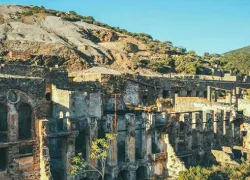
The Venkatagiri Fort is a historical monument located in the town of Venkatagiri in the Nellore district of Andhra Pradesh, India. This fort holds great significance as it has witnessed several battles and has been ruled by various dynasties over the centuries. The fort stands as a testament to the rich history and architectural brilliance of the region. Timings Of Venkatagiri Fort The Venkatagiri Fort is open to visitors on all days of the week from 9:00 AM to 5:00 PM. Entry Fee The entry fee for visiting the Venkatagiri Fort is INR 20 per person for Indian nationals and INR 100 per person for foreigners. Required Time And Restricted Items It takes about 1-2 hours to explore the Venkatagiri Fort. Visitors are not allowed to carry food items, plastic bags, and alcohol inside the fort premises. Architecture Of Venkatagiri Fort The Venkatagiri Fort displays a mix of architectural styles including Mughal and Hindu influences. The fort features sturdy walls, bastions, and gateways that reflect the military prowess of the rulers who built it. The intricate carvings and designs on the walls add to its charm. Best Time To Visit The best time to visit the Venkatagiri Fort is during the winter months of October to March when the weather is pleasant and ideal for exploring the fort and its surroundings. How To Reach The Venkatagiri Fort is easily accessible by road. It is located about 10 km from Nellore city. Visitors can hire a taxi or take a bus from Nellore to reach the fort. History Of Venkatagiri Fort The Venkatagiri Fort was built by the ruling Nayaka dynasty in the 18th century. It later came under the control of the Nawabs of Arcot and the British East India Company. The fort has seen several battles and changes in ownership over the years. Inside Venkatagiri Fort Inside the Venkatagiri Fort, visitors can explore the various structures including the Durbar Hall, Rani Mahal, and temples dedicated to various deities. The fort offers panoramic views of the surrounding landscape and is a great place for history enthusiasts. Traveling Tips It is advisable to wear comfortable footwear and carry drinking water while visiting the Venkatagiri Fort. Visitors are also encouraged to maintain the cleanliness of the fort premises and follow the rules and regulations set by the authorities. Hotels Near Venkatagiri Fort With names Some of the hotels near Venkatagiri Fort where visitors can stay include Hotel Mourya, Hotel Abhiram, and Hotel Balaji Residency. These hotels offer comfortable accommodation and are located within a short distance from the fort. Nearby Tourist Spots Of Venkatagiri Fort Some of the nearby tourist spots that visitors can explore along with the Venkatagiri Fort are the Ranganatha Swamy Temple, Sri Varahaswami Temple, and Nellapattu Bird Sanctuary. These attractions offer a glimpse into the cultural and natural heritage of the region.
Explore More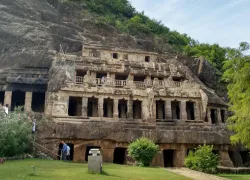
Vijayawada is full of tourist attractions. One of the most popular attractions includes the name of Mogalarajapuram Caves. Dating back to 5th century, these caves are dedicated to the Hindu religious figurines like Lord Shiva, Goddess Durga, and Shri Vinayaka. These holy caves are centrally protected monuments of national importance. The local people and international tourists visit this holy site on a large scale. It Is Known For:-1) Mogalarajapuram Temple is known for housing the stone-carved idol of Ardhnarishwara, a form of Lord Shiva and Goddess Parvati. This idol is said to be the earliest and one of its kinds in South India2) A huge statue of Lord Ganesha is also installed in the temple premises3) There is a different section of the cave that is dedicated to Goddess Durga with her 9 manifestations Best Time To Visit:-Mogalarajapuram Caves are centrally protected monuments of national importance. They are visited by a large number of people throughout the year. The caves have a great significance among the tourists. The best time to pay a visit to these caves is any season excluding summers. During summers, the temperatures touch a high mercury level and can cause inconvenience to the visitors. Reaching There:-Reaching the caves of Mogalarajapuram is not difficult. It is a well-known attraction the city and is well-connected via roadways and railways. One can hire the services of the local transit like a bus, taxi, or auto rickshaw to reach Mogalarajapuram Caves. Nearest Railway Station- Vijayawada Railway StationNearest Airport- Vijayawada Airport
Explore More
Though Lenin had no relations with India but his ideology has influenced many. To honor Lenin, his statue stands at a chowk in Vijayawada. In the 18th century, Vijayawada saw a communist revolution that was inspired by his ideologies. It resulted in a great revolution during the then times. Today, his statue is one of the major landmarks in the city of Andhra Pradesh. It Is Known For:- 1) Lenin is seen as a respectable figure in Vijayawada because of his concept and initiation on educating everyone 2) This statue is carved entirely out of the black marble and stands on a raised platform 3) Each year on 1st may the communists garland the statue and observe Labor Day Best Time To Visit:- Lenin Statue at Vijayawada is a major landmark. People need not pay any charge or wait for a specific time of the day to visit this place. It can be visited across the year any day. Each day, thousands of people pass through the area where the statue of Lenin stands because it is located in a bustling market area. Watch Out! Do not forget to visit the nearby destinations like the cinema halls, restaurants, shopping complexes, zoo, famous holy shrines, gardens, and other places that catch the attention of visitors on a huge scale. Nearest Railway Station - Vijayawada Railway Station Nearest Airport - Vijayawada Airport
Explore More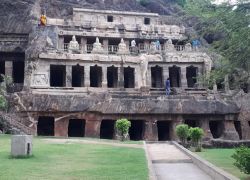
Listed amid the monuments of national importance, Undavalli Caves is a popular tourist attraction in the city of Guntur. These caves are counted among the finest examples if the gigantic structures in India. Dating back to the period between 4th-5th century, these caves reflect the great skill of the Indian rock-cut architecture. People on a large scale visit Undavalli Caves. It Is Known For:- 1) These caves are divided into the different sections for the Buddhists and Hindus. The Hindu religious figurines can be spotted in abundance 2) The idol of Vishnu in a reclining posture is a major attraction inside the cave 3) The different floors are dedicated to the different religious figurines 4) The artifacts were discovered here proving that Undavalli Caves belong to an ancient period Best Time To Visit:- Being a popular site, Undavalli Caves are visited by a large number of people. Throughout the year, hundreds of tourists pay a visit here including the historians that explore the paintings on the inner walls of the cave. However, it is recommended that exploring the chambers from inside should be done during winters because doing the same in summers can be fatal for the health. Reaching There:- Reaching Undavalli Caves is not a hassle. A well-established network of roadways and frequent services of the local transit makes it feasible for the visitors to reach this intriguing site conveniently. Nearest Railway Station- Vijayawada Railway Station Nearest Airport- Vijayawada Airport
Explore More2 Night - 3 Days Special Chennai Tirupati Darshan Package
3 Days/ 2 Night
Tirupati - Chennai
Tirupati Balaji Package Ex-Mumbai
4 Days/ 3 Night
Tirupati
Tirupati 1N - Pondicherry 2N - Chennai 1N Tour
5 Days/ 4 Night
Tirupati - Chennai - Pondicherry
3 Night - 4 Days Calm Charm Vizag Araku Valley Tour
4 Days/ 3 Night
Visakhapatnam

Owning a length of 4,014 feet, Krishna Barrage is a barrage that stands on the river Krishna. This barrage also serves as a road bridge that connects the districts of Guntur and Krishna. Due to the construction of this barrage, the cultivation of the crops has increased. The canal system connected to Krishna Barrage allows irrigating the fields easily. It has emerged as a great tourist attraction in Vijayawada, Andhra Pradesh. Why Was It Constructed?1) Krishna Barrage was constructed to control the flow of water and preventing floods. Previously, the areas near the river Krishna faced floods prior the construction of this barrage. It resulted in the erosion of the fertility of the soil.2) It was built in the 18th century and reconstructed in the year 1952-57. Having a total number of 76 gates, Krishna Barrage has a network of canals that can irrigate 1.2 million acres of land. Why Is It Visited?1) Krishna Barrage is a renowned tourist attraction in Vijayawada. It is known for its alluring surroundings that provide a soul-calming relaxation to the eyes of the onlookers. It is visited by tourist throughout the year and people can enjoy boating in the waters of the river Krishna.2) It should be kept in mind that no one is allowed to go near the river during monsoon. Reaching There:-Krishna Barrage is located in the city of Vijayawada. A well-established network of the roadways and railways has made it convenient for the visitors to reach the barrage easily. The local buses, autos, and taxis are available to commute to and from Krishna Barrage. Nearest Railway Station- Vijayawada JunctionNearest Airport- Vijayawada Airport
Explore More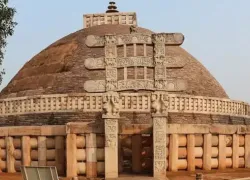
A well-known site of interest in Andhra Pradesh, Buddha Museum of Guntur is a renowned museum. This museum is a place that has an otherworldly ambiance because it is dedicated to Buddhism and its teachings. Visitors can see the earliest traces of Buddhism in India and its expansion, the preachers, the historical places, some ancient artifacts, and the relics of the Buddhist saints etc. Each day, various tourists are welcomed by Buddha Museum in Guntur. It Is Known For:-1) Buddha Museum houses the relics of the Buddhist saints and preachers. The items like utensils, coins, clothes, beads etc. are displayed 2) There is a small art gallery dedicated to the ancient Buddhist paintings. It displays the replicas of the ancient paintings that were discovered during the various excavations3) The teachings of Ashoka, the warrior king turn saint, are also displayed in the gallery Best Time To Visit:-The visitors are always welcomed throughout the year at Buddha Museum in Guntur. The crowd visiting this museum includes the historians and researchers on an extensive scale. The visitors have to pay a minimal entry charge to gain an access to Buddha Museum. This place remains closed on all Fridays of the year. Reaching There:-Being a famous attraction in the town, Buddha Museum never fails to attract tourists on a large scale. It has a well-established network of the roadways and railways that allows an easy commute to and from the museum through the local buses, autos, and taxis. Nearest Railway Station- Guntur JunctionNearest Airport- Vijayawada Airport
Explore More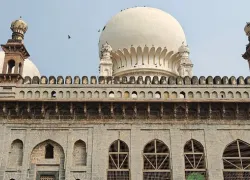
Tomb of Abdul Wahab is an architectural marvel in Andhra Pradesh. It was erected in the 16th century and reflects the amazing craftsmanship of that time. The mausoleum is built in the Indo-Islamic style of architecture. This stunning mausoleum is one of its kinds, especially in the terms of architecture and attracts visitors on a large scale. It Is Known For:-1) This tomb is an architectural masterpiece that is constructed in the Indo-Islamic style2) Its inner walls have carvings done on them in the Arabic language3) The pillars around the tomb add more charm to it. Best Time To Visit:-There is no special time for visiting the tomb of Abdul Wahab. Being a famous landmark, it is visited by tourists throughout the year. It is a great attraction, especially for the history buffs that adore digging the amazing past of tombs. One can learn about this tomb after taking a small tour of this place. Reaching There:-Being a famous tourist attraction, it is visited by tourists extensively. For the convenience of all, the region of Rayalaseema where this tomb is located is well-connected with the major roads and railways. One can board a bus to take the cab for reaching the tomb of Abdul Wahab. Nearest Railway Station- Jakkalacheruvu Railway StationNearest Airport- Rajiv Gandhi International Airport
Explore More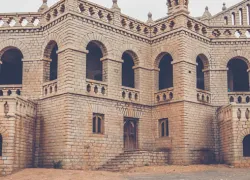
The Banaganapalli Fort, located in Kurnool, Andhra Pradesh, is a historical fortress that dates back to the 16th century. The fort is known for its impressive architecture and rich history, making it a popular tourist destination for history enthusiasts and architecture lovers. Timings Of Banaganapalli Fort The Banaganapalli Fort is open to visitors from 9:00 am to 6:00 pm every day of the week. Entry Fee The entry fee to the Banaganapalli Fort is Rs. 20 per person for Indian nationals and Rs. 100 per person for foreign tourists. Required Time And Restricted Items Visitors typically spend about 1-2 hours exploring the Banaganapalli Fort. While cameras and mobile phones are allowed inside the fort, visitors are not allowed to bring food, drinks, or any other prohibited items. Architecture Of Banaganapalli Fort The Banaganapalli Fort boasts a unique blend of Persian and Indian architectural styles. The fort is adorned with intricate carvings, arches, and domes, showcasing the skilled craftsmanship of the artisans who built it. Best Time To Visit The best time to visit the Banaganapalli Fort is during the winter months between October and March when the weather is pleasant and ideal for exploring the fort and its surroundings. How To Reach The Banaganapalli Fort is easily accessible by road. It is located about 16 km from Kurnool city, and visitors can hire a taxi or take a bus to reach the fort. History Of Banaganapalli Fort The Banaganapalli Fort was built in the 16th century by Ali Adil Shah, the fifth Sultan of the Qutb Shahi dynasty. The fort served as a strategic stronghold for various rulers over the centuries, including the Vijayanagara Empire and the British East India Company. Inside Banaganapalli Fort Inside the Banaganapalli Fort, visitors can explore the various structures such as the Rani Mahal, the Darbar Hall, and the Kalyana Mandapam. The fort also offers panoramic views of the surrounding landscape from its ramparts. Traveling Tips It is advisable to wear comfortable footwear and carry drinking water while visiting the Banaganapalli Fort. Visitors should also be mindful of the historical significance of the fort and follow the guidelines provided by the authorities. Hotels Near Banaganapalli Fort There are several hotels near the Banaganapalli Fort where visitors can stay during their trip. Some of the popular hotels in the area include Hotel DVR Mansion, Hotel Haripriya Grand, and Hotel Suraj Grand. Nearby Tourist Spots Of Banaganapalli Fort There are several other tourist spots near the Banaganapalli Fort that visitors can explore, such as the Konda Reddy Buruju, Belum Caves, Oravakallu Rock Garden, and the Mahanandi Temple. These attractions offer a glimpse into the rich history and culture of the region.
Explore More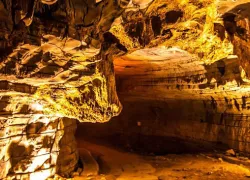
Constructed by Achyutaralayu, the step-brother of the King Krishna Deva Raya, Kondareddy Burz is a historical landmark in the city of Kurnool. It is also known by the name of Kurnool Fort. In the previous times, Kondareddy Burz served as a watchtower for the military. Presently, this landmark stands in a semi-ruined condition but has not lost the charm to attract visitors. It Is Known For:- 1) Kondareddy Burz is a monument that defines the architectural strategies of the military in ancient India 2) This fascinating fort is best known for its amazing and unique construction of the underground tunnel. This tunnel is built near the River Tungabhadra and connects to the fort of Gadwal 3) The fort of Gadwal is exactly 52 km. away from Kondareddy Burz, however, the government of Andhra Pradesh closed this tunnel passage permanently in 1901 Best Time To Visit:- For the locals of Kurnool, Kondareddy Burz is their pride. This unique monument catches the attention of tourists from nearby regions as well. The best time to visit and admire this monument is during the months of October-March. During this period, the weather of the city, especially during the daytime, is pleasant. No visitor has to pay a fee for visiting Kondareddy Burz. Watch Out! Kondareddy Burz is a protected monument in Kurnool. Therefore, it is the responsibility of every visitor to ensure the cleanliness of this place. Dumping the trash on the burz premises is prohibited. Drawing or sticking posters on the walls of Kondareddy Burz is punishable. So, following the rules is a must for all. Nearest Railway Station - Kurnool Railway StationNearest Airport - Hyderabad Airport
Explore More
Welcome to Kurnool, a city rich in history and natural beauty, home to the magnificent Kurnool Fort. This iconic tourist attraction stands as a testament to the city's historical significance and architectural grandeur. History of Kurnool Fort Steeped in history, Kurnool Fort dates back to ancient times and served as a stronghold for various rulers over the centuries. Originally a royal hunting ground, the fort has witnessed the rise and fall of dynasties, making it a crucial part of Kurnool's heritage. Efforts towards its conservation have preserved this historic site, earning it recognition for its cultural importance. Architecture and Natural Beauty of Kurnool Fort Surrounded by picturesque wetlands, lush forests, and sprawling grasslands, Kurnool Fort offers a breathtaking natural environment. Bird habitats thrive in the vicinity, adding to the charm of the landscapes. Within the fort's premises lies the ancient Keoladeo Temple, showcasing a blend of historical and architectural splendor. Why is Kurnool Fort Famous? Kurnool Fort is renowned for its allure among birdwatchers, photographers, nature enthusiasts, and wildlife lovers. The abundance of avian species and the tranquil ambiance make it a sought-after destination for those seeking a rendezvous with nature's wonders. How to Reach Kurnool Fort Traveling to Kurnool Fort is convenient, with options available by air, rail, and road. Nearby airports and railway stations ensure easy access to this historical marvel, welcoming travelers from far and wide to explore its beauty. Weather and Best Time to Visit Kurnool Fort Kurnool Fort experiences varying weather conditions throughout the seasons, with summers being warm, monsoons bringing rainfall, and winters offering a pleasant climate. The best time to visit is during the cooler months, allowing visitors to enjoy the fort's splendor comfortably. Timings of Kurnool Fort The fort welcomes visitors during specific timings, accommodating seasonal variations when applicable. Planning your visit accordingly ensures a memorable experience exploring the historical and natural treasures it holds. Entry Fee and Visit Details Entry procedures to Kurnool Fort are straightforward, with guide services available for those seeking in-depth knowledge. Safari options, bicycle rentals, and visitor facilities enhance the overall experience, making it a traveler-friendly destination. Things to Do at Kurnool Fort Engage in popular activities at Kurnool Fort, such as birdwatching, photography, cycling, walking trails, and nature observation. Educational experiences await those intrigued by the fort's biodiversity and historical significance, offering a blend of leisure and learning. Interesting Facts About Kurnool Fort Did you know Kurnool Fort is a sanctuary for migratory birds, contributing to the region's biodiversity? Conservation efforts have led to significant achievements in preserving the ecological balance, making the fort a beacon of environmental importance. Travel Tips for Visiting Kurnool Fort When visiting Kurnool Fort, remember to dress comfortably and carry essential photography and birdwatching equipment. Choose the right season for your visit, respecting the fort's natural surroundings and practicing responsible tourism to uphold its sanctity. Conclusion In conclusion, Kurnool Fort in Kurnool is a treasure trove of history, natural beauty, and cultural significance. From its historical roots to its modern-day appeal, the fort offers visitors a glimpse into the past while embracing the beauty of the present, making it a must-visit destination for all travelers.
Explore More
Chaitanya Jyoti Museum is one of the most significant cultural and spiritual attractions in Puttaparthi, Andhra Pradesh. Dedicated to the life, teachings, and universal message of Bhagawan Sri Sathya Sai Baba, this museum offers visitors a deep insight into spirituality, human values, and global harmony. Located close to the Prasanthi Nilayam Ashram, the museum attracts devotees, spiritual seekers, students, and tourists from India and around the world. Chaitanya Jyoti Museum is not just a place of exhibits; it is a journey that explains the evolution of human consciousness and the importance of truth, love, peace, righteousness, and non-violence. Why Chaitanya Jyoti Museum, Puttaparthi, Andhra Pradesh Is Famous Chaitanya Jyoti Museum is famous for its unique theme that focuses on the spiritual unity of all religions and cultures. Unlike conventional museums, it uses artistic displays, models, paintings, dioramas, and audio-visual presentations to convey deep philosophical ideas in a simple and engaging manner. The museum beautifully explains the life and teachings of Sri Sathya Sai Baba and highlights how different religions share common values. It is also known for its calm atmosphere, well-organized galleries, and educational approach, making it suitable for visitors of all ages. History of Chaitanya Jyoti Museum Chaitanya Jyoti Museum was established to preserve and present the spiritual message of Bhagawan Sri Sathya Sai Baba in a structured and accessible way. The museum was designed as an educational center to help people understand the journey of human consciousness and the role of spirituality in daily life. Over the years, it has become an important landmark in Puttaparthi, reflecting the global impact of Sri Sathya Sai Baba’s teachings. The museum continues to inspire visitors by promoting harmony, service, and moral values. Architecture of Chaitanya Jyoti Museum The architecture of Chaitanya Jyoti Museum is both simple and symbolic. The building blends traditional Indian design elements with modern museum planning. Spacious halls, well-lit galleries, and thoughtful layouts ensure a smooth flow for visitors. Each section of the museum is carefully designed to match its theme, using murals, sculptures, and creative installations. The architecture focuses on calmness and reflection, allowing visitors to absorb the spiritual messages without distraction. Entry and Visit Details about Chaitanya Jyoti Museum, Puttaparthi, Andhra Pradesh Entry to Chaitanya Jyoti Museum is generally free, making it accessible to everyone. Visitors are expected to follow simple guidelines such as maintaining silence, dressing modestly, and respecting the spiritual environment. Photography inside the museum may be restricted in certain areas. Guided tours or explanatory panels are available to help visitors understand the exhibits better. The museum is well-maintained and suitable for families, students, and senior citizens. Timings of Chaitanya Jyoti Museum Chaitanya Jyoti Museum usually remains open on all days except during certain local or religious holidays. The general visiting hours are from morning to evening, with a break during afternoon hours. It is advisable to check local notices or inquire at Prasanthi Nilayam for exact timings before planning your visit. Visiting during weekdays or early hours helps avoid crowds and allows more time to explore the museum peacefully. Weather in Puttaparthi, Andhra Pradesh Puttaparthi experiences a tropical climate. Summers, from March to June, can be hot with temperatures rising high during the day. Monsoon season, from July to September, brings moderate rainfall and pleasant greenery. Winters, from October to February, are the most comfortable and ideal for visiting Chaitanya Jyoti Museum. The cooler weather during winter makes walking around the museum and nearby attractions more enjoyable. How to Reach Chaitanya Jyoti Museum, Puttaparthi Puttaparthi is well-connected by road, rail, and air. The nearest airport is Sri Sathya Sai Airport at Puttaparthi, which has limited flights connecting major cities. The nearest major railway station is Prasanthi Nilayam Railway Station, located a few kilometers away, with connections to important towns in Andhra Pradesh and Karnataka. Regular buses and taxis are available from cities like Bengaluru, Anantapur, and Dharmavaram. From the town center or Prasanthi Nilayam, Chaitanya Jyoti Museum can be easily reached by auto-rickshaw or on foot. Things to Do at Chaitanya Jyoti Museum Visitors can explore various themed galleries that explain the journey of human values, world religions, and the teachings of Sri Sathya Sai Baba. Watching audio-visual presentations helps in understanding complex spiritual concepts in a simple way. Many visitors spend time reflecting quietly in the museum halls, absorbing the peaceful environment. Educational groups and students can use the museum as a learning space for moral education and cultural studies. After the visit, travelers often explore nearby attractions such as Prasanthi Nilayam Ashram and the surrounding spiritual centers. Interesting Facts about Chaitanya Jyoti Museum One interesting fact about Chaitanya Jyoti Museum is that it presents spiritual teachings using modern museum techniques, making it unique among religious museums in India. The museum highlights the common message of all religions rather than focusing on one belief system. It attracts visitors from many countries, reflecting the global influence of Sri Sathya Sai Baba. The calm and disciplined atmosphere of the museum is maintained by dedicated volunteers and staff. Tips for Visiting Chaitanya Jyoti Museum, Puttaparthi, Andhra Pradesh Visitors are advised to wear modest and comfortable clothing suitable for a spiritual place. It is best to allocate at least one to two hours to explore the museum fully. Maintaining silence and discipline enhances the experience for everyone. Visiting during the winter season ensures a comfortable trip. Reading the display descriptions carefully helps in understanding the deeper meaning of the exhibits. Combining the museum visit with nearby spiritual sites makes the journey more meaningful and fulfilling.
Explore More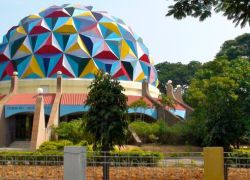
Sri Sathya Sai Space Theatre is a unique educational and cultural attraction located in Puttaparthi, Andhra Pradesh. Situated near the Prasanthi Nilayam Ashram, this theatre is designed to inspire curiosity about science, space, and the universe while connecting knowledge with values and spirituality. It offers an engaging experience for students, devotees, families, and tourists who wish to explore astronomy and scientific concepts in an interactive and meaningful way. The Space Theatre reflects the vision of Bhagawan Sri Sathya Sai Baba, who strongly believed in the integration of modern science with human values. Why Sri Sathya Sai Space Theatre, Puttaparthi, Andhra Pradesh Is Famous Sri Sathya Sai Space Theatre is famous for presenting complex scientific ideas related to space and astronomy in a simple, visual, and educational format. It is known for its dome-shaped theatre that provides immersive shows on the solar system, stars, planets, and the universe. The theatre combines science education with moral values, making learning enjoyable and inspiring for visitors of all age groups. Its location within the spiritual environment of Puttaparthi makes it a rare place where science and spirituality come together harmoniously. History of Sri Sathya Sai Space Theatre The Sri Sathya Sai Space Theatre was established as part of educational initiatives inspired by Sri Sathya Sai Baba. The aim was to create a platform where young minds could develop scientific thinking while staying rooted in values such as humility, curiosity, and respect for creation. Over the years, the theatre has served as an important learning center for school groups, educational tours, and visitors to Puttaparthi. It continues to play a key role in promoting value-based education through modern technology. Architecture of Sri Sathya Sai Space Theatre The architecture of Sri Sathya Sai Space Theatre is modern and functional, designed specifically for immersive visual experiences. The most striking feature is its dome-shaped structure, which allows 360-degree projection for astronomy and space-related shows. The interior is acoustically designed to enhance sound quality, ensuring a clear and engaging experience. Comfortable seating and a well-planned layout ensure that visitors can enjoy the presentations without distraction. The overall architectural design reflects simplicity, efficiency, and educational purpose. Entry and Visit Details about Sri Sathya Sai Space Theatre, Puttaparthi, Andhra Pradesh Entry to Sri Sathya Sai Space Theatre is generally free or available at a very nominal charge, depending on the show and schedule. Visitors are expected to follow basic rules, such as maintaining silence during shows and following staff instructions. Group visits, especially school groups, may require prior permission or booking. Photography inside the theatre is usually restricted. The theatre is well-maintained and accessible to visitors of different age groups. Timings of Sri Sathya Sai Space Theatre Sri Sathya Sai Space Theatre usually operates on fixed show timings during the day. Shows are conducted at specific intervals, and visitors are advised to arrive early to secure seating. The theatre may remain closed on certain religious or special days in Puttaparthi. Timings may also vary depending on visitor flow and special educational programs. It is recommended to check local information boards or inquire at nearby information centers for the latest show schedules. Weather in Puttaparthi, Andhra Pradesh Puttaparthi has a warm and dry climate for most of the year. Summers, from March to June, can be quite hot, with high daytime temperatures. The monsoon season, from July to September, brings moderate rainfall and slightly cooler weather. Winter, from October to February, is the most pleasant time to visit, with comfortable temperatures suitable for sightseeing and educational tours. Winter months are ideal for visiting Sri Sathya Sai Space Theatre along with other attractions in Puttaparthi. How to Reach Sri Sathya Sai Space Theatre, Puttaparthi Sri Sathya Sai Space Theatre is easily accessible as it is located close to Prasanthi Nilayam in Puttaparthi. The nearest airport is Sri Sathya Sai Airport, which has limited domestic flights. Prasanthi Nilayam Railway Station is the closest railhead, with connections to major towns and cities. Dharmavaram Junction, a major railway hub, is also nearby. Regular buses and taxis operate from Bengaluru, Anantapur, and nearby towns. Local transport such as auto-rickshaws makes reaching the theatre convenient from within Puttaparthi. Things to Do at Sri Sathya Sai Space Theatre Visitors can watch educational shows on space, astronomy, and the universe presented through advanced projection systems. Students and families can learn about planets, stars, galaxies, and space exploration in an engaging environment. The theatre also encourages curiosity and scientific thinking among children. After attending a show, visitors often explore nearby museums, spiritual centers, and educational institutions associated with Sri Sathya Sai Baba, making the visit both informative and enriching. Interesting Facts about Sri Sathya Sai Space Theatre An interesting fact about Sri Sathya Sai Space Theatre is its focus on value-based science education rather than pure entertainment. The theatre plays an important role in educational tours and student learning programs in Puttaparthi. It is one of the few space theatres located within a spiritual town, offering a unique blend of science and spirituality. The shows are designed to be easy to understand, even for young children and first-time learners. Tips for Visiting Sri Sathya Sai Space Theatre, Puttaparthi, Andhra Pradesh Visitors should plan their visit according to show timings to avoid missing presentations. It is advisable to visit during winter months for a comfortable experience. Following the rules of silence and discipline enhances the learning environment. Group visitors should confirm schedules in advance. Carrying minimal belongings is recommended. Combining the visit with nearby attractions such as Chaitanya Jyoti Museum and Prasanthi Nilayam Ashram makes the trip more complete and memorable.
Explore More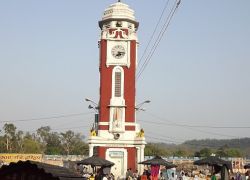
Anantapur Clock Tower is a prominent landmark in the city of Anantapur, Andhra Pradesh. It stands amid the bustling place at a height of 47 feet. It was constructed as a tribute to all the martyrs that laid their lives for the goodwill of the nation and achieve its freedom. This landmark is a great place for hanging out and clicking pictures. A Brief History:-Anantapur Clock Tower stands not just as a landmark in the city but, it stands tall to pay the tribute to all the great martyrs that fought for the freedom of India. The radius of this tower is 15 feet that signify the date 15th, has 8 faces that indicate towards the 8th month of the year August and has a height of 47 meters that marks the year of the Indian independence, 15th August 1947. Best Time To Visit:-There's no specific period to pay a visit to Anantapur Clock Tower. Thousands of people pass through the nearby areas but, on the occasion of the Republic Day and Independence Day, this tower shines in the colors of the Indian Tricolor that make it look even alluring. Reaching There:-There lays no hassle to reach Anantapur Clock Tower. Due to its location in the bustling area of the city, it is well-connected by roadways. A majority of the local buses and autos pass through the area where it is located. Nearest Railway Station- Anantapur Railway Station Nearest Airport- Puttaparthi Airport
Explore More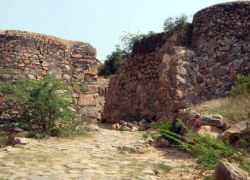
Raidurga Fort, located in Anantapur, is a historical site that dates back to ancient times. This fort holds great significance in the history of the region and offers a glimpse into the past through its architecture and ruins. Timings Of Raidurga Fort The Raidurga Fort is open to visitors from 9:00 AM to 5:00 PM on all days of the week. Entry Fee There is no entry fee to visit the Raidurga Fort. Required Time And Restricted Items It is recommended to spend about 1-2 hours exploring the fort and its surroundings. Visitors are not allowed to carry food items, plastic bags, or any kind of harmful substances inside the fort premises. Architecture Of Raidurga Fort The architecture of Raidurga Fort is a blend of Islamic and Hindu styles, with intricate carvings and designs on the walls and pillars. The fort is built using stone and mud bricks, showcasing the craftsmanship of the builders of that era. Best Time To Visit The best time to visit Raidurga Fort is during the winter months, from November to February when the weather is pleasant and conducive for exploring the fort. How To Reach Raidurga Fort is easily accessible by road from Anantapur city. Visitors can hire a taxi or take a private vehicle to reach the fort. The nearest railway station is located in Anantapur, which is well-connected to major cities in the region. History Of Raidurga Fort Raidurga Fort was built by the rulers of the Vijayanagara Empire in the 16th century as a strategic military outpost. It served as a stronghold for the empire and played a crucial role in defending the region from invaders. Inside Raidurga Fort Inside Raidurga Fort, visitors can explore the various structures like the watchtowers, bastions, temples, and residential quarters of the soldiers. The fort offers panoramic views of the surrounding landscape and is a great place for photography enthusiasts. Traveling Tips It is advisable to wear comfortable clothing and footwear while visiting Raidurga Fort as there may be uneven paths and steps to climb. Carry a water bottle and sunscreen to stay hydrated and protected from the sun during your visit. Hotels Near Raidurga Fort with names Some hotels near Raidurga Fort include Hotel Annapoorna Residency, Hotel Raju Residency, and Hotel Sapthagiri Residency. These hotels offer comfortable accommodation and are located in close proximity to the fort. Nearby Tourist Spots Of Raidurga Fort There are several tourist spots near Raidurga Fort that visitors can explore, such as Penna Ahobilam, Lepakshi Temple, and Puttaparthi. These places offer a glimpse into the rich cultural heritage of the region and are worth visiting during your trip to Raidurga Fort.
Explore More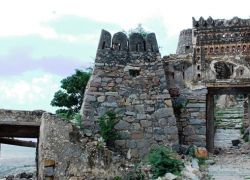
The Gooty Fort, also known as the Venkatagiri Kote, is a hill fort located in the town of Gooty in the Anantapur district of Andhra Pradesh, India. It is a popular tourist attraction due to its historical significance and architectural beauty. Timings Of Gooty Fort The Gooty Fort is open to visitors from 9:00 AM to 6:00 PM on all days of the week. Entry Fee The entry fee for visiting the Gooty Fort is INR 10 for Indian nationals and INR 100 for foreign nationals. Required Time And Restricted Items It is recommended to spend at least 2-3 hours exploring the Gooty Fort. Visitors are advised not to bring any food items, plastic bottles, or alcohol inside the fort premises. Architecture Of Gooty Fort The Gooty Fort features a unique blend of Hindu and Islamic architectural styles. It has bastions, gateways, and a stone wall surrounding the fort. The fort offers panoramic views of the surrounding landscape. Best Time To Visit The best time to visit the Gooty Fort is during the winter months of October to March when the weather is pleasant and suitable for sightseeing. How To Reach The Gooty Fort is easily accessible by road. It is located approximately 52 kilometers from Anantapur city. Visitors can hire a taxi or take a bus to reach the fort from Anantapur. History Of Gooty Fort The Gooty Fort has a rich history that dates back to the Vijayanagara Empire. It was later conquered by the Bahmani Sultanate and the Marathas before coming under British control. The fort has witnessed several battles and political upheavals over the centuries. Inside Gooty Fort Inside the Gooty Fort, visitors can explore the various structures such as the Ranganatha Swamy Temple, granaries, and reservoirs. The fort also has a museum that showcases artifacts and historical relics. Traveling Tips It is advisable to wear comfortable footwear while visiting the Gooty Fort as there are steep stairs and uneven paths inside the fort. Visitors should also carry water bottles and sunscreen to stay hydrated and protected from the sun. Hotels Near Gooty Fort Some of the hotels near Gooty Fort where visitors can stay include Hotel Rajasekhar, Hotel Srinivasa Residency, and Hotel Sri Sai Teja Residency. Nearby Tourist Spots Of Gooty Fort Some of the nearby tourist spots that visitors can explore after visiting the Gooty Fort include Belum Caves, Lepakshi Temple, and Gandikota Fort. These attractions offer a glimpse into the cultural and architectural heritage of the region.
Explore More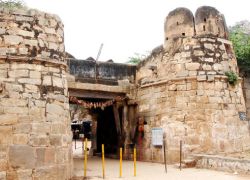
The Penukonda Fort is a historical fort located in Anantapur district of Andhra Pradesh, India. It was built during the Vijayanagara Empire and served as a strategic military outpost. The fort is situated on a hill overlooking the town of Penukonda, providing a stunning panoramic view of the surrounding landscape. Timings Of Penukonda Fort The Penukonda Fort is open to visitors from 9:00 AM to 6:00 PM on all days of the week. Entry Fee The entry fee for the Penukonda Fort is INR 20 for Indian nationals and INR 300 for foreign tourists. Required Time And Restricted Items It takes about 1-2 hours to explore the entire fort. Visitors are not allowed to carry food items, plastic bags, and alcohol inside the fort premises. Architecture Of Penukonda Fort The Penukonda Fort showcases a mix of architectural styles including Vijayanagara, Islamic, and Persian influences. The fort has well-preserved structures like gateways, palaces, temples, and granaries. Best Time To Visit The best time to visit the Penukonda Fort is during the winter months from October to February when the weather is pleasant and ideal for exploring the historical site. How To Reach The Penukonda Fort is easily accessible by road. Visitors can reach the fort by hiring a taxi or taking a bus from Anantapur, which is the nearest major city located around 70 kilometers away. History Of Penukonda Fort The Penukonda Fort was originally built in the 17th century by the Vijayanagara Empire. It later came under the control of the Bahmani Sultanate and the Adil Shahi dynasty before being captured by the Mughals. The fort played a significant role in the military history of the region. Inside Penukonda Fort Inside the Penukonda Fort, visitors can explore the Ranganatha Swamy Temple, the Gagan Mahal, the Granary, and the various gateways and watchtowers that offer breathtaking views of the surrounding countryside. Traveling Tips It is advisable to wear comfortable footwear as the fort premises involve a fair amount of walking. Visitors should also carry sufficient water and sunscreen, especially during the hot summer months. Hotels Near Penukonda Fort Some of the hotels near the Penukonda Fort where visitors can stay include Hotel Rajasree, Hotel Mythri, and Hotel Annapurna Residency. Nearby Tourist Spots Of Penukonda Fort While visiting the Penukonda Fort, tourists can also explore nearby attractions like the Bugga Ramalingeswara Swamy Temple, the Nallamada Dam, and the Rama Temple at Kalyandurg.
Explore More6D Explore Tirupati - Mahabalipuram - Pondicherry Tour
6 Days/ 5 Night
Tirupati - Mahabalipuram - Pondicherry
South India Yatra 15N - 16D
16 Days/ 15 Night
Hyderabad - Tirupati - Kochi - Kovalam - Thekkady - Kanyakumari - Madurai - Rameshwaram - Trichy - Munnar - Kurnool
3 Night - 4 Days Vizag Tour Package
4 Days/ 3 Night
Visakhapatnam
All Himachal Grand Tour
5 Days/ 4 Night
Dalhousie - Khajjiar - Dharamshala - Palamaner - Mcleodganj

Bearing the name of the former speaker of the Lok Sabha, late GMC Balayogi, the science park in Eluru is a major site of interest. To educate the people with the logic behind each phenomenon and prevailing the society from believing in the superstitious claims, Balayogi Science Park is the right place that an individual should visit. Presently, this park is seen as the apt place for the educational excursions. It Is Known For:- 1) Balayogi Science Park is a 2 storey building that has different sections for the departments of Physics, Chemistry, and Biology. Each department is given a sufficient space to demonstrate the working models. 2) Apart from these departments, the departments of Zoology, Human Anatomy, Physiology, Botany etc. also exist. 3) There is a small bird sanctuary in the nearby yard that allows young visitors to gather knowledge about the different types of birds. 4) Recreational events like 'Decoding Magic' are organized at this park that promotes the scientific logic behind the superstitious claims through magic tricks. Best Time To Visit:- Balayogi Science Park welcomes its guests throughout the year. Each day, it is visited by hundreds of guests including the foreign nationals. By paying a nominal entry charge, one can spend a good time in gathering the knowledge in the different fields of science. Reaching There:- Being a famous landmark in the town, it is well-connected with the major roads and highways. The local transit like the bus and taxis are available to commute easily within the town. Nearest Railway Station- Eluru Railway Station Nearest Airport- Vijayawada Airport
Explore More
Pithapuram is a historic and spiritually significant town located near Kakinada in the East Godavari district of Andhra Pradesh. Known for its ancient temples, rich cultural heritage, and strong association with Hindu mythology, Pithapuram is an important pilgrimage center in South India. The town attracts devotees, history lovers, and travelers who wish to explore its sacred sites, traditional architecture, and peaceful atmosphere. Why Pithapuram is Famous Pithapuram is famous for being one of the sacred Shakti Peethas and an important spiritual center in Andhra Pradesh. The town is especially known for the Sri Kukkuteswara Swamy Temple, dedicated to Lord Shiva, and the Sri Raja Rajeshwari Devi Temple, one of the Ashta Dasha Shakti Peethas. Pithapuram is also closely associated with Sripada Srivallabha, considered the first incarnation of Lord Dattatreya, making it a major destination for Dattatreya devotees. History of Pithapuram The history of Pithapuram dates back to ancient times and is deeply connected to Hindu scriptures and legends. The town finds mention in several Puranas and is believed to have been an important religious and cultural hub for centuries. According to mythology, Lord Shiva manifested here as Kukkuteswara Swamy, and the sacred Shakti of Goddess Sati is believed to have fallen at this place, giving it immense spiritual importance. Historically, Pithapuram was ruled by various dynasties, including the Eastern Chalukyas, Cholas, and later the Kakatiyas. These rulers contributed to the construction and renovation of temples, promoting art, culture, and religion. The region flourished as a center of learning, devotion, and temple architecture. Architecture of Pithapuram The temples of Pithapuram showcase classic Dravidian-style architecture. The Sri Kukkuteswara Swamy Temple features a majestic gopuram, intricately carved stone pillars, and a spacious courtyard. The sanctum houses the Shiva Linga, worshipped with great devotion. The Sri Raja Rajeshwari Devi Temple stands as a fine example of traditional South Indian temple architecture, with detailed sculptures and spiritual symbolism. The temple structures reflect the craftsmanship of ancient artisans, with carvings depicting gods, goddesses, and mythological stories. Things to Do in Pithapuram One of the main activities in Pithapuram is temple darshan. Devotees visit the Kukkuteswara Swamy Temple and Raja Rajeshwari Devi Temple to offer prayers and participate in daily rituals. Visitors can explore the spiritual landmarks associated with Sripada Srivallabha, including his birthplace and meditation sites. These places provide a peaceful environment for meditation and spiritual reflection. Walking through the town allows visitors to experience local culture, traditional markets, and the simple lifestyle of the people. Festivals offer a vibrant glimpse into the town’s religious traditions. How to Reach Pithapuram By Road: Pithapuram is well connected by road and is located about 20 kilometers from Kakinada. Regular buses, taxis, and private vehicles are available from Kakinada, Rajahmundry, and nearby towns. By Rail: Pithapuram Railway Station is well connected to major cities such as Visakhapatnam, Vijayawada, Chennai, and Hyderabad. By Air: The nearest airport is Rajahmundry Airport, located approximately 60 kilometers away. From the airport, taxis and buses can be used to reach Pithapuram. Weather and Best Time to Visit Pithapuram experiences a tropical climate. Summers (March to June) can be hot, with temperatures reaching up to 40°C. Monsoon season (July to September) brings moderate rainfall, making the surroundings greener. The best time to visit Pithapuram is from October to February when the weather is pleasant and suitable for temple visits and sightseeing. Timings and Entry Details Pithapuram town is open to visitors throughout the year. Individual temple timings may vary. Most temples open early in the morning around 5:00 AM and close by 12:00 PM, reopening in the evening from 4:00 PM to 8:00 PM. There is no entry fee to visit the temples, but special poojas and sevas may require nominal charges. Interesting Facts about Pithapuram Pithapuram is one of the Ashta Dasha Shakti Peethas in India. The town is the birthplace of Sripada Srivallabha, the first incarnation of Lord Dattatreya. Pithapuram has been a center of Shaivism, Shaktism, and Vaishnavism. The temples here attract devotees from across India. Tips for Visiting Pithapuram Visit temples early in the morning for peaceful darshan. Wear traditional and modest clothing while entering temples. Check festival dates for a more vibrant spiritual experience. Carry drinking water, especially during summer months. Conclusion Pithapuram in Kakinada, Andhra Pradesh, is a sacred town that beautifully blends spirituality, history, and culture. With its ancient temples, deep mythological roots, and calm environment, Pithapuram offers a fulfilling experience for devotees and travelers alike. A visit to this holy town provides not only spiritual satisfaction but also a deeper understanding of Andhra Pradesh’s rich religious heritage.
Explore More
Draksharamam is one of the most sacred and historically rich pilgrimage towns located near Kakinada in the East Godavari district of Andhra Pradesh. Famous for the ancient Sri Bhimeswara Swamy Temple, Draksharamam is one of the five revered Pancharama Kshetras dedicated to Lord Shiva. The town attracts devotees, historians, and travelers who are interested in spirituality, architecture, and the cultural heritage of Andhra Pradesh. Why Draksharamam is Famous Draksharamam is famous for the Sri Bhimeswara Swamy Temple, one of the Pancharama Kshetras where a piece of the original Shiva Linga worshipped by the demon Tarakasura was installed. According to Hindu mythology, Lord Kartikeya defeated Tarakasura, after which the Shiva Linga broke into five pieces, each placed at different sacred locations. The temple is also well known for its unique Shiva Linga, which increases in size during abhishekam. Devotees believe that worshipping at Draksharamam brings prosperity, health, and spiritual growth. History of Draksharamam The history of Draksharamam dates back to ancient times and is closely linked with Hindu legends and temple traditions. References to Draksharamam can be found in various Puranas. The temple gained prominence during the reign of the Eastern Chalukyas, who constructed and expanded the temple between the 9th and 10th centuries. Over time, the Cholas, Kakatiyas, and later rulers contributed to the development and preservation of the temple. The inscriptions found on the temple walls provide valuable information about donations, rituals, and the social life of that period. Architecture of Draksharamam Temple The architecture of the Sri Bhimeswara Swamy Temple at Draksharamam is a remarkable example of Dravidian temple architecture. The temple complex features a towering gopuram, intricately carved stone pillars, and spacious mandapams. One of the unique features of the temple is its two-storeyed sanctum, which is rare among Shiva temples. The lower level houses the Shiva Linga, while the upper level has a shrine dedicated to Goddess Bhramaramba. The detailed sculptures on the walls depict scenes from Hindu mythology, showcasing the artistic excellence of ancient craftsmen. Things to Do in Draksharamam Devotees can participate in daily poojas and special rituals such as abhishekam, archana, and rudrabhishekam. Attending the early morning and evening aartis is considered highly auspicious. Visitors can explore the temple complex and admire its ancient carvings and architectural details. Many devotees spend time meditating in the peaceful temple surroundings. During festivals like Maha Shivaratri and Karthika Masam, the temple hosts grand celebrations, cultural programs, and large gatherings of devotees. How to Reach Draksharamam By Road: Draksharamam is located about 28 kilometers from Kakinada. Buses, taxis, and private vehicles are easily available from Kakinada, Rajahmundry, and nearby towns. By Rail: The nearest major railway station is Kakinada Town Railway Station. Samalkota Junction, a major rail hub, is also nearby and well connected to major cities. By Air: Rajahmundry Airport is the nearest airport, approximately 60 kilometers away. From the airport, taxis and buses are available to reach Draksharamam. Weather and Best Time to Visit Draksharamam experiences a tropical climate. Summers (March to June) are hot and humid, with temperatures rising up to 40°C. Monsoon season (July to September) brings moderate rainfall, enhancing the greenery around the temple. The best time to visit Draksharamam is from October to February, when the weather is pleasant and suitable for temple visits. Temple Timings The Sri Bhimeswara Swamy Temple is open daily for devotees. Morning: 6:00 AM to 12:00 PM Evening: 4:00 PM to 8:00 PM Timings may change during festivals and special occasions. Entry and Visit Details There is no entry fee to visit the Draksharamam temple. Devotees can perform special poojas and sevas by paying nominal charges at the temple office. Photography inside the sanctum is generally restricted. Visitors are advised to follow temple rules, maintain cleanliness, and dress modestly. Interesting Facts about Draksharamam Draksharamam is one of the five Pancharama Kshetras. The temple’s Shiva Linga is believed to grow in size during abhishekam. The temple has a rare two-storeyed sanctum structure. It has inscriptions dating back several centuries. Tips for Visiting Draksharamam Visit early in the morning for peaceful darshan. Wear traditional and modest clothing. Plan your visit during Maha Shivaratri for a special spiritual experience. Follow temple customs and respect religious practices. Conclusion Draksharamam near Kakinada, Andhra Pradesh, is a sacred destination that beautifully blends devotion, history, and architectural brilliance. As one of the Pancharama Kshetras, the Sri Bhimeswara Swamy Temple holds immense spiritual importance for Shiva devotees. Its ancient heritage, unique temple design, and peaceful atmosphere make Draksharamam a must-visit pilgrimage site in Andhra Pradesh.
Explore More
Godavari Bridge is like a regular bridge that reduces the gap between two places. Godavari Bridge is a truss bridge that stands on the river Godavari and has a vast length of 4 km. This truss bridge is a road-cum-rail bridge and was opened to the public in the year 1974. Also called as the 'Pride of Rajahmundry', this bridge is one of the renowned symbols of Rajahmundry. It Is Known For:-1) Godavari Bridge is Asia's third largest road-rail bridge after J.P Setu in Bihar and Sky Gate Bridge R in Osaka city2) This bridge not only stands on the river Godavari but covers its length as well Its Construction:-Braithwaite, Burn & Jessop Construction Company was the architect of the Godavari Bridge. Initially, this bridge was constructed as a rail passage truss to bridge the gap between Kovvur and Rajahmundry but due to the local needs, a road link construction plan was also presented. It took a time of 5 years to accomplish the construction of the road link between Kovvur and Rajahmundry. The government of Andhra Pradesh supplied the funds and finally, this bridge was inaugurated in the year 1974 by the former President of India, late Fakhruddin Ali Ahmed.
Explore More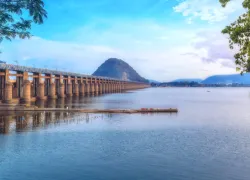
Dowleswaram barrage is a popular tourist attraction that stands on the lower stretch of the river Godavari. This barrage was constructed in the year 1850 by a British irrigation engineer, Sir Arthur Thomas. It was constructed to monitor the flow of water and ensure its sufficient supply for the purpose of irrigation. At present, Dowleswaram Barrage is a famous destination in Rajahmundry and is visited by a large number of tourists on a daily basis. The Reason Behind Its Construction:-Prior the construction of Dowleswaram Barrage, a major portion of the land was eroded due to floods and was of no use. When Sir Arthur Thomas Cotton was appointed to build the barrage, he designed it in such a manner that the land that was once flooded gained back its fertility and was brought into use. In order to commemorate the great contribution of Sir Arthur Thomas Cotton, a museum named Sir Cotton Museum is constructed. It is also visited by tourists on a large scale. Why Is It Visited?Dowleswaram Barrage is a great recreational spot. The locals, as well as tourists, pay a visit to this barrage for relishing the activities like boating and swimming. Moreover, this landmark is one of the famous identities of Rajahmundry. The view of the sunset at Dowleswaram Barrage is simply enchanting. Reaching There:-Since Dowleswaram Barrage is a renowned landmark in the town, it has a well-connected network of the roadways and railways. One can hire the service of the local transit like a bus to reach this place. Nearest Railway Station- Rajahmundry Railway StationNearest Airport- Vijayawada Airport
Explore More
Rajahmundry Bridge, located in the city of Rajahmundry, is a prominent tourist attraction known for its historical significance, architectural beauty, and natural surroundings. This iconic bridge has become a popular destination for tourists, especially nature enthusiasts, birdwatchers, and photographers seeking to explore the rich biodiversity and serene landscapes of the region. History of Rajahmundry Bridge The history of Rajahmundry Bridge dates back to its construction, which served as a vital link connecting different parts of the city. Originally built to facilitate transportation and trade, the bridge has evolved into a symbol of Rajahmundry's heritage and development over the years. Its strategic location and historical importance make it a significant landmark in the city. Architecture and Natural Beauty of Rajahmundry Bridge The bridge not only offers architectural marvel but also provides a stunning view of the natural surroundings. Surrounded by lush wetlands, forests, and grasslands, the area is a haven for various bird species and wildlife. The picturesque landscapes and the historical Keoladeo Temple add to the charm of this place, making it a must-visit destination for nature lovers. Why is Rajahmundry Bridge Famous? Rajahmundry Bridge is famous for its captivating beauty, making it a paradise for birdwatchers, photographers, and nature enthusiasts. The abundance of bird habitats and the serene environment attract visitors from around the world who seek to witness the diversity of flora and fauna in this region. How to Reach Rajahmundry Bridge Traveling to Rajahmundry Bridge is convenient, with options available by air, rail, and road. The city has well-connected airports and railway stations, providing easy access to this popular tourist spot. Visitors can also opt for road transport, enjoying the scenic routes leading to the bridge. Weather and Best Time to Visit Rajahmundry Bridge Rajahmundry Bridge experiences varying weather conditions throughout the year. While summers can be hot and humid, the monsoon brings lush greenery to the surroundings. The winter season offers pleasant weather, making it the best time to visit the bridge, typically between October and February. Timings of Rajahmundry Bridge The bridge is open to visitors during specific timings, allowing them to explore its beauty and surroundings. Understanding the seasonal variations and planning your visit accordingly can enhance the overall experience of witnessing the charm of Rajahmundry Bridge. Entry Fee and Visit Details Visitors can access Rajahmundry Bridge by following the designated entry procedures. Guide services are available for those seeking a more informative tour, and safari options provide a unique way to explore the natural habitats. Bicycle rentals are also offered for visitors interested in exploring the area at their own pace. Things to Do at Rajahmundry Bridge At Rajahmundry Bridge, visitors can engage in various activities such as birdwatching, photography, cycling, and walking trails. The serene environment offers opportunities for nature observation and educational experiences, making it an ideal destination for those looking to reconnect with nature. Interesting Facts About Rajahmundry Bridge Rajahmundry Bridge is home to a diverse range of migratory birds, showcasing the rich biodiversity of the region. Conservation efforts have been instrumental in preserving the ecological balance, contributing to the area's significance in wildlife conservation. The bridge stands as a testament to the harmonious coexistence of nature and urban development. Travel Tips for Visiting Rajahmundry Bridge When visiting Rajahmundry Bridge, it is advisable to dress comfortably and carry essential items such as sunscreen and insect repellent. Photography enthusiasts should bring their equipment to capture the beauty of the surroundings. Understanding the best visiting seasons and practicing responsible tourism can ensure a memorable and enjoyable experience for all visitors. Conclusion In conclusion, Rajahmundry Bridge in Rajahmundry offers a unique blend of history, architecture, and natural beauty, making it a must-visit destination for travelers seeking a peaceful retreat in the lap of nature. With its rich biodiversity, picturesque landscapes, and cultural significance, the bridge continues to attract visitors who appreciate the wonders of the natural world.
Explore More