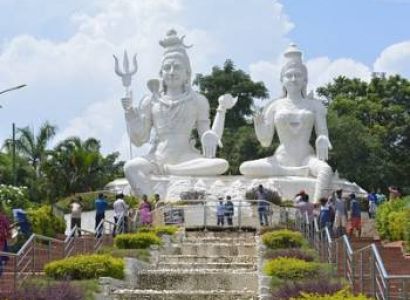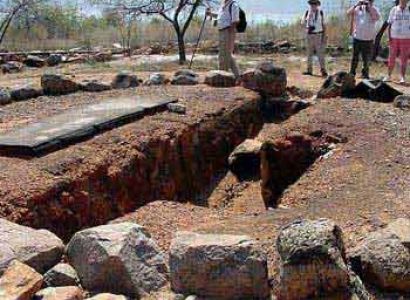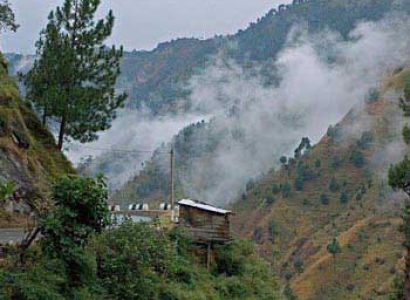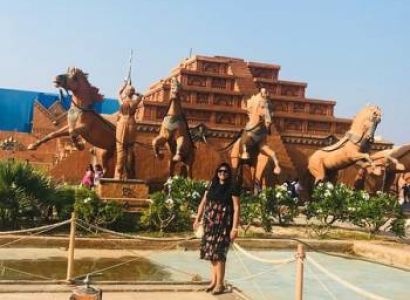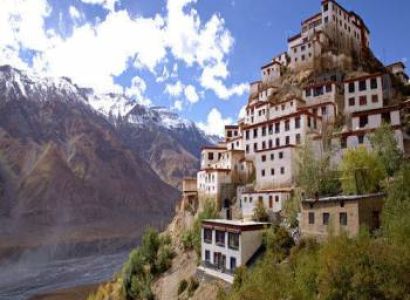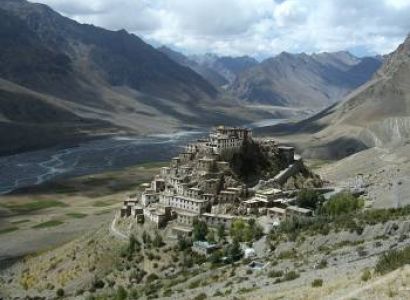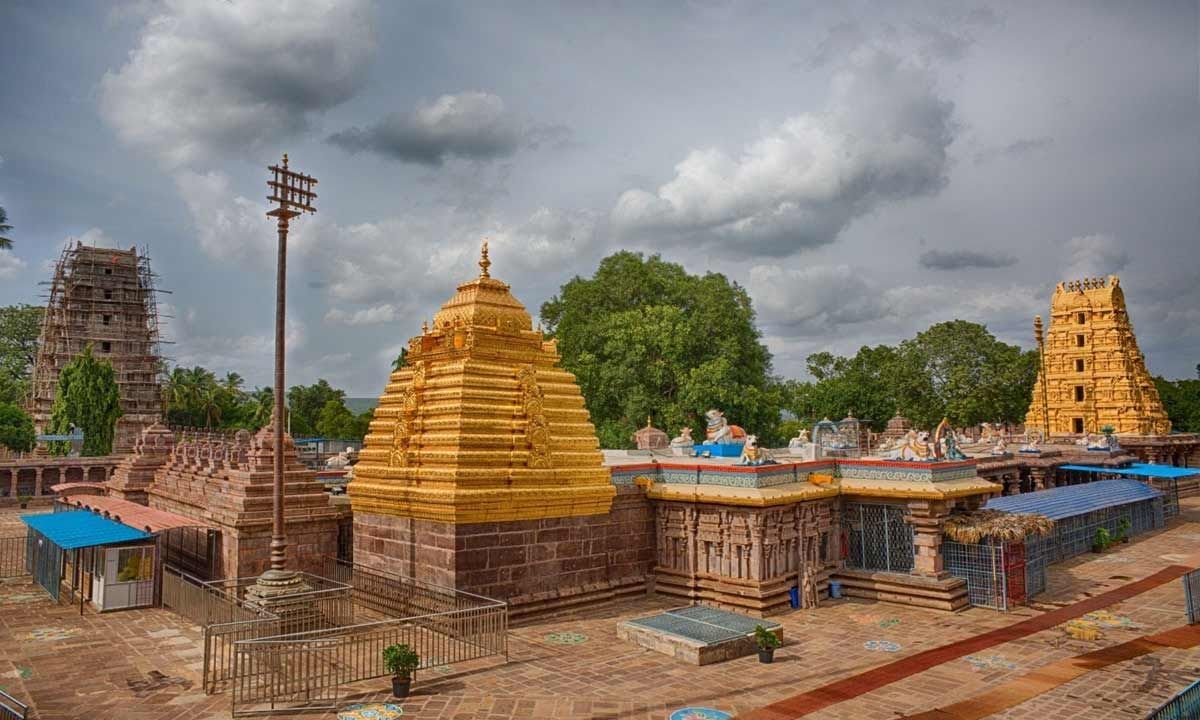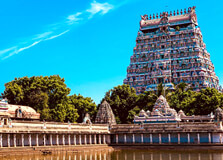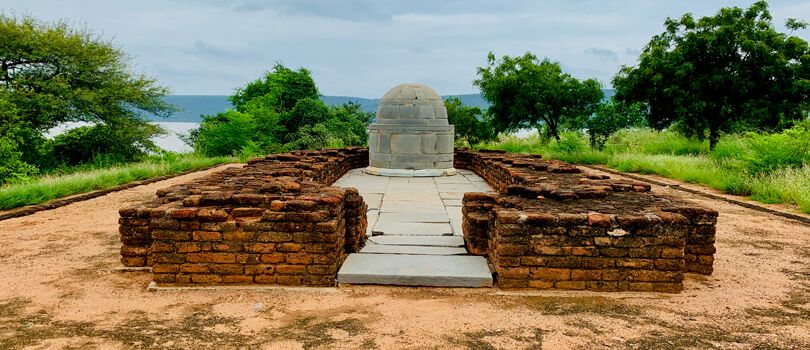
"Ancient Buddhist ruins amidst picturesque landscapes."
Nagarjunasagar and Nagarjunakonda are two closely connected yet distinct tourist destinations located in the Indian state of Andhra Pradesh, along the Krishna River. Together, they represent a rare combination of ancient Buddhist heritage, impressive archaeological discoveries, and one of India’s most remarkable engineering achievements. Surrounded by hills, forests, and a vast water reservoir, this region attracts history lovers, spiritual seekers, nature enthusiasts, and casual travelers alike.
Named after the great Buddhist philosopher Acharya Nagarjuna, Nagarjunakonda was once a flourishing center of Buddhist learning, while Nagarjunasagar gained modern prominence with the construction of the massive Nagarjunasagar Dam. Visiting these places offers a journey through centuries, from ancient dynasties to modern India.
History of Nagarjunasagar and Nagarjunakonda
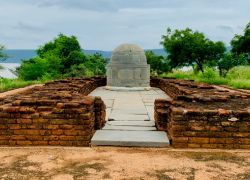
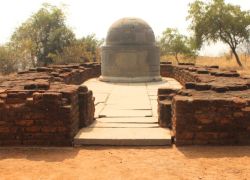
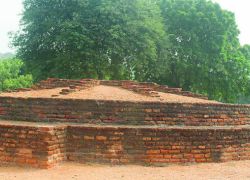
The history of Nagarjunakonda dates back to the early centuries of the Common Era, particularly between the 2nd century BCE and the 4th century CE. It was an important Buddhist center during the reign of the Ikshvaku dynasty. Several Buddhist monasteries, stupas, and universities thrived here, making it one of the most significant Buddhist sites in South India.
Excavations carried out in the early 20th century revealed a wealth of sculptures, inscriptions, and architectural remains. When the Nagarjunasagar Dam project was initiated in the 1950s, much of ancient Nagarjunakonda was at risk of submergence. As a result, a large-scale archaeological relocation project was undertaken, and important monuments were shifted to an island that is now known as Nagarjunakonda Island.
Architecture and Archaeological Significance
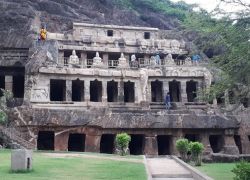
The architectural remains at Nagarjunakonda reflect a strong Buddhist influence combined with elements of early South Indian design. Structures such as stupas, viharas, chaityas, and assembly halls were constructed using stone and brick. Many sculptures depict scenes from the life of Lord Buddha, Bodhisattvas, and symbols like the lotus and the wheel.
The Nagarjunakonda Museum, located on the island, is an open-air museum where relocated monuments are carefully reconstructed. Visitors can see ancient pillars, carved panels, inscriptions in Brahmi script, and relics that provide insight into religious practices, education, and daily life in ancient times.
Why Nagarjunasagar and Nagarjunakonda Are Famous
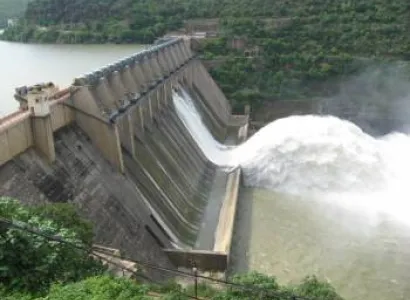
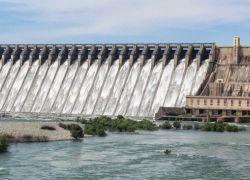
Nagarjunasagar is famous for the Nagarjunasagar Dam, one of the largest masonry dams in the world. Built across the Krishna River, the dam plays a vital role in irrigation and hydroelectric power generation for Andhra Pradesh and neighboring regions.
Nagarjunakonda is renowned as a major Buddhist archaeological site. It is considered one of the most important Buddhist centers in southern India and has contributed greatly to understanding the spread of Buddhism to other parts of Asia.
How to Reach Nagarjunasagar
By Air: The nearest major airport is Vijayawada Airport, located approximately 190 km away. Another convenient option is Hyderabad International Airport, about 160 km from Nagarjunasagar. From both airports, taxis and buses are available.
By Train: The nearest railway stations are Macherla and Miryalaguda. These stations are connected to major cities like Hyderabad, Vijayawada, and Guntur.
By Road: Nagarjunasagar is well connected by road to cities such as Guntur, Vijayawada, and Hyderabad. Regular buses operated by APSRTC and private operators make road travel convenient.
Weather and Best Time to Visit
Nagarjunasagar experiences a tropical climate. Summers, from March to June, are hot, with temperatures often reaching 40°C. The monsoon season, from July to September, brings moderate rainfall, enhancing the beauty of the reservoir and surrounding hills.
The best time to visit Nagarjunasagar and Nagarjunakonda is from October to February, when the weather is pleasant and suitable for sightseeing and outdoor activities.
Timings and Entry Details
Nagarjunasagar Dam: Generally open from 9:00 AM to 6:00 PM. Timings may vary depending on water release and security regulations.
Nagarjunakonda Museum: Open from 10:00 AM to 5:00 PM and usually closed on Fridays.
Entry Fee: A nominal entry fee is charged for the museum. Separate charges apply for the boat ride to Nagarjunakonda Island. Fees may differ for adults, children, and foreign visitors.
Things to Do at Nagarjunasagar and Nagarjunakonda
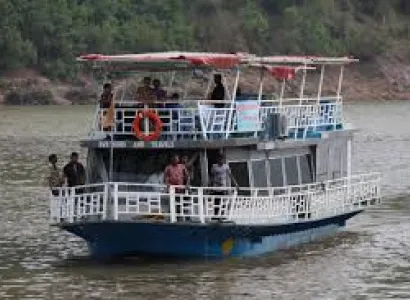
One of the main activities is enjoying the scenic beauty of the Nagarjunasagar Dam and reservoir. Visitors can take a boat ride across the Krishna River to reach Nagarjunakonda Island, which itself is a memorable experience.
History enthusiasts can explore the museum and ancient ruins, while photographers can capture stunning views of the dam, hills, and water bodies. Nearby temples and viewpoints offer peaceful spots for relaxation and spiritual reflection.
Interesting Facts About Nagarjunasagar and Nagarjunakonda
Nagarjunasagar Dam was completed in 1967 and remains a key irrigation project in southern India. Nagarjunakonda is one of the few sites in India where large-scale relocation of ancient monuments was successfully carried out.
Artifacts found here suggest strong cultural and trade links between ancient India and Southeast Asian regions such as Sri Lanka and Indonesia.
Travel Tips for Visitors
Wear comfortable clothing and footwear, especially when exploring the museum and island. Carry sufficient drinking water, sunscreen, and hats during warmer months.
It is advisable to check boat service timings in advance and plan your visit early in the day. Respect the archaeological sites by not touching or damaging monuments, and always follow safety guidelines during boat rides.
Conclusion
Nagarjunasagar and Nagarjunakonda in Andhra Pradesh offer a unique travel experience that blends ancient Buddhist heritage with modern engineering excellence. Whether you are a history lover, a spiritual seeker, or a nature enthusiast, these destinations promise an enriching and memorable journey through India’s cultural and historical landscape.