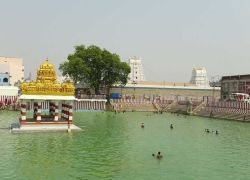
Sri Padmavathi Ammavari Temple
The Sri Padmavathi Ammavari Temple is a prominent Hindu temple dedicated to Goddess Padmavathi, also known as Alamelumanga, the consort of Lord Venkateswara. This temple is located in Tiruchanur, just 5 kilometers away from the famous Tirumala Venkateswara Temple in Tirupati, Andhra Pradesh. The temple is one of the most visited pilgrim sites in South India, attracting devotees from all over the country. Architecture of Sri Padmavathi Ammavari Temple The architecture of the Sri Padmavathi Ammavari Temple is a stunning example of Dravidian style. The temple complex is vast and well-maintained, with intricate carvings and sculptures adorning the walls and pillars. The main shrine of the temple houses the idol of Goddess Padmavathi in a seated posture, adorned with jewels and flowers. The temple also has several smaller shrines dedicated to various deities surrounding the main sanctum. History The history of the Sri Padmavathi Ammavari Temple dates back to ancient times. According to legend, the temple was built by King Thondaiman, a devotee of Goddess Padmavathi, in the 8th century. The temple has undergone several renovations and expansions over the years, with the current structure dating back to the 12th century. The temple is said to have great spiritual significance and is believed to fulfill the wishes of devotees who visit and offer prayers to the goddess. Best Time To Visit The best time to visit the Sri Padmavathi Ammavari Temple is during the Brahmotsavam festival, which is celebrated with great pomp and show. This festival usually takes place in the months of March-April and attracts a large number of devotees. Apart from the festival, the temple is also less crowded during the weekdays, making it a good time to visit for a more peaceful experience. How To Reach The Sri Padmavathi Ammavari Temple is easily accessible by road, rail, and air. The nearest airport is in Tirupati, which is well-connected to major cities in India. The temple is also well-connected by bus and train services, with regular services from Tirupati and other nearby towns. Taxis and auto-rickshaws are also available for local transport to the temple. Significance Of The Sri Padmavathi Ammavari Temple The Sri Padmavathi Ammavari Temple holds great significance among devotees, who believe that worshipping the goddess can bring prosperity, happiness, and fulfillment of wishes. The temple is also considered to be a place of healing, with many devotees seeking blessings for health and well-being. The serene and peaceful atmosphere of the temple makes it an ideal place for meditation and spiritual enlightenment. Visiting the Sri Padmavathi Ammavari Temple is believed to bring divine grace and blessings to devotees, making it a must-visit pilgrim site in Tirupati.
Explore More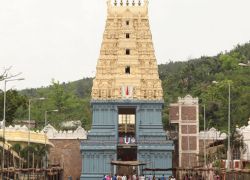
The Simhachalam Temple, located in Visakhapatnam, Andhra Pradesh, is a famous Hindu temple dedicated to Lord Narasimha, an incarnation of Lord Vishnu. This temple is a significant pilgrimage site for devotees from all over the country. Architecture of Simhachalam Temple The Simhachalam Temple reflects a unique blend of Kalinga and Dravidian architectural styles. The temple's main entrance is adorned with intricate carvings and sculptures, while the inner sanctum houses the deity of Lord Narasimha in a sitting posture. The gopuram (tower) of the temple is a sight to behold, with its intricate designs and carvings. History The history of the Simhachalam Temple dates back to the 11th century when it was built by the Gajapati rulers of Odisha. Over the centuries, the temple has undergone several renovations and additions, making it the magnificent structure it is today. It is believed that the deity in the temple is self-manifested, adding to the temple's spiritual significance. Best Time To Visit The best time to visit the Simhachalam Temple is during the months of October to March when the weather is pleasant and conducive for exploring the temple premises. The temple also celebrates various festivals during this time, making it a vibrant and festive atmosphere for visitors. How To Reach The Simhachalam Temple is easily accessible by road, rail, and air. The nearest airport is Visakhapatnam Airport, which is well-connected to major cities in India. The temple is located about 16 kilometers from the airport. Visakhapatnam Railway Station is the nearest railhead, and there are regular buses and taxis available to reach the temple. Significance Of The Simhachalam Temple The Simhachalam Temple holds great significance for devotees of Lord Narasimha. It is believed that a visit to the temple can bring blessings of protection and prosperity from the fierce incarnation of Lord Vishnu. The temple also attracts visitors for its spiritual ambiance and architectural beauty, making it a must-visit destination for both religious and cultural enthusiasts. In conclusion, the Simhachalam Temple in Visakhapatnam is a place of great religious and historical importance. With its stunning architecture, rich history, and spiritual significance, the temple offers a unique experience to all who visit. Whether you are a devout follower of Lord Narasimha or simply interested in exploring the cultural heritage of India, a visit to the Simhachalam Temple is sure to leave a lasting impression on you.
Explore More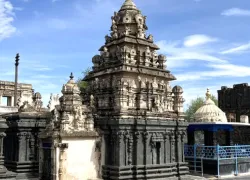
Ramalingeswara Temple is one of the most revered and historically significant temples in Nellore, Andhra Pradesh. Dedicated to Lord Shiva, who is worshipped here as Sri Ramalingeswara Swamy, this ancient temple holds immense religious, cultural, and architectural importance. Situated on the banks of the Penna River, the temple is a major spiritual center that attracts devotees, history enthusiasts, and travelers seeking peace and divine blessings. The serene surroundings, spiritual ambiance, and traditional Dravidian architecture make Ramalingeswara Temple a must-visit destination in Nellore. The temple is closely associated with local legends, ancient dynasties, and long-standing Shaivite traditions. History of Ramalingeswara Temple The history of Ramalingeswara Temple dates back several centuries and is believed to have origins during the Chola and Vijayanagara periods. According to local legends, the temple was established at a site sanctified by Lord Rama during his exile. It is believed that Lord Rama worshipped Lord Shiva here, which is why the presiding deity is named Ramalingeswara. Over time, various South Indian dynasties, including the Pallavas, Cholas, and Vijayanagara rulers, contributed to the expansion and maintenance of the temple. Inscriptions found in and around the temple complex provide evidence of royal patronage, land grants, and temple rituals that were followed in ancient times. Architecture of Ramalingeswara Temple Ramalingeswara Temple showcases classic Dravidian temple architecture. The temple complex features a beautifully carved gopuram (tower) at the entrance, leading into spacious courtyards and pillared halls. The stone pillars are adorned with intricate carvings depicting mythological stories, divine figures, and floral motifs. The sanctum sanctorum houses the Shiva Lingam, which is worshipped as Sri Ramalingeswara Swamy. The temple also includes shrines dedicated to Goddess Parvati, Lord Ganesha, Lord Subramanya, and Navagrahas. The overall architectural layout reflects symmetry, spiritual symbolism, and traditional temple design principles. Why Ramalingeswara Temple Is Famous Ramalingeswara Temple is famous for its strong association with Lord Rama and its significance as a Shaivite pilgrimage site. Devotees believe that prayers offered here bring peace, prosperity, and relief from hardships. The temple is also known for its grand celebrations during Maha Shivaratri, Karthika Masam, and Pradosham days, when thousands of devotees visit to participate in special poojas and rituals. Its location near the Penna River adds to its spiritual charm. How to Reach Ramalingeswara Temple By Air: The nearest airport is Tirupati International Airport, located about 135 km from Nellore. From the airport, taxis and buses are available to reach the temple. By Train: Nellore Railway Station is well connected to major cities such as Chennai, Hyderabad, and Vijayawada. From the station, local autos and taxis can take visitors to the temple. By Road: Nellore is well connected by national and state highways. APSRTC buses and private vehicles operate regularly from nearby cities and towns. Weather and Best Time to Visit Nellore experiences a tropical climate. Summers (March to June) are hot, with temperatures rising up to 40°C. Monsoon season (July to September) brings moderate rainfall, while winters (October to February) are pleasant and ideal for temple visits. The best time to visit Ramalingeswara Temple is from October to March, especially during major festivals when the temple atmosphere is vibrant and spiritually uplifting. Temple Timings and Entry Details Temple Timings: Ramalingeswara Temple is generally open from 6:00 AM to 12:00 PM and from 4:00 PM to 8:00 PM. Timings may vary on festival days. Entry Fee: Entry to the temple is free for all devotees. Special poojas and sevas may require separate charges. Darshan: Both free and special darshan options are usually available, especially during auspicious occasions. Things to Do at Ramalingeswara Temple Devotees can participate in daily abhishekam, archana, and special poojas dedicated to Lord Shiva. Attending evening aarti and chanting sessions provides a deeply spiritual experience. Visitors can also explore the temple architecture, observe traditional rituals, and spend time meditating in the peaceful temple premises. During festivals, cultural and religious programs add to the devotional atmosphere. Interesting Facts About Ramalingeswara Temple It is believed that the Shiva Lingam at Ramalingeswara Temple holds special spiritual energy due to its association with Lord Rama. The temple has been a center of Shaivite worship for generations. The temple’s proximity to the Penna River is considered sacred, and many devotees perform ritual baths and ancestral rites in the nearby river ghats. Tips for Visiting Ramalingeswara Temple Wear modest and traditional clothing while visiting the temple. It is advisable to visit during early morning or evening hours to avoid heat and crowds. Follow temple rules strictly, maintain silence inside the sanctum, and avoid photography where it is restricted. Carry water during summer months. Conclusion Ramalingeswara Temple in Nellore, Andhra Pradesh, stands as a timeless symbol of devotion, history, and architectural beauty. With its deep spiritual roots, serene location, and rich cultural heritage, the temple offers a fulfilling experience for devotees and travelers alike. A visit to this sacred shrine is not just a religious journey but also a meaningful exploration of South India’s spiritual traditions.
Explore More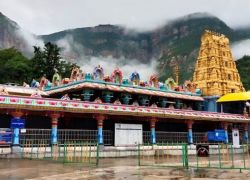
Narasimhaswamy Temple in Nellore, Andhra Pradesh, is one of the most revered Hindu temples in the region, dedicated to Lord Narasimha, the powerful incarnation of Lord Vishnu. Known for its deep spiritual significance, ancient history, and traditional Dravidian architecture, the temple attracts devotees from across Andhra Pradesh and neighboring states. Set in a calm and devotional atmosphere, the temple is a place where faith, history, and culture come together. The temple holds special importance among Vaishnavites and is believed to be a place where sincere prayers are answered. Its peaceful surroundings and strong mythological connections make it a must-visit religious destination in Nellore. History of Narasimhaswamy Temple The history of Narasimhaswamy Temple is deeply rooted in ancient Hindu traditions and local legends. It is believed that the temple was established several centuries ago, possibly during the early medieval period when Vaishnavism flourished in South India. According to popular belief, the temple site was sanctified by sages who worshipped Lord Narasimha for protection and divine blessings. Over the centuries, various South Indian dynasties such as the Cholas, Pallavas, and later the Vijayanagara rulers contributed to the development and renovation of the temple. Inscriptions found in the temple complex indicate royal patronage and donations made for temple rituals, festivals, and maintenance. Architecture of Narasimhaswamy Temple Narasimhaswamy Temple is a fine example of traditional Dravidian temple architecture. The temple complex features a prominent gopuram (entrance tower) adorned with sculpted images of gods, goddesses, and mythological scenes. These detailed carvings reflect the craftsmanship and artistic excellence of ancient artisans. The sanctum sanctorum houses the main deity, Lord Narasimha, depicted in a powerful yet compassionate form. The temple also includes shrines dedicated to Goddess Lakshmi, Garuda, and other associated deities. The pillared mandapams inside the complex display intricate stone carvings that narrate stories from Hindu scriptures. Why Narasimhaswamy Temple Is Famous The temple is famous for its strong association with Lord Narasimha, who is worshipped as the protector of devotees and destroyer of evil. Many devotees believe that praying here helps overcome fear, negativity, and obstacles in life. Narasimhaswamy Temple is also well known for its vibrant festivals, especially Narasimha Jayanti, Brahmotsavam, and Vaikuntha Ekadashi. During these occasions, the temple witnesses large gatherings of devotees and special rituals that enhance its spiritual significance. How to Reach Narasimhaswamy Temple By Air: The nearest airport is Tirupati International Airport, located approximately 130 km from Nellore. From the airport, taxis and buses are available to reach the city and the temple. By Train: Nellore Railway Station is well connected to major cities such as Chennai, Vijayawada, Hyderabad, and Bengaluru. Local autos and taxis are easily available from the station. By Road: Nellore is well connected by road via National Highway 16. APSRTC buses, private buses, and taxis operate regularly from nearby cities and towns. Weather and Best Time to Visit Nellore has a tropical climate. Summers (March to June) can be quite hot, with temperatures reaching up to 40°C. The monsoon season (July to September) brings moderate rainfall, while winters (October to February) are pleasant and comfortable. The best time to visit Narasimhaswamy Temple is from October to March, when the weather is cooler and suitable for temple visits and sightseeing. Temple Timings and Entry Details Temple Timings: The temple is generally open from 6:00 AM to 12:00 PM and from 4:00 PM to 8:30 PM. Timings may change on festival days and special occasions. Entry Fee: Entry to Narasimhaswamy Temple is free for all devotees. Special darshan and sevas may have nominal charges. Darshan Facilities: The temple usually offers both free and special darshan options to manage crowd flow during peak days. Things to Do at Narasimhaswamy Temple Devotees can take part in daily poojas, abhishekam, and special rituals dedicated to Lord Narasimha. Attending the morning and evening aartis offers a spiritually uplifting experience. Visitors can also spend time observing temple architecture, chanting prayers, and meditating in the calm surroundings. During festivals, cultural and devotional programs add to the vibrant atmosphere of the temple. Interesting Facts About Narasimhaswamy Temple Lord Narasimha is worshipped here in a form that symbolizes both strength and compassion, reminding devotees of the victory of good over evil. The temple has been an important center of Vaishnavite worship in Nellore for generations and continues to play a significant role in the religious life of the region. Tips for Visiting Narasimhaswamy Temple Wear modest and traditional attire when visiting the temple. It is best to visit early in the morning or in the evening to avoid crowds and heat. Follow temple rules, maintain silence inside the sanctum, and avoid photography where it is not permitted. Carry drinking water, especially during summer months. Conclusion Narasimhaswamy Temple in Nellore, Andhra Pradesh, is a timeless spiritual landmark that reflects deep devotion, rich history, and classic temple architecture. Whether you are a devotee seeking divine blessings or a traveler interested in cultural heritage, a visit to this sacred temple offers peace, inspiration, and a deeper connection to India’s spiritual traditions.
Explore More
Ranganatha Temple in Nellore, Andhra Pradesh, is one of the most prominent and revered Hindu temples in the region. Dedicated to Lord Ranganatha, a reclining form of Lord Vishnu, the temple is a major center of Vaishnavite worship and spiritual learning. Situated near the banks of the Penna River, the temple is known for its serene atmosphere, rich history, and magnificent Dravidian architecture. Devotees and tourists alike visit the temple to seek blessings, admire its artistic beauty, and experience its deep spiritual energy. The temple is not only a place of worship but also a symbol of Nellore’s cultural and religious heritage. With centuries of devotion and tradition behind it, Ranganatha Temple continues to be a key spiritual landmark in Andhra Pradesh. History of Ranganatha Temple The history of Ranganatha Temple dates back to ancient times and is closely associated with the rise of Vaishnavism in South India. It is believed that the original temple structure was built during the Chola period, with significant contributions from later dynasties such as the Pallavas and Vijayanagara rulers. Over the centuries, the temple underwent several renovations and expansions, reflecting the changing artistic and architectural styles of different eras. According to local legends, the site where the temple stands was considered highly sacred due to its proximity to the Penna River. Many Vaishnavite saints and scholars are believed to have visited the temple, contributing to its spiritual significance and reputation as a center of devotion. Architecture of Ranganatha Temple Ranganatha Temple is an excellent example of traditional Dravidian temple architecture. The temple complex features a tall and intricately carved gopuram (entrance tower) that welcomes devotees into a spacious courtyard. The gopuram is adorned with colorful sculptures depicting various forms of Lord Vishnu, scenes from Hindu epics, and celestial beings. The sanctum sanctorum houses the main deity, Lord Ranganatha, reclining on the serpent Adishesha. The idol is beautifully decorated and symbolizes cosmic balance and divine rest. The temple also includes shrines dedicated to Goddess Ranganayaki (Lakshmi), Garuda, and other deities. Pillared halls and mandapams within the complex showcase detailed stone carvings and artistic craftsmanship. Why Ranganatha Temple Is Famous Ranganatha Temple is famous for its presiding deity, Lord Ranganatha, who represents peace, protection, and divine grace. Devotees believe that worshipping here brings harmony, prosperity, and spiritual fulfillment. The temple is also well known for its grand festivals, especially Vaikuntha Ekadashi, Brahmotsavam, and Krishna Janmashtami. During these festivals, the temple is beautifully decorated, and special rituals and processions draw large numbers of devotees. How to Reach Ranganatha Temple By Air: The nearest airport is Tirupati International Airport, located about 130 km from Nellore. From the airport, visitors can hire taxis or use bus services to reach Nellore. By Train: Nellore Railway Station is well connected to major cities such as Chennai, Hyderabad, Vijayawada, and Bengaluru. The temple is easily accessible from the station by auto-rickshaws and taxis. By Road: Nellore is connected by National Highway 16. APSRTC buses, private buses, and taxis operate frequently from nearby cities and towns. Weather and Best Time to Visit Nellore experiences a tropical climate. Summers (March to June) can be hot, with temperatures reaching up to 40°C. Monsoon season (July to September) brings moderate rainfall, while winters (October to February) are pleasant and suitable for temple visits. The best time to visit Ranganatha Temple is from October to March, when the weather is cooler and the temple atmosphere is more comfortable for devotees and tourists. Temple Timings and Entry Details Temple Timings: Ranganatha Temple is generally open from 6:00 AM to 12:00 PM and from 4:00 PM to 8:30 PM. Timings may vary during festivals and special occasions. Entry Fee: Entry to the temple is free for all visitors. Special poojas, sevas, and darshan options may have nominal charges. Darshan: Both free and special darshan facilities are usually available, especially during peak festival days. Things to Do at Ranganatha Temple Devotees can participate in daily poojas, archana, and special rituals dedicated to Lord Vishnu. Attending morning and evening aartis offers a spiritually enriching experience. Visitors can explore the temple complex, admire the architecture, and spend time meditating in the peaceful environment. During festivals, cultural programs and religious discourses provide deeper insight into Vaishnavite traditions. Interesting Facts About Ranganatha Temple Lord Ranganatha is worshipped in a reclining posture, symbolizing divine rest and cosmic order. This form of Lord Vishnu is considered highly auspicious in Vaishnavism. The temple has been a center of Vaishnavite worship in Nellore for centuries and continues to play a vital role in the spiritual life of the local community. Tips for Visiting Ranganatha Temple Wear modest and traditional clothing while visiting the temple. Early morning and evening visits are recommended to avoid heat and crowds. Follow temple rules, maintain silence inside the sanctum, and avoid photography where it is prohibited. Carry drinking water, especially during summer months. Conclusion Ranganatha Temple in Nellore, Andhra Pradesh, stands as a symbol of devotion, history, and architectural beauty. With its sacred atmosphere, rich cultural heritage, and timeless spiritual significance, the temple offers a deeply fulfilling experience for devotees and visitors seeking peace and divine blessings.
Explore More
The Sri Veda Narayanaswami Temple, located in Tirupati, is a popular Hindu temple dedicated to Lord Vishnu. The temple is known for its unique architecture and rich history, making it a must-visit destination for devotees and tourists alike. Architecture of Sri Veda Narayanaswami Temple The Sri Veda Narayanaswami Temple showcases a beautiful blend of Dravidian and Vijayanagara architectural styles. The temple complex features intricately carved pillars, ornate sculptures, and colorful frescoes that depict various stories and legends from Hindu mythology. The main sanctum sanctorum houses the idol of Lord Vishnu along with other deities, surrounded by stunning carvings and decorations. History The Sri Veda Narayanaswami Temple has a rich history dating back several centuries. According to legend, the temple was established by a sage named Agastya Muni, who installed the idol of Lord Vishnu and performed elaborate rituals to consecrate the temple. Over the years, the temple has undergone several renovations and expansions, making it the magnificent structure it is today. Best Time To Visit The best time to visit the Sri Veda Narayanaswami Temple is during the annual festivals and special occasions, such as Vaikuntha Ekadashi and Brahmotsavam. These events attract a large number of devotees who come to seek the blessings of Lord Vishnu and witness the grand celebrations and rituals that take place at the temple. How To Reach The Sri Veda Narayanaswami Temple is located in Tirupati, a well-connected city in the state of Andhra Pradesh, India. The temple can be easily reached by road, rail, or air. The nearest airport is Tirupati Airport, which is well-connected to major cities in India. The temple is also easily accessible by train, with Tirupati Railway Station being the closest railway hub. Additionally, there are regular bus services to Tirupati from nearby towns and cities. Significance Of The Sri Veda Narayanaswami Temple The Sri Veda Narayanaswami Temple holds great significance for devotees of Lord Vishnu. It is believed that worshipping at the temple can bring blessings, prosperity, and spiritual fulfillment to the devotees. The temple also has a sacred pond known as 'Pushkarini', where devotees can take a holy dip and cleanse their sins. The serene and spiritual atmosphere of the temple makes it a peaceful retreat for those seeking solace and divine intervention in their lives. Overall, the Sri Veda Narayanaswami Temple is a place of great spiritual importance and architectural beauty, attracting visitors from far and wide to experience its divine aura and rich heritage.
Explore More
The Sri Govindaraja Swamy Temple is a famous Hindu temple located in the town of Tirupati in the Indian state of Andhra Pradesh. It is dedicated to Lord Govindaraja Swamy, a form of Lord Vishnu. The temple is one of the most important pilgrimage sites in Southern India and attracts thousands of devotees every year. Architecture of Sri Govindaraja Swamy Temple The architecture of the Sri Govindaraja Swamy Temple is a beautiful blend of Dravidian and Vijayanagara styles. The main entrance of the temple, called the Mahadwaram, is adorned with intricate carvings and sculptures. The temple complex also includes a large courtyard, several smaller shrines, and a pillared hall. History The Sri Govindaraja Swamy Temple was built in the 12th century by the Cholas and later expanded by the Vijayanagara kings. The temple has a rich history and has been visited by several kings and emperors over the centuries. It is believed that Lord Govindaraja Swamy came to reside at the temple to save the town of Tirupati from a demon. Best Time To Visit The best time to visit the Sri Govindaraja Swamy Temple is during the Brahmothsavam festival, which is held annually in the month of May. This festival lasts for nine days and includes various rituals, processions, and cultural performances. The temple is also less crowded during the weekdays, so visiting on a weekday can be a good option. How To Reach The Sri Govindaraja Swamy Temple is located in the town of Tirupati, which is well-connected by road, rail, and air. The nearest airport is Tirupati Airport, which is around 15 kilometers away from the temple. The town also has a railway station, Tirupati Railway Station, which is well-connected to major cities in India. Local buses and taxis are easily available for reaching the temple. Significance Of The Sri Govindaraja Swamy Temple The Sri Govindaraja Swamy Temple is considered a sacred place by devotees of Lord Vishnu. It is believed that worshiping at the temple can bring blessings, prosperity, and fulfillment of wishes. The temple complex also includes a sacred pond, called the Pushkarini, where devotees can take a holy dip. The temple is an important pilgrimage site for Vaishnavites and is visited by devotees from all over the country. In conclusion, the Sri Govindaraja Swamy Temple in Tirupati is not just a religious site but also a place of historical and architectural significance. Whether you are a devotee seeking blessings or a traveler interested in exploring the rich cultural heritage of Southern India, a visit to this temple is sure to leave you mesmerized and spiritually uplifted.
Explore More
The Akasaganga Teertham Temple is a prominent Hindu temple located in the holy city of Tirupati, Andhra Pradesh. It is dedicated to Lord Venkateswara, a form of the Hindu god Vishnu. The temple is situated near the Akasaganga waterfall, which is believed to be sacred and has religious significance for the devotees visiting the temple. Architecture of Akasaganga Teertham Temple The Akasaganga Teertham Temple showcases a traditional South Indian architectural style, with intricate carvings and sculptures adorning the temple's walls and pillars. The temple complex includes a main shrine dedicated to Lord Venkateswara, along with smaller shrines dedicated to other Hindu deities. The temple is surrounded by lush greenery and offers a peaceful and serene ambiance for devotees to pray and seek blessings. History The history of the Akasaganga Teertham Temple dates back to ancient times and is closely associated with the religious beliefs and traditions of the region. According to mythological tales, it is believed that Lord Venkateswara himself established the temple near the Akasaganga waterfall to bless his devotees and fulfill their wishes. The temple has been a place of pilgrimage for centuries, attracting devotees from far and wide to seek divine blessings. Best Time To Visit The best time to visit the Akasaganga Teertham Temple is during the months of October to March when the weather is pleasant and conducive for travel. The temple is particularly crowded during festivals and special occasions, such as Vaikuntha Ekadashi and Brahmotsavam, when devotees flock to the temple to offer prayers and seek blessings. How To Reach The Akasaganga Teertham Temple is easily accessible from Tirupati, which is well-connected by road, rail, and air. Visitors can reach Tirupati by bus or train from major cities in India and then hire a taxi or take a local bus to reach the temple. The nearest airport is Tirupati Airport, which is located about 18 kilometers away from the temple. Significance Of The Akasaganga Teertham Temple The Akasaganga Teertham Temple holds great significance for devotees, who believe that taking a dip in the holy waters of the Akasaganga waterfall can cleanse them of their sins and bring them good fortune. The temple is also considered a place of spiritual importance, where devotees can offer prayers and perform rituals to seek the blessings of Lord Venkateswara. The tranquil surroundings of the temple and the majestic Akasaganga waterfall add to the spiritual experience of the devotees visiting the temple.
Explore More
The Sri Varahaswami Temple, located in Tirupati, is dedicated to Lord Sri Varaha Swamy, who is considered to be an incarnation of Lord Vishnu. The temple is situated near the famous Tirumala Venkateswara Temple, making it a popular pilgrimage site for devotees. The temple is known for its unique architecture and rich history, drawing visitors from all over the world. Architecture of Sri Varahaswami Temple The Sri Varahaswami Temple showcases beautiful South Indian Dravidian architecture, with intricate carvings and sculptures adorning its walls and pillars. The main sanctum sanctorum houses the idol of Lord Sri Varaha Swamy, which is made of black stone and is a sight to behold. The temple complex also features various other shrines dedicated to different deities, adding to its spiritual ambiance. History The history of the Sri Varahaswami Temple dates back centuries, with mentions of the deity and his temple found in ancient texts and scriptures. It is believed that the temple was built by a Chola king in the 10th century, making it one of the oldest temples in the region. Over the years, the temple has undergone several renovations and expansions, but it still retains its old-world charm and spiritual significance. Best Time To Visit The best time to visit the Sri Varahaswami Temple is during the winter months, from November to February, when the weather is pleasant and ideal for sightseeing. The temple also sees a surge in visitors during festivals like Vaikunta Ekadasi and Brahmotsavam, when the entire temple complex is beautifully decorated and lit up, creating a festive atmosphere. How To Reach The Sri Varahaswami Temple is easily accessible from Tirupati, which is well-connected by road, rail, and air. For those traveling by air, the nearest airport is the Tirupati Airport, which is located about 15 kilometers away from the temple. The temple can also be reached by train, with Tirupati railway station being the nearest railhead. Buses and taxis are available from Tirupati to reach the temple. Significance Of The Sri Varahaswami Temple The Sri Varahaswami Temple holds immense spiritual significance for devotees, who believe that offering prayers and seeking blessings at the temple can fulfill their wishes and bring prosperity into their lives. The temple is also associated with various myths and legends, adding to its mystical aura. The annual festivals celebrated at the temple are grand affairs, drawing crowds of devotees who come to witness the rituals and partake in the festivities. In conclusion, the Sri Varahaswami Temple in Tirupati is not just a place of worship, but a symbol of faith, devotion, and cultural heritage. Its stunning architecture, rich history, and spiritual ambiance make it a must-visit destination for anyone seeking solace and blessings from the divine. Whether you are a believer or a curious traveler, a visit to this ancient temple is sure to leave a lasting impression on your heart and soul.
Explore More
The Subramanya Swamy Temple, located in Vijayawada, is a prominent Hindu temple dedicated to Lord Subramanya, also known as Kartikeya or Murugan. This temple is a popular pilgrimage site for devotees of Lord Subramanya, who is considered the God of war and victory in Hindu mythology. Architecture of Subramanya Swamy Temple The Subramanya Swamy Temple showcases a beautiful Dravidian style of architecture, characterized by its intricate carvings, towering gopurams (entrance towers), and sculpted pillars. The temple complex features several shrines dedicated to various deities, along with a central sanctum sanctorum housing the idol of Lord Subramanya. The temple's architecture is a sight to behold, attracting visitors from far and wide. History The history of the Subramanya Swamy Temple dates back several centuries, with records indicating that the temple was built during the reign of the Vijayanagara Empire. Over the years, the temple has undergone several renovations and expansions, resulting in the magnificent structure that stands today. The temple holds great historical and cultural significance, making it an important heritage site in Vijayawada. Best Time To Visit The Subramanya Swamy Temple can be visited throughout the year, but the best time to visit is during the festival of Skanda Shasti, which is dedicated to Lord Subramanya. This festival, usually celebrated in the months of October or November, draws large crowds of devotees who come to seek the blessings of Lord Subramanya. The temple comes alive during this time with special rituals, devotional music, and cultural performances. How To Reach The Subramanya Swamy Temple is easily accessible by road, rail, and air. The nearest airport is Vijayawada Airport, located about 20 kilometers away from the temple. The temple is also well-connected by rail, with Vijayawada Railway Station being the nearest major railway hub. Visitors can hire taxis or take public transportation to reach the temple from the airport or railway station. Significance Of The Subramanya Swamy Temple The Subramanya Swamy Temple holds immense significance for devotees of Lord Subramanya, who worship him as the God of valor and victory. It is believed that praying at this temple can help devotees overcome obstacles, achieve success, and attain spiritual enlightenment. The temple is a place of divine energy and peace, where devotees can seek solace and blessings from Lord Subramanya. In conclusion, the Subramanya Swamy Temple in Vijayawada is not just a religious site but also a symbol of heritage and spirituality. Its stunning architecture, rich history, and cultural significance make it a must-visit destination for those seeking a divine experience. Whether you are a devout follower of Lord Subramanya or simply a curious traveler, a visit to this temple is sure to leave you with a sense of peace and reverence.
Explore More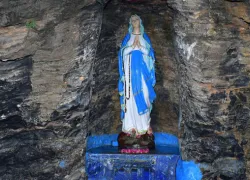
The Gundala Matha Shrine Temple is a renowned religious site located in the city of Vijayawada, Andhra Pradesh. Dedicated to the Mother Mary, the temple is visited by thousands of devotees seeking her blessings and divine intervention in their lives. The tranquil surroundings and spiritual ambience of the temple make it a popular place of worship for people from all walks of life. Architecture of Gundala Matha Shrine Temple The architecture of Gundala Matha Shrine Temple is a fine blend of traditional and modern styles. The main sanctum sanctorum is adorned with intricate carvings and beautiful paintings depicting various scenes from the life of Mother Mary. The temple complex also houses several smaller shrines dedicated to different deities, adding to its religious significance. The temple's exterior is equally impressive, with a grand entrance gate leading to a spacious courtyard where devotees can offer their prayers. The serene atmosphere of the temple is enhanced by the lush greenery and well-maintained gardens surrounding it, making it a peaceful oasis in the bustling city of Vijayawada. History The Gundala Matha Shrine Temple has a rich history that dates back several centuries. According to popular belief, the temple was built on the spot where a miraculous event took place, where Mother Mary appeared to a group of devotees and blessed them with her divine presence. Since then, the temple has been a place of pilgrimage for people seeking solace and spiritual guidance. Over the years, the temple has undergone several renovations and expansions, with each phase adding to its grandeur and religious significance. Today, the Gundala Matha Shrine Temple stands as a testimony to the enduring faith and devotion of its worshippers. Best Time To Visit The best time to visit the Gundala Matha Shrine Temple is during the annual festivals and religious events celebrated at the temple. These occasions draw large crowds of devotees who come to seek blessings and participate in the festivities. The temple is especially vibrant during these times, with special prayers, rituals, and cultural performances adding to the festive atmosphere. It is also recommended to visit the temple during the early morning or evening hours to avoid the heat and crowds. The peaceful surroundings and serene ambience of the temple make it a perfect place for meditation and contemplation, allowing visitors to connect with their spiritual side. How To Reach The Gundala Matha Shrine Temple is easily accessible by road, rail, and air. Located in the heart of Vijayawada city, the temple can be reached by private vehicles, public buses, or hired taxis. The nearest railway station is Vijayawada Junction, which is well-connected to major cities across India. For those traveling by air, the nearest airport is Vijayawada Airport, which has regular flights to and from major cities in the country. Once in the city, visitors can take a short drive or walk to the temple, which is located in a central location with good connectivity to the rest of the city. The temple is open to visitors throughout the year, with special arrangements made during festivals and religious events. Significance Of The Gundala Matha Shrine Temple The Gundala Matha Shrine Temple holds great significance for its devotees, who believe in the miraculous powers of Mother Mary and the divine blessings she bestows upon them. Many people come to the temple seeking protection, healing, and guidance in their lives, offering prayers and performing rituals to show their devotion. The temple is also a symbol of unity and harmony, as it welcomes people from all religions and backgrounds to come together in prayer and worship. The spiritual energy and positive vibes of the temple create a sense of peace and tranquility, making it a sacred place for all who visit. In conclusion, the Gundala Matha Shrine Temple is not just a religious site but a place of solace and spiritual rejuvenation for all those who seek divine intervention and blessings in their lives. Its rich history, stunning architecture, and serene surroundings make it a must-visit destination for anyone traveling to Vijayawada.
Explore More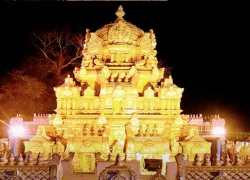
Kanaka Durga Temple is a famous Hindu shrine in Vijayawada. Standing on the hill of Indrakeeladri near the banks of the river Krishna, this temple is dedicated to Goddess Durga. Kanaka Durga Temple is located amid the beautiful surroundings and is visited by tourists extensively, especially on the occasion of Navratri. It Is Known For:-1) The temple is known for its Dravidian style of architecture2) The presiding idol of Goddess Durga is said to be self-manifested3) Legends claim that Goddess Durga killed the demon Mahishasura at this place4) Arjuna, the third Pandava, received Pashupath Astra from Lord Shiva after performing penance at this place5) The celebrations of Navratri Best Time To Visit:-Kanaka Durga Temple attracts the devotees from all the corners of the region. Throughout the year, people pay a visit to this holy shrine. The best time to visit this place is during Navratri. It is the time when the whole temple premises are decorated beautifully. Aartis take place in the morning and evening for 9 days that are attended by many people. Reaching There:-Kanaka Durga Temple is located near the main city of Vijayawada. Due to its location, it is connected with all the major transportations like the bus, taxi, and auto rickshaw. People can hire the services of these transportations and reach the shrine. Nearest Railway Station- Vijayawada Railway StationNearest Airport- Vijayawada Airport
Explore MoreTirupati Balaji Package Ex-Mumbai
4 Days/ 3 Night
Tirupati
Tirupati 1N - Pondicherry 2N - Chennai 1N Tour
5 Days/ 4 Night
Tirupati - Chennai - Pondicherry
6D Explore Tirupati - Mahabalipuram - Pondicherry Tour
6 Days/ 5 Night
Tirupati - Mahabalipuram - Pondicherry
South India Yatra 15N - 16D
16 Days/ 15 Night
Hyderabad - Tirupati - Kochi - Kovalam - Thekkady - Kanyakumari - Madurai - Rameshwaram - Trichy - Munnar - Kurnool
Sri Lakshmi Narasimha Swami Temple
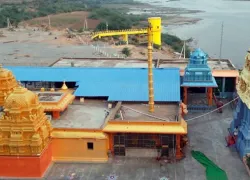
The Sri Lakshmi Narasimha Swami Temple in Vedadri is a renowned Hindu temple dedicated to Lord Narasimha, an incarnation of Lord Vishnu. Located in the village of Vedadri near Vijayawada in Andhra Pradesh, this temple is a popular pilgrimage site for devotees seeking blessings and fulfillment of their wishes. Architecture of Sri Lakshmi Narasimha Swami Temple, Vedadri The architecture of the Sri Lakshmi Narasimha Swami Temple in Vedadri is a perfect blend of traditional South Indian temple design and intricate craftsmanship. The temple complex is adorned with beautiful sculptures and carvings that depict scenes from Hindu mythology. The main sanctum sanctorum houses the idol of Lord Narasimha in a fierce form, along with idols of Goddess Lakshmi and Lord Hanuman. The temple also has a spacious hall for conducting religious ceremonies and rituals, as well as a peaceful meditation area for devotees to sit and pray. The towering gopuram at the entrance of the temple is a sight to behold, with its intricate carvings and colorful paintings that mesmerize visitors. History The history of the Sri Lakshmi Narasimha Swami Temple dates back many centuries, with legends and folklore associated with its origins. It is believed that the temple was built by a local king who was an ardent devotee of Lord Narasimha. Over the years, the temple has undergone several renovations and expansions to its current grandeur. The temple has withstood the test of time and continues to attract devotees from far and wide who come to seek the blessings of Lord Narasimha. The serene surroundings and spiritual ambiance of the temple make it a popular destination for those seeking solace and divine intervention. Best Time To Visit The best time to visit the Sri Lakshmi Narasimha Swami Temple in Vedadri is during the annual festivals and special occasions celebrated at the temple. The Brahmotsavam festival, held in the months of February or March, is a grand celebration that attracts a large number of devotees who come to witness the divine festivities. Visiting the temple during the early morning or evening hours is also recommended to experience the peaceful ambiance and participate in the daily rituals and prayers conducted by the temple priests. The temple is open throughout the year, but it is advisable to check the local calendar for auspicious days and festivals for a memorable visit. How To Reach The Sri Lakshmi Narasimha Swami Temple in Vedadri is easily accessible by road from Vijayawada, which is the nearest major city located approximately 35 kilometers away. Visitors can hire a taxi or take a local bus to reach the temple, which is well-connected by a network of roads. For those traveling by train, the nearest railway station is Vijayawada Junction, from where one can hire a cab or board a bus to reach the temple. The temple is also easily accessible from other nearby towns and cities in Andhra Pradesh, making it a convenient destination for devotees and tourists. Significance Of The Sri Lakshmi Narasimha Swami Temple, Vedadri The Sri Lakshmi Narasimha Swami Temple in Vedadri holds great significance among devotees who believe in the divine powers of Lord Narasimha. It is said that praying at this temple can bring blessings of protection, courage, and success in one's endeavors. Devotees often visit the temple to seek relief from troubles and obstacles in their lives, as well as to offer prayers for the well-being of their loved ones. The serene atmosphere and spiritual vibrations of the temple create a sense of peace and tranquility, making it a sacred place for devotees to connect with the divine. In conclusion, the Sri Lakshmi Narasimha Swami Temple in Vedadri is a place of devotion, faith, and spirituality that attracts visitors from near and far. The rich history, beautiful architecture, and divine blessings make it a must-visit destination for those seeking a spiritual experience in the heart of Andhra Pradesh.
Explore More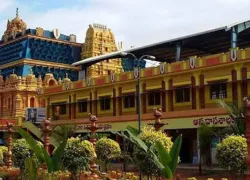
The Ayyappa Swami Temple in Gollapudi, Vijayawada, is a popular Hindu shrine dedicated to Lord Ayyappa. Situated in the Gollapudi area of Vijayawada, this temple attracts devotees from far and wide who come to seek the blessings of Ayyappa Swami. The temple is known for its spiritual ambiance and serene surroundings, making it a peaceful retreat for those seeking solace and divine intervention in their lives. Architecture of Ayyappa Swami Temple, Gollapudi The Ayyappa Swami Temple in Gollapudi is a fine example of traditional South Indian temple architecture. The temple is built in the Dravidian style, with intricate carvings and sculptures adorning its walls and pillars. The main sanctum sanctorum houses the idol of Lord Ayyappa, along with other deities like Lord Ganesh and Goddess Durga. The temple premises also include a spacious hall for conducting religious ceremonies and a beautiful garden that adds to the overall charm of the place. History The history of the Ayyappa Swami Temple in Gollapudi dates back several decades. The temple was established by a group of devout followers of Lord Ayyappa who wanted to create a sacred space where devotees could worship and offer prayers to the deity. Over the years, the temple has grown in popularity and has become an important religious landmark in the region. The temple continues to attract devotees who come to pay their respects to Lord Ayyappa and seek his blessings. Best Time To Visit The Ayyappa Swami Temple in Gollapudi can be visited throughout the year. However, the temple sees a surge in devotees during special occasions like Makar Sankranti, Vishu, and other festivals dedicated to Lord Ayyappa. If you want to experience the temple in all its glory, visiting during these festive times can be a rewarding experience. The weather is pleasant in Vijayawada during the winter months, making it an ideal time to visit the temple and explore the surrounding areas. How To Reach The Ayyappa Swami Temple in Gollapudi is easily accessible by road. Located in Vijayawada, the temple is well-connected to the city center and other major landmarks. Visitors can take a cab or auto-rickshaw to reach the temple from any part of Vijayawada. The nearest railway station is Vijayawada Junction, which is about 10 kilometers away from the temple. The nearest airport is Vijayawada Airport, which is approximately 25 kilometers from the temple. Significance Of The Ayyappa Swami Temple, Gollapudi The Ayyappa Swami Temple in Gollapudi holds great religious significance for devotees of Lord Ayyappa. Many people believe that offering prayers at this temple can bring peace, prosperity, and happiness into their lives. The temple is also known for its spiritual ambiance and tranquil surroundings, making it a perfect place for meditation and introspection. Devotees come here to seek blessings from Lord Ayyappa and to experience a sense of spiritual fulfillment. The temple's serene atmosphere and beautiful architecture make it a must-visit destination for those seeking a divine connection.
Explore More
About The Kotappakonda Trikutaparvattam Temple The Kotappakonda Trikutaparvattam Temple, located in Guntur, Andhra Pradesh, is a popular Hindu temple dedicated to Lord Shiva. Situated atop a hill, the temple offers breathtaking views of the surrounding area and is a significant pilgrimage site for devotees. Architecture of Kotappakonda Trikutaparvattam Temple The architecture of the Kotappakonda Trikutaparvattam Temple is unique and impressive. The temple complex consists of three shrines, symbolizing the Trishul (trident) of Lord Shiva. The main shrine is dedicated to Lord Shiva, while the other two shrines are dedicated to Lord Ganesh and Goddess Parvati. The temple is adorned with intricate carvings and sculptures, depicting various scenes from Hindu mythology. The colorful frescoes on the walls add to the beauty of the temple. The gopuram (gateway tower) of the temple is intricately designed and is a sight to behold. History The history of the Kotappakonda Trikutaparvattam Temple dates back several centuries. It is believed that the temple was built during the reign of the Kakatiya dynasty. According to legends, the sage Agastya performed penance at this sacred spot, and Lord Shiva appeared before him, granting him a boon. Over the years, the temple has undergone several renovations and additions, but its spiritual significance remains unchanged. Devotees from far and wide visit the temple to seek blessings and offer prayers to the deities. Best Time To Visit The best time to visit the Kotappakonda Trikutaparvattam Temple is during the festival of Maha Shivaratri, which is celebrated with great fervor and devotion. The temple is beautifully decorated with lights and flowers during this time, and special prayers and rituals are conducted. The winter months of November to February are also ideal for visiting the temple, as the weather is pleasant and conducive for exploration. It is recommended to avoid visiting during the summer months, as the temperatures can soar, making it uncomfortable for sightseeing. How To Reach The Kotappakonda Trikutaparvattam Temple is easily accessible by road. It is located approximately 70 kilometers from Guntur city, and regular bus services are available from Guntur to the temple. Private taxis and cabs can also be hired for a more comfortable journey. For those traveling from further away, the nearest railway station is in Guntur, which is well-connected to major cities in India. From the railway station, one can hire a taxi or take a bus to reach the temple. Significance Of The Kotappakonda Trikutaparvattam Temple The Kotappakonda Trikutaparvattam Temple holds great significance for devotees, who believe that offering prayers at the temple can fulfill their wishes and bring prosperity into their lives. The temple is also believed to be a place of healing, with many people seeking blessings for good health and well-being. The stunning architecture and serene surroundings of the temple make it a peaceful retreat for those seeking solace and spiritual connection. The temple's location atop a hill adds to its charm, offering panoramic views of the lush greenery and the surrounding landscape. Overall, the Kotappakonda Trikutaparvattam Temple is a must-visit destination for those seeking a blend of spirituality, history, and architectural beauty. Whether you are a devout Hindu or a curious traveler, a visit to this sacred site is sure to leave a lasting impression on your heart and soul.
Explore More
The Amareswara Temple is a famous Hindu temple dedicated to Lord Shiva located in the town of Amaravathi in Guntur district of Andhra Pradesh, India. It is one of the Pancharama Kshetras, which are the five important temples dedicated to Lord Shiva in Andhra Pradesh. The temple is situated on the southern bank of the Krishna River and is known for its unique architecture and historical significance. Architecture of Amareswara Temple The Amareswara Temple is an ancient temple built in the Dravidian style of architecture. The temple complex is spread over a large area and consists of a central shrine dedicated to Lord Shiva in the form of Amareswara, along with several smaller shrines dedicated to other deities. The main entrance to the temple is adorned with intricate carvings and sculptures depicting scenes from Hindu mythology. One of the most striking features of the temple is its 80-feet tall gopuram (gateway tower) which is adorned with colorful sculptures and intricate designs. The inner sanctum of the temple houses a lingam, the symbolic representation of Lord Shiva, which is worshipped by devotees with great reverence. History The Amareswara Temple has a rich history dating back to ancient times. According to legends, the temple was originally built by the Satavahana kings in the 2nd century BCE. Over the centuries, the temple has been renovated and expanded by various dynasties including the Chalukyas, Kakatiyas, and Vijayanagara Empire. The temple also has inscriptions dating back to the 5th century CE, which mention the contributions made by various rulers and devotees towards the upkeep and development of the temple. The Amareswara Temple has been a center of worship and pilgrimage for devotees from different parts of the country for centuries. Best Time To Visit The best time to visit the Amareswara Temple is during the Hindu festival of Maha Shivaratri, which is celebrated with great fervor and devotion. The temple is beautifully decorated with lights and flowers during this time, and devotees throng the temple to offer prayers and seek the blessings of Lord Shiva. Another important festival celebrated at the Amareswara Temple is Karthika Masam, which falls in the Hindu calendar month of Karthika (October-November). During this month, special rituals and prayers are conducted at the temple, and devotees observe fasting and offer special prayers to Lord Shiva. How To Reach The Amareswara Temple is easily accessible by road, rail, and air. The nearest railway station is in Guntur, which is well-connected to major cities like Hyderabad, Chennai, and Bangalore. Regular bus services are also available from Guntur to Amaravathi. The nearest airport is in Vijayawada, which is around 60 kilometers away from the temple. From the airport, taxis and buses are available to reach the Amareswara Temple. The temple can also be reached by boat from the Krishna River, which adds to the charm of the pilgrimage. Significance Of The Amareswara Temple The Amareswara Temple holds great significance among devotees and is believed to fulfill the wishes of those who offer prayers with a pure heart. It is said that Lord Shiva himself resides in the temple in the form of Amareswara, the one who grants immortality. Devotees believe that a visit to the Amareswara Temple can bring peace, prosperity, and fulfillment in their lives. The sacred waters of the Krishna River flowing near the temple are considered holy and are believed to have healing properties. Overall, the Amareswara Temple in Guntur is a place of immense spiritual importance and historical significance. It attracts thousands of devotees and tourists every year who come to seek the blessings of Lord Shiva and experience the divine energy of this ancient temple.
Explore More
Sri Paanakala Lakshmi Narasimha Swami Temple
About The Sri Paanakala Lakshmi Narasimha Swami Temple The Sri Paanakala Lakshmi Narasimha Swami Temple is a renowned Hindu temple located in Guntur, Andhra Pradesh, India. This temple is dedicated to Lord Narasimha, an avatar of the Hindu god Vishnu. The temple is known for its unique rituals and offerings to the deity, which includes offering jaggery water as prasadam. Architecture of Sri Paanakala Lakshmi Narasimha Swami Temple The Sri Paanakala Lakshmi Narasimha Swami Temple features a traditional South Indian architectural style. The temple complex is adorned with intricate carvings and sculptures that depict various mythological stories and deities. The main sanctum sanctorum houses the idol of Lord Narasimha in a sitting posture, with his consort Lakshmi by his side. The temple also has a large tank or pond within its premises, which adds to the serene ambiance of the place. The temple's gopuram (tower) is a sight to behold, with its vibrant colors and detailed sculptures. History The history of the Sri Paanakala Lakshmi Narasimha Swami Temple dates back several centuries. It is believed that the temple was built during the Vijayanagara Empire's rule in the region. Over the years, the temple has undergone renovations and additions, but has retained its spiritual significance and architectural beauty. Legend has it that the temple was established by a devout king who was blessed by Lord Narasimha, leading to the construction of the temple in his honor. The temple has since become a popular pilgrimage site for devotees seeking the blessings of Lord Narasimha. Best Time To Visit The best time to visit the Sri Paanakala Lakshmi Narasimha Swami Temple is during the months of October to February, when the weather is pleasant and conducive for exploring the temple and its surroundings. Additionally, the temple hosts various festivals and special ceremonies during this time, making it a vibrant and lively atmosphere for visitors. How To Reach The Sri Paanakala Lakshmi Narasimha Swami Temple is easily accessible by road, rail, and air. Guntur is well-connected to major cities in Andhra Pradesh and neighboring states, making it convenient for devotees to reach the temple. By road, one can take a bus or hire a taxi from Guntur city to reach the temple. The nearest railway station is also located in Guntur, making it accessible for those traveling by train. For those coming from farther distances, the nearest airport is in Vijayawada, which is around 60 kilometers away from the temple. Significance Of The Sri Paanakala Lakshmi Narasimha Swami Temple The Sri Paanakala Lakshmi Narasimha Swami Temple is known for its unique rituals and offerings to Lord Narasimha. One of the most prominent rituals at the temple is the offering of jaggery water, known as paanakam, to the deity. This ritual is believed to appease the lord and bring prosperity and protection to the devotees. The temple is also significant for its spiritual ambiance and serene surroundings, making it a popular destination for those seeking peace and divine blessings. Visitors to the temple can experience the rich cultural heritage of the region and immerse themselves in the spiritual energy of the place.
Explore More
Sree Veeanjaneya Swami Temple, Ponnuru is situated 30 km away from ponnur, Guntur district of Andhra Pradesh. The statue of Lord Hanuman is about 12 feet wide and made up of Black Stone. It has been observed that the most vital festival celebrated in this temple is Hanuman Jayanti. The vital deity of Ponnur temple of Lord Hanuman was built in 1969 by Jagannadha Swamy. However, there are several other temples situated in Guntur and this temple has also specified importance. The ponnur town is famous for Sree Veeranjaneya Swami Temple and other temples as well. The commonly used local language used in Ponnuru is Telugu. The vital attractions of this ponnur town are Veeranjaneya temple and Garutmantha Swamy. The nearby cities to ponnur are Amaravati, Guntur, Tenali, and Vijayawada. However, pooja is performed on daily basis. This place is famous for Sahastra Lingas, situated on the same premises as Lord Hanuman. The temples have been built per the Dravidian architectural style. History The most interesting facts about Sree Veeranjaneya Swami Temple, Ponnuru are five akhanda deepas that are present in the five-storied building. This temple has several other temples situated on the same premises. This temple compound measures about 6 acres and there are 6 temples in the temple complex. However, Sri Sahasra lingeswara Swamy temple was built in 1938. However, other deities were installed along with the presiding deity in the temple. The remaining temples were constructed subsequently. This Lord Hanuman temple was constructed by Sri Kota Jaganadha Swamy. This temple was constructed from the collection of donations from various villages in the area. Sri Kota jaganadha Swamy acquired a wetland of 63 acres in the name of the temple. However, this has helped to tenali revenue department for such land. It has been observed that a large number of devotees arrive here from various parts of the state every year. These temple walls are painted with different scenes of Lord Hanuman Story and other lords. Pooja's are performed as per Saiva Agama at Sri Sahalingeswara Temple and Sri Kalabhairava temples. Best Time To Visit It is recommended that the ideal time for visiting this temple is during the winter season. However, the best months are from September to February. However, there are other temples like Sahasra lingeswara Swamy temple, Sri Venkateswara temple, Dasavatara temple, and Garuda temple. The temple timings for visiting are 6 am to 8 pm. However, different types of charges are available for different types of Pooja. The major festivals celebrated in this temple are Ugadi, Hanuman Jayanti, Navaratri, Maha Shivratri, etc. The temple management has allocated dress codes for women and men like shirts and trousers, dhoti or pajamas for men, and saree or churidar with pajamas for women. However, other dresses are not allowed. How To Reach? Ponnur town is exclusively connected by road and rail. This temple is situated on Guntur- Chirala highway. Therefore, devotees can reach this temple from Guntur, narasaraopet, and Bapatla town. To reach this temple, bus frequency is highly efficient and frequently run by APSRTC. The nearest railway station to reach this station is nidubrolu railway station at a distance of just 2 km from Ponnur town. However, Bapatla railway station is just 22 km from Ponnur. The nearest airport to this temple is Vijayawada airport.
Explore More
The Sri Malleswara Swami Temple, located in Peda Kakani, Guntur, is a renowned Hindu temple dedicated to Lord Shiva. It is a popular pilgrimage site for devotees seeking blessings from the powerful deity. The temple is known for its religious significance and architectural beauty, attracting visitors from near and far. Architecture of Sri Malleswara Swami Temple, Peda Kakani The Sri Malleswara Swami Temple is a fine example of traditional South Indian temple architecture. The temple complex is adorned with intricate carvings and sculptures that showcase the rich cultural heritage of India. The main entrance of the temple is a spectacular gopuram (tower) that is a sight to behold. The inner sanctum of the temple houses the main deity, Lord Shiva, in the form of a lingam. The temple premises also include various other shrines dedicated to different deities, along with a sacred pond for devotees to take a holy dip. History The history of the Sri Malleswara Swami Temple dates back several centuries. According to legend, the temple was originally built by a devotee of Lord Shiva who was blessed by the deity with divine powers. Over the years, the temple has undergone several renovations and expansions, each adding to its grandeur and religious significance. The temple has stood as a symbol of devotion and faith for generations, attracting pilgrims and tourists alike. Best Time To Visit The best time to visit the Sri Malleswara Swami Temple is during the months of February to March when the famous Maha Shivaratri festival is celebrated with great zeal and enthusiasm. The festival attracts a large number of devotees who come to offer their prayers to Lord Shiva and seek his blessings. The temple is beautifully decorated during this time, creating a festive and spiritual atmosphere that is truly unforgettable. How To Reach The Sri Malleswara Swami Temple is easily accessible by road, located in Peda Kakani which is well-connected to major cities in Andhra Pradesh. Visitors can reach the temple by bus or car, enjoying a picturesque journey through the lush green landscapes of the region. The nearest railway station is in Guntur, which is approximately 25 kilometers away from the temple. From there, visitors can hire a taxi or take a local bus to reach the temple. Significance Of The Sri Malleswara Swami Temple, Peda Kakani The Sri Malleswara Swami Temple holds immense significance for devotees of Lord Shiva. It is believed that a visit to the temple and offering prayers to the deity can fulfill one's wishes and bring peace and prosperity into their lives. The temple also holds cultural and historical importance, showcasing the architectural brilliance of ancient India. Pilgrims visit the temple to seek blessings, perform rituals, and immerse themselves in the divine energy that radiates from this sacred place. The serene ambiance of the temple complex provides a spiritual retreat for devotees seeking solace and inner peace.
Explore More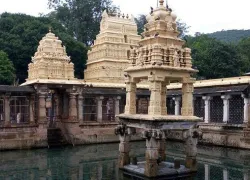
The Mahanandi Temple is a revered Hindu temple located in Kurnool district in the state of Andhra Pradesh, India. Dedicated to Lord Shiva, this ancient temple holds great religious significance and attracts devotees from far and wide. The temple is situated amidst the scenic Nallamala Hills, making it a serene and picturesque location for spiritual seekers. Architecture of Mahanandi Temple The Mahanandi Temple stands out for its unique architecture that showcases a fusion of Dravidian and Nagara styles. The temple complex is adorned with intricate carvings and sculptures, reflecting the rich heritage of Indian art and architecture. The main sanctum sanctorum houses a beautiful idol of Lord Shiva in the form of a lingam, which is the focal point of worship for devotees. The temple also features a large kalyana mandapam where marriage ceremonies are conducted, adding to the cultural significance of the place. The temple premises are well-maintained and peaceful, providing visitors with a tranquil atmosphere for prayer and contemplation. History The history of the Mahanandi Temple dates back several centuries, with legends and myths surrounding its origin. It is believed that the temple was built during the reign of the Chalukya dynasty, who were patrons of art and religion. Over the years, the temple underwent renovations and expansions, adding to its grandeur and splendor. The temple is also associated with various mythological stories and religious beliefs, making it a place of pilgrimage for devotees seeking blessings and spiritual fulfillment. The serene surroundings of the temple, coupled with its historical significance, make it a must-visit destination for anyone interested in exploring the cultural heritage of India. Best Time To Visit The best time to visit the Mahanandi Temple is during the winter months, from October to February, when the weather is pleasant and conducive for travel. The cool climate allows visitors to explore the temple and its surroundings comfortably, without being affected by the scorching heat of the summer months. It is advisable to avoid visiting the temple during the monsoon season, from June to September, as heavy rains can disrupt travel plans and make it difficult to navigate the hilly terrain around the temple. Planning a visit during the festive season, such as Maha Shivaratri or Navratri, can also enhance the spiritual experience and provide an opportunity to witness traditional rituals and ceremonies. How To Reach The Mahanandi Temple is well-connected by road and can be easily accessed from various cities in Andhra Pradesh. The nearest airport is located in Hyderabad, approximately 200 kilometers away, while the closest railway station is in Nandyal, about 15 kilometers from the temple. Visitors can hire taxis or take public transportation to reach the temple, enjoying the scenic beauty of the Nallamala Hills along the way. The temple is also accessible via a short trek from the foothills, offering adventurous travelers a unique experience of nature and spirituality combined. Significance Of The Mahanandi Temple The Mahanandi Temple holds immense significance for devotees of Lord Shiva, who come to seek blessings and fulfill their prayers. The temple is believed to be one of the Nava Nandis, a group of nine temples dedicated to Lord Shiva in the region, each with its own unique history and mythology. Devotees believe that a visit to the Mahanandi Temple can cleanse the soul and bring peace and prosperity to their lives. It is also considered a sacred place for performing rituals and ceremonies, such as abhishekam and puja, to seek divine intervention in times of need. Overall, the Mahanandi Temple is not just a place of worship, but a symbol of cultural heritage and spiritual enlightenment, inviting visitors to immerse themselves in the rich tapestry of Indian traditions and beliefs.
Explore More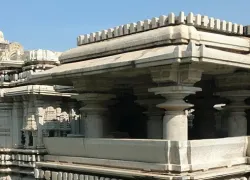
The Venugoplaswami Temple, located in Kurnool, is a famous Hindu temple dedicated to Lord Venugopala Swamy, a form of Lord Krishna. The temple is known for its unique architecture, rich history, and religious significance. It is a popular pilgrimage site for devotees who come to seek blessings and offer prayers to the deity. Architecture of Venugoplaswami Temple The Venugoplaswami Temple is a fine example of traditional Dravidian architecture. The temple complex is adorned with intricate carvings, ornate pillars, and beautiful sculptures depicting various scenes from Hindu mythology. The main sanctum sanctorum houses the idol of Lord Venugopala Swamy, which is believed to be self-manifested. History The history of the Venugoplaswami Temple dates back to several centuries. It is believed that the temple was constructed during the reign of the Vijayanagara Empire. Over the years, the temple underwent several renovations and additions, contributing to its grandeur and architectural beauty. The temple has withstood the test of time and continues to attract pilgrims from all over the country. Best Time To Visit The best time to visit the Venugoplaswami Temple is during the festivals and special occasions dedicated to Lord Venugopala Swamy. The temple celebrates various festivals with great fervor, including Sri Krishna Janmashtami, Radhashtami, and Govardhan Puja. These festive times offer a unique opportunity to witness the temple's vibrant atmosphere and participate in the religious ceremonies. How To Reach The Venugoplaswami Temple is easily accessible from Kurnool city. The nearest airport is located in Hyderabad, approximately 200 kilometers away. Visitors can also reach the temple by rail or road, as Kurnool is well-connected to major cities in Andhra Pradesh. Local transportation, such as buses and taxis, is available for easy travel to the temple. Significance Of The Venugoplaswami Temple The Venugoplaswami Temple holds great religious significance among devotees. It is believed that worshipping Lord Venugopala Swamy can bring prosperity, happiness, and fulfillment of desires. The temple also serves as a place for spiritual retreat and meditation, attracting seekers and followers of Lord Krishna's teachings. The serene ambiance and divine presence of the temple create a sense of peace and devotion among visitors. In conclusion, the Venugoplaswami Temple in Kurnool is a sacred place that offers a unique blend of history, architecture, and spirituality. Whether you are a devout follower of Lord Krishna or simply a curious traveler, a visit to this temple is sure to leave a lasting impression of peace and enlightenment.
Explore More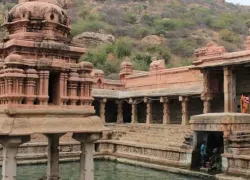
The Yaganti Shiva Temple located in Kurnool, Andhra Pradesh, is a popular pilgrimage site dedicated to Lord Shiva. It is believed to be one of the most ancient temples in India, dating back to the 5th century. The temple is known for its unique architectural style and historical significance, making it a must-visit destination for devotees and history enthusiasts alike. Architecture of Yaganti Shiva Temple The Yaganti Shiva Temple showcases a blend of Dravidian and Vijayanagara architectural styles. The temple complex is adorned with intricate carvings and sculptures that depict various mythological stories and deities. The highlight of the temple is the Nandi (bull) statue, which is carved out of a single stone and is believed to be growing in size over the years. History The history of the Yaganti Shiva Temple dates back to ancient times, with mentions in various religious texts and scriptures. According to folklore, the temple was originally constructed by the sage Agastya and later renovated by the Vijayanagara kings. Over the centuries, the temple has witnessed various rulers and dynasties, each leaving their mark on its architecture and cultural significance. Best Time To Visit The best time to visit the Yaganti Shiva Temple is during the winter months, from October to March, when the weather is pleasant and ideal for exploring the temple complex. The temple also hosts various festivals and events during this time, offering visitors a chance to witness the vibrant culture and traditions of the region. How To Reach The Yaganti Shiva Temple is easily accessible by road from Kurnool city, which is well-connected to major cities in Andhra Pradesh and neighboring states. Visitors can also hire taxis or take public transport to reach the temple. The nearest railway station is located in Kurnool, and the nearest airport is in Hyderabad, approximately 3 hours away by road. Significance Of The Yaganti Shiva Temple The Yaganti Shiva Temple holds immense religious significance for devotees of Lord Shiva, who come here to seek blessings and offer prayers. The temple is also known for its healing powers, with many people visiting to cure ailments and seek spiritual guidance. The natural caves surrounding the temple are believed to have mystical properties, adding to the sacred atmosphere of the site. In conclusion, the Yaganti Shiva Temple in Kurnool stands as a testimony to the rich cultural heritage and architectural brilliance of ancient India. With its intricate carvings, historical significance, and spiritual aura, the temple continues to attract pilgrims and tourists from around the world, making it a must-visit destination for those seeking a blend of history, spirituality, and architectural marvels.
Explore More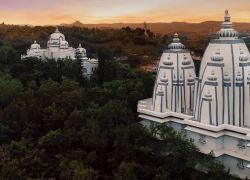
The Prasanthi Nilayam Temple, located in Anantapur, is a spiritual hub and pilgrimage destination for followers of the spiritual leader Sathya Sai Baba. The temple is known for its peaceful ambiance and serene surroundings, making it a popular spot for meditation and reflection. Architecture of Prasanthi Nilayam Temple The architecture of the Prasanthi Nilayam Temple is a blend of modern and traditional styles, with a central prayer hall that can accommodate thousands of devotees. The temple features intricate carvings and beautiful artwork that reflect the spiritual significance of the place. The serene atmosphere of the temple is enhanced by lush gardens and fountains that surround the complex. History The Prasanthi Nilayam Temple was established by Sathya Sai Baba, a revered spiritual leader known for his teachings of love, peace, and unity. The temple was built to serve as a center for spiritual learning and meditation, attracting devotees from around the world. Since its inception, the temple has become a symbol of spiritual enlightenment and a beacon of hope for those seeking inner peace. Best Time To Visit The best time to visit the Prasanthi Nilayam Temple is during major festivals and ceremonies, such as the Guru Purnima and the birthday celebrations of Sathya Sai Baba. These events draw large crowds of devotees and offer a unique opportunity to experience the spiritual energy of the temple. However, visitors can also enjoy a peaceful visit to the temple during weekdays, when the crowds are smaller and the atmosphere is more serene. How To Reach The Prasanthi Nilayam Temple is located in Anantapur, a district in the Indian state of Andhra Pradesh. The nearest airport is in Bangalore, approximately 150 kilometers away, which is well connected to major cities in India and abroad. Visitors can also reach the temple by train, with the closest railway station being Puttaparthi, just a few kilometers away. Those traveling by road can take a bus or hire a taxi to reach the temple from nearby cities. Significance Of The Prasanthi Nilayam Temple The Prasanthi Nilayam Temple holds great significance for followers of Sathya Sai Baba, who consider it a sacred place of worship and spiritual growth. The temple is believed to be a source of divine energy and blessings, with devotees coming from far and wide to seek solace and guidance. The teachings of Sathya Sai Baba, which emphasize love, peace, and service to humanity, are deeply ingrained in the ethos of the temple, making it a place of spiritual awakening and transformation for many.Visitors to the Prasanthi Nilayam Temple can experience a sense of inner peace and tranquility as they immerse themselves in the spiritual energy of the place. The serene surroundings, soothing music, and heartfelt prayers create a meditative atmosphere that is conducive to reflection and introspection. Whether seeking spiritual guidance, healing, or simply a moment of respite from the hustle and bustle of daily life, the Prasanthi Nilayam Temple offers a sanctuary of peace and love for all who visit.
Explore More
The ISKCON Temple Anantapur is a spiritual center dedicated to the worship of Lord Krishna and is a part of the International Society for Krishna Consciousness (ISKCON). Located in the city of Anantapur in Andhra Pradesh, this temple attracts devotees and tourists alike with its serene atmosphere and beautiful architecture. Architecture of ISKCON Temple Anantapur The ISKCON Temple Anantapur is known for its stunning architecture that combines traditional Indian temple designs with modern elements. The temple features intricate carvings, colorful paintings, and majestic domes that create a sense of grandeur and spirituality. The main sanctum sanctorum houses the deity of Lord Krishna, attracting devotees who come to offer prayers and seek blessings. History The ISKCON Temple Anantapur was established with the aim of spreading the teachings of Lord Krishna and promoting spiritual awareness among the people. The temple is a part of the global ISKCON organization, which was founded by Srila Prabhupada in 1966 with the goal of propagating the ancient Vedic wisdom and teachings of Bhagavad Gita. Best Time To Visit The best time to visit the ISKCON Temple Anantapur is during festivals and special events dedicated to Lord Krishna, such as Janmashtami (Lord Krishna's birthday) and Radha Ashtami. These occasions attract a large number of devotees who come to participate in the celebrations and experience the spiritual ambiance of the temple. How To Reach The ISKCON Temple Anantapur is easily accessible by road, rail, and air. The nearest airport is located in Bangalore, approximately 200 kilometers away, while the Anantapur Railway Station is well-connected to major cities in the region. Local buses and taxis are also available for transportation to the temple. Significance Of The ISKCON Temple Anantapur The ISKCON Temple Anantapur holds great significance for devotees who seek spiritual guidance and blessings from Lord Krishna. The temple provides a peaceful retreat for meditation and prayer, allowing visitors to connect with their inner selves and experience a sense of tranquility and harmony. Its teachings and activities promote self-realization and enlightenment, making it a popular destination for those on a spiritual journey. In conclusion, the ISKCON Temple Anantapur is a place of worship, meditation, and spiritual growth, where devotees can immerse themselves in the divine presence of Lord Krishna. With its exquisite architecture, rich history, and vibrant atmosphere, the temple is a must-visit destination for anyone seeking peace, enlightenment, and a deeper connection to the divine.
Explore More3 Night - 4 Days Vizag Tour Package
4 Days/ 3 Night
Visakhapatnam
All Himachal Grand Tour
5 Days/ 4 Night
Dalhousie - Khajjiar - Dharamshala - Palamaner - Mcleodganj
4 Nights - 5 Days - Chitrakote - Araku - Visakhapatnam Tour
5 Days/ 4 Night
Visakhapatnam - Bastar
Sri Mallikarjuna Jyotirlinga Yatra - 14 Pax
4 Days/ 3 Night
Hyderabad - Nandyal - Kurnool
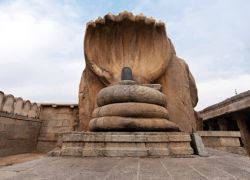
The Veerabhadra Temple, located in Anantapur, is a stunning example of ancient architecture and craftsmanship. Dedicated to Lord Veerabhadra, a fierce form of Lord Shiva, this temple draws devotees and tourists alike with its intricate carvings, beautiful sculptures, and spiritual aura. Architecture of Veerabhadra Temple The architecture of the Veerabhadra Temple is a blend of Dravidian and Vijayanagara styles. The temple complex is adorned with ornate pillars, intricate carvings of deities, and stunning sculptures depicting mythological scenes. The main sanctum of the temple houses the idol of Lord Veerabhadra along with other deities like Lord Shiva and Goddess Parvati. History The Veerabhadra Temple has a rich history dating back to the Vijayanagara Empire. It is said to have been built by the rulers of the Vijayanagara dynasty to honor Lord Veerabhadra. Over the centuries, the temple has undergone several renovations and additions, but it still retains its original charm and grandeur. Best Time To Visit The best time to visit the Veerabhadra Temple is during the winter months from October to February when the weather is pleasant and conducive for exploring the temple complex. The temple also celebrates various festivals and special occasions during this time, making it a vibrant and lively place to visit. How To Reach The Veerabhadra Temple is located in Anantapur, which is well-connected by road, rail, and air. The nearest airport is in Bangalore, which is around 200 kilometers away from Anantapur. You can also reach Anantapur by train or bus from major cities like Hyderabad, Chennai, and Bangalore. Once in Anantapur, you can hire a taxi or take a local bus to reach the temple. Significance Of The Veerabhadra Temple The Veerabhadra Temple holds great significance for devotees of Lord Shiva and Lord Veerabhadra. It is believed that worshipping at this temple can grant blessings for courage, protection, and strength. The temple also attracts art and history enthusiasts who are fascinated by the intricate carvings and architecture of the temple. Overall, the Veerabhadra Temple in Anantapur is not just a place of worship but also a symbol of cultural heritage and architectural brilliance. It stands as a testament to the rich history and traditions of the region, drawing visitors from far and wide to experience its beauty and spirituality.
Explore More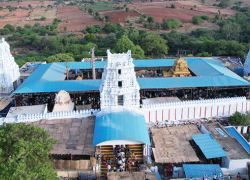
The Penna Ahobilam Temple is a famous Hindu temple dedicated to Lord Narasimha, located in the Anantapur district of Andhra Pradesh, India. The temple is situated on the banks of the Penna River and is known for its architectural beauty and religious significance. The temple complex is surrounded by scenic natural landscapes, making it a popular pilgrimage destination for devotees. Architecture of Penna Ahobilam Temple The Penna Ahobilam Temple showcases a blend of Dravidian and Vijayanagara architectural styles. The main shrine of the temple is dedicated to Lord Narasimha, who is believed to be an incarnation of Lord Vishnu. The temple features intricately carved stone pillars, walls adorned with intricate sculptures, and a towering gopuram at the entrance. The sanctum sanctorum houses the idol of Lord Narasimha in a fierce form, symbolizing the deity's protection and power. History The history of the Penna Ahobilam Temple dates back to ancient times and is associated with various mythological stories. According to legend, the temple was established by a saint named Prahlada, who was a devotee of Lord Narasimha. It is believed that Prahlada performed penance at this sacred site and the deity appeared to him in the form of Narasimha to fulfill his wishes. Over the centuries, the temple has undergone renovations and additions, reflecting the cultural and religious heritage of the region. Best Time To Visit The best time to visit the Penna Ahobilam Temple is during the winter months of October to March when the weather is pleasant and conducive for exploring the temple complex. Devotees often visit the temple during festivals such as Narasimha Jayanti and Vaikunta Ekadashi, which are celebrated with great enthusiasm and devotion. It is advisable to check the temple's schedule and timings before planning your visit to avoid any inconvenience. How To Reach The Penna Ahobilam Temple is easily accessible by road, rail, and air. The nearest airport is Sri Sathya Sai Airport in Puttaparthi, which is approximately 80 kilometers away from the temple. Anantapur is the nearest railway station, located about 30 kilometers from the temple. Visitors can also reach the temple by bus or hired vehicles from nearby cities such as Anantapur and Bangalore. The temple is well-connected by road and offers ample parking facilities for devotees. Significance Of The Penna Ahobilam Temple The Penna Ahobilam Temple holds great religious significance for the followers of Lord Narasimha. The deity is worshipped as a protector and destroyer of evil forces, symbolizing courage and righteousness. Devotees offer prayers and perform rituals to seek the blessings of Lord Narasimha for protection, prosperity, and spiritual enlightenment. The temple is also revered for its serene ambiance and spiritual energy, making it a sacred place for meditation and introspection. In conclusion, the Penna Ahobilam Temple is a revered pilgrimage site that attracts devotees from far and wide. With its rich history, architectural grandeur, and spiritual significance, the temple stands as a testimony to the cultural heritage of Andhra Pradesh. Whether you seek solace in prayer or wish to explore the architectural marvels of the past, a visit to the Penna Ahobilam Temple promises a memorable and enriching experience.
Explore More
The Dwaraka Tirumala Temple, also known as the Chinna Tirupati, is a famous Hindu temple located in the town of Dwaraka Tirumala in Eluru, Andhra Pradesh. This temple is dedicated to Lord Venkateswara, who is worshipped as the presiding deity of the temple. The temple is situated on top of a hill, offering breathtaking views of the surrounding landscape. It is a popular pilgrimage site for devotees seeking blessings and spiritual fulfillment. Architecture of Dwaraka Tirumala Temple The Dwaraka Tirumala Temple is a beautiful example of Dravidian architecture, with its intricate carvings, majestic gopurams (gateway towers), and ornate pillars. The temple complex is spread over a vast area and consists of several mandapams (pillared halls) and shrines dedicated to various deities. The main shrine of Lord Venkateswara is adorned with gold-plated vimanas (roof structures) and exquisite sculptures depicting scenes from Hindu mythology. History The history of the Dwaraka Tirumala Temple dates back several centuries. According to legend, the temple was established by the great saint Ramanuja in the 11th century. Over the years, the temple has been renovated and expanded by various rulers, including the Vijayanagara Empire and the Chola Dynasty. The temple has stood as a symbol of faith and devotion for devotees from all walks of life. Best Time To Visit The best time to visit the Dwaraka Tirumala Temple is during the festive season, which usually falls in the months of March-April and September-October. The temple comes alive with colorful decorations, devotional music, and elaborate rituals during these times. It is also advisable to visit the temple during weekdays to avoid large crowds and long waiting times for darshan (sacred viewing of the deity). How To Reach The Dwaraka Tirumala Temple is easily accessible by road, rail, and air. The nearest airport is located in Vijayawada, approximately 70 kilometers away from the temple town. The nearest railway station is in Eluru, which is well-connected to major cities like Hyderabad, Chennai, and Bangalore. From Eluru, one can hire a taxi or take a local bus to reach the temple. The temple town is also well-connected by a network of state-run buses. Significance Of The Dwaraka Tirumala Temple The Dwaraka Tirumala Temple holds great significance for devotees who believe that a visit to the temple can fulfill their wishes and bring them good fortune. The temple is also known for its healing powers, with many devotees seeking blessings for good health and well-being. The temple is a place of peace and tranquility, where devotees can experience a sense of spiritual connection with the divine. It is a must-visit destination for those seeking spiritual solace and inner peace. Overall, the Dwaraka Tirumala Temple in Eluru is a sacred place that embodies the rich cultural heritage and spiritual traditions of India. It is a place where devotees can seek solace, offer prayers, and experience a sense of divine presence. A visit to this temple is not just a journey of faith but also a journey of self-discovery and inner awakening.
Explore More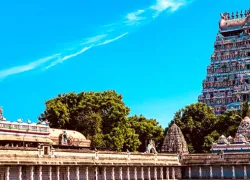
The Markandeya Temple is a sacred Hindu temple located in the city of Rajahmundry in the state of Andhra Pradesh, India. Dedicated to Lord Shiva, this temple is believed to be one of the oldest and most revered temples in the region. The temple is named after the sage Markandeya, who is said to have worshipped Lord Shiva at this very spot. Architecture of Markandeya Temple The Markandeya Temple showcases a unique blend of architectural styles, with influences from both Dravidian and Nagara styles of temple architecture. The temple complex is adorned with intricate carvings and sculptures, depicting various scenes from Hindu mythology. The main sanctum of the temple houses a beautiful idol of Lord Shiva in a meditative pose, along with other deities such as Parvati and Ganesha. The temple also features a large mandapa (hall) with ornate pillars and ceilings, creating a mesmerizing visual experience for visitors. The outer walls of the temple are embellished with elaborate stone carvings, showcasing the skill and craftsmanship of the artisans who built the temple. History The history of the Markandeya Temple dates back to ancient times, with references to the temple found in various texts and scriptures. According to legend, the sage Markandeya performed intense penance at this spot, seeking the blessings of Lord Shiva. Pleased with his devotion, Lord Shiva is said to have appeared before the sage and granted him with eternal life. Over the centuries, the temple has undergone several renovations and additions, but its spiritual significance and sanctity have remained intact. Today, the Markandeya Temple continues to attract devotees and pilgrims from far and wide, seeking the blessings of Lord Shiva. Best Time To Visit The best time to visit the Markandeya Temple is during the months of October to March, when the weather is pleasant and conducive for exploring the temple complex. The temple also hosts several festivals and special events during this time, attracting a large number of devotees and visitors. It is advisable to avoid visiting the temple during the monsoon season, as heavy rains can make the approach to the temple difficult and risky. How To Reach The Markandeya Temple is located in the heart of Rajahmundry city, making it easily accessible by road, rail, and air. The nearest railway station is Rajahmundry Railway Station, which is well-connected to major cities in India. The temple is also accessible by road, with regular bus services available from nearby towns and cities. For those traveling by air, the nearest airport is Rajahmundry Airport, which has regular flights to major cities in India. From the airport, visitors can hire a taxi or take a bus to reach the temple. Significance Of The Markandeya Temple The Markandeya Temple holds great significance for devotees of Lord Shiva, who believe that worshipping at this sacred site can bring them peace, prosperity, and fulfillment. The temple is also known for its spiritual ambiance and serene surroundings, making it a popular destination for meditation and contemplation. Many visitors also come to the Markandeya Temple seeking relief from physical ailments, as it is believed that the blessings of Lord Shiva can cure illnesses and bring about healing. The temple is a place of solace and refuge for those in need, offering spiritual guidance and support to all who seek it. In conclusion, the Markandeya Temple in Rajahmundry is not just a place of worship, but a symbol of faith, devotion, and tradition. It stands as a testament to the enduring legacy of Hindu culture and spirituality, attracting pilgrims and tourists alike with its timeless beauty and sacred aura.
Explore More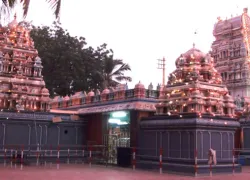
The Kotilingeswara Temple is a renowned Hindu temple located in Rajahmundry, Andhra Pradesh. The temple is dedicated to Lord Shiva and is known for its numerous lingams (phallic symbol of Lord Shiva) that are believed to have been installed by devotees over the years. The temple attracts a large number of pilgrims and tourists throughout the year. Architecture of Kotilingeswara Temple The Kotilingeswara Temple showcases a unique architectural style that blends traditional South Indian temple architecture with modern influences. The temple complex consists of several structures including the main sanctum sanctorum, mandapams (pillared halls), gopurams (ornate gateways), and a large tank for ritual bathing. History The history of the Kotilingeswara Temple dates back to ancient times, with its exact origins shrouded in mystery. According to local legends, the temple was established by a powerful king who was a devout worshiper of Lord Shiva. Over the centuries, the temple has undergone several renovations and additions, resulting in its current grandeur. Best Time To Visit The best time to visit the Kotilingeswara Temple is during the auspicious festival of Maha Shivaratri, which falls in the Hindu month of Phalguna (February-March). This festival attracts a large number of devotees who come to offer prayers and seek blessings from Lord Shiva. The temple is also beautifully decorated during this time, adding to the festive atmosphere. How To Reach The Kotilingeswara Temple is easily accessible by road, rail, and air. The nearest railway station is Rajahmundry Railway Station, which is well connected to major cities in India. The temple is also well connected by road, with regular bus services available from nearby towns and cities. The nearest airport is Rajahmundry Airport, which is located at a distance of about 15 kilometers from the temple. Significance Of The Kotilingeswara Temple The Kotilingeswara Temple holds great religious significance for devotees of Lord Shiva. The temple is believed to be a powerful place of worship where devotees can seek the blessings of Lord Shiva for health, wealth, and happiness. The presence of the numerous lingams in the temple is said to represent the infinite forms of Lord Shiva and is considered auspicious for devotees. In conclusion, the Kotilingeswara Temple in Rajahmundry is a must-visit for devotees of Lord Shiva and tourists interested in exploring the rich cultural heritage of India. The temple's unique architecture, rich history, and religious significance make it a popular destination for pilgrims and travelers alike.
Explore More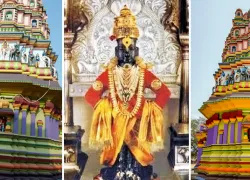
About The Pandu Ranga Swamy Temple The Pandu Ranga Swamy Temple, located in the Krishna District of Andhra Pradesh, is a renowned Hindu temple dedicated to Lord Rama. The temple is situated on a hill, offering visitors a stunning panoramic view of the surrounding area. The temple holds great spiritual significance for devotees who come to seek blessings and offer prayers to Lord Rama. Architecture of Pandu Ranga Swamy Temple The Pandu Ranga Swamy Temple boasts of magnificent architecture that reflects the rich cultural heritage of the region. The temple's main entrance is adorned with intricate carvings and sculptures, showcasing the craftsmanship of the artisans of yesteryears. The inner sanctum of the temple houses the idol of Lord Rama, along with other deities, surrounded by ornate pillars and beautifully painted ceilings. History The history of the Pandu Ranga Swamy Temple dates back several centuries. According to local legends, the temple was built by a group of devotees who were inspired by a divine vision of Lord Rama. Over the years, the temple has undergone several renovations and expansions, but it has always retained its sanctity and spiritual aura. Best Time To Visit The best time to visit the Pandu Ranga Swamy Temple is during the months of October to March when the weather is pleasant and conducive for exploring the temple premises. The temple also hosts several festivals and special events during this time, providing visitors with a unique opportunity to witness the rich cultural traditions of the region. How To Reach The Pandu Ranga Swamy Temple is easily accessible by road and is well-connected to major cities in Andhra Pradesh. Visitors can choose to either drive to the temple or take a local bus or taxi from nearby towns. The nearest railway station is located a few kilometers away, making it convenient for those traveling by train. Significance Of The Pandu Ranga Swamy Temple The Pandu Ranga Swamy Temple holds great significance for devotees who believe that Lord Rama fulfills their wishes and grants them blessings. Many people visit the temple to seek solace, peace, and guidance in times of trouble. The serene ambiance of the temple, coupled with the spiritual energy it exudes, makes it a popular destination for those seeking spiritual upliftment. In conclusion, the Pandu Ranga Swamy Temple in the Krishna District is not just a place of worship but also a symbol of the rich cultural heritage and spiritual traditions of Andhra Pradesh. Its magnificent architecture, rich history, and spiritual significance make it a must-visit destination for those seeking a truly unique and enriching spiritual experience.
Explore More