"Ancient rock-cut wonders of Buddhist architecture"
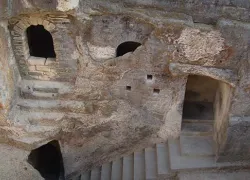
Buddhist Caves in Junagadh are among the most fascinating ancient rock-cut structures in Gujarat. These caves, carved out of solid rock, date back to around the 2nd century BCE to the 4th century CE. Located near the famous Uparkot Fort, these caves reflect the influence of Buddhist monks and their way of life during ancient times. The peaceful surroundings and historical significance make the Buddhist Caves a must-visit attraction in Junagadh.
How to Reach Buddhist Caves, Junagadh
The Buddhist Caves are located within or near the Uparkot Fort area in Junagadh and are easily accessible.
Weather
The climate in Junagadh is tropical, and visitors should plan their trip accordingly.
Timings
The Buddhist Caves are generally open from 8:00 AM to 6:00 PM. It is recommended to visit during the daytime for better visibility and safety.
Why Famous for Buddhist Caves, Junagadh?
The Buddhist Caves are famous for their ancient rock-cut architecture and historical importance. These caves were used by Buddhist monks as living quarters and meditation halls. The simple yet effective design reflects the lifestyle of monks who followed a path of simplicity and discipline.
The caves are also known for their intricate carvings, pillars, and water storage systems. Their association with early Buddhist culture and their age make them an important archaeological site in India.
Entry and Visit Details
Entry Fee: There is a minimal entry fee, usually around ₹10 to ₹20 for Indian visitors. Charges may vary slightly for foreign tourists.
Duration of Visit: Visitors generally spend 1 to 2 hours exploring the caves and nearby areas.
Facilities: Basic facilities such as pathways and signboards are available. Since it is an ancient site, modern amenities are limited.
History and Architecture
The Buddhist Caves of Junagadh date back to the Mauryan and post-Mauryan periods. These caves are believed to have been carved during the rule of various dynasties that supported Buddhism.
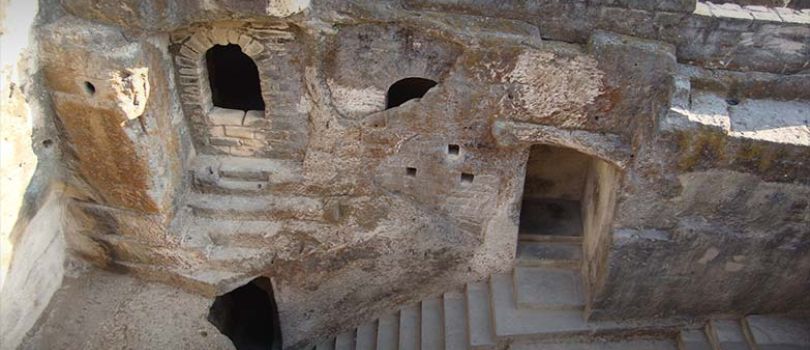
The caves are rock-cut, meaning they were carved directly into the stone hills. They include multiple chambers, halls, and cells that were used for meditation and residence by monks. The architecture is simple yet functional, designed to support a peaceful and isolated lifestyle.
One of the most remarkable features of these caves is the presence of pillared halls, beautifully carved doorways, and water tanks. The caves also showcase early forms of Buddhist architectural design, including chaityas (prayer halls) and viharas (monasteries).
The design reflects excellent engineering skills, especially in terms of ventilation and water management. The caves were built in such a way that they remained cool during hot weather, providing comfort to the monks.
Things to Do at Buddhist Caves, Junagadh
Visitors can enjoy several activities at the site:
Facts and Tips About Buddhist Caves, Junagadh
Conclusion
Buddhist Caves in Junagadh are a remarkable example of ancient Indian craftsmanship and spiritual heritage. These caves offer a glimpse into the life of Buddhist monks and the architectural skills of ancient times. Whether you are a history enthusiast, a spiritual seeker, or a traveler exploring Gujarat, the Buddhist Caves provide a unique and enriching experience.






















Junagadh
Junagadh
Junagadh
Junagadh
Junagadh
Junagadh
Junagadh
Junagadh
Junagadh
Junagadh