"Delve into Turkey's rich cultural heritage."
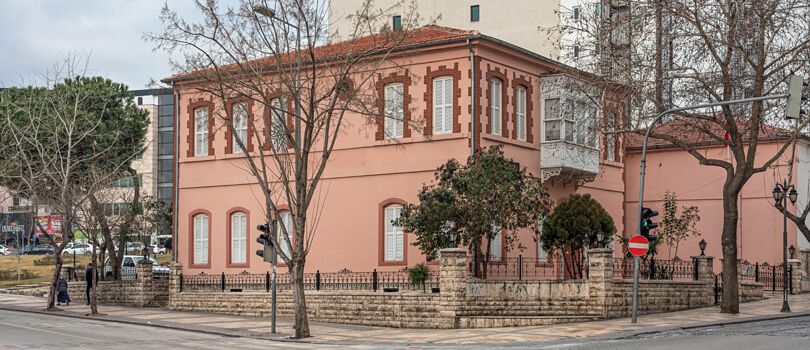
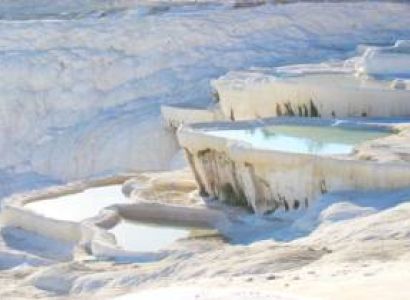
While Denizli is renowned for its stunning natural wonders like Pamukkale, the city itself holds significant cultural and historical treasures. Among these is the Atatürk and Ethnography Museum, a compelling institution that offers visitors a dual perspective: a tribute to the founder of the modern Turkish Republic, Mustafa Kemal Atatürk, and an insightful look into the traditional way of life and rich heritage of the Denizli region. Housed in a beautifully preserved 19th-century mansion, which once hosted Atatürk himself, the museum serves as a vital link between Turkey's recent past and its enduring cultural identity, providing a deeper understanding beyond the thermal pools and ancient ruins.
Atatürk and Ethnography Museum, Denizli
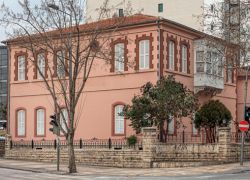
The Atatürk and Ethnography Museum is located in the Saraylar Mahallesi, at Gazi Mustafa Kemal Bulvarı No:70, in the Merkezefendi district of Denizli city center. This two-story building holds a special place in Turkish history because it served as the political party headquarters during the early years of the Republic, and more notably, it hosted Mustafa Kemal Atatürk for one night on February 4, 1931, during his visit to Denizli. The museum officially opened its doors on February 1, 1984, on the 53rd anniversary of Atatürk's stay, following extensive restoration work. The museum is divided into two main sections: one dedicated to Atatürk's life and his connection to the house, and the other showcasing a diverse collection of ethnographic artifacts that illustrate the traditional culture, crafts, and daily life of the Denizli region.
How to Reach Atatürk and Ethnography Museum, Denizli
The Atatürk and Ethnography Museum is centrally located in Denizli, making it quite accessible:
Weather in Denizli
Denizli experiences a hot, dry Mediterranean climate in summer and mild, rainy winters. Given the current date (June 10, 2025), Denizli will be experiencing typical summer weather:
When visiting the museum, the indoor setting will provide a cool respite from the summer heat. However, factor in the outdoor temperatures for your journey to and from the museum.
Timing and Opening Hours
The Atatürk and Ethnography Museum adheres to standard museum opening hours in Turkey, which vary slightly between summer and winter seasons. It is generally closed on Mondays. The information available suggests the following typical hours:
It is always recommended to double-check the current opening hours on the official Turkish Museums website or with local tourism offices, as timings can be subject to change due to national holidays, maintenance, or other unforeseen circumstances. The museum is a relatively small and intimate space, so a visit typically lasts between 45 minutes to 1.5 hours, depending on your level of interest.
Why Atatürk and Ethnography Museum is Famous?
The Atatürk and Ethnography Museum is significant and famous for a combination of historical and cultural reasons:
Entry and Visit Details about Atatürk and Ethnography Museum, Denizli
Entry to the Atatürk and Ethnography Museum is typically very affordable. As of recent information, the entrance fee is quite low, often around ₺20-₺30 Turkish Lira (approximately €1-€2). Sometimes, museums operated by the Ministry of Culture and Tourism in Turkey offer free admission or a very nominal fee. It's always best to check the latest price at the ticket counter upon arrival.
The museum is set within a traditional Denizli house, offering an intimate touring experience. Visitors move through various rooms on two floors. The ground floor often houses the ethnographic section, displaying items like traditional tools, weapons (including yatagans, swords, and rifles), ornaments, and a replica of a traditional "Denizli House" room, showcasing period furniture and daily items. The upper floor is usually dedicated to Atatürk, featuring his bedroom and office as they might have appeared during his stay, along with personal effects, documents, and photographs. The historically significant "Denizli Sanjak" flag is also a prominent display on this floor.
Photography is generally allowed inside, but it's courteous to ask permission and avoid using flash, especially around delicate artifacts. There are no extensive facilities like large cafes or gift shops on-site, but basic restrooms are usually available. The museum is a compact and manageable size, suitable for all ages, though very young children might find the historical context less engaging.
History and Architecture
The building housing the Atatürk and Ethnography Museum has a rich history dating back to the late 19th century. While the exact construction date remains undocumented, popular belief suggests it was built towards the end of the 19th century by a person of Greek origin who later became a Turkish citizen. Its architectural style is described as "Chios style," characterized by its distinctive exterior, symmetrical plan, specific window shapes, and decorative elements. It is a two-story mansion with a central hall (sofa) on each floor from which rooms open, a common layout in Ottoman-era residential architecture.
In the early years of the Turkish Republic, the mansion was repurposed as a political party building. This political significance culminated in its most notable historical event: the visit of Mustafa Kemal Atatürk on February 4, 1931. Atatürk stayed in the house for one night, making it a revered location for Turkish citizens. Following Atatürk's visit, the building underwent a period of transition. After 1950, it was allocated to the Ministry of Health and served as a Tuberculosis Dispensary for a while. Recognizing its historical and architectural value, the Ministry of Culture registered it as a monument in 1977, ensuring its protection.
Extensive restoration efforts were undertaken from 1981 (the 100th anniversary of Atatürk's birth) until the end of 1983. On February 1, 1984, the mansion officially reopened as the Atatürk and Ethnography Museum. The restoration aimed to preserve the building's original architectural features while adapting it for museum display, creating a seamless blend of historical significance and cultural exhibition.
Things to Do at Atatürk and Ethnography Museum, Denizli
A visit to the Atatürk and Ethnography Museum offers a concentrated cultural experience:
Facts and Tips About Atatürk and Ethnography Museum, Denizli
The Atatürk and Ethnography Museum in Denizli offers a meaningful detour from the natural wonders, providing a crucial understanding of Turkey's modern history and the enduring traditions that shape the region's identity.






Denizli

Denizli