Attractions In & Around of Jabalpur

IndiaMadhya PradeshJabalpur • Attractions In & Around of Jabalpur

Bandhavgarh National Park (164 Kms from Jabalpur)BhedaghatGhats

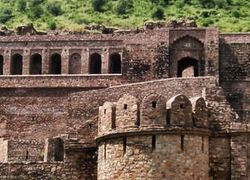
Bandhavgarh National Park (164 Kms from Jabalpur)

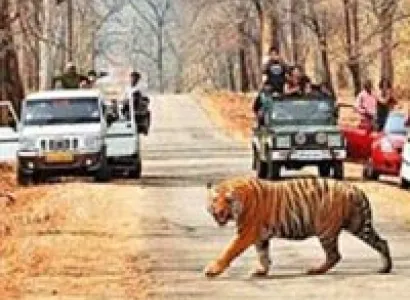
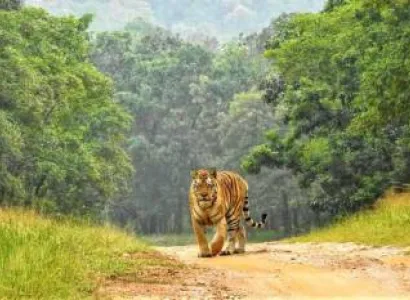
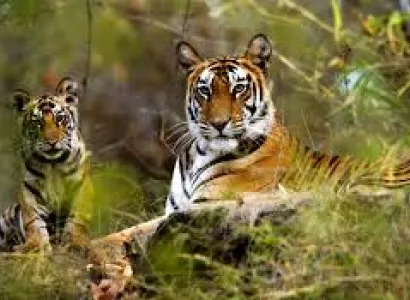
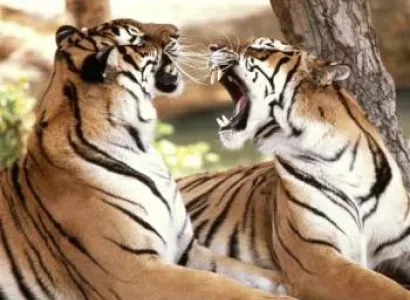
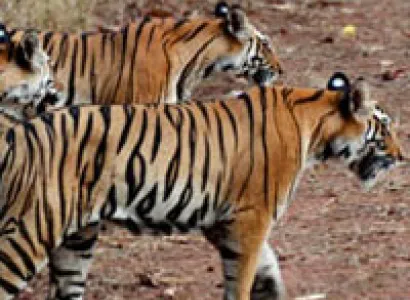
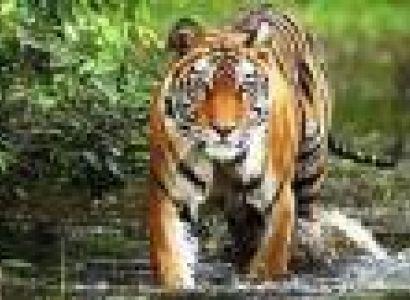
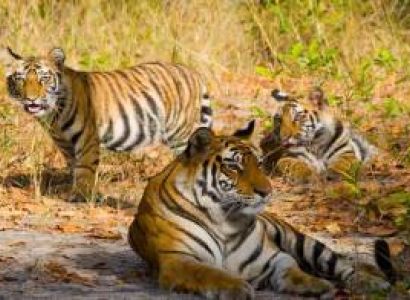
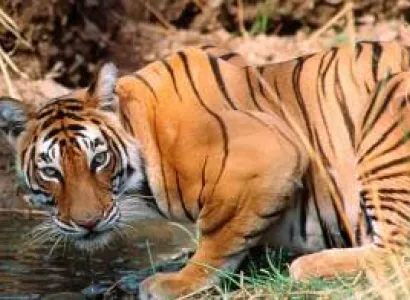
The density of the tiger population at Bandhavgarh is the highest known in India and aptly called White Tiger country. It is densely populated with other species like great gaur, or Indian bison, Sambar, Barking deer and Nilgai.

Introduction

The Bandhavgarh National Park, located within the district of Sahdol in Madhya Pradesh is nestled among the Vindhya hills. It came into existence in 1968 when the Maharaja of Rewa handed over the area to the government for its formation.

These areas consisted primarily of Sal forests, which are the main tree-cover, found in the entire park along with Bamboo. It was finally declared a tiger reserve under Project Tiger in 1993. Once this became a protected area, the animal population took a drastic turn and began to flourish.

The Wild Population

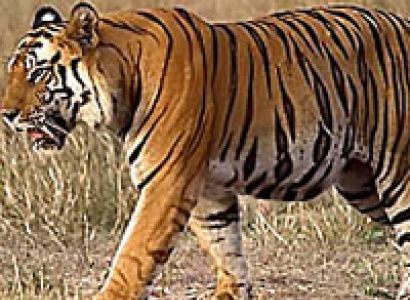
The density of the tiger population here is the highest known in India and so aptly called White Tiger country. It is densely populated with other species like great gaur, or Indian bison, Sambar, Barking deer and Nilgai. This path is frequented by a lot of tigers and so check for the pugmarks.
Transportation Within

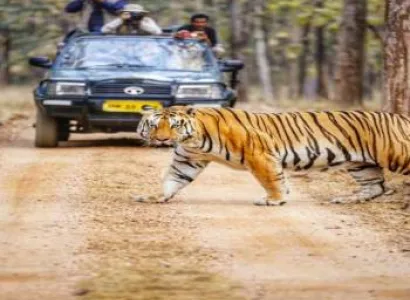
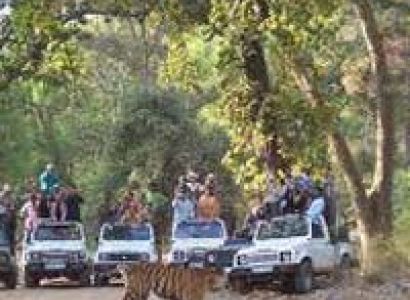
Park entry times vary according to season, depending mainly on the time of sunrise and sunset. Traveling within the park is possible in three ways – the first is your own transport with the guide preferable, the second is the numerous authorised 4-wheel drives run by the locals, available from the hotels and rest houses, and the third, and probably the best option, is an elephant ride. These should be booked in advance to avoid disappointments.
Vegetation

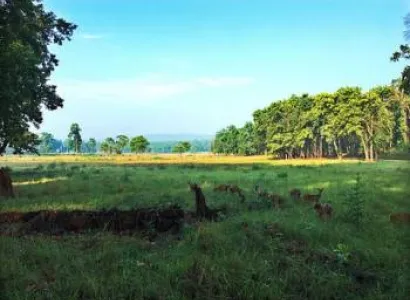
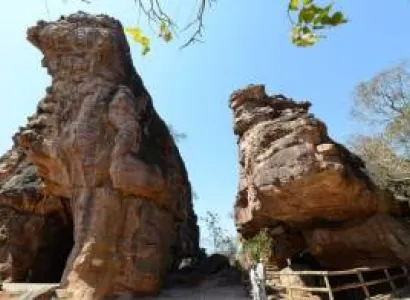
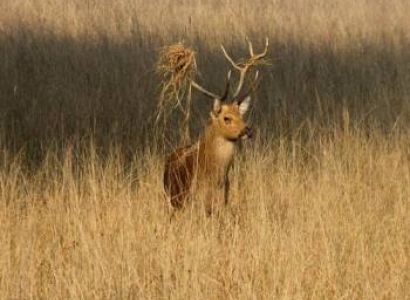
The Bandhavgarh National Park is a jungle consisting mainly of sal trees and it is only in the slightly higher reaches that it changes to a more mixed vegetation of sali, saj, saja, dhobin etc. There are vast stretches of grasslands and bamboo forests. This northern region also consists of a series of rocky ridges with deep crevices cut by perennial streams. The central portion of the park, consisting of the original 106 square kilometers and the fort, is still the main sighting area. This area consists of 32 hills and also some marshy stretches divided by large grasslands and a few water bodies.
Best Time to Visit

The best time to visit the park is between December and February but it is the warmer months of April, May and June that are best for tiger and leopard sightings. Most of the animals are seen around the few precious water bodies during the summer months.

Fauna

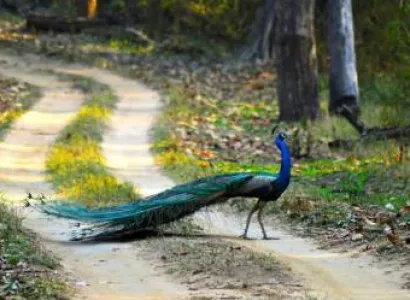
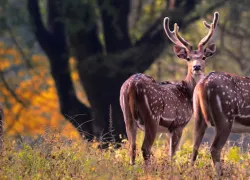
Bandhavgarh is blessed with a large variety of animals and birds. It is possible to sight tigers, leopards, gaur (Indian Bison), chital (spotted deer), Sambar deer, Dholes, nilgais, wild boars, chinkaras, sloth bears, rhesus macaques, black faced langurs, jungle cats, hyenas, porcupines, jackals, foxes, wild dogs, chausinghas and ratels, among others. It is the density of the big cat population that has made Bandhavgarh famous across the globe. Bandhavgarh is also a bird lover's paradise.

Information for Tourists

The park is closed during the monsoon season, which also coincides with the breeding season (June till November). The other reason for closure during this season is the torrential rainfall washing away most of the jungle tracks.


Bhedaghat

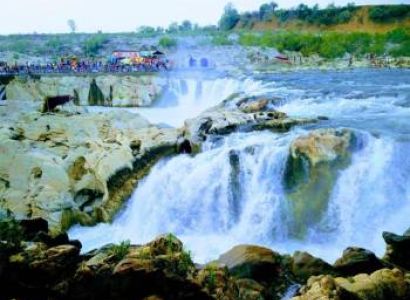
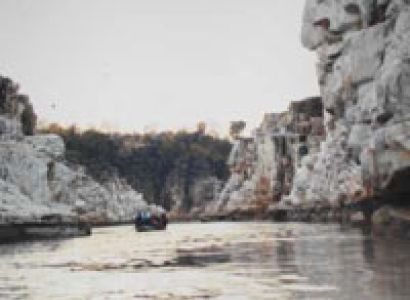
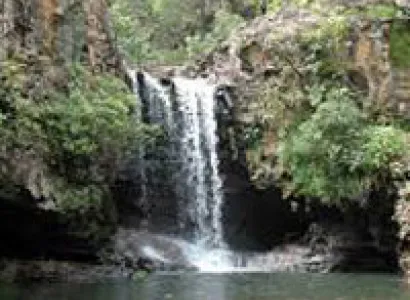
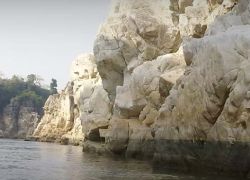
Waterfall at Bheraghat provides an unforgettable experience. The principal attraction here is the marble rocks.

Tradition has it that the famous ancient sage Bhrigu meditated here for many years. Some people equate the word bheda with sangam (confluence), and since the River Bavan joins the Narmada here, this place is named Bhedhaghat. Known locally as Bhedhaghat, this gorge on the Narmada River is 22 km from Jabalpur. Soaring in glittering splendor, they rise to a hundred feet on either side of the Narmada. The sight is particularly spectacular on the night of full moon, when tourists throng here in large numbers. The best way to see the long gorge is by shared rowboat.

In the serene loveliness of the scene the sunlight sparkles on the marble white pinnacles and casts dappled shadows on the pellucid waters.

The eye never wearies of the startling effect produced by the broken and reflected sunlight glancing from pinnacle of snow-white marble reared against the deep blue of the sky. Here and there veins of dark green or black volcanic rock seam the white saccharine limestone; contrast which only enhances like setting of jet the purity of the surrounding marble.


Ghats

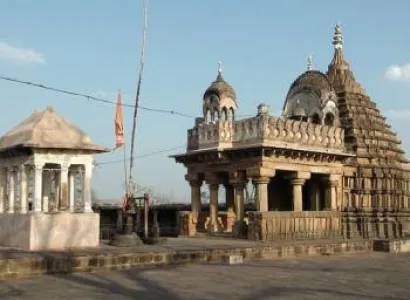
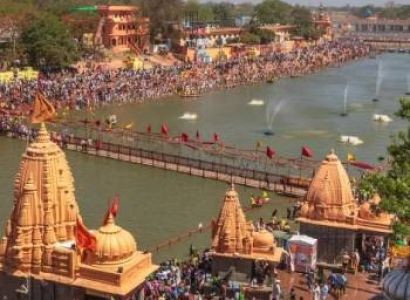
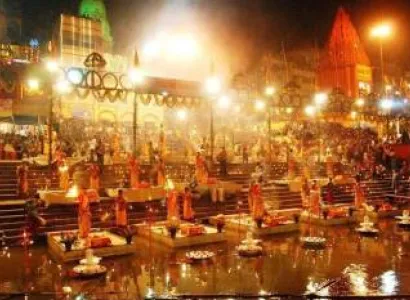
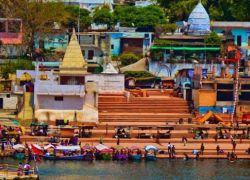
From where Mahatma Gandhi ashes were immersed in the Narmada and the venue of the open session of the Tripuri Congress in 1939; the 12th century Mala Devi Mandir, Pisan Hari Jain Temples and Roopnath are some of the other places in and around Jabalpur which merit a visit.

Tilwara Ghat

The Tilwara Ghat locality is situated on the banks of the Narmada where Mahatma Gandhi ashes were immersed. There is an old Mahadeva (Tilwadeshwar) temple.

Jabalpur the pleasure resort of the Gond Kings during the 12th century is famous for its natural wonders Bhedaghat (Marble Mountains). They rise to a hundred feet on either side of the Narmada. Boating on a moonlit night, when the whole stretch of water is transformed into a sheet of liquid silver is a site to cherish is absolutely magical and enchanting.


Send Your Requirement

Your Name :

Your Email :

Phone No. :

Select Country :

Duration :

days

Travel Month :

Describe your trevel requirements