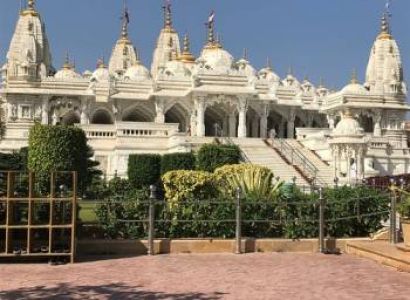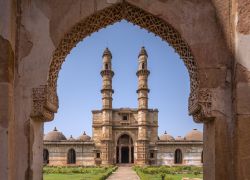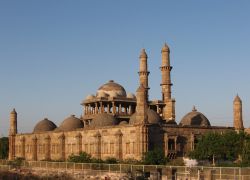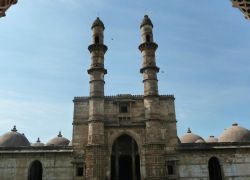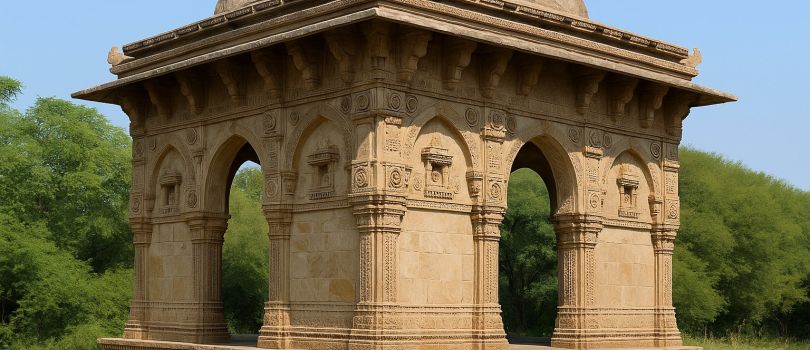
"Architectural gems reflecting Mughal heritage and artistry."
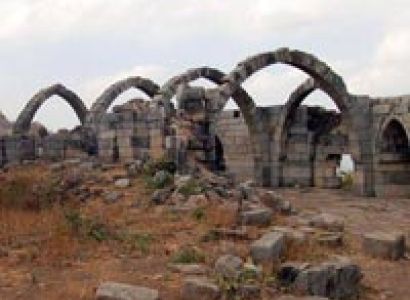
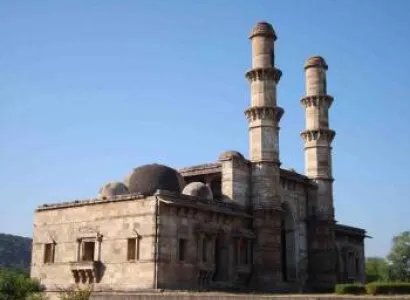
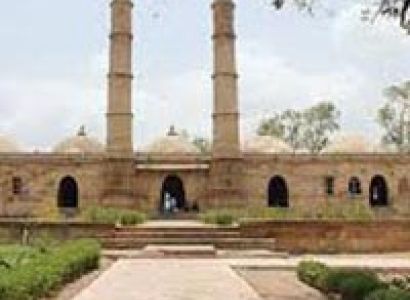
Kevda Masjid and Nagina Masjid are two of the most beautiful and historically significant monuments located in Champaner, Gujarat. These mosques are part of the famous Champaner-Pavagadh Archaeological Park, a UNESCO World Heritage Site. Known for their elegant architecture, peaceful surroundings, and intricate carvings, both structures reflect the artistic brilliance of the Gujarat Sultanate period.
Although they are separate monuments, Kevda and Nagina Masjid are often visited together due to their close proximity and similar architectural style. They are ideal destinations for history lovers, photographers, and travelers looking to explore Gujarat’s rich heritage.
Why Famous for Kevda & Nagina Masjid, Champaner, Gujarat?
These mosques are famous for their unique architectural beauty, detailed carvings, and blend of Hindu and Islamic styles. Unlike many other mosques, they are known for their decorative elements rather than just religious use.
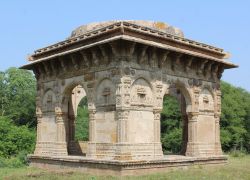
Kevda Masjid is particularly admired for its combination of a mosque and a mausoleum, along with a beautifully designed garden setting. Nagina Masjid, on the other hand, is known as the “Jewel Mosque” due to its elegant and refined design.
The peaceful environment and less crowded surroundings make these monuments perfect for quiet exploration and photography.
History of Kevda & Nagina Masjid, Champaner, Gujarat
Both mosques were built during the 15th century under the rule of Sultan Mahmud Begada, who developed Champaner as his capital after conquering Pavagadh.
Kevda Masjid was constructed as a place of worship along with a tomb, indicating its dual purpose. Nagina Masjid, believed to have been used by the royal family or elite members of society, showcases more refined and decorative features.
These structures represent the peak of architectural and cultural development during the Gujarat Sultanate period and continue to stand as symbols of that glorious era.
Architecture of Kevda & Nagina Masjid
The architecture of both mosques is a fine example of Indo-Islamic design with strong influences of local craftsmanship.
Kevda Masjid Architecture
• Features a mosque along with an attached mausoleum.
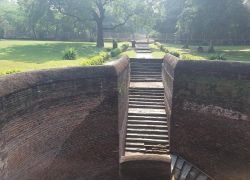
• Surrounded by open gardens and pathways.
• Includes intricately carved pillars and domes.
• Decorative jali (lattice) work adds elegance.
Nagina Masjid Architecture
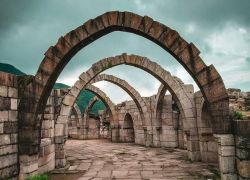
• Built on a raised platform, giving it a grand appearance.
• Known for finely detailed carvings on walls and pillars.
• Features beautifully designed arches and domes.
• Considered one of the most refined structures in Champaner.
Both mosques are constructed using local sandstone and display excellent craftsmanship, symmetry, and artistic detailing.
Things to Do at Kevda & Nagina Masjid, Champaner, Gujarat
Visitors can enjoy various activities while exploring these monuments:
1. Explore Architecture: Admire the detailed carvings and design elements.
2. Photography: Capture the beauty of these historic structures.
3. Relax in Surroundings: Enjoy the peaceful environment and greenery.
4. Learn History: Understand the significance of the Gujarat Sultanate.
5. Visit Nearby Sites: Explore other monuments within the archaeological park.
Entry and Visit Details
Entry Fee: A nominal entry fee is charged for access to the Champaner-Pavagadh Archaeological Park, which includes these monuments.
Visit Duration: Visitors typically spend around 1 to 2 hours exploring both mosques.
Facilities: Basic facilities such as parking and guides are available nearby.
Timings of Kevda & Nagina Masjid
The monuments are generally open from 8:00 AM to 6:00 PM. It is best to visit during daylight hours for a complete experience.
Weather at Kevda & Nagina Masjid, Champaner, Gujarat
The climate in Champaner is as follows:
Summer (March to June): Hot with temperatures up to 38°C.
Monsoon (July to September): Pleasant with greenery and rainfall.
Winter (October to February): Cool and comfortable, with temperatures between 12°C and 25°C.
The winter season is the best time to visit these monuments.
How to Reach Kevda & Nagina Masjid, Champaner, Gujarat
By Air: The nearest airport is Vadodara Airport, about 50 km away.
By Train: The nearest railway station is Vadodara Railway Station.
By Road: Champaner is well connected by road to Vadodara and nearby cities. Buses and taxis are easily available.
Both mosques are located within the archaeological park and can be reached by local transport or private vehicles.
Interesting Facts about Kevda & Nagina Masjid
• Kevda Masjid combines a mosque and tomb in one complex.
• Nagina Masjid is known as the “Jewel Mosque.”
• Both are part of a UNESCO World Heritage Site.
• They reflect a blend of Hindu and Islamic architectural styles.
Travel Tips for Kevda & Nagina Masjid
• Wear comfortable footwear for walking.
• Carry water, especially during summer.
• Visit early morning or late afternoon for better lighting and weather.
• Respect the historical and cultural significance of the site.
• Hire a guide to learn more about the history and architecture.
Conclusion
Kevda & Nagina Masjid in Champaner are outstanding examples of historical architecture and cultural heritage. Their detailed craftsmanship, peaceful surroundings, and historical importance make them must-visit attractions in Gujarat. Exploring these monuments offers a glimpse into the rich past and artistic excellence of the Gujarat Sultanate period.