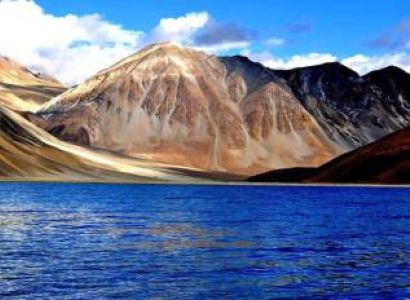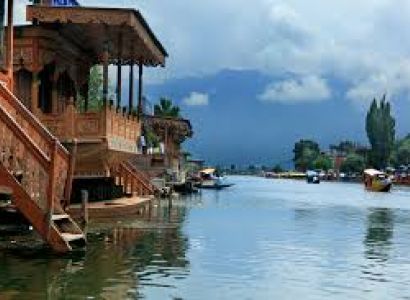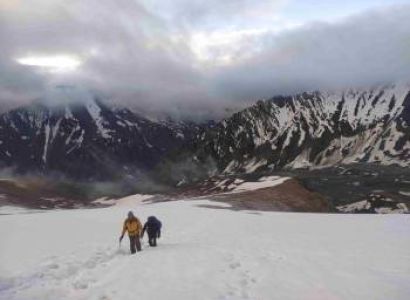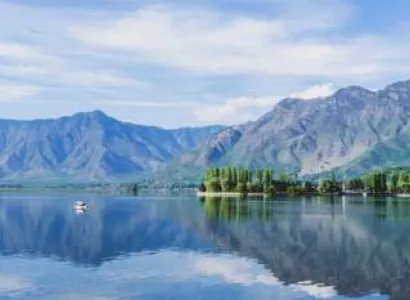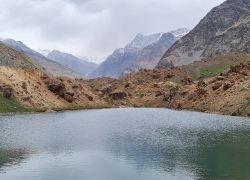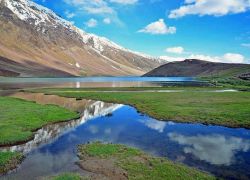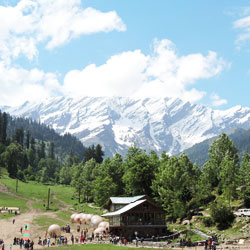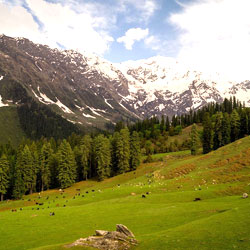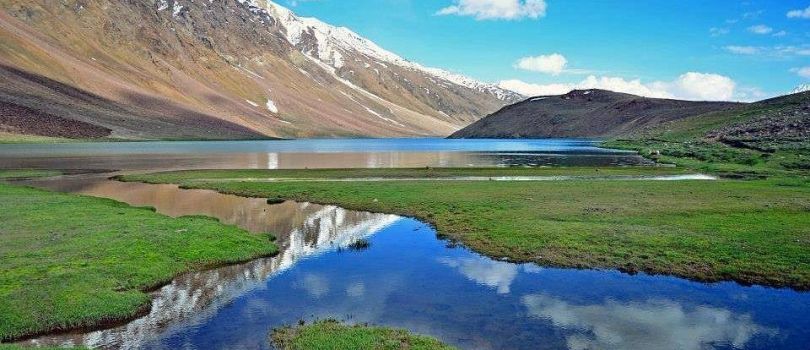
"A stunning alpine lake in the Himalayas' embrace."
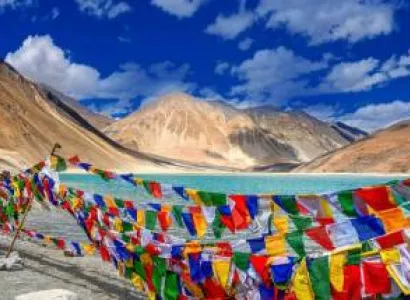
Chandra Tal, also known as the “Moon Lake,” is one of the most enchanting high-altitude lakes in Jispa, Himachal Pradesh. Nestled at an elevation of approximately 4,300 meters in the Lahaul Valley, it is renowned for its crystal-clear waters, snow-capped mountain backdrop, and tranquil environment. Chandra Tal attracts nature lovers, trekkers, adventure enthusiasts, and photographers seeking the serene beauty of the Himalayas. The lake’s pristine surroundings and scenic location make it a must-visit destination along the Manali-Leh highway.
How to Reach Chandra Tal, Jispa, Himachal Pradesh
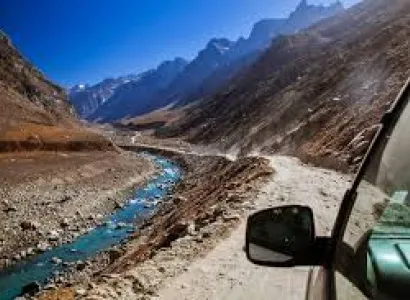
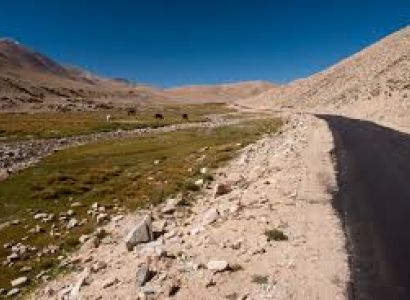
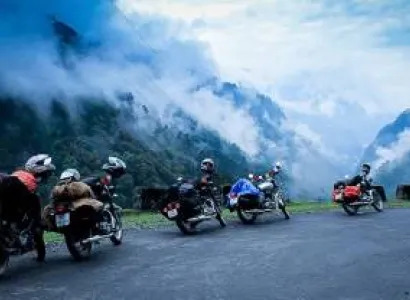
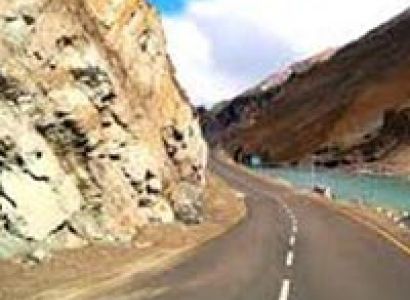
Accessing Chandra Tal requires a combination of road travel and trekking. The journey usually begins from Manali, which is the nearest major hub connected by road and air to other Indian cities. From Manali, travelers drive along the scenic Manali-Leh highway via Keylong and Jispa, covering approximately 230 km to reach the base of Chandra Tal.
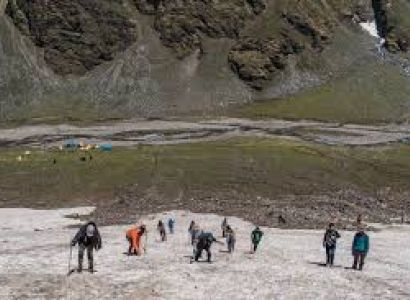
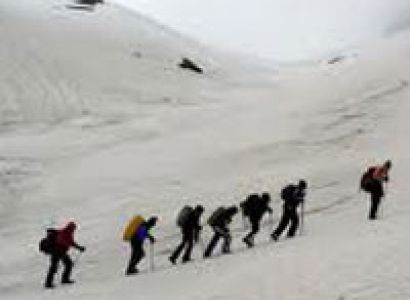
The last stretch involves a trek of 5–6 km from the parking area at the base. A sturdy vehicle is recommended to handle the rough terrain and high-altitude roads. For those traveling from Leh, Chandra Tal can be accessed via Tandi, crossing the Bhaga River and moving towards the high-altitude plateau where the lake lies.
Weather at Chandra Tal, Jispa, Himachal Pradesh
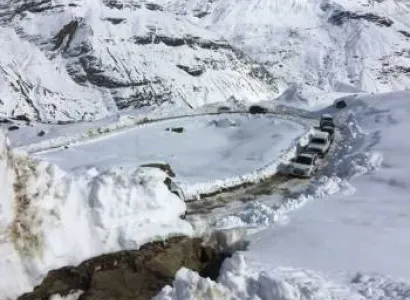
The weather at Chandra Tal is extreme due to its high altitude. The best time to visit is from June to September when temperatures range between 5°C and 15°C during the day, with chilly nights. Winters, from October to May, are extremely harsh, with heavy snowfall and sub-zero temperatures making the area inaccessible. Visitors should carry warm clothing, waterproof gear, and sufficient supplies, as facilities are minimal around the lake.
Timings for Visiting Chandra Tal
Chandra Tal can be visited during daylight hours, typically between 8:00 AM and 5:00 PM. Early morning visits are ideal for photography and witnessing the tranquil waters reflecting the surrounding peaks. Trekking to the lake should be planned to ensure return before dusk, as the high-altitude region can become cold and challenging after sunset.
Why Chandra Tal is Famous
The Chandra Tal Lake is famous for its unique crescent shape, crystal-clear waters, and breathtaking Himalayan panorama. It is considered a paradise for photographers, nature enthusiasts, and trekkers. The lake also has ecological importance, supporting migratory birds and local wildlife. Its proximity to the Chandra River adds to its scenic charm, and the reflection of surrounding peaks in its waters creates a surreal, almost magical landscape.
Entry and Visit Details
Visiting Chandra Tal usually requires permits for high-altitude travel, especially for foreign tourists. Entry to the lake area is generally free, but camping or guided tours may incur charges. Trekkers are advised to book with licensed guides who are familiar with the terrain and local weather conditions. Facilities near the lake are minimal, so visitors should carry food, water, and camping equipment if planning to stay overnight.
History and Architecture
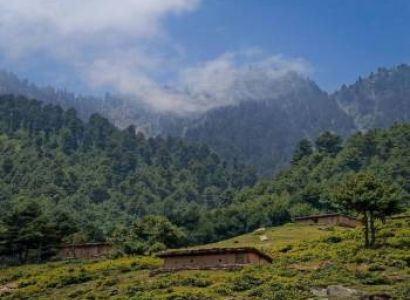
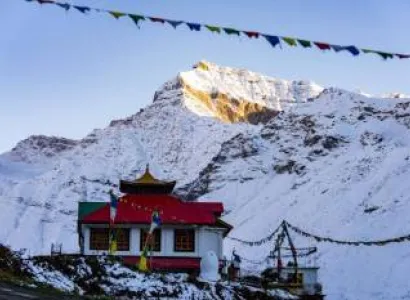
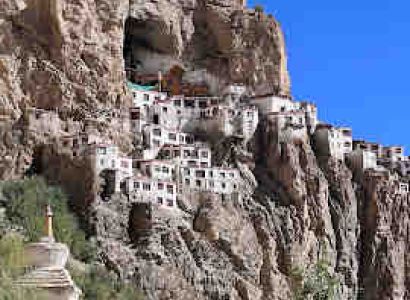
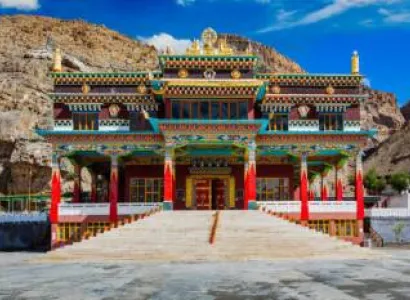
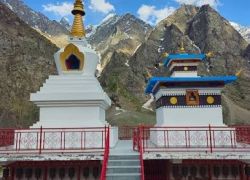
While Chandra Tal is a natural formation, the surrounding area has historical and cultural significance. The lake lies in the Lahaul-Spiti region, which has been inhabited by local communities for centuries. Nearby monasteries and traditional villages reflect Himalayan architecture, including stone and wood houses with sloped roofs to withstand snowfall. The lake is often associated with Hindu mythology and is considered sacred by locals, adding spiritual significance to its natural beauty.
Things to Do at Chandra Tal
Facts About Chandra Tal
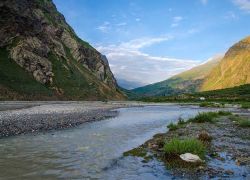
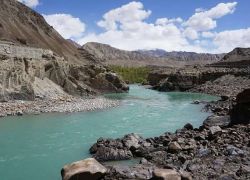
Chandra Tal is located in the upper reaches of the Chandra River and forms a part of the larger Himalayan watershed feeding into the Chenab River. Its crescent shape gives it the nickname “Moon Lake.” The lake is at an altitude where the oxygen levels are lower, making acclimatization important. Chandra Tal is also a protected area to preserve the fragile high-altitude ecosystem and its migratory bird population.
Tips for Visiting Chandra Tal, Jispa, Himachal Pradesh
In conclusion, Chandra Tal, Jispa, Himachal Pradesh is a magical destination that combines natural beauty, adventure, and spiritual serenity. From trekking across high-altitude trails to camping beside its tranquil waters, the lake offers an unforgettable Himalayan experience. Its unique crescent shape, vibrant ecosystem, and panoramic mountain views make it one of the most iconic destinations in the Indian Himalayas.