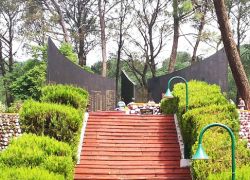
The War Memorial in Dharamshala, Himachal Pradesh is a significant tribute to the brave soldiers of India who sacrificed their lives in various wars and conflicts. Set against the backdrop of the majestic Dhauladhar mountain range, this memorial is not only a place of remembrance but also a symbol of patriotism and national pride. It attracts both local visitors and tourists who wish to pay their respects and reflect on the valor of Indian armed forces. How to Reach War Memorial, Dharamshala, Himachal Pradesh Reaching the War Memorial in Dharamshala is convenient due to its proximity to the town and accessibility by air, rail, and road. By Air: The nearest airport is Gaggal Airport (Kangra Airport), approximately 12 km from Dharamshala. Taxis and local cabs are available from the airport to the memorial. By Train: The closest railway station is Kangra Railway Station, around 18 km from Dharamshala. From the station, taxis and buses can take visitors to the memorial. By Road: Dharamshala is well-connected by road to major cities like Delhi, Chandigarh, and Shimla. Private taxis, buses, and shared cabs can reach the town, and from there, the memorial is a short drive or walk away. Weather at War Memorial, Dharamshala The weather in Dharamshala is generally pleasant throughout the year, enhancing the experience of visiting the War Memorial. Summer (March to June): Moderate temperatures between 20°C to 30°C, ideal for sightseeing and outdoor visits. Monsoon (July to September): Occasional rainfall and lush greenery. Visitors should carry umbrellas and be cautious of slippery paths. Winter (October to February): Cold temperatures ranging from 5°C to 15°C, sometimes lower in the evenings. Snow in surrounding areas adds to the scenic beauty. Timing of War Memorial, Dharamshala The War Memorial is an open site, accessible to visitors throughout the day. Recommended visiting hours are 8:00 AM to 6:00 PM to enjoy natural daylight and serene surroundings for photography, reflection, and peaceful walks. Why War Memorial, Dharamshala is Famous The War Memorial in Dharamshala is famous for honoring the valiant soldiers of the Indian armed forces. It is a symbol of bravery, patriotism, and sacrifice. Located in a picturesque area, it combines national pride with natural beauty. Many visitors come to pay homage, participate in remembrance ceremonies, and learn about India’s military history. The memorial’s serene setting with manicured lawns, plaques, and statues creates a contemplative atmosphere that draws people of all ages and backgrounds. Entry and Visit Details of War Memorial, Dharamshala Visiting the War Memorial is free and open to the public. It is suitable for individuals, families, and groups. Key details include: Entry Fee: Free Opening Hours: 8:00 AM – 6:00 PM Best Time to Visit: March to June and September to November for pleasant weather Facilities: Well-maintained pathways, benches, and gardens for visitors History and Architecture of War Memorial, Dharamshala The War Memorial in Dharamshala was established to commemorate Indian soldiers who laid down their lives in various military operations. It reflects respect and gratitude towards the armed forces and serves as an educational site for visitors interested in military history. The architecture is simple yet symbolic, featuring engraved plaques listing the names of fallen heroes, a central monument, and landscaped gardens. The memorial’s design ensures a solemn and reflective environment while harmonizing with the surrounding natural beauty of the Dhauladhar mountains. Things to Do at War Memorial, Dharamshala While primarily a memorial, visitors can engage in several activities: Pay respects to fallen soldiers and participate in remembrance ceremonies. Photography of the memorial with the backdrop of the mountains. Learn about India’s military history and the contribution of soldiers from Himachal Pradesh. Enjoy peaceful walks and spend time reflecting in the landscaped gardens. Attend special events on national holidays like Independence Day and Republic Day. Interesting Facts about War Memorial, Dharamshala The memorial features inscriptions of soldiers’ names, ensuring their bravery is remembered for generations. It is a popular site for school and college educational trips in Himachal Pradesh. The location offers panoramic views of the Dhauladhar mountains, combining patriotism with natural beauty. Special ceremonies and wreath-laying events are held annually to honor fallen soldiers. The memorial is a peaceful retreat, encouraging reflection and gratitude towards the armed forces. Tips for Visiting War Memorial, Dharamshala Maintain silence and respect the solemn nature of the memorial. Carry water and wear comfortable walking shoes. Visit in the morning or late afternoon for softer light and a quieter environment. Check for any ceremonial events that may be taking place during your visit. Engage with guides or informational plaques to learn about the history and significance of the memorial. In conclusion, the War Memorial, Dharamshala is a tribute to the valor and sacrifice of Indian soldiers. Combining national pride, historical significance, and stunning Himalayan scenery, it offers visitors an opportunity for reflection, education, and appreciation of India’s military heritage. It is a must-visit for anyone interested in history, patriotism, or simply seeking a peaceful place for contemplation in Himachal Pradesh.
Explore More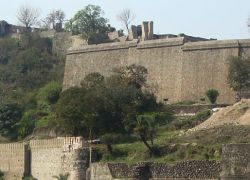
About The Kangra Fort The Kangra Fort, located in Kangra, Himachal Pradesh, is one of the oldest and largest forts in India. It is situated on the confluence of the Banganga and Manjhi rivers, offering breathtaking views of the surrounding valleys and mountains. The fort has a rich history dating back to ancient times and has witnessed multiple battles and invasions over the years. Timings Of Kangra Fort The Kangra Fort is open to visitors from 9:00 AM to 6:00 PM every day of the week. It is advisable to visit the fort during the early hours of the morning to avoid the crowds and make the most of your visit. Entry Fee The entry fee for the Kangra Fort is INR 150 per person for Indian nationals and INR 300 per person for foreign tourists. Children below the age of 15 can enter for free. There are additional charges for cameras and video cameras. Required Time And Restricted Items It is recommended to allocate at least 2-3 hours to explore the Kangra Fort thoroughly. Visitors are not allowed to carry food, plastic bags, and weapons inside the fort premises. It is advisable to wear comfortable footwear as the fort has uneven pathways and steep stairs. Architecture Of Kangra Fort The architecture of the Kangra Fort showcases a blend of Hindu and Mughal styles. The fort has several temples, royal quarters, and intricately designed gates. The walls of the fort are made of stone and mud, reflecting the ancient craftsmanship of that era. Best Time To Visit The best time to visit the Kangra Fort is during the months of October to March when the weather is pleasant and ideal for exploring the fort and its surroundings. Avoid visiting during the monsoon season as the pathways can get slippery. How To Reach The Kangra Fort is easily accessible by road, rail, and air. The nearest airport is Gaggal Airport, located 7 km away from Kangra. The Kangra Railway Station is well-connected to major cities like Delhi and Pathankot. Local buses and taxis are available for commuting within Kangra. History Of Kangra Fort The Kangra Fort has a storied past that dates back to the Rajput era. It was ruled by various dynasties, including the Katoch rulers, the Mughals, and the Sikhs. The fort was attacked multiple times by invaders, including Mahmud of Ghazni and Timur. Inside Kangra Fort Inside the Kangra Fort, visitors can explore the Sheesh Mahal, the Laxmi Narayan Temple, and the Ambika Devi Temple. The fort also houses a museum that displays artifacts and relics from different periods of its history. The panoramic views from the top of the fort are truly mesmerizing. Traveling Tips It is recommended to carry a water bottle, sunscreen, and a hat to protect yourself from the sun while exploring the Kangra Fort. Wear comfortable clothing and footwear to navigate the fort's pathways easily. Hiring a guide is advisable to learn about the fort's historical significance. Hotels Near Kangra Fort Some of the hotels near Kangra Fort where visitors can stay include The Pavilion by HPCA, Hotel The Grand Raj, and Hotel Victoriya Palace. These hotels offer comfortable accommodation and amenities for a relaxing stay. Nearby Tourist Spots Of Kangra Fort Some of the nearby tourist spots that visitors can explore after visiting the Kangra Fort include the Brajeshwari Devi Temple, Masroor Rock Cut Temples, and Kareri Lake. These attractions offer a glimpse into the cultural and natural beauty of Kangra.
Explore More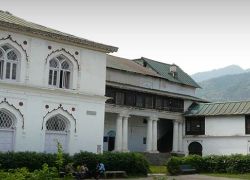
About The Akhand Chandi Palace The Akhand Chandi Palace, also known as the Chamba Palace, is a majestic historical landmark located in Chamba, Himachal Pradesh. It was built by Raja Umed Singh in the 18th century and is a fine example of traditional Himachali architecture. Timings Of Akhand Chandi Palace The Akhand Chandi Palace is open to visitors from 9:00 AM to 5:00 PM on all days of the week. Entry Fee The entry fee for the Akhand Chandi Palace is INR 20 per person for Indian nationals and INR 100 for foreign tourists. Required Time And Restricted Items Visitors typically spend about 1-2 hours exploring the palace and its surroundings. Some of the restricted items inside the palace include weapons, alcohol, and pets. Architecture Of Akhand Chandi Palace The Akhand Chandi Palace features a blend of Mughal and British architectural styles with intricate carvings, colorful frescoes, and ornate balconies. The palace is surrounded by lush gardens and offers panoramic views of the surrounding mountains. Best Time To Visit The best time to visit the Akhand Chandi Palace is during the months of March to June and September to November when the weather is pleasant and suitable for exploring the palace and its surroundings. How To Reach The Akhand Chandi Palace is located in Chamba, Himachal Pradesh, and can be easily reached by road from major cities like Delhi, Chandigarh, and Shimla. The nearest airport is in Kangra, about 170 km away, and the nearest railway station is in Pathankot, about 120 km away. History Of Akhand Chandi Palace The Akhand Chandi Palace was built by Raja Umed Singh in the 18th century as a residence for the royal family of Chamba. Over the years, the palace has been renovated and restored to its former glory, showcasing the rich cultural heritage of the region. Inside Akhand Chandi Palace Inside the Akhand Chandi Palace, visitors can admire the exquisite artwork, antique furniture, and royal artifacts that are on display. The palace also houses a museum that showcases the history and culture of Chamba through various exhibits. Traveling Tips Some traveling tips for visiting the Akhand Chandi Palace include wearing comfortable footwear, carrying a water bottle, and exploring the surrounding areas for a complete experience of the palace and its historical significance. Hotels Near Akhand Chandi Palace Some of the hotels near the Akhand Chandi Palace include Hotel Iravati, Hotel Mini Swiss, and Hotel Aroma Palace, offering comfortable accommodation and modern amenities for visitors. Nearby Tourist Spots Of Akhand Chandi Palace Some nearby tourist spots to explore after visiting the Akhand Chandi Palace include the Bhuri Singh Museum, Chamunda Devi Temple, and Manimahesh Lake, each offering a unique glimpse into the cultural and natural beauty of the region.
Explore More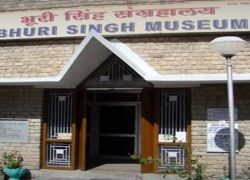
huri Singh Museum is an intriguing and must-see site for all visitors, especially for the ones that admire gathering the historical knowledge about a region, city, or town. Bhuri Singh Museum or BSM was built in the year 1975 & stands in the heart of the city of Chamba. It houses the exotic historical collection of the then times. The visitors are delighted by seeing the amazing collection of the different belongings that were once used by the royals.It Is Known For:-1) Bhuri Singh Museum is an amazing destination in Chamba city and is a home to a variety of historical royal belongings of Maharaja Bhuri Singh2) Its galleries showcase the items like the coins, armor, weaponry, clothes, gemstones, stamps, a catalog of documents, footwear, and much more3) It also exhibits the musical instruments that were once played in the royal court of the king Bhuri Singh4) The photographs of the viceroys, governor-generals, the handwritten documents, and the rare photographs of the Indian freedom fighters that hailed from Himachal Pradesh can be seen in BSM Best Time To Visit:-Bhuri Singh Museum is a place that is thronged on a huge scale. Not only the tourists but the students from different educational institutions also visit this museum for an educational excursion. This museum can be visited throughout the year.All visitors have to pay a small entry fee to gain an access to this museum. One has to pay a certain fee for clicking photographs inside the museum.Watch Out!Bhuri Singh Museum remains closed on all Mondays and National holidays/festivals. Therefore, all visitors should contact the authorities prior their visit to BSM. Also, no one is allowed to touch the items that are displayed in the gallery. Be careful!Reaching There:-With a well-established connectivity to the roadways, railways, and airways, reaching Chamba has turned easier for all. The inter-state buses, express trains, and flights are available from different parts in Himachal Pradesh and nearby states.Nearest Railway Station - Pathankot Railway StationNearest Airport - Pathankot Airport
Explore More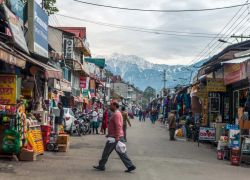
Welcome to the vibrant and culturally rich city of Chamba, where the bustling Chamba Market stands as a prominent tourist attraction. This market is not just a place to shop but a reflection of the city's essence, offering a unique blend of traditional crafts, local produce, and a glimpse into the daily life of the locals. Chamba Market is a must-visit destination for those seeking an authentic cultural experience in the heart of Chamba. History of Chamba Market The history of Chamba Market dates back to ancient times when it served as a hub for trade and commerce. Over the years, it has evolved into a vibrant marketplace where artisans and traders showcase their skills and products. Formerly a royal trading center, Chamba Market continues to preserve its heritage while adapting to modern times, attracting visitors from far and wide. Architecture and Natural Beauty of Chamba Market Nestled amidst the natural beauty of Chamba, the market is surrounded by picturesque landscapes, enhancing the overall shopping experience. The traditional architecture of the market buildings reflects the cultural heritage of the region, creating a charming atmosphere for both locals and tourists. Visitors can explore the market's nooks and crannies, discovering hidden gems and souvenir items to cherish. Why is Chamba Market Famous? Chamba Market is renowned for its authentic local products, including handcrafted items, textiles, spices, and fresh produce. It serves as a paradise for shoppers looking to immerse themselves in the vibrant colors and flavors of Chamba. The market's lively ambiance, coupled with the warm hospitality of the vendors, makes it a favorite destination for both leisurely strolls and souvenir hunting. How to Reach Chamba Market Traveling to Chamba Market is convenient, with various transportation options available. Visitors can reach Chamba by air, landing at the nearest airport and then continuing their journey by road. The city is also well-connected by rail, with nearby railway stations providing easy access to the market. Local transport services are readily available for hassle-free commuting within Chamba. Weather and Best Time to Visit Chamba Market Chamba Market experiences pleasant weather throughout the year, with distinct seasons offering unique experiences to visitors. While summers are ideal for exploring the market under clear skies, monsoons bring a refreshing ambiance to the surroundings. Winter months offer a cozy shopping experience, making Chamba Market a year-round destination. The best time to visit depends on personal preferences and the desired shopping atmosphere. Timings of Chamba Market Chamba Market welcomes visitors during specific hours, ensuring a delightful shopping experience for all. The market may have seasonal variations in timings, so it is advisable to plan accordingly. Whether you prefer the bustling energy of daytime shopping or the charming allure of evening markets, Chamba Market caters to diverse preferences. Entry Fee and Visit Details Entry to Chamba Market is free for all, allowing unrestricted access to the vibrant marketplace. Visitors can explore the stalls, interact with local vendors, and indulge in a shopping spree without any additional charges. Guide services are available for those seeking in-depth knowledge about the market's offerings, enhancing the overall visit experience. Things to Do at Chamba Market Chamba Market offers a plethora of activities to engage visitors of all ages and interests. From browsing through traditional handicrafts to savoring local delicacies, there is something for everyone in this bustling marketplace. Take a leisurely walk through the lanes, capture the vibrant sights with your camera, or simply soak in the lively atmosphere that defines Chamba Market. Interesting Facts About Chamba Market Chamba Market is not just a shopping destination but a cultural hub that celebrates the local heritage and craftsmanship of Chamba. The market's vendors take pride in their traditional skills, showcasing a wide range of products that highlight the region's artistic diversity. Visitors can witness the rich tapestry of Chamba's culture through the myriad offerings at the market. Travel Tips for Visiting Chamba Market When visiting Chamba Market, it is advisable to wear comfortable clothing and footwear to navigate the bustling lanes with ease. Carry a camera to capture the vibrant hues and unique finds at the market. Birdwatching enthusiasts can explore the nearby natural habitats, combining their shopping trip with a nature excursion. Respect local customs and traditions while engaging with vendors, fostering a spirit of responsible tourism. Conclusion In conclusion, Chamba Market stands as a delightful blend of culture, commerce, and community spirit in the heart of Chamba. Whether you seek to shop for souvenirs, sample local delicacies, or simply soak in the vibrant ambiance, this market offers a memorable experience for all visitors. Explore the rich tapestry of Chamba's heritage at Chamba Market and create lasting memories in this charming city.
Explore More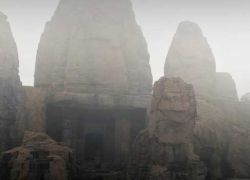
Masroor Temple, also known as the Rock Cut Temple, is a spectacular example of ancient Indian rock-cut architecture located near Dharamshala in the beautiful state of Himachal Pradesh. Nestled amidst the scenic Kangra Valley, this temple is a significant cultural and spiritual destination for tourists and devotees alike. How to Reach Masroor Temple, Dharamshala, Himachal Pradesh Reaching Masroor Temple is quite convenient due to its proximity to major transport hubs in Himachal Pradesh. The temple is approximately 40 kilometers from Dharamshala town. By Air: The nearest airport is Gaggal Airport (Kangra Airport), located about 35 km away from the temple. From the airport, visitors can hire taxis or use local buses to reach the temple. By Train: The closest railway station is Kangra Railway Station, around 15 km from the temple. Regular taxis and buses connect the station to Masroor Temple. By Road: Dharamshala is well-connected by road to major cities like Delhi, Chandigarh, and Shimla. From Dharamshala, you can hire a taxi or drive to Masroor Temple via NH154 and local roads. Weather at Masroor Temple, Dharamshala The climate at Masroor Temple is generally pleasant throughout the year, making it an ideal destination for tourists. Summer (March to June): The temperature ranges between 20°C to 30°C, perfect for sightseeing. Monsoon (July to September): Expect occasional rains and lush greenery around the temple. Caution is advised due to slippery roads. Winter (October to February): Cold temperatures ranging from 5°C to 15°C. Snowfall in nearby areas adds to the charm. Timing of Masroor Temple, Dharamshala The temple is generally open for visitors from 6:00 AM to 6:00 PM. Early morning visits are recommended to avoid crowds and experience a serene atmosphere for prayers and photography. Why Masroor Temple, Dharamshala is Famous Masroor Temple is renowned for its intricate rock-cut architecture and historical significance. The temple is carved out of a single rock and is believed to date back to the 8th century, showcasing a fusion of Hindu temple architecture and Kangra artistry. It is dedicated to Lord Rama and also houses idols of other deities like Goddess Sita and Lord Lakshman. Its unique monolithic structure and the stunning natural backdrop make it one of the most photographed and revered temples in Himachal Pradesh. Entry and Visit Details of Masroor Temple, Dharamshala Visiting Masroor Temple is hassle-free, and there is no major entry fee for tourists. However, it is advisable to carry a small donation for temple maintenance. Timings: 6:00 AM – 6:00 PM Entry Fee: Free for general visitors Best Time to Visit: March to June and September to November History and Architecture of Masroor Temple, Dharamshala The Masroor Temple is believed to have been constructed during the reign of the Rajput rulers of Kangra. Its rock-cut design is reminiscent of ancient Indian temple art, featuring elaborate carvings of gods, goddesses, and mythological scenes. The temple complex consists of several monolithic structures, including 18 small shrines arranged in a row, each intricately carved with figures and motifs. The central shrine is dedicated to Lord Rama, with adjoining shrines featuring other important deities. The precision in the stone carvings, despite being built centuries ago, demonstrates the exceptional skill of the artisans of that era. Things to Do at Masroor Temple, Dharamshala Visiting Masroor Temple offers more than just sightseeing. Here are some activities to make your visit memorable: Explore the intricate carvings and learn about Hindu mythology. Photography: The scenic backdrop and the temple’s architecture are perfect for capturing beautiful photographs. Meditation and Spiritual Experience: Enjoy the calm and peaceful surroundings. Nearby Trekking: The surrounding Kangra hills offer light trekking opportunities for nature enthusiasts. Interesting Facts about Masroor Temple, Dharamshala The temple is often called the “Kangra Rock Cut Temple” due to its unique rock architecture. It is said to have been carved out of a single rock, a remarkable feat of engineering and craftsmanship. Masroor Temple is part of the rich cultural heritage of Himachal Pradesh and is protected as a historical monument. The temple survived several earthquakes, which is a testimony to the architectural ingenuity of its builders. Tips for Visiting Masroor Temple, Dharamshala Wear comfortable shoes as there is a short uphill walk to reach the main temple complex. Carry water and light snacks, especially if visiting during summer. Respect local customs and dress modestly while visiting the temple. Photography is allowed, but avoid using flash in sanctum areas. Hire a local guide to understand the historical and cultural significance in detail. In conclusion, Masroor Temple, Dharamshala is not just a place of worship but a historical marvel that attracts devotees, history enthusiasts, and nature lovers. Its serene surroundings, fascinating architecture, and spiritual atmosphere make it a must-visit destination in Himachal Pradesh.
Explore More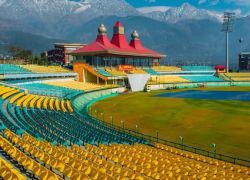
The Dharamshala Cricket Stadium, also known as Himachal Pradesh Cricket Association (HPCA) Stadium, is a world-renowned cricket venue located in Dharamshala, Himachal Pradesh. Nestled in the lap of the scenic Dhauladhar mountains, this stadium is often regarded as one of the most picturesque cricket grounds in the world. With breathtaking views of snow-capped peaks, lush green valleys, and state-of-the-art cricketing facilities, the stadium attracts cricket fans, tourists, and international teams alike. How to Reach Dharamshala Cricket Stadium, Dharamshala, Himachal Pradesh Reaching the Dharamshala Cricket Stadium is relatively straightforward due to its proximity to major transport hubs: By Air: The nearest airport is Gaggal Airport (Kangra Airport), located around 20 kilometers from the stadium. From the airport, taxis and cabs are readily available to reach the stadium directly. By Train: The closest railway station is Kangra Railway Station, about 15 kilometers from Dharamshala. From the station, private cabs and buses can be used to reach the stadium. By Road: Dharamshala is well-connected to cities like Delhi, Chandigarh, and Shimla. Buses and taxis regularly run to Dharamshala, and from the city center, the stadium is easily accessible via local roads. The drive offers stunning views of the mountains, making it a scenic journey in itself. Weather at Dharamshala Cricket Stadium, Dharamshala The weather in Dharamshala is generally mild and pleasant, making it ideal for cricket matches and outdoor activities: Summer (March to June): The temperature ranges between 15°C and 30°C. Perfect for watching cricket matches while enjoying clear views of the mountains. Monsoon (July to September): Heavy rains can affect match schedules. However, the surrounding greenery becomes lush and vibrant. Winter (October to February): Temperatures range from 5°C to 20°C. Cold winds from the mountains can be experienced, but the crisp weather is refreshing. Timing of Dharamshala Cricket Stadium, Dharamshala The Dharamshala Cricket Stadium operates according to match schedules, which vary throughout the year. For general visits or stadium tours, the recommended timing is 9:00 AM to 5:00 PM. During international or IPL matches, visiting hours may extend according to game schedules. Why Dharamshala Cricket Stadium, Dharamshala is Famous The Dharamshala Cricket Stadium is famous for several reasons. Its location amidst the Dhauladhar mountains provides a breathtaking backdrop for cricket, making it one of the most photographed cricket grounds in the world. The stadium has hosted international matches, Indian Premier League (IPL) games, and numerous domestic cricket tournaments. Cricket enthusiasts visit not only to watch matches but also to experience the unique combination of world-class sporting facilities and Himalayan beauty. Additionally, its high-altitude location provides a distinct playing environment, attracting top players from around the globe. Entry and Visit Details of Dharamshala Cricket Stadium, Dharamshala Visiting the Dharamshala Cricket Stadium is generally straightforward. Entry is free for casual sightseeing when no matches are being held. Key details include: Entry Fee: Free for general visitors (match tickets must be purchased separately) Opening Hours: 9:00 AM – 5:00 PM for sightseeing and tours Best Time to Visit: March to June and October to November for pleasant weather Facilities: Seating galleries, cafes, and refreshment areas are available during matches History and Architecture of Dharamshala Cricket Stadium, Dharamshala The Dharamshala Cricket Stadium was established by the Himachal Pradesh Cricket Association in the early 2000s and has since become an iconic cricket venue. The stadium combines modern architectural design with the natural contours of the surrounding landscape. It features advanced drainage systems, floodlights for day-night matches, and seating for over 23,000 spectators. The design allows unobstructed views of the Dhauladhar mountain range from almost every seat, offering a unique spectator experience that blends sport with nature. Things to Do at Dharamshala Cricket Stadium, Dharamshala While the primary attraction is cricket, visitors can engage in several activities at the stadium: Attend international or domestic cricket matches and experience the thrill of live games. Enjoy stadium tours that showcase player facilities, VIP lounges, and media boxes. Photography of the scenic stadium with mountains as the backdrop. Interact with local cricket fans and learn about Himachal Pradesh's cricket culture. Participate in community events or stadium-hosted sports workshops. Interesting Facts about Dharamshala Cricket Stadium, Dharamshala The stadium is located at an altitude of around 1,457 meters, making it one of the highest cricket stadiums in the world. The backdrop of the Dhauladhar range has made it a popular venue for photographers and travel enthusiasts. It has hosted several international matches, including games in the ICC tournaments. The stadium is eco-friendly, with landscaped gardens and natural surroundings preserved. The stadium management often conducts cricket coaching camps for young aspiring players from the region. Tips for Visiting Dharamshala Cricket Stadium, Dharamshala Check match schedules online before planning your visit if you want to attend a live game. Wear comfortable shoes and bring warm clothing during winter matches due to high-altitude cold winds. Carry a camera for photography, especially for capturing the mountains behind the stadium. Arrive early for matches to avoid traffic congestion and to get good seating. Respect local fans and stadium rules while visiting or attending games. In conclusion, the Dharamshala Cricket Stadium in Dharamshala, Himachal Pradesh, is more than just a cricket venue—it is a spectacular fusion of sport, nature, and architecture. Whether you are a cricket enthusiast, a photographer, or a traveler seeking unique experiences in the Himalayas, visiting this stadium offers an unforgettable combination of scenic beauty and world-class sporting culture.
Explore More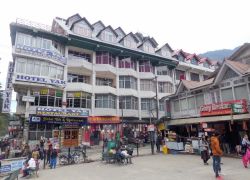
Mall Road is the heart and soul of Manali, one of the most popular hill stations in Himachal Pradesh. Located in the center of the town, Mall Road is a bustling street lined with shops, restaurants, cafes, hotels, handicraft stores, and local markets. It is the main commercial and social hub of Manali, attracting thousands of tourists throughout the year. Whether visitors want to shop for traditional Himachali handicrafts, enjoy local cuisine, take a leisurely walk, or simply experience the vibrant atmosphere of the town, Mall Road offers something for everyone. Surrounded by beautiful mountains and lush green valleys, Mall Road serves as the perfect place to experience the charm of Manali. During the evening, the road comes alive with tourists exploring the markets, enjoying street food, and admiring the scenic beauty of the Himalayan region. A visit to Manali is considered incomplete without spending time on Mall Road. Why Mall Road, Manali is Famous? Mall Road is famous for being the main shopping and entertainment center of Manali. It is one of the most visited places in the town due to its lively atmosphere and wide range of attractions. The road is known for: Shopping Opportunities: Visitors can purchase woolen clothes, shawls, caps, handicrafts, souvenirs, and traditional Himachali items. Local Cuisine: Numerous restaurants and cafes serve Himachali, Indian, Tibetan, and international dishes. Scenic Environment: The road offers beautiful views of snow-capped mountains and the surrounding valleys. Cultural Experience: Tourists can experience the local lifestyle, traditions, and hospitality of Himachal Pradesh. Entertainment Hub: The area is filled with hotels, eateries, bakeries, and recreational spots that attract visitors of all ages. History of Mall Road, Manali The development of Mall Road is closely linked with the growth of Manali as a tourist destination. During the British era, several hill stations across India developed central roads known as "Mall Roads" where people could walk, shop, and socialize. Although Manali's Mall Road expanded significantly after India's independence, it followed the same concept of creating a central gathering place for residents and tourists. As tourism increased in Manali during the late 20th century, Mall Road became the commercial center of the town. New shops, hotels, restaurants, and travel agencies were established to cater to the growing number of visitors. Today, it remains one of the busiest and most important areas in Manali. Architecture and Surroundings Unlike historical monuments or palaces, Mall Road is not known for a specific architectural style. However, the buildings along the road display a mix of traditional Himachali and modern commercial architecture. Many structures feature sloping roofs, wooden balconies, stone facades, and decorative elements inspired by mountain architecture. The colorful shops, neatly maintained pathways, streetlights, and mountain backdrop create a charming environment. The road is designed to accommodate pedestrians comfortably, allowing visitors to enjoy leisurely walks while exploring the local markets. The surrounding landscape of pine-covered hills and snow-capped peaks adds to its visual appeal. How to Reach Mall Road, Manali Mall Road is located in the center of Manali and is easily accessible from different parts of Himachal Pradesh and India. By Air The nearest airport is Bhuntar Airport, located approximately 50 km from Manali. Taxis and buses are available from the airport to reach Mall Road. By Train The nearest major railway station is Joginder Nagar Railway Station, about 165 km away. Many travelers prefer reaching Chandigarh or Pathankot by train and then continuing their journey by road. By Road Manali is well-connected by road to Delhi, Chandigarh, Shimla, Dharamshala, and other major cities. Regular Volvo buses, state transport buses, and private taxis operate throughout the year. Local Transportation Once in Manali, visitors can easily reach Mall Road by walking, taxi, auto-rickshaw (where available), or local transportation services. Weather at Mall Road, Manali Manali experiences pleasant weather for most of the year, making Mall Road enjoyable in every season. Summer (March to June): Temperatures range between 10°C and 25°C. The weather remains pleasant and ideal for sightseeing. Monsoon (July to September): Moderate rainfall occurs during this period. The surroundings become greener, though occasional landslides may affect travel. Autumn (October to November): Clear skies and cool temperatures provide excellent conditions for exploration. Winter (December to February): Temperatures often fall below freezing, and snowfall transforms the town into a winter wonderland. Timings of Mall Road, Manali Mall Road remains accessible throughout the day and night. Open: 24 Hours Shops and Markets: Generally operate from 9:00 AM to 10:00 PM. Restaurants and Cafes: Many remain open until late evening. Best Time to Visit: Late afternoon and evening when the market is most vibrant. Entry and Visit Details There is no entry fee to visit Mall Road. Visitors are free to explore the market, enjoy shopping, dine at restaurants, and spend time in the area. The road is maintained by local authorities and offers basic facilities such as: Public seating areas Parking facilities nearby ATM services Tourist information centers Restaurants and food outlets Hotels and accommodation options Public restrooms in nearby areas Things to Do at Mall Road, Manali Shopping: Buy traditional Himachali shawls, woolen garments, handicrafts, wooden artifacts, jewelry, and souvenirs. Taste Local Food: Enjoy local Himachali dishes, Tibetan momos, thukpa, and other regional delicacies. Visit Local Cafes: Spend time in cozy cafes offering scenic views and delicious food. Photography: Capture beautiful pictures of the market, surrounding mountains, and local culture. Evening Walks: Take a relaxing stroll and enjoy the lively atmosphere of the town. Explore Nearby Attractions: Visit Hadimba Temple, Manu Temple, Van Vihar, and Tibetan Monasteries located nearby. Purchase Dry Fruits and Local Products: The market offers high-quality apples, honey, jams, and dry fruits. Interesting Facts about Mall Road, Manali Mall Road is considered the commercial and tourism center of Manali. The area attracts thousands of tourists daily during peak travel seasons. Many shops sell authentic Kullu and Himachali handicrafts. The road offers some of the best shopping experiences in Himachal Pradesh. It serves as a meeting point for tourists from different parts of India and abroad. Several cultural events and celebrations take place in the surrounding area during festivals. The nearby Tibetan Market is famous for woolen clothing and handcrafted products. Tips for Visiting Mall Road, Manali Carry warm clothing even during summer evenings, as temperatures can drop unexpectedly. Visit during the evening to experience the market's vibrant atmosphere. Compare prices before purchasing souvenirs and handicrafts. Wear comfortable footwear, as exploring the area involves a lot of walking. Keep your camera ready to capture beautiful mountain views. Try local Himachali and Tibetan dishes available at various restaurants. During winter, wear proper snow clothing and footwear if snowfall occurs. Avoid littering and help maintain the cleanliness of the town. Book accommodation in advance during peak tourist seasons to avoid last-minute inconvenience. Conclusion Mall Road in Manali, Himachal Pradesh, is much more than just a marketplace. It is the cultural, commercial, and social center of the town where visitors can experience the true spirit of Manali. With its lively atmosphere, diverse shopping opportunities, delicious food, scenic surroundings, and easy accessibility, Mall Road remains one of the most popular attractions in the region. Whether you are looking to shop, relax, enjoy local cuisine, or simply soak in the beauty of the Himalayas, Mall Road offers a memorable experience that perfectly complements a visit to Manali.
Explore More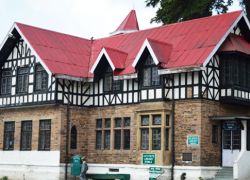
Himachal State Museum & Library
The Himachal State Museum & Library in Shimla is one of the most treasured cultural landmarks of Himachal Pradesh. This institution serves as a repository of the state’s rich history, art, and heritage, housing rare artifacts, manuscripts, paintings, and other historical treasures. Situated amidst the scenic landscapes of Shimla, the museum and library attract tourists, historians, students, and researchers interested in exploring the cultural and historical essence of the region. History of Himachal State Museum & Library The Himachal State Museum was established in 1974 with the aim of preserving and showcasing the heritage of Himachal Pradesh. Over the decades, it has expanded its collections and now features extensive displays of traditional art forms, sculptures, and manuscripts. The library associated with the museum holds rare books, periodicals, and government records that provide insights into the history, culture, and governance of the region. The museum and library together form an important center for cultural education and research. Architecture The building of the Himachal State Museum & Library reflects traditional Himachali architectural elements combined with modern museum design. It features sloping roofs, wooden carvings, and stone facades typical of the region. Inside, the museum has multiple galleries arranged systematically, making it easy for visitors to navigate through the exhibits. The library is designed with a focus on quiet study spaces, proper shelving, and well-lit reading rooms to facilitate research and reading. Collections and Exhibits The museum houses a wide variety of collections including: Traditional Himachali paintings and handicrafts Ancient sculptures and stone carvings Historical manuscripts and documents Ethnographic artifacts representing Himachal Pradesh’s diverse communities Numismatic collections, including coins from different eras The library is equally rich, containing old books, journals, and government records that date back to the colonial era. It is a hub for historians, scholars, and students studying the cultural and administrative history of Himachal Pradesh. How to Reach Himachal State Museum & Library By Air: The nearest airport is Shimla Airport (Jubbarhatti Airport), approximately 22 km from the museum. Taxis and private cabs are available from the airport. By Train: The nearest major railway station is Kalka, around 90 km away. The UNESCO World Heritage Kalka-Shimla toy train offers a scenic and historic journey to Shimla. By Road: Shimla is well-connected by road from Delhi, Chandigarh, and other neighboring cities. Regular buses, taxis, and private vehicles can easily reach the museum, which is located near the heart of Shimla city. Weather Shimla has a pleasant temperate climate that varies with seasons. Summers (March to June) are comfortable with temperatures between 15°C and 30°C, ideal for visiting the museum and strolling in the surroundings. Monsoon season (July to September) brings heavy rainfall, so visitors should carry umbrellas and raincoats. Winters (November to February) are cold, with temperatures dropping to 0-5°C, occasionally accompanied by snowfall, offering a serene experience but requiring warm clothing. Timings The Himachal State Museum & Library is open to visitors from 10:00 AM to 5:00 PM on all days except public holidays. It is advisable to visit during the morning hours to avoid crowds and enjoy a peaceful experience while exploring the exhibits and library. Why Himachal State Museum & Library is Famous The Himachal State Museum & Library is famous for its rich collection of artifacts and documents that provide a comprehensive insight into Himachal Pradesh’s cultural and historical heritage. It is renowned for preserving traditional Himachali art forms, manuscripts, and handicrafts, making it a cultural landmark in the region. Scholars, tourists, and history enthusiasts often visit to study the diverse exhibits and understand the evolution of the state’s art, culture, and governance. Entry and Visit Details Entry Fee: Entry fees are nominal, usually around INR 10-20 for Indian citizens, while foreign visitors may pay slightly higher charges. Photography may require additional permissions or fees. Guided Tours: Guided tours are available and recommended to gain detailed knowledge of the exhibits and historical context. Visitors should plan at least 2-3 hours for a complete experience of both the museum and library. Things to Do - Explore the galleries showcasing Himachali paintings, sculptures, and handicrafts. - Visit the library and browse through rare books, manuscripts, and archives. - Attend educational workshops and cultural programs organized by the museum. - Take photographs of traditional artifacts and the museum’s architecture (with permission). - Spend quiet time reading or researching in the library’s reading rooms. - Enjoy nearby cafes and parks in Shimla after visiting the museum. Interesting Facts - The museum houses ancient manuscripts written on palm leaves, some dating back several centuries. - It also contains a collection of coins and currencies from different eras of Himachal’s history. - The library serves as a reference point for government historians and researchers studying the region. - The museum regularly organizes exhibitions showcasing contemporary Himachali art alongside traditional collections. - The building itself is an example of modern Himachali architecture blended with colonial influences. Tips for Visitors - Wear comfortable shoes as the museum has multiple galleries and walking areas. - Carry water and light snacks, though small eateries are available nearby. - Visit in the morning to avoid crowds and have ample time to explore. - Check for any temporary exhibitions or workshops before visiting to make the most of your experience. - Photography may require permission, so inquire at the entrance. - Respect the artifacts and avoid touching displays to help preserve them for future generations. The Himachal State Museum & Library in Shimla offers a unique combination of cultural heritage, history, and educational value. Whether you are a student, researcher, or a tourist, it provides an immersive experience into the art, history, and traditions of Himachal Pradesh, making it an essential destination when visiting Shimla.
Explore More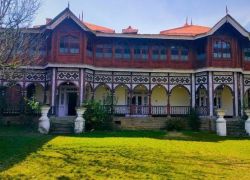
Situated in the picturesque town of Sarahan, Sarahan Palace is a charming tourist attraction that offers a blend of history, natural beauty, and cultural significance. This magnificent palace holds a rich heritage and is surrounded by breathtaking landscapes, making it a must-visit destination for travelers seeking a unique experience in the heart of Sarahan. History of Sarahan Palace With a captivating historical background, Sarahan Palace was once the royal hunting grounds of the region. Over the years, efforts have been made to conserve this heritage site, leading to its recognition by UNESCO. The palace stands as a testament to the traditional architecture and royal legacy of Sarahan. Architecture and Natural Beauty of Sarahan Palace Surrounded by lush forests, grasslands, and bird habitats, Sarahan Palace boasts a natural environment that is both serene and diverse. The historical Keoladeo Temple located within the palace grounds adds to its architectural beauty, creating a harmonious blend of history and nature. Why is Sarahan Palace Famous? Sarahan Palace is renowned for its appeal to birdwatchers, photographers, nature enthusiasts, and wildlife lovers. The variety of avian species, scenic landscapes, and peaceful surroundings make it a preferred destination for those seeking a close encounter with nature. How to Reach Sarahan Palace Traveling to Sarahan Palace is convenient, with options available by air, rail, and road. The nearest airports and railway stations provide easy access to this enchanting destination, allowing visitors to embark on a memorable journey to Sarahan. Weather and Best Time to Visit Sarahan Palace The weather at Sarahan Palace varies across summer, monsoon, and winter seasons. The best time to visit is during the moderate months when the climate is pleasant, offering an ideal setting for exploration and enjoyment. Timings of Sarahan Palace Visitors can explore Sarahan Palace during designated timings, which may vary seasonally. It is advisable to plan your visit accordingly and make the most of your time at this historic site. Entry Fee and Visit Details Entry procedures to Sarahan Palace are straightforward, with guide services and safari options available for a more immersive experience. Visitors can also opt for bicycle rentals and avail of various facilities to enhance their visit. Things to Do at Sarahan Palace Engage in popular activities at Sarahan Palace, including birdwatching, photography, cycling, walking trails, nature observation, and educational experiences. Immerse yourself in the beauty of the surroundings and create lasting memories during your stay. Interesting Facts About Sarahan Palace Discover fascinating facts about migratory birds, biodiversity conservation efforts, and the ecological importance of Sarahan Palace. These insights shed light on the significance of preserving this natural heritage for future generations to appreciate. Travel Tips for Visiting Sarahan Palace When planning your trip to Sarahan Palace, consider practical advice on clothing choices, photography essentials, birdwatching equipment, visiting seasons, and responsible tourism practices. By following these tips, you can make the most of your visit while respecting the environment and local culture. Conclusion In conclusion, Sarahan Palace in Sarahan stands as a testament to the region's historical richness and natural splendor. Visitors are invited to immerse themselves in the beauty of this heritage site, engage in exciting activities, and appreciate the tranquil surroundings that make Sarahan Palace a true gem in the heart of Sarahan.
Explore More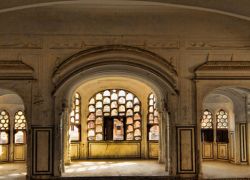
The Rang Mahal in Dalhousie is a historical monument that showcases exquisite architecture and design from the Mughal era. It was built by Raja Umed Singh in the 18th century and served as his royal residence. The palace is known for its vibrant colors, intricate carvings, and beautiful frescoes that adorn the walls. Timings Of Rang Mahal The Rang Mahal is open to visitors from 10 am to 5 pm on all days of the week. Entry Fee The entry fee for visiting the Rang Mahal is INR 50 for Indian tourists and INR 200 for foreign tourists. Required Time And Restricted Items It is recommended to spend at least an hour exploring the Rang Mahal to appreciate its beauty. Visitors are not allowed to carry food, drinks, or pets inside the palace. Architecture Of Rang Mahal The architecture of Rang Mahal is a blend of Mughal and British styles. The palace features a grand entrance with intricate carvings, spacious courtyards, and arched doorways. The interior is decorated with vibrant colors and detailed frescoes depicting mythological scenes. Best Time To Visit The best time to visit the Rang Mahal is during the months of March to June when the weather is pleasant and ideal for exploring the historical site. How To Reach The Rang Mahal is located in Dalhousie, Himachal Pradesh, and can be easily reached by road. The nearest airport is in Pathankot, which is around 80 kilometers away from Dalhousie. Visitors can also take a train to Pathankot and then hire a taxi to reach Dalhousie. History Of Rang Mahal The Rang Mahal was built by Raja Umed Singh in the 18th century as a summer retreat for the royal family. It was later used as a residence by the British officials during the colonial period. The palace has been meticulously maintained over the years and stands as a testament to the rich cultural heritage of Himachal Pradesh. Inside Rang Mahal Inside the Rang Mahal, visitors can admire the stunning frescoes, intricate carvings, and architectural details that make this palace a must-visit attraction. The palace also houses a small museum that showcases artifacts and historical objects related to the royal family. Traveling Tips It is advisable to wear comfortable footwear as you will be doing a lot of walking inside the palace. Carry a camera to capture the beautiful views and artwork in the Rang Mahal. Make sure to follow the regulations and respect the historical significance of the site during your visit. Hotels Near Rang Mahal With Names Some of the hotels near Rang Mahal in Dalhousie include Hotel Mount View, Hotel Grand View, Hotel Pearl Dalhousie, and Hotel President. These hotels offer comfortable accommodation options for travelers visiting the Rang Mahal. Nearby Tourist Spots Of Rang Mahal While visiting the Rang Mahal, tourists can explore other nearby attractions in Dalhousie such as Khajjiar, Dainkund Peak, Kalatop Wildlife Sanctuary, and St. John's Church. These places offer scenic views, trekking opportunities, and a chance to experience the natural beauty of Himachal Pradesh.
Explore More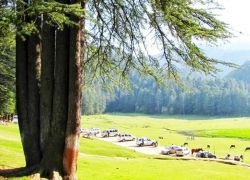
Panch Pandav Tree is one of the most fascinating natural attractions located in the picturesque hill station of Khajjiar in Himachal Pradesh. Known for its unique botanical structure and association with Indian mythology, this remarkable tree attracts nature lovers, pilgrims, photographers, and tourists visiting the beautiful "Mini Switzerland of India." Situated amidst lush green meadows and dense deodar forests, the Panch Pandav Tree stands as a symbol of nature's wonder and local folklore. Khajjiar, located in the Chamba district of Himachal Pradesh, is famous for its rolling meadows, scenic landscapes, and ancient temples. Among its many attractions, the Panch Pandav Tree holds a special place because of its unusual growth pattern. Unlike ordinary trees, this single tree has six distinct shoots emerging from one trunk, making it a rare natural phenomenon. The tree is believed to be linked to the legendary Pandavas from the Hindu epic Mahabharata, adding spiritual and cultural significance to its natural beauty. Why is Panch Pandav Tree, Khajjiar Famous? The Panch Pandav Tree is famous primarily because of its extraordinary structure. The tree appears to have multiple trunks growing from a single base, creating a unique and eye-catching appearance. Local legends associate these multiple shoots with the five Pandava brothers of the Mahabharata. Visitors are amazed by how one tree can develop several large stems from a common trunk. This unusual growth has made the Panch Pandav Tree one of the most photographed attractions in Khajjiar. The tree is also famous for: Its connection with Mahabharata folklore. Its unique multi-stemmed growth pattern. Its location amidst the scenic Khajjiar meadows. Its popularity among nature enthusiasts and photographers. Its importance as a local tourist landmark. The combination of mythology, natural beauty, and botanical uniqueness makes the Panch Pandav Tree a must-visit attraction in Khajjiar. History and Mythological Significance of Panch Pandav Tree The Panch Pandav Tree is deeply connected with local legends and Hindu mythology. According to popular belief, the Pandavas spent part of their exile period in the forests and mountains of Himachal Pradesh. Local residents believe that this unique tree symbolizes the five Pandava brothers—Yudhishthira, Bhima, Arjuna, Nakula, and Sahadeva. Some legends suggest that the tree's multiple stems represent the unity and strength of the Pandavas despite their individual identities. Although there is no historical evidence directly linking the tree to the Mahabharata, the folklore has become an important part of Khajjiar's cultural heritage. Over the years, the tree has gained recognition as a natural wonder and an important attraction for tourists exploring the region. It continues to inspire curiosity among visitors due to its unusual appearance and mythical associations. Natural Structure and Features of Panch Pandav Tree Unlike monuments or temples, the Panch Pandav Tree is a natural attraction. Its uniqueness lies in the way multiple stems emerge from a single trunk. The tree belongs to the deodar family, which is commonly found in the Himalayan region. Key features of the tree include: A single base trunk supporting multiple stems. Six visible shoots emerging from one root system. Healthy green foliage throughout much of the year. Location amidst beautiful meadows and forests. Excellent backdrop for photography. The tree demonstrates the incredible adaptability and growth patterns found in nature. Botanists and nature lovers often visit to observe this rare phenomenon. How to Reach Panch Pandav Tree, Khajjiar, Himachal Pradesh The Panch Pandav Tree is easily accessible from Khajjiar and nearby tourist destinations in Himachal Pradesh. By Air The nearest airport is Kangra Airport (Gaggal Airport), located approximately 120 kilometers from Khajjiar. Another option is Jammu Airport, which is about 180 kilometers away. From the airport, taxis and buses are available to reach Khajjiar. By Train The nearest railway stations are: Pathankot Railway Station – approximately 118 km away. Chakki Bank Railway Station – approximately 115 km away. These stations are well connected with Delhi, Chandigarh, Amritsar, and other major Indian cities. By Road Khajjiar enjoys excellent road connectivity with major towns in Himachal Pradesh. Dalhousie to Khajjiar: Approximately 22 km Chamba to Khajjiar: Approximately 24 km Pathankot to Khajjiar: Approximately 118 km Dharamshala to Khajjiar: Approximately 120 km Regular buses and taxis operate between these destinations. The Panch Pandav Tree is located within the Khajjiar area and can be reached easily on foot once you arrive. Weather at Panch Pandav Tree, Khajjiar Summer (March to June) Temperatures range between 15°C and 30°C. This is one of the best times to visit due to pleasant weather and clear skies. Monsoon (July to September) Khajjiar receives moderate rainfall, making the landscape lush and green. Visitors should be prepared for occasional showers. Winter (October to February) Temperatures can drop below 0°C. Snowfall often transforms Khajjiar into a winter wonderland, attracting snow lovers and photographers. Panch Pandav Tree Timings Since Panch Pandav Tree is a natural outdoor attraction located in a public area, it can generally be visited throughout the day. Opening Time: 6:00 AM Closing Time: 6:30 PM Best Visiting Hours: Morning and evening Daylight hours are recommended for the best sightseeing and photography experience. Entry and Visit Details of Panch Pandav Tree Visitors can usually view the Panch Pandav Tree without paying any separate entry fee. Access is generally included as part of exploring the Khajjiar meadow area. Basic visitor facilities available nearby include: Parking facilities. Food stalls and cafes. Resting areas. Photography opportunities. Tourist information services. The attraction can be comfortably explored during a short walk around Khajjiar. Things to Do at Panch Pandav Tree 1. Observe the Unique Tree Structure Examine the fascinating multi-stem growth pattern that makes the tree famous throughout the region. 2. Photography Capture stunning photographs of the tree against the backdrop of green meadows and Himalayan landscapes. 3. Explore Khajjiar Meadows Enjoy a leisurely walk through the famous Khajjiar grasslands surrounding the tree. 4. Learn Local Folklore Listen to stories and legends associated with the Pandavas and the Mahabharata. 5. Nature Walks Explore nearby forests and discover the rich biodiversity of the Himalayan region. 6. Visit Nearby Attractions Combine your visit with nearby attractions such as: Khajji Nag Temple Khajjiar Lake Kalatop Wildlife Sanctuary Dalhousie Chamba Interesting Facts About Panch Pandav Tree The tree is one of Khajjiar's most unique natural attractions. It has multiple stems emerging from a single trunk. Local folklore links it to the five Pandava brothers. The tree is located near the famous Khajjiar meadow. It attracts both tourists and botanists. Khajjiar is often called the "Mini Switzerland of India." The tree serves as a popular photography spot. Its unusual growth pattern remains a subject of curiosity. The surrounding landscape offers breathtaking Himalayan views. It is one of the most visited natural landmarks in Khajjiar. Travel Tips for Visiting Panch Pandav Tree Visit during the morning for pleasant weather and fewer crowds. Carry a camera to capture the tree and scenic surroundings. Wear comfortable walking shoes. Carry light woolens even during summer as temperatures can change quickly. Avoid littering and help preserve the natural environment. Respect local beliefs associated with the tree. Visit during winter if you wish to experience snowfall. Carry water and snacks during sightseeing. Combine the visit with nearby attractions to make the most of your trip. Check weather conditions before traveling during the monsoon season. Conclusion Panch Pandav Tree in Khajjiar, Himachal Pradesh, is a fascinating blend of natural wonder, mythology, and scenic beauty. Its unusual multi-stemmed structure, association with the legendary Pandavas, and location amidst the stunning landscapes of Khajjiar make it a unique attraction in the Himalayas. Whether you are interested in nature, photography, folklore, or simply enjoying the tranquility of the mountains, the Panch Pandav Tree offers a memorable experience. A visit to this remarkable natural landmark provides an opportunity to appreciate both the mysteries of nature and the rich cultural traditions of Himachal Pradesh.
Explore More4-Day Himachal Itinerary Tour
4 Days/ 3 Night
Kufri - Manali - Shimla - Kullu
3D Zanskar Trip From Manali - Gonbo Rongjon - Shinkhu La
3 Days/ 2 Night
Manali - Jispa
Complete Himachal Tour - 8 Days - 7 Nights
8 Days/ 7 Night
Dalhousie - Manali - Shimla - Dharamshala
5 night 6 Days Shimla Manali Package
6 Days/ 5 Night
Kullu - Chandigarh City - Lahaul & Spiti - Shimla - Manali

Dagshai Jail Museum, Solan is a former British prison that happens to be a frequently visited place. So, basically, the museum is one of the oldest cantonment towns in the Solan district of Himachal Pradesh. This place was earlier used as the storage yard and only after the armuy people cleaned the place, it came out to be a well-designed structure. Later on, this place was converted into a museum and it is also to be noted here that this is the only jail museum in India apart from the Cellular Jail in the Andamans.History:As far as the history of the place is talked about, the leader James Daly of the mutiny was shot by a firing squad in the prison courtyard dated November 2, 1920. After being given complete military honors and funeral, his remains were then buried at the Dagshai Cemetery until 1970. Many years down the lane, with the help of areas Brigade Commander and Himachal Tourism Department, this place was erected into a museum.Architecture:Now, coming on to the architecture of the Dagshai Jail Museum, the jail blocks of the museum is as chilly as it was during the time of Britishers. It was long back in the year 1849 that the construction of the jail began and consisted of 54 maximum cellular cells. Three feet apart, all these cells have two doors each. It is also to be noted here that The Dagshai Jail Museum doesn’t have any source of ventilation and light in the cells. The Dagshai Jail has only one VIP cell that is boasted of luxuries namely, fireplace and washroom.How to Reach:There are no consistent flights from other major cities of India to Solan. Nearest airport is Chandigarh Airport, which happens to be 35 km away. The other nearest airport is Bhuntar Airport (KUU), Kullu, Himachal Pradesh that is 115 km away. People ususally drive to reach The Dagshai Jail Museum from thereon.Nearby Attractions:Below are a few major attraction that people visit while their stay in Solan:Mohan Shakti Heritage ParkJatoli Shiv TempleThe Dagshai Jail MuseumKrishna Bhavan MandirBon MonasteryKuthar FortShoolini Mata TempleShirdi Sai Baba MandirFrequently Asked Questions:What are the number of times Dagshai Jail Museum is added in itineraries?The Dagshai Jail Museum, Solan is added for over 16 times on an average in different itineraries.What is the average time spent at Dagshai Jail Museum, Solan?The average time spent at Dagshai Jail Museum, Solan is for over 30 minutes.What are the busiest days at Dagshai Jail Museum?Mondays, Wednesdays and Fridays are ususlly considered as to be the busiest days of the museum.What is the most popular time to visit Dagshai Jail Museum?The most popular hours to visit Dagshai Jail Museum is from 11 AM - 12 PM.
Explore More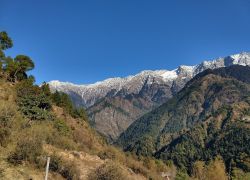
Naddi View Point is one of the most spectacular scenic attractions near Mcleodganj in Himachal Pradesh. Located in the peaceful village of Naddi, approximately 4 kilometers from Mcleodganj, this viewpoint offers breathtaking panoramic views of the majestic Dhauladhar mountain range, lush valleys, dense forests, and the vast Kangra Valley. Perched at an elevation of around 2,000 meters above sea level, Naddi View Point is a favorite destination for nature lovers, photographers, adventure enthusiasts, and travelers seeking tranquility amidst the Himalayas. The viewpoint is especially popular for its mesmerizing sunrise and sunset views. On clear days, visitors can enjoy unobstructed views of the snow-covered peaks of the Dhauladhar range, creating a stunning contrast against the blue sky. The peaceful atmosphere, cool mountain breeze, and scenic landscapes make Naddi View Point one of the most visited tourist attractions in the Dharamshala-Mcleodganj region. Apart from its natural beauty, Naddi serves as a gateway to several trekking routes and nature trails. The area is ideal for those who want to escape crowded tourist spots and experience the serene charm of the Himalayas. Whether visiting for photography, sightseeing, relaxation, or adventure, Naddi View Point offers an unforgettable mountain experience. Why Famous for Naddi View Point, Mcleodganj, Himachal Pradesh? Naddi View Point is famous for its panoramic views of the Dhauladhar Mountains, spectacular sunsets, peaceful surroundings, and picturesque Himalayan landscapes. It is considered one of the best locations in the region for enjoying uninterrupted views of the snow-capped peaks. The viewpoint attracts visitors throughout the year due to its exceptional scenic beauty. During sunrise and sunset, the changing colors of the sky create a magical atmosphere that captivates photographers and nature enthusiasts. Naddi View Point is also known for offering one of the clearest views of the Kangra Valley below. The combination of mountain peaks, forests, valleys, and open skies creates a breathtaking panorama that is difficult to find elsewhere. Additionally, the area serves as an excellent starting point for nature walks, village exploration, and trekking activities. The peaceful environment makes it popular among travelers seeking relaxation and a closer connection with nature. History of Naddi View Point, Mcleodganj, Himachal Pradesh Naddi Village has traditionally been a small settlement inhabited by local Himachali communities, particularly the Gaddi people who are known for their pastoral lifestyle and rich cultural traditions. For generations, residents have relied on agriculture, animal husbandry, and tourism-related activities. Unlike many historical monuments, Naddi View Point is primarily a natural attraction rather than a site associated with major historical events. However, the area's cultural significance stems from its long-standing connection with the local communities who have preserved their traditions and way of life in the Himalayan region. With the growth of tourism in Dharamshala and Mcleodganj during the late twentieth century, Naddi gradually emerged as a popular destination for travelers seeking scenic beauty and peaceful surroundings. Improvements in road connectivity further increased its popularity among domestic and international tourists. Today, Naddi View Point is recognized as one of the most beautiful viewpoints in Himachal Pradesh and an essential stop on any Mcleodganj sightseeing itinerary. Architecture and Natural Landscape of Naddi View Point Naddi View Point is primarily celebrated for its natural landscape rather than architectural structures. The viewpoint offers a vast open space from which visitors can enjoy uninterrupted views of the surrounding Himalayan scenery. The area features observation points, seating arrangements, walking paths, and small local shops catering to tourists. Nearby homes and buildings reflect traditional Himachali architecture, characterized by the use of stone, wood, and sloping roofs designed to withstand mountain weather conditions. The landscape surrounding Naddi View Point includes dense deodar forests, rolling hills, terraced fields, and dramatic mountain peaks. During winter, the snow-covered Dhauladhar Mountains create an especially stunning backdrop. The area's natural beauty changes with the seasons, offering visitors unique experiences throughout the year. How to Reach Naddi View Point, Mcleodganj, Himachal Pradesh By Air: The nearest airport is Gaggal Airport (Kangra Airport), located approximately 22 kilometers from Naddi. Taxis are easily available from the airport to reach the viewpoint. By Train: The nearest major railway station is Pathankot Railway Station, situated around 90 kilometers away. Visitors can continue their journey by taxi or bus to Dharamshala and Mcleodganj. By Road: Mcleodganj and Dharamshala are well connected to major cities such as Delhi, Chandigarh, Amritsar, and Shimla through regular bus services and private vehicles. Local Transportation: Naddi View Point is located approximately 4 kilometers from Mcleodganj. Visitors can reach it by taxi, auto-rickshaw, local bus, or even by walking through scenic routes that pass through forests and villages. Weather at Naddi View Point, Mcleodganj, Himachal Pradesh Summer (March to June): Temperatures generally range from 15°C to 28°C. The weather is pleasant and ideal for sightseeing and outdoor activities. Monsoon (July to September): Moderate to heavy rainfall occurs during this season, resulting in lush greenery and fresh mountain air. Visibility may occasionally be affected by clouds and mist. Autumn (October to November): Clear skies and comfortable temperatures provide excellent conditions for mountain viewing and photography. Winter (December to February): Temperatures can drop close to freezing, and the nearby Dhauladhar peaks are often covered in snow, creating breathtaking views. Timing of Naddi View Point, Mcleodganj, Himachal Pradesh Naddi View Point is generally accessible throughout the day. Most visitors prefer visiting between 6:00 AM and 7:00 PM to enjoy clear views and favorable weather conditions. Sunrise and sunset are considered the best times to visit, offering spectacular lighting conditions and panoramic vistas of the surrounding mountains and valleys. Entry and Visit Details about Naddi View Point, Mcleodganj, Himachal Pradesh There is usually no entry fee for visiting Naddi View Point. Visitors can freely access the viewpoint and enjoy its scenic beauty. The site is suitable for visitors of all ages and can be explored within one to two hours. Small cafés, tea stalls, and local shops nearby provide refreshments and souvenirs. Travelers are advised to carry drinking water, comfortable footwear, and weather-appropriate clothing. Binoculars can enhance the experience by providing closer views of the mountain peaks and surrounding landscapes. Things to Do at Naddi View Point, Mcleodganj, Himachal Pradesh 1. Enjoy Panoramic Mountain Views: Admire the magnificent Dhauladhar mountain range and Kangra Valley. 2. Watch the Sunset: Experience one of the most beautiful sunsets in the Dharamshala region. 3. Photography: Capture stunning landscapes, mountain peaks, forests, and valley views. 4. Nature Walks: Explore nearby forest trails and scenic village pathways. 5. Bird Watching: Observe various Himalayan bird species in the surrounding forests. 6. Relax and Unwind: Enjoy the peaceful atmosphere and fresh mountain air. 7. Visit Local Cafés: Taste local snacks and beverages while enjoying scenic views. 8. Explore Naddi Village: Learn about local culture, traditions, and rural Himalayan life. 9. Stargazing: On clear nights, the area offers excellent opportunities for observing stars. 10. Combine with Nearby Attractions: Visit Dal Lake, Bhagsunag Waterfall, Dharamkot, and Mcleodganj Market during the same trip. Interesting Facts about Naddi View Point, Mcleodganj, Himachal Pradesh • Naddi View Point offers one of the clearest views of the Dhauladhar mountain range. • It is located approximately 4 kilometers from Mcleodganj. • The viewpoint is a favorite location for sunrise and sunset photography. • The area is inhabited by the traditional Gaddi community of Himachal Pradesh. • Naddi serves as a gateway to several trekking and nature trails. • During winter, snow-covered peaks provide spectacular scenery. • The viewpoint attracts both domestic and international tourists throughout the year. • The peaceful environment makes it an ideal destination for meditation and relaxation. Travel Tips for Visiting Naddi View Point, Mcleodganj, Himachal Pradesh 1. Visit early in the morning or during sunset for the best views and photography opportunities. 2. Carry a camera or smartphone to capture the beautiful landscapes. 3. Bring warm clothing, especially during mornings, evenings, and winter months. 4. Wear comfortable walking shoes if planning to explore nearby trails. 5. Check weather conditions before visiting to ensure clear visibility. 6. Carry binoculars for enhanced mountain viewing. 7. Stay hydrated and carry drinking water during your visit. 8. Avoid littering and help preserve the area's natural beauty. 9. Respect local customs and the peaceful atmosphere of the village. 10. Allocate sufficient time to fully enjoy the views and explore the surrounding area. Conclusion Naddi View Point in Mcleodganj, Himachal Pradesh, is a breathtaking destination that showcases the unparalleled beauty of the Himalayas. With its panoramic views of the Dhauladhar Mountains, serene environment, stunning sunsets, and picturesque landscapes, it offers an unforgettable experience for every visitor. Whether you are a photographer, nature enthusiast, adventure seeker, or someone looking for a peaceful escape, Naddi View Point provides the perfect setting to connect with nature and appreciate the grandeur of the Himalayan region. Its accessibility, scenic charm, and tranquil atmosphere make it one of the must-visit attractions in the Dharamshala-Mcleodganj area.
Explore More
Chehni Kothi, located in Banjar, is a captivating tourist attraction nestled in the heart of nature's bounty. This historical site offers a unique blend of architectural marvels, natural beauty, and rich biodiversity, making it a must-visit destination for travelers seeking a tranquil retreat amidst the serene surroundings. History of Chehni Kothi Steeped in history, Chehni Kothi stands as a testimony to the royal heritage of Banjar. Originally built as a watchtower to guard against intruders, this structure evolved into a fortified manor for the local ruler. The site's former role as a royal hunting ground adds to its historical significance. Chehni Kothi's conservation efforts have earned it recognition from UNESCO, highlighting its importance in preserving the region's cultural heritage. Architecture and Natural Beauty of Chehni Kothi The surroundings of Chehni Kothi boast of lush wetlands, dense forests, and vast grasslands that serve as habitats for a diverse range of bird species. The picturesque landscapes offer a tranquil setting for visitors to immerse themselves in nature's beauty. The historical Keoladeo Temple, situated within the park, adds a spiritual dimension to the architectural charm of the site. Why is Chehni Kothi Famous? Chehni Kothi has gained fame as a haven for birdwatchers, photographers, nature enthusiasts, and wildlife lovers. The rich avian diversity, including migratory birds, attracts birdwatchers from around the globe. The site's serene ambiance and unique biodiversity make it a paradise for those seeking a close encounter with nature. How to Reach Chehni Kothi Traveling to Chehni Kothi is convenient, with options available by air, rail, and road. The nearest airports and railway stations provide easy access to the site, ensuring a hassle-free journey for visitors. The well-connected road network further facilitates travel to this picturesque destination. Weather and Best Time to Visit Chehni Kothi Throughout the year, Chehni Kothi experiences varying weather conditions, with distinct seasons of summer, monsoon, and winter. The best time to visit is during the moderate climate months, offering a pleasant and comfortable experience for tourists looking to explore the natural wonders of the region. Timings of Chehni Kothi Visitors can explore Chehni Kothi during specified timings, allowing ample time to soak in the beauty of the surroundings. Seasonal variations may affect accessibility, so it is advisable to plan your visit accordingly to make the most of your trip. Entry Fee and Visit Details Entry to Chehni Kothi is subject to prescribed procedures, with guide services available for a more informative tour of the site. Safari options, bicycle rentals, and visitor facilities cater to the diverse needs of guests, ensuring a memorable and comfortable visit. Things to Do at Chehni Kothi Engaging activities such as birdwatching, photography, cycling, walking trails, and nature observation await visitors at Chehni Kothi. The site offers a range of experiences for nature enthusiasts, providing opportunities for both relaxation and exploration amidst the natural splendor. Interesting Facts About Chehni Kothi Chehni Kothi is home to a myriad of migratory birds, showcasing the region's rich biodiversity. Conservation efforts have led to significant achievements in preserving the ecological balance of the area, highlighting the site's importance in maintaining a harmonious coexistence with nature. Travel Tips for Visiting Chehni Kothi When planning a trip to Chehni Kothi, it is advisable to dress comfortably, carry essential photography equipment, and be prepared for birdwatching excursions. Understanding the visiting seasons and practicing responsible tourism ensures a fulfilling and sustainable travel experience at this pristine destination. Conclusion In conclusion, Chehni Kothi in Banjar stands out as a remarkable tourist attraction that offers a perfect blend of historical charm, natural beauty, and wildlife diversity. This serene sanctuary provides visitors with a unique opportunity to connect with nature and explore the cultural heritage of the region, making it a must-visit destination for all travel enthusiasts.
Explore More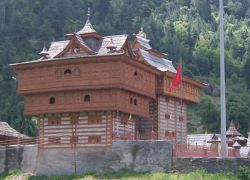
About The Sapni Fort The Sapni Fort, located in the picturesque town of Kalpa in the Kinnaur district of Himachal Pradesh, is a historical monument that showcases the rich cultural heritage of the region. The fort stands tall on a hilltop and offers breathtaking views of the surrounding mountains and valleys. Timings of Sapni Fort The Sapni Fort is open to visitors from 9:00 AM to 5:00 PM on all days of the week. Entry Fee There is no entry fee to visit the Sapni Fort. Required Time and Restricted Items It takes approximately 1-2 hours to explore the Sapni Fort. Visitors are not allowed to carry any food items or plastic bottles inside the fort premises. Architecture of Sapni Fort The Sapni Fort exhibits a mix of traditional Himachali and Tibetan architecture. The fort has intricately carved wooden doors, colorful murals, and sloping roofs that are characteristic of the region. Best Time to Visit The best time to visit the Sapni Fort is during the summer months of May to July when the weather is pleasant and the surrounding landscapes are lush green. Winter months, from November to February, offer a different charm with snow-capped mountains. How to Reach The Sapni Fort is easily accessible by road. Visitors can hire a taxi or take a local bus from Reckong Peo, which is the nearest town and is well connected to major cities in Himachal Pradesh. History of Sapni Fort The Sapni Fort was built by the rulers of the Kinnaur region in the 17th century as a defensive structure against invasions. It has witnessed several battles and changes in power over the centuries. Inside Sapni Fort Inside the Sapni Fort, visitors can explore the various rooms, courtyards, and watchtowers that offer a glimpse into the lifestyle of the royals who once resided here. The fort also houses a small museum showcasing artifacts and historical memorabilia. Traveling Tips It is advisable to wear comfortable shoes as there are steep steps and uneven pathways inside the fort. Visitors should also carry a water bottle and sunscreen as there are limited facilities available inside the fort. Hotels Near Sapni Fort Some of the hotels near the Sapni Fort in Kalpa are Hotel Apple Pie, The Grand Shonit, and Hotel Rollingrang. These hotels offer comfortable accommodation with stunning views of the mountains. Nearby Tourist Spots of Sapni Fort Some of the nearby tourist spots that visitors can explore while visiting the Sapni Fort include the Kalpa Village, Suicide Point, Roghi Village, and the Narayan-Nagini Temple. These places offer a glimpse into the local culture and breathtaking natural beauty of the region.
Explore More
About The Kamru Fort The Kamru Fort, located in Sangla, Himachal Pradesh, is a historical marvel that stands tall as a symbol of the region's rich heritage. Situated at an altitude of 2600 meters above sea level, this fort offers panoramic views of the surrounding valleys and mountains. The fort is a significant landmark in the region and attracts tourists and history enthusiasts from all over the world. Timings Of Kamru Fort The Kamru Fort is open to visitors every day from 9 am to 6 pm. It is advisable to visit the fort during the daytime to fully appreciate its beauty and explore its intricate architecture. Entry Fee The entry fee for visiting the Kamru Fort is minimal, making it accessible to all. Visitors can purchase tickets at the entrance gate or through online booking platforms. Required Time And Restricted Items It is recommended to spend at least 2-3 hours at the Kamru Fort to explore its various sections and learn about its history. Visitors are advised not to carry any food items or beverages inside the fort premises to maintain its cleanliness. Architecture Of Kamru Fort The Kamru Fort is an architectural masterpiece with its intricate wooden carvings, stone walls, and traditional Himachali design elements. The fort is built in typical Tibetan style, showcasing a blend of Indian and Tibetan architectural influences. The multi-tiered structure of the fort is a sight to behold, with its towering walls and grand entrance gates. Best Time To Visit The best time to visit the Kamru Fort is during the summer months from April to June when the weather is pleasant and conducive for sightseeing. The monsoon season from July to September should be avoided due to heavy rainfall in the region. How To Reach Sangla is well-connected to major cities in Himachal Pradesh by road. Visitors can reach Sangla by hiring a taxi or taking a bus from Shimla or Chandigarh. From Sangla, the Kamru Fort is easily accessible by a short trek or a local taxi ride. History Of Kamru Fort The Kamru Fort has a rich history dating back to the 15th century when it was built by the rulers of the Bushahr dynasty. The fort served as the residence of the rulers and later became a strategic military outpost in the region. Over the years, the fort has witnessed various battles and conquests, making it a vital part of Himachal Pradesh's historical legacy. Inside Kamru Fort Inside the Kamru Fort, visitors can explore the various sections such as the courtyard, temple, and royal chambers. The fort houses a dedicated shrine to the local deity, Kamakhya Devi, which is revered by the locals. The intricate carvings and paintings inside the fort depict scenes from Hindu mythology and showcase the artistic prowess of the craftsmen of that era. Traveling Tips - Wear comfortable footwear as there is some walking involved within the fort premises. - Carry a water bottle and sunscreen to stay hydrated and protected from the sun. - Respect the local customs and traditions while visiting the fort. - Engage with the local guides to learn more about the history and significance of the Kamru Fort. Hotels Near Kamru Fort - The Royal Castle Sangla - Hotel Batseri - Hotel Rupin River View Nearby Tourist Spots Of Kamru Fort 1. Batseri Village: A quaint Himalayan village known for its traditional wooden houses and serene surroundings. 2. Chitkul: The last inhabited village near the Indo-Tibetan border, famous for its apple orchards and breathtaking views. 3. Baspa River: A pristine river that flows through the Sangla Valley, offering opportunities for fishing and picnicking.
Explore More
Welcome to Tabo Monastery, a hidden gem nestled in the scenic city of Tabo. This ancient monastery holds a significant place in history and is surrounded by a natural environment that captivates visitors from around the world. Let's explore the rich heritage, architectural beauty, and biodiversity that make Tabo Monastery a must-visit destination for travelers seeking spiritual tranquility and natural wonders. History of Tabo Monastery Tabo Monastery has a fascinating historical background dating back centuries. Originally serving as a royal hunting ground, it has transformed into a sacred space dedicated to Buddhist teachings and practices. The monastery's conservation efforts have preserved its heritage, leading to its recognition as a UNESCO World Heritage Site, attracting pilgrims and tourists alike. Architecture and Natural Beauty of Tabo Monastery Surrounded by lush wetlands, dense forests, and picturesque grasslands, Tabo Monastery offers a serene escape into nature. Bird habitats thrive in this natural haven, adding to the peaceful ambiance. The majestic Keoladeo Temple within the monastery complex adds to its architectural charm, blending spirituality with natural beauty. Why is Tabo Monastery Famous? Tabo Monastery is renowned for its serene atmosphere, making it a favorite destination for birdwatchers, photographers, nature enthusiasts, and wildlife lovers. The tranquil surroundings and spiritual aura create an ideal setting for introspection and connection with nature. How to Reach Tabo Monastery Traveling to Tabo Monastery is convenient, with options available by air, rail, and road. Nearby airports and railway stations offer easy access to this spiritual retreat, allowing visitors to immerse themselves in its peaceful ambiance effortlessly. Weather and Best Time to Visit Tabo Monastery Tabo Monastery experiences varying weather conditions throughout the year, with distinct seasons of summer, monsoon, and winter. The best time to visit is during the pleasant months when the natural surroundings are at their most vibrant, offering a truly enchanting experience. Timings of Tabo Monastery Visitor timings at Tabo Monastery ensure that travelers can explore its beauty at their convenience. Seasonal variations may affect accessibility, so planning ahead and checking for any updates is advisable to make the most of your visit. Entry Fee and Visit Details Entry procedures at Tabo Monastery are straightforward, with guide services available for a more enriching experience. Safari options, bicycle rentals, and visitor facilities cater to the diverse needs of guests, ensuring a comfortable and memorable visit. Things to Do at Tabo Monastery Engage in popular activities at Tabo Monastery such as birdwatching, photography, cycling, walking trails, and nature observation. Educational experiences abound, allowing visitors to learn more about the monastery's heritage and the biodiversity that surrounds it. Interesting Facts About Tabo Monastery Tabo Monastery is home to a diverse range of migratory birds, showcasing the rich biodiversity of the region. Conservation achievements have further highlighted its ecological importance, making it a beacon of sustainability and preservation in the midst of natural beauty. Travel Tips for Visiting Tabo Monastery When visiting Tabo Monastery, remember to dress appropriately for the weather, carry essential photography and birdwatching equipment, and plan your trip during the recommended seasons for the best experience. Embrace responsible tourism practices to help preserve this unique destination for future generations. Conclusion In conclusion, Tabo Monastery in Tabo is a treasure trove of history, spirituality, and natural beauty that offers a serene retreat for travelers seeking a harmonious blend of cultural heritage and biodiversity. Plan your visit to Tabo Monastery to immerse yourself in its tranquil ambiance and discover the wonders of this sacred site.
Explore More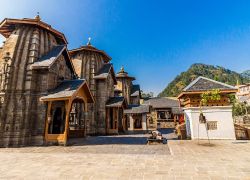
Chamba Town, located in Bharmour, is a hidden gem nestled in the heart of the Himalayas. This quaint town is known for its serene natural beauty, rich history, and vibrant culture, making it a must-visit destination for travelers seeking an off-the-beaten-path experience. History of Chamba Town Chamba Town boasts a fascinating historical background, with its origins dating back to ancient times. Once a royal hunting ground for the Chamba kings, the town has a deep-rooted connection to nature and conservation. Its efforts in preserving the natural heritage have earned it recognition from UNESCO, further adding to its allure. Architecture and Natural Beauty of Chamba Town The town is surrounded by lush forests, pristine wetlands, and picturesque grasslands that provide a perfect habitat for a variety of bird species. The iconic Keoladeo Temple, a historical marvel, adds to the town's architectural charm and cultural significance. Why is Chamba Town Famous? Chamba Town is renowned for being a paradise for birdwatchers, photographers, nature enthusiasts, and wildlife lovers. Its diverse ecosystem and abundant bird habitats attract visitors from around the globe, seeking to witness the beauty of nature in its purest form. How to Reach Chamba Town Traveling to Chamba Town is convenient, with options available by air, rail, and road. The nearest airports and railway stations offer easy access, ensuring a smooth journey for travelers looking to explore this enchanting destination. Weather and Best Time to Visit Chamba Town Chamba Town experiences varying weather conditions throughout the year, with distinct summer, monsoon, and winter seasons. The best time to visit is during the mild months when nature is at its vibrant best, offering a delightful experience to visitors. Timings of Chamba Town The visitor timings of Chamba Town may vary seasonally, and it's advisable to plan your trip accordingly. Understanding the operational hours and any seasonal changes will help in optimizing your visit and making the most of your time in this charming town. Entry Fee and Visit Details Entry procedures to Chamba Town are straightforward, with guide services and safari options available for those looking for a more curated experience. Bicycle rentals and visitor facilities ensure a comfortable and enjoyable visit for all travelers. Things to Do at Chamba Town Chamba Town offers a plethora of activities for visitors to indulge in, including birdwatching, photography, cycling, walking trails, and immersive nature observation experiences. It's a haven for those seeking solace in the lap of nature. Interesting Facts About Chamba Town Chamba Town is home to a diverse range of migratory birds, showcasing the region's rich biodiversity and conservation efforts. The town's ecological significance and conservation achievements make it a standout destination for eco-conscious travelers. Travel Tips for Visiting Chamba Town When visiting Chamba Town, it's essential to pack appropriate clothing, photography equipment, and birdwatching gear to make the most of your trip. Understanding the best visiting seasons and practicing responsible tourism will further enhance your experience in this pristine locale. Conclusion In conclusion, Chamba Town, Bharmour, is a destination that offers a harmonious blend of history, nature, and culture. Its significance as a conservation hotspot and a paradise for nature lovers makes it a destination worth exploring for those seeking an authentic and enriching travel experience.
Explore More
Welcome to the mesmerizing world of Ratanpur Fort, a historical gem nestled in the heart of Bilaspur. This magnificent fort stands as a testament to the rich heritage and architectural brilliance of the region. The allure of Ratanpur Fort lies not only in its historical significance but also in the natural beauty that surrounds it, making it a must-visit destination for travelers seeking a blend of history and biodiversity. History of Ratanpur Fort Steeped in history, Ratanpur Fort dates back to ancient times and served as a significant stronghold for various dynasties. Originally a royal hunting ground, the fort has witnessed centuries of battles and conquests. Thanks to dedicated conservation efforts, Ratanpur Fort has gained recognition for its historical value and stands as a proud symbol of Bilaspur's past glory. Architecture and Natural Beauty of Ratanpur Fort Surrounded by lush wetlands, dense forests, and sprawling grasslands, Ratanpur Fort offers a picturesque setting that captivates visitors. The fort's architecture reflects a blend of traditional and modern influences, showcasing intricate designs and majestic structures. Within the fort premises lies the historic Keoladeo Temple, adding a spiritual touch to the natural beauty of the surroundings. Why is Ratanpur Fort Famous? Ratanpur Fort has earned fame as a haven for birdwatchers, photographers, nature enthusiasts, and wildlife lovers. The diverse bird habitats, stunning landscapes, and rare flora and fauna species make it a paradise for those seeking a close encounter with nature's wonders. How to Reach Ratanpur Fort Traveling to Ratanpur Fort is convenient, with options available by air, rail, and road. The nearest airports are easily accessible, and well-connected railway stations offer seamless connectivity. Visitors can choose from various transportation modes to reach this enchanting destination in Bilaspur. Weather and Best Time to Visit Ratanpur Fort Ratanpur Fort experiences varying weather conditions throughout the year, with distinct summer, monsoon, and winter seasons. The best time to visit is during the cooler months when the weather is pleasant, allowing visitors to explore the fort and its surroundings comfortably. Timings of Ratanpur Fort Ratanpur Fort welcomes visitors during specific timings, ensuring a well-planned and enjoyable experience. Seasonal variations, if any, are communicated to visitors, along with essential information to help them make the most of their visit. Entry Fee and Visit Details Entry procedures at Ratanpur Fort are streamlined, with guide services available for those seeking deeper insights into the fort's history. Safari options, bicycle rentals, and visitor facilities cater to the diverse needs of guests, ensuring a memorable and enriching visit. Things to Do at Ratanpur Fort Engage in a plethora of activities at Ratanpur Fort, from birdwatching and photography to cycling through scenic trails. Walking amidst the natural beauty, observing wildlife, and participating in educational experiences are sure to create lasting memories for every visitor. Interesting Facts About Ratanpur Fort Ratanpur Fort is home to a myriad of migratory birds, showcasing the region's rich biodiversity. The conservation achievements within the fort premises highlight the ecological importance of preserving such historical and natural treasures for future generations. Travel Tips for Visiting Ratanpur Fort Prepare for your Ratanpur Fort visit by packing appropriate clothing, essential photography gear, and birdwatching equipment. Consider the best visiting seasons to make the most of your trip and practice responsible tourism to contribute to the preservation of this unique destination. Conclusion In conclusion, Ratanpur Fort in Bilaspur stands as a captivating blend of history, architecture, and natural beauty. Visitors are welcomed to explore the fort's heritage, witness diverse wildlife, and immerse themselves in the tranquility of the surroundings. A trip to Ratanpur Fort promises an enriching experience that resonates with the essence of Bilaspur's cultural and environmental treasures.
Explore More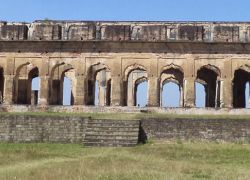
About The Nadaun Fort The Nadaun Fort, located in the Hamirpur district of Himachal Pradesh, is a historical fort that dates back to the 16th century. The fort is situated on the banks of the River Beas and offers a stunning view of the surrounding landscape. Timings Of Nadaun Fort The Nadaun Fort is open to visitors from 9:00 AM to 6:00 PM on all days of the week. Entry Fee There is no entry fee to visit the Nadaun Fort. Required Time And Restricted Items It takes approximately 1-2 hours to explore the Nadaun Fort. Visitors are advised not to carry any food items or alcoholic beverages inside the fort premises. Architecture Of Nadaun Fort The Nadaun Fort displays a mix of Mughal and Rajput architectural styles. The fort features intricately designed gateways, bastions, and underground chambers. The walls of the fort are made of sturdy stone and offer a glimpse into the rich history of the region. Best Time To Visit The best time to visit the Nadaun Fort is during the months of October to March when the weather is pleasant and ideal for exploring the fort. How To Reach The Nadaun Fort is easily accessible by road. It is located approximately 20 km away from Hamirpur town. Visitors can hire a taxi or take a bus to reach the fort. History Of Nadaun Fort The Nadaun Fort was built by Raja Bikramajit in the 16th century. It served as a strategic fortification to defend the region against invasions. The fort has witnessed many battles and has an intriguing history attached to it. Inside Nadaun Fort Inside the Nadaun Fort, visitors can explore the various sections including the palace ruins, the darbar hall, the granaries, and the underground chambers. The fort offers panoramic views of the River Beas and the surrounding countryside. Traveling Tips Visitors are advised to wear comfortable footwear as there is some walking involved while exploring the fort. It is also recommended to carry water bottles and sunscreen to stay hydrated and protected from the sun. Hotels Near Nadaun Fort Some of the hotels near Nadaun Fort include Hotel Hill Top, Hotel Hamir, and Hotel Beas View. These hotels offer comfortable accommodation options for visitors exploring the fort. Nearby Tourist Spots Of Nadaun Fort Some of the nearby tourist spots of Nadaun Fort include the Sujanpur Tira Fort, the Tauni Devi Temple, and the Naina Devi Temple. These spots offer a mix of historical and religious experiences for visitors.
Explore More
Welcome to Nadaun, a charming tourist hotspot located in the city of Hamirpur. Nadaun offers a serene escape into nature, rich in biodiversity and cultural significance. The town is a haven for birdwatchers, photographers, and nature enthusiasts, attracting visitors from far and wide seeking to explore its natural beauty and historical treasures. History of Nadaun Nadaun holds a deep historical background, once serving as royal hunting grounds for the erstwhile rulers. Over the years, concerted conservation efforts have transformed it into a sanctuary for wildlife. The area's preservation initiatives have garnered recognition, making it a potential candidate for UNESCO status in the future. Architecture and Natural Beauty of Nadaun The natural environment of Nadaun is a picturesque blend of wetlands, forests, and grasslands, providing diverse habitats for numerous bird species. The landscape is adorned with the historical Keoladeo Temple, adding a touch of cultural heritage to the surroundings. Why is Nadaun Famous? Nadaun is renowned for its vibrant avian population, making it a paradise for birdwatchers. The destination captivates photographers with its scenic landscapes and offers a peaceful retreat for those seeking solace in the lap of nature. How to Reach Nadaun Travelling to Nadaun is convenient, with options available by air, rail, and road. The nearest airports and railway stations provide easy access to this quaint town, ensuring a hassle-free journey for visitors. Weather and Best Time to Visit Nadaun Nadaun experiences varying weather conditions throughout the year, with distinct seasons of summer, monsoon, and winter. The best time to visit is during the moderate months when the climate is pleasant, allowing for an enjoyable exploration of the surroundings. Timings of Nadaun The visitor timings at Nadaun cater to different preferences and schedules, with possible seasonal variations. It is advisable to plan your visit accordingly to make the most of your time at this enchanting destination. Entry Fee and Visit Details Entry procedures to Nadaun are straightforward, with guide services and safari options available for a more immersive experience. Bicycle rentals offer a unique way to explore the area, and visitor facilities ensure a comfortable stay for all. Things to Do at Nadaun Nadaun offers a plethora of activities for visitors, including birdwatching, photography, cycling, walking trails, nature observation, and educational experiences. Immerse yourself in the natural wonders of the town and create lasting memories amidst its scenic beauty. Interesting Facts About Nadaun Nadaun is teeming with fascinating facts about migratory birds, biodiversity conservation efforts, and its ecological importance. The town's commitment to preserving its natural heritage is evident, making it a hub for environmental enthusiasts. Travel Tips for Visiting Nadaun For a memorable visit to Nadaun, pack suitable clothing, photography gear, and birdwatching equipment. Consider the best seasons for your interests and engage in responsible tourism practices to help conserve the beauty of this pristine destination. Conclusion In conclusion, Nadaun in Hamirpur stands as a testament to the harmonious coexistence of nature and culture. Its allure lies in the seamless blend of historical charm and natural splendor, offering visitors a rejuvenating escape from the hustle and bustle of urban life. Explore Nadaun to discover the unspoiled beauty of this hidden gem in the heart of nature.
Explore More
Kasauli, the beautiful hill town of Himachal Pradesh is approximately on an altitude of 1927 meters. This place has gorgeous historical importance i.e. when Lord Hanuman went to bring the sanjivani buti for lord Lakshmana, he had chosen this place for resting. Rather than that this place has different rulers from Rewari’s Rajputs and British regiments. Kasauli is a popular tourist attraction and among its range of visiting places, Kasauli Club is a must-visit. In 1880, various service personnel and local residents here constructed this Club amidst the cantonment of the Indian Army. Description: Kasauli Club is situated in the upper Mall Road and thus its altitude is approximately 6142 feet. It is undeniably the most respected and esteemed social club of Kasauli and India. Personnel-club secretary of the Indian Army is the responsible management of this Club. Things to Do: You can get a temporary membership in the Kasauli Club, which will allow you in availing of the sports facilities too other than participating in the social activities only. This club is recognized for its well-acclaimed social charms and royal activities and thus its membership. Recently, the Indian Army and the responsible committee members have restored antique furniture and paintings to restore the past days’ of royalty and higher status. History: The construction of the Kasauli Club was happened with the hands of a group of English people as ‘assembly rooms’ and ‘Kasauli reading’ initially. Later, on 7th May 1897, the name of the organization has been changed and converted to Kasauli Club. The biggest shareholder of the Club, Meakin allowed the Club premises for the management committee that included civil servants and officers who were the members of the Club, to remain inside the cantonment. After that Kasauli Club gradually become a place for sports tournaments, friendly living, and social meetings. And, these increased the demands for good food and drinks inside the elegant social circle. And, still today, the tradition continues. Architecture: The boundary of Kasauli Club, Kasauli is designed with several racks of wines which are decorated with the best wines of the world. The Club has beautiful and ancient styled decorations inside it and the selection of furniture also justifies the décor pattern. Apart from its vintage styled furniture, the Club also holds a huge dining room, cozy and lively bars, a beautiful lounge, ballroom, billiard room, and library. There are also six tennis courts for entertainment and all of them are rolled and marked each time before a match starts. A press flat shelf is arranged over the tennis courts which is used as a grandstand and here you can sit comfortably and enjoy the match while sipping your cup of tea. Festival: Not like a festival but the Club organizes a popular event named ‘Kasauli Night’ every year at the end of June. A huge number of people throng to participate in the event, especially in ‘The Kasauli Queen’ contest. This contest is so famous that it drags tourists from all over the world. The event is all about gaiety, music and dance parties. Best Time to Visit: Though Kasauli is a famous summer escape destination for the tourists, if you like snowfall, come here during winter. But definitely visiting Kasauli during June is the best way to enjoy the trip and it is definitely for the ‘Kasauli Night’ event. How to Reach? • By road -Kasauli well connected via roadways. • By train - If you want to come here by railways, you need to reach Kalka railway station (nearest). Hire a cab or any local bus service to travel to Kasauli Club, Kasauli which is about 25 KM away. • By air - The nearby airports are at Chandigarh and Shimla. Hire any local transport from there to reach your destination. Interesting Facts and Trivia About: • By the end of 1898, Kasauli Club had been registered as the Registrar’s Office, Lahore. At that time, women were not allowed to stay in the Club premises. They could only stay there during winter seasons and that was too if there were any vacancies open for females. • In 2001, due to a faulty electrical component, the entire unit caught fire and burnt down. But still, you can get to see some sophisticated pieces of cushioned sofas, vintage furniture and Roman aged crafted chairs in this Club which are definitely one of the major attractions here. • At the beginning of the 19th century, tennis tournaments used to get organized here every year and players from different states including Kolkata, Lahore, Bombay, Delhi, and Ferozepur used to come in Kasauli club for participating in the tournament. • In 1922, 8 – 15th June, the first program f ‘Kasauli Week’ was organized here where handicapped tennis players participated in the tournament. The tournament included men and women mixed doubles, doubles and singles matches. The program ended with evening concerts, lantern picnics, and dinner dances. Nearby Attractions: • Kasauli Brewery • Monkey Point • Christ Church • The Lower and Upper Mall • Lover’s Lane • Nahri Temple Kasauli is at a close distance with Solan, Chandigarh, Shimla, and Dehradun. So, people from these cities often visit Kasauli Club, Kasauli as a favorite weekend retreat.
Explore More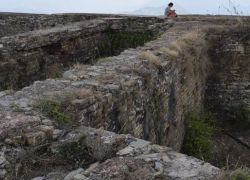
About The Gurkha Fort Subathu The Gurkha Fort Subathu is a historical fort located in Parwanoo, Himachal Pradesh. It holds great significance as it was once used as a military base by the Gurkha regiment. The fort is surrounded by lush greenery and offers stunning views of the surrounding mountains. Timings Of Gurkha Fort Subathu The Gurkha Fort Subathu is open to visitors from 9:00 AM to 5:00 PM on all days of the week. Entry Fee There is no entry fee to visit the Gurkha Fort Subathu. Required Time And Restricted Items It takes about 1-2 hours to explore the entire fort. Visitors are not allowed to carry weapons, alcohol, or any other prohibited items inside the fort. Architecture of Gurkha Fort Subathu The architecture of the Gurkha Fort Subathu is a blend of British and Gurkha styles. The fort has thick stone walls, watchtowers, and cannons, showcasing its military past. Best Time To Visit The best time to visit the Gurkha Fort Subathu is during the months of March to June and September to November when the weather is pleasant and ideal for exploring the fort. How To Reach The Gurkha Fort Subathu is located in Parwanoo, Himachal Pradesh, and is easily accessible by road. The nearest major city is Chandigarh, which is about 30 kilometers away. Visitors can hire a taxi or take a local bus to reach the fort. History Of Gurkha Fort Subathu The Gurkha Fort Subathu was built in the early 19th century by the British East India Company. It served as a strategic military base for the Gurkha regiment during the Anglo-Nepalese War. The fort played a crucial role in the defense of the region. Inside Gurkha Fort Subathu Inside the Gurkha Fort Subathu, visitors can explore the barracks, armory, and officer's quarters. There is also a museum showcasing the history of the fort and the Gurkha regiment. The fort offers panoramic views of the surrounding valleys and mountains. Traveling Tips It is advisable to wear comfortable shoes as there is a fair amount of walking involved in exploring the fort. Carry a water bottle and sunscreen to stay hydrated and protected from the sun. Do not litter and maintain the cleanliness of the fort premises. Hotels Near Gurkha Fort Subathu Some of the hotels near Gurkha Fort Subathu are: Hotel Windsmoor Hotel Parwanoo Heights Hotel Shali Heights Hotel Le Mariet Nearby Tourist Spots of Gurkha Fort Subathu Some of the nearby tourist spots of Gurkha Fort Subathu include: Dagshai Kali Mata Temple Timber Trail Fruit Orchards
Explore MoreBir Kasol Kheerganga Tour
5 Days/ 4 Night
Kasol - Kheerganga - Kangra - Palampur
Kareri Lake Trek With McLeodganj - 3 Days Trip
3 Days/ 2 Night
Mcleodganj - Kangra
Offbeat Shangarh Tour - Meadows - Waterfalls - Treks
3 Days/ 2 Night
Kullu
5 Days Captivating Himachal Tour Package With Shimla And Manali
5 Days/ 4 Night
Kufri - Kullu - Manali - Shimla
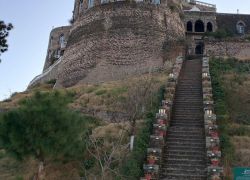
Welcome to the mesmerizing world of Ramgarh Fort located in Nalagarh, a place where history, architecture, and natural beauty intertwine to create a truly enchanting destination for travelers. This iconic fort holds within its walls tales of ancient royalty, diverse biodiversity, and a serene ambiance that captivates visitors from all walks of life. History of Ramgarh Fort Stepping back in time, the history of Ramgarh Fort unfolds a narrative of regal grandeur and strategic significance. Originally built as a royal hunting lodge, this fort has witnessed the passage of time and stands today as a symbol of architectural marvel. The conservation efforts undertaken here have not only preserved the historical essence but have also garnered UNESCO recognition for its cultural significance. Architecture and Natural Beauty of Ramgarh Fort Embraced by lush wetlands, dense forests, and sprawling grasslands, Ramgarh Fort is a sanctuary for a myriad of bird species and wildlife. The picturesque landscapes surrounding the fort provide a perfect backdrop for the historical Keoladeo Temple nestled within the park, adding a spiritual dimension to its natural allure. Why is Ramgarh Fort Famous? Ramgarh Fort has carved a niche for itself as a haven for birdwatchers, photographers, nature enthusiasts, and wildlife lovers. The rich biodiversity, coupled with the serene ambiance, makes it a sought-after destination for those seeking a rendezvous with nature in its purest form. How to Reach Ramgarh Fort Traveling to Ramgarh Fort is a seamless experience with multiple options available. Whether by air, rail, or road, visitors can easily access this enchanting destination. The nearest airports and railway stations ensure convenient connectivity for travelers from near and far. Weather and Best Time to Visit Ramgarh Fort Throughout the seasons, Ramgarh Fort exudes a unique charm. While summers offer a vibrant landscape, the monsoons paint a lush green canvas, and winters bring a serene blanket of tranquility. The best months to visit vary according to personal preferences, with each season offering a distinct experience. Timings of Ramgarh Fort Visitor timings at Ramgarh Fort cater to the diverse needs of travelers, ensuring an enriching experience for all. Seasonal variations may bring slight changes in schedules, making it essential for visitors to plan their trips accordingly and make the most of their time here. Entry Fee and Visit Details Upon arrival, visitors are greeted with a seamless entry procedure, guide services, safari options, bicycle rentals, and a host of visitor facilities that enhance the overall experience. These amenities ensure that guests can explore the fort and its surroundings comfortably and conveniently. Things to Do at Ramgarh Fort Engaging in popular activities such as birdwatching, photography, cycling, walking trails, nature observation, and educational experiences at Ramgarh Fort opens up a world of exploration and discovery. Each activity offers a unique perspective on the fort's ecosystem and cultural heritage. Interesting Facts About Ramgarh Fort Delve into the realm of fascinating facts surrounding Ramgarh Fort, from the annual arrival of migratory birds to the conservation achievements that have contributed to its ecological importance. These insights shed light on the fort's role in preserving biodiversity and promoting sustainable tourism practices. Travel Tips for Visiting Ramgarh Fort For a fulfilling visit to Ramgarh Fort, it is advisable to pack appropriate clothing, carry essential photography and birdwatching equipment, choose the ideal visiting season, and uphold responsible tourism practices. These tips ensure a memorable and respectful exploration of this historical and natural treasure. Conclusion In conclusion, Ramgarh Fort in Nalagarh stands as a testament to the harmonious coexistence of history and nature. Its significance, architectural beauty, and tourism appeal make it a must-visit destination for those seeking a blend of cultural heritage and natural splendor. Embark on a journey to Ramgarh Fort and immerse yourself in the timeless charm of this enchanting hotspot.
Explore More
Welcome to Nalagarh, a city known for its captivating Nalagarh Fort, a treasure trove of history, natural beauty, and biodiversity. This majestic fort stands as a testament to the glorious past of the region and attracts visitors from far and wide. History of Nalagarh Fort Steeped in history, Nalagarh Fort traces its origins back to being the former royal hunting grounds of the Maharajas of Nalagarh. Over the years, the fort has undergone conservation efforts to preserve its architectural grandeur and historical significance. The fort's charm has garnered UNESCO recognition, adding to its allure. Architecture and Natural Beauty of Nalagarh Fort Surrounded by lush wetlands, dense forests, and expansive grasslands, Nalagarh Fort offers a picturesque setting that is a haven for bird habitats and diverse landscapes. Within the fort premises lies the ancient Keoladeo Temple, adding a touch of spirituality to the natural beauty that surrounds it. Why is Nalagarh Fort Famous? Nalagarh Fort has earned its fame as a popular destination among birdwatchers, photographers, nature enthusiasts, and wildlife lovers due to its rich biodiversity and serene ambiance. The fort's serene surroundings make it an ideal spot for those seeking a rendezvous with nature. How to Reach Nalagarh Fort Traveling to Nalagarh Fort is convenient, with options available by air, rail, and road. The nearest airports and railway stations provide easy access to this historical gem, ensuring a hassle-free journey for visitors. Weather and Best Time to Visit Nalagarh Fort Throughout the seasons, Nalagarh Fort offers a different yet equally enchanting experience. Summer, monsoon, and winter each bring their own charm to the fort's surroundings, making it a year-round destination. The best time to visit depends on personal preferences, with each season offering a unique perspective of the fort. Timings of Nalagarh Fort Visitor timings at Nalagarh Fort are optimized to provide a memorable experience for guests. Seasonal variations may impact the operating hours, so it is advisable to plan your visit accordingly to make the most of your time at the fort. Entry Fee and Visit Details Entry procedures at Nalagarh Fort are designed to ensure a smooth and enjoyable visit. Guide services, safari options, bicycle rentals, and visitor facilities are available to enhance your experience and make your exploration of the fort more enriching. Things to Do at Nalagarh Fort Nalagarh Fort offers a plethora of activities for visitors to indulge in, including birdwatching, photography, cycling, walking trails, nature observation, and educational experiences. Each activity provides a unique way to connect with the fort's surroundings and immerse oneself in its beauty. Interesting Facts About Nalagarh Fort Delve into fascinating facts about Nalagarh Fort, from its role as a sanctuary for migratory birds to its contributions to biodiversity conservation and ecological balance. These insights shed light on the fort's significance beyond its historical and architectural appeal. Travel Tips for Visiting Nalagarh Fort For a seamless visit to Nalagarh Fort, consider practical tips such as appropriate clothing, essential photography gear for capturing the fort's beauty, ideal visiting seasons, and responsible tourism practices that help preserve the fort's heritage for future generations. Conclusion In conclusion, Nalagarh Fort in Nalagarh stands as a beacon of history and natural splendor, offering visitors a glimpse into the region's rich heritage and biodiversity. A visit to this iconic fort promises a memorable experience filled with exploration, learning, and appreciation for the wonders of nature.
Explore More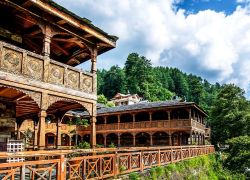
Welcome to Naggar Castle, a mesmerizing tourist attraction nestled in the beautiful city of Naggar. This historical gem offers visitors a unique blend of rich heritage, architectural marvels, and breathtaking natural beauty. History of Naggar Castle Steeped in history, Naggar Castle boasts a fascinating past dating back to ancient times. Originally built as a royal residence, this castle served as a hunting lodge for the erstwhile rulers. Today, it stands as a testament to the architectural grandeur of the bygone era and has garnered recognition from UNESCO for its historical significance. Architecture and Natural Beauty of Naggar Castle The castle is surrounded by lush wetlands, verdant forests, and sprawling grasslands that provide a haven for a diverse range of bird species. The picturesque landscapes and the nearby Keoladeo Temple further enhance the charm of this heritage site, making it a popular destination for nature lovers and history buffs alike. Why is Naggar Castle Famous? Naggar Castle is renowned for its unparalleled beauty and is a haven for birdwatchers, photographers, and wildlife enthusiasts. The tranquil ambiance and the rich biodiversity of the surrounding areas make it a paradise for those seeking a peaceful retreat amidst nature. How to Reach Naggar Castle Traveling to Naggar Castle is convenient, with options available by air, rail, and road. The nearest airports are located in Kullu and Chandigarh, while the closest railway station is in Joginder Nagar. Visitors can also opt for road transport via well-connected highways leading to Naggar. Weather and Best Time to Visit Naggar Castle Naggar Castle experiences pleasant weather conditions throughout the year, with distinct seasons of summer, monsoon, and winter. The best time to visit is during the spring and autumn months when the weather is mild, and the natural surroundings are at their scenic best. Timings of Naggar Castle Naggar Castle welcomes visitors during specific timings, with variations based on seasonal changes. It is advisable to plan your visit accordingly and check for any updates on the timings to make the most of your trip. Entry Fee and Visit Details Upon arrival, visitors can avail of guide services, safari options, and bicycle rentals to explore the castle and its surroundings. The visitor facilities ensure a comfortable and enriching experience for all guests, making it an ideal destination for a memorable day out. Things to Do at Naggar Castle There are numerous activities to indulge in at Naggar Castle, ranging from birdwatching and photography to cycling and nature trails. Visitors can immerse themselves in the serene beauty of the surroundings and partake in educational experiences to learn more about the local flora and fauna. Interesting Facts About Naggar Castle Naggar Castle is home to a plethora of migratory birds and boasts a rich biodiversity that highlights the importance of conservation efforts. The castle's ecological significance and conservation achievements underscore the need to protect and preserve such natural treasures for future generations. Travel Tips for Visiting Naggar Castle When visiting Naggar Castle, it is advisable to dress comfortably, carry essential photography gear, and be prepared for birdwatching expeditions. Understanding the seasonal variations and practicing responsible tourism are crucial to ensuring a sustainable and enjoyable visit to this historic site. Conclusion In conclusion, Naggar Castle in Naggar stands as a beacon of historical heritage and natural splendor, offering visitors a delightful blend of architectural marvels and serene landscapes. The castle's significance, coupled with its diverse offerings, makes it a must-visit destination for travelers seeking a tranquil escape into the heart of nature.
Explore More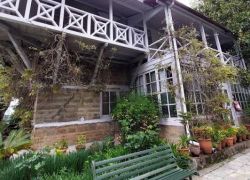
Welcome to the Nicholas Roerich Art Gallery, a captivating tourist attraction nestled in the picturesque city of Naggar. This unique destination offers a blend of art, culture, and natural beauty that attracts visitors from around the globe. History of Nicholas Roerich Art Gallery The Nicholas Roerich Art Gallery holds a rich historical background, originally established in the former royal hunting grounds of Naggar. The gallery is dedicated to the renowned Russian artist, Nicholas Roerich, and his fascinating works that showcase a deep connection to nature and spirituality. Recognized by UNESCO, this site is not only a tribute to Roerich's legacy but also a symbol of cultural preservation. Architecture and Natural Beauty of Nicholas Roerich Art Gallery The art gallery is surrounded by a natural environment that boasts lush forests, serene wetlands, and diverse bird habitats. The landscapes are a sight to behold, with the historical Keoladeo Temple adding to the architectural charm of the area. Visitors can immerse themselves in the tranquil beauty of the surroundings while exploring the art gallery's treasures. Why is Nicholas Roerich Art Gallery Famous? Nicholas Roerich Art Gallery is famous for its appeal to birdwatchers, photographers, nature enthusiasts, and wildlife lovers. The serene ambiance and artistic allure make it a perfect destination for those seeking inspiration and a deeper connection with nature. How to Reach Nicholas Roerich Art Gallery Traveling to Nicholas Roerich Art Gallery is convenient, with options available by air, rail, and road. The nearest airports are located in proximity, and the railway stations offer easy access to Naggar. Visitors can choose from various transportation modes to reach this cultural gem. Weather and Best Time to Visit Nicholas Roerich Art Gallery The weather at Nicholas Roerich Art Gallery varies across seasons, with summers being warm, monsoons bringing refreshing showers, and winters offering a chilly yet charming atmosphere. The best time to visit is during the cooler months when the natural beauty of the area is at its peak. Timings of Nicholas Roerich Art Gallery The art gallery has specific visitor timings, ensuring that guests can explore the exhibits and surroundings efficiently. Seasonal variations may impact these timings, so it is advisable to plan your visit accordingly for a seamless experience. Entry Fee and Visit Details Entry procedures to the Nicholas Roerich Art Gallery are straightforward, with guide services available for those interested in a more in-depth exploration. Safari options, bicycle rentals, and visitor facilities enhance the overall experience, making it a memorable visit for all. Things to Do at Nicholas Roerich Art Gallery Visitors can indulge in a variety of activities at the Nicholas Roerich Art Gallery, including birdwatching, photography, cycling, walking trails, and nature observation. Educational experiences await those keen on delving into the cultural and artistic significance of the site. Interesting Facts About Nicholas Roerich Art Gallery The gallery is home to a plethora of migratory birds, showcasing the region's rich biodiversity and conservation efforts. The site's ecological importance and contributions to preserving nature make it a significant landmark in Naggar. Travel Tips for Visiting Nicholas Roerich Art Gallery When visiting the Nicholas Roerich Art Gallery, it is advisable to dress comfortably, carry essential photography equipment, and adhere to responsible tourism practices. Knowing the best seasons for birdwatching and exploration will enhance your visit to this cultural haven. Conclusion In conclusion, the Nicholas Roerich Art Gallery in Naggar is a must-visit destination for art enthusiasts, nature lovers, and those seeking a harmonious blend of culture and tranquility. Explore the beauty of this site, immerse yourself in its rich history, and create lasting memories in the heart of Naggar.
Explore More
Parvati Kund, located in Kheerganga, is a mesmerizing tourist attraction that captivates visitors with its natural beauty and serene environment. Nestled amidst the lush greenery of Kheerganga, this hotspot offers a unique experience for nature lovers and adventure seekers alike. History of Parvati Kund The history of Parvati Kund dates back to ancient times and is steeped in mythological significance. Legend has it that this sacred pond is associated with Goddess Parvati, the divine consort of Lord Shiva. Over the years, Parvati Kund has evolved into a popular pilgrimage site and a tranquil retreat for those seeking spiritual solace. Architecture and Natural Beauty of Parvati Kund The natural beauty surrounding Parvati Kund is truly breathtaking. The pristine waters of the kund reflect the verdant landscapes, creating a picturesque setting for visitors to immerse themselves in. The lush forests, diverse bird habitats, and the historical Keoladeo Temple add to the charm of this enchanting location. Why is Parvati Kund Famous? Parvati Kund is renowned for its serene ambiance and spiritual significance, attracting pilgrims and travelers from far and wide. This destination is a haven for birdwatchers, photographers, and nature enthusiasts who are drawn to its tranquil surroundings and abundant wildlife. How to Reach Parvati Kund Reaching Parvati Kund is relatively easy, with access provided through well-connected air, rail, and road networks. The nearest airports and railway stations offer convenient travel options for visitors looking to explore the beauty of Kheerganga and its surrounding areas. Weather and Best Time to Visit Parvati Kund The weather at Parvati Kund varies across seasons, with summer, monsoon, and winter each offering a unique experience. The best time to visit is during the moderate months when the weather is pleasant, allowing visitors to fully appreciate the natural beauty of the region. Timings of Parvati Kund Parvati Kund welcomes visitors during specific timings, ensuring a peaceful and enjoyable experience for all. It is advisable to check for any seasonal variations in timings and plan your visit accordingly to make the most of your trip. Entry Fee and Visit Details Entry to Parvati Kund is usually accompanied by nominal fees, with additional services such as guide assistance, safari options, and bicycle rentals available for visitors. The facilities provided cater to the needs of tourists, enhancing their overall experience at this scenic location. Things to Do at Parvati Kund There are numerous activities to engage in at Parvati Kund, from birdwatching and photography to cycling and nature walks. Visitors can explore the rich biodiversity of the region, observe wildlife in their natural habitat, and partake in educational experiences that deepen their connection with nature. Interesting Facts About Parvati Kund Parvati Kund is home to a diverse range of migratory birds, making it a paradise for birdwatching enthusiasts. The conservation efforts undertaken to preserve the ecological balance of the area have led to significant achievements in protecting the region's biodiversity and promoting sustainable tourism practices. Travel Tips for Visiting Parvati Kund When planning a visit to Parvati Kund, it is advisable to pack appropriate clothing, essential photography equipment, and birdwatching gear to enhance your experience. Understanding the best seasons for visiting and practicing responsible tourism ensures a fulfilling and respectful journey to this natural wonder. Conclusion In conclusion, Parvati Kund in Kheerganga stands as a testament to the unspoiled beauty of nature and the spiritual essence that permeates its surroundings. Whether you seek tranquility, adventure, or a deeper connection with the natural world, a visit to Parvati Kund promises a memorable and enriching experience for all visitors.
Explore More
Kalga Village, located near Kheerganga, is a hidden gem nestled in the serene mountains of Himachal Pradesh, India. This quaint village offers a peaceful retreat away from the hustle and bustle of city life, making it a perfect destination for nature lovers and adventure seekers. History of Kalga Village The history of Kalga Village dates back to ancient times when it served as a resting place for travelers and pilgrims on their way to the nearby temples. Over the years, it has evolved into a popular tourist destination known for its untouched natural beauty and tranquil ambiance. Architecture and Natural Beauty of Kalga Village The village is surrounded by lush green forests, snow-capped mountains, and meandering rivers, offering breathtaking views at every turn. Visitors can explore the pristine landscapes, trek through the forests, and visit the historical Keoladeo Temple, adding a touch of spirituality to their journey. Why is Kalga Village Famous? Kalga Village has gained popularity among travelers for its unspoiled natural environment, making it a haven for birdwatchers, photographers, and wildlife enthusiasts. The village's serene atmosphere and picturesque surroundings attract visitors seeking a peaceful retreat in the lap of nature. How to Reach Kalga Village Travelers can reach Kalga Village by air, rail, or road. The nearest airport is located in Bhuntar, and the closest railway station is in Joginder Nagar. From there, one can hire a taxi or take a local bus to reach the village, enjoying scenic views along the journey. Weather and Best Time to Visit Kalga Village Kalga Village experiences pleasant weather during the summer months, making it an ideal time for trekking and outdoor activities. The monsoon season brings lush greenery to the region, while winter offers a snowy wonderland for those seeking a snowy retreat. The best time to visit is from March to June and September to November. Timings of Kalga Village The village welcomes visitors throughout the year, with no specific timings for entry. Travelers can plan their visit based on personal preferences and seasonal variations, ensuring an enjoyable experience in every season. Entry Fee and Visit Details Exploring Kalga Village is free of charge, allowing visitors to immerse themselves in nature without any additional costs. Guide services are available for those interested in learning more about the village's history and local culture. Additionally, bicycle rentals are offered for exploring the surrounding areas at a leisurely pace. Things to Do at Kalga Village Visitors can indulge in a variety of activities at Kalga Village, including birdwatching, photography, cycling, and nature walks. The village offers walking trails that lead to scenic viewpoints, providing an opportunity for nature enthusiasts to observe the local flora and fauna up close. Interesting Facts About Kalga Village Kalga Village is home to a diverse range of migratory birds, adding to its ecological significance. The village's conservation efforts have helped preserve its natural beauty, making it a sustainable destination for eco-conscious travelers. The tranquility and serenity of the village offer a unique escape from the chaos of urban life. Travel Tips for Visiting Kalga Village When visiting Kalga Village, it is recommended to dress in layers to accommodate changing weather conditions. Carrying a camera and binoculars is essential for capturing the stunning landscapes and bird sightings. Travelers are advised to visit during the recommended months to fully enjoy the beauty of the village and practice responsible tourism by respecting the local environment and culture. Conclusion In conclusion, Kalga Village in Kheerganga is a paradise for nature lovers and adventure enthusiasts, offering a serene retreat amidst the majestic Himalayas. With its rich biodiversity, picturesque landscapes, and peaceful ambiance, Kalga Village promises a memorable experience for all visitors, making it a must-visit destination for those seeking solace in the lap of nature.
Explore More