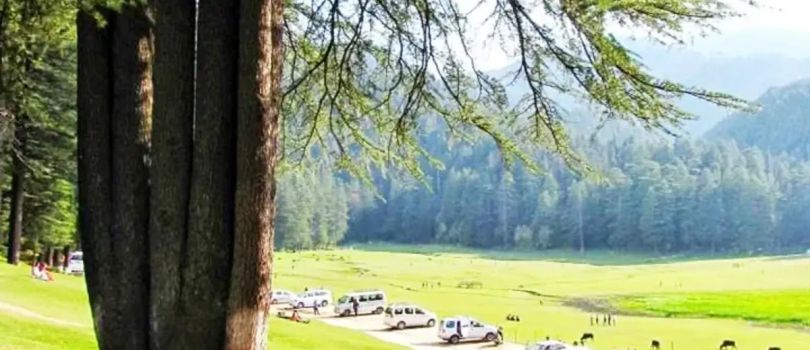
"Witness the ancient legend of the five brothers."
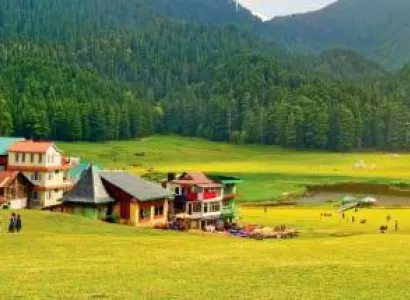
Panch Pandav Tree is one of the most fascinating natural attractions located in the picturesque hill station of Khajjiar in Himachal Pradesh. Known for its unique botanical structure and association with Indian mythology, this remarkable tree attracts nature lovers, pilgrims, photographers, and tourists visiting the beautiful "Mini Switzerland of India." Situated amidst lush green meadows and dense deodar forests, the Panch Pandav Tree stands as a symbol of nature's wonder and local folklore.
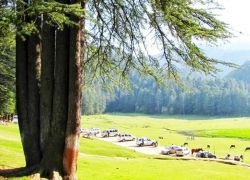
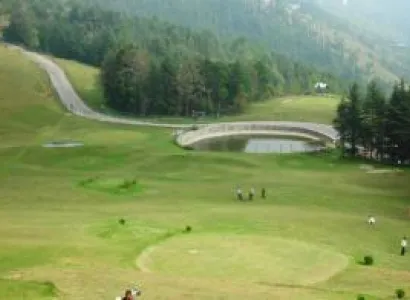
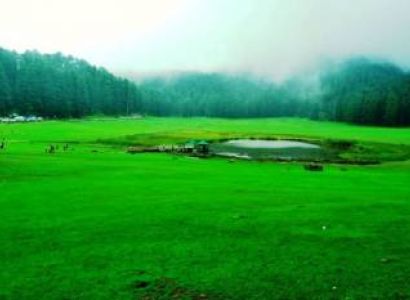
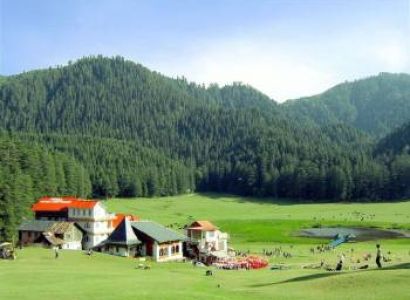
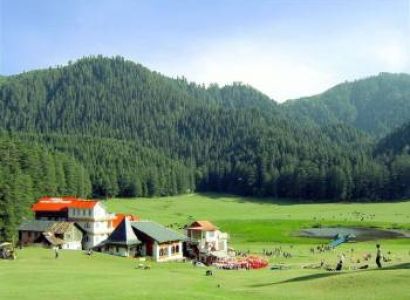
Khajjiar, located in the Chamba district of Himachal Pradesh, is famous for its rolling meadows, scenic landscapes, and ancient temples. Among its many attractions, the Panch Pandav Tree holds a special place because of its unusual growth pattern. Unlike ordinary trees, this single tree has six distinct shoots emerging from one trunk, making it a rare natural phenomenon. The tree is believed to be linked to the legendary Pandavas from the Hindu epic Mahabharata, adding spiritual and cultural significance to its natural beauty.
Why is Panch Pandav Tree, Khajjiar Famous?
The Panch Pandav Tree is famous primarily because of its extraordinary structure. The tree appears to have multiple trunks growing from a single base, creating a unique and eye-catching appearance. Local legends associate these multiple shoots with the five Pandava brothers of the Mahabharata.
Visitors are amazed by how one tree can develop several large stems from a common trunk. This unusual growth has made the Panch Pandav Tree one of the most photographed attractions in Khajjiar.
The tree is also famous for:
The combination of mythology, natural beauty, and botanical uniqueness makes the Panch Pandav Tree a must-visit attraction in Khajjiar.
History and Mythological Significance of Panch Pandav Tree
The Panch Pandav Tree is deeply connected with local legends and Hindu mythology. According to popular belief, the Pandavas spent part of their exile period in the forests and mountains of Himachal Pradesh. Local residents believe that this unique tree symbolizes the five Pandava brothers—Yudhishthira, Bhima, Arjuna, Nakula, and Sahadeva.
Some legends suggest that the tree's multiple stems represent the unity and strength of the Pandavas despite their individual identities. Although there is no historical evidence directly linking the tree to the Mahabharata, the folklore has become an important part of Khajjiar's cultural heritage.
Over the years, the tree has gained recognition as a natural wonder and an important attraction for tourists exploring the region. It continues to inspire curiosity among visitors due to its unusual appearance and mythical associations.
Natural Structure and Features of Panch Pandav Tree
Unlike monuments or temples, the Panch Pandav Tree is a natural attraction. Its uniqueness lies in the way multiple stems emerge from a single trunk. The tree belongs to the deodar family, which is commonly found in the Himalayan region.
Key features of the tree include:
The tree demonstrates the incredible adaptability and growth patterns found in nature. Botanists and nature lovers often visit to observe this rare phenomenon.
How to Reach Panch Pandav Tree, Khajjiar, Himachal Pradesh
The Panch Pandav Tree is easily accessible from Khajjiar and nearby tourist destinations in Himachal Pradesh.
By Air
The nearest airport is Kangra Airport (Gaggal Airport), located approximately 120 kilometers from Khajjiar. Another option is Jammu Airport, which is about 180 kilometers away.
From the airport, taxis and buses are available to reach Khajjiar.
By Train
The nearest railway stations are:
These stations are well connected with Delhi, Chandigarh, Amritsar, and other major Indian cities.
By Road
Khajjiar enjoys excellent road connectivity with major towns in Himachal Pradesh.
Regular buses and taxis operate between these destinations. The Panch Pandav Tree is located within the Khajjiar area and can be reached easily on foot once you arrive.
Weather at Panch Pandav Tree, Khajjiar
Summer (March to June)
Temperatures range between 15°C and 30°C. This is one of the best times to visit due to pleasant weather and clear skies.
Monsoon (July to September)
Khajjiar receives moderate rainfall, making the landscape lush and green. Visitors should be prepared for occasional showers.
Winter (October to February)
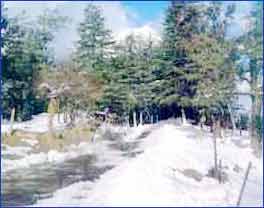
Temperatures can drop below 0°C. Snowfall often transforms Khajjiar into a winter wonderland, attracting snow lovers and photographers.
Panch Pandav Tree Timings
Since Panch Pandav Tree is a natural outdoor attraction located in a public area, it can generally be visited throughout the day.
Daylight hours are recommended for the best sightseeing and photography experience.
Entry and Visit Details of Panch Pandav Tree
Visitors can usually view the Panch Pandav Tree without paying any separate entry fee. Access is generally included as part of exploring the Khajjiar meadow area.
Basic visitor facilities available nearby include:
The attraction can be comfortably explored during a short walk around Khajjiar.
Things to Do at Panch Pandav Tree
1. Observe the Unique Tree Structure
Examine the fascinating multi-stem growth pattern that makes the tree famous throughout the region.
2. Photography
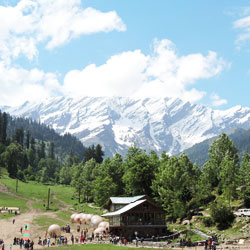
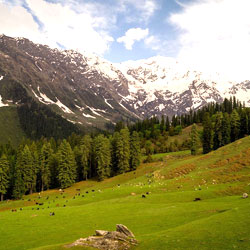
Capture stunning photographs of the tree against the backdrop of green meadows and Himalayan landscapes.
3. Explore Khajjiar Meadows
Enjoy a leisurely walk through the famous Khajjiar grasslands surrounding the tree.
4. Learn Local Folklore
Listen to stories and legends associated with the Pandavas and the Mahabharata.
5. Nature Walks
Explore nearby forests and discover the rich biodiversity of the Himalayan region.
6. Visit Nearby Attractions
Combine your visit with nearby attractions such as:
Interesting Facts About Panch Pandav Tree
Travel Tips for Visiting Panch Pandav Tree
Conclusion
Panch Pandav Tree in Khajjiar, Himachal Pradesh, is a fascinating blend of natural wonder, mythology, and scenic beauty. Its unusual multi-stemmed structure, association with the legendary Pandavas, and location amidst the stunning landscapes of Khajjiar make it a unique attraction in the Himalayas. Whether you are interested in nature, photography, folklore, or simply enjoying the tranquility of the mountains, the Panch Pandav Tree offers a memorable experience. A visit to this remarkable natural landmark provides an opportunity to appreciate both the mysteries of nature and the rich cultural traditions of Himachal Pradesh.








Khajjiar
Khajjiar
Khajjiar
Khajjiar
Khajjiar
Khajjiar
Khajjiar

Khajjiar
Khajjiar