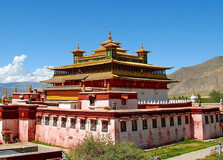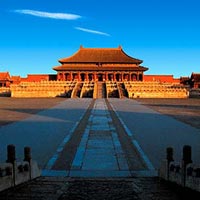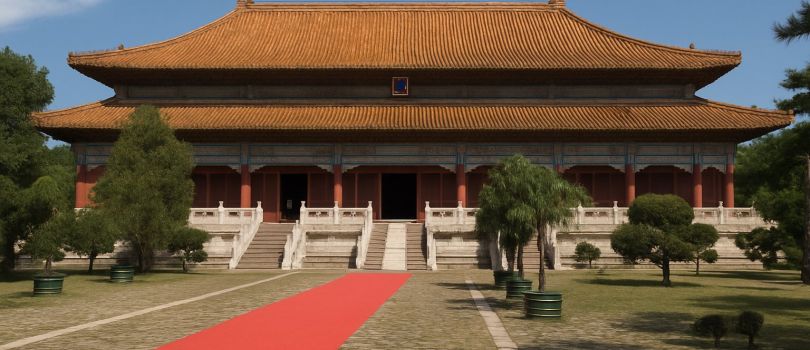
"Imperial resting place showcasing rich Chinese history."
The Ming Tombs are a collection of mausoleums located in a beautiful valley in the foothills of the Tianshou Mountain, approximately 50 kilometers (31 miles) north of Beijing. They serve as the burial site for 13 emperors of the Ming Dynasty, one of China’s most prosperous and influential dynasties. This historical site is an exceptional place to explore China's imperial past and witness a blend of ancient architectural styles, lush surroundings, and fascinating history.
How to Reach the Ming Tombs, Beijing
Getting to the Ming Tombs from central Beijing is relatively easy, with several transportation options available. Here’s how you can reach the site:
Weather at the Ming Tombs, Beijing
The climate in Beijing, including the Ming Tombs, is characterized by four distinct seasons. Each season brings its own unique experience, so timing your visit can enhance your experience:
Timing to Visit the Ming Tombs, Beijing
The Ming Tombs are open to visitors year-round, but the best time to visit is during the spring and autumn months when the weather is mild, and the site is less crowded than in the summer. The site is typically open from 8:00 AM to 5:00 PM, with last entry around 4:30 PM. It’s advisable to visit early in the day to avoid crowds and to fully appreciate the peaceful atmosphere of the site.
Why Famous for the Ming Tombs, Beijing?
The Ming Tombs are famous for being the burial site of 13 emperors of the Ming Dynasty, one of China’s most significant and powerful dynasties. The tombs are known for their well-preserved architecture and rich historical value. The Ming Tombs provide a rare glimpse into the grandeur of ancient Chinese burial customs and the grandeur of the Ming imperial court.
Each tomb is unique and features different architectural designs, making it a fascinating site for history and architecture enthusiasts. The tombs are located in a tranquil and picturesque area, with the beautifully landscaped Sacred Way leading to the tombs themselves. The Ming Tombs serve as a symbol of China’s imperial power and are a testament to the craftsmanship and ingenuity of the period.
Entry and Visit Details about the Ming Tombs, Beijing
The Ming Tombs are a large site, and visitors can explore multiple tombs, but the most famous and most visited are the tombs of Emperor Yongle (who moved the capital to Beijing) and Emperor Wanli. Entry fees vary depending on which tomb you wish to visit, but the general entrance fee for the site is around 45 RMB ($7 USD). Special tickets may be required for visiting individual tombs or additional sections of the site.
Some parts of the Ming Tombs are open to the public, including the Sacred Way, the Changling Tomb, and the Dingling Tomb. Visitors can take a leisurely walk along the Sacred Way, which is a path lined with stone statues of animals and officials that leads to the tombs.
History and Architecture of the Ming Tombs
The Ming Tombs are one of the most significant imperial burial grounds in China. The site was established during the Ming Dynasty in 1409 to serve as the final resting place for the emperors of the Ming family. The tombs were built according to strict feng shui principles, with the positioning and design of the tombs reflecting the emperor's power and spiritual journey into the afterlife.
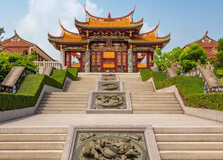
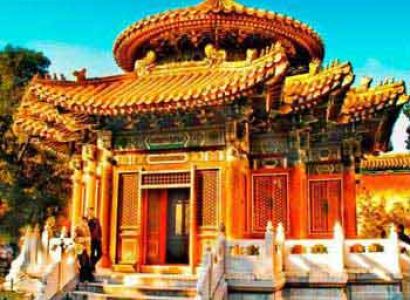
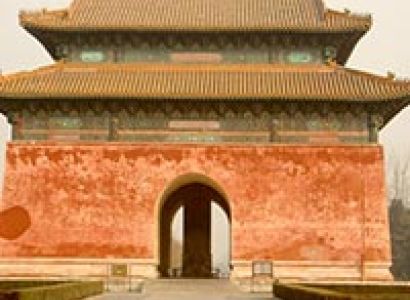
The architecture of the tombs is grand and symbolic. Each tomb consists of a series of halls and burial chambers, often with intricate carvings and decorations, as well as stone statues of animals and officials. The Sacred Way, the main road leading to the tombs, is adorned with stone statues of guardian animals and officials, creating an impressive and solemn atmosphere. The tombs are also surrounded by large walls and are set in a beautifully landscaped area that adds to the site’s peaceful ambiance.
Things to Do at the Ming Tombs, Beijing
Visiting the Ming Tombs offers plenty of opportunities to explore China’s rich history and architecture. Here are some of the top activities:
Facts about the Ming Tombs, Beijing
Tips for Visiting the Ming Tombs, Beijing









Beijing
Beijing
Beijing
Beijing
Beijing
Beijing
Beijing
Beijing
Beijing