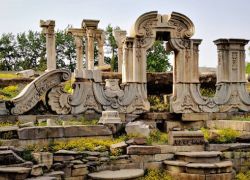
"Step into the imperial history of ancient China."
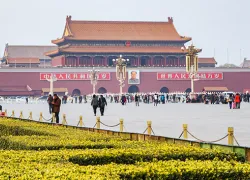
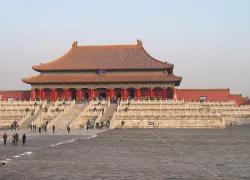
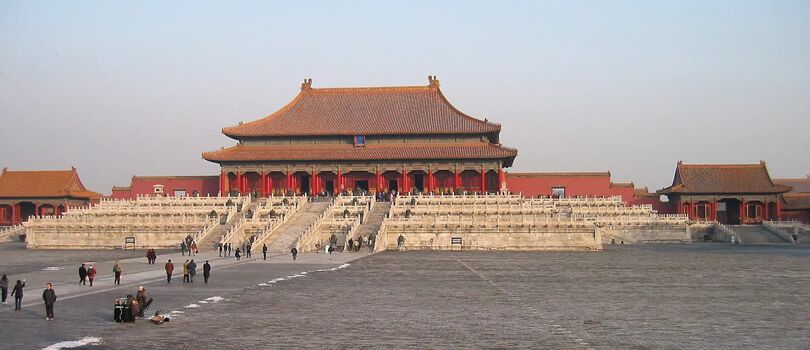
The Forbidden City, also known as the Imperial Palace, is a historical palace complex located in the heart of Beijing, China. It served as the home of Chinese emperors for nearly 500 years, from the Ming Dynasty (1368–1644) to the end of the Qing Dynasty (1644–1912). The Forbidden City is a masterpiece of traditional Chinese palatial architecture and remains one of the largest and most well-preserved palace complexes in the world. It is now home to the Palace Museum, which houses an extensive collection of artwork and historical artifacts from China’s imperial past.
How to Reach the Forbidden City, Beijing
Getting to the Forbidden City is quite easy, as it is located in the central area of Beijing, within walking distance from several major landmarks. Here’s how you can reach it:
Weather at the Forbidden City, Beijing
Beijing experiences four distinct seasons, which means the weather at the Forbidden City varies throughout the year:
Timing to Visit the Forbidden City, Beijing
The Forbidden City is open every day except for Mondays, which are reserved for maintenance and cleaning. The opening hours are from 8:30 AM to 5:00 PM, with the last entry around 4:10 PM. It is recommended to arrive early, especially during peak tourist seasons, to avoid the crowds.
Weekdays tend to be quieter, and the best times to visit are in the morning, right after opening, when the palace is less crowded. Peak tourist season usually falls during Chinese national holidays, such as the Chinese New Year and the Golden Week in October, so it’s best to plan accordingly if you want to avoid large crowds.
Why Famous for the Forbidden City, Beijing?
The Forbidden City is famous for its immense size, rich history, and stunning architectural design. As the former imperial palace, it was home to 24 emperors over a span of nearly 500 years. The Forbidden City is a symbol of China’s ancient power, wealth, and culture. It is one of the largest palace complexes in the world, covering approximately 180 acres (72 hectares) and featuring around 980 buildings. The site is also significant for its role in Chinese political life, being the center of the Chinese empire for centuries.
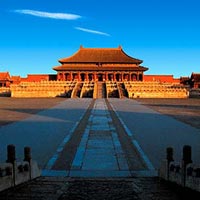
It is now a UNESCO World Heritage Site and is one of the most visited museums in the world. The Forbidden City’s architecture is a quintessential example of traditional Chinese palatial style, with its iconic red walls, golden roofs, and intricate wooden carvings. The site’s layout and construction follow feng shui principles, representing the harmony between heaven and earth.
Entry and Visit Details about the Forbidden City, Beijing
Admission to the Forbidden City is generally around 60 RMB (approximately 9 USD) for adults. Children under 1.2 meters in height can enter for free, and there are often discounted tickets for students and seniors. Audio guides are available for an additional fee and are highly recommended to enhance your experience by providing detailed information about the history and significance of each area of the Forbidden City.
There are several sections of the Forbidden City that visitors can explore, including:
History and Architecture of the Forbidden City
The construction of the Forbidden City began in 1406 during the Ming Dynasty under the order of Emperor Yongle. It took 14 years to complete, finishing in 1420. The palace complex was designed to reflect Chinese cosmology and political order, with strict divisions between the outer and inner courts. The layout was meant to symbolize the emperor’s role as the mediator between heaven and earth.
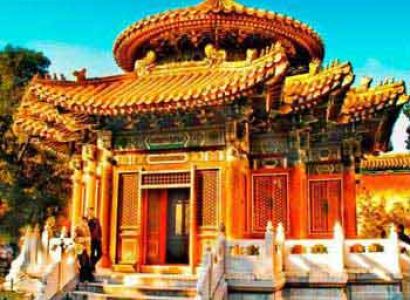
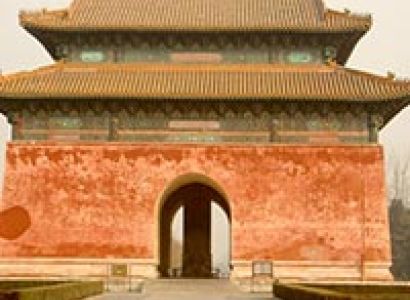
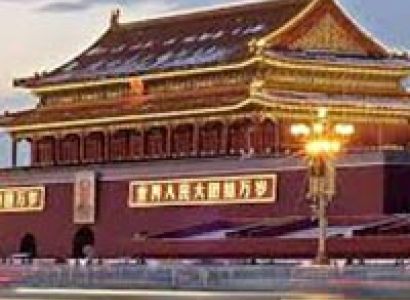
The Forbidden City’s architecture is a remarkable example of Chinese palatial design. The buildings are constructed using wooden beams and columns, while the roofs are adorned with yellow glazed tiles, signifying the emperor’s supreme authority. The walls of the palace are red, representing happiness and good fortune, while the use of golden details symbolizes the emperor’s wealth and power.
Things to Do at the Forbidden City, Beijing
When visiting the Forbidden City, there are several key activities and places to explore:
Facts about the Forbidden City, Beijing
Tips for Visiting the Forbidden City, Beijing


Beijing
Beijing
Beijing
Beijing
Beijing
Beijing
Beijing
Beijing
Beijing