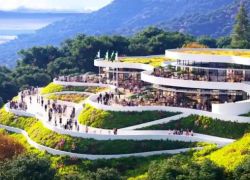
Daman-e-Koh is one of the most famous viewpoints in Islamabad, offering breathtaking panoramic views of the city and the surrounding hills. Located in the Margalla Hills National Park, this scenic spot is popular with both locals and tourists who wish to experience the natural beauty of Islamabad while taking in a stunning view of the city below. Whether you're looking to enjoy a peaceful retreat in nature or catch a glimpse of the sprawling urban landscape, Daman-e-Koh is the place to visit. History of Daman-e-Koh The history of Daman-e-Koh is closely tied to the development of Islamabad itself. The viewpoint was developed as part of the efforts to create a green and scenic capital for Pakistan. Islamabad, being a planned city, was designed with various recreational spots like Daman-e-Koh to provide a balance between urban development and natural beauty. The viewpoint was built in the 1960s and has since become a favorite tourist destination due to its serene atmosphere and magnificent views. Architecture of Daman-e-Koh Unlike other architectural landmarks, Daman-e-Koh is more about its integration into the natural landscape rather than man-made structures. The viewpoint itself is designed to offer an unobstructed view of Islamabad, with the city sprawling below and the Margalla Hills towering in the background. The area is equipped with a well-maintained walkway, parking area, and viewing platforms, all of which are harmoniously integrated into the surrounding environment to ensure minimal impact on nature. There is also a small café where visitors can relax and enjoy refreshments while taking in the view. How to Reach Daman-e-Koh, Islamabad Getting to Daman-e-Koh is relatively easy, as it is located just a short drive from the city center of Islamabad. The viewpoint is accessible via the main road that leads up the Margalla Hills, which is well-maintained and signposted. Here are a few ways to reach Daman-e-Koh: By Car: Daman-e-Koh is located around 7 km from the city center. You can drive up the Margalla Hills Road and follow the signs leading to Daman-e-Koh. The drive is pleasant and offers scenic views along the way. By Taxi or Ride-Hailing Services: Taxis and ride-hailing services such as Uber or Careem are readily available and can drop you directly at the viewpoint. By Hiking: For those who enjoy hiking, there are several trails that lead up to Daman-e-Koh. The hike offers an excellent opportunity to explore the Margalla Hills and is popular among outdoor enthusiasts. The trails are of moderate difficulty and take around 30 to 45 minutes to complete. Weather and Timing at Daman-e-Koh The weather at Daman-e-Koh is influenced by the location of the viewpoint in the Margalla Hills. Due to its elevated position, the temperature at Daman-e-Koh is often cooler than the rest of Islamabad, especially during the summer months. The best time to visit is during the spring (March to May) and autumn (September to November) when the weather is mild and pleasant. Summers in Islamabad can get hot, with temperatures reaching up to 40°C (104°F), but the cool breeze at Daman-e-Koh offers a refreshing respite. Winters are mild to cold, with temperatures ranging from 5°C to 20°C (41°F to 68°F), making it an ideal destination for winter outings as well. Daman-e-Koh is open year-round, with no specific closing time. However, most visitors prefer to go during the day to enjoy the views in natural daylight. The best time to visit is in the early morning or late afternoon when the sunlight creates beautiful effects over the city and the hills. Evening visits are also popular for watching the sunset, with the city lights slowly coming to life as the night sets in. Why Daman-e-Koh is Famous Daman-e-Koh is famous for its stunning panoramic views of Islamabad. From this vantage point, visitors can see the entire city spread out below, with the lush green Margalla Hills providing a beautiful backdrop. The viewpoint is especially popular for photography, offering a great opportunity to capture the beauty of both the natural environment and the city. Daman-e-Koh is also famous as a spot to enjoy peace and tranquility, providing a calm escape from the hustle and bustle of city life. Another reason for its fame is that it is a perfect place for nature lovers and outdoor enthusiasts. Visitors can enjoy short treks through the Margalla Hills, bird watching, or simply relax while taking in the spectacular scenery. Entry and Visit Details Visiting Daman-e-Koh is free of charge, making it an accessible destination for all. There are no strict entry requirements, but visitors are encouraged to dress comfortably, especially if they plan to hike up the hill. The viewpoint is open every day, and there are no specific visiting hours. However, it’s advisable to visit during daylight hours to fully enjoy the views. The area around Daman-e-Koh is well-maintained, with basic amenities such as parking facilities and rest areas. A small café is also available where you can enjoy snacks and drinks while enjoying the view. Additionally, public restrooms are available for visitors' convenience. Things to Do at Daman-e-Koh While visiting Daman-e-Koh, there are several activities to enjoy: Take in the panoramic view of Islamabad, with the city, Rawalpindi, and the surrounding hills spread out before you. Go on a hike through the various trails of the Margalla Hills National Park. The trails range from easy to moderate difficulty, making them suitable for a wide range of fitness levels. Photography is a popular activity, as the views from Daman-e-Koh are some of the best in Islamabad. Early mornings and sunsets are especially picturesque. Relax and unwind at the café, where you can enjoy hot drinks and snacks while soaking up the surroundings. Birdwatching is also a popular activity, as the Margalla Hills are home to many species of birds and wildlife. Facts About Daman-e-Koh Daman-e-Koh is located at an elevation of around 1,200 meters (3,937 feet) above sea level, providing incredible views of Islamabad. The viewpoint is situated within the Margalla Hills National Park, a protected area that is home to diverse flora and fauna. The name "Daman-e-Koh" means "foothills" in Urdu, as the viewpoint is located on the lower slopes of the Margalla Hills. It is a popular spot for both tourists and locals, especially for evening visits to watch the sunset over Islamabad. Tips for Visiting Daman-e-Koh Wear comfortable shoes if you plan to hike up the trails to Daman-e-Koh. Bring a camera or smartphone to capture the stunning views. Visit early in the morning or late in the afternoon for the best lighting and to avoid the midday heat. If hiking, bring water and wear sunscreen to protect yourself from the sun. Check the weather forecast before your visit to ensure the best possible experience, especially during the summer months when it can get quite hot. Conclusion Daman-e-Koh is a must-visit destination for anyone visiting Islamabad. Its natural beauty, serene atmosphere, and stunning views of the city and the surrounding hills make it one of the most popular spots in the capital. Whether you want to enjoy a peaceful walk, take in the view, or go for a hike, Daman-e-Koh has something for everyone. Its accessibility, combined with the peaceful surroundings, make it an ideal spot for both tourists and locals looking to escape the busy city life.
Explore More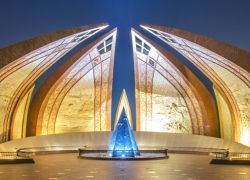
The Pakistan Monument is one of the most iconic landmarks in Islamabad, representing the four provinces of Pakistan. Located in the heart of the capital, the monument symbolizes the strength, unity, and diversity of the country. This architectural marvel, designed in the shape of a blooming flower, has become a national symbol and a significant tourist destination. It is also part of the larger Pakistan Monument Museum, which helps visitors understand the history, culture, and development of Pakistan. History of Pakistan Monument The Pakistan Monument was inaugurated on March 23, 2007, during Pakistan's National Day celebrations. The design of the monument was created by renowned architect Arif Masoud, and it was built to commemorate the country's independence and to represent the four provinces: Punjab, Sindh, Khyber Pakhtunkhwa (KPK), and Balochistan. Each of the four petals of the monument is dedicated to one of these provinces, with the central dome symbolizing the unity of Pakistan's people. Over the years, the monument has become a symbol of Pakistan's national identity. Its construction was part of a broader effort to promote Pakistan’s cultural heritage and foster a sense of pride among its citizens. The Pakistan Monument is not just an architectural structure, but also a representation of the country’s diverse culture and rich history. Architecture of Pakistan Monument The design of the Pakistan Monument is unique and stands out for its contemporary style. It is made up of four large petals that open outward, each representing one of Pakistan's provinces, and a central dome that ties the entire structure together. The petals are designed to reflect the cultural and historical significance of each province. The structure is built with sandstone, which gives it an earthy, natural look, in harmony with the surrounding environment. In addition to the monument itself, the complex houses a museum that exhibits the history of Pakistan’s creation, its struggles, and its triumphs. Visitors can also enjoy beautifully landscaped gardens surrounding the monument, making it a perfect spot for a relaxing visit. The monument stands proudly on a hill, offering spectacular views of Islamabad and the surrounding areas. How to Reach Pakistan Monument, Islamabad The Pakistan Monument is situated in the western part of Islamabad, near the Shakarparian Hills. It is easily accessible from various parts of the city, whether by car, taxi, or public transport. Here are some options for reaching the monument: By Car: The monument is just a short drive from the main city center of Islamabad. It can be reached by driving towards Shakarparian Hill, following the road signs that lead to the Pakistan Monument. By Taxi or Ride-Hailing Services: Taxis, Uber, and Careem are commonly available in Islamabad and can take you directly to the monument. By Public Transport: Local buses and metro services connect major areas of Islamabad with Shakarparian, but taxis and ride-hailing services are more convenient, especially for tourists. Weather and Timing at Pakistan Monument The best time to visit the Pakistan Monument is during the cooler months of the year, from October to March, when the weather is more pleasant. Summers in Islamabad can be hot, with temperatures reaching up to 40°C (104°F), so it is advisable to visit early in the morning or late in the afternoon during this period. Winter temperatures are milder, ranging between 5°C to 20°C (41°F to 68°F), which makes it an ideal time for sightseeing. The monument is open to visitors throughout the year, but the hours of operation can vary slightly depending on the season. The typical visiting hours for the Pakistan Monument are from 9:00 AM to 6:00 PM, seven days a week, but it’s always a good idea to check before visiting as timings may change during national holidays or special events. Why Pakistan Monument is Famous The Pakistan Monument is famous for being a symbol of national unity and pride. Its unique architecture and the significance of the four petals representing Pakistan's provinces make it a focal point for both locals and international visitors. The monument is not only a tribute to Pakistan’s history and culture but also a place for reflection on the country’s achievements and challenges. It stands as a testament to the strength and resilience of the people of Pakistan. The monument also holds a special place as a tourist attraction in Islamabad. It’s a great spot for photography, with the stunning backdrop of the city and the surrounding hills. The museum within the complex adds an educational element, making the visit both informative and inspiring. The site is particularly popular on national holidays and events, such as Pakistan Day (March 23), when the monument is beautifully lit up and visited by thousands of people. Entry and Visit Details Entry to the Pakistan Monument is free of charge, and there are no specific entry requirements for visitors. However, there is a nominal fee for entry to the Pakistan Monument Museum, which is located at the base of the monument. The museum showcases the history of Pakistan's creation, independence, and its journey as a nation. It is a must-visit for those interested in the historical significance of the monument and Pakistan's rich heritage. There are no strict dress codes for visiting the Pakistan Monument, but it is advisable to dress modestly out of respect for the site’s cultural importance. The complex is well-maintained, with clean pathways, rest areas, and an on-site café for refreshments. Visitors are encouraged to explore the monument at their own pace, enjoy the surrounding gardens, and learn about Pakistan’s history through the exhibits in the museum. Things to Do at Pakistan Monument Visitors to the Pakistan Monument can enjoy a variety of activities: Explore the monument’s stunning architecture and take photographs of the monument and the breathtaking views of Islamabad from the hilltop. Visit the Pakistan Monument Museum, which houses exhibitions on Pakistan’s history, independence movement, and national identity. Stroll through the beautifully landscaped gardens surrounding the monument, which are perfect for a relaxing walk. Learn about the four provinces of Pakistan and their cultural contributions through the monument’s design and the displays in the museum. Enjoy a meal or a snack at the café located near the monument, offering a variety of refreshments with a view of the city. Facts About Pakistan Monument The Pakistan Monument was completed and inaugurated in 2007 on Pakistan’s National Day (March 23). The monument consists of four large petals, each representing one of Pakistan’s provinces: Punjab, Sindh, Khyber Pakhtunkhwa (KPK), and Balochistan. The central dome of the monument symbolizes the unity of the Pakistani people. The Pakistan Monument Museum is housed at the base of the monument and showcases the history of Pakistan’s creation and its subsequent development as a nation. The monument is built using sandstone and features traditional Islamic architectural elements mixed with contemporary design. Tips for Visiting Pakistan Monument Wear comfortable shoes as you may need to walk or climb some stairs to reach the top viewing area. Bring a camera to capture the stunning views of the monument and Islamabad from the hilltop. Visit in the early morning or late afternoon to avoid the midday heat and to enjoy the best light for photographs. Check the opening hours before your visit, especially during public holidays or special events when the monument may be busier. Take your time exploring the museum to learn about Pakistan’s history and its cultural significance. Conclusion The Pakistan Monument is an essential landmark for anyone visiting Islamabad. It is not only a symbol of the country’s history, unity, and culture but also a stunning architectural piece set against the beautiful backdrop of the Margalla Hills. Whether you're a history buff, an architecture enthusiast, or simply looking for a scenic place to relax, the Pakistan Monument offers something for everyone. Its significance, beauty, and the opportunity to explore Pakistan’s rich heritage make it a must-visit spot in Islamabad.
Explore More
Lok Virsa Museum, officially known as the National Institute of Folk and Traditional Heritage, is one of the most prominent cultural museums in Pakistan. Located in Islamabad, it celebrates the country’s diverse heritage, showcasing traditional crafts, costumes, pottery, art, architecture, music, and tribal cultures from various regions of the nation. The museum serves as a national treasure house of history, creativity, cultural expression, and craftsmanship, making it a must-visit attraction for students, history lovers, cultural researchers, families, and tourists. The museum aims to preserve, document, and promote the intangible and tangible cultural traditions of Pakistan, representing the rural and ethnic diversity found from the northern mountains to the southern deserts and coastal communities. Lok Virsa beautifully blends educational presentation with realistic displays, offering visitors a walk through Pakistan’s cultural journey. History and Architectural Design Lok Virsa Museum was established during the 1970s by the Government of Pakistan as part of a nationwide effort to preserve cultural heritage that was rapidly disappearing due to urban growth and modernization. The institution initially began as a research and documentation project but later expanded into a full-scale museum that not only displays artifacts but also supports cultural education programs, rural artists, traditional performers, and master craftsmen. Architecturally, Lok Virsa Museum is designed to represent a blend of traditional and modern elements. The building features spacious galleries, landscaped courtyards, ethnic craft displays, and open walkways that create an immersive and visually appealing environment. The museum layout is divided into thematic sections, each focusing on a particular cultural region, community, or tradition of Pakistan. Life-sized displays, dioramas, village scenes, and historical recreations help visitors understand how people lived, worked, and celebrated in the past. The architecture of the interior emphasizes storytelling through visual representation. Murals, carved woodwork, tribal motifs, musical instruments, bronze works, and textile exhibits bring history, art, and anthropology together under one roof. How to Reach Lok Virsa Museum Lok Virsa Museum is located near Shakarparian National Park, close to several main roads, making it easy to reach from different parts of Islamabad: By Car or Taxi: Visitors can drive or book a taxi directly to Lok Virsa. The journey from Blue Area or central Islamabad takes around 10 to 15 minutes depending on traffic. By Ride-Hailing Apps: Services like Uber or Careem provide convenient and affordable transport directly to the museum gate. By Local Bus: Several local routes and minibuses pass nearby major intersections, from where one can take a short walk or a local ride to the museum entrance. The museum is also close to other major attractions such as the Pakistan Monument, Shakarparian Hills viewpoint, and the nearby cultural centers, making it easy to plan a full-day sightseeing trip. Weather and Best Time to Visit The weather in Islamabad varies seasonally, and the museum can be visited throughout the year. Indoor galleries make it a suitable destination even on hot or rainy days. However, seasons still influence visit conditions: Winter (November to February): Cool and pleasant weather, ideal for walking through outdoor displays and courtyard areas. Spring (March to April): One of the best times to visit, with blooming flowers and comfortable temperatures. Summer (May to August): Hot and humid outside, but indoor exhibitions remain comfortable due to climate control. Autumn (September to October): Mild weather suitable for both indoor and outdoor experiences. Weekdays usually offer quieter visiting conditions, while weekends and public holidays may see larger crowds. Timing, Entry, and Visit Details Lok Virsa Museum is generally open six days a week, with Monday often observed as a closed day (though timings may vary on holidays). Museum hours usually follow daytime schedules from morning until late afternoon or early evening. Visitors pay a small entry fee, with discounted rates for students, children, and senior citizens. Ticket stalls are located at the main entrance, and there may also be additional fees for special exhibitions, events, workshops, or cultural performances. Photography is usually permitted in most sections, but flash photography or videography may be restricted in sensitive galleries. Why Lok Virsa Museum Is Famous Lok Virsa Museum is famous for being Pakistan’s largest ethnographic museum and a living archive of traditional culture. It offers: Life-size cultural exhibits showcasing different communities. Displays of traditional clothing, pottery, carpets, wood carvings, jewelry, and handicrafts. Recordings and instruments representing Pakistan’s diverse musical traditions. Educational workshops and craft demonstrations by real artisans. It is a place where visitors gain insight into centuries-old heritage that continues to influence modern Pakistani identity. Things to Do at Lok Virsa Museum Explore Cultural Galleries: Walk through exhibitions representing Punjab, Sindh, Balochistan, Khyber Pakhtunkhwa, Kashmir, and tribal regions. View Traditional Art and Crafts: Admire woodwork, metal craft, textiles, embroidered garments, camel-skin lamps, tapestries, and handmade jewelry. Watch Craft Demonstrations: At times, artisans perform live demonstrations of pottery, weaving, block printing, and folk painting. Visit the Folk Heritage Research Library: Researchers can explore books, films, recordings, and documentation on cultural anthropology. Attend Cultural Festivals: Lok Virsa hosts seasonal festivals, folk music nights, language heritage celebrations, and handicraft fairs. Photography: The museum’s vibrant interior and realistic dioramas offer excellent photography opportunities. Souvenir Shopping: A small craft shop often sells handmade items by Pakistani artisans. Interesting Facts One of the largest cultural museums in Pakistan: Lok Virsa spans multiple galleries and courtyards with displays representing the full spectrum of Pakistani heritage. A living heritage museum: The institution not only preserves artifacts but also supports working artisans and living traditions. Multimedia preservation: Lok Virsa maintains an archive of thousands of folklore recordings, documentaries, and oral histories. International cooperation: The museum has worked with cultural organizations worldwide to exchange anthropological knowledge. Tips for Visiting Lok Virsa Museum Plan at least 1.5 to 2 hours to fully explore the museum’s galleries. Check opening days and timings before arrival, especially on Mondays or public holidays. Carry a camera but confirm photography rules for specific displays. Wear comfortable shoes as the museum covers a large exhibition area. Visit on weekdays for a quieter experience. Combine your trip with nearby destinations like Pakistan Monument or Shakarparian Hills. Respect exhibits and avoid touching artifacts unless permitted. Conclusion Lok Virsa Museum is a cultural landmark that brings the spirit of Pakistan’s diverse heritage to life. Through authentic displays, traditional crafts, educational programs, and interactive experiences, visitors gain a deeper understanding of the country’s cultural identity. Whether you are a tourist exploring Islamabad, a student learning about anthropology, or a local revisiting national heritage, Lok Virsa offers a meaningful and immersive cultural experience that is both informative and inspiring.
Explore More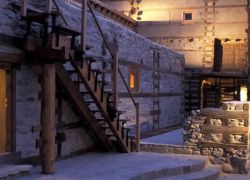
Skardu Fort, also known as Kharpocho Fort, is one of the most iconic historical landmarks in Skardu, Gilgit-Baltistan, Pakistan. Perched on a mountain overlooking the town and the Indus River, the fort offers breathtaking views and a deep connection to the region’s history. The name “Kharpocho” translates to “King of Forts,” and this ancient structure is an important reminder of the powerful kingdoms and rulers who once governed the Baltistan region. Today, the fort is a popular tourist attraction and a must-visit destination for history enthusiasts, photographers, and travelers seeking a glimpse into the architectural and cultural heritage of northern Pakistan. How to Reach Skardu Fort Skardu Fort is located on a hill overlooking the city of Skardu. Reaching the site is relatively easy and depends on the traveler’s mode of transport. Travelers coming from outside the region usually arrive in Skardu by air or road. Skardu Airport connects the city to major cities like Islamabad. From the airport, travelers can hire a taxi, private car, or local transport to reach the center of Skardu. From the city center, Skardu Fort is accessible via a trekking route or road. Adventurous visitors often enjoy hiking up the steep path that leads to the fort. The trek takes approximately 30–45 minutes, depending on pace. Visitors may also book a jeep or car to reach the base area, from where a short hike takes them to the entrance of the fort. Weather at Skardu Fort The weather in Skardu varies significantly with the seasons and altitude. Summers, from May to September, are pleasant and ideal for outdoor visits. Temperatures during summer generally range from 10°C to 25°C. Winter, from November to March, can be extremely cold, with temperatures dropping well below freezing. Snowfall is common in winter, making the fort difficult to access. Spring and autumn are also beautiful, offering colorful landscapes and cooler temperatures. Travelers are advised to check local conditions before planning their visit. Timing There are no strict official visiting hours for Skardu Fort, and many visitors explore the site freely during daylight hours. The best time to visit is between 9 AM and 5 PM. The fort area is not recommended for nighttime exploration due to steep pathways and lack of lighting. Why Skardu Fort is Famous Skardu Fort is famous for its stunning hilltop location, majestic views over Skardu, and historical importance. Built in the sixteenth century by the rulers of Baltistan, the fort served as a strategic defensive structure. It played a key role in guarding the city and the surrounding valley from invasions. The combination of natural beauty, ancient heritage, and architectural significance makes it one of the most visited cultural attractions in Skardu. Entry and Visit Details Entry to Skardu Fort may include a small fee, which contributes to the preservation of the site. Visitors are free to explore various sections of the fort, including old watchtowers, walls, and lookout points. Comfortable walking shoes and water are recommended due to the effort required to climb to the fort. Some areas of the fort remain in ruins, but restoration efforts have improved safety and accessibility. History of Skardu Fort Skardu Fort dates back to the reign of Ali Sher Khan Anchan, a prominent ruler of Baltistan in the seventeenth century. The fort was constructed to secure the kingdom, defend trade routes, and exert control over the region. Throughout history, it was used by different rulers and military forces. During conflicts between local nobles and external armies, the fort served as a key stronghold. The fort also has ties to Tibetan and Buddhist heritage, as Baltistan was historically influenced by Buddhist culture before the spread of Islam. Architecture of Skardu Fort The architecture of Skardu Fort is typical of ancient Balti mountain fortifications. Built mainly from stone and mud, the fort is designed to blend into the surrounding rocky cliffs. Its elevated position makes it naturally protected from attack. Defensive walls and battlements were constructed to provide lookout points and enable soldiers to defend the valley. Although much of the original structure has been weathered by time, the remaining walls, foundation, and reconstructed sections reflect traditional Balti engineering and architectural skill. Things to Do at Skardu Fort Visitors to Skardu Fort can enjoy a range of activities: Explore Historical Ruins: Walk through the remains of the fort, including old courtyards, stone walls, and guard paths that tell the story of Skardu’s ancient rulers. Photography: The elevated location provides panoramic views of Skardu city, the Indus River, and surrounding mountains, making it a favorite spot for photographers. Hiking: The short hike to the fort is a rewarding activity for adventure lovers and nature enthusiasts. Cultural Appreciation: Learn about the region’s history, architecture, and military strategies of past Balti dynasties. Scenic Relaxation: Many visitors simply sit at the top, enjoying the calm surroundings and breathtaking landscape. Interesting Facts About Skardu Fort Skardu Fort is also known locally as Kharpocho Fort, meaning “King of Forts.” The fort was strategically built to overlook the Indus River and valley of Skardu. Some historians believe its construction dates back as early as the 8th century, though major development occurred during the 16th and 17th centuries. The fort showcases traditional Balti mountain architecture and defensive engineering. It is one of the most visited historical sites in Gilgit-Baltistan due to its heritage and scenic views. Tips for Visiting Skardu Fort Wear comfortable trekking or walking shoes, as the climb is steep. Carry drinking water, especially during hot summer months. Morning visits are recommended for cooler temperatures and better photographs. Avoid visiting at night due to lack of lighting and steep pathways. Respect the historical structure and avoid climbing damaged walls or restricted areas. Check the weather before visiting, especially in winter when access may be difficult. Skardu Fort is a treasure of Baltistan, offering a blend of rich history, impressive architecture, and extraordinary natural views. Whether you are a history lover, adventurer, or photographer, this majestic fort is a destination that promises an unforgettable experience.
Explore More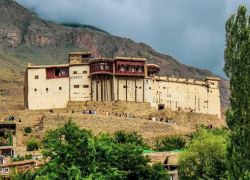
Baltit Fort is one of the most iconic historical landmarks in Gilgit-Baltistan, Pakistan. Located in the ancient Hunza Valley, this majestic fort stands proudly on a strategic hilltop in Karimabad, offering breathtaking views of the surrounding mountains and the lush valley below. Baltit Fort is over 700 years old and has been beautifully restored, making it a major attraction for history lovers, architecture enthusiasts, culture explorers, and travelers seeking a glimpse into northern Pakistan’s royal heritage. The fort reflects the rich history of the region and represents the influence of Tibetan, Balti, and Islamic architectural styles. Once the royal residence of the Mirs of Hunza, the fort now operates as a museum managed by the Aga Khan Cultural Service. Visiting Baltit Fort is not just a trip through history, but also a chance to experience the traditional culture, craftsmanship, and panoramic beauty of Hunza Valley. How to Reach Baltit Fort Baltit Fort is located in Karimabad, Hunza Valley in Gilgit-Baltistan. Travelers usually reach the fort using the Karakoram Highway (KKH), one of the most scenic mountain routes in the world. By Road: The most common route is from Gilgit city, which is around 100 km away. The drive takes about 2 to 3 hours and offers stunning views of the Rakaposhi and other snow-covered peaks. From Karimabad town, visitors must walk for 10 to 20 minutes uphill to reach the fort. Local jeep services and taxis are also available from different parts of Hunza. By Air: The nearest airport is in Gilgit. Flights from Islamabad operate depending on weather conditions. From Gilgit, taxis and private transport services are available to reach Karimabad. Weather at Baltit Fort Hunza Valley experiences a cold climate most of the year. Summer (May to September) is the best season to visit, as temperatures are pleasant and the sky is usually clear, giving travelers uninterrupted mountain views. Winter can be extremely cold, with snow covering the surrounding peaks and valleys. During winter, temperatures can drop below freezing, and some roads may be affected by snow or landslides. Spring brings blooming orchards, while autumn paints the valley in golden and red colors, making it another beautiful time to visit. Timings for Visiting Baltit Fort The fort is usually open for visitors from morning until evening. The general visiting hours are: – 9:00 AM to 6:00 PM (Summer)– 9:00 AM to 4:00 PM (Winter) However, timings may vary depending on weather and local events, so checking locally before visiting is recommended. Why Baltit Fort is Famous Baltit Fort is famous for several reasons. It is one of the oldest forts in Pakistan and symbolizes the ancient history of Hunza. The fort offers 360-degree panoramic views of the valley and famous peaks such as Ultar Sar, Lady Finger, and Rakaposhi. It is also known for its unique architecture, which blends Tibetan and local design, reflecting the strong historical ties with the region of Baltistan and neighboring areas. The fort has won international awards for cultural preservation, and its transformation from a crumbling structure into a protected heritage museum is seen as one of the best restoration projects in Asia. Entry and Visit Details Visitors must buy an entry ticket at the gate, which helps fund the fort’s maintenance and cultural programs. Guided tours are usually available and recommended, as they provide historical insights and interesting stories about the rulers and lifestyle of the old Hunza kingdom. Photography is usually allowed, but certain areas may have restrictions. The fort has museum rooms displaying royal artifacts, weapons, clothing, pottery, and furniture from the past. History and Architecture Baltit Fort was built more than 700 years ago, though the exact date is not clearly recorded. The fort showcases mixed architectural influences, particularly from Baltistan, whose craftsmen were believed to have contributed to its construction after a royal marriage alliance. Over the centuries, different rulers of Hunza expanded and renovated the fort, adding new rooms, halls, watchtowers, and living spaces. The structure is mainly made of stone, wood, and mud plaster, designed to survive harsh winters and earthquakes. Small windows, carved wooden pillars, traditional balconies, and rooftop terraces reflect the historic residential styles of mountain kingdoms. In 1945, the Mirs abandoned the fort and moved to a modern palace nearby. Over time, the fort deteriorated until restoration began in the 1990s led by the Aga Khan Trust for Culture, preserving its original character and reopening it as a museum. Things to Do at Baltit Fort There are many activities and experiences for visitors at Baltit Fort: – Take guided tours to learn about ancient Hunza history and royal lifestyle. – Explore museum rooms featuring weaponry, artifacts, historical photos, and traditional tools. – Enjoy panoramic photography from the rooftop, especially at sunrise or sunset. – Walk through Karimabad Bazaar nearby for local handicrafts, gemstones, and traditional Hunza caps. – Relax at cafés and restaurants in the area with views of snow-covered mountains. – Enjoy cultural performances or events occasionally held at the fort. Interesting Facts About Baltit Fort – Baltit Fort is over seven centuries old and is considered one of the oldest forts in Pakistan. – The fort won the UNESCO Asia-Pacific Heritage Award after its successful restoration. – Baltit served as the seat of power for the Hunza kingdom for many generations. – The design shows strong Tibetan architectural influence due to centuries-old cultural links. – The fort is built on a steep ridge, giving it a natural strategic defense advantage. Tips for Visiting Baltit Fort – Wear comfortable walking shoes as the path to the fort is uphill. – Check weather forecasts, especially during winter, to avoid travel disruptions. – Carry a water bottle and warm clothing, as the temperature can drop quickly. – Hire a guide for the best historical understanding of the fort. – Photography enthusiasts should visit during late afternoon for beautiful lighting. Baltit Fort remains one of the most important heritage destinations in northern Pakistan. With its stunning location, deep history, unique architecture, and remarkable restoration success, it offers an unforgettable experience for anyone visiting Hunza Valley.
Explore More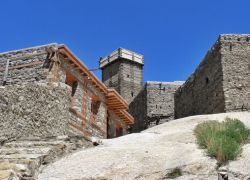
Altit Fort is one of the most remarkable and oldest historic structures in the Hunza Valley of Gilgit-Baltistan, Pakistan. Located in the ancient settlement of Altit village, this fort is believed to be more than 1,100 years old, making it one of the oldest forts in the entire region. Altit Fort is positioned on the edge of a high cliff overlooking the Hunza River, giving visitors dramatic and breathtaking views of the surrounding mountains and valleys. Once the residence of the rulers of Hunza, known as Mirs, Altit Fort has been beautifully restored by the Aga Khan Trust for Culture and now serves as a museum and cultural center. Visiting Altit Fort allows travelers to take a step back in time and experience the early history, traditional architecture, and royal life of Hunza. The surrounding Altit village, with its preserved traditional homes and the famous Altit Royal Garden, adds further charm and cultural richness to the experience. How to Reach Altit Fort Altit Fort is located in Altit village near Karimabad in the Hunza Valley. The region is well-connected by road, and reaching the fort is part of the scenic experience. By Road: Most visitors reach Hunza via the Karakoram Highway, one of the highest paved roads in the world. The nearest major city is Gilgit, around 100 kilometers away, which takes approximately 2 to 3 hours by car or bus. Once visitors reach Karimabad or Altit village, they can walk or take a short drive uphill to the fort. Local taxis, private jeeps, and van services connect different parts of Hunza. By Air: The nearest airport is Gilgit Airport, which receives flights from Islamabad, depending on the weather. From Gilgit, visitors hire taxis or vans to reach Altit. The journey to Altit itself is scenic, offering magnificent views of Rakaposhi, Ultar Peak, and the lush Hunza landscape. Weather at Altit Fort Hunza Valley experiences a cool and dry climate most of the year. Summers (May to September) are pleasant and mild, making it the most popular season for tourism. During this period, the sky is usually clear, allowing extraordinary mountain views. Temperatures during the day remain comfortable, though evenings can be cooler. In winter (November to February), the temperature can drop significantly, sometimes below freezing. Snowfall is common in nearby mountain peaks and occasionally in the valley. Winter travel requires warm clothing and sometimes careful road planning due to weather conditions. Spring and autumn are also beautiful seasons. Spring brings blossoming orchards, while autumn is known for its golden landscapes, making it popular among photographers and nature lovers. Timings for Visiting Altit Fort The fort is generally open to visitors during daytime hours. Average timings are: – 9:00 AM to 6:00 PM (Summer) – 9:00 AM to 4:00 PM (Winter) However, timings may change depending on weather or maintenance, so it is recommended to confirm locally before visiting. Why Altit Fort is Famous Altit Fort is famous for several unique qualities. First, it is the oldest fort in Hunza, giving it high historical significance. Its location on the edge of a tall cliff with panoramic views of the Hunza River and surrounding peaks makes it visually stunning. The fort is also a symbol of the early history of the Hunza kingdom and played an important role in local politics and defense. The fort has gained recognition for its preservation and restoration, receiving international heritage awards. Its restoration allowed the structure to be saved from collapse and transformed into a museum focusing on local architecture, craftsmanship, and royal heritage. Entry and Visit Details Visitors must purchase an entrance ticket at the gate, and revenue is used for the fort’s conservation and management. Guided tours are usually available and highly recommended, as trained guides explain the fort’s historical importance, architectural features, and stories related to the ruling families. The fort contains narrow rooms, old wooden hallways, lookout points, and artifacts that reflect the living conditions and defense strategies of ancient Hunza. The Altit Royal Garden near the fort is another highlight, offering a peaceful area to sit, enjoy nature, and observe traditional life. History and Architecture of Altit Fort Altit Fort is believed to be more than a thousand years old, possibly built in the 11th century. It pre-dates the Baltit Fort and served as the original seat of power for the Hunza rulers. Over time, political disputes and conflicts led the rulers to shift their residence to Baltit Fort, which later became the primary royal residence. The fort was designed in a strategic location to defend against invaders coming through the river valley. The architecture reflects influences from Central Asia, Tibet, and local Hunza design. Built primarily using stone, wood, and mud plaster, the fort is adapted to withstand earthquakes and harsh mountain weather. Altit Fort underwent major conservation work in the 1990s by the Aga Khan Cultural Service, balancing the historic character with structural restoration. The work received international recognition for maintaining authenticity while ensuring the fort’s long-term preservation. Things to Do at Altit Fort Visitors can enjoy multiple activities at Altit Fort and the surrounding area: – Take a guided tour to explore the fort’s rooms, passageways, defense towers, and museum exhibits. – Spend time at the Altit Royal Garden, a peaceful and scenic spot with seating areas, cafés, and greenery. – Enjoy photography, especially panoramic shots of the Hunza River and mountain ranges. – Walk through Altit village to experience ancient homes, local shops, and traditional Hunza lifestyle. – Shop for local handicrafts, embroidered textiles, gemstones, and traditional Hunza caps. – Enjoy tea or local food at cafés with stunning views near the fort. Interesting Facts About Altit Fort – Altit Fort is older than Baltit Fort and is thought to be more than 1,100 years old. – It received the UNESCO Asia-Pacific Award for Cultural Conservation. – The fort was once home to the royal family and the administrative center of Hunza. – Its elevated location offered natural protection and a perfect vantage point against enemies. – The restoration project also revived traditional skills among local craftsmen. Tips for Visiting Altit Fort – Wear comfortable shoes as reaching the fort involves some walking on uphill paths. – Early mornings and late afternoons provide the best photography conditions. – Winter visitors should carry warm clothing due to low temperatures. – Hiring a local guide adds greater understanding and depth to the experience. – Explore nearby Altit village to get a complete cultural experience, not just the fort itself. Altit Fort is a priceless heritage destination that brings history, architecture, culture, and natural beauty together in one place. Whether you are interested in ancient mountain kingdoms, traditional workmanship, or simply breathtaking scenery, Altit Fort in Hunza promises an unforgettable experience in northern Pakistan.
Explore More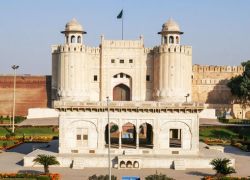
The Lahore Fort, also known as Shahi Qila, is one of the most prominent and historically significant landmarks in Lahore, Pakistan. This grand fortification, located in the heart of Lahore, is a UNESCO World Heritage site and a symbol of Mughal architectural brilliance. With a history spanning over 1,000 years, Lahore Fort has been a witness to numerous dynasties, including the Ghaznavid, Ghurid, and Mughal empires. Its stunning architecture, intricate frescoes, and historical importance make it a must-visit attraction for history enthusiasts and tourists alike. How to Reach Lahore Fort Lahore Fort is located in the Walled City of Lahore, adjacent to Badshahi Mosque and close to other key landmarks such as the Lahore Museum and the Minar-e-Pakistan. The fort is easily accessible by car, taxi, or public transport. It is approximately 25 kilometers from Allama Iqbal International Airport, Lahore, and can be reached within 30-40 minutes by taxi. For those traveling within the city, buses, rickshaws, and ride-hailing services like Uber and Careem are readily available and offer convenient access to the fort. Weather and Best Time to Visit Lahore experiences a hot climate, especially during the summer months (May-August), with temperatures reaching up to 45°C (113°F). The best time to visit Lahore Fort is during the cooler months, from October to March, when the weather is more pleasant for sightseeing and walking around the fort. Winters (December-February) are mild, with temperatures ranging from 7°C to 20°C (45°F to 68°F), making it an ideal time to explore the fort and its surroundings. Opening Hours and Timing Lahore Fort is open to visitors throughout the week, with general visiting hours from 9:00 AM to 6:00 PM. It is recommended to visit the fort during the early hours of the day to avoid the midday heat, especially if you're exploring during the summer months. The fort remains closed on religious holidays and special occasions, so it is advisable to check in advance before planning your visit. Why Lahore Fort is Famous Lahore Fort is famous for its rich history, architectural beauty, and cultural significance. It served as the royal residence of the Mughal emperors and was the center of political and military power in the region. The fort is an excellent example of Mughal military architecture and boasts stunning structures like the Sheesh Mahal (Palace of Mirrors), the Alamgiri Gate, the Diwan-i-Aam (Hall of Public Audience), and the Moti Masjid (Pearl Mosque). The fort’s elaborate frescoes, marble inlays, and intricate tile work highlight the artistic achievements of the Mughal era. Entry and Visit Details The entry to Lahore Fort is ticketed, with separate fees for locals and international tourists. The ticket can be purchased at the entrance gate, which is located near the Alamgiri Gate. Visitors are required to remove their shoes before entering the fort's interior, as a sign of respect for the sacredness of the site. The fort also has a designated area for photography, but the use of professional camera equipment may require special permission. It is advisable to wear comfortable clothing and shoes as the fort grounds are vast and require walking. History and Architecture of Lahore Fort The history of Lahore Fort dates back to the 11th century, but much of the fort’s present structure was built by the Mughal Emperor Akbar in the 16th century. Over time, subsequent Mughal emperors, including Jahangir, Shah Jahan, and Aurangzeb, made several additions and modifications to the fort. The fort’s architecture reflects a mix of Persian, Central Asian, and Mughal styles, with a blend of military functionality and opulent royal residences. The fort is enclosed by massive walls, and its main entrance is through the Alamgiri Gate, built by Emperor Aurangzeb. The Sheesh Mahal (Palace of Mirrors) is one of the most stunning features of the fort, with its intricately designed mirrors and glasswork, reflecting the grandeur of the Mughal court. The Diwan-i-Aam (Hall of Public Audience) and Diwan-i-Khas (Hall of Private Audience) were used by the Mughal emperors to meet with their courtiers and subjects. The fort also contains a number of gardens, fountains, and mosques, further showcasing Mughal architectural finesse. Things to Do at Lahore Fort There are several activities and attractions to enjoy during your visit to Lahore Fort: Explore the Sheesh Mahal: Visit the magnificent Sheesh Mahal, with its intricate glasswork and mirror mosaics, which once served as the private quarters of Mughal royalty. Visit the Alamgiri Gate: Admire the massive Alamgiri Gate, the main entrance to the fort, which is a fine example of Mughal military architecture. Walk through the Gardens: Take a stroll through the beautifully landscaped gardens, which add to the serenity of the fort. Discover the Moti Masjid: Explore the Moti Masjid, a pearl-like mosque that adds to the architectural diversity of the fort. Visit the Museums: Lahore Fort houses a small museum that displays artifacts from the Mughal era, including coins, pottery, and weapons. Facts and Tips About Lahore Fort The fort is a UNESCO World Heritage site and is considered one of the most important examples of Mughal architecture in Pakistan. It has been the subject of several restoration projects, aiming to preserve its architectural integrity and historical significance. Visitors are advised to wear comfortable shoes as there is a lot of walking and climbing involved, particularly if you plan to explore all parts of the fort. If you are visiting during the summer, bring water and wear sunscreen to protect yourself from the heat, as the fort's open courtyards can get quite hot. The fort is a popular spot for photography, but be respectful of other visitors and the historical significance of the site. Check for any special events or festivals that may be held at the fort, as they can enhance your experience. Conclusion Lahore Fort is a historical treasure trove that offers a glimpse into the glory of the Mughal Empire. Its grand architecture, coupled with its rich history, makes it a must-visit destination for anyone interested in the cultural heritage of Pakistan. Whether you're a history lover, an architecture enthusiast, or just someone who appreciates beauty, Lahore Fort promises an unforgettable experience. Don’t miss the opportunity to explore this remarkable piece of history when visiting Lahore.
Explore More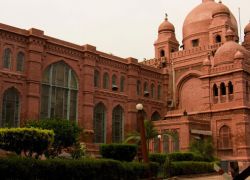
The Lahore Museum is one of the most prominent cultural and historical landmarks in Lahore, Pakistan. Located on the famous Mall Road, this museum offers a vast collection of artifacts, paintings, sculptures, and historical objects that span over several centuries of Pakistan’s history. Established in 1894, the museum is one of the oldest and largest museums in Pakistan and serves as a repository of the country’s rich cultural heritage. It is a must-visit destination for those interested in art, history, archaeology, and the diverse cultural traditions of Pakistan. How to Reach Lahore Museum The Lahore Museum is centrally located on Mall Road, one of the busiest and most well-known streets in the city. It is easily accessible by car, taxi, or public transport from various parts of Lahore. If you're coming from the Allama Iqbal International Airport, the museum is approximately a 30-minute drive away, covering a distance of around 20 kilometers. You can also reach the museum by using local buses, rickshaws, or ride-hailing services like Uber and Careem. The museum is in close proximity to other popular attractions in Lahore, such as the Lahore Fort, Shalimar Gardens, and the Badshahi Mosque, making it convenient to visit multiple sites in one day. Weather and Best Time to Visit Lahore experiences a hot climate, with summer temperatures soaring above 40°C (104°F) from May to August. The best time to visit the Lahore Museum is during the cooler months, from October to March, when the weather is more pleasant and ideal for outdoor exploration. Winters in Lahore (December-February) are mild, with temperatures ranging from 7°C to 20°C (45°F to 68°F). These months offer a comfortable climate for tourists, making it easier to explore the museum and the city. It is best to avoid visiting during the peak summer months due to the extreme heat, which can make walking around the city less enjoyable. Opening Hours and Timing The Lahore Museum is open to visitors every day except on certain national holidays. The general visiting hours are from 9:00 AM to 5:00 PM. It is advisable to visit early in the morning or in the late afternoon, as midday temperatures can be quite high during the summer months. The museum can get crowded on weekends, so visiting during weekdays can provide a more peaceful and immersive experience. Special exhibitions or events may alter the timings, so it’s always a good idea to check the official schedule or call ahead if you plan to visit during public holidays or festivals. Why Lahore Museum is Famous Lahore Museum is famous for its vast and diverse collection of artifacts, which include ancient relics, Buddhist sculptures, Mughal-era paintings, Islamic calligraphy, and historical manuscripts. It is also well known for housing the famous “Mughal Gallery,” showcasing exquisite Mughal-era art and architecture. The museum's collection spans various eras and civilizations, from the pre-Islamic era to modern-day Pakistan. It provides a fascinating journey through the region's cultural and historical development, offering an insight into the rich artistic and intellectual traditions of South Asia. Entry and Visit Details Entry to Lahore Museum is ticketed, with separate rates for local and international visitors. The ticket can be purchased at the entrance, which is located on the front side of the museum building. The museum offers special rates for students, and there are often guided tours available for those who wish to explore the museum with expert commentary. Photography is allowed in most areas of the museum, but the use of flash photography may be restricted, especially near sensitive artifacts or ancient pieces. Visitors should dress modestly and be respectful of the museum’s rules and guidelines during their visit. History and Architecture of Lahore Museum The Lahore Museum was founded in 1894 during the British colonial era and was initially built as the Lahore Central Museum. The museum was designed by the British architect Sir Ganga Ram, who was also involved in the design of several other iconic buildings in Lahore. The building’s architecture blends Victorian and Mughal styles, featuring ornate arches, large windows, and a central dome that stands out against the skyline. The museum's facade is decorated with intricate carvings, while the spacious interior features high ceilings and grand hallways, creating a regal atmosphere. The museum building itself is a work of art, and its unique architecture reflects the colonial influence while incorporating traditional Mughal elements. The museum is laid out in a series of galleries that house the various exhibits, including the Islamic Art Gallery, the Gandhara Gallery, and the Ethnological Gallery, among others. The structure is divided into multiple sections, each dedicated to a different era or category of historical artifacts. Things to Do at Lahore Museum Visitors to Lahore Museum can explore several fascinating galleries and exhibits: Explore the Mughal Art Collection: The museum’s Mughal Gallery showcases a stunning array of Mughal paintings, portraits, and decorative arts, providing a glimpse into the opulence of the Mughal Empire. Visit the Gandhara Gallery: The Gandhara Gallery contains ancient Buddhist sculptures, relics, and artifacts from the Gandhara civilization, one of the most significant cultures in South Asia. Admire Islamic Calligraphy: The Islamic Art Gallery is home to exquisite examples of Islamic calligraphy, showcasing the beauty of Arabic script and its importance in Islamic culture. Discover Pakistan’s Ethnological Heritage: The Ethnological Gallery presents artifacts that depict the traditional life and customs of Pakistan’s various ethnic groups, providing a deeper understanding of the country’s cultural diversity. Attend Special Exhibitions: The museum frequently hosts temporary exhibitions, covering various topics ranging from contemporary art to ancient history, so there’s always something new to discover. Facts and Tips About Lahore Museum The Lahore Museum houses over 40,000 artifacts, including historical objects, paintings, manuscripts, and sculptures. The museum’s Gandhara collection is one of the finest in the world, with many pieces dating back over 2,000 years. The museum also holds an impressive collection of miniature paintings, including works from the Mughal and Sikh periods. Plan to spend at least 2-3 hours to explore the museum, as there is a wealth of history to discover. If you’re interested in specific sections, such as the Gandhara Gallery or the Islamic Art Gallery, consider hiring a guide for a more in-depth experience. During peak tourist seasons, such as holidays or weekends, the museum can get crowded, so visiting during off-peak hours is recommended for a more relaxed experience. Wear comfortable shoes, as you will be walking through several galleries, and be prepared to do some exploring in the museum's expansive halls. Conclusion Lahore Museum is a cultural treasure trove that offers a unique glimpse into Pakistan’s artistic, historical, and cultural heritage. Whether you’re a history enthusiast, art lover, or someone interested in learning about the region’s ancient civilizations, the museum provides an enriching experience. Its diverse collections, stunning architecture, and engaging exhibits make it one of Lahore’s top attractions. A visit to the Lahore Museum is an essential part of any trip to Lahore and an excellent way to discover the richness of South Asia's history and culture.
Explore More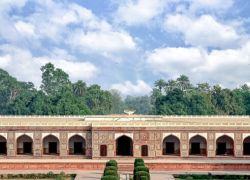
Jahangir's Tomb, located in Lahore, Pakistan, is one of the most iconic and historically significant landmarks in the country. The tomb is the final resting place of Emperor Jahangir, the fourth ruler of the Mughal Empire, and it is considered a masterpiece of Mughal architecture. Situated in the serene and lush landscape of the Shalimar Gardens, the tomb is a blend of Islamic and Persian architectural styles and is renowned for its exquisite design and peaceful surroundings. Built in the 17th century, the tomb remains one of the most visited historical sites in Lahore and offers a glimpse into the grandeur of the Mughal Empire. How to Reach Jahangir's Tomb Jahangir's Tomb is located on the outskirts of Lahore, near the city’s historic Shalimar Gardens, about 10 km from the Lahore Fort and Badshahi Mosque. It is easily accessible by car, taxi, or public transportation. If you are coming from Allama Iqbal International Airport, it takes about 30-40 minutes to reach the tomb by car. The tomb is well-connected by local buses, rickshaws, and ride-hailing services such as Uber and Careem, making it convenient to visit from anywhere in Lahore. The tomb is also close to other famous attractions in Lahore, such as the Shalimar Gardens and the Lahore Museum, so it is easy to include multiple sites in one day’s itinerary. Weather and Best Time to Visit Lahore experiences hot summers, with temperatures often exceeding 40°C (104°F) from May to August. The best time to visit Jahangir’s Tomb is during the cooler months, from October to March, when the weather is more pleasant for sightseeing. Winters (December-February) are mild, with temperatures ranging between 7°C and 20°C (45°F to 68°F), making it the ideal season for outdoor exploration. It is advisable to avoid visiting during the summer months, especially in the midday heat, as it can make walking through the tomb grounds uncomfortable. Opening Hours and Timing Jahangir's Tomb is open to the public daily, with general visiting hours from 9:00 AM to 6:00 PM. It is recommended to visit the tomb in the morning or later in the afternoon to avoid the intense midday sun. The tomb can get crowded during weekends and public holidays, so visiting on weekdays can offer a more peaceful experience. Keep in mind that the tomb may be closed during major religious holidays, so it’s a good idea to check for special closures before planning your visit. Why Jahangir's Tomb is Famous Jahangir’s Tomb is famous not only for its historical significance but also for its stunning Mughal architecture. As the final resting place of Emperor Jahangir, it symbolizes the grandeur and cultural legacy of the Mughal Empire. The tomb is an architectural marvel, blending Persian, Mughal, and Islamic design elements. The layout of the tomb and its surroundings is a perfect example of Mughal garden architecture, with symmetrical paths, water channels, and lush greenery. The tomb itself is adorned with intricate marble work, stone carvings, and floral motifs, making it one of the most beautiful Mughal-era tombs in the region. Entry and Visit Details Entry to Jahangir’s Tomb is ticketed, with a separate fee for international tourists and local visitors. The ticket can be purchased at the entrance, which is located on the main pathway leading to the tomb. Visitors are allowed to explore the tomb and its surrounding gardens, and photography is generally allowed, although the use of flash photography may be restricted in certain areas to preserve the tomb’s delicate features. Visitors are advised to dress modestly and respectfully, as it is a historical and culturally significant site. The site is well-maintained, with a clean and serene environment, making it an enjoyable experience for those who wish to learn about the Mughal heritage. History and Architecture of Jahangir's Tomb Jahangir's Tomb was built in the early 17th century, around 1627, following the death of Emperor Jahangir in Kashmir. His wife, Empress Nur Jahan, played a significant role in commissioning the construction of the tomb. The tomb is located in a large garden, which reflects the Persian-style charbagh (four-fold garden) layout, commonly found in Mughal gardens. The tomb itself is made of red sandstone and marble, with a distinctive central dome and intricate carvings, reflecting the opulence of the Mughal era. The tomb’s architecture is a fine example of Mughal architecture at its peak. The central tomb is surrounded by a four-part garden, with a series of fountains and water channels that enhance the tranquility of the site. The walls of the tomb are adorned with delicate floral patterns and marble inlays, and the tomb's interior houses the graves of Jahangir and his wife, Empress Nur Jahan. The monument is influenced by earlier Mughal tombs, such as the Taj Mahal, with its symmetrical layout and ornamental elements, but it is distinctive in its use of materials and design. Things to Do at Jahangir's Tomb Visitors to Jahangir’s Tomb can enjoy a variety of activities and attractions: Explore the Mughal Garden: Walk through the beautiful garden surrounding the tomb, which is laid out in the traditional Mughal charbagh style. The lush greenery, fountains, and water channels provide a peaceful and serene environment. Admire the Architecture: Take in the intricate architectural details of the tomb, including the marble inlays, stone carvings, and floral motifs that adorn the walls and structures. Visit the Tomb’s Interior: Step inside the tomb and see the ornate grave of Emperor Jahangir and his wife, Empress Nur Jahan. The interior is adorned with detailed carvings and inscriptions in Persian and Arabic. Photography: The tomb and its surroundings provide ample opportunities for photography, especially the beautifully designed garden, fountains, and architectural features. Enjoy the Tranquil Atmosphere: The tomb is a perfect place for quiet reflection or relaxation. The serene environment makes it an ideal spot for those looking to escape the hustle and bustle of the city. Facts and Tips About Jahangir's Tomb The tomb is located in a large, walled garden, which is considered one of the finest examples of Mughal garden architecture in Pakistan. Jahangir’s Tomb was one of the first Mughal-era tombs to use marble extensively, which became a characteristic feature of later Mughal architecture. The tomb is built on a raised platform, which is surrounded by a water channel, further enhancing its beauty and serenity. If visiting in the summer, bring water and sunscreen, as the garden area can get quite hot during midday. There are no food vendors inside the tomb complex, so it’s best to carry water or snacks with you. Although the tomb is well-maintained, it’s still advisable to wear comfortable shoes as the site involves some walking. Visitors can hire a local guide to learn more about the history of Jahangir’s reign and the significance of the tomb and its architectural features. Conclusion Jahangir's Tomb in Lahore is a stunning example of Mughal architecture and serves as a testament to the grandeur of the Mughal Empire. Its serene gardens, intricate marble work, and historical significance make it one of the most important and beautiful sites in Pakistan. Whether you are a history enthusiast, an architecture lover, or simply someone looking for a peaceful spot to relax, Jahangir’s Tomb offers a truly unforgettable experience. A visit to this magnificent tomb is a journey into the heart of Mughal history and culture, providing insights into the life of one of the most celebrated emperors in South Asian history.
Explore More
Lahore Zoo, located in the heart of Lahore, Pakistan, is one of the oldest and most well-known zoological parks in the country. Established in 1872, the zoo is a major attraction for both locals and tourists, offering a unique opportunity to experience a variety of animals, birds, and reptiles in a naturalistic setting. Over the years, the zoo has evolved from a small collection of animals to a larger facility with a diverse array of species, making it an important center for wildlife conservation and education in Pakistan. How to Reach Lahore Zoo Lahore Zoo is centrally located in the city, near the famous Mall Road and close to other notable landmarks such as the Lahore Museum and the Shalimar Gardens. The zoo is easily accessible by car, taxi, or public transportation. If you're traveling from the Allama Iqbal International Airport, it takes approximately 25-30 minutes by car to reach the zoo, covering a distance of about 15 kilometers. The zoo is well-served by local buses, rickshaws, and ride-hailing services like Uber and Careem, making it a convenient destination for visitors from across the city. Weather and Best Time to Visit Lahore experiences a hot and dry climate, especially during the summer months, when temperatures can exceed 40°C (104°F) from May to August. The best time to visit Lahore Zoo is during the cooler months, from October to March, when the weather is more comfortable and ideal for outdoor exploration. Winters (December to February) are mild, with temperatures ranging from 7°C to 20°C (45°F to 68°F), making it a pleasant time to visit the zoo. It’s best to avoid visiting during the peak summer months due to the extreme heat, as walking around the zoo can be uncomfortable. Opening Hours and Timing Lahore Zoo is open daily from 9:00 AM to 5:00 PM. The zoo is a popular family destination, and weekends and public holidays tend to be busier, with more local visitors coming to enjoy the park. To avoid the crowds and the heat, it is recommended to visit in the morning or later in the afternoon. During the summer months, the zoo may remain open for extended hours, especially in the evenings, when the temperatures are cooler. Check with the zoo's administration for any changes in timings during national holidays or festivals. Why Lahore Zoo is Famous Lahore Zoo is famous for being one of the oldest zoos in Pakistan, with a rich history that spans over 150 years. Originally established to house a small collection of animals, the zoo has grown significantly and now features a wide variety of species, including tigers, lions, elephants, zebras, monkeys, and many others. The zoo is not only an important recreational space but also plays a key role in wildlife conservation and education. It is one of the main attractions for families and school groups, providing an opportunity to learn about animal behavior, wildlife protection, and environmental sustainability. Entry and Visit Details Entry to Lahore Zoo is ticketed, with separate rates for local and international visitors. The ticket can be purchased at the entrance, which is located near the main gate. Entry fees are generally affordable, making it accessible for most visitors. The zoo also offers discounted rates for children, students, and senior citizens. The zoo is well-maintained, with clean pathways, designated animal enclosures, and shaded areas for visitors to relax. The zoo also provides ample parking space for visitors who choose to drive to the park. History and Architecture of Lahore Zoo Founded in 1872, Lahore Zoo is one of the oldest zoos in South Asia. Initially, it was a small zoological park with a collection of animals brought from various parts of India and beyond. The zoo’s early years were characterized by limited resources and a small variety of species. Over the years, however, the zoo expanded and modernized, adding new enclosures and facilities for both animals and visitors. The architecture of Lahore Zoo reflects a combination of traditional Mughal and modern styles. The main entrance to the zoo is grand, featuring Mughal-style arches and decorative elements. The zoo is spread across a large area, with different sections dedicated to various species, including a dedicated area for birds, reptiles, and large mammals like elephants and lions. The enclosures are designed to mimic natural habitats, with lush greenery, water bodies, and climbing structures for the animals. Things to Do at Lahore Zoo Visitors to Lahore Zoo can enjoy a variety of activities, from viewing the diverse collection of animals to learning about wildlife conservation: Explore Animal Exhibits: Walk through the zoo and see animals from all over the world, including tigers, lions, elephants, zebras, and various species of birds. The zoo is divided into sections that house different types of animals, including a dedicated area for reptiles and aquatic life. Visit the Birds Aviary: One of the highlights of Lahore Zoo is its extensive collection of birds, including peacocks, parrots, and other exotic species. The bird aviary is home to many colorful and rare birds that visitors can admire up close. Take a Ride on the Train: The zoo offers a fun and convenient way to explore the park with a small train ride that takes visitors on a tour around the zoo’s most popular sections. Enjoy the Picnic Areas: The zoo has several designated picnic areas where families can relax, enjoy snacks, and spend time together amidst the greenery. Educational Programs: The zoo also offers educational programs and demonstrations, especially for school groups, where visitors can learn about animal care, conservation, and environmental issues. Facts and Tips About Lahore Zoo Lahore Zoo is home to over 200 species of animals, birds, and reptiles, including rare and endangered species such as Bengal tigers, African lions, and white peacocks. The zoo is involved in wildlife conservation efforts and has taken part in breeding programs for endangered species. Be sure to wear comfortable shoes and sunscreen, as the zoo covers a large area and involves walking outdoors, especially in the summer months. Visitors should bring water to stay hydrated during their visit, especially in the summer heat. There are a few food stalls and snack shops inside the zoo, but you may also want to bring your own food for picnics or snacks. The zoo can get crowded during public holidays and weekends, so visiting during weekdays or in the morning is recommended for a more peaceful experience. Photography is allowed throughout the zoo, but be mindful of the animals and avoid disturbing them while taking pictures. Conclusion Lahore Zoo is a historical and cultural treasure that offers a unique opportunity to connect with wildlife and experience the beauty of nature in the heart of Lahore. Whether you are a local resident, a tourist, or a family looking for a fun day out, Lahore Zoo provides an educational and enjoyable experience for people of all ages. With its wide variety of animal exhibits, beautiful gardens, and engaging activities, Lahore Zoo remains one of the top attractions in the city. A visit to the zoo is a must for anyone interested in wildlife, conservation, and enjoying a day outdoors.
Explore More
Minar-e-Pakistan is one of the most iconic national monuments in Pakistan, located in Lahore’s Iqbal Park. This towering structure symbolizes the struggle and aspirations of the people of Pakistan during the independence movement. The monument was built to commemorate the Lahore Resolution of 1940, which called for the creation of an independent Muslim state in South Asia. Completed in 1968, Minar-e-Pakistan stands as a testament to Pakistan’s founding principles and has become a symbol of national pride and unity. How to Reach Minar-e-Pakistan Minar-e-Pakistan is located in the heart of Lahore, in Iqbal Park, near the Badshahi Mosque and Lahore Fort. The monument is easily accessible by car, taxi, rickshaw, or public transportation. If you are traveling from the Allama Iqbal International Airport, it takes around 30 minutes to reach Minar-e-Pakistan by car, covering a distance of approximately 20 kilometers. The site is also well-connected by local buses, and ride-hailing services like Uber and Careem are readily available. Being situated in a central location, it is a short distance from other significant landmarks in Lahore, making it convenient for tourists to visit multiple attractions in one day. Weather and Best Time to Visit Lahore has a hot climate, particularly during the summer months (May to August), with temperatures often exceeding 40°C (104°F). The best time to visit Minar-e-Pakistan is during the cooler months, from October to March, when the weather is more comfortable for sightseeing. Winter temperatures in Lahore range from 7°C to 20°C (45°F to 68°F), making it ideal for outdoor exploration. To avoid the heat, it’s advisable to visit early in the morning or later in the afternoon. Avoid visiting during peak summer, as the weather can be scorching, and walking around outdoors may become uncomfortable. Opening Hours and Timing Minar-e-Pakistan is open to visitors daily from 9:00 AM to 9:00 PM. The best times to visit are early in the morning or in the evening when the weather is cooler and the area is less crowded. The monument can get busy on weekends and national holidays, so it is recommended to visit during weekdays for a more peaceful experience. While the monument itself is open throughout the day, you may want to visit in the evening to witness the stunning view of Minar-e-Pakistan illuminated at night. Why Minar-e-Pakistan is Famous Minar-e-Pakistan is famous for its historical significance as the site where the Lahore Resolution was passed on March 23, 1940. This resolution was a pivotal moment in Pakistan’s history, as it called for a separate nation for Muslims in British India, which eventually led to the creation of Pakistan in 1947. The monument stands as a symbol of the aspirations and sacrifices made by the Muslim community in South Asia for independence. Today, it serves as a reminder of Pakistan’s struggle for freedom and is a key site for national celebrations, particularly on Pakistan Day (March 23rd), when the country celebrates its independence movement. Entry and Visit Details The entry to Minar-e-Pakistan is free, making it an accessible attraction for both locals and tourists. Visitors are welcome to explore the surroundings of the monument, enjoy the spacious lawns, and take in the impressive views of the monument and Iqbal Park. However, if you wish to enter the platform at the base of the Minar, there may be a small fee (subject to change). Visitors can enjoy walking around the park and learn about the historical significance of the monument through informational boards and exhibits on the premises. There are no major restrictions, but visitors are advised to respect the cultural and historical importance of the site. History and Architecture of Minar-e-Pakistan Minar-e-Pakistan was designed by architect Nasreddin Murat-Khan and was completed in 1968. It stands 70 meters (230 feet) tall, making it one of the tallest structures in Lahore. The design of the monument is a blend of traditional Mughal and modern architectural styles. The base of the tower features a large marble platform, which has four distinct petals, representing the four provinces of Pakistan. The shaft of the tower has a cylindrical shape, topped with a beautiful flower-shaped structure, which symbolizes the blossoming of the Muslim community's dreams of a separate homeland. The monument is constructed using a combination of white marble, granite, and red sandstone, with intricate carvings and motifs reflecting Islamic art and the Mughal architectural legacy. The entire design of the monument is symbolic; the 17 petal-shaped stones at the base represent the provinces, and the soaring pillar signifies the aspirations of the Muslim community in South Asia for self-determination. The towering structure is visible from many parts of Lahore, making it a prominent feature of the city's skyline. Things to Do at Minar-e-Pakistan Visiting Minar-e-Pakistan offers a variety of activities for both history enthusiasts and casual visitors: Explore the Monument: Walk around the monument and enjoy the architectural beauty and the symbolic significance of the structure. Visit the base of the Minar, where you can learn about the historical context of the Lahore Resolution and the creation of Pakistan. Picnic at Iqbal Park: Minar-e-Pakistan is situated in the vast and beautiful Iqbal Park. Visitors can enjoy a relaxing picnic in the park's lush green spaces or take a leisurely stroll along its pathways. Photography: The monument and its surroundings offer great opportunities for photography, especially in the early morning or during the golden hour in the evening. Capture the beauty of the monument with the backdrop of the park and the city. National Celebrations: If you visit on March 23rd (Pakistan Day), you can experience the national celebrations held at the monument, including flag-hoisting ceremonies, parades, and other patriotic events. Enjoy the View: Climb to the platform at the base of the monument for a panoramic view of Lahore, including Iqbal Park, the Badshahi Mosque, and the Lahore Fort. Facts and Tips About Minar-e-Pakistan The monument is located within Iqbal Park, one of the largest urban parks in Pakistan, which is a great place to relax and enjoy nature. Minar-e-Pakistan was designed to reflect the aspirations of the Muslims of South Asia for independence, and it holds deep cultural and historical significance for Pakistanis. During the Pakistan Day celebrations (March 23), the monument becomes the center of national pride, with various events taking place around it. Wear comfortable shoes, as the area around the monument is large and involves walking around the park and climbing the steps to the platform. There are no food vendors directly at Minar-e-Pakistan, but there are food stalls and restaurants in nearby areas where you can enjoy local Pakistani cuisine. It is recommended to visit the monument in the early morning or evening to avoid the intense midday sun, especially during the summer months. Respect the historical significance of the monument and avoid loud behavior, as it is a national symbol of Pakistan’s independence movement. Conclusion Minar-e-Pakistan stands as a proud symbol of Pakistan’s journey to independence and the vision of its founding leaders. Its stunning architecture, historical significance, and central location make it a must-visit landmark in Lahore. Whether you're a history lover, a photographer, or simply looking to appreciate a beautiful monument, Minar-e-Pakistan offers a meaningful and enriching experience. A visit to this monumental site allows visitors to reflect on the sacrifices made for the creation of Pakistan and to celebrate the country's achievements. Don’t miss the opportunity to experience one of Lahore’s most treasured landmarks!
Explore More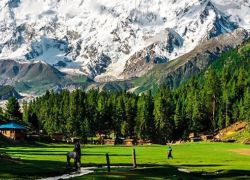
Nanga Parbat, known as the "Killer Mountain," is the ninth-highest peak in the world, towering at 8,126 meters (26,660 feet) above sea level. Located in the Gilgit-Baltistan region of Pakistan, it is part of the Himalayan mountain range. The Nanga Parbat Viewpoint in Chilas offers one of the most breathtaking panoramic views of the mountain, making it a must-visit destination for trekkers, climbers, and nature enthusiasts. The viewpoint is situated along the famous Karakoram Highway, providing visitors with an opportunity to experience the beauty of this majestic peak while on their journey through northern Pakistan. How to Reach Nanga Parbat Viewpoint To reach the Nanga Parbat Viewpoint, travelers typically drive along the Karakoram Highway, one of the most scenic and adventurous roads in the world. Chilas, located in the Diamer District, serves as the gateway to Nanga Parbat. From Islamabad, the capital of Pakistan, it takes approximately 12 to 14 hours by car to reach Chilas, covering a distance of around 500 kilometers. The road is well-maintained, though some parts of the journey pass through mountainous terrain, so travelers should be prepared for a winding, picturesque drive. From Chilas, the Nanga Parbat Viewpoint is easily accessible by road. The viewpoint is located a short distance from the main highway, making it convenient for visitors to stop and admire the stunning views of Nanga Parbat. For those traveling via public transport, buses and private jeeps can be hired from Chilas to reach the viewpoint. However, it is advisable to arrange for a local guide or driver to ensure a safe and smooth journey, especially if you're unfamiliar with the terrain. Weather and Best Time to Visit The weather in Chilas and around the Nanga Parbat Viewpoint is generally cool, with distinct seasons throughout the year. Summers (May to September) are the best time to visit, with temperatures ranging from 15°C to 30°C (59°F to 86°F). During the summer months, the weather is mild and pleasant, making it ideal for sightseeing and photography. Winter months (November to February) can be harsh, with temperatures dropping below freezing, making it difficult to access the viewpoint due to snow and icy conditions. However, the winter landscape offers a different charm, with snow-capped peaks and a serene atmosphere. The fall and spring months (October and April) are also pleasant for visiting, though the weather may be more unpredictable. Opening Hours and Timing The Nanga Parbat Viewpoint is open year-round to visitors, with no specific opening hours. However, it is recommended to visit the viewpoint during daylight hours to ensure the best views and safety. The best time to visit is in the early morning or late afternoon when the light creates dramatic shadows on the mountains, making for incredible photographs. During the summer months, the viewpoint can get busy with trekkers and climbers, especially in the afternoon, so visiting early in the day is ideal for a peaceful experience. Why Nanga Parbat Viewpoint is Famous Nanga Parbat is known for its challenging ascent and tragic history. It is one of the most dangerous mountains to climb due to its steep slopes, unpredictable weather, and high-altitude conditions. The mountain earned its nickname, "Killer Mountain," due to the high number of climbers who lost their lives while attempting to summit it. The Nanga Parbat Viewpoint, located at the base of the mountain, offers visitors a safe and awe-inspiring view of this majestic peak, without the risks associated with mountaineering. The viewpoint has become famous not only for its stunning vistas but also for its cultural significance. Nanga Parbat holds a special place in the hearts of mountaineers and adventure seekers worldwide, and its view is considered one of the most spectacular mountain landscapes in the world. The viewpoint provides a perfect backdrop for photography, as the mountain’s snow-capped peaks and rugged terrain contrast beautifully with the surrounding valleys and rivers. Entry and Visit Details Visiting the Nanga Parbat Viewpoint is free of charge. There are no official entry fees or strict regulations for visitors. However, travelers should respect the natural environment and cultural norms of the local communities. It is also advisable to check with local authorities for any travel advisories or road conditions before embarking on the journey, especially during the winter months when access to the viewpoint may be restricted due to heavy snow. History and Architecture of Nanga Parbat Viewpoint The Nanga Parbat Viewpoint does not have a specific historical building or architectural site. Instead, it is a natural viewpoint offering an unparalleled panoramic view of the Nanga Parbat massif. The mountain itself has a rich history, with numerous attempts to reach its summit dating back to the early 20th century. The first successful ascent was made by Hermann Buhl in 1953, marking a significant achievement in the history of mountaineering. Although the viewpoint itself is simple and natural, the surrounding landscape is rich in history and culture. The region has long been inhabited by various ethnic groups, including the Baltis and Shins, who have their own unique traditions and histories. The viewpoint provides not only a view of Nanga Parbat but also a glimpse into the lifestyle of the people living in the nearby valleys. Things to Do at Nanga Parbat Viewpoint While the Nanga Parbat Viewpoint is primarily a destination for mountain viewing and photography, there are several activities that visitors can enjoy: Photography: The viewpoint offers incredible opportunities for landscape photography, especially at sunrise and sunset when the light is perfect for capturing the majestic beauty of Nanga Parbat. Hiking: For those who enjoy trekking, there are several hiking routes around the viewpoint that lead to other scenic spots in the surrounding valleys. These trails allow visitors to experience the local flora and fauna up close. Visit Local Villages: Chilas is home to a number of local villages, where visitors can interact with the indigenous people and learn about their culture and traditions. These villages offer a peaceful and authentic experience of rural life in northern Pakistan. Climbing Expeditions: For seasoned climbers, Nanga Parbat itself offers one of the most challenging climbs in the world. Although the viewpoint does not require climbing, many mountaineers use it as a base camp before beginning their ascent of the mountain. Facts and Tips About Nanga Parbat Viewpoint Nanga Parbat is one of the most dangerous mountains in the world to climb, with a high fatality rate among climbers. The best time to visit is during the summer months (May to September), as the weather is more predictable and the roads are easily accessible. Bring warm clothing, especially if visiting in the early morning or late evening, as temperatures can drop quickly in the mountains. The region is remote, so it’s advisable to carry essential supplies such as water, snacks, and a first-aid kit. Respect local customs and traditions, as the area is home to indigenous communities with their own cultural practices. There are no major amenities at the viewpoint, so plan accordingly for food and shelter before embarking on your journey. Conclusion The Nanga Parbat Viewpoint in Chilas offers one of the most breathtaking views of the world’s ninth-highest mountain. Whether you’re an avid mountaineer, a photography enthusiast, or simply someone who appreciates the beauty of nature, the viewpoint provides an unforgettable experience. Surrounded by the majestic peaks of the Himalayas and the vast, rugged terrain of northern Pakistan, Nanga Parbat Viewpoint is a destination that should not be missed. With its stunning vistas, rich history, and peaceful atmosphere, it is a true gem for travelers seeking adventure and natural beauty.
Explore MoreSwitzerland and Paris
9 Days/ 8 Night
Lucerne - Interlaken - Zanzibar - Islamabad - Besham Qila - Dhaka - Mongla
Europe Tour Package
12 Days/ 11 Night
Paris - Brussels - Amsterdam - Interlaken - Lucerne - Zanzibar - Islamabad
Dubai Delight Tour
5 Days/ 4 Night
Abu Dhabi - Baltistan
Explore Dubai 7n/8d Tour
8 Days/ 7 Night
Dubai - Abu Dhabi - Baltistan - Skardu - Askole
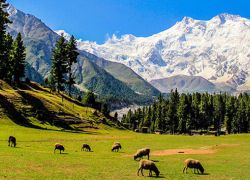
Fairy Meadows is one of the most beautiful and tranquil spots in northern Pakistan, located near the base of Nanga Parbat, the ninth-highest mountain in the world. It is a popular tourist destination for those seeking a peaceful escape into nature, offering mesmerizing views of snow-capped mountains, lush green meadows, and crystal-clear lakes. The area is named "Fairy Meadows" because of its surreal beauty, which seems like something out of a fairy tale. It is a perfect spot for adventure enthusiasts, nature lovers, and photographers looking to capture the stunning landscapes of the Gilgit-Baltistan region. How to Reach Fairy Meadows Fairy Meadows is located about 16 kilometers (10 miles) from the small town of Raikot Bridge, which lies on the Karakoram Highway. To reach Fairy Meadows, travelers first need to make their way to the town of Chilas, which is the closest major town. From Islamabad, it takes around 10-12 hours by road to reach Chilas, covering a distance of approximately 500 kilometers. Once in Chilas, visitors need to drive to the Raikot Bridge, where they can hire a jeep to take them on a bumpy ride up to the base of Fairy Meadows. The jeep ride is famous for its rugged terrain and offers a thrilling experience as it climbs up the mountain slopes, giving travelers a glimpse of the spectacular scenery. The road from Raikot Bridge to Fairy Meadows is not accessible by regular vehicles, so the jeep ride is the only way to reach the area. Weather and Best Time to Visit The weather in Fairy Meadows is cool and temperate, with crisp mountain air and stunning views throughout the year. The best time to visit Fairy Meadows is during the summer months, from May to September, when the weather is most pleasant, and the meadows are lush and green. During this period, temperatures range from 10°C to 25°C (50°F to 77°F), making it ideal for outdoor activities such as hiking, camping, and photography. Winter months (November to March) are harsh and cold, with heavy snowfall making the area inaccessible. The roads leading to Fairy Meadows become blocked by snow, and the temperatures can drop well below freezing. Therefore, it is not recommended to visit during the winter, as the region becomes isolated and difficult to navigate. Early spring and autumn (April and October) also offer a quieter experience but come with cooler temperatures and fewer visitors. Opening Hours and Timing Fairy Meadows is a natural destination, and there are no official opening hours or entry restrictions. However, since the area is remote and the road leading to it can be treacherous, it is recommended to visit during daylight hours. The best time to explore is in the morning when the weather is calm, and the surrounding peaks are illuminated by the first rays of the sun, creating a picturesque scene. It is also advisable to leave the area before sunset due to the rough road conditions and limited visibility once it gets dark. Why Fairy Meadows is Famous Fairy Meadows is famous for its stunning and surreal natural beauty, offering breathtaking views of Nanga Parbat, one of the most challenging and dangerous mountains to climb in the world. The meadow’s vibrant green grass, framed by snow-capped peaks and a sparkling river, has earned it the title of one of the most beautiful places in Pakistan and the world. It has become a popular destination for trekkers, mountaineers, and nature lovers who come to admire its tranquil beauty and take in the majestic views of Nanga Parbat. The area is also famous for its unique camping experiences, with several campsites and wooden huts available for visitors to stay in. These accommodations provide an authentic experience, allowing visitors to enjoy the natural surroundings while staying close to nature. The picturesque meadows and the serenity of the area make it a photographer’s paradise, with the opportunity to capture spectacular shots of the mountain, meadows, and wildflowers. Entry and Visit Details Visiting Fairy Meadows is free of charge, and there are no specific entry requirements. However, the jeep ride from Raikot Bridge to the meadows can be expensive, and it is recommended to hire a local guide or driver who is familiar with the terrain. Accommodation options at Fairy Meadows include tents and wooden cottages, with rates varying depending on the season and type of stay. During the peak summer months, it is advisable to book in advance as the area can become quite busy with tourists. History and Architecture of Fairy Meadows Fairy Meadows does not have a significant historical structure or architectural site, as it is primarily known for its natural beauty. However, the area holds cultural importance for the local communities, particularly the indigenous Baltis, who have lived in the region for centuries. The Baltis have a rich history and are known for their unique culture, language, and traditions. The area around Fairy Meadows is a key part of their heritage, and visitors can interact with the local population to learn about their customs and lifestyle. The region is also famous for its connection to mountaineering history. Nanga Parbat, which looms over the meadows, has been a prominent destination for climbers for decades. The mountain is known for its treacherous terrain and tragic history, as many climbers have lost their lives attempting to summit it. Fairy Meadows provides a vantage point for climbers and adventurers who are looking to explore the base camp of Nanga Parbat before attempting an ascent. Things to Do at Fairy Meadows Fairy Meadows offers a wide range of activities for visitors to enjoy, from outdoor adventures to simply relaxing in nature. Some of the top things to do include: Photography: Capture stunning photographs of the pristine meadows, Nanga Parbat, and the surrounding valleys. The area is a photographer's paradise, with its ever-changing light and dramatic mountain landscapes. Hiking and Trekking: Fairy Meadows offers several trekking routes, including trails that lead to Nanga Parbat Base Camp. These treks provide an opportunity to experience the rugged beauty of the region up close and get a closer view of Nanga Parbat. Camping: Spend the night under the stars in one of the many campsites or huts at Fairy Meadows. Camping is a popular activity, allowing visitors to immerse themselves in the serene surroundings. Wildlife Watching: The area is home to a variety of wildlife, including Himalayan ibex, brown bears, and various species of birds. Wildlife enthusiasts can explore the area in search of these animals and enjoy birdwatching. Relaxing and Nature Walks: For those who prefer a more leisurely pace, Fairy Meadows offers plenty of opportunities for nature walks and relaxation. Visitors can simply enjoy the peace and quiet of the meadows and take in the fresh mountain air. Facts and Tips About Fairy Meadows The jeep ride from Raikot Bridge to Fairy Meadows is famous for its thrilling and sometimes nerve-wracking terrain. Be prepared for a bumpy ride! Fairy Meadows is known for its serene environment, but it is also remote and lacks many modern amenities. It's important to bring essentials such as water, snacks, and a first-aid kit. The area has limited mobile network coverage, so it’s best to disconnect and enjoy the natural beauty without distractions. Respect the local culture and environment. Leave no trace and avoid disturbing the wildlife. Pack warm clothing even during summer, as temperatures can drop significantly, especially at night. Check road conditions before traveling, especially in the early spring or late fall, as the area can be inaccessible due to snow or landslides. Conclusion Fairy Meadows in Chilas, Pakistan, offers one of the most beautiful and serene natural experiences in the world. Whether you are an adventure seeker, a nature lover, or someone looking to disconnect from the hustle and bustle of daily life, Fairy Meadows provides the perfect escape. With its breathtaking views of Nanga Parbat, lush meadows, and tranquil surroundings, Fairy Meadows is a must-visit destination for anyone traveling to northern Pakistan. Its untouched beauty, coupled with the opportunity for adventure and relaxation, makes it a place you’ll never forget.
Explore More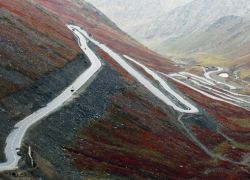
Babusar Pass is a high-altitude mountain pass located in the northern region of Pakistan, specifically in the Chilas area of Gilgit-Baltistan. Situated at an elevation of 4,173 meters (13,691 feet) above sea level, it is one of the highest points accessible by road in Pakistan. Babusar Pass connects the Kaghan Valley with the rest of Gilgit-Baltistan, offering stunning panoramic views of the surrounding mountain ranges, including the mighty Nanga Parbat. Known for its natural beauty, the pass is a popular destination for adventure enthusiasts, trekkers, and nature lovers looking to explore Pakistan’s northern wilderness. How to Reach Babusar Pass Reaching Babusar Pass requires traveling from Islamabad to the northern areas of Pakistan. The most common route is through the Kaghan Valley. Visitors can take a bus, private car, or jeep from Islamabad to reach the town of Naran in the Kaghan Valley. From Naran, the journey to Babusar Pass is a thrilling and scenic drive through winding, narrow roads, covered with lush green meadows, crystal-clear rivers, and towering peaks. The road leading to Babusar Pass is typically open from June to September, with the best time to visit being during the summer months when the weather is more favorable. Once in Naran, visitors will need to hire a local jeep or take a private vehicle to continue the journey up to Babusar Pass. The road leading to the pass is not suitable for regular vehicles, so 4x4 jeeps are required. The road is rugged and can be challenging due to its steep gradients and narrow lanes, especially as you approach the pass. However, the drive is extremely rewarding, as visitors are treated to spectacular views of the surrounding mountains and valleys along the way. Weather and Best Time to Visit The weather at Babusar Pass varies greatly depending on the season. During the summer months (June to September), the weather is relatively mild, with daytime temperatures ranging between 10°C to 20°C (50°F to 68°F). Nights can be chilly, with temperatures often dropping below 10°C (50°F), especially at higher altitudes. The best time to visit is from June to early September, as the pass is accessible, and the weather is more stable, offering clear skies and ideal conditions for sightseeing and photography. During the winter months (October to May), Babusar Pass becomes inaccessible due to heavy snowfall and road blockages. The temperature during winter can plummet well below freezing, and the area remains closed off from the rest of the country due to the harsh conditions. Therefore, it is important to plan your visit during the summer months when the pass is open and the weather is more favorable. Opening Hours and Timing Babusar Pass is open year-round, but the road to the pass is only accessible from late spring to early autumn, generally from June to September. During this time, the weather conditions are stable enough for safe travel. There are no official opening hours for the pass, as it is a natural site, but it is advisable to visit during daylight hours to ensure safety, as the roads can be treacherous, especially in the evening. Visitors should plan to arrive early to fully enjoy the stunning views and take in the beauty of the area before dark. Why Babusar Pass is Famous Babusar Pass is famous for its breathtaking natural beauty and strategic location, which connects the Kaghan Valley to Gilgit-Baltistan. The pass offers spectacular views of the surrounding peaks, including Nanga Parbat, one of the highest mountains in the world. The vast plains and meadows at the top of the pass are surrounded by towering mountains, making it an ideal spot for photography and nature walks. Beyond its scenic beauty, Babusar Pass is also known for its significance as a key route for travelers heading into the remote northern regions of Pakistan. The pass provides access to some of the most famous trekking destinations, such as the Fairy Meadows and Nanga Parbat Base Camp. It is also a popular stop for road trips and adventure tours, offering a unique glimpse into the natural wilderness of northern Pakistan. Entry and Visit Details There is no formal entry fee to visit Babusar Pass, but visitors should be prepared for the cost of transportation. Since the roads leading to the pass are rugged and inaccessible to regular vehicles, hiring a jeep or renting a 4x4 vehicle is essential. Local jeep drivers in Naran and other nearby towns can be hired for the journey, and it is recommended to negotiate the price beforehand. While there are no formal accommodations at Babusar Pass itself, visitors can find plenty of options in nearby towns like Naran. These towns offer a range of guesthouses, hotels, and camping sites where visitors can stay before or after their visit to the pass. Camping at the pass is also a popular activity for those who enjoy the outdoors and want to spend the night surrounded by the stunning mountain scenery. History and Architecture of Babusar Pass Babusar Pass does not have significant historical landmarks or architectural structures, as its fame comes primarily from its natural beauty and geographic importance. However, the pass holds cultural significance for the people of the Kaghan Valley and Gilgit-Baltistan. The region has been historically inhabited by various ethnic groups, including the Kohistanis and Baltis, who have lived in these rugged mountainous areas for centuries. The pass itself has long been an important trade and travel route, connecting the remote northern regions to the rest of the country. Throughout history, it has served as a vital link between the highlands of Gilgit-Baltistan and the more accessible areas of Pakistan, facilitating trade and cultural exchange. Today, the pass continues to be a key route for travelers and trekkers heading towards some of the most famous natural landmarks in Pakistan. Things to Do at Babusar Pass Babusar Pass offers several activities for visitors to enjoy, including outdoor adventures and cultural exploration. Some of the top things to do include: Photography: Babusar Pass is one of the most picturesque destinations in northern Pakistan. The panoramic views of Nanga Parbat, the lush meadows, and the towering peaks make it a perfect spot for landscape photography. Nature Walks: The pass is a great place to enjoy a peaceful walk and immerse yourself in nature. Visitors can explore the vast meadows, enjoy the cool mountain air, and take in the tranquil surroundings. Wildlife Watching: The area around Babusar Pass is home to a variety of wildlife, including marmots, ibex, and several species of birds. Wildlife enthusiasts can enjoy watching these animals in their natural habitat. Camping: For those who enjoy camping, Babusar Pass offers a serene environment to spend the night under the stars. Camping near the pass provides an opportunity to experience the beauty of the region in complete solitude. Road Trip and Adventure Travel: Many travelers visit Babusar Pass as part of a road trip to explore the northern regions of Pakistan. The journey to the pass is an adventure in itself, with winding mountain roads and spectacular scenery. Facts and Tips About Babusar Pass The road to Babusar Pass is only open from June to September due to heavy snowfall during the winter months. Visitors should be prepared for high-altitude conditions, as the pass is located at over 4,000 meters (13,691 feet). It’s important to acclimatize to the altitude before embarking on the journey to avoid altitude sickness. The weather at Babusar Pass can change rapidly, so it’s advisable to carry warm clothing, especially if visiting in the early morning or late afternoon. It’s recommended to hire a local guide or driver familiar with the area to ensure a safe and smooth journey to the pass. Camping at Babusar Pass is a great way to experience the natural beauty of the region, but visitors should come prepared with proper camping gear and equipment. Conclusion Babusar Pass is one of the most beautiful and accessible high-altitude passes in Pakistan, offering stunning views of the surrounding mountains and valleys. Whether you're a nature lover, photographer, or adventure enthusiast, Babusar Pass provides an unforgettable experience. The journey to the pass is
Explore More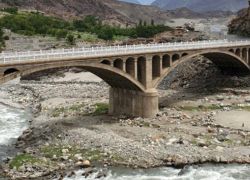
Raikot Bridge is a historic and strategically significant bridge located near Chilas, a town in the Gilgit-Baltistan region of Pakistan. The bridge spans the mighty Indus River and serves as a key access point for those heading towards Nanga Parbat, the world’s ninth-highest mountain. Situated at the base of the Nanga Parbat massif, the Raikot Bridge is a popular starting point for trekkers and adventurers heading towards Fairy Meadows and the Nanga Parbat Base Camp. Its stunning location and the views it offers make it a must-visit spot for travelers exploring the northern regions of Pakistan. How to Reach Raikot Bridge Raikot Bridge is located approximately 28 kilometers from Chilas, a town situated on the famous Karakoram Highway (KKH), one of the most scenic and historic highways in the world. To reach Raikot Bridge, travelers generally begin their journey from Islamabad, the capital of Pakistan, which is about 500 kilometers away. The most common way to reach Chilas is by road, either by taking a bus or hiring a private vehicle. The journey from Islamabad to Chilas typically takes around 10-12 hours by road, depending on road conditions and the weather. Once in Chilas, visitors can take a local jeep or hire a 4x4 vehicle to reach the Raikot Bridge, which is a short drive from the town. The road to the bridge is well-maintained but can be rough and narrow in certain sections, so a 4x4 vehicle is recommended for the journey. The bridge is situated at the foot of Nanga Parbat, and from there, travelers can begin their trek towards Fairy Meadows, which is one of the most popular trekking destinations in the region. Weather and Best Time to Visit The weather at Raikot Bridge varies depending on the time of year. The best time to visit is during the summer months (May to September), when the weather is more stable and accessible. During these months, the temperature in the region ranges from 15°C to 25°C (59°F to 77°F), making it ideal for outdoor activities, trekking, and photography. The months of June to August are particularly popular among trekkers and adventure tourists because of the warmer temperatures and clear skies. In contrast, the winter months (November to February) bring cold temperatures and heavy snowfall to the region, making travel difficult and the roads potentially impassable. The area around Raikot Bridge is often covered in snow during winter, which blocks access to the Nanga Parbat Base Camp and other trekking routes. Therefore, the ideal time for a visit to Raikot Bridge is between late spring and early autumn, when the roads are open and the weather is more conducive to outdoor activities. Opening Hours and Timing Raikot Bridge is a natural landmark rather than a formal tourist attraction, so there are no official opening hours or entry restrictions. However, visitors are advised to explore the bridge and surrounding area during daylight hours to ensure safety. The roads to Raikot Bridge are open year-round, but as mentioned earlier, the best time to visit is during the summer months, from May to September, when the weather is most favorable and the area is accessible. Why Raikot Bridge is Famous Raikot Bridge is famous for its strategic location and historical significance. It serves as the main access point to the Nanga Parbat Base Camp and Fairy Meadows, making it a key stop for trekkers and mountaineers heading towards one of the most challenging peaks in the world. The bridge spans the mighty Indus River, offering spectacular views of the river’s rugged banks and the surrounding mountains, including the iconic Nanga Parbat. The bridge itself is also famous for its role in connecting remote regions of Gilgit-Baltistan to the rest of Pakistan. As the gateway to the Nanga Parbat region, it has long been a crucial point for adventurers, mountaineers, and explorers. Its location at the base of Nanga Parbat, the “Killer Mountain,” adds to its allure, as visitors can catch their first glimpses of the towering peak while standing on the bridge. The beauty and accessibility of the area make it a favorite spot for nature lovers, photographers, and trekkers. Entry and Visit Details There is no formal entry fee to visit Raikot Bridge, as it is a natural landmark located in a remote area. However, visitors are required to pay for transportation costs, particularly the jeep ride from Chilas to the bridge. Jeeps or 4x4 vehicles can be rented in Chilas or Naran, and prices may vary depending on the vehicle type and the number of passengers. If you are planning to trek from Raikot Bridge to Fairy Meadows or Nanga Parbat Base Camp, it is advisable to hire a local guide who is familiar with the terrain. Guides can help ensure a safe journey, as the trek involves rugged paths and challenging mountain terrain. Camping is a popular activity in the area, particularly for those who want to stay near the base of Nanga Parbat. There are several campsites around Fairy Meadows that provide basic accommodations, including tents and campfires. History and Architecture of Raikot Bridge The Raikot Bridge itself is not known for any specific architectural grandeur but rather for its historical importance and the engineering feat it represents in this remote and rugged region. The bridge was constructed to provide access to the area around Nanga Parbat and to facilitate the movement of people and goods through the mountainous terrain. It has since become a symbol of the connection between the inaccessible highlands of Gilgit-Baltistan and the more populous areas of Pakistan. Raikot Bridge serves as a vital link for trekkers and climbers heading towards the Nanga Parbat Base Camp, where many famous mountaineering expeditions have taken place. Its location at the foot of Nanga Parbat, one of the most dangerous and challenging peaks to climb, adds to the bridge's fame and historical significance. The surrounding region has been home to various cultures and ethnic groups, including the Shins and Baltis, whose traditions and way of life are deeply intertwined with the mountain and its surroundings. Things to Do Around Raikot Bridge Raikot Bridge is not just a starting point for trekkers but also a beautiful spot for outdoor activities and exploration. Some of the things you can do around the bridge include: Trekking to Fairy Meadows: The most popular activity from Raikot Bridge is the trek to Fairy Meadows, a beautiful alpine meadow that offers stunning views of Nanga Parbat. The trek is relatively easy compared to other high-altitude treks and can be completed in a day. Photography: The area around Raikot Bridge is a photographer’s dream, with stunning views of the Indus River, Nanga Parbat, and the rugged mountains. Photographers will enjoy capturing the beauty of the river and the majestic peaks in the backdrop. Camping: Camping near Raikot Bridge or in Fairy Meadows is a fantastic way to experience the beauty of the region up close. There are several campsites where visitors can stay overnight and enjoy the serenity of the mountains. Exploring the Local Culture: The region around Raikot Bridge is home to the indigenous people of Gilgit-Baltistan, such as the Shins and Baltis. Visitors can learn about the local culture, customs, and traditions by interacting with the local population. Facts and Tips About Raikot Bridge Raikot Bridge is the starting point for the trek to Fairy Meadows and Nanga Parbat Base Camp, making it an essential landmark for trekkers and climbers. The best time to visit Raikot Bridge is during the summer months (June to September), when the weather is mild and the roads are accessible. Visitors are advised to hire local guides or jeep drivers who are familiar with the terrain and can help ensure a safe journey. The area around the bridge can be challenging to reach due to its remote location, so it’s important to prepare for long drives and rough roads. If you plan to camp at Fairy Meadows or near the bridge, bring warm clothing and camping gear, as the nights can get cold, even during summer. Conclusion Raikot Bridge is a remarkable and scenic destination in Pakistan’s northern region. Its strategic location as the gateway to Nanga Parbat and Fairy Meadows makes it an essential stop for trekkers and adventure enthusiasts. Whether you are embarking on a trek, taking photographs of the stunning landscapes, or simply enjoying the natural beauty of the area, Raikot Bridge offers an unforgettable experience. The bridge stands as a symbol of connection to one of the most remote and awe-inspiring regions of Pakistan, making it a must-visit for anyone exploring the northern highlands.
Explore More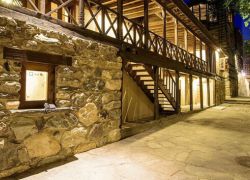
Shigar Fort, also known as the Fong Khar, is a historical fortress located in the Baltistan region of northern Pakistan. Situated in the heart of the Karakoram range, the fort offers a glimpse into the rich cultural history of the region. Originally built in the 16th century, Shigar Fort has been restored into a luxury heritage hotel, blending its historical charm with modern comforts. Visitors to Shigar Fort can experience both its cultural significance and its breathtaking surroundings, making it a must-visit destination for history enthusiasts, nature lovers, and adventure seekers alike. How to Reach Shigar Fort Reaching Shigar Fort requires a bit of travel, as it is located in the remote Baltistan region, approximately 30 kilometers (18 miles) from Skardu, the nearest major city. The journey to Shigar Fort is both scenic and adventurous, passing through dramatic mountain landscapes and small villages. Here's how to get there: By Road: The most common way to reach Shigar Fort is by road from Skardu. The journey takes about 1.5 to 2 hours by car, and visitors can hire a taxi or rent a 4x4 vehicle in Skardu. The road to Shigar is well-maintained but can be narrow and winding in some sections. It is best to hire a local driver who is familiar with the route. By Air: Although there are no direct flights to Shigar Fort, travelers can fly to Skardu from Islamabad. Pakistan International Airlines (PIA) operates daily flights between Islamabad and Skardu, offering stunning aerial views of the Karakoram mountain range. After arriving in Skardu, visitors can take a taxi or jeep to reach Shigar Fort. Weather and Best Time to Visit Shigar Fort is situated in a high-altitude region with a cold desert climate. The best time to visit the fort is during the summer months, from May to September, when the weather is warm and pleasant. The temperatures during this period range from 15°C to 25°C (59°F to 77°F), making it ideal for sightseeing and exploring the fort and its surroundings. During the winter months (October to April), temperatures can drop significantly, and heavy snowfall may make travel difficult. The fort may remain accessible, but the road conditions can be challenging. For those looking to avoid crowds and enjoy a quieter experience, visiting in the spring or autumn months is also a good choice. Timing and Opening Hours Shigar Fort is open year-round, but its peak season is during the summer months when most tourists visit. The fort is typically open to visitors from 9:00 AM to 6:00 PM. The fort also offers overnight stays as it has been converted into a heritage hotel. It is advisable to check with the fort's management for booking details and availability if you plan to stay overnight. Why Shigar Fort is Famous Shigar Fort is famous for its historical significance, stunning architecture, and its transformation into a luxury heritage hotel. The fort dates back to the 16th century and was originally built as a royal residence for the local rulers of Baltistan. Its name "Fong Khar" translates to "The Palace on the Rock" in the Balti language, referring to its location on a rocky outcrop overlooking the Shigar River. One of the key reasons for the fort's fame is its remarkable architecture, which blends traditional Balti and Tibetan styles. The fort's wooden carvings, intricate doors, and colorful frescoes reflect the region's rich cultural heritage. The fort also served as a military stronghold and played a strategic role in the defense of the Baltistan region over the centuries. In addition to its architectural and historical importance, Shigar Fort is famous for its transformation into a heritage hotel by the Aga Khan Cultural Service Pakistan. This renovation has preserved the fort’s original charm while providing modern amenities, allowing visitors to experience the fort's history while enjoying contemporary comforts. Entry and Visit Details Visiting Shigar Fort is an unforgettable experience, as it offers a mix of historical exploration and natural beauty. The entry fee for the fort is generally modest, and it includes access to the fort's museum, gardens, and various exhibits. For those staying at the fort's heritage hotel, the entrance fee is usually included in the cost of the accommodation. The fort is divided into several sections, including the main royal quarters, which feature ornate wooden carvings and painted frescoes, and the courtyard, which is surrounded by lush gardens. Visitors can take guided tours to learn more about the fort's history, its role in the region, and the restoration process. The guides are knowledgeable and provide detailed insights into the architecture and cultural heritage of the fort. History and Architecture of Shigar Fort Shigar Fort has a rich history that dates back over 400 years. It was originally constructed in the 16th century by the Raja of Shigar, a local ruler who sought to establish a stronghold in the region. The fort was built with local materials, including wood and stone, and was designed to withstand the harsh climatic conditions of Baltistan. Architecturally, the fort is a beautiful example of Balti and Tibetan design, with influences from both regions. The fort features wooden balconies, carved doors, and intricate frescoes that depict scenes from Buddhist and Islamic traditions. The fort’s design also incorporates elements of Tibetan architecture, such as the use of flat roofs and intricately decorated interiors. In the 1980s, the fort fell into disrepair, but it was later restored by the Aga Khan Cultural Service Pakistan as part of a project to preserve the cultural heritage of the region. The restoration has helped retain the fort's historical character while making it accessible to visitors in the modern era. Things to Do at Shigar Fort Shigar Fort offers several activities that combine history, culture, and nature. Some of the popular things to do at the fort include: Explore the Fort's Museum: The fort houses a small museum that showcases artifacts related to the history of Baltistan, including traditional clothing, weapons, and cultural objects. Visitors can learn about the region's royal history and the fort's role in the defense of the area. Take a Guided Tour: Guided tours of the fort are available and provide detailed insights into the fort’s history, architecture, and restoration. The guides are local experts who offer fascinating stories and facts about the fort's past. Relax in the Courtyard: The fort's serene courtyard, surrounded by gardens and traditional architecture, is an ideal place to relax and take in the views of the surrounding mountains and river. Photography: Shigar Fort’s unique architecture and breathtaking views of the Karakoram range make it a fantastic spot for photography. Be sure to capture the intricate woodwork, frescoes, and panoramic views of the valley. Stay at the Heritage Hotel: For those seeking a unique experience, staying at Shigar Fort's heritage hotel allows visitors to immerse themselves in the history and beauty of the fort. The hotel offers luxurious rooms that retain the traditional charm of the fort, combined with modern amenities. Facts and Tips About Shigar Fort Shigar Fort is located about 30 kilometers (18 miles) from Skardu, making it easily accessible by road. The best time to visit is during the summer months (May to September) when the weather is mild and the fort is accessible. The fort has been converted into a heritage hotel, offering unique accommodation options for those wishing to experience staying in a historic site. Guided tours are available, and it is recommended to hire a guide to fully appreciate the fort’s history and architecture. There are limited amenities in the area, so it’s best to carry essentials such as water, sunscreen, and snacks during your visit. Photography is allowed, but visitors are asked to be respectful of the property and avoid using flash photography indoors. Conclusion Shigar Fort is a true historical gem, offering visitors a chance to experience the cultural richness and architectural beauty of Baltistan. With its fascinating history, stunning views, and luxurious heritage hotel, Shigar Fort is a must-visit destination for anyone traveling to the region. Whether you're interested in history, architecture, or simply seeking a peaceful escape in the mountains, Shigar Fort provides an unforgettable experience that blends the past with the present.
Explore More
Rawalpindi Railway Station is one of the most important and historic railway stations in Pakistan. Located in the city of Rawalpindi, it serves as a major hub for rail transportation between various cities in Pakistan. The station has a rich history dating back to the British colonial era and is known for its strategic location, which connects Rawalpindi to key cities like Lahore, Karachi, and Peshawar. Over the years, the station has played a vital role in facilitating trade, tourism, and travel across the region. Despite modern updates and developments, Rawalpindi Railway Station continues to maintain its historical significance and stands as an important landmark in the city. How to Reach Rawalpindi Railway Station Rawalpindi Railway Station is centrally located, making it easily accessible from various parts of the city and surrounding areas. The station is located on the main Benazir Bhutto Road, which is well connected to major roads and highways in Rawalpindi and Islamabad. If you're traveling by car or taxi, it is only a short distance from major landmarks such as the Rawalpindi Saddar area, which is just a 10-minute drive away. The station is also well-connected by public transport. Local buses and mini-buses regularly run to and from the station. The station is approximately 5 kilometers from the Rawalpindi Expressway, and you can take a taxi or ride-hailing services like Uber or Careem for more direct access. If you are traveling from Islamabad, the station is about a 20-30 minute drive, depending on traffic conditions. Weather at Rawalpindi Rawalpindi experiences a semi-arid climate, with hot summers, mild winters, and moderate rainfall. The summer months, from May to August, can be quite hot, with temperatures often reaching 40°C. However, the monsoon season (June to September) brings cooler temperatures and occasional rain, providing some relief from the heat. Winter, from December to February, is mild and pleasant, with temperatures ranging from 5°C to 20°C. Spring (March to May) and autumn (September to November) are considered the best times to visit Rawalpindi, as the weather is neither too hot nor too cold, offering a comfortable climate for outdoor activities and sightseeing. The temperature is moderate, and the station remains busy with both local and tourist traffic during these seasons. Timings of Rawalpindi Railway Station Rawalpindi Railway Station operates 24 hours a day, with train services running throughout the day and night. The station serves as a hub for numerous intercity trains, as well as local commuter trains. The trains depart and arrive at scheduled times, so it's essential to check the timetable before your journey. You can find the schedules online on the Pakistan Railways website or at the station's information desk. The station is always bustling with activity, especially during peak hours in the morning and evening when passengers are either departing for their destinations or arriving from their trips. It is advisable to arrive at least 30 minutes before your scheduled train departure to ensure you have enough time for ticketing, security checks, and boarding. Why Rawalpindi Railway Station is Famous? Rawalpindi Railway Station is famous for its historical significance, central location, and role as a transportation hub in Pakistan. The station has witnessed numerous key moments in the country's history, especially during the partition of India in 1947, when millions of refugees traveled through this station to either side of the newly created border. This connection has made the station a symbol of migration and movement in South Asia. Over the years, the station has been an essential point for travelers heading to and from major cities like Lahore, Karachi, and Peshawar. The station has played a central role in facilitating trade and commerce, as well as tourism. Its strategic location close to the Islamabad-Rawalpindi twin cities has made it a critical transportation link for travelers and goods passing through the region. Entry and Visit Details There is no entry fee for visitors at Rawalpindi Railway Station. It is a public transportation facility, so anyone can enter freely, but passengers need to have a valid train ticket for boarding. Visitors can explore the station's surroundings, including the platforms, the main waiting hall, and the station's amenities. However, if you wish to enter the restricted areas like the platforms and trains, you will need a valid train ticket. The station has a few restaurants and shops where you can buy snacks, drinks, and souvenirs. While the station is mostly functional, it has basic facilities like waiting rooms, ticket counters, and washrooms, making it a comfortable spot for travelers. History of Rawalpindi Railway Station The history of Rawalpindi Railway Station dates back to the late 19th century when the British colonial government decided to build a railway line connecting Rawalpindi with Lahore, and later, with other major cities in the region. The station was constructed in 1881 and quickly became an important transportation hub in northern India and later, Pakistan after independence in 1947. During the partition of India, Rawalpindi Railway Station saw a massive influx of people migrating from India to Pakistan, making it a significant landmark in the history of the subcontinent. The station has continued to evolve, with various upgrades and renovations over the years. Despite modernization, the station retains much of its colonial-era charm, with some of the original buildings still in use. Architecture of Rawalpindi Railway Station The architecture of Rawalpindi Railway Station reflects the colonial era's design aesthetics, blending Victorian and Islamic architectural influences. The station building features a large central structure with a clock tower and intricate masonry. The main hall is spacious and equipped with high ceilings, arched windows, and large wooden doors. The station's platforms are wide and cater to a large number of passengers daily. Though the station has undergone several renovations, much of its historical charm remains intact. The platform areas are open and well-lit, and there are clear signage and information boards to guide passengers. The station has also been modernized with new facilities like waiting areas, cafes, and ticketing counters, ensuring that it meets the needs of contemporary travelers while preserving its historical essence. Things to Do at Rawalpindi Railway Station While Rawalpindi Railway Station is primarily a transportation hub, visitors can engage in several activities while they wait for their trains or explore the station: Explore the Station's Architecture: Admire the colonial-era architecture of the station building, including the clock tower, arched windows, and intricate stonework. Visit the Waiting Areas: Relax in the spacious waiting areas, which offer a comfortable spot to sit and wait for trains. Enjoy Local Snacks: The station has a few small eateries and food vendors selling local snacks like samosas, sandwiches, and chai (tea). Photograph the Station: If you are a photography enthusiast, Rawalpindi Railway Station offers great photo opportunities with its classic colonial design and bustling atmosphere. Interesting Facts about Rawalpindi Railway Station The station was built in 1881, making it over 140 years old. Rawalpindi Railway Station is one of the busiest railway stations in Pakistan, handling thousands of passengers daily. It is located at the crossroads of major highways connecting Rawalpindi with Islamabad and other parts of Pakistan. The station has witnessed significant historical events, particularly during the partition of India in 1947. Tips for Visiting Rawalpindi Railway Station Check Train Schedules: Before visiting, make sure to check the train schedules on the Pakistan Railways website or inquire at the station to avoid delays. Arrive Early: Arrive at least 30 minutes before your train departs to allow time for ticketing, security checks, and boarding. Dress Comfortably: Wear comfortable clothing and shoes, as you may need to walk long distances through the station. Be Mindful of Luggage: Always keep an eye on your belongings, as the station can be crowded at times. Conclusion Rawalpindi Railway Station is not just a transportation facility but an important historical and architectural landmark in Pakistan. Its rich history, colonial-era architecture, and central location make it a significant point of interest for both locals and tourists. Whether you're catching a train or simply exploring the station, Rawalpindi Railway Station offers a glimpse into the past and present of Pakistan's rail transportation network.
Explore More
Chaklala Airbase, located in Rawalpindi, Pakistan, is one of the country’s key military airbases. Situated near Islamabad, the capital city of Pakistan, Chaklala Airbase is strategically important due to its proximity to the political and military heart of Pakistan. Originally established as a civilian airport in the 1940s, it was later transformed into a major military installation. Today, it serves as a base for the Pakistan Air Force (PAF) and is home to various important military operations, training facilities, and air defense systems. It also houses the Rawalpindi-based PAF Base, which is involved in both national defense and international peacekeeping missions. How to Reach Chaklala Airbase Chaklala Airbase is located in Rawalpindi, Pakistan, and is well-connected by road to both Rawalpindi and Islamabad. The airbase is situated approximately 20 kilometers from Islamabad and just 5 kilometers from the main commercial district of Rawalpindi. The closest major landmark is Benazir Bhutto International Airport (Islamabad International Airport), which is located near the airbase, making it easy for visitors arriving by air to access the base. For visitors traveling by car or taxi, the base is easily accessible from both Rawalpindi and Islamabad. It is located just off the main Murree Road, making it a central point for travelers. Taxis and ride-hailing services like Uber and Careem are widely available in the city. If you’re traveling from Islamabad, Chaklala Airbase is about a 15-20 minute drive, while from Rawalpindi, it is only a short 5-minute drive. Weather at Chaklala Airbase The climate in Rawalpindi, where Chaklala Airbase is located, is classified as semi-arid with hot summers, mild winters, and moderate rainfall. The summer months (from May to August) can be very hot, with temperatures frequently reaching around 40°C. However, the airbase's elevation near the Margalla Hills offers some relief from the heat, with cooler temperatures in the evening. The winter months (from December to February) are much cooler, with daytime temperatures averaging between 15°C to 20°C, while the evenings can drop to around 5°C. The best times to visit Rawalpindi and Chaklala Airbase are during the spring (March to May) and autumn (September to November) when the weather is moderate and conducive to outdoor activities. During these seasons, temperatures are comfortable for sightseeing, and the region is less affected by extreme heat or cold. Timings of Chaklala Airbase Chaklala Airbase is a military installation and is not open to the public in the same way that civilian airports or tourist spots are. As such, there are no fixed visitor hours or open access times for tourists or the general public. However, certain parts of the airbase, such as the military museum or public events, may be accessible during special occasions or public functions. These events are usually organized and announced by the Pakistan Air Force or local authorities, and entry may require prior permission or an invitation. If you are planning to visit the airbase or the nearby areas, it is advised to check with the local authorities or the Pakistan Air Force for any updates on public visits or events that may be taking place. Regular access to the base for non-military personnel is highly restricted for security reasons. Why Chaklala Airbase is Famous? Chaklala Airbase is famous primarily due to its strategic military importance and its association with the Pakistan Air Force (PAF). It is one of the most important airbases in Pakistan and plays a critical role in the country’s defense infrastructure. The airbase is home to several PAF squadrons and houses a variety of aircraft used for defense, training, and reconnaissance purposes. The airbase is also known for its proximity to Islamabad, the capital city, and its role in national security. Due to its location, it is involved in various defense operations and is an integral part of Pakistan's air defense system. The presence of the airbase also adds to the security of the Islamabad-Rawalpindi region, making it a focal point for military strategy and operations. Additionally, the airbase is historically significant. It was originally established as a civilian airport during the British colonial period and later transformed into a military airbase after the creation of Pakistan in 1947. Chaklala Airbase also played a role during the various military conflicts involving Pakistan and its neighboring countries, further adding to its fame. Entry and Visit Details Chaklala Airbase, being a military installation, does not allow unrestricted access to the public. Generally, only authorized personnel, including PAF members and government officials, are allowed entry to the base. However, there are occasional events or special days when civilians can visit, such as airshows or public events organized by the Pakistan Air Force. Visitors may need to apply for passes or special permissions to attend such events. If you are interested in visiting, it is recommended to contact the Pakistan Air Force or local authorities in advance to inquire about any public events or exhibitions. Keep in mind that security protocols are strict, and visitors will be required to present identification and go through security checks before entering the premises. History of Chaklala Airbase The history of Chaklala Airbase dates back to the British colonial era. Originally constructed as a civilian airport during the 1930s, it was primarily used for passenger flights and transport. After the creation of Pakistan in 1947, the airbase became a key military installation for the newly formed Pakistan Air Force (PAF). During its early years, the airbase played a critical role in the defense of the northern frontier of Pakistan, especially during conflicts such as the 1965 Indo-Pak war. Over the decades, Chaklala Airbase has undergone numerous upgrades and expansions to accommodate the growing needs of the PAF. It is now one of the most important airbases in the country, with advanced military aircraft and technology deployed for various defense purposes. Chaklala has also become a hub for PAF training programs and aviation-related operations, contributing to the modernization of Pakistan’s air force capabilities. Its strategic location near the capital city, Islamabad, makes it a vital part of the country’s defense and air security systems. Architecture of Chaklala Airbase The architecture of Chaklala Airbase is typical of military installations, with functional and secure buildings designed to support the various operations of the Pakistan Air Force. The base includes hangars, control towers, barracks, and administrative offices, all built with security and efficiency in mind. The airbase’s design emphasizes its dual purpose: military operations and defense. The main structures are spread out to accommodate aircraft parking, maintenance, and runway operations. The runways are designed to handle military jets and cargo planes, making it a crucial air transport hub. The base’s architecture is not built for public aesthetics but rather for functionality and strategic importance, which aligns with the needs of Pakistan’s military operations. Things to Do Around Chaklala Airbase While visitors cannot enter the airbase itself unless authorized, the area around Chaklala Airbase offers several things to do: Visit Nearby Attractions: The airbase is located near Rawalpindi, which has several attractions like the Ayub National Park and Rawalpindi’s historic markets, such as Raja Bazaar. Explore Islamabad: Just a short drive away from Chaklala, Islamabad offers numerous tourist attractions like the Faisal Mosque, Daman-e-Koh, and the Pakistan Monument. Witness Air Shows: On special occasions, the Pakistan Air Force hosts public air shows, where you can witness breathtaking aerial displays by military aircraft. Interesting Facts about Chaklala Airbase Chaklala Airbase is one of Pakistan’s oldest military airbases, with a history dating back to the British era. The airbase is located close to Benazir Bhutto International Airport, sharing a key airspace with the civilian airport. Chaklala has been a pivotal base during multiple military conflicts, including the wars with India in 1965 and 1971. The airbase is home to the Pakistan Air Force's operational squadrons and is equipped with modern military aircraft. Tips for Visiting Chaklala Airbase Check for Public Events: If you plan to visit, check with local authorities or the Pakistan Air Force for any public events or air shows. Security Measures: Be prepared to follow strict security protocols when entering the vicinity of the airbase. Carry valid ID and comply with security checks. Respect the Military Installation: Since the airbase is a military facility, visitors should be respectful of its purpose and operations. Conclusion Chaklala Airbase is a significant military airbase in Pakistan with a rich history, strategic importance, and architectural features. Although public access is restricted due to its military nature, the base's proximity to Islamabad and Rawalpindi offers visitors a glimpse into Pakistan’s defense infrastructure. Whether for historical interest, military aviation, or local exploration, Chaklala Airbase remains a key landmark in the region.
Explore More
The K2 Base Camp Trek is one of the most thrilling and challenging trekking routes in the world. Located in the Karakoram Range of northern Pakistan, this trek takes you to the base camp of K2, the second-highest mountain on Earth. The trek is a popular adventure for experienced trekkers who want to witness the grandeur of one of the most remote and rugged regions of the world. Starting from the small village of Askole, the journey offers breathtaking views of towering peaks, glaciers, and pristine landscapes that attract adventurers from across the globe. How to Reach K2 Base Camp Trek To begin the K2 Base Camp Trek, you must first reach Askole, the starting point of the trek. Askole is a small village located about 8-10 hours by jeep from Skardu, the nearest city with an airport. Skardu itself can be reached either by road or by taking a flight from Islamabad. The road journey from Islamabad to Skardu is long but offers stunning views of the mountains and valleys of northern Pakistan. If you're flying, the most convenient way to get to Skardu is through a direct flight from Islamabad International Airport, which operates during the summer months. Once you arrive in Skardu, you can hire a jeep or arrange a ride through a trekking agency to Askole. From Askole, the trek to K2 Base Camp begins, and it generally takes around 7-9 days to reach the base camp, depending on the pace and weather conditions. Weather at K2 Base Camp Trek The weather along the K2 Base Camp Trek is extreme and unpredictable. It’s important to plan the trek for the right season to ensure a safe and enjoyable experience. The best time to undertake the trek is during the summer months of June, July, and August, when the weather is milder, with daytime temperatures ranging from 10°C to 15°C (50°F to 59°F). However, temperatures at night can drop below freezing, so trekkers must be prepared for cold conditions. In the spring (March to May) and autumn (September to October), the weather can be colder and snow is more likely, making the trek more challenging. Winter (November to February) is not recommended due to heavy snowfall, extreme cold, and the high risk of avalanches. Trekking at K2 Base Camp requires proper gear and equipment to cope with the variable weather conditions, especially at higher altitudes. Timings of K2 Base Camp Trek The K2 Base Camp Trek typically takes around 14-16 days to complete, including acclimatization days and rest days in various villages along the way. The trek begins from Askole, and after a long journey through villages, glaciers, and mountain passes, you will reach K2 Base Camp. Most trekking groups start the journey in mid-June, and the trek usually lasts until mid-August. Acclimatization is essential as trekkers ascend to higher altitudes, so there are rest days built into the trek. Depending on your fitness level and trekking experience, the trek can be adjusted to your pace, but most groups aim to complete the trek within the two-month window of the summer season. Why K2 Base Camp Trek is Famous? The K2 Base Camp Trek is famous for its combination of challenging terrain, stunning landscapes, and the sense of achievement that comes with reaching one of the most remote and difficult-to-reach locations in the world. The trek offers trekkers an up-close view of K2, which is regarded as one of the most difficult mountains to climb, only second to Mount Everest. The trek also passes through some of the most picturesque landscapes, including massive glaciers, river crossings, and dense green valleys surrounded by towering peaks. The region is known for its pristine environment, and trekkers can experience a deep sense of isolation and tranquility while walking through the Karakoram Range. Furthermore, K2 Base Camp is a key destination for mountaineers attempting to summit K2, which makes the trek a crucial route for climbers preparing for their ascent. The adventure of reaching the base camp, witnessing the majesty of K2, and experiencing the high-altitude environment is what makes the trek so iconic. Entry and Visit Details To visit K2 Base Camp, trekkers must obtain a trekking permit, as the area is located within the Gilgit-Baltistan region, which requires permission from the local authorities. Most trekkers book their permits through trekking agencies in Skardu, which also provide guides, porters, and other necessary logistics for the trek. A guide is essential for navigating the terrain and ensuring safety during the journey. As this is a high-altitude trek, it is recommended that trekkers have prior trekking experience and good physical fitness. It’s also important to prepare for the challenges of trekking in remote areas with limited access to facilities. The trek can be physically demanding, and trekkers should be prepared for long days of walking, unpredictable weather, and strenuous conditions at high altitudes. History of K2 Base Camp Trek The K2 Base Camp Trek has a rich history dating back to the early expeditions to K2 in the 20th century. The first successful ascent of K2 was made in 1954 by an Italian expedition led by Ardito Desio. However, the base camp itself had been used as a staging point by mountaineers for many years before that, serving as a launchpad for climbers attempting to summit K2. The trek to K2 Base Camp became more popular in the latter half of the 20th century as trekking in the Karakoram Range gained prominence. Today, it remains one of the most sought-after treks for adventure enthusiasts looking to experience the thrill of high-altitude trekking and see K2 up close. Architecture and Terrain of K2 Base Camp Trek The K2 Base Camp Trek is known for its challenging terrain. The route passes through a variety of landscapes, including rocky paths, glacial moraines, and river crossings. Trekkers will walk along narrow mountain tracks, past waterfalls, and through valleys before reaching the base camp itself. The journey to K2 Base Camp also includes several high-altitude passes, including the Gondogoro La Pass, which offers spectacular panoramic views of the surrounding peaks and glaciers. Along the trek, you’ll pass through remote villages such as Jhola, Urdukas, and Goro II, where you can experience the local culture and interact with the indigenous communities. The trek also includes several campsites, each providing trekkers with a place to rest and acclimatize before continuing their journey upward. Things to Do During the K2 Base Camp Trek Explore Remote Villages: Visit villages like Jhola, Urdukas, and Goro II to learn about the local culture, traditions, and hospitality. Photography: Capture the stunning landscapes, towering peaks, and glaciers along the route. The views of K2 from Base Camp are breathtaking! Wildlife Spotting: While trekking, keep an eye out for wildlife, including ibex, snow leopards, and various species of birds that inhabit the region. Challenge Yourself: The trek itself is a challenge, so embrace the physical and mental obstacles to reach the summit of your journey – K2 Base Camp. Interesting Facts about K2 Base Camp Trek The K2 Base Camp Trek takes you to one of the most remote regions in the world, with no roads or easy access, making it a true adventure. K2 is known as the “Savage Mountain” due to its difficult terrain and unpredictable weather conditions. The trek is considered one of the most challenging treks globally due to the high altitude, rugged terrain, and unpredictable conditions. The trek passes through some of the most stunning landscapes, including the Baltoro Glacier and Concordia, which is known as the “Throne Room of the Mountain Gods” due to its breathtaking views of multiple peaks. Tips for the K2 Base Camp Trek Get in Shape: Prepare physically for the trek by engaging in cardio, strength training, and endurance activities to handle the long days of walking at high altitudes. Acclimatize: Spend extra days at key points along the trek to adjust to the high altitude and reduce the risk of altitude sickness. Pack Proper Gear: Ensure you have quality trekking boots, warm clothes, sleeping bags, and a durable backpack. Respect the Environment: Follow the Leave No Trace principles and avoid littering or damaging the fragile ecosystems in the region. Conclusion The K2 Base Camp Trek is a once-in-a-lifetime adventure that offers trekkers the chance to experience one of the most awe-inspiring places on Earth. With its challenging terrain, breathtaking landscapes, and the sense of achievement that comes with reaching the base of the second-highest mountain in the world, this trek is truly unforgettable. Proper preparation, physical fitness, and a sense of adventure are essential to completing the trek safely and successfully.
Explore More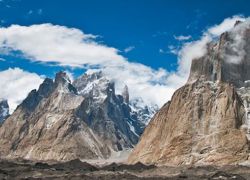
Baltoro Glacier, located in the Gilgit-Baltistan region of northern Pakistan, is one of the longest and most spectacular glaciers in the world. It is situated in the heart of the Karakoram Range, one of the highest and most rugged mountain ranges on Earth. The glacier is a major highlight for trekkers and mountaineers who venture into the region to explore its unique landscape, rugged terrain, and the majestic peaks that surround it, including K2, the second-highest mountain in the world. The Baltoro Glacier spans an impressive length of about 63 kilometers (39 miles) and is one of the most visited glaciers in the Karakoram Range. It is a key part of the famous K2 Base Camp Trek and offers some of the most breathtaking views of towering peaks, deep valleys, and glacial moraines. The glacier plays a vital role in the region’s ecosystem, feeding several rivers and contributing to the natural beauty of the surrounding environment. How to Reach Baltoro Glacier The Baltoro Glacier is accessible through the small village of Askole, which serves as the starting point for most treks. To reach Askole, you must first travel to Skardu, the nearest major city with an airport. Skardu can be reached by road from Islamabad (a long 18-hour drive) or by a short flight from Islamabad International Airport, which is available seasonally, usually from May to September. Once you arrive in Skardu, you can hire a jeep or arrange transport through a trekking agency to take you to Askole. The jeep ride from Skardu to Askole is a rugged journey that lasts around 8-10 hours, passing through mountainous roads and offering stunning views of the landscapes below. The village of Askole is the last major settlement before the start of the trek to Baltoro Glacier and K2 Base Camp, and it's where trekking permits and logistics are often arranged. From Askole, the trek to Baltoro Glacier begins, and it usually takes around 7-9 days to reach the glacier, depending on the route, pace, and weather conditions. The trek involves passing through various campsites, such as Jhola, Urdukas, and Goro II, and eventually reaching the glacier itself. Weather at Baltoro Glacier The weather at Baltoro Glacier can be harsh and unpredictable, with temperatures often dropping well below freezing at higher altitudes. The region experiences a high-altitude desert climate, characterized by extremely cold winters and relatively mild summers. The best time to visit is during the summer months of June, July, and August when the temperatures are more bearable, ranging from 10°C to 15°C (50°F to 59°F) during the day. However, at night, temperatures can still plummet to below freezing, especially at higher altitudes near the glacier. In spring (March to May) and autumn (September to October), the weather can be colder and there is a higher likelihood of snowfall, making the trek more difficult. Winter (November to February) is not recommended due to extreme cold, heavy snowfall, and the increased risk of avalanches. Trekkers should always be prepared for rapidly changing weather conditions and pack adequate clothing for both cold and wet environments. Timing of the Baltoro Glacier Trek The trek to Baltoro Glacier usually takes between 10-14 days, depending on the pace and conditions of the trail. The entire journey typically includes several days of trekking from Askole to the glacier, with rest days in between to acclimatize and explore the surrounding areas. The best time to undertake the trek is during the summer season, from June to mid-August, as this is when the weather is generally stable and the conditions are most favorable for trekking. During these months, most trekkers make their way through the glacier region, and trekking agencies are active in offering organized trips. After mid-August, the weather begins to deteriorate, and the number of trekkers decreases. Spring and autumn treks are possible but require more preparation due to colder temperatures and the potential for snow. Why Baltoro Glacier is Famous Baltoro Glacier is famous for being one of the largest glaciers in the world outside the polar regions and for its breathtaking scenery. The glacier is a prime destination for trekkers and mountaineers, particularly those attempting to reach K2 Base Camp, as it lies along the path to one of the most renowned climbing destinations on Earth. What sets the glacier apart is the dramatic landscape it offers. Trekkers will be treated to panoramic views of several famous peaks, such as Broad Peak, Gasherbrum I, Gasherbrum II, and of course, K2 itself. The glacier is surrounded by some of the tallest mountains in the world, making it a paradise for adventure enthusiasts and photographers. Furthermore, the trek to Baltoro Glacier is known for its challenging terrain, rugged beauty, and the sense of adventure it provides. The remote location and the difficulty of accessing it make it a coveted destination for experienced trekkers looking to test their endurance and explore some of the most isolated and beautiful areas of the world. Entry and Visit Details To visit Baltoro Glacier, trekkers need to obtain a trekking permit from the Gilgit-Baltistan Tourism Department, as the area is located in a sensitive region near the border. Trekking permits are typically arranged through a registered trekking agency in Skardu. It’s highly recommended to travel with a guide and porters, as the route can be difficult to navigate, and local guides are well-versed in the terrain and safety procedures. It’s important to plan your trek well in advance, as trekking agencies usually arrange group treks or private tours during the summer season. You should also make sure to be in good physical condition, as the trek involves long days of walking over rocky and uneven terrain, often at high altitudes, where the air is thin. Due to the remote location, there are few facilities along the route, and trekkers must carry their own camping gear, food, and supplies for the duration of the trek. Basic campsites are available along the way, but these are often minimal in terms of amenities. It is also advisable to have travel insurance that covers high-altitude trekking and emergencies, as the region is far from medical facilities. History of Baltoro Glacier The Baltoro Glacier has been a key part of the Karakoram mountain range for centuries, and it holds historical significance in mountaineering. The glacier’s proximity to K2, the second-highest mountain in the world, has made it a crucial route for climbers attempting to summit the peak. Early expeditions to K2, beginning in the early 1900s, used the Baltoro Glacier as a base for their attempts. The famous 1954 Italian expedition to K2, which successfully reached the summit, relied on the glacier for access to the mountain. Over the years, the glacier has seen numerous climbers and trekkers pass through its icy terrain as they attempt to conquer the surrounding peaks. Things to Do Around Baltoro Glacier Photography: Capture the stunning views of towering peaks, glaciers, and valleys along the trek. Explore Nearby Peaks: While the main focus of the trek is K2, trekkers can also explore other nearby peaks such as Broad Peak, Gasherbrum I, and Gasherbrum II. Cultural Exploration: Visit the local villages around Askole and interact with the communities living in this remote part of the world. Wildlife Spotting: While wildlife is sparse, trekkers may be lucky enough to spot animals such as the snow leopard, ibex, and Himalayan tahr along the route. Interesting Facts about Baltoro Glacier Baltoro Glacier is one of the longest glaciers outside the polar regions, stretching over 63 kilometers (39 miles). The glacier is home to several of the world’s highest peaks, including K2, the second-highest mountain in the world. The trek through Baltoro Glacier is considered one of the most challenging and rewarding treks globally, attracting mountaineers and trekkers from all over the world. The glacier is a critical source of freshwater for the surrounding regions and feeds several rivers, including the Shigar River. Tips for Visiting Baltoro Glacier Be Physically Prepared: The trek is strenuous and involves high-altitude walking, so it’s important to train and prepare physically. Pack the Right Gear: Ensure you have proper trekking boots, a quality sleeping bag, cold-weather clothing, and sufficient food and water. Hire a Guide: Due to the difficult terrain and lack of infrastructure, it’s recommended to hire a local guide and porters to help with navigation and logistics. Stay Hydrated: High-altitude trekking can lead to dehydration, so make sure to carry enough water and drink regularly. Conclusion The Baltoro Glacier is one of the most remarkable and awe-inspiring destinations in the world for trekkers and adventurers. Its stunning landscapes, towering peaks, and challenging terrain make it a dream destination for those seeking to experience the natural beauty of the Karakoram Range. The trek to the glacier, while difficult, rewards trekkers with some of the most breathtaking views on Earth, making it a truly unforgettable journey.
Explore More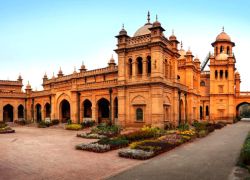
Sialkot Fort, located in the heart of Sialkot city in Pakistan’s Punjab province, is one of the most historically significant landmarks in the region. The fort's strategic location and rich history have made it a center of military and cultural importance for centuries. Built during the reign of the Ghaznavid Empire, the fort stands as a testament to the military architecture of the medieval era. Over time, it has witnessed various empires and dynasties that have left their mark on its structure, making it a captivating destination for history enthusiasts, tourists, and architecture lovers alike. How to Reach Sialkot Fort Sialkot is well-connected to other major cities in Pakistan, including Lahore and Islamabad, by road and rail. The easiest way to reach Sialkot is by road, as it lies approximately 125 km from Lahore, which can be reached in about 2-3 hours by car. The road from Lahore to Sialkot is well-maintained and offers a comfortable journey. From Islamabad, the distance is approximately 190 km, which takes around 3-4 hours to cover by road. Sialkot also has its own airport, the Sialkot International Airport, which provides domestic flights to major cities like Karachi, Lahore, and Islamabad. Once in Sialkot, the fort is located in the city center, making it easily accessible by taxi or local transport. The fort's central location makes it a popular stop for visitors exploring the city's other historical sites. Weather at Sialkot Sialkot has a typical subtropical climate, characterized by hot summers, cool winters, and moderate rainfall. The summer months, from May to August, can be quite hot, with temperatures reaching as high as 40°C (104°F). The winter season, from December to February, is mild and pleasant, with temperatures ranging between 5°C to 20°C (41°F to 68°F). The best time to visit Sialkot Fort is during the cooler months, particularly from October to March, when the weather is more comfortable for sightseeing and exploring the fort’s surroundings. The monsoon season from July to September brings moderate rainfall, which cools the atmosphere but also makes the weather somewhat humid. If you're planning to visit during the monsoon, be prepared for occasional rains and high humidity levels. Timing of Visit The Sialkot Fort is generally open for visitors throughout the week, and the best time to visit is during daylight hours. It is advisable to visit the fort between 10:00 AM and 6:00 PM to explore its various sections and enjoy the views. The fort can be crowded during weekends or public holidays, especially in the evening, when locals visit the area for leisure walks and photography. It is important to note that the fort is an open-air site with limited facilities, so visitors should come prepared with essentials such as water, snacks, and sun protection. While the fort is a popular spot for both locals and tourists, it remains a peaceful and relatively less commercialized destination compared to other historical landmarks in Pakistan. Why Sialkot Fort is Famous Sialkot Fort is famous for its historical significance and architectural beauty. It has served as a military stronghold for various rulers, including the Ghaznavids and later the Mughals, due to its strategic position in the region. The fort is notable for its high, sturdy walls and watchtowers that provided defense against invasions in ancient times. It is also famous for its role in the history of Sialkot, which was an important center of trade, culture, and military power during various periods of Pakistan’s history. One of the key highlights of Sialkot Fort is its connection to the Mughal Empire. The fort was refurbished and expanded during the reign of Emperor Akbar, who recognized its strategic importance. Today, it serves as a living monument to the rich history of Sialkot, offering visitors a glimpse into the military and architectural legacy of the region. Moreover, the fort is also famous for being a significant landmark in Sialkot's cultural identity. Its majestic structure stands as a symbol of the city’s historical resilience and its role in regional politics throughout the ages. Entry and Visit Details Entry to Sialkot Fort is typically free, though it is advisable to check for any changes in entry policies ahead of time, especially if there are special events or maintenance activities. The fort is easily accessible by foot from various parts of the city, as it is centrally located. Visitors may also hire a local guide for a small fee to gain deeper insights into the history and architectural features of the fort. Although there are no major facilities inside the fort, there are several shops and eateries located nearby, where visitors can enjoy local snacks and refreshments. The fort’s strategic location also allows visitors to explore the nearby markets, making it a perfect spot for combining history and shopping in one trip. History of Sialkot Fort The history of Sialkot Fort dates back to the 2nd century BC, during the reign of the Indo-Greek kingdom, when it was originally built as a military stronghold. Over the centuries, the fort was rebuilt and expanded by various rulers, including the Ghaznavids and Mughals. The fort gained its current form primarily during the Mughal period, under the rule of Emperor Akbar, who fortified the structure to protect the city from invaders and to assert his authority in the region. Throughout its history, the fort has been witness to several battles and sieges. It also played a significant role during the colonial period when the British established control over the region. Despite the many changes the fort has gone through, its historical significance remains intact, making it a focal point for those interested in the military history of South Asia. Architecture of Sialkot Fort The architecture of Sialkot Fort is an excellent example of medieval military construction. The fort is built using a combination of brick and stone, with towering walls and watchtowers designed to provide maximum defense. The fort’s design incorporates elements of both Hindu and Islamic architectural styles, reflecting the diverse cultural influences of the region throughout history. The fort's large gateways, narrow passageways, and steep staircases are indicative of its military purpose, providing defensive advantages in times of war. One of the standout features of the fort’s architecture is its impressive gatehouse, which leads visitors into the inner courtyard. The fort’s high walls are adorned with ornate carvings and intricate stonework that demonstrate the craftsmanship of the period. While much of the fort has been weathered over time, its overall structure still retains a strong sense of historical grandeur and military might. Things to Do at Sialkot Fort Explore the Fort’s Historical Sections: Take a walk around the fort’s massive walls, watchtowers, and gates to explore its historical significance. The fort offers a unique chance to learn about the military history of the region. Photography: The architecture and panoramic views from the fort make it a great spot for photography. Capture the majestic structure and surrounding landscapes. Visit Nearby Markets: After exploring the fort, you can visit the bustling markets of Sialkot, which are famous for local handicrafts, sports equipment, and leather goods. Local Food Exploration: Sialkot is known for its local cuisine, so make sure to try traditional dishes at one of the nearby eateries after visiting the fort. Interesting Facts about Sialkot Fort The fort is believed to have been originally constructed in the 2nd century BC by Indo-Greek rulers, making it over 2,000 years old. Sialkot Fort was significantly expanded during the reign of the Mughal Emperor Akbar in the 16th century, who also gave it its current architectural form. The fort has survived numerous invasions and military sieges, including attacks by the Sikh and British armies. The fort is a popular spot for both locals and tourists, offering a glimpse into Sialkot's rich history and architectural heritage. Tips for Visiting Sialkot Fort Wear Comfortable Shoes: As the fort is spread out over a large area, it’s best to wear comfortable shoes for walking and exploring. Visit Early or Late in the Day: To avoid crowds and enjoy a peaceful visit, try to visit the fort either early in the morning or later in the evening. Carry Water and Snacks: While there are some eateries nearby, it’s a good idea to bring your own water and snacks, especially if you plan to explore for several hours. Hire a Guide: Hiring a local guide will enhance your experience by providing deeper insights into the history and significance of the fort. Conclusion Sialkot Fort is a remarkable historical site that offers visitors a glimpse into the region's rich military and architectural heritage. Its strategic location, historical significance, and architectural beauty make it a must-visit for anyone interested in South Asia's history. Whether you’re a history enthusiast, an architecture lover, or a curious traveler, Sialkot Fort offers an unforgettable experience in one of Pakistan’s most vibrant cities.
Explore More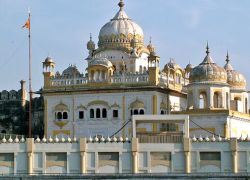
Ranjit Singh Palace, located in Sialkot, Pakistan, is one of the region's most significant historical landmarks. The palace is named after Maharaja Ranjit Singh, the founder of the Sikh Empire, who was born in Sialkot in 1780. Although not a grand palace by modern standards, it holds immense cultural and historical value due to its association with Ranjit Singh and the legacy of his reign. The building is a blend of colonial and Mughal architecture, reflecting the rich history and diverse cultural influences of the region. Today, it stands as a prominent symbol of Sialkot's historical connection to the Sikh Empire and offers a glimpse into the life of one of South Asia's most powerful rulers. How to Reach Ranjit Singh Palace Sialkot is well-connected to major cities like Lahore and Islamabad by road and air. To reach Ranjit Singh Palace, visitors first need to reach Sialkot, which is approximately 125 kilometers (about 78 miles) from Lahore. The easiest way to reach Sialkot from Lahore is by road, which takes around 2-3 hours. The city can also be accessed by bus or train, with services from Lahore and other nearby cities. Sialkot also has its own airport, Sialkot International Airport, which provides domestic flights to cities like Karachi, Islamabad, and Lahore. From the airport, visitors can take a taxi or local transport to the palace, which is centrally located in the city. The palace is situated near other prominent landmarks, making it easy to visit as part of a tour of Sialkot's historical sites. Weather in Sialkot Sialkot experiences a subtropical climate, with hot summers, cool winters, and moderate rainfall. The summer season, which lasts from May to August, can be quite hot, with temperatures often exceeding 40°C (104°F). The best time to visit the Ranjit Singh Palace is during the cooler months, from October to March, when temperatures range between 15°C and 25°C (59°F to 77°F), making it ideal for sightseeing. The monsoon season, from June to September, brings moderate rainfall, cooling the atmosphere but also creating high humidity. Winters (December to February) are mild and pleasant, with cooler temperatures, making it the perfect time to visit if you prefer to avoid the heat. However, visitors should check the forecast before traveling during the monsoon season to avoid unexpected weather disruptions. Timing of Visit The Ranjit Singh Palace is typically open for visitors throughout the week, with operating hours from 9:00 AM to 5:00 PM. It is recommended to visit early in the day to avoid crowds and to fully enjoy the tranquility of the palace and its surroundings. The palace is less crowded during weekdays, making it a peaceful spot for history enthusiasts and photographers. Weekends can attract more visitors, so planning your visit during off-peak times can enhance the experience. Why Ranjit Singh Palace is Famous Ranjit Singh Palace is famous primarily because of its connection to Maharaja Ranjit Singh, one of the most prominent and influential rulers of the Sikh Empire. The palace is a testament to his legacy and his impact on the region's history. Born in Sialkot, Ranjit Singh went on to unify the Sikh-majority regions of Punjab and establish a powerful empire that stretched across present-day Pakistan and northern India. Although the palace itself is relatively modest in size, it is important as the birthplace of a leader whose reign changed the course of South Asian history. Ranjit Singh's policies of religious tolerance, military innovation, and political acumen left a lasting mark on the region, making the palace an important historical and cultural site. In addition to its historical significance, the palace is also renowned for its blend of architectural styles. The structure combines elements of colonial and Mughal architecture, with intricate decorations and large windows that reflect both the imperial heritage of the Mughal era and the colonial influences introduced later. Entry and Visit Details Entry to Ranjit Singh Palace is typically free for visitors, though donations are welcomed to support the upkeep of the site. There may be nominal charges for special tours or events, so it's best to inquire at the site for the most up-to-date information. The palace is open for exploration throughout the year, except for certain public holidays or special events when access may be restricted. The site is easily accessible by foot or car from most parts of Sialkot, as it is located in the city center. Visitors can enjoy a leisurely walk around the palace grounds, which feature a garden, courtyards, and areas for rest. While the palace is not as large as some other historical buildings in Pakistan, it offers a unique insight into the cultural heritage of the city and its historical connections to the Sikh Empire. Guides are available at the palace for a small fee, and they can provide interesting details about the history of Ranjit Singh and the architectural elements of the building. The guides often share stories and legends about the palace's past, making it a more engaging experience for those interested in history. History of Ranjit Singh Palace The history of Ranjit Singh Palace is closely tied to the life of its most famous occupant, Maharaja Ranjit Singh. Born in 1780 in Sialkot, Ranjit Singh was the son of a Sikh chieftain. He would go on to become the leader of the Sikh Empire, uniting various Sikh factions and establishing a powerful kingdom in the early 19th century. Under his rule, the empire grew in wealth and power, with a strong military and advanced administrative systems. Ranjit Singh’s rule was marked by religious tolerance, as he respected and protected the rights of Hindus, Muslims, and Sikhs within his empire. The palace itself was built during his early years, and while it may not have been as grand as some royal residences, it holds significant historical importance as the birthplace of a great ruler. After Ranjit Singh’s death in 1839, his empire began to decline due to internal strife and external pressures, including British colonial expansion. However, his legacy lives on in the form of the palace, which remains an important landmark in Sialkot. The building has undergone some modifications over the years but still retains much of its historical charm. Architecture of Ranjit Singh Palace The architecture of Ranjit Singh Palace reflects a fusion of colonial and Mughal design elements, showcasing the eclectic influences that shaped the region’s architectural heritage. The structure features traditional Mughal-style arches and intricately decorated ceilings, while the spacious courtyards and large windows highlight British colonial design influences. The palace is relatively modest in size compared to other royal residences, but its elegant design and charming simplicity make it a standout example of historical architecture in Sialkot. The palace grounds also feature lush gardens, which add to the serene atmosphere of the site, making it a peaceful retreat for visitors. Things to Do at Ranjit Singh Palace Explore the Palace Grounds: Take a leisurely walk around the palace’s gardens and courtyards, enjoying the peaceful surroundings and learning about the building’s historical significance. Photography: Capture the architectural beauty of the palace and its surroundings, including the intricate Mughal-inspired designs and lush greenery. Learn About Ranjit Singh: Gain insights into the life and legacy of Maharaja Ranjit Singh, one of South Asia’s most influential rulers. Take a guided tour to learn about his reign, policies, and impact on the region. Visit Nearby Landmarks: After visiting the palace, explore other historical sites in Sialkot, including the Sialkot Fort, which is just a short distance away. Interesting Facts About Ranjit Singh Palace The palace was the birthplace of Maharaja Ranjit Singh, the founder of the Sikh Empire. Although it is not a large palace by modern standards, it holds immense historical value due to its connection to Ranjit Singh's legacy. The architecture of the palace blends both Mughal and colonial styles, reflecting the cultural influences of the time. Ranjit Singh was known for his religious tolerance and military prowess, which contributed to the success of the Sikh Empire. Tips for Visiting Ranjit Singh Palace Visit During Off-Peak Hours: For a peaceful experience, visit the palace early in the morning or later in the afternoon to avoid large crowds. Wear Comfortable Footwear: The palace grounds are best explored on foot, so be sure to wear comfortable shoes. Take a Guided Tour: Hiring a local guide can enhance your visit, providing deeper insights into the history and architecture of the palace. Respect the Site: As a historical and cultural landmark, it is important to treat the palace with respect by refraining from littering and following local etiquette. Conclusion Ranjit Singh Palace in Sialkot is a significant historical and cultural landmark that offers visitors a chance to explore the life and legacy of Maharaja Ranjit Singh, one of South Asia’s greatest rulers. Whether you're interested in history, architecture, or simply enjoying a peaceful visit, the palace provides a unique glimpse into the past. Its combination of historical significance, architectural beauty, and serene environment makes it a must-visit destination for anyone traveling to Sialkot.
Explore More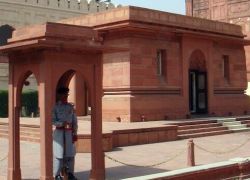
The Tomb of Allama Iqbal, located in Sialkot, Pakistan, is a significant historical and cultural landmark that pays tribute to the life and legacy of one of the most renowned philosophers, poets, and political thinkers of the subcontinent. Allama Muhammad Iqbal, widely regarded as the national poet of Pakistan, was born in Sialkot in 1877. His contributions to literature, philosophy, and the ideology of Pakistan have made him an influential figure in South Asian history. The tomb, which serves as his final resting place, stands as a symbol of Iqbal's profound impact on the cultural and political landscape of the region. It is visited by countless people every year who seek to honor his memory and learn more about his inspiring life. How to Reach the Tomb of Allama Iqbal Sialkot is easily accessible by road from major cities like Lahore, Islamabad, and Rawalpindi. The city is approximately 125 km (about 78 miles) from Lahore, and the drive takes around 2 to 3 hours via the Sialkot-Lahore Road. From Islamabad, the distance is around 190 km, which takes approximately 3 to 4 hours by car. Sialkot also has an international airport, Sialkot International Airport, which offers domestic flights to cities like Karachi, Lahore, and Islamabad. Upon arrival at the airport, visitors can take a taxi or use local transport to reach the tomb. The tomb is located in the city center, near the Allama Iqbal Memorial Park, making it easy to reach from anywhere in Sialkot. Once in the city, the tomb is within walking distance of other landmarks like the Iqbal Manzil (the birthplace of Allama Iqbal), making it a perfect stop on a historical tour of Sialkot. Weather in Sialkot Sialkot has a subtropical climate, which means it experiences hot summers, mild winters, and moderate rainfall. The summer months (from May to August) can be extremely hot, with temperatures often rising above 40°C (104°F). It is best to visit during the cooler months, from October to March, when temperatures range from 15°C to 25°C (59°F to 77°F), making sightseeing more comfortable. The monsoon season, from June to September, brings moderate rainfall and high humidity, which can make the weather slightly uncomfortable. Winter (December to February) in Sialkot is mild and pleasant, with temperatures typically between 5°C to 20°C (41°F to 68°F). Visitors are advised to check the weather forecast before visiting to ensure a more comfortable experience, especially if planning to explore outdoors. Timing of Visit The Tomb of Allama Iqbal is open to visitors every day of the week from 9:00 AM to 6:00 PM. However, it is recommended to visit early in the morning or later in the evening to avoid the midday heat, especially during the summer months. The site is generally less crowded during weekdays, making it easier to explore the tomb and surrounding park in peace. On national holidays or significant dates, such as Iqbal Day (November 9th), the tomb attracts a large number of visitors who come to pay tribute to Allama Iqbal. Special events, speeches, and commemorative gatherings are often held on these occasions, creating a unique and vibrant atmosphere at the tomb. Why Famous: Significance of the Tomb of Allama Iqbal The Tomb of Allama Iqbal is famous not only for being the final resting place of one of South Asia's most influential intellectuals but also for its role as a symbol of Pakistan’s cultural and intellectual heritage. Allama Iqbal’s poetry, philosophical works, and political ideas played a pivotal role in the creation of Pakistan. He is often referred to as the "Spiritual Father of Pakistan" for his contributions to the ideology that led to the partition of British India and the formation of Pakistan in 1947. The tomb itself is located within the Allama Iqbal Memorial Park, which is a serene place for visitors to reflect on Iqbal’s ideas about education, self-reliance, and the importance of unity among Muslims. The tomb is a significant site for Pakistanis, who view Iqbal as a visionary whose philosophy laid the groundwork for the creation of the nation. Visitors come from all parts of Pakistan and abroad to pay their respects and learn more about Iqbal’s life and work. Entry and Visit Details The tomb is open to visitors free of charge, though donations for the upkeep of the site are welcomed. There is no entry fee for general visitors, but if you wish to take a guided tour, a small fee may apply. Local guides are available at the tomb to provide a detailed history of Iqbal's life, his contributions to literature, and the significance of the tomb. They also offer fascinating insights into his works and the lasting impact he had on the political and cultural landscape of South Asia. Visitors can spend time walking through the park surrounding the tomb, which is well-maintained and provides a peaceful environment. The park features lush gardens, fountains, and benches, making it an ideal spot for reflection. The tomb is often visited by students, scholars, and poetry lovers, and it remains a place of quiet reverence throughout the year. History of the Tomb of Allama Iqbal The Tomb of Allama Iqbal was built after his death in 1938. Iqbal passed away in Lahore, but his remains were later moved to his birthplace, Sialkot, in 1951. The tomb was constructed to honor his legacy and was designed with an elegant yet simple structure. The tomb’s architecture combines elements of Mughal and modern styles, with its white marble tombstone standing prominently at the center, surrounded by intricate floral patterns and traditional designs. Over the years, the tomb has become a focal point for those wishing to pay homage to Iqbal. The park was also developed as a memorial to the poet, and it now hosts various cultural and educational events, including poetry readings and debates, which are reflective of Iqbal’s lifelong passion for intellectual discourse. Architecture of the Tomb of Allama Iqbal The architecture of the tomb is modest yet elegant, reflecting Allama Iqbal’s personality—intellectual, contemplative, and dignified. The tomb is constructed using white marble, a material that symbolizes purity and reverence. It is surrounded by a beautifully designed garden, which enhances the serene atmosphere of the site. The design of the tomb incorporates elements of traditional Mughal architecture, including pointed arches and geometric patterns. The structure is not overly ornate, which reflects Iqbal’s own philosophy of simplicity and intellectual purity. The tombstone itself is inscribed with a tribute to the poet, and visitors can view a small plaque that details his life’s work and achievements. Things to Do at the Tomb of Allama Iqbal Pay Tribute: Visitors come to the tomb to pay their respects to Allama Iqbal, reflecting on his contributions to literature, philosophy, and Pakistan's ideology. Explore the Memorial Park: Take a walk through the Allama Iqbal Memorial Park, which features lush gardens, fountains, and benches where visitors can relax and contemplate. Learn About Iqbal’s Philosophy: Hire a local guide to gain a deeper understanding of Allama Iqbal’s ideas on self-reliance, nationalism, and the role of education in a society's progress. Photography: The tomb and the surrounding park offer picturesque views, making it a great place for photography enthusiasts to capture the beauty of the site. Interesting Facts About the Tomb of Allama Iqbal Allama Iqbal was born in Sialkot in 1877 and is considered the national poet of Pakistan for his contributions to the country’s ideological foundation. The tomb was constructed in 1951, more than a decade after Iqbal’s death in 1938. Iqbal is often credited with inspiring the creation of Pakistan through his political writings and poetry, particularly his famous work “Shikwa and Jawab-e-Shikwa” (Complaint and Response). The Tomb of Allama Iqbal is visited by thousands of people every year, especially on Iqbal Day (November 9th), which commemorates his birth. Tips for Visiting the Tomb of Allama Iqbal Visit Early: The tomb is a peaceful place for reflection, but it can get crowded on weekends or holidays. Visiting early in the day ensures a more tranquil experience. Respect the Site: Remember that the tomb is a place of reverence, so maintain a respectful attitude and refrain from loud talking or inappropriate behavior. Bring a Guide: Hiring a local guide can enrich your experience by offering detailed historical insights into Iqbal’s life and legacy. Photography: Be mindful when taking photos, especially of the tombstone, to respect the solemnity of the site. Conclusion The Tomb of Allama Iqbal in Sialkot is not just a resting place; it is a symbol of his lasting impact on Pakistan's intellectual and political history. Visitors to this site can pay tribute to one of South Asia's most important figures, explore the architectural beauty of the tomb, and learn more about Iqbal's inspiring philosophy. Whether you are a student of literature, a history enthusiast, or simply someone wishing to honor a great thinker, the Tomb of Allama Iqbal is a must-visit destination in Sialkot.
Explore More
Iqbal Manzil is a historically significant house located in the heart of Sialkot, Pakistan. It holds special importance as the birthplace of one of South Asia’s most influential philosophers, poets, and intellectuals, Allama Muhammad Iqbal. Born on November 9, 1877, in this very house, Iqbal went on to become the visionary behind the idea of an independent Muslim state, which eventually led to the creation of Pakistan in 1947. Today, Iqbal Manzil serves as a museum dedicated to the life and legacy of Allama Iqbal, attracting scholars, students, and visitors from all over the world who wish to learn about his contributions to literature, philosophy, and politics. How to Reach Iqbal Manzil Sialkot is well connected to major cities in Pakistan by road and air. To reach Iqbal Manzil, you can drive from Lahore, which is about 125 kilometers away, a 2-3 hour drive. If you're traveling from Islamabad, Sialkot is approximately 190 kilometers (3-4 hours by car). The city has a modern highway network, making the journey smooth and scenic. Additionally, Sialkot has its own international airport, the Sialkot International Airport, which offers domestic and international flights. Upon arrival, you can take a taxi or public transportation to reach Iqbal Manzil, which is centrally located in the city near the famous Allama Iqbal Road. Weather in Sialkot Sialkot experiences a subtropical climate with distinct seasons. The summer months (May to August) are extremely hot, with temperatures often exceeding 40°C (104°F), making it a less favorable time for sightseeing. The best time to visit is during the cooler months of October to March, when temperatures are more comfortable, ranging between 15°C to 25°C (59°F to 77°F). The winter months (December to February) are mild, and the weather is pleasant, ideal for walking and exploring historical sites like Iqbal Manzil. During the monsoon season (June to September), the city experiences moderate rainfall, which may make outdoor activities less enjoyable. It is advisable to check the weather forecast before visiting, especially if you plan to explore the city on foot. Timing of Visit Iqbal Manzil is open for visitors every day of the week from 9:00 AM to 5:00 PM. However, it is recommended to visit early in the morning to avoid crowds, especially during weekends or national holidays. On Iqbal Day (November 9th), which marks the birth of Allama Iqbal, the house sees a large number of visitors who come to honor the poet’s legacy. Special events and commemorative activities are often held on this day, adding to the vibrancy of the atmosphere. Why Famous: Significance of Iqbal Manzil Iqbal Manzil is famous primarily because it is the birthplace of Allama Muhammad Iqbal, one of the most important figures in the intellectual and political history of South Asia. Iqbal’s poetry, philosophy, and political ideas played a crucial role in the creation of Pakistan. He is widely regarded as the "Spiritual Father of Pakistan" for his contributions to the idea of a separate Muslim state in South Asia. The house has been preserved as a heritage site to commemorate his life and works. Today, it houses a museum with artifacts, photographs, personal belongings, and manuscripts that provide a glimpse into the life of this remarkable man. Visitors to Iqbal Manzil can learn about the formative years of Iqbal, the early influences that shaped his intellectual development, and his rise to prominence as a philosopher and poet. Entry and Visit Details Entry to Iqbal Manzil is free for all visitors, though donations are encouraged to support the preservation of the site. Visitors can hire a local guide at the entrance to learn more about Allama Iqbal's life, his contributions, and the significance of his birthplace. The museum offers a detailed exhibition of Iqbal’s life, including his early years in Sialkot, his education in Europe, and his transformation into one of the greatest thinkers of the 20th century. The museum is well-maintained, and the house itself has been carefully preserved to reflect the era in which Iqbal was born. It’s advisable to spend 1-2 hours exploring the house and its exhibits, as it provides an immersive experience into the poet’s life and philosophy. History of Iqbal Manzil Iqbal Manzil was built in the late 19th century and was the residence of the Iqbal family. It was in this house that Allama Iqbal was born in 1877. After his death in 1938, his birthplace became a site of pilgrimage for his admirers. In 1951, the house was officially preserved as a national monument, and the government of Pakistan converted it into a museum to honor Iqbal’s legacy. In the years following, the house underwent renovations to accommodate the museum, while still retaining much of its original charm. The museum officially opened to the public, allowing visitors from around the world to experience the life and works of Iqbal through exhibits of photographs, documents, and personal belongings. Architecture of Iqbal Manzil The architecture of Iqbal Manzil is a blend of traditional Mughal and colonial architectural styles, typical of the period during which it was built. The house features large, airy rooms, high ceilings, and ornate woodwork that was common in residential buildings of the late 1800s. The façade is simple yet elegant, with intricate details in the design, reflecting the modest yet significant lifestyle of the Iqbal family. Inside, the house has been preserved with much of its original furniture, giving visitors a sense of what life was like during Iqbal's childhood. The rooms are adorned with vintage décor and antique furnishings, enhancing the historical atmosphere. The house also has a small garden that provides a peaceful environment for reflection. Things to Do at Iqbal Manzil Explore the Museum: Walk through the rooms of Iqbal Manzil to explore exhibits that include photographs, manuscripts, and personal items belonging to Allama Iqbal. Each exhibit tells a part of his life story. Learn About Iqbal’s Philosophy: The museum offers insights into Iqbal’s philosophy, his contributions to literature, and his role in the political ideology that led to the creation of Pakistan. Pay Tribute: Many visitors come to Iqbal Manzil to pay homage to the poet-philosopher. Take a moment to reflect on his vision for Pakistan and the powerful legacy he left behind. Photography: Iqbal Manzil is an excellent spot for photography, with its beautiful gardens and historic architecture, making it a perfect destination for photography enthusiasts. Interesting Facts About Iqbal Manzil Allama Iqbal was born in Iqbal Manzil on November 9, 1877, and spent his early years here before moving abroad for his studies. The house was converted into a museum in 1951, after the death of Iqbal, and has since become an important site for people interested in his life and works. The museum contains rare photographs of Iqbal, including some of his travels to Europe and his interactions with prominent figures of the time. Iqbal’s poetry continues to inspire generations of Pakistanis, and Iqbal Manzil stands as a testament to his intellectual and philosophical contributions. Tips for Visiting Iqbal Manzil Wear Comfortable Shoes: Since there is a lot to explore, it’s best to wear comfortable footwear to walk around the house and gardens. Hire a Guide: A local guide can provide you with more information about Iqbal’s life and legacy, making your visit more informative and enriching. Respect the Site: Iqbal Manzil is a place of reverence, so it is important to maintain quiet and respectful behavior while visiting. Plan Ahead: Try to visit early in the day, especially during weekends or holidays, to avoid large crowds and have a more relaxed experience. Conclusion Iqbal Manzil is more than just a museum; it is a living tribute to one of Pakistan’s greatest thinkers. A visit to this site provides an intimate look into the early life of Allama Iqbal and allows visitors to explore the environment that shaped the poet’s thoughts and ideas. Whether you are a history enthusiast, a student of literature, or someone wishing to pay homage to a national hero, Iqbal Manzil is a must-visit destination in Sialkot, Pakistan.
Explore More6 Nights 7 Days Dubai Tour
7 Days/ 6 Night
Abu Dhabi - Baltistan
Abu Dhabi with Yas Island
5 Days/ 4 Night
Abu Dhabi - Baltistan
Nepal Adventure Tour
15 Days/ 14 Night
Kathmandu - Chitwan - Pokhara - Ghorepani - Deurali - Bukhara - Batam - Abu Dhabi - Baltistan
Punjab, Himalaya and Ladakh – 13 Days Tour
13 Days/ 12 Night
Punjab - Amritsar - New Delhi - Dharamshala - Manali - Leh - Dera Ghazi Khan - Muzaffarabad

Khayali Pahaari, or the "Imaginary Mountain," is one of the most famous and culturally significant spots in Sialkot, Pakistan. Known for its unique geographical features and its rich association with the local folklore and history, Khayali Pahaari stands as a symbol of natural beauty and peacefulness. It is often visited by tourists, nature enthusiasts, and those looking to escape the hustle and bustle of city life. The site is famous for its stunning views, historical significance, and the sense of tranquility it offers to visitors. Whether you are a local or a tourist, Khayali Pahaari provides a beautiful and enriching experience, combining nature, history, and cultural heritage. How to Reach Khayali Pahaari Khayali Pahaari is located just outside the city of Sialkot, in the vicinity of the village of Khayali, which is about 15 to 20 kilometers from Sialkot city center. To reach this scenic hill, you can travel by car, motorbike, or even public transport. The most convenient way is to take a local taxi or private car from Sialkot city. The route is well-connected, and it takes about 30 to 40 minutes to reach Khayali Pahaari from the heart of Sialkot. If you are traveling from Lahore, you can take the Sialkot-Lahore Road, and once you reach Sialkot, follow the local directions to Khayali. It’s best to use a GPS or a local map to ensure you stay on the right path. Alternatively, there are also buses and taxis available from Sialkot’s main bus terminal that can take you to the hilltop, but private transport offers more flexibility for exploring the area at your own pace. Weather and Best Time to Visit The weather in Sialkot is typically hot during the summer months (from May to August), with temperatures often exceeding 40°C (104°F). While Khayali Pahaari offers a cooler atmosphere due to its elevated location, summer visits may still feel uncomfortable during the hottest hours of the day. However, evenings and early mornings can be quite pleasant, especially if you want to enjoy the sunset or sunrise. The best time to visit Khayali Pahaari is during the cooler months of the year, from October to March. The winter months (from December to February) are especially pleasant, with moderate temperatures ranging between 10°C to 20°C (50°F to 68°F). The cool breeze from the hilltop adds to the overall enjoyment of your visit, and you can explore the area comfortably without the intense heat. It is also a great time for trekking and enjoying panoramic views of the surrounding landscape. Timing of Visit There is no specific opening or closing time for Khayali Pahaari, as it is an open natural site. However, it is recommended to visit during daylight hours for safety and to fully appreciate the views. The best time for sightseeing is from early morning to late afternoon, when the weather is cooler and the views are clearer. If you want to catch the sunset or experience the beauty of the landscape as the sun sets behind the hills, plan your visit accordingly. It is advisable not to stay too late, as the area can get isolated after dark. Why Famous: Significance of Khayali Pahaari Khayali Pahaari is famous for its natural beauty, serene environment, and historical associations with local folklore. The hilltop offers breathtaking views of the surrounding plains of Sialkot and distant mountains. The site has been an inspiration for poets, writers, and artists, who have often mentioned it in their works. It is believed that the mountain has a mystical quality, and many local legends and stories are tied to the place. The hill is also famous for its peaceful atmosphere, making it an ideal spot for picnics, nature walks, and relaxation. The area is often visited by families, school groups, and nature lovers who come to enjoy the fresh air and tranquil surroundings. Its proximity to Sialkot makes it a convenient destination for both locals and tourists looking for a short getaway to the countryside. Entry and Visit Details Entry to Khayali Pahaari is free of charge, as it is an open natural site. There are no formal entry gates or ticketing systems in place. However, visitors should be mindful of the environment and maintain cleanliness to preserve the beauty of the area. The site is open throughout the year, and visitors can come at any time during daylight hours. While there are no formal facilities like restrooms or food stalls at the site, visitors can bring their own food and enjoy a picnic on the hilltop. It is advisable to carry enough water, snacks, and any other essentials for a comfortable visit. There are no hotels or guest houses in the immediate vicinity of Khayali Pahaari, so it is recommended to stay in Sialkot city and travel to the hill during the day. History of Khayali Pahaari The history of Khayali Pahaari is deeply embedded in the cultural and historical fabric of Sialkot. While not a major historical monument, the hill has been part of the region for centuries and has been referenced in local folklore. The name "Khayali Pahaari," meaning "Imaginary Mountain," reflects the mystical and mythical elements that surround this natural wonder. Local stories suggest that the hill was once considered a site of spiritual importance, and it is believed that the site inspired many local poets and writers. In modern times, Khayali Pahaari has gained popularity as a tourist destination due to its serene environment and picturesque views. It is now recognized as an important landmark for those interested in the natural beauty of Sialkot and the surrounding regions. Architecture and Natural Beauty As a natural hill, Khayali Pahaari does not feature man-made architecture, but its beauty lies in its landscape and natural surroundings. The hill is surrounded by dense greenery, with numerous species of trees and plants that add to its charm. From the hilltop, visitors are treated to panoramic views of the plains, rivers, and villages below. The natural terrain is ideal for photography, nature walks, and hiking, making it a popular spot for outdoor enthusiasts. Though there are no formal trails for hiking, many visitors enjoy trekking up the hill, taking in the sights along the way. The slopes are covered in lush vegetation, which provides shade and cool air, making the journey pleasant. At the summit, visitors can sit and enjoy the peaceful environment, watch birds, and enjoy the scenic vistas of the surrounding countryside. Things to Do at Khayali Pahaari Nature Walks: Enjoy a relaxing walk through the natural surroundings. The hill offers scenic pathways, perfect for those looking to explore the flora and fauna of the region. Picnics: Pack a picnic and relax with family and friends while enjoying the fresh air and tranquil atmosphere. Photography: Capture the breathtaking views from the hilltop. The landscape offers incredible opportunities for photography, especially during sunrise and sunset. Bird Watching: Khayali Pahaari is home to a variety of birds. If you are a birdwatcher, the site provides a great opportunity to spot different species in their natural habitat. Stargazing: Due to its elevated location and lack of light pollution, Khayali Pahaari is a great place for stargazing. On clear nights, visitors can enjoy a view of the night sky. Interesting Facts About Khayali Pahaari The name "Khayali Pahaari" translates to "Imaginary Mountain," reflecting the mystical aura associated with the site. The hill is a popular spot for local poets, writers, and artists who often come here for inspiration. Khayali Pahaari is a hidden gem in Sialkot, often overlooked by mainstream tourism, making it a peaceful and quiet escape. The hill offers panoramic views of Sialkot and the surrounding agricultural plains, making it a perfect spot for nature lovers and photographers. Tips for Visiting Khayali Pahaari Bring Essentials: There are no shops or restaurants nearby, so it’s best to bring your own water, snacks, and any other necessary items for the trip. Wear Comfortable Shoes: The terrain can be rocky and uneven, so make sure to wear comfortable shoes if you plan on walking or hiking. Visit Early Morning or Late Afternoon: The weather is cooler and the views are best during early mornings or late afternoons. Respect Nature: As a natural site, it’s important to keep the environment clean and avoid littering. Leave no trace of your visit behind. Conclusion Khayali Pahaari in Sialkot is an ideal destination for those seeking to connect with nature, explore the scenic beauty of the region, or simply relax in a peaceful environment. Whether you're a local resident or a tourist, this "Imaginary Mountain" offers an escape from the ordinary, making it an unforgettable experience. From the panoramic views to the natural serenity, Khayali Pahaari provides something special for every visitor who comes to appreciate its unique charm.
Explore More
The Sialkot Clock Tower is one of the most iconic landmarks in the city of Sialkot, Pakistan. Located at the heart of the city, it is a beautiful historical monument that stands as a symbol of the city’s rich heritage and architectural charm. The clock tower was constructed during the British colonial era and has become a focal point for both locals and tourists. The clock tower not only serves as a timekeeping monument but also as a gathering point for the people of Sialkot. Over the years, it has become an essential part of the city’s identity and a testament to its colonial past. How to Reach Sialkot Clock Tower Sialkot Clock Tower is centrally located in the heart of Sialkot city, making it easily accessible from any part of the city. To reach the clock tower, you can use various modes of transport, including taxis, rickshaws, and private cars. If you are arriving from the Sialkot International Airport, the clock tower is just about 16 kilometers (10 miles) away, and it will take approximately 20-25 minutes by car or taxi to reach the site. For those traveling by bus, you can take a local bus to the Sialkot city center, and the clock tower is within walking distance from the main bus station. The location is easily identifiable, as it is surrounded by busy markets, shops, and other historical landmarks. Weather and Best Time to Visit Sialkot experiences a typical sub-tropical climate, with hot summers, cool winters, and a monsoon season. The best time to visit Sialkot Clock Tower is during the winter months, from November to March, when the weather is pleasant and mild, with temperatures ranging between 10°C to 25°C (50°F to 77°F). This is the most comfortable time to explore the historical sites and enjoy the outdoor atmosphere. In the summer (from May to August), the weather can get extremely hot, with temperatures often exceeding 40°C (104°F). If visiting during this time, it’s advisable to come early in the morning or in the evening to avoid the intense heat. The monsoon season (June to September) brings rainfall, making it a less ideal time for outdoor activities, but the rain also adds a lush green charm to the surroundings. Timing of Visit The Sialkot Clock Tower is open to visitors at all times of the day, as it is a public monument and part of the city's infrastructure. However, the best times to visit are during daylight hours, when you can fully appreciate the clock tower’s design and the surrounding area. The bustling markets near the clock tower are busiest in the late morning and afternoon, offering visitors a chance to experience the local culture, food, and shopping. If you wish to enjoy a quieter experience, early morning or late evening visits are recommended. At night, the clock tower is beautifully lit up, offering a different perspective and atmosphere of the landmark. Why Famous: Significance of Sialkot Clock Tower The Sialkot Clock Tower is famous for its historical and architectural significance. Built during the British colonial era in 1904, it was part of a major urban planning project to enhance the city’s infrastructure. It is one of the oldest and most well-preserved colonial-era structures in Sialkot and serves as a reminder of the city’s rich history under British rule. Besides its architectural importance, the clock tower is also famous for its central location. It is situated at the intersection of several important roads in Sialkot, making it a key landmark for navigation and a popular meeting point for locals. The tower’s large clock face is visible from a great distance, and it has been an essential tool for timekeeping for over a century. The tower's four faces and elegant design add to the charm of the surrounding area, making it a popular spot for tourists and photographers alike. Entry and Visit Details There is no entry fee for visiting the Sialkot Clock Tower, as it is a public monument. Visitors can freely explore the clock tower and its surroundings, taking in the architecture and the bustling atmosphere of the area. There are no specific visiting hours, as the site is always open to the public. However, if you are planning to take guided tours or seek assistance from local guides, it is advisable to visit during business hours. While there are no formal facilities at the clock tower itself, the surrounding area is filled with shops, restaurants, and other attractions. Visitors can enjoy local delicacies, shop for souvenirs, or take a stroll through the vibrant streets surrounding the monument. History of Sialkot Clock Tower The Sialkot Clock Tower was constructed in 1904, during the British colonial period, as part of a larger urban development project aimed at improving the city’s infrastructure. The clock tower was built in the center of the city at a prominent intersection, and its purpose was to serve as a timekeeping device for the residents of Sialkot. The design of the clock tower reflects the British colonial architectural style, which was commonly used in the construction of public buildings and monuments during that era. Over the years, the clock tower has become an important symbol of Sialkot’s colonial past. Despite the passage of time, the tower has maintained its charm and continues to be a focal point in the city’s historical landscape. Today, the clock tower is not only a reminder of the city’s history but also a testament to the enduring connection between the past and the present. Architecture of Sialkot Clock Tower The architecture of the Sialkot Clock Tower is a beautiful example of colonial-era design. The tower is built in a tall, cylindrical shape, and it is adorned with intricate detailing, which is typical of the British colonial style. The clock tower features four clock faces, one on each of its sides, which can be seen from various parts of the city. The clock faces are large and easy to read, making the tower a reliable timekeeping source for the city’s residents. The tower is made from locally sourced materials, and its design includes ornamental elements such as arches and decorative carvings. The structure is surrounded by lush greenery and the busy streets of Sialkot, which add to its charm. Over the years, the clock tower has been well-maintained and continues to stand as an iconic symbol of the city. Things to Do at Sialkot Clock Tower Photography: The clock tower is a popular spot for photographers. Its striking architecture, especially during the golden hour or at night when it is lit up, makes it a perfect subject for photography. Shopping: The area around the clock tower is a bustling commercial hub. Visitors can explore the nearby markets, shop for local goods, handicrafts, and souvenirs, or sample delicious street food. Explore Nearby Attractions: The clock tower is close to several other historical landmarks, including the Sialkot Fort and the Allama Iqbal Memorial Complex. Visitors can take a walking tour to explore the city’s rich history and culture. Relax and People Watch: The clock tower is a central gathering point, so it’s an ideal place to relax and observe the vibrant street life of Sialkot. Sit on one of the nearby benches and watch the daily hustle and bustle of the city. Interesting Facts About Sialkot Clock Tower The Sialkot Clock Tower was constructed over a century ago in 1904, during the British colonial rule. The clock tower has four clock faces, one on each of its sides, making it visible from various parts of the city. The clock tower is a key landmark and is centrally located at a major intersection in the city. The area around the clock tower is one of the busiest commercial hubs in Sialkot, with a variety of shops, restaurants, and local markets. Tips for Visiting Sialkot Clock Tower Best Time to Visit: Visit early in the morning or late in the evening to avoid the midday heat and to enjoy a quieter atmosphere. Dress Comfortably: The area around the clock tower can be crowded, so wear comfortable shoes and clothing for walking and shopping. Take a Local Guide: If you are interested in learning more about the history of the clock tower and Sialkot, consider hiring a local guide. Stay Hydrated: The weather can get hot, especially in summer, so make sure to carry water with you while exploring the area. Conclusion Sialkot Clock Tower is a beautiful and historically significant landmark in the heart of Sialkot. It offers a glimpse into the city’s colonial past while remaining an integral part of its present-day charm. Whether you’re a history buff, a photographer, or simply someone looking to explore the culture of Sialkot, the clock tower is a must-see attraction. With its stunning architecture, central location, and surrounding attractions, Sialkot Clock Tower continues to be an important symb
Explore More
The Swat Museum is an essential cultural and historical landmark located in Mingora, the largest city in the Swat Valley of Khyber Pakhtunkhwa province, Pakistan. It showcases the rich heritage of the Swat region and highlights its historical importance, from ancient Buddhist artifacts to Islamic relics. The museum serves as a bridge to understanding the diverse culture and history of Swat, making it a must-visit destination for tourists and history enthusiasts. How to Reach Swat Museum, Mingora, Pakistan Swat Museum is located in Mingora, which is easily accessible from Islamabad, the capital of Pakistan. To reach the museum, you can travel by road or air: By Road: The most common way to reach Mingora is by road. The distance from Islamabad to Mingora is around 240 kilometers (about 5-6 hours by car), via the M-1 and M-2 highways. The road to Swat is scenic and offers a pleasant journey through mountains and valleys. By Air: While there is no direct international flight to Mingora, you can take a flight to Islamabad or Peshawar, and then travel by road. There are limited domestic flights to Saidu Sharif Airport, which is around 5 km from Mingora. From there, you can take a taxi or a local transport service to reach the museum. Weather at Swat Museum The weather in Swat Valley varies depending on the season. The region enjoys a temperate climate, with mild summers and cold winters. Summer (May - August): The temperature can range from 20°C to 30°C (68°F to 86°F), making it a pleasant time to visit. Summer is ideal for exploring the museum and nearby attractions in the valley. Winter (November - February): Winter temperatures can drop significantly, sometimes reaching as low as 0°C (32°F). Snowfall is common, especially in the higher altitudes, making winter an excellent time for those interested in the picturesque snow-covered landscape, although it may be cold to explore the museum itself during this time. Spring and Autumn (March - April and September - October): These are considered the best seasons to visit, with moderate temperatures and beautiful scenery. You can comfortably explore the museum and enjoy the stunning surroundings of Swat Valley. Timing of Swat Museum The Swat Museum is open to the public every day of the week except for Mondays. The usual visiting hours are: Morning: 9:00 AM - 12:30 PM Afternoon: 2:00 PM - 5:00 PM It is recommended to visit during the morning hours for a more relaxed experience. The museum can get crowded in the afternoons, especially during peak tourist seasons. Why Swat Museum is Famous Swat Museum is famous for being one of the most important historical and cultural sites in Pakistan. The museum is renowned for its collection of artifacts that span over 2,000 years of history, from ancient Gandhara civilization to Islamic history. Some of the museum's notable collections include: Buddhist Artifacts: The Swat Valley was once a center of Buddhist civilization. The museum houses many artifacts from this era, including statues, sculptures, pottery, coins, and other religious artifacts. Gandhara Sculpture: The Gandhara art style, which blends Greek, Roman, and Buddhist influences, is prominently represented in the museum's collection. Coins and Inscriptions: The museum also displays numerous ancient coins and inscriptions from the Gandhara period, which provide insight into the cultural and economic history of the region. Entry and Visit Details about Swat Museum Visitors can easily explore the museum at a nominal entry fee. The museum is open for tourists, locals, and researchers who are interested in learning about Swat's rich history. The entry fee is very affordable, usually around PKR 20-50 (Pakistani Rupees), making it accessible for everyone. It is suggested that visitors hire a guide if they want to gain more detailed knowledge about the exhibits. Local guides are available at the entrance, and they offer helpful explanations about the significance of each piece in the museum's collection. History and Architecture of Swat Museum Swat Museum was established to preserve the cultural heritage of the Swat region, which has been influenced by various civilizations over the centuries. The region has been home to Buddhist, Hindu, and Islamic cultures, each leaving a significant mark on its history. The building housing the museum is designed in a simple yet elegant manner, reflective of the region’s architecture. The museum features traditional Swat-style woodwork and a spacious layout that allows visitors to enjoy the exhibits comfortably. The exterior is surrounded by lush greenery, adding to the charm of the place. The museum itself blends with the natural beauty of Swat, offering an authentic experience for tourists. Things to Do at Swat Museum Explore the Artifacts: The museum houses an impressive collection of ancient artifacts, including sculptures, coins, and pottery. Visitors can spend time exploring these objects and learning about their historical significance. Take a Guided Tour: Hiring a guide enhances the experience, as they can provide historical context and stories about the different exhibits. Photography: The museum and its surroundings provide numerous opportunities for photography, especially with the scenic landscape of the Swat Valley in the backdrop. Visit Nearby Attractions: After visiting the museum, you can explore other nearby attractions like the Buddha rock carvings, Udegram Buddhist Monastery, and the mesmerizing rivers and mountains of Swat. Facts and Tips about Swat Museum Historical Significance: The museum plays a crucial role in preserving Swat's cultural and historical heritage. Swat was once a part of the Gandhara civilization, and the museum helps educate visitors about this ancient culture. Best Time to Visit: The best time to visit is during the spring and autumn months, as the weather is pleasant and the region is in full bloom. Pack Light: The museum does not have much space for large bags, so it’s advisable to carry only essential items like a camera, water bottle, and your phone. Respect the Artifacts: As with any museum, it’s important to handle all items with respect and avoid touching artifacts to preserve them for future generations. Visiting the Swat Museum is a rewarding experience that will give you insight into the region's diverse history and cultural richness. Whether you are a history lover or simply looking for an interesting day trip in the beautiful Swat Valley, this museum is a place you won't want to miss.
Explore More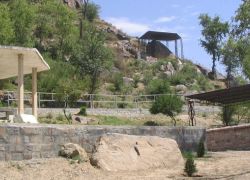
Shahbaz Garhi is an archaeological site located near Mingora in the Swat Valley of Pakistan. It is one of the most significant historical and cultural landmarks in the region, famous for its ancient rock carvings and inscriptions. The site is believed to have been an important center during the ancient Gandhara civilization, which thrived in this area over two millennia ago. Shahbaz Garhi is not only a key site for history enthusiasts but also a place that offers stunning views of the Swat Valley's natural beauty. How to Reach Shahbaz Garhi, Mingora Shahbaz Garhi is located about 10 km from Mingora, the main city of Swat, making it easily accessible by road. Here’s how you can reach Shahbaz Garhi: By Road: To visit Shahbaz Garhi, you first need to reach Mingora, which is well-connected to major cities like Islamabad, Peshawar, and other parts of Khyber Pakhtunkhwa by road. From Mingora, you can take a local taxi or hire a private car to Shahbaz Garhi. The drive takes about 15-20 minutes from the city center. Public Transport: Public transport options, such as local buses or vans, are available from Mingora to nearby towns. However, a taxi or private transport is recommended for convenience and to reach the site directly. Weather and Best Time to Visit The weather in Shahbaz Garhi varies throughout the year, but the best time to visit is during the spring and summer months when the weather is mild and pleasant. Here's a breakdown of the seasons: Spring (March to May): Spring is a great time to visit, as the weather is mild and the landscape is lush and green. The temperature ranges between 15°C to 25°C (59°F to 77°F), making it ideal for outdoor exploration. Summer (June to August): Summer is another good time to visit Shahbaz Garhi, as the temperatures range from 25°C to 30°C (77°F to 86°F). However, it can get a little warm in the afternoons, so it's recommended to visit early in the morning or late in the evening. Autumn (September to November): Autumn is also a pleasant time, with cooler temperatures and fewer tourists, making it an ideal time for those looking for a quieter visit. Winter (December to February): Winter can be harsh, with temperatures dropping below freezing at higher altitudes. It’s best to avoid visiting during this time unless you are prepared for cold weather. Why Famous for Shahbaz Garhi, Mingora, Pakistan? Shahbaz Garhi is famous for its rich historical and archaeological significance. The site features a number of ancient rock inscriptions and Buddhist carvings that date back to the Gandhara period (around 2nd to 5th century CE). These carvings provide valuable insight into the art, culture, and religious beliefs of the Gandhara civilization. Some key reasons for its fame include: Ancient Rock Inscriptions: Shahbaz Garhi is home to several inscriptions in ancient languages like Gandhari and Sanskrit, some of which were written in the Kharosthi script. These inscriptions are valuable for historians and linguists studying the region’s ancient languages. Historical Importance: Shahbaz Garhi is believed to have been an important center of the Gandhara civilization. The site contains remains of Buddhist stupas and monasteries, indicating that it was once a significant hub for Buddhist culture and pilgrimage. Architectural Features: The site features ancient architectural ruins, including remains of Buddhist stupas and relics, making it a popular spot for history buffs and archaeologists. Entry and Visit Details Visiting Shahbaz Garhi is relatively easy, but there are some important things to know before you go: Entry Fee: There is no formal entry fee to visit Shahbaz Garhi, but donations for the maintenance of the site are appreciated. Guides: It’s recommended to hire a local guide who is knowledgeable about the history of Shahbaz Garhi and can explain the significance of the inscriptions and carvings. Guides are available at the site or can be arranged in Mingora. Opening Hours: Shahbaz Garhi is open to visitors throughout the week, but it’s best to visit during daylight hours (8:00 AM to 6:00 PM) for safety and to enjoy the site in full daylight. Facilities: The site is relatively simple and doesn’t have many modern facilities. It’s recommended to bring essentials such as water, snacks, and sunscreen, as there are no shops or restaurants near the site. History and Architecture of Shahbaz Garhi Shahbaz Garhi has a rich history dating back to the Gandhara period, which was known for its Buddhist art, culture, and architecture. The valley was a key part of the Gandhara civilization, which flourished in the region between the 1st and 5th centuries CE. The site contains several rock inscriptions and carvings that offer a glimpse into the region’s Buddhist heritage. The inscriptions at Shahbaz Garhi are in Kharosthi and Gandhari script, which was used during the Gandhara period. The site also features remains of Buddhist stupas, and some scholars believe that it may have been a Buddhist monastery or a center for Buddhist education. Things to Do at Shahbaz Garhi Explore the Rock Inscriptions: One of the main activities at Shahbaz Garhi is exploring the ancient rock inscriptions and carvings. Visitors can learn about the Gandhara civilization and the Buddhist influences in the region by examining these inscriptions. Photography: The site’s ancient carvings and stunning natural surroundings make it a great location for photography. Capturing the inscriptions against the backdrop of the Swat Valley’s mountains is a popular activity for visitors. Historical Tours: Take a guided tour to learn more about the history and significance of Shahbaz Garhi. Local guides can provide in-depth knowledge about the Gandhara civilization and the historical context of the site. Enjoy Scenic Views: Apart from the archaeological wonders, the site offers breathtaking views of the Swat Valley and surrounding mountains. It’s a great spot to relax and enjoy the natural beauty of the area. Interesting Facts and Tips about Shahbaz Garhi Significant Inscriptions: Some of the inscriptions at Shahbaz Garhi are believed to be among the earliest examples of Kharosthi and Gandhari scripts, providing invaluable insights into ancient languages. Respect for Heritage: As an archaeological site, it is important to respect the heritage and avoid touching or damaging the ancient carvings. Preservation of the site is crucial for future generations. Carry Essentials: Shahbaz Garhi is a relatively remote site, so it’s essential to bring water, snacks, and sunscreen. There are no shops or facilities on-site. Best Time to Visit: The best time to visit Shahbaz Garhi is during the spring and early summer months when the weather is comfortable for outdoor exploration. Conclusion Shahbaz Garhi is a fascinating and historically significant site located in the heart of Swat Valley. With its ancient inscriptions, Buddhist ruins, and rich Gandhara heritage, it is a must-visit destination for history enthusiasts and those interested in Pakistan’s ancient civilizations. Whether you're a history buff, a nature lover, or simply someone looking to explore the beauty of Swat, Shahbaz Garhi offers a unique and enriching experience.
Explore More
Mansehra Fort, located in the picturesque city of Mansehra in Khyber Pakhtunkhwa, Pakistan, is an ancient historical site that stands as a symbol of the region's rich cultural heritage. The fort is situated atop a hill, offering panoramic views of the surrounding areas. With a history dating back to the 16th century, the fort has witnessed numerous dynasties and historical events, making it an important landmark for history enthusiasts and tourists alike. How to Reach Mansehra Fort Reaching Mansehra Fort is quite straightforward, as it is easily accessible from different parts of Pakistan. Here’s how you can get there: By Car: If you're traveling from Islamabad, take the M1 motorway towards Abbottabad. From Abbottabad, drive towards Mansehra via the main N35 road. Mansehra Fort is located near the city center, and you can easily find your way by following signs or asking locals for directions. By Public Transport: You can also take a bus or a private vehicle to Mansehra from major cities like Islamabad or Peshawar. Once you reach Mansehra, you can take a local taxi or rickshaw to the fort. Weather and Best Time to Visit Mansehra experiences a temperate climate with distinct seasons. Here’s a breakdown of what to expect during different times of the year: Summer (April to June): The temperature during summer ranges from 25°C to 35°C (77°F to 95°F). This is a popular time to visit, as the weather is warm but not excessively hot, making it ideal for sightseeing. Monsoon (July to September): The monsoon season brings moderate rainfall, which makes the surroundings lush and green. However, some areas might become slippery, so it's important to be cautious if you’re trekking or walking around the fort. Autumn (October to November): Autumn offers pleasant weather with temperatures ranging from 15°C to 25°C (59°F to 77°F). The landscape is particularly beautiful during this season, with colorful foliage and clear skies. Winter (December to March): Winter temperatures can drop significantly, ranging from 0°C to 15°C (32°F to 59°F). Snowfall is not uncommon in the region, so if you plan to visit during this time, be prepared with warm clothing. Why Mansehra Fort is Famous? Mansehra Fort is famous for its historical significance, scenic location, and architectural heritage. Built during the Mughal era, it is a symbol of the region’s strategic importance in the past. The fort offers spectacular views of the surrounding valley, including the lush green hills and forests. It also has cultural and archaeological importance, with remnants of old structures and fortifications still visible. The fort’s position on top of a hill has made it a key defensive location throughout history, serving as both a military stronghold and a royal residence. Entry and Visit Details Visiting Mansehra Fort is an enriching experience, and here’s everything you need to know: Opening Hours: The fort is typically open to visitors from 9 AM to 6 PM every day. However, it’s best to confirm the timings in advance, as they may vary based on the season or local conditions. Entry Fees: There is no entry fee for Mansehra Fort, but donations are appreciated to support its maintenance and conservation efforts. Guided Tours: Local guides are available at the fort for a nominal fee. They provide valuable insights into the history, architecture, and significance of the fort. Hiring a guide is recommended for a more informative visit. Accessibility: The fort is located on a hill, which means there is a steep climb to the top. While the climb is not too difficult, visitors with mobility issues should plan accordingly or ask about alternative routes to reach the fort. History and Architecture Mansehra Fort was built during the Mughal period, though there are various theories regarding its construction. Some suggest that it was initially established by the Mughals, while others believe that it was a strategic fortification built during the era of the British Raj. The fort's architecture reflects the traditional Mughal style, with high walls, large gates, and strategic turrets designed for defense. Over time, the fort has undergone several renovations and additions, but it still retains much of its original grandeur. The fort is built on a rocky hill, providing a natural defense against invaders. From its elevated position, the fort offers commanding views of the surrounding region, including the lush greenery of the Hazara region and the distant peaks of the Himalayan mountain range. The architecture is simple yet imposing, with large stone structures and defensive walls, indicative of the fort’s role as a military stronghold. Things to Do Around Mansehra Fort Visiting Mansehra Fort offers a range of activities and experiences: Explore the Fort: Spend time exploring the fort's inner walls, towers, and pathways. You can climb to the top for breathtaking panoramic views of the surrounding region. Photography: The scenic location and historical architecture make Mansehra Fort an excellent spot for photography. Capture the impressive structure against the backdrop of rolling hills and valleys. Historical Insight: Take a guided tour to learn more about the fort’s rich history, its strategic importance, and its role in the regional defense systems over the centuries. Nature Walks: The area surrounding the fort is ideal for nature walks and hikes. Enjoy the cool breeze, lush greenery, and fresh air while exploring the vicinity of the fort. Facts and Tips About Mansehra Fort Strategic Location: The fort’s hilltop position made it a key military stronghold, offering excellent vantage points for spotting approaching enemies. Nearby Attractions: While in Mansehra, you can also visit other historical sites, such as the historical Buddha rock carvings and the nearby Abbottabad area for more scenic spots. Wear Comfortable Footwear: Since the fort is located on a hill, you’ll need to climb to reach the top. Wear sturdy shoes for the climb. Bring Water: Although there are limited facilities at the fort, it’s a good idea to bring your own water, especially if you're visiting during the summer months. Respect the Heritage: Mansehra Fort is an important cultural and historical site. Be sure to respect the fort and its surroundings, keeping the area clean and free of litter. Conclusion Mansehra Fort is a fascinating historical landmark that provides insight into the region’s rich cultural heritage. With its strategic location, stunning architecture, and panoramic views, the fort is an ideal destination for history buffs, architecture enthusiasts, and nature lovers alike. Whether you’re exploring the fort’s interiors, enjoying a hike around the area, or simply taking in the scenic vistas, a visit to Mansehra Fort is sure to be a memorable experience.
Explore More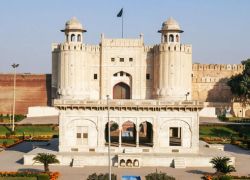
Lahore Fort, also known as Shahi Qila, is a majestic and historic fortification located in the heart of Lahore, Punjab, Pakistan. This UNESCO World Heritage Site is one of the most important and well-preserved monuments of the Mughal era. The fort has a rich history dating back to at least the 11th century, though much of its current structure was built by Mughal emperors, particularly Akbar, Shah Jahan, and Aurangzeb. The fort’s stunning architecture, intricate carvings, and grand scale make it one of the most visited historical sites in Pakistan. How to Reach Lahore Fort Lahore Fort is centrally located in the city, making it easily accessible from various parts of Lahore. Here are some ways to reach the fort: By Air: The nearest airport to Lahore Fort is Allama Iqbal International Airport, located about 20 km away. From the airport, you can take a taxi or ride-sharing service to the fort. By Train: Lahore is well-connected by rail to other cities in Pakistan. The Lahore Railway Station is approximately 6 km from the fort, and you can easily hire a taxi or take a local bus to the fort. By Car: If you are in Lahore, you can use a taxi or a private car to reach Lahore Fort. It is located near other major landmarks like Badshahi Mosque, so it is easy to find. By Public Transport: Lahore Fort is well connected to the city’s bus routes, with several buses passing nearby. Local rickshaws and taxis are also easily available for a short ride to the fort. Weather and Best Time to Visit Lahore experiences a diverse climate, with hot summers, a moderate monsoon, and cool winters. Here's an overview of what to expect during different seasons: Summer (May to August): The summer months are extremely hot, with temperatures often exceeding 40°C (104°F). While you can still visit the fort, it’s advisable to do so in the early morning or late evening to avoid the intense heat. Monsoon (June to September): The monsoon season brings moderate rainfall, which cools the temperature and makes the surroundings lush and green. This can be a great time to visit if you don’t mind a bit of rain. Winter (November to February): Winter is the best time to visit Lahore Fort. The temperature is moderate, ranging from 10°C to 20°C (50°F to 68°F), and the weather is pleasant for sightseeing. Spring (March to April): Spring offers clear skies and moderate temperatures, making it another excellent time to visit Lahore Fort. The flowers in bloom add to the beauty of the surroundings. Why Lahore Fort is Famous? Lahore Fort is famous for its historical significance, stunning architecture, and its role as the royal residence of Mughal emperors. It served as the main military and administrative center of the Mughal Empire in the region. The fort is renowned for its magnificent gates, exquisite gardens, palaces, and intricate tile work that showcase the grandeur of the Mughal period. It is also historically significant because it has been the site of many important events in South Asian history, including battles, royal ceremonies, and political decisions. The fort’s design reflects a blend of Islamic, Persian, and Mughal architectural styles, making it a prime example of Mughal fortifications in the Indian subcontinent. Entry and Visit Details Visiting Lahore Fort is a must-do for history enthusiasts and architecture lovers. Here are some key details for planning your visit: Opening Hours: Lahore Fort is open every day from 9 AM to 5 PM. It is recommended to visit in the morning or late afternoon, as the weather can be hot during the midday hours, especially in summer. Entry Fees: Entry to the fort is generally free for Pakistani citizens, while foreign nationals are required to pay a nominal entry fee. It is advisable to check the current fee structure before visiting. Dress Code: While there is no strict dress code, it is recommended to dress modestly, especially since Lahore Fort is a historical site and attracts many local visitors. Comfortable walking shoes are also a good idea due to the size of the fort. Guided Tours: To enhance your visit, consider hiring a local guide who can provide you with in-depth knowledge about the fort’s history, architecture, and significance. Guided tours are available at the entrance and are relatively affordable. History and Architecture Lahore Fort has a rich history that spans several centuries. The fort was originally constructed by the Ghaznavids in the 11th century but was significantly expanded and renovated by the Mughal emperors, particularly Emperor Akbar, who rebuilt much of the structure in the 16th century. It was further renovated by Shah Jahan in the 17th century, with many of the architectural elements we see today being added during his reign. The fort’s architecture is a brilliant example of Mughal design, characterized by intricate tile work, marble inlays, and geometric patterns. It features a combination of defensive walls, palaces, gardens, and mosques. Some of the most notable sections of the fort include the Alamgiri Gate, the Sheesh Mahal (Palace of Mirrors), the Diwan-i-Aam (Hall of Public Audience), and the Moti Masjid (Pearl Mosque), each of which displays the artistic and architectural brilliance of the Mughal Empire. The fort also contains a series of gardens, including the famous Shalimar Gardens, which are part of the Lahore Fort complex. These gardens, along with the beautiful fountains and well-maintained pathways, are a testament to the Mughal rulers' love for luxurious and serene environments. Things to Do Around Lahore Fort There are several things to do and see around Lahore Fort, making it a great spot for a full day of sightseeing: Visit Badshahi Mosque: Located right next to Lahore Fort, Badshahi Mosque is one of the largest and most impressive mosques in the world. It is an excellent example of Mughal architecture and a must-visit for anyone touring the area. Explore Shalimar Gardens: These beautiful Mughal gardens, with their intricate designs and peaceful surroundings, are a perfect place to relax and take in the beauty of Lahore. Photograph the Alamgiri Gate: The Alamgiri Gate is one of the most iconic features of Lahore Fort, and its impressive Mughal design makes it an excellent spot for photography. Stroll through the Lahore Museum: Located near the fort, the Lahore Museum houses a rich collection of artifacts, including many from the Mughal era, and offers a deeper understanding of the region’s history. Shop at Local Bazaars: The local markets around Lahore Fort, such as the famous Anarkali Bazaar, are great for shopping. You can find traditional handicrafts, textiles, jewelry, and other souvenirs to take home. Facts and Tips About Lahore Fort UNESCO World Heritage Site: Lahore Fort is a UNESCO World Heritage Site due to its historical, cultural, and architectural significance. It is a key part of Lahore’s heritage. Best Time to Visit: The best time to visit Lahore Fort is during the cooler months of winter (November to February) or spring (March to April), when the weather is comfortable for outdoor exploration. Wear Comfortable Shoes: Due to the large size of the fort, you will be doing a fair amount of walking. Wear comfortable shoes to enjoy the entire site without discomfort. Photography: Photography is allowed at most parts of the fort, but be respectful of the other visitors, especially when the fort is busy. Respect the Site: Lahore Fort is a cultural and historical treasure. Please respect the site by keeping it clean and following all guidelines provided during your visit. Conclusion Lahore Fort is a stunning testament to the grandeur of the Mughal Empire and a must-visit for anyone interested in history, architecture, or culture. With its historical significance, breathtaking architecture, and close proximity to other attractions like Badshahi Mosque and Shalimar Gardens, a visit to Lahore Fort is an unforgettable experience. Whether you're exploring the fort's rich history or simply enjoying the beautiful surroundings, Lahore Fort offers something for every visitor.
Explore More