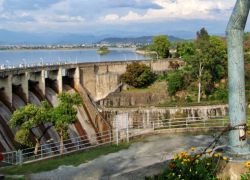
Rawal Lake is an artificial reservoir located in the Islamabad Capital Territory that supplies water to Islamabad and Rawalpindi and also serves as a popular recreational area for locals and tourists. The lake lies against the foothills of the Margalla Hills and is adjacent to Lake View Park — a developed parkland with picnic lawns, rides and a bird aviary. :contentReference[oaicite:0]{index=0} History & architecture (the dam) Rawal Lake was created by constructing Rawal Dam on the Korang River. The dam was built in the 1960s to store water flowing from the Margalla Hills catchment and to provide a reliable supply to the twin cities. Structurally, Rawal Dam is a masonry/gravity-type dam with features such as an ogee spillway and gated outlet works; the reservoir covers several square kilometres at full supply and has significant live and dead storage capacity that supports municipal water needs and flood control. :contentReference[oaicite:1]{index=1} How to reach Rawal Lake Rawal Lake is easy to reach from anywhere in Islamabad. By car or taxi you usually drive along Murree Road (the main east–west route) toward the Lake View Park/Rawal Dam roundabout. If you are coming from Islamabad International Airport the drive is roughly 25–35 km depending on route and traffic, and takes around 30–50 minutes by taxi. Local ride-hailing services, private taxi or a rented car are the most convenient options; some city buses and shared vans serve stops on Murree Road close to Lake View Park. :contentReference[oaicite:2]{index=2} Weather & best time to visit Islamabad has a subtropical climate with hot summers and cool winters. The best time to visit Rawal Lake for comfortable weather and clear views is during late autumn, winter and early spring (roughly October to March) when temperatures are mild and humidity is lower. Summers (June–August) can be hot; monsoon rains may raise water levels and make hills lush but can also reduce visibility on cloudy days. Plan for early morning or late afternoon visits for the best light and cooler temperatures. Timing, entry and visit details The main recreational area beside Rawal Lake is Lake View Park (and various lakeside access points). Park opening hours can vary with season; many visitor resources report that Lake View Park and the lakeside recreational areas open early in the morning and generally close around sunset or in the evening (individual attractions inside the park — e.g., bird aviary, amusement rides or boating counters — may have their own hours). There may be a small entry fee for Lake View Park and separate charges for activities such as boating, horseback rides or the bird park. It’s recommended to check the park’s official channels or onsite notices for current ticket prices and attraction timings before you go. :contentReference[oaicite:3]{index=3} Why Rawal Lake is famous Rawal Lake is famous as Islamabad’s scenic water body framed by the Margalla Hills, offering panoramic views, sunsets over water, and a convenient urban escape for families, photographers, bird watchers and fitness enthusiasts. The combination of a protected bird area, boating facilities, and the adjacent Lake View Park’s family attractions make it a go-to weekend destination for residents and visitors. :contentReference[oaicite:4]{index=4} Things to do at Rawal Lake Rawal Lake and Lake View Park provide a range of leisure activities for different interests: Boating: pedal-boats and motor boats operate from lakeside counters — a relaxing way to enjoy the water and skyline. Bird watching: the lake and nearby wetlands attract many wintering and resident waterfowl and other species; bring binoculars for the best experience. Picnicking and family days: there are managed picnic lawns, barbecue spots and shaded areas ideal for families. Light trekking & walks: short walks along designated paths and viewpoints give pleasant vistas of the lake and Margalla backdrop. Fishing: controlled fishing is available in parts of the reservoir (often managed via permits or fishing contracts). Amusements & bird park: Lake View Park houses an aviary, small rides, and kid-friendly activities that make it family-friendly. Photography & sunsets: the lakeshore and viewpoints are excellent for sunrise/sunset photography. These activities are run by a mix of park management and private vendors — prices and availability can vary seasonally. :contentReference[oaicite:5]{index=5} Interesting facts Reservoir area and depth: the lake covers several square kilometres; historical data lists the reservoir area around 8.8 km² and notable maximum depths associated with the dam. Rawal Dam’s structure and spillway capacity are engineered to meet both water supply and flood control objectives. :contentReference[oaicite:6]{index=6} Practical tips & safety Check hours and fees: verify Lake View Park opening times and any attraction fees before visiting — official pages and park notices are the most reliable source. :contentReference[oaicite:7]{index=7} Arrive early: mornings are quieter, cooler and better for bird watching and photography. Bring water & sun protection: there is shade but exposed lakeside areas can be hot in summer. Respect wildlife: do not feed birds or fish; stay on marked trails and follow park rules to protect habitats. Boat safety: use life jackets when boating and follow operators’ instructions. Parking & transport: parking is available at Lake View Park; taxis and ride-hailing are practical from central Islamabad. Be aware of water quality notices: on rare occasions authorities issue advisories about water contamination or maintenance work — observe posted warnings. :contentReference[oaicite:8]{index=8} Final notes Whether you are looking for a relaxing picnic spot, a short lakeside walk, boating or birdwatching, Rawal Lake with Lake View Park offers an accessible day-out from central Islamabad. For up-to-date practical details (entry fees, operating hours for specific attractions, or any temporary closures) consult the park’s official information channels or local travel resources before you travel. :contentReference[oaicite:9]{index=9}
Explore More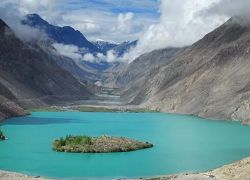
Satpara Lake is one of the most beautiful natural lakes in Skardu, located in the Gilgit-Baltistan region of Pakistan. This enchanting lake lies at an elevation of about 2,636 meters (8,650 feet) above sea level and is surrounded by dramatic mountains, lush green landscapes, and crystal-clear glacial waters. Satpara Lake is known for its serene atmosphere, turquoise-blue water, and peaceful scenery that attracts nature lovers, photographers, and adventure travelers from across the world. The lake is also an important freshwater source for Skardu city and is connected to the Satpara Dam, which generates hydroelectric power and supplies water to the region. Whether exploring by boat or enjoying the scenic beauty from the shore, Satpara Lake offers an unforgettable experience in the heart of the northern mountains of Pakistan. How to Reach Satpara Lake Satpara Lake is conveniently located only about 8 kilometers (5 miles) from Skardu city, making it easily accessible for both tourists and locals. Visitors can reach Skardu by air or road from other major cities in Pakistan. Flights from Islamabad are available, although they depend heavily on weather conditions. Overland travel to Skardu is long but scenic, offering stunning mountain views along the Karakoram Highway. From Skardu city, travelers can take a jeep, taxi, private car, or motorbike and reach Satpara Lake within 20 to 30 minutes. The road to the lake is winding but well-constructed, providing a beautiful uphill drive with views of valleys and hills. Organized tours are also available for visitors interested in guided trips, photography tours, or lake cruising experiences. Weather at Satpara Lake Satpara Lake experiences a cold and alpine climate due to its high altitude. Summers (June to September) are the best time to visit, with temperatures ranging between 10°C and 22°C, providing pleasant conditions for sightseeing, boating, and trekking. During these months, the surrounding mountains are green, and the lake reflects the beauty of the landscape. Winters are extremely cold, with temperatures often dropping below -10°C. The lake may partially freeze, and heavy snowfall blocks access in some parts of the region. Travelers visiting outside summer should take precautions, pack warm clothing, and check weather conditions before departure. Timing Satpara Lake is open to visitors throughout the day, although daytime visits are recommended due to better visibility and road safety. Most tourists visit between 9 AM and 6 PM, allowing enough time to explore the lake and surrounding viewpoints. Early morning and late afternoon provide the most dramatic lighting for photography, especially when the mountains reflect on the water’s surface. Why Satpara Lake is Famous Satpara Lake is famous for its turquoise waters, impressive mountainous backdrop, and peaceful natural environment. The lake is one of the primary attractions of Skardu and a major source of drinking and irrigation water for the city. The construction of Satpara Dam has increased the lake’s size and transformed it into a significant reservoir supporting local agriculture, households, and electricity generation. The lake is also well-known for its recreational activities such as boating, fishing, camping, and trekking. Its untouched beauty and relaxed atmosphere make it a favorite destination for tourists seeking a peaceful place away from the hustle of city life. Additionally, Satpara Lake serves as a gateway to Deosai National Park, one of the world’s highest plateaus, making it an important stop for adventure travelers. Entry and Visit Details There is no formal entrance fee for visiting Satpara Lake, though visitors traveling through organized tours may have package costs. Reaching the lake is simple, and small parking areas are available for vehicles. Basic facilities like tea stalls, small eateries, and resting spots are located near the lake, although services may be limited depending on the season. Visitors should carry personal necessities such as water, snacks, and warm clothing, as the region can become cold even in summer. The lake is suitable for families, groups, and solo explorers. Those interested in boating can hire small local boats for a relaxing ride on the lake. Fishing is possible in designated areas, but visitors may need to confirm permissions depending on the season. History of Satpara Lake Satpara Lake has long been an important natural water body for communities living in Skardu. For centuries, local residents depended on the lake for freshwater and irrigation needs before the development of modern infrastructure. With the construction of Satpara Dam, completed in the early 21st century, the lake expanded in size and played a vital role in regional development. Although Satpara is not associated with ancient architectural structures like Skardu Fort, it has historical significance due to its role as a natural reservoir and its strategic location on routes that connect Skardu to neighboring valleys and highlands. The area around the lake has also served as grazing land for local tribes during summer and has been part of Baltistan’s cultural heritage for generations. Landscape and Natural Beauty The natural landscape of Satpara Lake is breathtaking. Surrounded by tall mountains, rolling hills, and dramatic rock formations, the lake sits in a stunning glacial valley that looks postcard perfect from every angle. The water appears turquoise or deep blue depending on the sunlight and sky, creating a spectacular contrast against the rugged landscape. In summer, the greenery spreads across the hillsides, and wildflowers bloom around the lake. The reflections of the mountains on its still surface add charm to the scenery. While not featuring man-made architecture, Satpara Lake’s natural formation, clean water, and mountainous landscape are its true architectural marvels, crafted by nature itself. Things to Do at Satpara Lake Visitors to Satpara Lake can enjoy a wide variety of activities, including: Boating: Tourists can hire boats for a peaceful ride across the lake and admire its beauty up close. Fishing: Fishing is possible in some permitted sections of the lake. Sightseeing and Photography: The stunning views make Satpara a favorite among nature lovers and photographers. Camping: Adventurers often set up tents near the lake for a serene overnight experience. Trekking: Short hikes and nature walks around the lake offer great panoramic viewpoints. Relaxation: Visitors can simply sit by the shore and enjoy the peaceful environment. Interesting Facts About Satpara Lake Satpara Lake is fed by melting glaciers in the surrounding mountains. The Satpara Dam project increased the lake’s capacity and supplies electricity and drinking water to Skardu. The lake sits at an elevation of over 8,600 feet, offering cool weather even in summer. It serves as a gateway to Deosai National Park, one of the world’s highest plateaus. The lake changes color depending on sunlight, ranging from light turquoise to deep blue. Tips for Visiting Satpara Lake Plan your visit in summer (June to September) for the best experience and easy access. Carry warm clothes, as temperatures can drop unexpectedly even on sunny days. Travel with a reliable vehicle or hire an experienced local driver for safety. Bring snacks and water, as facilities may be limited. Boating is a wonderful experience—arrive early to avoid crowds. Always respect nature by avoiding littering and keeping the lake clean. Photography enthusiasts should visit during sunrise or sunset for the best light and reflections. Satpara Lake is a breathtaking natural treasure that reflects the beauty, peacefulness, and charm of Skardu. With its crystal-clear waters, majestic mountain views, and refreshing environment, it offers an unforgettable experience for travelers, making it one of the must-visit destinations in the northern highlands of Pakistan.
Explore More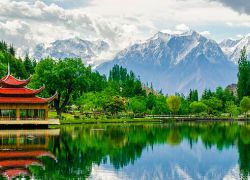
Upper Kachura Lake, located in the breathtaking region of Skardu in Gilgit-Baltistan, Pakistan, is one of the most scenic and untouched freshwater lakes in the country. Surrounded by towering mountains, lush green valleys, and crystal-clear waters, Upper Kachura is a hidden natural treasure that attracts tourists, nature lovers, photographers, and adventure seekers from Pakistan and around the world. The lake sits at an altitude of around 2,500 meters above sea level and remains one of the less-commercialized natural attractions in Skardu, offering serene beauty and peaceful surroundings. History and Background Upper Kachura Lake has been part of the natural landscape of Skardu for centuries. The region was historically part of the ancient Baltistan kingdom and is influenced by Tibetan and Central Asian cultures. Unlike many other lakes in Pakistan, Upper Kachura Lake is not widely modified or developed, which has helped preserve its raw and pristine beauty. The lake is fed by natural mountain springs and melting snow from surrounding peaks. Over the years, as tourism in Skardu expanded, Upper Kachura gained attention for its beauty, yet it still remains a peaceful destination compared to other more crowded tourist spots in the region. Architecture and Surroundings While Upper Kachura Lake itself does not have man-made architectural structures, its natural surroundings create a dramatic and photogenic landscape. Tall mountains, clear reflections on the lake surface, and dense vegetation around the shoreline create a mesmerizing scene. Small local settlements and wooden homes in the nearby village add a touch of traditional architecture, giving travelers a glimpse into the simple and authentic lifestyle of Baltistan. The trail leading to the lake also offers beautiful viewpoints and scenic walking paths. How to Reach Upper Kachura Lake Reaching Upper Kachura Lake is an adventurous and scenic journey. The lake is located about 20 to 25 kilometers from Skardu city. Visitors can reach Skardu first and then continue their trip towards the lake using the following routes: By Air: The most convenient way is to fly from Islamabad to Skardu Airport. Direct flights take about 1 hour, but schedules depend on weather conditions. By Road: Travelers can drive from Islamabad to Skardu via the Karakoram Highway, which takes about 15 to 18 hours. Though long, the journey is extremely scenic and passes through some of the world’s highest mountain ranges. After arriving in Skardu, local taxis or rented jeeps are available to reach Kachura village. From the parking area, the lake is accessible through a short but slightly steep walking trail. Weather at Upper Kachura Lake The weather at Upper Kachura Lake varies greatly with the seasons due to its high altitude. Summers are mild and pleasant, with temperatures ranging between 15°C and 25°C, making it the best time to visit. The lake water is calm, and the surroundings are green and full of life. In winter, temperatures drop significantly, often below freezing, and the lake may partially freeze. Snowfall is common, and access may become difficult. Spring and autumn offer beautiful colors with blooming flowers and golden leaves, making the lake a perfect destination for photographers. Timings Upper Kachura Lake is open to visitors throughout the year, with no fixed opening or closing times. However, it is recommended to visit during daylight hours for safety and better views. Most tourists visit between 9:00 AM and 6:00 PM. Winter timings depend on weather and road conditions, as the trail may be slippery during snowfall. Entry and Visit Details There is usually no major entry fee to visit Upper Kachura Lake, as it is a natural attraction open to the public. Travelers may need to pay small parking charges or fees for local guides depending on the situation. Basic guesthouses and small restaurants are available nearby, but visitors often prefer returning to Skardu for more comfortable accommodations. The walking trail to the lake can take around 15 to 25 minutes depending on fitness levels and offers scenic views along the way. Why Famous Upper Kachura Lake is famous for its stunning natural beauty and peaceful atmosphere. Key reasons for its popularity include: Crystal-clear water with excellent visibility Beautiful mountainous surroundings and dramatic landscapes Less commercialized and peaceful environment compared to other lakes Ideal setting for photography, trekking, and picnics Rich biodiversity including trout fish and local bird species Traditional Baltistani culture in nearby villages Things to Do at Upper Kachura Lake Visitors can enjoy a wide range of outdoor and leisure activities at Upper Kachura Lake: Nature Walks and Trekking: Explore scenic walking trails offering stunning mountain and valley views. Photography: A perfect destination for landscape and nature photography with breathtaking reflections and dramatic scenery. Boating: Local boating services may be available during summer season. Fishing: The lake is home to trout fish, though visitors should check if fishing is permitted. Picnics: The lakeside provides relaxing spots ideal for families and groups. Visiting Lower Kachura Lake: Also known as Shangrila Lake, located nearby and often visited together. Cultural Interaction: Meet local residents and experience traditional Baltistani village life. Facts About Upper Kachura Lake The lake is around 70 meters deep and filled with pure spring water. It is one of the least explored lakes in the Skardu region, making it ideal for travelers seeking natural peace. The nearby Lower Kachura Lake is more developed and often visited in the same trip. Known for its clear water where stones and ecosystem underneath are visible. The lake area is surrounded by apricot, peach, apple, and cherry orchards. Upper and Lower Kachura Lakes are separated by about 2 kilometers. Tips for Visiting Upper Kachura Lake Wear comfortable walking shoes as the trail can be slightly steep. Carry water and snacks as facilities may be limited around the lake. The best time to visit is from April to October for pleasant weather. Be prepared for sudden weather changes, especially in shoulder seasons. Respect nature and avoid littering to preserve the lake’s beauty. Hire local guides or jeep drivers if unfamiliar with the roads. If visiting in winter, check road conditions as snowfall can cause closures. Upper Kachura Lake is a peaceful and unforgettable retreat in Skardu, offering pure nature, breathtaking mountain scenery, and a serene atmosphere away from the crowds. Whether for adventure, relaxation, or photography, a visit to this dazzling lake provides an authentic experience of northern Pakistan’s unmatched beauty.
Explore More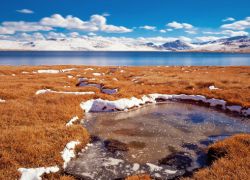
Sheosar Lake, located in the enchanting Deosai National Park near Skardu in Gilgit-Baltistan, Pakistan, is one of the highest and most spectacular lakes in the world. Its name translates to “Blind Lake,” but in reality, it is known for its crystal-clear water, serene environment, and breathtaking views of the surrounding mountains and vast alpine plains. Situated at an altitude of approximately 4,142 meters above sea level, Sheosar Lake attracts thousands of nature lovers, photographers, trekkers, and wildlife enthusiasts every year. The lake’s tranquil beauty, lush green meadows, and snow-covered peaks make it a magical destination that showcases the untouched natural charm of northern Pakistan. How to Reach Sheosar Lake Reaching Sheosar Lake requires traveling through Deosai National Park, and the journey itself is an unforgettable part of the experience. Travelers first need to travel to Skardu, which can be reached by air or road. Flights from Islamabad operate regularly, depending on weather conditions, and road routes connect Skardu with major northern cities, although the journey by road may take 18 to 24 hours. From Skardu, visitors can hire a jeep, private vehicle, or join a local tour group to enter Deosai National Park. The drive to Sheosar Lake takes approximately 4 to 6 hours, depending on road and weather conditions. The rugged terrain and high altitude make the journey adventurous. During summer, some experienced trekkers also enjoy hiking through Deosai to reach the lake, though this requires physical fitness, proper guidance, and adequate preparation. The most commonly used routes to reach Sheosar Lake are: Skardu → Deosai Plains → Sheosar Lake Astore → Chilam Valley → Deosai Plains → Sheosar Lake However, the Astore route is often more challenging and depends heavily on weather and road access. Weather at Sheosar Lake The weather around Sheosar Lake is extreme due to its high altitude. The region remains snow-covered for much of the year, and the lake becomes accessible mainly between June and September. In summer, the temperature generally ranges from 10°C to 20°C during the daytime but can drop significantly at night. Strong winds are common, especially in open plains. Winters are extremely harsh, with temperatures dropping below -20°C and thick snow covering the entire region. During this period, the lake remains inaccessible. Visitors should always check weather conditions before planning a trip, as sudden changes are common in high-altitude regions. Timing The best time to visit Sheosar Lake is during the summer months, from June to September, when the snow melts and the Deosai Plains come alive with wildflowers, green grasslands, and wildlife. Visitors typically explore the lake between 8 AM and 5 PM, but full-day trips are recommended due to long travel times. Camping is possible for those properly equipped and permitted, but conditions can be cold even during summer nights. Why Sheosar Lake is Famous Sheosar Lake is famous for its stunning natural beauty, unique ecosystem, and breathtaking surroundings. The lake is set in the heart of Deosai National Park, often called the “Roof of the Earth,” and its waters reflect the snow-capped mountains that surround it. The region is also known for extraordinary wildlife, including the Himalayan brown bear, snow leopard, red fox, and a variety of birds and small mammals. Its high altitude, untouched landscapes, and peaceful environment make it a dream destination for adventurers, photographers, and travelers seeking a journey into nature. The lake is also an important ecological site that plays a critical role in supporting the unique biodiversity of the Deosai ecosystem. Entry and Visit Details Visitors traveling to Sheosar Lake must enter through Deosai National Park, which has controlled entry points. A small entrance fee is usually charged at the park gate to support conservation and maintenance. Vehicles need to be suitable for high-altitude and rugged terrain, and local drivers familiar with the landscape are recommended. There are no permanent shops or facilities near the lake, so visitors must carry food, water, and necessary supplies. Park rules require that the natural environment be respected—littering, damaging plants, or disturbing wildlife is strictly prohibited. History of Sheosar Lake Sheosar Lake and the surrounding region have been part of the ancient cultural and natural heritage of Baltistan for centuries. Historically, the area was used by nomadic shepherds during summer months for grazing. The lake itself is believed to have been formed naturally from glacial activity thousands of years ago. In modern times, Sheosar Lake became widely recognized when Deosai Plains were declared a national park in 1993 to protect the declining population of Himalayan brown bears and preserve the delicate ecological balance of the region. Since then, the lake has gained attention as a major tourist attraction and wildlife preservation zone. Landscape and Natural Features While Sheosar Lake does not have man-made architectural structures, its natural formation is a marvel in itself. The lake is surrounded by vast rolling grasslands, glacier-fed streams, and towering mountains. In summer, the plains are covered in colorful wildflowers, including buttercups, forget-me-nots, and daisies. The pristine water reflects the sky and mountains, creating postcard-perfect scenery. The stillness of the lake and the untouched beauty of the landscape make it a powerful reminder of how pristine nature can be in remote regions of the world. Things to Do at Sheosar Lake Visitors to Sheosar Lake can enjoy a variety of activities, including: Sightseeing and Photography: The stunning views make the lake a paradise for nature photographers. Wildlife Watching: Lucky visitors may spot marmots, ibex, foxes, and birds, while Deosai Plains are home to the rare Himalayan brown bear. Trekking: Adventurous hikers can explore surrounding trails and viewpoints. Camping: With proper preparation, camping near the lake offers an unforgettable experience under clear starry skies. Relaxation: Enjoy the silence, fresh air, and incredible scenery away from the noise of city life. Interesting Facts About Sheosar Lake Sheosar Lake is one of the highest lakes in the world, located at over 4,100 meters above sea level. The lake area freezes in winter and becomes completely inaccessible due to snowfall. The surrounding Deosai Plains are among the world’s highest plateaus. It is part of a protected ecosystem that supports rare species like the Himalayan brown bear. The water of the lake is crystal clear and reflects surrounding mountains like a mirror. Tips for Visiting Sheosar Lake Visit during summer (June to September), as the lake is inaccessible during winter. Hire a reliable jeep and local driver familiar with Deosai terrain. Carry food, warm clothing, water, and essential supplies, as no shops are nearby. Weather can change quickly—dress in layers and stay prepared. Altitude sickness may affect some visitors, so take breaks and stay hydrated. Respect park rules—protect the natural environment and avoid disturbing wildlife. Photography enthusiasts should visit early morning or late afternoon for the best light. Sheosar Lake is a breathtaking natural gem that showcases the breathtaking wilderness of northern Pakistan. Its untouched beauty, wildlife diversity, and peaceful surroundings offer a once-in-a-lifetime travel experience for those who appreciate nature in its purest form.
Explore More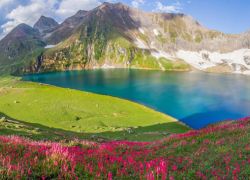
Ratti Gali Lake, Neelum Valley, Pakistan Ratti Gali Lake is one of the most stunning alpine lakes in Pakistan, located in the heart of Neelum Valley in Azad Kashmir. Although some travelers mistakenly associate the lake with Skardu, Ratti Gali is geographically situated in the scenic Neelum Valley, far from Skardu. The lake sits at an elevation of around 12,130 feet (3,700 meters) above sea level and is famous for its crystal-clear waters, snow-capped peaks, and colorful meadows that bloom during the summer months. Surrounded by towering mountains and lush green terrain, the lake is fed by glacial waters and remains one of the most breathtaking natural attractions in northern Pakistan. Ratti Gali Lake is a prime example of the untouched natural beauty of Kashmir. Its remote and peaceful environment makes it a favorite destination among trekkers, photographers, nature lovers, and adventure tourists. With dramatic scenery, cool weather, and a serene atmosphere, Ratti Gali offers visitors an unforgettable journey into one of the clearest and most picturesque high-altitude lakes in the region. How to Reach Ratti Gali Lake Reaching Ratti Gali Lake involves traveling through the beautiful Neelum Valley in Azad Kashmir. The journey begins in Islamabad or Rawalpindi. Travelers first reach Muzaffarabad via the main highway, which takes around 3 to 4 hours. From Muzaffarabad, visitors follow the Neelum Valley Road to Dowarian, a small village that serves as the main access point for Ratti Gali Lake. From Dowarian, a 4x4 jeep track leads toward Ratti Gali Base Camp. This adventurous ride takes around 1 to 1.5 hours due to the steep and rugged terrain. Once at base camp, visitors must trek for approximately 1 to 2 hours to reach the lake itself. The hiking trail is scenic, surrounded by wildflowers, streams, panoramic mountains, and grazing fields. The route requires: Islamabad/Rawalpindi → Muzaffarabad → Neelum Valley → Dowarian → Ratti Gali Base Camp → Ratti Gali Lake Visitors are encouraged to hire local guides or join group tours to ensure a smooth journey, especially if visiting for the first time. Weather at Ratti Gali Lake Ratti Gali Lake has a cold alpine climate due to its high altitude. The lake remains frozen for many months of the year and becomes accessible mainly between June and October. During summer, daytime temperatures typically range from 10°C to 20°C, though nights can drop to 0°C or below. The pleasant summer weather makes this the best season for trekking, camping, and sightseeing. During winter, heavy snowfall blocks access roads and hiking routes, and the lake becomes completely frozen. Visitors should always check weather conditions before planning a trip, as sudden weather changes—such as rain, snow, or fog—are common in high-altitude regions. Timing Most visitors explore Ratti Gali Lake between 8 AM and 5 PM, although full-day or overnight trips are common. Those trekking from the base camp should start early in the day to return before sunset. If planning to camp overnight, ensure that proper cold-weather gear, tents, and warm clothing are carried because temperatures can drop significantly at night. Why Ratti Gali Lake is Famous Ratti Gali Lake is famous for its unmatched beauty, clear blue water, and enchanting natural surroundings. Its scenic setting, surrounded by glaciers and blooming alpine flowers, makes it a dream destination for nature photographers and adventure travelers. The lake’s dramatic reflections of snow-covered peaks make it one of the most photographed lakes in Pakistan. In addition to its beauty, the journey to the lake is itself an attraction—featuring stunning mountain views, waterfalls, meadows, and streams. The lake also offers a peaceful environment far from urban noise, making it a perfect escape for those seeking natural tranquility. Entry and Visit Details There is usually a small entrance or road fee collected at entry points to maintain routes and support local operations. Visitors should carry essential items, as there are limited commercial services near the lake. Tea stalls, tents, and basic refreshments may be available at the base camp, depending on the season, but it is recommended to bring snacks and water. Only 4x4 jeeps can reach the base camp. These can be hired from Dowarian. From base camp onward, visitors must hike on foot. The trek is moderate and requires proper walking shoes and stamina. Camping is allowed in designated areas, and local porters and guides can be hired if needed. History of Ratti Gali Lake Ratti Gali Lake is a natural formation that developed through centuries of glacial activity. While the lake itself does not have man-made historical structures, the region has cultural and traditional significance among local mountain communities who have used surrounding areas for grazing animals during summer months for generations. The lake gained popularity as tourism increased in Neelum Valley. As the government and local communities improved access roads and campsites, Ratti Gali emerged as one of the top tourist attractions in northern Pakistan. Today, the lake stands as a symbol of Kashmir’s natural heritage and is considered one of the most beautiful alpine lakes in South Asia. Architecture and Natural Landscape While there are no built architectural monuments at the lake, its natural design and geological features are breathtaking. The lake is surrounded by steep rocky cliffs, rolling meadows, crystal streams, and snow-covered mountain walls. During summer, the green earth bursts into color with wildflowers such as buttercups and daisies, making the valley look like a paradise on earth. The soft grass meadows around the lake serve as a perfect spot for resting, camping, and photography. The natural architecture of the lake, shaped by glaciers, is its greatest attraction and highlights the raw beauty of the region. Things to Do at Ratti Gali Lake Visitors can enjoy a variety of activities around Ratti Gali Lake, including: Trekking: The hike to the lake is adventurous and scenic. Photography: The landscape provides mesmerizing scenes perfect for nature photography. Camping: Overnight camping offers an incredible experience under starry skies. Relaxation: Visitors can simply sit by the lakeside and enjoy the peaceful surroundings. Picnicking: The lake meadow is ideal for a family picnic. Exploring Nearby Valleys: Streams, waterfalls, and flower fields surround the area. Interesting Facts About Ratti Gali Lake Ratti Gali is a glacial lake located over 12,000 feet above sea level. It remains frozen for much of the year and is only accessible in summer. The name “Ratti” refers to the reddish-colored flowers that bloom in nearby fields. The lake oxygen level is low due to high altitude, and visitors may feel mild altitude effects. It is one of the most photographed natural lakes in Pakistan. Tips for Visiting Ratti Gali Lake Best time to visit is between June and October. Wear proper trekking shoes, as the trail can be steep. Carry warm clothing because temperatures drop suddenly. Hire a local guide or jeep driver familiar with mountain roads. Bring food and water, as availability near the lake is limited. Start the trek early for the best weather and lighting. Respect nature and avoid littering to preserve the beauty of the area. Ratti Gali Lake is a breathtaking alpine gem that represents the untouched beauty of Neelum Valley. With its dazzling blue waters, glacier-fed landscape, and serene surroundings, it promises visitors a peaceful and unforgettable journey into the natural wonders of northern Pakistan.
Explore More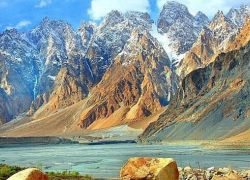
Hunza Valley, located in the Gilgit-Baltistan region of northern Pakistan, is one of the most famous and breathtaking tourist destinations in the country. Surrounded by towering peaks, lush orchards, historical forts, ancient settlements, and crystal-clear rivers, Hunza Valley is known for its natural beauty, peaceful environment, and rich cultural heritage. This remarkable valley attracts travelers from around the world who come to explore its dramatic landscapes, warm local hospitality, and picturesque villages such as Karimabad, Gulmit, Altit, and Baltit. With snow-capped mountains like Rakaposhi and Ultar Sar acting as a stunning backdrop, Hunza Valley offers an unforgettable experience for nature lovers, trekkers, and cultural explorers. How to Reach Hunza Valley Hunza Valley is well connected via the Karakoram Highway (KKH), which is considered one of the most scenic roads in the world. The nearest major city is Gilgit, located around 100 km away. Visitors can reach Gilgit either by road or air. Pakistan International Airlines operates flights between Islamabad and Gilgit, though flights are weather-dependent. For those traveling by road, buses, vans, and private vehicles regularly travel from Islamabad, Rawalpindi, and Abbottabad along the KKH. From Gilgit city, travelers can hire taxis, jeeps, or local transport to reach Hunza. The drive from Gilgit to Hunza takes approximately 2.5 to 3 hours and passes through stunning valleys, mountain passes, and views of the Indus and Hunza Rivers. Weather in Hunza Valley Hunza Valley enjoys four distinct seasons, each offering a different type of beauty. Summers (May to September) are pleasant, with temperatures ranging from 15°C to 30°C, making it the best time for tourism, trekking, sightseeing, and outdoor activities. Winters (December to February) are harsh and snowy, with temperatures dropping well below freezing. Spring (March to April) covers the valley in beautiful cherry, apricot, and almond blossoms, while autumn (October to November) is famous for its golden and red foliage, making it one of the most scenic times of the year. Timing and Opening Information Hunza Valley is an open destination without strict visiting hours, and tourists can visit throughout the day. However, certain historical sites, museums, and forts, such as Baltit and Altit Forts, have specific opening hours, usually from 9:00 AM to 5:00 PM. Trekking routes and outdoor activities are best completed during daylight for safety. Why Famous for Hunza Valley, Gilgit, Pakistan? Hunza Valley is world-famous for its striking landscapes, peaceful ambiance, and friendly local communities known for their longevity and healthy lifestyle. The valley is home to iconic landmarks such as Baltit Fort, Altit Fort, Passu Cones, Attabad Lake, and Eagle’s Nest viewpoint. Hunza has gained global recognition for its unique culture, delicious local food, traditional handicrafts, and strong historical significance as a part of the ancient Silk Route. Its unmatched natural beauty and adventure possibilities make it one of the most popular destinations in Pakistan. Entry and Visit Details There is no general entry fee to visit Hunza Valley itself. Travelers may, however, need to purchase entry tickets for heritage sites like Baltit and Altit Forts. Hotels, guesthouses, and resorts are available in various price ranges from budget stays to luxury accommodations. Local tour operators offer organized tours, jeep rides, trekking guides, and adventure packages for exploring surrounding mountains and valleys. History and Architecture Hunza Valley has a long and rich historical background, once ruled by local Mirs (kings) who governed the region independently for centuries. The valley was an important stop on the ancient Silk Route, connecting Central Asia to the Indian subcontinent through mountain passes. The two most famous historical monuments in Hunza are Baltit Fort and Altit Fort. Baltit Fort, located in Karimabad, is over 700 years old and reflects Tibetan and Central Asian architectural influence. It has been carefully restored and now serves as a museum. Altit Fort, even older than Baltit, showcases the craftsmanship of the early Hunzakuts, with stonework, wooden balconies, and defense structures designed to protect against invasions. These forts provide valuable insight into the strategic and cultural development of the valley through centuries. Things to Do in Hunza Valley Visitors to Hunza Valley can enjoy a wide range of activities, including: 1. Visit Baltit and Altit Forts: Explore centuries-old royal residences and learn about Hunza’s history and ruling families. 2. Trekking and Hiking: Popular trekking routes include Ultar Sar Base Camp, Rakaposhi View Point, and Passu Glacier treks. 3. Explore Attabad Lake: A turquoise lake formed by a landslide, perfect for boating, photography, and lakeside dining. 4. Witness the Passu Cones: Unique pointed peaks visible from the Passu and Gulmit regions. 5. Drive to Khunjerab Pass: The highest border crossing between Pakistan and China, located at 4,693 meters. 6. Enjoy Eagle’s Nest Viewpoint: A famous spot offering panoramic sunrise and sunset views over Hunza and surrounding peaks. 7. Experience Local Culture: Taste traditional dishes like Chapshuro, try local apricot products, and buy handmade Hunza handicrafts. Facts about Hunza Valley Hunza Valley is known for having one of the world’s highest literacy rates in rural Pakistan. The local people are famous for their long life expectancy, thanks to a natural diet rich in fruits, grains, and nuts. The valley was once an independent princely state before joining Pakistan in 1947. It lies along the Karakoram Highway, often called the Eighth Wonder of the World due to its engineering marvel in difficult mountainous terrain. Tips for Visiting Hunza Valley Visitors are advised to travel during summer or spring for the best experience, as roads can be blocked in winter due to snowfall. Carry warm clothing, as temperatures can drop quickly in mountain areas even during summer evenings. Advance hotel booking is recommended during peak tourist seasons. Travelers coming by air should keep alternative travel plans due to unpredictable weather affecting flights. Hiring local guides enhances the experience, especially for trekking and adventure tours. Lastly, respect local culture and environment by avoiding littering and maintaining the natural beauty of this stunning valley.
Explore More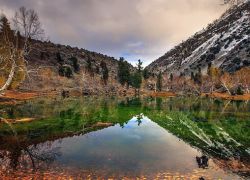
Naltar Valley, located in the majestic Gilgit-Baltistan region of Pakistan, is one of the country's most stunning and serene tourist destinations. Surrounded by lush forests, snow-capped mountains, alpine lakes, and peaceful landscapes, Naltar Valley is known for its untouched natural beauty and tranquil environment. This high-altitude valley is famous for its scenic meadows, colorful lakes, wildlife sanctuary, ski facilities, and rich natural forests of pine, cedar, and birch. Naltar Valley is situated about 40 kilometers from Gilgit city and has increasingly become a popular travel destination among adventure lovers, holiday seekers, nature photographers, hikers, and families looking for a refreshing break away from city life. The valley is also popular for its unique color-changing Naltar Lakes, often called the “Bashkiri Lakes,” which glow in shades of green, blue, and turquoise depending on daylight and season. With its impressive beauty and peaceful atmosphere, Naltar Valley is truly a paradise for those seeking natural inspiration. How to Reach Naltar Valley Reaching Naltar Valley usually begins from Gilgit city. Travelers can reach Gilgit either by air or road. Pakistan International Airlines operates flights from Islamabad to Gilgit, though flights depend on weather conditions since the mountainous region can experience unexpected weather changes. Travelers coming by road can use the Karakoram Highway (KKH), which connects Islamabad, Abbottabad, and Chilas to Gilgit. From Gilgit, Naltar Valley is around a 1.5 to 2-hour drive. The route from Gilgit to Naltar is mostly unpaved and rugged, especially in the final sections. Private jeeps and 4x4 vehicles are the preferred mode of transportation, as ordinary cars may not be suitable for the rough terrain. Many travel agencies and local drivers offer jeep services directly from Gilgit to Naltar Valley and the lakes area. Public transport options are limited, so pre-arranging transport is highly recommended. Weather in Naltar Valley Naltar Valley experiences a cool and pleasant climate in summer, with temperatures ranging from 10°C to 25°C between May and September. This is the best time to visit, as the roads are open, the forests are vibrant, and the lakes reflect their most stunning colors. Winters in Naltar Valley (December to February) are harsh, with heavy snowfall and temperatures often dropping below -10°C. The valley becomes difficult to access during winter months, but it also turns into a magical snowy wonderland and serves as one of Pakistan’s top skiing destinations. Spring (March to April) brings melting snow, while autumn (October to November) decorates the valley with golden and red foliage. Overall, different seasons offer different scenic experiences, but summer remains the most convenient season for travelers. Timing and Opening Information Naltar Valley is open to tourists all year round, though accessibility depends on road conditions. During summer, travelers can visit throughout the day; however, it is recommended to start early, especially if planning to visit the lakes or go trekking. There are no formal opening hours for the valley itself, but ski slopes, forest huts, and some facilities may operate on scheduled timings during the winter sports season. Why Famous for Naltar Valley, Gilgit, Pakistan? Naltar Valley is famous for several reasons: 1. Naltar Colorful Lakes: The Bashkiri Lakes are the highlight of the valley, known for their magical color changes during the day. 2. Natural Forests: Naltar has some of the oldest and densest forests in the Gilgit region, making it a scenic retreat for nature lovers. 3. Ski Resort: Naltar hosts a well-known ski facility and winter sports events, supported by the Pakistan Air Force. 4. Wildlife Habitat: The valley is home to wildlife including markhor, snow leopard, and various bird species. 5. Photography Destination: The stunning lakes, mountains, and changing landscapes make Naltar a top destination for nature and travel photography. Entry and Visit Details There is usually no general entry fee for visiting Naltar Valley itself. Some facilities, government rest houses, or ski centers may have their own charges, especially during winter season activities. Visitors can explore the valley freely, though certain forest areas are conserved and may require permissions if accessing protected habitats. Accommodation is available in the form of guesthouses, rest houses, and lodges in Naltar and Gilgit city. Many visitors prefer staying in Gilgit and making day trips to Naltar due to limited accommodation within the valley. History and Architecture Historically, Naltar Valley has served as a remote settlement surrounded by forests and mountains and was once used as a grazing ground by local tribes. Unlike Hunza or Baltit, Naltar does not have major ancient forts or palaces, but instead, its cultural identity is reflected in its natural landscapes and traditional stone-and-wood houses. The region became more accessible after the construction of the Karakoram Highway and now has military installations, ski infrastructure, and guest facilities. The architectural style of local homes typically includes sloping wooden roofs to withstand heavy snowfall, thick stone walls for insulation, and simple yet functional interiors suited to the cold environment. Things to Do in Naltar Valley Travelers visiting Naltar Valley can enjoy a range of exciting activities: 1. Visit Naltar Lakes: A must-see attraction, especially Bashkiri Lakes, famous for their striking blue, turquoise, and jade-green colors. 2. Skiing and Snow Sports: During winter, the valley becomes Pakistan’s top skiing hub and hosts national ski championships. 3. Trekking and Day Hikes: Several trekking trails lead to scenic viewpoints, meadows, and lakes. 4. Photography and Filming: With its forests, mountains, and lakes, Naltar offers excellent opportunities for photography. 5. Forest Walks: Nature lovers can explore old cedar and pine forests, home to diverse wildlife. 6. Camping: Many travelers enjoy camping near the lakes or forest areas during summer. Facts about Naltar Valley Naltar Valley hosts one of the highest-altitude skiing facilities in Pakistan and is maintained partly by the Pakistan Air Force. The colorful lakes are fed by glacial waters and appear different depending on sunlight, season, and angle of view. The valley has some of the oldest natural forests in Gilgit-Baltistan and is considered a protected environment for wildlife. Despite its beauty, it remains less commercialized compared to Hunza and other tourist spots, preserving its peaceful charm. Tips for Visiting Naltar Valley Visitors are advised to use 4x4 vehicles due to the rough road conditions, especially near the lakes. Summer is the ideal time to visit, as winter snowfall can block access. Warm clothing is necessary even in summer, as temperatures drop in the evenings. Carry food and water as facilities may be limited in remote areas. Hiring a local guide or driver can make the trip easier and safer. Lastly, respect the natural environment and avoid littering to preserve Naltar’s pristine beauty.
Explore More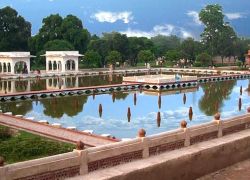
Shalimar Gardens, located in Lahore, Pakistan, are a remarkable example of Mughal garden design and architecture. Built in the 17th century by Emperor Shah Jahan, the gardens are one of the most important and well-preserved Mughal-era sites in the country. The Shalimar Gardens are known for their stunning layout, exquisite water features, and peaceful atmosphere, making them a must-visit destination for anyone traveling to Lahore. The gardens are also a UNESCO World Heritage site, further highlighting their cultural and historical significance. How to Reach Shalimar Gardens Shalimar Gardens are located approximately 8 km from the heart of Lahore, near the famous Wagah Border. The gardens are easily accessible from different parts of Lahore, whether you're traveling by car, taxi, or public transport. The easiest way to reach the gardens is by car, as there are many roads connecting the gardens to the rest of the city. The nearest bus stops and ride-hailing services such as Uber and Careem are also available, making it convenient to visit Shalimar Gardens from anywhere in Lahore. The gardens are located along the Grand Trunk Road, making them a key landmark in the city. Weather and Best Time to Visit Lahore experiences a hot and dry climate, with the summer months (May-August) being particularly scorching, with temperatures reaching up to 45°C (113°F). The best time to visit Shalimar Gardens is during the cooler months, from October to March. The weather is more pleasant during this period, making it ideal for leisurely walks and exploration. Winters (December-February) are mild, with temperatures ranging from 7°C to 20°C (45°F to 68°F), making it the perfect time to enjoy the beauty of the gardens without the discomfort of extreme heat. Opening Hours and Timing Shalimar Gardens are open to visitors every day, from early morning until sunset. The general visiting hours are from 7:00 AM to 6:00 PM. It is recommended to visit the gardens early in the morning or later in the afternoon to avoid the midday heat, especially during the summer months. The gardens remain open on weekends and public holidays, making it a popular spot for both locals and tourists. Entry fees may apply, and it’s advisable to check the timings before visiting during special occasions or festivals. Why Shalimar Gardens are Famous Shalimar Gardens are famous for their stunning Mughal architecture, their serene environment, and their role as a symbol of the Mughal era’s opulence. The gardens were built by Emperor Shah Jahan in 1641 and were designed to represent paradise on earth. They are a perfect example of Mughal garden design, featuring three descending terraces, each with its own water features, fountains, and pavilions. The gardens are particularly famous for their impressive waterworks, which include large pools, cascading fountains, and reflective pools, creating a harmonious and tranquil environment. Entry and Visit Details Entry to Shalimar Gardens is generally free for locals, although there may be a small fee for international tourists. The gardens are open to the public, but visitors are expected to be respectful of the surroundings, especially since the gardens are a popular site for locals to relax and unwind. The gardens are well-maintained, with regular cleaning and upkeep. Visitors are advised to dress comfortably and wear appropriate footwear as the garden area can be quite large. Since the gardens are a significant historical site, photography is allowed, but it’s important to be mindful of others while taking pictures. History and Architecture of Shalimar Gardens Shalimar Gardens were commissioned by Mughal Emperor Shah Jahan in 1641, and their construction was completed in 1642. The gardens were designed by the emperor as a place of pleasure and relaxation, drawing inspiration from the Persian-style gardens of the Mughal Empire. The gardens are laid out in a traditional Persian style with geometric patterns, flowing water channels, and lush greenery. The gardens are spread over 40 acres and are divided into three main levels or terraces, each with its own distinct features. The first terrace is the highest and contains the largest pool, which is flanked by pavilions. The second terrace is known for its numerous fountains and smaller pools, while the third terrace is the lowest, with a large water basin and smaller pools surrounded by trees and flowers. Shalimar Gardens is famous for its sophisticated waterworks, which were an engineering marvel of the time. The use of water in the gardens is not just for aesthetic purposes but also symbolizes the paradise that the gardens were designed to represent. The cascading water from the top terrace down to the lower levels creates a stunning visual effect, and the reflective pools enhance the beauty of the surroundings. Things to Do at Shalimar Gardens Visitors to Shalimar Gardens can enjoy several activities: Relax and Explore: Take a leisurely walk through the three terraces of the gardens, enjoying the peaceful ambiance, fountains, and flowers. The serene atmosphere makes it a perfect place for relaxation. Photography: The gardens provide ample opportunities for photography, whether you're capturing the grand water features, the lush greenery, or the intricate architectural details of the pavilions and fountains. Enjoy the Fountains: Spend time by the cascading fountains, where the sound of water enhances the calm environment, perfect for meditation or reflection. Picnics: Many locals visit Shalimar Gardens to enjoy a picnic with family and friends, making it a great spot to spend a relaxing afternoon. Facts and Tips About Shalimar Gardens The Shalimar Gardens were built using a unique system of water distribution that was a technical feat of its time, with water flowing through a series of channels from the Ravi River to the gardens. The gardens are a blend of Islamic and Persian garden styles, reflecting the cultural and architectural influences of the Mughal period. Shalimar Gardens is a popular spot for local weddings and cultural events, adding to the charm and vibrancy of the place. Wear comfortable shoes as you will be walking through the expansive gardens and exploring its many features. The surface can be uneven in some areas, so it’s best to be cautious while walking. If you’re visiting in the summer, bring sunscreen and water to stay hydrated. The gardens can get quite hot during midday, so it's best to visit in the early morning or late afternoon. Don’t forget to check out the smaller but fascinating historical monuments and structures scattered throughout the garden, including the Shalimar Pavilion, where the emperor and his court would gather. Conclusion Shalimar Gardens are a beautiful example of Mughal landscape architecture and provide a serene and tranquil escape from the hustle and bustle of Lahore. Whether you are a history enthusiast, a nature lover, or someone simply looking for a peaceful place to unwind, the Shalimar Gardens are a perfect destination. The combination of lush greenery, cascading water, and rich history makes this garden one of the most iconic landmarks in Lahore. A visit to Shalimar Gardens is a must for anyone looking to experience the beauty and grandeur of the Mughal Empire.
Explore More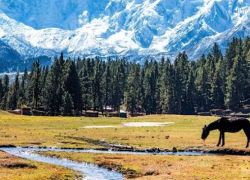
Chilas Valley, located in the Diamer District of Gilgit-Baltistan, Pakistan, is a picturesque valley nestled between the Karakoram and the Himalayas. Known for its rugged terrain, breathtaking landscapes, and diverse culture, Chilas Valley serves as a gateway to some of the most famous mountain ranges in the world, including Nanga Parbat, the ninth-highest peak in the world. The valley offers visitors an opportunity to experience the natural beauty of Pakistan’s northern regions, along with the unique traditions of its indigenous people. How to Reach Chilas Valley Chilas is located approximately 500 kilometers from Islamabad, the capital of Pakistan. To reach Chilas Valley, visitors typically travel by road, with the most common route being through the Karakoram Highway, one of the world’s most scenic highways. From Islamabad, the journey takes around 12-14 hours, depending on road conditions, which can sometimes be challenging due to the mountainous terrain. Public buses and private transport options, such as cars and jeeps, are available for this journey. Once in Chilas, you can easily reach the valley by taking a local jeep or a car. The roads in the valley are well-maintained, but in some parts, especially during the rainy season, the terrain can be rough, so it's advisable to use 4x4 vehicles. If you are traveling to the valley from other parts of Pakistan, you can also take flights to Gilgit and then travel by road to Chilas. Weather and Best Time to Visit The weather in Chilas Valley is typically cool and temperate, with distinct seasons throughout the year. Summers (May to September) are the best time to visit, as the weather is pleasant and the valley’s meadows are lush and green. During this period, temperatures range between 15°C to 30°C (59°F to 86°F), providing a comfortable atmosphere for outdoor activities like hiking and photography. Winter (November to February) can be harsh in Chilas Valley, with temperatures dropping to below freezing, making travel difficult due to heavy snowfall. The roads leading to the valley may be closed, and the area becomes isolated, so it's not the best time for a visit. Spring (March to April) and autumn (October) are also good seasons to visit, though temperatures may be a bit cooler, especially at night. If you plan to visit during these months, be sure to pack warm clothing. Opening Hours and Timing As a natural destination, Chilas Valley does not have specific opening hours or regulations. However, it is advisable to visit during daylight hours for safety reasons, especially due to the mountainous terrain and the sometimes difficult road conditions. It’s best to explore the valley in the early morning or late afternoon when the weather is cooler and the light is ideal for photography. It is also a good idea to check weather forecasts and road conditions before traveling, particularly during the winter months when the roads may be blocked due to snow. Why Chilas Valley is Famous Chilas Valley is famous for its spectacular natural beauty, which includes panoramic views of Nanga Parbat and its surrounding mountain ranges. The valley is situated at the foot of Nanga Parbat, offering one of the most stunning views of the mountain, which is known as the “Killer Mountain” due to its dangerous terrain and challenging climbing conditions. The valley is also a rich cultural hub, home to several indigenous tribes, such as the Shins and Baltis, who have lived in the region for centuries. The unique lifestyle and traditions of the people, along with the valley's dramatic landscapes, attract photographers, trekkers, and adventurers from around the world. Additionally, Chilas Valley is strategically located along the Karakoram Highway, which is a UNESCO World Heritage Site and one of the most remarkable roads in the world, offering travelers a once-in-a-lifetime journey through some of the highest and most scenic mountains on earth. Its proximity to popular tourist destinations such as Fairy Meadows and Nanga Parbat Base Camp further enhances its appeal to adventure enthusiasts. Entry and Visit Details There are no official entry fees for visiting Chilas Valley, making it an affordable destination for travelers. However, the cost of transportation can vary, especially if you hire a private jeep for the journey. Local guides are also available to help visitors navigate the valley, especially if you are planning to explore the surrounding trekking routes. These guides can provide valuable insights into the local culture, wildlife, and history of the area. Accommodations in Chilas Valley range from basic guesthouses and hotels to more rustic camping options for nature enthusiasts. During peak tourist season (summer), it is advisable to book your stay in advance, as the area can get busy with trekkers and climbers heading towards Nanga Parbat Base Camp. History and Architecture of Chilas Valley Chilas Valley has a rich history, and the region is known for its ancient rock carvings, which provide insight into the lives of the early inhabitants of the area. The valley has been home to various ethnic groups over the centuries, including the Shins, Baltis, and Kohistanis. The culture and traditions of these people are deeply rooted in the history of the valley. In addition to its cultural heritage, Chilas Valley is famous for the ancient petroglyphs and inscriptions found on rocks in the area, which are believed to be over a thousand years old. These rock carvings depict scenes of daily life, animals, and religious symbols, offering a glimpse into the early history of the region. Visitors can explore these fascinating carvings, which are scattered throughout the valley, providing an enriching cultural experience. Things to Do in Chilas Valley Chilas Valley offers a wide range of activities for visitors, from outdoor adventures to cultural exploration. Some of the top things to do include: Hiking and Trekking: Chilas Valley is a popular base for trekkers heading to Nanga Parbat Base Camp. The valley offers several scenic trekking routes, where visitors can enjoy stunning views of the surrounding mountains and lush landscapes. Photography: The valley offers some of the most picturesque landscapes in Pakistan. With Nanga Parbat looming in the background, the valley is a paradise for photographers. Capture the beauty of the meadows, rivers, and the towering peaks. Visit Ancient Rock Carvings: Explore the rock carvings in the valley that date back centuries. These petroglyphs provide a fascinating glimpse into the history of the region and are a must-see for history enthusiasts. Camping: For nature lovers, camping in Chilas Valley is an unforgettable experience. Spend the night under the stars with the majestic Nanga Parbat in the distance, surrounded by the serenity of the valley. Wildlife Watching: The valley is home to a variety of wildlife, including ibex, brown bears, and various species of birds. Wildlife enthusiasts can spend time exploring the area in search of these animals and enjoy birdwatching. Facts and Tips About Chilas Valley The best time to visit Chilas Valley is during the summer months (May to September), when the weather is most pleasant, and the roads are easily accessible. Pack warm clothing, even during summer, as temperatures can drop significantly, especially at night. Ensure you have a good camera or phone for photography, as the views of Nanga Parbat and the surrounding landscape are spectacular. Bring essential supplies such as water, snacks, and a first-aid kit, as the valley is remote, and facilities may be limited. Respect the local culture and environment. Leave no trace and avoid disturbing wildlife and natural habitats. If you are planning to trek to Nanga Parbat Base Camp, ensure you are physically prepared for the trek, as the journey can be physically demanding. Conclusion Chilas Valley is one of the most breathtaking destinations in northern Pakistan, offering a unique blend of natural beauty, cultural heritage, and adventure. Whether you're an outdoor enthusiast looking to trek to Nanga Parbat Base Camp or someone seeking a peaceful escape into nature, Chilas Valley has something to offer. With its stunning views, rich history,
Explore More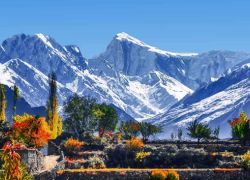
Skardu Valley is a breathtakingly beautiful region located in Baltistan, Pakistan, nestled in the northernmost part of the country. Surrounded by towering peaks, crystal-clear lakes, and lush green landscapes, Skardu is a popular destination for adventure seekers, nature lovers, and trekkers. The valley is known for its scenic beauty, and its proximity to some of the world’s highest mountains, including K2 (the second-highest peak), makes it a prime spot for mountaineering and trekking expeditions. Skardu Valley is often referred to as a hidden paradise, offering a peaceful escape from the hustle and bustle of city life. How to Reach Skardu Valley Reaching Skardu Valley involves traveling through some of the most scenic roads and air routes in Pakistan. There are two main ways to reach Skardu: By Road: The journey to Skardu Valley from Islamabad (the capital city of Pakistan) takes about 18-20 hours by road. The most common route is through the Karakoram Highway (KKH), which is considered one of the most beautiful highways in the world. The journey offers stunning views of the mighty mountains, rivers, and valleys. Travelers can take a bus or hire a private vehicle to cover the distance. By Air: Alternatively, Skardu has a domestic airport with flights connecting it to Islamabad. Pakistan International Airlines (PIA) operates flights to Skardu, and the flight time is around 1 hour. The flight offers passengers a unique aerial view of the majestic mountain ranges, and it’s an exciting way to arrive in this remote part of the country. Weather and Best Time to Visit Skardu Valley experiences a unique climate due to its high altitude and mountainous terrain. The best time to visit Skardu is during the summer months, from May to September, when the weather is mild and most of the trekking routes are accessible. The temperature during this period ranges between 15°C to 25°C (59°F to 77°F), making it ideal for outdoor activities like trekking, camping, and sightseeing. During winter (November to February), Skardu experiences harsh conditions with heavy snowfall, freezing temperatures, and limited access to roads. The region is less accessible, and many tourist services may be closed. If you plan to visit during winter, be prepared for cold temperatures, and make sure to check the road conditions before traveling. Opening Hours and Timing As a natural and remote destination, Skardu Valley does not have fixed opening hours. However, it is advisable to visit during daylight hours for safety reasons, as some of the trekking routes and mountain roads can be treacherous. Local businesses, including hotels, guesthouses, and tour operators, are generally open from early morning to late evening, especially during the peak tourist season (summer months). Why Skardu Valley is Famous Skardu Valley is famous for its incredible natural beauty, and it serves as the gateway to some of the most famous trekking destinations in the world, such as the base camps of K2 and Nanga Parbat. The valley is also renowned for its picturesque lakes, lush meadows, rugged mountains, and unique cultural heritage. Skardu offers a perfect blend of adventure and serenity, making it a must-visit destination for trekkers, mountaineers, photographers, and nature enthusiasts. One of the major reasons for the valley’s fame is its proximity to K2, the second-highest mountain in the world. Skardu serves as the starting point for treks to the base camp of K2, one of the most challenging and rewarding trekking routes in the world. The region is also home to several beautiful lakes, including Shangrila Resort's Lower Kachura Lake and Upper Kachura Lake, which are popular among tourists for their tranquil beauty and scenic views. Entry and Visit Details There is no formal entry fee for visiting Skardu Valley, as it is a natural destination. However, visitors may need to pay for certain activities such as trekking permits, vehicle rentals, and accommodation. Trekking permits are required for certain trekking routes, particularly those leading to the base camps of K2 and Nanga Parbat. These permits can be obtained through local tour operators or government offices in Skardu. It is highly recommended to book a local guide or join an organized trekking group, especially if you plan to visit the high-altitude areas or trekking routes. Local guides are familiar with the terrain and can ensure that you stay safe while exploring the region. History and Architecture of Skardu Valley Skardu Valley has a rich cultural history, with influences from the Tibetan, Persian, and Central Asian civilizations. The region has been inhabited by various ethnic groups, including the Balti people, who are descendants of Tibetan Buddhists. The architecture of Skardu reflects these cultural influences, with its distinct Buddhist and Tibetan-style structures, including ancient monasteries and stupas. The most notable historical site in Skardu is the Skardu Fort, also known as Kharpocho Fort, which was built in the 16th century. This fort is a symbol of the region’s rich heritage and offers stunning views of the valley and the Indus River below. Skardu is also home to several ancient Buddhist sites, such as the Shey Monastery and the Old Skardu Village, which have preserved the traditional Tibetan architecture and culture. Things to Do in Skardu Valley Skardu Valley offers a wide variety of activities for visitors to enjoy. Some of the popular things to do in Skardu include: Trekking to K2 Base Camp: Skardu is the starting point for the famous trek to the K2 Base Camp, which attracts mountaineers and trekkers from all over the world. The trek takes you through stunning landscapes, past glaciers, and provides spectacular views of K2. Exploring Nanga Parbat Base Camp: Nanga Parbat, also known as the "Killer Mountain," is another challenging peak near Skardu. The trek to the base camp of Nanga Parbat offers an exhilarating experience and breathtaking views of the mountain. Visiting Shangrila Resort: Shangrila Resort, also known as Lower Kachura Lake, is one of the most beautiful lakes in the region. Visitors can enjoy boat rides, stay at the resort, and relax by the serene waters. Boating on Upper Kachura Lake: Another beautiful lake in Skardu, Upper Kachura Lake is ideal for boating and picnicking. The surrounding hills and greenery make it a perfect spot for a peaceful retreat. Exploring Skardu Fort: The Skardu Fort, perched on a hilltop, offers panoramic views of the valley and the surrounding mountains. It is a historical site that reflects the region’s architectural and cultural heritage. Visiting Buddhist Monasteries: Skardu is home to several ancient Buddhist monasteries, such as the Shey Monastery and the Old Skardu Village, where visitors can explore the traditional Tibetan-style architecture and experience the peaceful ambiance. Facts and Tips About Skardu Valley The valley is located at an altitude of about 2,500 meters (8,200 feet) above sea level, so visitors should acclimatize properly before embarking on high-altitude treks. Make sure to bring warm clothing, especially if you plan to visit the higher altitudes or trek to the base camps, as temperatures can drop significantly even during summer. Skardu has limited internet connectivity, so it’s a good idea to prepare for a digital detox and enjoy the natural surroundings. Hiring a local guide is highly recommended for trekking and exploring remote areas of the valley, as they are familiar with the terrain and can ensure your safety. The best time to visit is between May and September when the weather is mild and the trekking routes are accessible. Carry sufficient cash, as ATMs are scarce in Skardu, and most businesses do not accept credit cards. Conclusion Skardu Valley is a destination like no other, offering unparalleled natural beauty, adventure opportunities, and
Explore More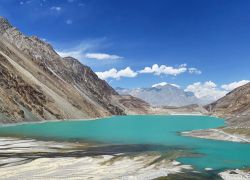
Satpara Lake, located in the Baltistan region of Pakistan, is one of the most beautiful and serene high-altitude lakes in the country. Known for its crystal-clear waters and stunning surroundings, the lake is situated about 8 kilometers (5 miles) from Skardu city, making it easily accessible for tourists and nature enthusiasts. Surrounded by snow-capped mountains and lush green landscapes, Satpara Lake offers a peaceful and scenic retreat for travelers seeking natural beauty and tranquility. How to Reach Satpara Lake Reaching Satpara Lake is relatively easy, especially since it is located near Skardu city, a major hub for travelers heading to the northern regions of Pakistan. Here’s how you can get there: By Road: The most common way to reach Satpara Lake is by road from Skardu. The lake is located about 8 kilometers (5 miles) from the city, and the journey can be completed in about 20-30 minutes by car or jeep. The road leading to the lake is well-maintained, and there are local taxis and private vehicles available in Skardu for hire. By Air: While there is no direct flight to Satpara Lake, travelers can fly into Skardu from Islamabad. Pakistan International Airlines (PIA) operates regular flights between Islamabad and Skardu, offering a quick and scenic route into the region. Once you arrive in Skardu, you can hire a local vehicle to reach Satpara Lake. Weather and Best Time to Visit Satpara Lake is located at an altitude of about 2,636 meters (8,652 feet) above sea level, so it experiences a cool and temperate climate. The best time to visit Satpara Lake is during the summer months, from May to September, when the weather is pleasant and the lake is accessible. During this period, the temperature ranges between 10°C to 20°C (50°F to 68°F), making it ideal for sightseeing, boating, and photography. During the winter months (October to April), temperatures can drop significantly, with heavy snowfall often blocking roads and making the area less accessible. Therefore, it is advisable to visit during the warmer months to enjoy the lake in its full splendor. Timing and Opening Hours Satpara Lake does not have official opening or closing hours since it is a natural site. However, it is best to visit during daylight hours, typically from 7:00 AM to 6:00 PM. This allows visitors to fully enjoy the beauty of the lake and the surrounding mountains while also ensuring safety, as the area can be difficult to navigate after dark. Local facilities and shops in the vicinity are usually open during daylight hours, especially in the summer season. Why Satpara Lake is Famous Satpara Lake is famous for its striking beauty, crystal-clear waters, and the stunning mountainous landscape that surrounds it. It is one of the few lakes in Pakistan that remains relatively unexplored by mass tourism, which makes it an ideal destination for nature lovers seeking a peaceful and undisturbed experience. The lake is also known for its unique color, with shades of green and blue that change throughout the day depending on the sunlight. The surrounding mountains, covered with snow for most of the year, reflect in the lake’s waters, creating a picturesque scene that is perfect for photography and nature walks. Satpara Lake is also of great importance to the local people. The lake is used as a source of irrigation and is part of the larger Satpara Dam, which was constructed to provide water for agriculture in the region. The construction of the dam has transformed the surrounding area, making it more accessible for visitors and allowing for improved agricultural productivity in Skardu. Entry and Visit Details There is no formal entry fee for visiting Satpara Lake, but visitors may need to pay for transportation costs, such as jeep rentals or local taxis. If you plan to hire a boat to explore the lake, there may be additional charges for the boat ride. Local tour operators and guides are also available, offering guided tours to the lake and the surrounding areas. The lake is a popular spot for day trips from Skardu, and visitors can easily spend a few hours exploring the area, taking photographs, and enjoying the tranquility. There are no accommodations directly at the lake, but Skardu offers a range of hotels, guesthouses, and resorts where visitors can stay while visiting the lake. History and Architecture of Satpara Lake Satpara Lake is relatively young in terms of its modern use, as it was created by the construction of the Satpara Dam. The dam was completed in 2005, and its primary purpose is to provide irrigation water for the agricultural lands in the Skardu region. The dam has significantly improved the agricultural output of the region, benefiting local farmers and contributing to the economic development of Baltistan. While the lake itself is a natural formation, the dam's construction has helped in the development of the surrounding area, making it more accessible to tourists. The dam, however, is not a typical tourist attraction and is more focused on its utility as a water source for irrigation. Things to Do at Satpara Lake Satpara Lake offers a range of activities for visitors, making it an ideal destination for nature lovers and adventure enthusiasts. Some of the popular things to do at the lake include: Boating: One of the most popular activities at Satpara Lake is boating. Visitors can hire small boats to explore the serene waters of the lake and enjoy the peaceful surroundings. The boat rides are an excellent way to take in the natural beauty of the area and capture some stunning photographs. Photography: Satpara Lake is a photographer's paradise. The pristine waters, snow-capped mountains, and lush green valleys offer plenty of opportunities for capturing breathtaking photographs. Sunrise and sunset are the best times for photography, as the light creates beautiful reflections on the lake’s surface. Nature Walks: The area around Satpara Lake is ideal for nature walks. Visitors can explore the surrounding meadows, enjoy the cool breeze, and observe local flora and fauna. The area is peaceful and provides a perfect escape from the hustle and bustle of city life. Fishing: Fishing is another popular activity in Satpara Lake. While the lake is not heavily commercialized, local fishermen occasionally fish in the lake. Visitors interested in fishing should inquire with locals about the best times and spots for fishing. Facts and Tips About Satpara Lake The lake is approximately 8 kilometers (5 miles) from Skardu city, making it an easy day trip for visitors. The best time to visit is from May to September, when the weather is mild and the lake is accessible. There are no accommodation facilities directly at the lake, but Skardu offers a variety of hotels, guesthouses, and resorts. It is advisable to carry enough water, food, and other essentials, as there are limited services at the lake. When boating on the lake, always use a licensed boatman and ensure safety precautions are in place. For those interested in fishing, it’s a good idea to inquire with local fishermen for the best fishing spots and guidelines. Bring a good camera or smartphone to capture the stunning landscapes and reflections on the lake’s surface. Conclusion Satpara Lake is a beautiful and tranquil destination in the Baltistan region of Pakistan, offering visitors a chance to experience nature at its best. Whether you're interested in boating, photography, fishing, or simply relaxing by the water, Satpara Lake provides a serene and peaceful environment for all. Its crystal-clear waters, breathtaking surroundings, and proximity to Skardu make it a must-visit destination for anyone traveling to the region. If you're seeking natural beauty and a chance to unwind, Satpara Lake is the perfect place to visit.
Explore More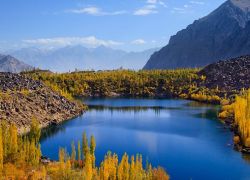
Kachura Lake, located in the Baltistan region of northern Pakistan, is one of the most beautiful and serene lakes in the country. Known for its crystal-clear waters, surrounded by snow-capped mountains and lush green valleys, Kachura Lake offers visitors a breathtaking view of nature. The lake is located near the town of Skardu, in the northern areas of Pakistan, making it a prime destination for travelers seeking tranquility and natural beauty. The lake is also known as Lower Kachura Lake, to distinguish it from the nearby Upper Kachura Lake, which is a smaller body of water. How to Reach Kachura Lake Getting to Kachura Lake is relatively easy as it is situated close to Skardu, the main city in the Baltistan region. Here’s how to reach Kachura Lake: By Road: Kachura Lake is about 30 kilometers (18.6 miles) from Skardu, which can be reached via a well-maintained road. The journey takes around 45 minutes by car. The road is smooth, but you may encounter some rough patches along the way. Visitors can hire a jeep or take a local taxi from Skardu to reach the lake. By Air: The nearest airport is Skardu Airport, which has domestic flights from Islamabad. Pakistan International Airlines (PIA) operates flights to Skardu from Islamabad. After landing in Skardu, you can hire a taxi or rent a vehicle to reach Kachura Lake. Weather and Best Time to Visit Kachura Lake is located at an altitude of approximately 2,500 meters (8,200 feet) above sea level, so it experiences a cool mountain climate. The best time to visit Kachura Lake is during the summer months, from May to September, when the weather is pleasant and the lake is fully accessible. During this period, temperatures in the area range between 15°C and 25°C (59°F to 77°F), making it ideal for sightseeing and outdoor activities. In the winter months, from October to April, the region experiences cold temperatures, with snow covering the surrounding mountains and occasionally blocking the roads. The lake becomes less accessible during the winter, so it is recommended to visit during the warmer months to enjoy the full beauty of Kachura Lake and the surrounding area. Timing and Opening Hours Kachura Lake does not have official opening or closing hours, as it is a natural site. However, visitors typically visit the lake during daylight hours, from 7:00 AM to 6:00 PM. The surrounding area is generally safe to explore during these times, and local accommodations in the area are open for bookings throughout the day. It is recommended to visit in the morning or late afternoon to enjoy the serene atmosphere and take advantage of the best lighting for photography. Why Kachura Lake is Famous Kachura Lake is famous for its breathtaking natural beauty. The lake’s crystal-clear waters reflect the surrounding mountains, creating a mesmerizing landscape that is perfect for photography and relaxation. The lake is set against the backdrop of the mighty Karakoram mountain range, which adds to its allure. The tranquil environment around the lake makes it a perfect destination for nature lovers, hikers, and photographers. Additionally, Kachura Lake is known for its serene and peaceful surroundings, making it an ideal spot for camping, boating, and enjoying the outdoors. The lake is also famous for the presence of the Shangrila Resort, which is located nearby. The resort offers scenic views of the lake, and many visitors choose to stay here for a comfortable experience surrounded by nature. Entry and Visit Details Visiting Kachura Lake is free of charge; however, if you wish to stay at the Shangrila Resort or take part in any water activities such as boating, there may be associated fees. Local guides are available for hire, and it is recommended to take a guided tour to learn more about the area’s history, wildlife, and cultural significance. The lake is easily accessible by road, and visitors can spend a few hours exploring the area or opt for a longer visit, including a stay at the resort. The lake’s peaceful atmosphere and scenic beauty make it a perfect destination for a day trip from Skardu, but visitors looking to relax and enjoy the area at a leisurely pace may prefer to stay overnight at the resort. History and Architecture of Kachura Lake The history of Kachura Lake is deeply intertwined with the natural beauty of the Baltistan region. The lake has always been an important part of the local ecosystem, providing a water source for the surrounding villages. It also holds cultural significance for the people of Skardu, with the lake being a popular recreational destination for locals and tourists alike. While the lake itself is a natural formation, it is home to the famous Shangrila Resort, which was established in the 1980s. The resort is designed in traditional Balti architecture, featuring wooden chalets and beautiful gardens that blend perfectly with the surrounding landscape. The resort was originally intended as a retreat for tourists looking to experience the natural beauty of Skardu in comfort, and it continues to attract visitors from around the world. Things to Do at Kachura Lake Visitors to Kachura Lake can enjoy a variety of activities that allow them to immerse themselves in the natural beauty of the area. Some of the popular activities include: Boating: One of the main attractions of Kachura Lake is boating. Visitors can rent boats to explore the lake and enjoy the peaceful waters surrounded by towering mountains. The lake is known for its crystal-clear waters, making the boat ride a serene and calming experience. Photography: Kachura Lake is a photographer’s paradise. The lake’s clear waters and the surrounding mountain ranges offer ample opportunities for capturing stunning photographs, particularly during sunrise and sunset when the light is ideal. Nature Walks: Visitors can enjoy leisurely walks around the lake and through the surrounding lush landscapes. The area is rich in flora and fauna, making it a great spot for nature lovers and birdwatchers. Stay at Shangrila Resort: For those looking to relax and enjoy the area, staying at the Shangrila Resort is a great option. The resort offers comfortable accommodations with beautiful views of the lake and mountains. Facts and Tips About Kachura Lake The lake is located about 30 kilometers (18.6 miles) from Skardu city, making it a short drive away from the main town. It is best to visit Kachura Lake between May and September when the weather is pleasant and the lake is fully accessible. Although the lake is free to visit, boating and staying at the Shangrila Resort may require additional fees. Visitors should carry sufficient water, snacks, and sun protection as the area can be hot during the summer months. It is advisable to take a guided tour to learn more about the local history, culture, and wildlife around the lake. Be sure to take plenty of photographs, as the scenic beauty of Kachura Lake and the surrounding mountains is truly remarkable. Conclusion Kachura Lake is one of the most beautiful and tranquil destinations in the Baltistan region of Pakistan. With its crystal-clear waters, stunning mountain views, and peaceful surroundings, the lake offers a perfect escape from the hustle and bustle of daily life. Whether you’re boating on the lake, hiking in the surrounding areas, or simply relaxing by the water, Kachura Lake provides an unforgettable experience for all who visit. Make sure to add this hidden gem to your travel itinerary when exploring northern Pakistan.
Explore MoreSwitzerland and Paris
9 Days/ 8 Night
Lucerne - Interlaken - Zanzibar - Islamabad - Besham Qila - Dhaka - Mongla
Europe Tour Package
12 Days/ 11 Night
Paris - Brussels - Amsterdam - Interlaken - Lucerne - Zanzibar - Islamabad
Dubai Delight Tour
5 Days/ 4 Night
Abu Dhabi - Baltistan
Explore Dubai 7n/8d Tour
8 Days/ 7 Night
Dubai - Abu Dhabi - Baltistan - Skardu - Askole
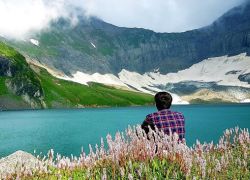
Ratti Gali Lake, located in the stunning Baltistan region of northern Pakistan, is a breathtaking alpine lake surrounded by snow-capped peaks. The lake sits at an altitude of about 12,130 feet (3,700 meters) above sea level and is one of the most sought-after trekking destinations in Pakistan. Known for its crystal-clear waters, lush meadows, and picturesque landscapes, Ratti Gali Lake is a hidden gem that offers a serene escape for nature lovers and adventure enthusiasts alike. It is also a popular destination for trekkers, photographers, and campers who wish to explore the natural beauty of the area. How to Reach Ratti Gali Lake Reaching Ratti Gali Lake requires a long journey and a moderate trek, as it is located in a remote mountainous region. Here’s how to reach the lake: By Road: The nearest town to Ratti Gali Lake is Azad Kashmir’s Muzaffarabad, which is approximately 120 kilometers (about 74.5 miles) away. From Muzaffarabad, you can travel by road to the village of Dowarian, which is the starting point of the trek to Ratti Gali Lake. The journey from Muzaffarabad to Dowarian takes about 3-4 hours by car, depending on road conditions. By Trekking: The most common way to reach Ratti Gali Lake is by trekking from Dowarian. The trek is challenging and requires good physical fitness. The trek takes about 4-6 hours, depending on the pace, and covers a distance of around 14-16 kilometers (8.7-9.9 miles). The route ascends through forests, meadows, and rocky terrain, offering spectacular views of the surrounding mountains and valleys. Weather and Best Time to Visit Ratti Gali Lake is situated in a high-altitude region, so the weather can vary greatly throughout the year. The best time to visit Ratti Gali Lake is during the summer months, from June to September, when the weather is mild and the lake is accessible. During this period, temperatures range from 10°C to 20°C (50°F to 68°F), making it ideal for trekking and camping. In the winter months (November to March), temperatures drop significantly, and the area receives heavy snowfall. This makes the trek challenging and, in some cases, inaccessible due to snow blockage. It is not recommended to visit Ratti Gali Lake during the winter unless you are experienced in snow trekking and prepared for extreme cold conditions. Timing and Opening Hours Since Ratti Gali Lake is a natural site, it doesn’t have specific opening or closing hours. However, visitors typically trek to the lake during daylight hours, starting in the early morning around 7:00 AM and returning by late afternoon. For those planning to camp near the lake, it is recommended to arrive during the daylight hours to ensure a safe and comfortable stay. Why Ratti Gali Lake is Famous Ratti Gali Lake is famous for its stunning beauty and the challenging trek required to reach it. The lake’s crystal-clear, turquoise waters surrounded by towering snow-capped peaks create a postcard-perfect landscape. It is one of the highest-altitude alpine lakes in Pakistan and is known for its remote and untouched location, making it a haven for nature lovers, trekkers, and adventure enthusiasts. In addition to its natural beauty, Ratti Gali Lake is famous for its rich biodiversity. The area around the lake is home to a variety of flora and fauna, including alpine flowers, wild herbs, and mountain wildlife like brown bears, leopards, and various bird species. The lake also has cultural significance for the local communities in Azad Kashmir, who regard it as a sacred site. Entry and Visit Details Entry to Ratti Gali Lake is free; however, the trek to the lake requires a physical effort and a reasonable level of fitness. Visitors are advised to hire a local guide or join a trekking group, as the route can be challenging and requires local knowledge. Additionally, some trekking companies offer guided tours, including camping and accommodation services for those wishing to stay overnight near the lake. It is important to carry sufficient supplies for the trek, including water, snacks, appropriate clothing, and camping gear. There are no shops or facilities along the trek, so preparing for the journey is essential. If you are not familiar with the terrain, hiring a guide is highly recommended for a safe and enjoyable experience. History and Architecture of Ratti Gali Lake Ratti Gali Lake is a natural lake formed in a glacial basin, and its origins are linked to the geological processes that shaped the region. The lake is situated in the remote mountains of Azad Kashmir, and there is no documented history or architectural significance associated with the lake itself. However, the surrounding region has a rich history and cultural heritage, and the lake is of great significance to the local people. The trek to Ratti Gali Lake passes through several small villages and meadows, where locals live in traditional houses made of stone and wood. The local people practice a mix of agricultural and pastoral lifestyles and are known for their hospitality and warmth toward visitors. Things to Do at Ratti Gali Lake Ratti Gali Lake offers several activities for nature lovers, trekkers, and photographers. Here are some of the popular things to do at the lake: Trekking: The primary activity at Ratti Gali Lake is trekking. The trek to the lake is challenging but rewarding, with incredible views along the way. Trekkers can enjoy the stunning landscapes, including alpine meadows, forests, and snow-capped peaks. Photography: The lake’s stunning turquoise waters and breathtaking surroundings make it a perfect spot for photography. Visitors can capture the beauty of the lake, its reflection in the water, and the surrounding peaks. Camping: For those who want to experience the wilderness, camping near Ratti Gali Lake is a popular activity. The lake’s serene atmosphere makes it an ideal place to camp and enjoy the beauty of nature under the stars. Wildlife Spotting: The area around Ratti Gali Lake is home to a variety of wildlife, including leopards, brown bears, and several species of birds. While spotting wildlife requires patience and luck, nature enthusiasts may have the opportunity to see these magnificent creatures in their natural habitat. Facts and Tips About Ratti Gali Lake The lake is situated at an altitude of 12,130 feet (3,700 meters), so visitors should be prepared for altitude-related symptoms such as shortness of breath and fatigue. The trek to Ratti Gali Lake is moderate to difficult and should be attempted only by those with good physical fitness. It is recommended to visit the lake between June and September to avoid heavy snowfall and freezing temperatures. Pack adequate trekking gear, including warm clothing, waterproof boots, a sleeping bag, and a camping stove if you plan to stay overnight. It is advisable to hire a local guide, as they can provide valuable information about the route and ensure your safety during the trek. Always carry enough water and snacks, as there are no facilities along the trek. Conclusion Ratti Gali Lake is a hidden treasure in the Baltistan region of Pakistan, offering stunning natural beauty and a challenging trekking experience. Whether you’re trekking through alpine meadows, camping by the lake, or capturing the scenic views, Ratti Gali Lake offers an unforgettable adventure for nature lovers and adventurers alike. If you’re looking for an off-the-beaten-path destination that combines adventure, beauty, and tranquility, Ratti Gali Lake should definitely be on your list.
Explore More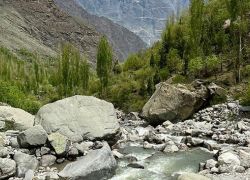
Basho Valley, located in the Baltistan region of northern Pakistan, is a breathtakingly beautiful and relatively lesser-known destination for travelers. Known for its lush meadows, towering mountains, clear streams, and vibrant villages, Basho Valley offers a peaceful retreat for those seeking to experience the untouched natural beauty of the region. Surrounded by the majestic Karakoram mountain range, the valley provides stunning landscapes, rich culture, and an ideal environment for outdoor activities such as trekking, camping, and photography. Located about 40 km from Skardu, it is an excellent destination for anyone visiting Baltistan. How to Reach Basho Valley Getting to Basho Valley requires a journey from Skardu, the nearest city with an airport and basic facilities. Here’s how to reach the valley: By Road: From Skardu, you can travel to Basho Valley via jeep. The road from Skardu to Basho is scenic but quite rough, especially in the last part of the journey. The trip takes about 2 to 3 hours, and it is best to hire a local jeep to navigate the winding, rocky roads. By Air: The nearest airport is in Skardu, which is connected to Islamabad by flights operated by Pakistan International Airlines (PIA). Once you land in Skardu, you can take a jeep ride to reach Basho Valley. Weather and Best Time to Visit The weather in Basho Valley is typical of high-altitude mountain regions, with cold winters and mild summers. The valley experiences a cold, snowy winter from November to March, with temperatures dropping well below freezing. Snow can block the road, making it difficult to access during these months. The best time to visit Basho Valley is during the summer months, from June to September, when the weather is pleasant, and the valley is accessible. Temperatures during this period range between 10°C to 20°C (50°F to 68°F), making it ideal for outdoor activities such as trekking and camping. The valley is also at its greenest during this time, with wildflowers blooming across the meadows. Timing and Opening Hours Basho Valley does not have specific opening or closing hours, as it is a natural destination. Visitors typically visit during daylight hours, from around 7:00 AM to 6:00 PM. For those planning to stay overnight, camping is a popular option. Visitors should keep in mind that the weather can change rapidly, so it's essential to plan trips accordingly and ensure that you return to Skardu before dark. Why Basho Valley is Famous Basho Valley is famous for its pristine beauty and untouched landscapes. It is one of the most serene and peaceful spots in the Baltistan region, far away from the crowded tourist areas. The valley is known for its vast green meadows, crystal-clear rivers, and the towering peaks of the Karakoram mountain range. The area is also rich in wildlife and offers a wide variety of alpine plants and flowers, making it an ideal location for nature lovers and photographers. The valley is also culturally significant to the local Balti people, who live in scattered villages throughout the valley. Visitors to Basho can experience the simple yet vibrant lifestyle of the locals, who maintain a rich cultural heritage with traditional wooden houses, prayer flags, and ancient agricultural practices. Entry and Visit Details There are no entry fees to visit Basho Valley. However, visitors may need to arrange transportation, such as hiring a jeep from Skardu to the valley, which comes with associated costs. If you're planning to stay overnight, you can set up camp in the valley or stay in basic guesthouses that may be available in the nearby villages. The local people are friendly and welcoming, and camping or staying with locals is an excellent way to experience the true hospitality of the region. If you're planning to trek, it is highly recommended to hire a local guide who is familiar with the area. The terrain can be challenging, and a guide will help you navigate the valley and show you the best spots for camping, photography, and exploration. Guides also help in understanding the culture and history of the valley and provide essential safety advice. History and Architecture of Basho Valley Basho Valley does not have significant architectural landmarks, but it is home to the traditional Balti architecture, which features simple wooden houses built to withstand the harsh mountain climate. The people of Basho Valley are mostly engaged in agriculture and animal husbandry, with barley, wheat, and fruits being the main crops cultivated in the region. The history of Basho Valley is largely oral, with stories and traditions passed down through generations. The valley has remained relatively untouched by modern development, allowing visitors to experience a more authentic and rustic way of life. The valley is culturally rich, with ancient customs and rituals still observed by the local Balti people, especially in their seasonal festivals and religious ceremonies. Things to Do at Basho Valley There are several activities to enjoy in Basho Valley that allow visitors to fully immerse themselves in the natural beauty of the area: Trekking: Basho Valley offers numerous trekking opportunities. The trek to the valley itself is a great adventure, and for those seeking more of a challenge, there are hiking routes that take you deeper into the mountains. These treks provide panoramic views of the valley, rivers, and surrounding peaks. Camping: For those who want to experience the valley’s tranquility, camping is a popular option. You can camp by the riverside or in the meadows, surrounded by alpine flora and the distant sound of flowing water. The starry skies at night are a sight to behold. Photography: The beauty of Basho Valley, with its lush meadows, crystal-clear rivers, and rugged mountains, makes it an ideal location for photography. Whether you're an amateur or professional photographer, the stunning landscapes will provide endless opportunities to capture the essence of the valley. Visiting Local Villages: The local Balti villages in Basho Valley are a key attraction. Visitors can interact with the locals, learn about their traditional way of life, and witness the rural agricultural lifestyle that has remained unchanged for centuries. Facts and Tips About Basho Valley The valley is located approximately 40 km from Skardu and is best accessed by jeep. Visit during the summer months (June to September) for the best weather conditions and to witness the valley in full bloom. Basho Valley is a remote location, so it’s essential to carry necessary supplies, including water, food, and a first aid kit. Altitude sickness can affect visitors due to the valley’s elevation, so it's important to acclimatize properly if you're planning on trekking or staying overnight. Hiring a local guide is highly recommended for safety and to enhance your experience in the valley. Local guides can provide insights into the history, culture, and natural beauty of the region. Be respectful of local customs and traditions. The people of Basho Valley are deeply rooted in their culture, and showing respect for their way of life will ensure a warm welcome. Conclusion Basho Valley is a hidden paradise in Baltistan, offering a unique opportunity to explore Pakistan's untouched natural beauty. Whether you're a trekker, photographer, or simply a nature lover, Basho Valley offers an unforgettable experience. The stunning landscapes, traditional Balti villages, and serene environment make it an ideal destination for those looking to escape the hustle and bustle of modern life and immerse themselves in the tranquility of the mountains. For an authentic, off-the-beaten-path adventure, Basho Valley is the place to be.
Explore More
Liaquat Bagh is one of the most historically significant and popular public parks in Rawalpindi, Pakistan. Located in the heart of the city, the park is known for its lush greenery, peaceful environment, and its crucial role in the history of Pakistan. It is not just a recreational area, but a landmark with a tragic past that has shaped the country’s history. The park is named after Liaquat Ali Khan, the first Prime Minister of Pakistan, who was assassinated here in 1951. Today, it stands as a place of remembrance and a spot for relaxation and recreation for visitors from all walks of life. How to Reach Liaquat Bagh Liaquat Bagh is situated in the central area of Rawalpindi, making it easily accessible from various parts of the city. The park is located near the city’s main commercial hub, Murree Road, and is well connected by public transport. Visitors can easily reach Liaquat Bagh by car, taxi, or local buses. The Rawalpindi Railway Station is approximately 2 kilometers away, and Benazir Bhutto International Airport in Islamabad is about 20 minutes by car. Taxis and ride-hailing services like Uber and Careem also provide easy access to the park. It is also within walking distance from many key landmarks in the city, making it an ideal place to visit for a quick break or a peaceful walk. Weather at Liaquat Bagh The weather in Rawalpindi varies throughout the year, and this directly influences the experience of visiting Liaquat Bagh. The summer months (from May to August) can be quite hot, with temperatures often reaching over 35°C. However, the park's trees and open spaces provide a cool escape during the hotter months. The winter season (from December to February) brings cooler temperatures, with highs around 20°C and lows sometimes dipping to 5°C. The best times to visit the park are during the spring (March to May) and autumn (September to November), when the weather is mild, and the park’s natural beauty is in full display. Visitors can enjoy walking, sitting, or picnicking in a comfortable climate during these seasons. Timings of Liaquat Bagh Liaquat Bagh is open to the public throughout the week. The park generally opens early in the morning at around 6:00 AM and closes by sunset at approximately 6:30 PM. During the summer months, the park may remain open until later in the evening, allowing visitors to enjoy a cooler, more relaxed environment in the late hours. However, it is always advisable to check locally for any updates regarding changes in timings, especially during special events or maintenance work. Why Liaquat Bagh is Famous? Liaquat Bagh is famous for its deep historical significance and role in Pakistan's political history. The park is renowned for being the site where Liaquat Ali Khan, the first Prime Minister of Pakistan, was assassinated in 1951. His assassination shocked the nation and has remained a critical moment in Pakistan's history. Today, the park is a site of national importance, attracting visitors who come to pay homage and learn about this pivotal event in Pakistan’s history. Aside from its historical relevance, the park is also famous for its lush green lawns, peaceful atmosphere, and as a gathering place for locals. It is often visited by families, students, and tourists looking for a serene environment in the bustling city of Rawalpindi. The park is also known for hosting various political gatherings and public events over the years. Entry and Visit Details The entry to Liaquat Bagh is free of charge, making it a popular destination for people of all economic backgrounds. Visitors can walk into the park at any time during the designated opening hours. There are no major restrictions, although visitors should be mindful of the park’s general rules, such as maintaining cleanliness and avoiding disruptive behavior. The park has basic facilities like benches, pathways, and shaded areas for relaxation. However, there are no major food or souvenir stalls, so visitors are encouraged to bring their own snacks or drinks if planning to spend an extended period in the park. History of Liaquat Bagh Liaquat Bagh, originally known as Company Bagh (Company Garden), was a public park before it was renamed in honor of Liaquat Ali Khan, the first Prime Minister of Pakistan. The park is deeply associated with the tragic event of 16th October 1951 when Liaquat Ali Khan was shot while addressing a gathering at the park. This event marked a turning point in Pakistan’s history, as it led to political instability and significant changes in the country’s leadership. Over the years, the park has been renovated and developed into a more modern recreational space. However, it still retains its historical significance, and a monument stands in the park to commemorate Liaquat Ali Khan and his contributions to Pakistan’s early years. Today, it is not only a popular recreational space but also a place of remembrance for the people of Pakistan. Architecture and Design of Liaquat Bagh The design of Liaquat Bagh is simple yet elegant, with an emphasis on open spaces, lush greenery, and peaceful surroundings. The park features wide pathways that are perfect for walking, jogging, or cycling. There are many shaded areas where visitors can sit and relax, surrounded by trees and flowering plants. The central area of the park holds the memorial to Liaquat Ali Khan, where people come to pay their respects. The park is well-maintained with lawns and benches, making it a peaceful retreat in the middle of a bustling city. It is an ideal spot for a casual stroll or a family gathering. Although the park's design is not elaborate, it exudes a calming atmosphere that makes it one of the most loved green spaces in Rawalpindi. Things to Do at Liaquat Bagh Liaquat Bagh offers a variety of activities that visitors can enjoy: Relax and Enjoy Nature: The park is perfect for those who want to relax in a natural environment. Visitors can enjoy the shade of trees, walk along the pathways, or simply sit and take in the peaceful atmosphere. Pay Respects at the Monument: The park is home to a monument dedicated to Liaquat Ali Khan, where visitors can learn more about the history of Pakistan’s first Prime Minister and his legacy. Picnicking: The park’s large green lawns are ideal for a family picnic or an afternoon with friends. Visitors can bring food and enjoy a meal outdoors. Photography: With its beautiful landscaping and historic significance, Liaquat Bagh is a great location for photography, especially for those interested in capturing historical landmarks and natural beauty. Interesting Facts about Liaquat Bagh The park was initially called Company Bagh before being renamed in honor of Liaquat Ali Khan. Liaquat Ali Khan was shot by an assassin while he was addressing a crowd at the park, an event that still resonates in Pakistan’s political history. It is one of the oldest and most significant parks in Rawalpindi, drawing both locals and tourists alike. The park hosts various local events, including public rallies, political gatherings, and celebrations on national holidays. Tips for Visiting Liaquat Bagh Stay Hydrated: The weather can get hot during the summer months, so it’s a good idea to carry a water bottle with you. Be Respectful: Given the park’s historical significance, visitors should be respectful, especially when near the monument commemorating Liaquat Ali Khan. Wear Comfortable Footwear: If you plan to walk or explore the park, wear comfortable shoes for an enjoyable experience. Visit During Off-Peak Hours: To avoid large crowds, try to visit early in the morning or late in the afternoon, especially during weekends or public holidays. Carry Snacks and Picnic Items: While the park is peaceful, it does not have many food vendors, so it’s a good idea to bring your own snacks and drinks. Conclusion Liaquat Bagh is not just a park; it is a significant historical landmark that offers a peaceful space for relaxation while reminding visitors of Pakistan’s early history. Whether you are a local resident or a tourist, a visit to Liaquat Bagh is a must to experience its historical importance and natural beauty. With its accessible location, beautiful surroundings, and historical monument, Liaquat Bagh continues to be a vital part of Rawalpindi's charm and heritage.
Explore More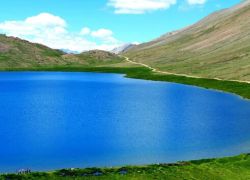
Sheosar Lake, located near Askole in the Gilgit-Baltistan region of Pakistan, is a stunning alpine lake nestled within the vast Deosai National Park, often referred to as the "Land of Giants." This pristine lake sits at an elevation of 4,142 meters (13,589 feet) above sea level and offers breathtaking views of the surrounding mountains, valleys, and alpine meadows. Sheosar Lake is a must-visit destination for trekkers, nature lovers, and photographers, offering a perfect escape into one of the most remote and scenic areas of northern Pakistan. How to Reach Sheosar Lake Sheosar Lake is accessible only by 4x4 vehicles, as the terrain leading to the lake is rugged and challenging. To reach Sheosar Lake from Askole, you need to travel through Deosai National Park, which is the second-highest plateau in the world after the Tibetan Plateau. Here’s how you can get there: By Air: The nearest airport is Skardu, which has domestic flights connecting it to Islamabad. Flights from Islamabad to Skardu typically take around 1 hour. After arriving in Skardu, you can take a jeep ride to Deosai National Park. By Road: From Skardu, you can travel by road to Deosai National Park, which takes approximately 4-5 hours. The roads are rough, and a 4x4 vehicle is essential for navigating the rugged terrain. Jeep Ride to Sheosar Lake: Once you enter Deosai National Park, it’s about a 45-kilometer journey to Sheosar Lake. The road is unpaved and requires a jeep ride, which can be arranged through local tour operators. The ride is thrilling and offers spectacular views of the landscape. Weather and Best Time to Visit Due to its high-altitude location, Sheosar Lake experiences a cold climate, with temperatures dropping significantly during the winter months. The best time to visit Sheosar Lake is during the summer and early autumn when the weather is more conducive to outdoor activities. Here’s what you can expect: Summer (June to September): The summer months are the most favorable for visiting Sheosar Lake. During this time, the temperature ranges between 15°C to 25°C (59°F to 77°F) during the day. Nights can be chilly, so packing warm clothes is advised. This is the peak tourist season, with clear skies and accessible roads. Autumn (October to November): Autumn offers cooler temperatures and fewer crowds. The landscape starts to change as the weather becomes more crisp, and the surrounding foliage turns to shades of yellow and red, offering stunning photographic opportunities. Winter (December to February): Winter at Sheosar Lake is extremely cold, with temperatures often dropping below freezing. Heavy snowfall makes the lake and the surrounding park inaccessible. This is not the best time for visiting, as the harsh weather can cause road closures and make the lake difficult to reach. Spring (March to May): Spring is another good time to visit, as the weather starts warming up. The snow begins to melt, and flowers bloom in the valleys, creating a vibrant landscape. Why Sheosar Lake is Famous Sheosar Lake is renowned for its untouched natural beauty, high-altitude location, and incredible landscapes. Here are a few reasons why it’s become such a popular destination: Crystal-Clear Waters: The lake is known for its strikingly clear waters, which reflect the surrounding mountains and skies. The shimmering surface adds to the serene and peaceful atmosphere, making it an ideal spot for photography. High-Altitude Beauty: At an elevation of over 4,000 meters, Sheosar Lake offers panoramic views of the surrounding snow-capped peaks and rolling meadows, making it a truly breathtaking sight. Wildlife and Flora: The region around Sheosar Lake is home to a diverse range of wildlife, including the Himalayan brown bear, marmots, and various bird species. The flora of Deosai National Park is equally impressive, with wildflowers, alpine shrubs, and grasses covering the plateau during the warmer months. Part of Deosai National Park: Sheosar Lake is located within the Deosai National Park, a UNESCO World Heritage site that is home to one of the world’s highest plateaus. The park itself is an ecological treasure trove, with a mix of rugged terrain, lush meadows, and abundant wildlife. Entry and Visit Details Sheosar Lake is part of Deosai National Park, which is a protected area. Visitors must obtain entry permits to visit the park, which can be arranged through local tour operators or the Gilgit-Baltistan Tourism Department. Here are some key details about visiting Sheosar Lake: Opening Hours: Deosai National Park is open to visitors from May to October. The park is closed during the winter months (November to April) due to heavy snowfall and extreme weather conditions. Permits: A permit is required to visit Sheosar Lake, as it is located within a protected national park. You can obtain a permit through the Gilgit-Baltistan Tourism Department or from local guides in Skardu. Accommodation: While there are no permanent accommodations near Sheosar Lake, visitors can camp near the lake or stay in nearby areas like Skardu. Skardu has a range of hotels and guesthouses that offer comfortable stays. Guided Tours: Given the remote location and the rugged terrain, it is highly recommended to take a guided tour when visiting Sheosar Lake. Local guides are knowledgeable about the area and can provide valuable insights into the history, ecology, and geology of the region. History and Architecture of Sheosar Lake Sheosar Lake itself does not have a distinct historical or architectural significance. However, it is part of the larger Deosai National Park, which has a fascinating history. The park has long been a haven for local herders and wildlife, and the name “Deosai” is derived from the words “Deo” (meaning “gods”) and “Sai” (meaning “plain”), reflecting the area’s revered status among locals. While there are no ancient structures or man-made buildings around Sheosar Lake, the natural beauty and geological significance of the area make it an important landmark in northern Pakistan. Things to Do Around Sheosar Lake Sheosar Lake and its surrounding region offer a range of activities for outdoor enthusiasts, photographers, and nature lovers. Here are some of the top things to do when visiting Sheosar Lake: Trekking and Hiking: There are numerous trekking routes around Sheosar Lake, with trails leading through the expansive Deosai National Park. These trails offer incredible views of the lake, surrounding mountains, and valleys. Photography: Sheosar Lake is one of the most photogenic spots in Pakistan. The crystal-clear waters, stunning landscapes, and the rich wildlife make it a paradise for photographers. Wildlife Watching: The Deosai Plateau is home to a variety of wildlife, including the endangered Himalayan brown bear. You can also spot golden marmots, Tibetan wolves, and a wide range of birds, making wildlife watching a major attraction in the area. Camping: Many visitors choose to camp near Sheosar Lake to fully experience the natural beauty and tranquility of the area. Camping provides an opportunity to spend a night under the stars in one of the most pristine environments on Earth. Facts and Tips About Sheosar Lake High Altitude: Sheosar Lake is located at a high altitude, so visitors should be prepared for the thin air. It's advisable to acclimatize before visiting to avoid altitude sickness. Weather Variability: The weather can change rapidly in this region, so it's important to pack for all conditions. Always bring warm clothing, even during the summer months. Be Prepared for Rough Roads: The roads leading to Sheosar Lake are rough and often inaccessible in the rainy season. Ensure you travel in a 4x4 vehicle and check road conditions before setting out. Respect the Environment: As Sheosar Lake is part of a national park, it is important to respect the environment by not littering and following the Leave No Trace principles. Conclusion Sheosar Lake in Askole is a hidden gem in Pakistan’s northern regions. Its stunning natural beauty, remote location, and rich wildlife make it a must-visit destination for adventurous travelers. Whether you’re trekking, camping, or simply enjoying the breathtaking views, a visit to Sheosar Lake will leave you with unforgettable memories and a deeper appreciation for the raw beauty of the Pakistani wilderness.
Explore More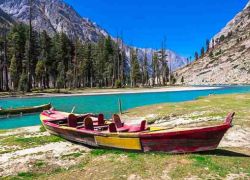
Mahodand Lake, located in the stunning Swat Valley of Khyber Pakhtunkhwa, Pakistan, is a hidden gem that captivates visitors with its crystal-clear waters, beautiful surrounding mountains, and tranquil atmosphere. Situated near the town of Mingora, the lake is a popular destination for nature lovers, trekkers, and adventure enthusiasts. The lake is known for its picturesque landscape and serene beauty, making it one of the most sought-after spots for tourists looking to explore the natural wonders of Swat. How to Reach Mahodand Lake Reaching Mahodand Lake requires a bit of adventure, but the journey itself is part of the allure. From Mingora, the main city of Swat, you can take a jeep or private car towards the lake. The distance from Mingora to Mahodand Lake is around 40 to 45 kilometers, and the road takes you through breathtaking views of lush valleys, rivers, and small villages. The road leading to the lake is a mix of paved and rough, bumpy paths, and it’s recommended to travel in a four-wheel-drive vehicle to navigate the rugged terrain. The drive takes approximately 2 to 3 hours, depending on weather and road conditions. Visitors can hire a jeep from Mingora, or some tour operators offer day trips to the lake. During the summer months, the road to Mahodand Lake is more accessible, but in winter, heavy snow can make the route challenging. It is best to plan your visit in the warmer months when the weather is more conducive to travel. Weather and Best Time to Visit Mahodand Lake enjoys a moderate climate, with cooler temperatures in the summer and cold, snowy winters. The best time to visit Mahodand Lake is from late spring to early autumn, particularly between April and October, when the weather is pleasant and the lake is most accessible. During this period, the temperature remains moderate, ranging from 15°C to 25°C (59°F to 77°F), making it perfect for outdoor activities like trekking and camping. In the winter months, from November to March, Mahodand Lake experiences heavy snowfall, and the lake can freeze over, creating a beautiful yet inaccessible environment. While winter offers a unique, snow-covered landscape, the roads can be closed or extremely difficult to navigate, so it’s best to avoid visiting during this time unless you are prepared for winter conditions. Timing of Visit Since Mahodand Lake is an open natural site, there are no fixed opening or closing hours. Visitors can go anytime during daylight hours, but it is advisable to visit from morning to afternoon, allowing enough time to explore the surroundings. It’s best to plan your visit early in the day, as it will give you ample time to enjoy the lake’s beauty and return before it gets dark. It’s also a good idea to check local weather forecasts before your visit, as the conditions in the Swat Valley can change rapidly, especially during the rainy season or early spring. Why Famous: Significance of Mahodand Lake Mahodand Lake is famous for its pristine beauty, picturesque landscape, and tranquil ambiance. The lake is surrounded by lush green meadows, snow-capped mountains, and dense forests, offering a serene environment for visitors. The name "Mahodand" means "Lake of Fish" in the local Pashto language, referring to the abundance of fish found in the lake, which attracts anglers from all over. Beyond its natural beauty, Mahodand Lake is also known for being a prime destination for outdoor activities such as fishing, boating, camping, and trekking. The lake is a popular spot for both local and international tourists who come to enjoy the peaceful atmosphere and the stunning views of the Swat Valley. It is also a place of cultural significance, with local people visiting for spiritual and recreational purposes. Entry and Visit Details There is no formal entry fee to visit Mahodand Lake, as it is a public natural site. However, visitors typically hire a jeep from Mingora to reach the lake, and the cost of this ride can vary depending on the season and the vehicle. It’s recommended to agree on a price with the driver before embarking on the journey to avoid any misunderstandings. While there are no facilities like restrooms or food stalls at the lake, visitors can bring their own food, camping gear, and necessary supplies. Many tourists opt for a day trip to the lake, but some adventurous visitors stay overnight and camp by the lake. Make sure to carry enough water, snacks, and basic supplies, as there are no stores or shops nearby. History of Mahodand Lake Mahodand Lake has a long history of cultural and spiritual significance for the people of the Swat Valley. The lake has been a popular site for centuries, not only because of its natural beauty but also due to its proximity to the towns and villages in the region. The area around the lake has been inhabited for generations, and it has become an integral part of the local lifestyle. The lake has also played a role in the region’s economic activity, especially in terms of fishing. Local fishermen have been using the lake’s resources for centuries, and today, Mahodand remains a vital source of livelihood for many people in the area. Additionally, the lake has become an important part of the growing tourism sector in Swat, attracting both domestic and international visitors each year. Architecture and Natural Beauty Mahodand Lake is a natural wonder, and while it lacks man-made architectural structures, its natural surroundings are breathtaking. The lake is nestled in the upper reaches of the Swat Valley, surrounded by lush green meadows, towering pine trees, and snow-capped peaks. The landscape changes throughout the year, with vibrant greenery during the summer months and a snow-covered wonderland in the winter. The lake’s clear waters are home to a variety of fish, and the peaceful environment offers excellent opportunities for boating and fishing. Visitors can relax by the shore, enjoy a peaceful picnic, or take a leisurely boat ride to appreciate the stunning beauty of the lake from different angles. The surrounding mountains and the cool, crisp air further enhance the experience, making Mahodand Lake a photographer’s paradise. Things to Do at Mahodand Lake Fishing: Mahodand Lake is famous for its abundant fish, and fishing is one of the main activities that attract visitors. You can bring your own fishing equipment or hire local guides for a fishing experience. Boating: The clear waters of the lake are perfect for boating. Visitors can rent small boats and enjoy a peaceful ride on the lake, surrounded by breathtaking views. Camping: For those who love the outdoors, camping by the lake is a popular activity. Set up a tent and enjoy the tranquility of nature under the stars. Trekking: The area surrounding Mahodand Lake offers numerous trekking opportunities for adventure seekers. The trek to the lake itself is scenic and offers beautiful views of the valley below. Photography: The lake and its surroundings provide numerous opportunities for photographers to capture stunning images of the landscape, wildlife, and natural beauty of the region. Interesting Facts About Mahodand Lake The name "Mahodand" translates to "Lake of Fish" in the local Pashto language. Mahodand Lake is situated at an altitude of about 2,800 meters (9,186 feet) above sea level, making it a high-altitude lake surrounded by mountains. The lake remains frozen in winter, creating a magical snow-covered landscape, though the road to the lake may be closed due to snow. Mahodand Lake is part of the larger Swat Valley, which is known for its stunning natural beauty and historical sites. Tips for Visiting Mahodand Lake Bring Supplies: There are no shops or restaurants at the lake, so make sure to bring enough water, snacks, and camping gear if you plan to stay overnight. Prepare for Rough Roads: The road to Mahodand Lake is bumpy and often requires a 4x4 vehicle, so be prepared for a rough ride. Dress Appropriately: Depending on the season, it can get cold, especially at higher altitudes. Bring warm clothes, even in the summer, to stay comfortable. Respect Nature: Mahodand Lake is a pristine natural area. Make sure to keep the environment clean and avoid littering. Conclusion Mahodand Lake is a must-visit destination for nature lovers and adventure enthusiasts. With its stunning natural beauty, tranquil environment, and wide range of outdoor activities, it offers a perfect escape into the wilderness. Whether you’re looking to fish, camp, hike, or simply relax by the lake, Mahodand provides a unique and unforgettable experience in the heart of Swat Valley. Its serene surroundings and breathtaking landscapes make it one of Pakistan’s most beautiful and peaceful natural destinations.
Explore More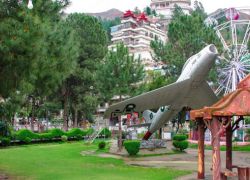
Fizagat Park, located in the scenic city of Mingora, is one of the most popular recreational spots in the Swat Valley, Pakistan. The park is known for its lush greenery, well-maintained pathways, and serene atmosphere, making it a perfect escape for families, couples, and tourists alike. The park offers a peaceful environment where visitors can relax, take a stroll, and enjoy the natural beauty of the area. With its picturesque views of the surrounding mountains and the nearby Swat River, Fizagat Park is not just a place for leisure but also a spot that holds cultural and historical significance for the people of Mingora and Swat Valley. How to Reach Fizagat Park Fizagat Park is conveniently located in the heart of Mingora, making it easily accessible for both locals and tourists. If you are traveling from outside Mingora, the park is around a 10-15 minute drive from the main city center. The easiest way to reach Fizagat Park is by taxi or private car. For visitors arriving by public transport, there are local buses and rickshaws that can take you close to the park. For those traveling from other cities or regions in Swat Valley, Mingora can be reached by bus, car, or private transport from Islamabad, Peshawar, or nearby towns. Once in Mingora, you can easily reach Fizagat Park using local transportation. Weather and Best Time to Visit The weather in Mingora is generally mild, with cool summers and cold winters, making it a year-round destination for visitors. The best time to visit Fizagat Park is during the spring (March to May) and summer (June to September) months, when the weather is pleasant and ideal for outdoor activities. During these months, the temperature ranges between 15°C to 25°C (59°F to 77°F), providing a comfortable environment for a leisurely walk or picnic. In the winter months (November to February), temperatures can drop below freezing, especially in the evenings. While the park may look beautiful with frost and snow, it can be quite cold, so visitors are advised to dress warmly if planning to visit during this time. Timing of Visit Fizagat Park is open to visitors throughout the day, and there are no specific opening or closing hours. However, the best time to visit is during the daytime, from early morning to late afternoon, when the weather is most pleasant, and the park is less crowded. Early mornings are ideal for those who want to enjoy the peaceful surroundings and take in the fresh mountain air. In the evening, the park becomes a popular spot for locals and families to relax and unwind, making it a lively time to visit, especially during weekends. However, if you're looking for a quieter experience, it’s best to visit during weekdays or earlier in the morning. Why Famous: Significance of Fizagat Park Fizagat Park is famous for several reasons. Firstly, it is one of the few well-maintained recreational parks in the Swat Valley, offering locals and tourists a green space to enjoy nature. The park’s unique location along the Swat River and its proximity to the hills and mountains add to its charm. It is particularly known for its serene environment, making it an ideal spot for picnics, family outings, and outdoor activities. The park is also a favorite place for walking, jogging, and cycling, as it features wide, paved walkways that stretch through the lush green landscape. Additionally, Fizagat Park is a popular location for photography, with its scenic views of the river, mountains, and trees. For the people of Mingora, Fizagat Park is a cultural symbol of relaxation and community bonding. It serves as a social hub where families and friends gather to spend time together and enjoy the natural beauty of the Swat Valley. Entry and Visit Details Fizagat Park is a public park and is free to enter, making it an affordable destination for all types of visitors. There is no formal entry fee, and the park is open year-round. Visitors can come and go at their convenience, and the park remains a popular spot for both locals and tourists. There are no specific facilities like restaurants or cafés inside the park, so visitors are advised to bring their own food and drinks if they plan to have a picnic. The park is equipped with clean and well-maintained pathways, benches, and a few shaded areas where visitors can relax. Restroom facilities are available near the main entrance. History of Fizagat Park Fizagat Park has a long history dating back to the early 1990s, when it was established as a recreational space for the residents of Mingora and the surrounding areas. Over the years, it has undergone several improvements, including the addition of walking paths, benches, and landscaping to enhance its appeal to visitors. The park has remained a prominent feature of Mingora, providing a tranquil escape from the bustling city life and an opportunity for locals and tourists to connect with nature. The park also holds cultural significance, as it has hosted several community events, gatherings, and local festivals. It has become a central point for social interactions and an essential part of the city’s recreational offerings. Architecture and Natural Beauty Fizagat Park’s beauty lies in its natural surroundings, which include lush green lawns, towering trees, and the scenic Swat River that flows nearby. The park is set against the backdrop of the picturesque mountains of Swat, providing stunning views of the valley. The park's landscaping is designed to blend with the natural terrain, with a variety of indigenous plants and trees that add to its charm. The park features wide paved walkways, perfect for strolling, jogging, and cycling. Benches and shaded areas are scattered throughout, allowing visitors to rest and enjoy the view. While the park lacks major man-made structures, the simplicity and beauty of its natural environment make it an appealing destination for those seeking tranquility and relaxation. Things to Do at Fizagat Park Walking and Jogging: The park offers wide, paved walkways that are perfect for walking and jogging, providing a scenic and peaceful route for exercise. Picnicking: Fizagat Park is a popular spot for families to enjoy a picnic. There are ample open spaces and shaded areas to relax and have a meal outdoors. Photography: The park's beautiful surroundings, with its green lawns, riverside views, and mountain backdrop, make it an ideal location for photography. Cycling: Visitors can bring their bikes and enjoy cycling through the park’s paths, taking in the natural beauty of the area. Bird Watching: The park’s natural environment attracts a variety of bird species, making it a good spot for birdwatching. Interesting Facts About Fizagat Park Fizagat Park is located near the Swat River, which adds to its picturesque beauty and provides a peaceful environment for visitors. The park is a popular site for evening walks and is often visited by locals for socializing and relaxation. The park’s green landscape and mountain backdrop make it a perfect destination for photography enthusiasts. Fizagat Park has become a symbol of Mingora's commitment to preserving natural spaces for recreational activities and community events. Tips for Visiting Fizagat Park Bring Snacks: There are no food outlets inside the park, so it's a good idea to bring your own snacks, especially if you're planning to picnic. Wear Comfortable Shoes: The park is large, and you may need to walk or jog on its pathways, so comfortable shoes are recommended. Carry Water: During the summer months, it can get hot, so make sure to carry enough water to stay hydrated. Visit Early or Late: To avoid the midday heat and crowds, consider visiting early in the morning or later in the evening. Conclusion Fizagat Park is a beautiful and peaceful destination for anyone visiting Mingora or the Swat Valley. With its lush greenery, scenic river views, and variety of recreational activities, the park offers a refreshing escape into nature. Whether you're looking for a place to relax
Explore More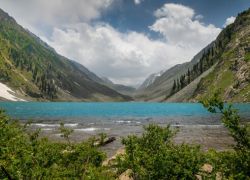
Kundol Lake is one of the most stunning and serene destinations located in the Swat Valley of Pakistan, near Mingora. Surrounded by lush green hills and towering snow-capped peaks, this pristine alpine lake offers a perfect escape into nature. It is an excellent destination for nature lovers, trekkers, and those looking to experience the tranquility of the mountains. How to Reach Kundol Lake, Mingora Reaching Kundol Lake requires a combination of road travel and trekking. Here’s how you can get there: By Road: The journey begins from Mingora, the main city of Swat. You can take a car or jeep to the village of Usho, which is about 20-25 km from Mingora. The road conditions may vary, so hiring a local jeep is advisable. Trekking: From Usho, you’ll need to trek for approximately 4 to 6 hours, depending on your pace and the weather conditions. The trek is moderately challenging, with steep and narrow paths, but the views along the way make it worth every step. Weather and Best Time to Visit The best time to visit Kundol Lake is from late spring to early autumn (May to September). During these months, the weather is pleasant, and the lake is fully accessible. The temperature during the summer months remains cool, with daytime temperatures ranging from 15°C to 25°C (59°F to 77°F). Winter (November to March) is harsh, and heavy snowfall can make the trek to the lake extremely difficult. Why Famous for Kundol Lake, Mingora, Pakistan? Kundol Lake is famous for its mesmerizing beauty, crystal-clear waters, and the surrounding lush green meadows. The lake’s still waters reflect the snow-capped mountains, creating an unforgettable scenic view. It’s a perfect spot for photography, picnics, and enjoying the tranquility of nature. The lake is also a popular destination for trekking enthusiasts, offering an opportunity to challenge oneself with a moderately difficult hike while being rewarded with stunning vistas. Entry and Visit Details There is no official entry fee for visiting Kundol Lake, but local guides and trekking services can be hired to ensure a safe and enjoyable visit. It’s advisable to hire a guide from Mingora or Usho as the trekking route is not well-marked, and a guide will ensure you don’t get lost. The lake is generally open for visitors throughout the year, but accessibility can be limited during the winter months due to heavy snowfall. History and Architecture Kundol Lake doesn’t have a rich historical background or architectural structures as such, as it is primarily a natural site. However, the lake and the surrounding region are steeped in local folklore, and the area is known for its traditional Swati culture. The valley itself is historically significant as it has been a crossroads for various ancient civilizations and cultures. The lake, however, is more famous for its natural beauty than for any human-made structures. Things to Do at Kundol Lake Trekking: The trek to Kundol Lake is one of the main attractions. It’s a moderately challenging route that passes through dense forests and offers breathtaking views of the valley. Camping: Due to the lake’s remote location, camping is a popular activity. Visitors often camp near the lake, enjoying the serenity and the starry nights. Photography: The scenic beauty of Kundol Lake is perfect for photographers. Capture the lake's reflection of the mountains or the panoramic views of the surrounding landscape. Fishing: Although fishing isn’t officially allowed, some locals try their luck at fishing in the lake’s clear waters. Picnicking: For a more relaxed experience, visitors often enjoy picnicking by the lakeside, surrounded by nature’s tranquility. Interesting Facts and Tips about Kundol Lake Alpine Flora and Fauna: The area surrounding Kundol Lake is rich in alpine flora and fauna. You may encounter various species of birds, such as eagles and pheasants, as well as wild animals like the Markhor (wild goat). Untouched Beauty: Unlike some of the more popular tourist spots in Pakistan, Kundol Lake remains relatively untouched by commercialization, preserving its natural beauty. Prepare for the Trek: Since the trek is long and somewhat strenuous, it’s advisable to carry appropriate trekking gear, such as sturdy shoes, a first aid kit, and enough water and snacks. Stay with Locals: There are limited accommodation options near the lake, so it’s best to stay with locals in Usho or nearby villages and then trek to the lake for a day trip or overnight camping. Respect Nature: Being a pristine natural site, it is important to respect the environment by not littering and following Leave No Trace principles to preserve its beauty. Conclusion Kundol Lake is a hidden gem of Swat Valley, offering a tranquil escape into the heart of nature. Its stunning views, serene atmosphere, and challenging trek make it an unforgettable experience for those who seek adventure and peace in equal measure. Whether you are a trekking enthusiast or someone looking to experience the untouched beauty of the Pakistani mountains, Kundol Lake should be on your bucket list.
Explore More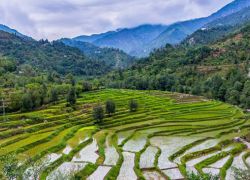
Jambil Valley is a hidden treasure located in the Swat District of Khyber Pakhtunkhwa, Pakistan. Situated near Mingora, the valley is known for its breathtaking natural beauty, lush greenery, and serene atmosphere. It offers a peaceful escape from the hustle and bustle of daily life and is perfect for nature lovers, trekkers, and adventure enthusiasts. How to Reach Jambil Valley, Mingora Reaching Jambil Valley involves a combination of road travel and trekking, making the journey an adventure in itself. Here’s how you can get to Jambil Valley: By Road: The first step is to travel to Mingora, the main city of Swat. Mingora is easily accessible by road from major cities like Islamabad, Peshawar, and other regions of Khyber Pakhtunkhwa. Once you reach Mingora, you can take a jeep or taxi to the nearby village of Khwazakhela. Trekking: From Khwazakhela, you will embark on a 4-5 hour trek to reach the heart of Jambil Valley. The trek can be challenging, as it involves steep paths and uneven terrain, but the stunning views along the way make the effort worthwhile. It's recommended to hire a local guide for the trek, as the route is not well-marked and the path can be tricky for first-timers. Weather and Best Time to Visit The weather in Jambil Valley varies with the seasons, and the best time to visit depends on what kind of experience you're looking for: Summer (May to September): This is the best time to visit Jambil Valley. The weather is cool and pleasant, with daytime temperatures ranging between 15°C to 25°C (59°F to 77°F). The valley is lush and green during these months, offering ideal conditions for trekking and nature walks. Winter (November to February): Winter in Jambil Valley is harsh, with temperatures dropping below freezing, especially at higher altitudes. Snowfall can make access to the valley difficult, and the trekking route may become dangerous. Therefore, winter is not recommended for visiting unless you are experienced with mountain trekking in snow. Why Famous for Jambil Valley, Mingora, Pakistan? Jambil Valley is famous for its stunning natural beauty, which includes lush forests, crystal-clear streams, and majestic mountain views. The valley is a great destination for trekkers looking for a less touristy, off-the-beaten-path location. Some of the valley’s key attractions include: Scenic Beauty: The valley offers breathtaking views of the surrounding mountains, which are especially picturesque in the summer when the valley is full of greenery. Tranquility: Unlike some of the more popular tourist spots, Jambil Valley remains relatively untouched by commercialization, providing visitors with a peaceful and serene atmosphere. Rich Biodiversity: The valley is home to a wide range of flora and fauna, including alpine plants, local wildlife, and numerous bird species. Entry and Visit Details There is no formal entry fee for visiting Jambil Valley, but visitors should be prepared for basic amenities. Since it is a remote destination, here are some things to keep in mind: Guided Tours: It’s advisable to hire a local guide for the trek to ensure safety and gain insights into the local culture and environment. Accommodation: There are limited accommodations in and around Jambil Valley. Visitors typically stay in the nearby town of Khwazakhela or Mingora. For a more immersive experience, camping near the valley is a popular option. Supplies: Ensure that you carry all necessary supplies, such as water, food, a first aid kit, and suitable trekking gear. There are no shops or services along the trekking route. History and Architecture Jambil Valley doesn’t have any significant historical landmarks or architectural structures, but the region around Swat is rich in cultural history. The Swat Valley has been a historically significant region, once part of the ancient Gandhara Civilization, which is known for its Buddhist ruins. While Jambil Valley itself is more focused on natural beauty, the surrounding region contains numerous archaeological sites, including Buddhist stupas and remnants of ancient temples. Things to Do at Jambil Valley Jambil Valley offers a range of activities for nature enthusiasts and adventure seekers: Trekking: The trek to Jambil Valley is the main activity. It’s a great adventure for trekkers, with stunning views of the valley and surrounding mountains. Camping: For a more immersive experience, camping near the valley is a popular option. Spending the night under the stars, surrounded by nature, is an unforgettable experience. Photography: The valley offers stunning photographic opportunities, from the lush greenery and cascading streams to the panoramic views of the snow-capped mountains. Nature Walks: Nature walks are a relaxing way to explore the valley’s flora and fauna, and enjoy the peaceful surroundings. Wildlife Watching: Jambil Valley is home to various wildlife species, including deer, leopards, and a variety of birds, making it a great destination for wildlife enthusiasts and birdwatchers. Interesting Facts and Tips about Jambil Valley Unspoiled Nature: Jambil Valley is still relatively untouched by modern development, preserving its natural beauty and making it a peaceful escape for those looking for solitude. Rich Flora and Fauna: The valley’s diverse plant life includes pine trees, oak, and various alpine flowers, while its wildlife includes species like the snow leopard, deer, and mountain goats. Carry Sufficient Gear: Given the remote nature of Jambil Valley, it’s essential to carry enough water, food, and suitable clothing for trekking. Also, be sure to bring a flashlight, as power outages can be common in remote areas. Respect Local Culture: The people living in and around Jambil Valley are friendly and hospitable, but it's important to respect local traditions and customs, especially when visiting rural villages. Be Prepared for a Challenging Trek: The trek to Jambil Valley is physically demanding, so make sure you're in good shape and prepared for a moderately strenuous hike. Conclusion Jambil Valley is a beautiful and peaceful destination that offers visitors a chance to experience the natural beauty and tranquility of Swat Valley. Whether you're an avid trekker or someone seeking a peaceful getaway in nature, Jambil Valley is a must-visit location. With its stunning landscapes, diverse wildlife, and serene atmosphere, it’s a perfect place to disconnect from the world and immerse yourself in the beauty of Pakistan’s northern mountains.
Explore More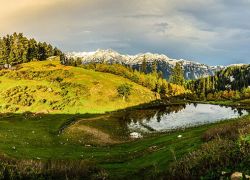
Naran Kaghan Valley, located in the Mansehra district of Khyber Pakhtunkhwa province, Pakistan, is a breathtakingly beautiful destination that attracts tourists from all over the world. This valley is nestled in the northern parts of Pakistan and is renowned for its picturesque landscapes, lush green meadows, crystal-clear rivers, and snow-capped mountains. The valley offers an unforgettable escape into nature, providing a perfect blend of adventure, relaxation, and natural beauty. How to Reach Naran Kaghan Valley Getting to Naran Kaghan Valley is relatively easy, and visitors have several transportation options to choose from. The closest major city to Naran Kaghan Valley is Islamabad, the capital city of Pakistan. From Islamabad, travelers can either drive or hire private vehicles to reach Naran Kaghan Valley. The distance from Islamabad to Naran is about 240 kilometers, and the journey usually takes around 6-7 hours, depending on road conditions. Alternatively, you can take a bus or a minibus from Islamabad's various bus stations to reach Naran. The road from Islamabad to Naran is a scenic drive, passing through hilly terrains, valleys, and rivers, making the journey a part of the experience. Weather in Naran Kaghan Valley The weather in Naran Kaghan Valley varies significantly with the seasons. In the summer months (May to September), the weather is pleasant, with temperatures ranging from 15°C to 25°C, making it a perfect getaway from the scorching heat of the plains. During winter (November to March), temperatures can dip below freezing, and the area receives heavy snowfall, turning the valley into a winter wonderland. If you're planning to visit in winter, make sure to check road conditions, as snowfall can block access routes. Best Time to Visit Naran Kaghan Valley The best time to visit Naran Kaghan Valley is during the summer months, from May to September, when the weather is mild and comfortable. This is the peak tourist season when most visitors come to explore the valley. However, if you're a fan of winter sports and the snowy landscapes, visiting during the winter months can also be an extraordinary experience, provided you're prepared for the cold and snow. Why Naran Kaghan Valley is Famous? Naran Kaghan Valley is famous for its stunning natural beauty, making it one of the most popular tourist destinations in Pakistan. The valley is home to some of the most awe-inspiring landscapes, including lush green meadows, alpine forests, glistening lakes, and towering mountains. It is also known for its serene environment, where visitors can enjoy peace and tranquility away from the bustling cities. Some of the key highlights that make Naran Kaghan Valley famous include: Siri Paye Meadows: A vast lush green meadow surrounded by snow-capped mountains, perfect for trekking and photography. Saif ul Malook Lake: A beautiful alpine lake surrounded by high mountain peaks, famous for its crystal-clear water and breathtaking scenery. Shogran: A picturesque hill station known for its stunning views of the surrounding mountains. Entry and Visit Details about Naran Kaghan Valley Visitors can access Naran Kaghan Valley year-round, although it’s important to note that certain parts of the valley, especially higher altitudes like Saif ul Malook Lake, may be inaccessible during heavy snowfall. Most tourists visit the valley via road, and once you arrive in Naran, there are plenty of local accommodations ranging from budget hotels to luxury resorts. Local guides are available for hire, and they can provide detailed tours of the valley, including trekking routes, camping sites, and adventure activities. Entry to the main tourist spots like Saif ul Malook and Siri Paye Meadows may require a small fee, which can be paid on-site. History and Architecture The Naran Kaghan Valley has a rich historical and cultural significance. It has been home to various ethnic groups for centuries, and the region has developed a unique blend of indigenous traditions and cultures. The architecture in the valley is heavily influenced by local mountain and pastoral life. Traditional wooden houses and huts are commonly found in villages, with intricate designs that are suited for the harsh mountain climate. Saif ul Malook Lake, one of the valley's key attractions, is steeped in folklore. According to local legends, the lake is associated with the story of Prince Saif ul Malook and a fairy princess, making it an iconic part of the valley's cultural heritage. Things to Do in Naran Kaghan Valley There are plenty of activities to enjoy in Naran Kaghan Valley, ranging from nature walks to more adventurous endeavors. Some of the best things to do in the valley include: Trekking: Hike to the famous Saif ul Malook Lake, trek to the mesmerizing Siri Paye Meadows, or explore the trails around Shogran. Camping: Naran Kaghan Valley offers several camping sites where you can spend the night under the stars, surrounded by nature. Fishing: Enjoy fishing in the many rivers and lakes, especially around Saif ul Malook Lake. Photography: The valley is a photographer's paradise, offering countless opportunities to capture the beauty of the mountains, lakes, and valleys. Interesting Facts About Naran Kaghan Valley The valley is part of the larger Hazara region in Pakistan, which is known for its rich biodiversity. Saif ul Malook Lake is located at an altitude of about 3,224 meters (10,578 feet) above sea level. The name “Saif ul Malook” comes from an ancient Persian tale of a prince who fell in love with a fairy princess, adding a mystical aura to the place. Shogran, a hill station near Naran, is often called the "Queen of Kaghan Valley" due to its breathtaking beauty. Tips for Visiting Naran Kaghan Valley Before visiting Naran Kaghan Valley, consider the following tips to make your trip more enjoyable: Pack Warm Clothes: Even in summer, the weather in the valley can be chilly, especially in the evenings and higher altitudes. Check Road Conditions: The roads can be rough, especially after heavy rains or snow. Make sure to check the weather forecast and road conditions before traveling. Carry Cash: While there are some ATMs in Naran, it's always best to carry enough cash as facilities may be limited in remote areas. Respect Local Culture: The local population follows traditional customs, so be respectful of their way of life. Conclusion Naran Kaghan Valley in Mansehra, Pakistan, is a must-visit destination for anyone seeking to experience the raw beauty of nature. Whether you're looking to enjoy the peaceful environment, engage in adventure sports, or simply relax amidst breathtaking landscapes, this valley has something for everyone. Plan your trip today and immerse yourself in the beauty of one of Pakistan's most stunning natural wonders.
Explore More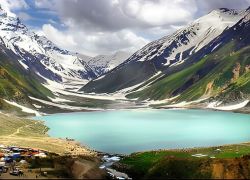
Saif-ul-Malook Lake is one of the most famous and beautiful alpine lakes in Pakistan, located in the Kaghan Valley near the town of Naran, Mansehra district, Khyber Pakhtunkhwa. This stunning lake, sitting at an altitude of 3,224 meters (10,578 feet) above sea level, is known for its crystal-clear turquoise waters and the dramatic backdrop of snow-covered mountains. Surrounded by lush green meadows in summer and frozen ice in winter, Saif-ul-Malook offers a spectacular scene that captivates the hearts of nature lovers and adventure enthusiasts alike. How to Reach Saif-ul-Malook Lake Reaching Saif-ul-Malook Lake requires a bit of effort due to its high-altitude location, but the journey is well worth it. Here’s how you can get there: The nearest major city to Saif-ul-Malook Lake is Islamabad, the capital city of Pakistan. From Islamabad, you can take a road trip to Naran, which is about 240 kilometers away (approximately a 6-7 hour drive). The route to Naran is quite scenic, with breathtaking views of hills, rivers, and valleys. From Naran, visitors typically have two options to reach Saif-ul-Malook Lake: By Jeep: The most popular way to reach the lake is by hiring a local jeep. The road to the lake is steep and rugged, and only off-road vehicles can make it through. The jeep ride takes about 30-40 minutes from Naran. By Trekking: For the more adventurous, there is also a trekking route that leads to the lake, which takes about 3-4 hours, depending on your pace. The trek offers stunning views of the valley and the surrounding mountains. Weather and Best Time to Visit The weather at Saif-ul-Malook Lake is cool and crisp year-round, making it a popular destination in the summer. Here’s a breakdown of the seasons: Summer (May to September): The weather is mild, with temperatures ranging from 10°C to 20°C, making it ideal for trekking, picnicking, and photography. The lake’s water is clear, and the surrounding meadows are lush and green. Winter (November to March): Winters bring heavy snowfall, and the lake often freezes over. Temperatures can drop well below freezing, so this is for those who enjoy winter sports or the peaceful beauty of snow-covered landscapes. The best time to visit Saif-ul-Malook Lake is during the summer months (May to September) when the weather is most pleasant, and the lake is accessible via jeep or trekking routes. Why Saif-ul-Malook Lake is Famous Saif-ul-Malook Lake is not just a visual delight but is also surrounded by fascinating myths and stories, which add to its allure. Some of the key reasons it is famous include: Stunning Natural Beauty: The lake's crystal-clear water, surrounded by snow-capped peaks and alpine meadows, creates a stunning panorama that attracts photographers, nature enthusiasts, and adventurers. Legend of Saif-ul-Malook: According to local folklore, the lake is named after a prince (Saif-ul-Malook) who fell in love with a fairy princess. The legend adds a mystical aura to the lake, making it even more fascinating for visitors. Challenging Accessibility: The rugged journey to reach the lake, either by jeep or on foot, adds a sense of adventure, making it a rewarding experience for visitors. Entry and Visit Details about Saif-ul-Malook Lake Entry to Saif-ul-Malook Lake is generally open from May to October, with the lake being accessible by jeep. During the winter months, access can be limited due to snowfall, making it difficult to reach the lake. Visitors can pay a small entry fee at the lake, which helps maintain the area. There are basic facilities available for tourists, including small shops selling snacks, local handicrafts, and souvenirs. Additionally, local guides can be hired to provide a tour and share the history and legends associated with the lake. History and Architecture While Saif-ul-Malook Lake is more renowned for its natural beauty, its name comes from the rich folklore of the region. According to legend, Saif-ul-Malook was a prince from the nearby region who fell in love with a fairy princess named Peri. The fairy princess was believed to live in the lake, and the prince’s undying love for her became the central theme of many local tales and songs. The architecture around the lake is simple, with small wooden huts and basic infrastructure to support visitors. These traditional structures blend with the surrounding environment and enhance the rustic appeal of the lake. The region’s architecture is reflective of the local hill and mountain culture, with wooden cabins, stone walls, and open verandas overlooking the valley. Things to Do at Saif-ul-Malook Lake Saif-ul-Malook Lake offers plenty of activities to enjoy, whether you're looking for adventure, relaxation, or photography. Some of the best things to do around the lake include: Trekking: Take a trek around the lake or explore nearby trails for a more immersive experience. The trek provides an excellent opportunity to enjoy the breathtaking scenery. Photography: Capture the lake's stunning landscape, surrounded by snow-capped mountains, green meadows, and blue skies. Photographers will find endless opportunities for breathtaking shots. Boat Ride: In the summer months, you can enjoy a boat ride on the lake to get closer to its crystal-clear waters. Picnicking: The area around the lake offers perfect spots for a peaceful picnic, allowing visitors to relax and enjoy the scenery. Interesting Facts about Saif-ul-Malook Lake The lake is situated in the Kaghan Valley, which is part of the larger Hazara region of Khyber Pakhtunkhwa. Saif-ul-Malook Lake is located at an altitude of 3,224 meters (10,578 feet) above sea level, making it one of the highest lakes in the region. The legend of Saif-ul-Malook has been passed down through generations, with many locals considering the lake a place of mystical beauty. During the winter, the lake sometimes freezes over, creating a striking winter landscape. This phenomenon draws tourists who are keen to witness the lake in its frozen state. Tips for Visiting Saif-ul-Malook Lake If you're planning a trip to Saif-ul-Malook Lake, here are some tips to make the most of your visit: Wear Comfortable Footwear: If you're trekking, make sure to wear sturdy, comfortable shoes, as the terrain can be rocky and steep. Dress in Layers: Even in summer, the weather around the lake can be chilly, especially in the early mornings and evenings. Bring layers of clothing to stay warm. Bring Cash: While there are some small shops around the lake, it’s a good idea to carry enough cash, as ATMs may not be available in the area. Plan for Altitude: The high altitude of the lake means that visitors may experience some mild altitude sickness. Drink plenty of water and take it slow if you feel dizzy. Conclusion Saif-ul-Malook Lake is a true gem of Pakistan’s northern region, offering both natural beauty and cultural significance. Whether you’re an adventure seeker, a nature lover, or someone looking for peace and tranquility, the lake has something special to offer. With its clear waters, majestic surroundings, and rich folklore, it is undoubtedly one of Pakistan’s most breathtaking destinations. Plan your visit to Saif-ul-Malook Lake, and experience the magic of this beautiful alpine wonder.
Explore More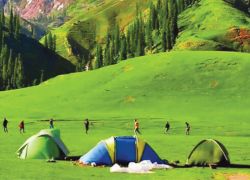
Shogran Valley is one of the most picturesque and serene hill stations in Pakistan, located in the Mansehra district of Khyber Pakhtunkhwa. Nestled in the heart of the Kaghan Valley, Shogran offers breathtaking views of lush green meadows, towering mountains, and vibrant wildflowers. The valley is renowned for its tranquility and natural beauty, making it a perfect retreat for nature lovers, adventure enthusiasts, and anyone seeking an escape from the hustle and bustle of city life. How to Reach Shogran Valley Shogran Valley is easily accessible from Islamabad, the capital city of Pakistan. Here’s how you can reach Shogran: By Car: The most convenient way to reach Shogran is by car. From Islamabad, you can drive to the town of Balakot (about 190 kilometers, a 5-6 hour drive), and from there, you can take a jeep to Shogran. The jeep ride is a thrilling experience, as the road to Shogran is steep and winding, offering spectacular views of the valley. By Bus: There are also buses available from major cities like Islamabad to Balakot. Once in Balakot, you will need to hire a jeep to reach Shogran. The journey from Balakot to Shogran takes around 1-1.5 hours by jeep, and the road conditions can be challenging due to the hilly terrain. However, the scenic beauty along the way more than makes up for the bumpy ride. Weather in Shogran Valley The weather in Shogran Valley is characterized by cool temperatures year-round, which makes it an attractive destination during the summer months. Here’s what you can expect throughout the year: Summer (May to September): The weather during the summer months is mild and pleasant, with temperatures ranging from 15°C to 25°C. This is the peak tourist season, as the valley is lush and green, making it ideal for trekking, picnicking, and exploring. Autumn (October to November): The weather starts to cool down during autumn, and the valley becomes even more beautiful with golden foliage and clear skies. Winter (December to March): Winter in Shogran is cold, with temperatures dropping below freezing. Snowfall is common, especially in higher elevations, creating a winter wonderland. While this is the off-season for most tourists, those who love snow and winter activities may find it a peaceful time to visit. Why Shogran Valley is Famous Shogran Valley is famous for its natural beauty and stunning landscapes. Some of the key highlights that make Shogran Valley stand out include: Scenic Beauty: The valley is surrounded by snow-capped peaks and lush green meadows, offering a picturesque setting perfect for photography, hiking, and nature walks. Proximity to Other Attractions: Shogran serves as a base for visiting other popular tourist spots in the Kaghan Valley, such as the famous Saif-ul-Malook Lake and Siri Paye Meadows. Peaceful Atmosphere: Unlike the more crowded tourist destinations, Shogran offers a peaceful environment with very little urbanization, making it an ideal retreat for those looking to escape the noise and stress of city life. Adventure Activities: Shogran offers various adventure activities, including hiking, trekking, and jeep rides, which add to its charm for adventure seekers. Entry and Visit Details about Shogran Valley Shogran Valley is open to tourists throughout the year, although it is most accessible and enjoyable in the summer months, from May to September, when the weather is pleasant, and the roads are clear. The road leading to Shogran is accessible by jeep, and visitors can hire local drivers or guides for the journey. While there are no significant entry fees for the valley itself, some tourist spots around Shogran, like Siri Paye Meadows, may have small entry charges. The best way to enjoy Shogran is by staying in one of the local guesthouses or resorts that provide scenic views and comfortable accommodations. Local eateries serve delicious Pakistani cuisine, including traditional mountain food, making your stay even more memorable. History and Architecture of Shogran Valley Shogran Valley has a rich history, although it remains largely unexplored in terms of historical structures. The valley’s primary attraction is its natural beauty rather than historical monuments. The local population of Shogran consists of the Hazara and Swati tribes, who have preserved the traditional lifestyle of the region, relying on farming, livestock, and hospitality for their livelihood. The architecture in Shogran is reflective of the local hill culture. Traditional wooden houses, cottages, and small resorts are built with local materials like wood and stone, which blend harmoniously with the natural surroundings. These homes are designed to withstand the harsh mountain weather, and their architecture features simple but effective designs with sloping roofs to deal with heavy snowfall in winter. Things to Do in Shogran Valley Shogran Valley offers plenty of activities for nature lovers, adventure seekers, and those looking to relax in the mountains. Some of the top things to do in Shogran include: Trekking to Siri Paye Meadows: A popular trek from Shogran is to Siri Paye Meadows, located at a higher altitude. The trek offers stunning views of the valley, and visitors can enjoy the fresh mountain air and the sight of alpine flowers and meadows. Visit to Saif-ul-Malook Lake: From Shogran, visitors can also explore the famous Saif-ul-Malook Lake, which is a short jeep ride away. The lake offers incredible views of the surrounding mountains and is a must-see attraction for anyone visiting the region. Photography: The beauty of Shogran Valley, with its dense forests, meadows, and snow-capped peaks, makes it a perfect spot for photography. Whether you’re a professional photographer or just capturing memories, the valley offers endless opportunities for great shots. Horse Riding: Horse riding is a popular activity in Shogran, especially around the meadows. It allows visitors to explore the area at a leisurely pace while enjoying the serene atmosphere of the valley. Camping: For a more immersive experience, you can set up a campsite in the valley and enjoy the peace and beauty of the outdoors. It’s an ideal location for stargazing at night as well. Interesting Facts about Shogran Valley Shogran Valley is located at an altitude of approximately 2,362 meters (7,749 feet) above sea level, offering spectacular views of the surrounding mountains. The valley is home to diverse flora and fauna, including various species of birds and wildflowers that add to its ecological richness. Shogran is often referred to as the "Queen of Kaghan Valley" due to its stunning beauty and peaceful surroundings. The area is relatively untouched by commercial development, making it an authentic and unspoiled destination for eco-tourism. Tips for Visiting Shogran Valley Here are some practical tips to help you make the most of your trip to Shogran Valley: Pack Warm Clothes: Even in the summer months, the weather in Shogran can be cool, especially in the evenings. Bring layered clothing to stay comfortable. Prepare for a Bumpy Ride: The road from Balakot to Shogran is rough and steep, so be prepared for a bumpy jeep ride. If you're prone to motion sickness, it’s a good idea to take precautions. Bring Cash: Although there are a few shops in Shogran, it’s always a good idea to carry cash, as ATMs may not be available in the area. Respect Local Culture: The people of Shogran are friendly and hospitable. Respect their customs and be polite while interacting with them. Conclusion Shogran Valley is an idyllic destination that offers a perfect blend of natural beauty, adventure, and peace. Whether you’re seeking adventure in the mountains, a quiet retreat, or a place to explore nature, Shogran has something for everyone. With its stunning landscapes, cool climate, and friendly local culture, it’s no wonder that Shogran is considered one of the most beautiful hill stations in Pakistan. Plan your visit and experience the magic of this hidden gem in the Kaghan Valley.
Explore More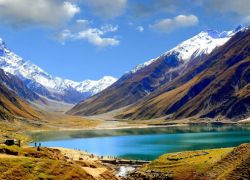
Lake Lulusar is one of the most stunning natural attractions in the Mansehra district of Khyber Pakhtunkhwa, Pakistan. It is located in the breathtaking Naran Kaghan Valley, nestled in the foothills of the majestic Himalayas. Known for its serene beauty and clear waters, Lulusar Lake is a popular spot for nature lovers, trekkers, and adventure enthusiasts alike. The lake is also the source of the Kunhar River, which flows through the Kaghan Valley. The surrounding snow-capped mountains and lush greenery make it a picture-perfect destination for visitors. How to Reach Lake Lulusar Reaching Lake Lulusar from Islamabad or other major cities in Pakistan involves traveling by road. The journey takes about 8 to 10 hours, depending on road conditions. Here are the steps to reach Lake Lulusar: By Car: Start from Islamabad, heading towards Mansehra via the M1 motorway. From Mansehra, take the road leading to Naran. Continue past Naran towards Babusar Top, and from there, the lake is a short drive away. The road is usually open from May to October, as it gets blocked during the winter months due to heavy snowfall. By Public Transport: You can also take a bus from Islamabad or Rawalpindi to Mansehra or Naran. From Naran, you will need to hire a jeep to reach Lake Lulusar. Weather and Best Time to Visit The weather at Lake Lulusar is generally cool and refreshing, even during the summer months. Here’s what you can expect: Summer (May to September): The temperature remains pleasant, ranging between 10°C to 25°C (50°F to 77°F). This is the ideal time to visit as the lake’s surroundings are lush and green, and the road is accessible. Winter (October to April): The temperatures drop drastically, and the area may experience heavy snowfall. Roads to the lake may be blocked, making it difficult to reach. Why is Lake Lulusar Famous? Lake Lulusar is famous for its crystal-clear waters, surrounded by snow-capped peaks and lush green meadows. The lake’s natural beauty makes it one of the most photographed spots in the region. The area around the lake is rich in biodiversity, home to a variety of wildlife, including birds and small mammals. The lake also has religious significance, as it is believed to be a sacred site by the local people. Entry and Visit Details The entry to Lake Lulusar is free, but visitors need to be aware of a few practical details before planning their trip: Best Time to Visit: As mentioned, the best time to visit the lake is from May to September. During this period, the roads are open, and the weather is perfect for outdoor activities. Permits: No special permits are required for visiting Lake Lulusar, but if you plan to go trekking or hiking in the surrounding areas, it’s recommended to check with local authorities for any required permits. Accommodation: There are basic guesthouses and hotels in Naran, which is about 30 minutes away from the lake. Visitors often stay in Naran and make a day trip to Lake Lulusar. History and Architecture Lake Lulusar does not have significant man-made architecture, but it holds great historical and cultural importance. The lake is part of the Naran Kaghan Valley, which has been a part of the ancient trade routes that connected various regions of Central Asia and South Asia. The valley was once inhabited by various nomadic tribes and has a rich heritage of local folklore and traditions. The surrounding mountains are also significant in local myths and legends. Things to Do Around Lake Lulusar When visiting Lake Lulusar, there are several activities you can enjoy: Photography: The lake and its surroundings are perfect for photography, with the reflection of the snow-capped peaks in the clear waters. Boating: Visitors can enjoy a peaceful boat ride on the lake, surrounded by the tranquility of nature. Trekking: For adventure enthusiasts, there are numerous trekking trails in the area, offering breathtaking views of the mountains and valleys. Wildlife Watching: The area around Lake Lulusar is home to a variety of wildlife, including Himalayan brown bears, leopards, and different species of birds. Make sure to carry binoculars and a camera to capture the wildlife. Facts and Tips About Lake Lulusar Altitude: Lake Lulusar is located at an altitude of approximately 3,410 meters (11,190 feet) above sea level. Crystal-Clear Waters: The lake’s water is incredibly clear, and its deep blue hue is one of the main attractions for visitors. Road Accessibility: The road leading to the lake is narrow and winding, so it’s important to drive carefully, especially if you are not familiar with mountain roads. Health Precautions: Since the lake is situated at a high altitude, visitors should be mindful of altitude sickness. It is advisable to acclimatize before venturing to higher elevations. Pack Essentials: Bring warm clothing, especially if you’re visiting outside of the summer months. Also, pack food and water, as there are limited facilities near the lake. Conclusion Lake Lulusar is one of the most stunning natural wonders in Pakistan, offering visitors an opportunity to experience the beauty of the Himalayas. Whether you are looking for adventure, peace, or simply want to enjoy the natural scenery, Lake Lulusar is the perfect destination. With its cool climate, crystal-clear waters, and picturesque surroundings, it is a must-visit spot for anyone traveling through the Naran Kaghan Valley.
Explore More6 Nights 7 Days Dubai Tour
7 Days/ 6 Night
Abu Dhabi - Baltistan
Abu Dhabi with Yas Island
5 Days/ 4 Night
Abu Dhabi - Baltistan
Nepal Adventure Tour
15 Days/ 14 Night
Kathmandu - Chitwan - Pokhara - Ghorepani - Deurali - Bukhara - Batam - Abu Dhabi - Baltistan
Punjab, Himalaya and Ladakh – 13 Days Tour
13 Days/ 12 Night
Punjab - Amritsar - New Delhi - Dharamshala - Manali - Leh - Dera Ghazi Khan - Muzaffarabad
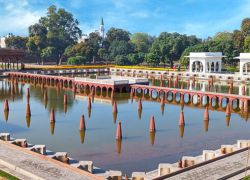
Shalimar Gardens, located in Lahore, Punjab, Pakistan, is one of the finest examples of Mughal garden design and a significant historical landmark. Built by Emperor Shah Jahan in the 17th century, the gardens are a testament to the beauty and elegance of Mughal-era landscaping. The gardens were constructed as a private retreat for the emperor and his court, and they continue to be a major tourist attraction in Lahore, drawing visitors with their serene atmosphere, stunning architecture, and well-maintained grounds. The Shalimar Gardens are also a UNESCO World Heritage Site due to their historical and architectural importance. How to Reach Shalimar Gardens Shalimar Gardens is centrally located in Lahore, making it accessible from various points in the city. Here are the ways you can reach the gardens: By Air: The nearest airport is Allama Iqbal International Airport, located approximately 18 km away from the gardens. From the airport, you can take a taxi, ride-sharing service, or hire a car to reach Shalimar Gardens. By Train: Lahore is well connected by rail, and the Lahore Railway Station is around 8 km from Shalimar Gardens. You can take a taxi or a local bus from the station to reach the gardens. By Car: Shalimar Gardens is easily accessible by car from anywhere in Lahore. It is located near other major attractions such as Lahore Fort and Badshahi Mosque, so it is relatively easy to navigate to the gardens by using a local map or GPS. By Public Transport: Several public buses connect to Shalimar Gardens. You can take a rickshaw, local bus, or taxi from various parts of the city to reach the gardens. Weather and Best Time to Visit Lahore has a hot semi-arid climate, with hot summers, moderate monsoons, and mild winters. Here is a breakdown of the weather and the best time to visit Shalimar Gardens: Summer (May to August): Summer in Lahore can be scorching, with temperatures reaching up to 45°C (113°F). While you can visit the gardens during the summer, it is advisable to do so in the early morning or late evening to avoid the midday heat. Be prepared with sun protection. Monsoon (June to September): The monsoon season brings refreshing rain and lower temperatures, making it an excellent time to visit the gardens. The greenery becomes lush and vibrant during this season, adding to the beauty of the gardens. Winter (November to February): Winter is the best time to visit Shalimar Gardens. With mild temperatures ranging from 10°C to 20°C (50°F to 68°F), the weather is perfect for sightseeing and walking through the gardens. The cooler climate makes it a pleasant experience for visitors. Spring (March to April): Spring offers clear skies and moderate temperatures, making it another great time to explore the gardens. The flowers bloom in the spring, creating a picturesque scene that enhances the beauty of the gardens. Why Shalimar Gardens is Famous? Shalimar Gardens is famous for its exquisite design and historical significance. It is one of the finest examples of Mughal garden architecture and landscaping, which reflects the Mughal rulers’ passion for beauty, luxury, and symmetry. The gardens are known for their elaborate water channels, fountains, terraced layout, and ornamental plants that were carefully chosen to create a serene and luxurious retreat. The gardens are also famous for their role in Mughal history. They were built by Emperor Shah Jahan as a symbol of his love for his wife, Mumtaz Mahal. The gardens are a beautiful blend of Persian, Mughal, and Indian architectural influences, showcasing the cultural richness of the Mughal era. They are a popular site for both locals and tourists and are considered one of the most important historical sites in Lahore. Entry and Visit Details Visiting Shalimar Gardens is a peaceful and enjoyable experience. Here are the key details for your visit: Opening Hours: Shalimar Gardens is open every day from 9 AM to 5 PM. However, during the summer months, it is advisable to visit early in the morning or in the late afternoon to avoid the heat of midday. Entry Fees: The entry fee to Shalimar Gardens is minimal. Pakistani citizens can enjoy the gardens for a small fee, while foreign nationals may be required to pay a slightly higher entry fee. The fees are subject to change, so it is a good idea to check the latest rates before your visit. Dress Code: There is no strict dress code, but visitors are advised to dress modestly and comfortably. Since you will be walking through the gardens, it is advisable to wear comfortable shoes. Wearing a hat or sunglasses for sun protection is also recommended during the summer months. Guided Tours: To fully appreciate the history and architecture of the gardens, consider taking a guided tour. Local guides offer insights into the garden’s design, history, and significance, making your visit more informative and enriching. History and Architecture Shalimar Gardens were constructed in 1641 by Emperor Shah Jahan, who is best known for building the Taj Mahal. The gardens were originally designed as a private royal retreat for the emperor and his court. They were built in the Persian-style with a focus on symmetry, geometric patterns, and the integration of water features. The gardens are divided into three terraces, each of which is adorned with fountains, waterfalls, and intricate tile work. The design of the gardens follows the traditional Mughal charbagh (fourfold) layout, where the garden is divided into four parts by water channels. The layout reflects paradise on Earth, with the flowing water symbolizing life and purity. The terraces are connected by a series of steps, and the upper terrace contains a large pavilion, which offers a panoramic view of the gardens below. The architecture of Shalimar Gardens is a blend of Persian, Mughal, and Indian elements. The use of red sandstone and marble in the construction, along with intricate carvings and decorative tile work, demonstrates the elegance of Mughal design. The fountains and cascading water channels add to the serene atmosphere, making the gardens a peaceful haven in the heart of Lahore. Things to Do Around Shalimar Gardens Shalimar Gardens is not only a place for relaxation but also offers several things to do nearby: Explore Lahore Fort: Located nearby, Lahore Fort is another UNESCO World Heritage Site. The fort is a historic site, showcasing Mughal architecture and offering insight into Lahore’s rich history. Visit Badshahi Mosque: One of the largest mosques in the world, Badshahi Mosque is located close to Shalimar Gardens. Its stunning architecture and historical significance make it an essential stop on your Lahore itinerary. Take a Walk Through Local Markets: Explore the local markets around the Shalimar Gardens area, such as Anarkali Bazaar, for traditional handicrafts, clothing, and souvenirs. Photography: The gardens offer plenty of opportunities for photography, especially during the early morning or late evening when the light is perfect for capturing the beauty of the landscape. Facts and Tips About Shalimar Gardens UNESCO World Heritage Site: Shalimar Gardens, along with the Lahore Fort, is a UNESCO World Heritage Site. It is considered one of the best examples of Mughal garden design. Best Time to Visit: The best time to visit is during the cooler months of winter and spring, when the weather is more pleasant for walking through the gardens. Bring Water: Lahore’s summer heat can be intense, so it’s important to carry water with you when visiting the gardens, especially during the hotter months. Respect the Site: As a historical monument, it is important to respect the site by avoiding littering and following all visitor guidelines. Conclusion Shalimar Gardens is a beautiful blend of history, architecture, and nature, making it one of Lahore’s most cherished landmarks. Whether you’re a history buff, architecture enthusiast, or simply someone who enjoys the tranquility of gardens, Shalimar Gardens offers an enriching experience.
Explore More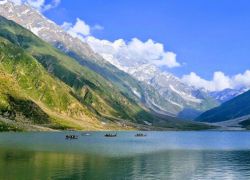
Kaghan Valley is a picturesque valley located in the Mansehra District of Khyber Pakhtunkhwa province, Pakistan, although it is often mistakenly associated with Punjab due to its popularity among tourists from the region. Nestled in the northern region of Pakistan, Kaghan Valley is known for its breathtaking natural beauty, lush green landscapes, pristine rivers, snow-capped mountains, and serene lakes. The valley is a popular tourist destination, especially during the summer months when visitors from around the world flock to enjoy its cool climate, stunning views, and peaceful atmosphere. How to Reach Kaghan Valley Kaghan Valley is accessible by road, and traveling to the valley is an adventurous experience in itself. Here are the main ways to reach Kaghan Valley: By Air: The nearest airport to Kaghan Valley is the Benazir Bhutto International Airport in Islamabad, which is around 200 kilometers (125 miles) away from the valley. From the airport, you can hire a taxi or take a bus to reach the valley. By Road: Kaghan Valley is well connected to Islamabad and other major cities in Pakistan via the N-35 highway. The road journey from Islamabad to Kaghan Valley takes about 4-6 hours by car. The route is scenic, passing through lush forests, rivers, and small villages. By Bus: Several bus services operate from Islamabad and other cities to Kaghan Valley. Buses are an affordable option, but the journey may take longer than traveling by car due to multiple stops along the way. By Private Car: For a more comfortable and personalized journey, hiring a private car or renting a vehicle is the best option. It offers flexibility and allows you to explore the valley at your own pace. Weather and Best Time to Visit Kaghan Valley has a cool, temperate climate, and the weather varies significantly throughout the year. Here is an overview of the weather conditions and the best time to visit the valley: Summer (May to September): Summer is the peak tourist season in Kaghan Valley. The weather is pleasant, with temperatures ranging from 15°C to 25°C (59°F to 77°F). This is the best time to visit as the valley is lush and green, and many of the tourist spots like lakes and meadows are accessible. Monsoon (July to September): The monsoon season brings heavy rainfall to the region, which can lead to landslides and roadblocks. While the valley looks even more beautiful during the rainy season, it’s not the ideal time for travel due to the risk of travel disruptions. Winter (November to March): Winter in Kaghan Valley is cold, with temperatures dropping below freezing. Snowfall is common, especially in the higher regions of the valley, and many roads may be closed due to snow. However, if you enjoy winter sports or a snowy adventure, this is the season to visit. Spring (April to May): Spring is also a beautiful time to visit Kaghan Valley, with blooming flowers and mild temperatures. The valley starts to thaw from the winter chill, making it ideal for sightseeing before the summer rush. Why Kaghan Valley is Famous? Kaghan Valley is famous for its mesmerizing natural beauty, including its scenic lakes, rivers, dense forests, and snow-capped peaks. The valley is known for being one of Pakistan’s most sought-after travel destinations due to its charming landscapes and serene environment. Here are some of the main reasons why Kaghan Valley is so popular: Natural Beauty: The valley is surrounded by majestic mountains, including the famous Nanga Parbat, the ninth-highest peak in the world. The lush greenery, pristine rivers, and alpine meadows make it a paradise for nature lovers. Beautiful Lakes: Kaghan Valley is home to several stunning lakes, including the famous Saif-ul-Malook Lake, known for its turquoise water and picturesque surroundings. Other lakes in the valley, like the Lulusar Lake, are equally captivating. Adventure Activities: The valley offers numerous adventure activities, including hiking, trekking, fishing, and boating. The trekking trails in the surrounding mountains are popular among adventure seekers. Traditional Villages: Kaghan Valley is home to charming villages like Naran, Batakundi, and Sharan, where you can experience the local culture, hospitality, and traditional lifestyle. Entry and Visit Details Visiting Kaghan Valley is an experience that combines both adventure and relaxation. Here are some details about the entry process and things to consider during your visit: Entry Fees: There are no significant entry fees for visiting Kaghan Valley itself, as it is a natural destination. However, certain attractions within the valley, such as Saif-ul-Malook Lake and Naran, may charge a nominal fee for activities like boating. Best Time to Visit: As mentioned earlier, the best time to visit Kaghan Valley is during the summer months (May to September) when the weather is pleasant, and all major attractions are accessible. Accommodation: The valley offers a variety of accommodation options, ranging from budget guesthouses to luxurious resorts. Popular tourist towns like Naran and Batakundi have many hotels and resorts that cater to both local and international visitors. Transportation: Public transport options like buses and vans are available for travel within the valley. However, private vehicles are the best option for tourists who want to explore the area at their own pace. History and Architecture The history of Kaghan Valley is rich in local traditions and cultural significance. The valley has been inhabited by various tribes and communities for centuries, with most people following a traditional mountain lifestyle. The valley was historically a strategic route for traders and travelers passing between the northern areas of Pakistan and Central Asia. While Kaghan Valley is known for its natural beauty, it also features unique architectural elements, particularly in its villages. Traditional wooden houses, simple stone-built structures, and mosques with unique designs can be seen in the villages. The architecture reflects the valley's cultural diversity and its centuries-old history. Things to Do in Kaghan Valley Kaghan Valley offers a wide variety of activities for all kinds of travelers. Here are some of the top things to do while visiting the valley: Visit Saif-ul-Malook Lake: One of the most famous attractions in Kaghan Valley, Saif-ul-Malook Lake is known for its pristine waters, surrounded by snow-capped peaks. You can take a jeep ride to the lake and enjoy boating and photography. Trekking and Hiking: Kaghan Valley is a paradise for trekkers. Trails such as the trek to the Naran Valley, Babusar Top, and the ascent to the mountains surrounding the valley are popular with adventure enthusiasts. Explore Naran and Sharan: These popular towns in Kaghan Valley offer scenic views, local food, and comfortable accommodations. Naran, in particular, is a base for various treks and a great spot to relax. Fishing in River Kunhar: The Kunhar River, which flows through Kaghan Valley, is known for its crystal-clear waters and excellent fishing opportunities. You can enjoy fishing in the river or simply relax along its banks. Camping: The valley is ideal for camping, especially near lakes like Saif-ul-Malook. Many campsites offer opportunities for stargazing and enjoying the tranquility of nature. Facts and Tips About Kaghan Valley Weather Preparation: The weather in Kaghan Valley can change rapidly, especially in the mountains. Be sure to pack warm clothes even in summer, as temperatures can drop quickly in the evenings. Road Conditions: Some of the roads leading to the valley, especially during the monsoon, can be prone to landslides. It’s advisable to check the road conditions before embarking on your journey. Carry Cash: While there are some ATMs in the valley, it’s a good idea to carry enough cash as card payments may not be accepted in more remote areas. Respect Local Culture: Kaghan Valley is home to many traditional communities. Visitors should be respectful of local customs, especially when interacting with the locals in the villages. Conclusion Kaghan Valley is one of the most beautiful and serene destinations in Pakistan. With its lush green landscapes, crystal-clear lakes, towering mountains, and warm local hospitality, it offers a memorable travel experience. Whether you’re an adventure seeker, nature lover, or someone simply looking for peace and tranquility, Kaghan Valley has something for everyone. The valley’s unmatched beauty, combined with the wide range of activities available, makes it a must-visit destination for travelers to Pakistan.
Explore More