"Uncover Albania's communist history and architecture."
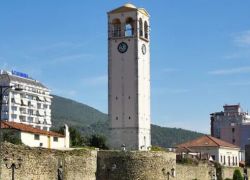
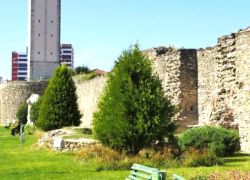
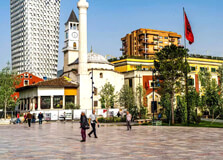
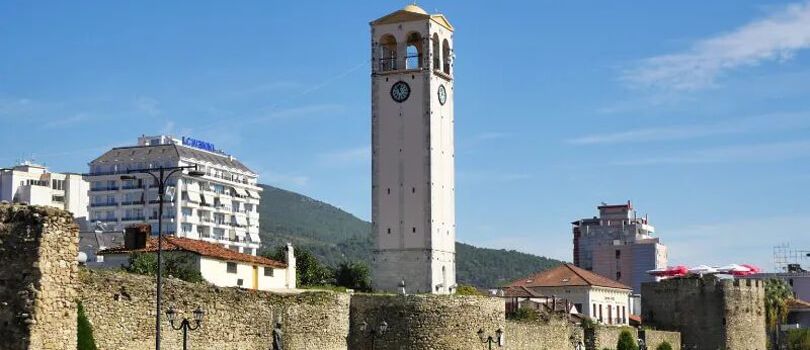
The Tower of Hoxha is one of the most significant historical landmarks in Elbasan, Albania. Situated in the heart of the city, this tower not only offers a glimpse into the country’s past but also stands as a reminder of the era of dictatorship that marked Albania’s mid-20th century history. Originally built as a military structure, it has now become an important tourist attraction in Albania.
History and Architecture of The Tower of Hoxha
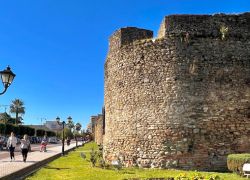
The Tower of Hoxha was built during the time of Enver Hoxha, the communist leader of Albania, who ruled the country from 1946 to 1985. It was originally constructed in the 1960s with a strategic purpose. The tower was designed as a part of a larger system of defense structures meant to protect Albania from potential foreign invasions. The structure itself is quite simple but practical, featuring a large cylindrical stone tower with an observation platform at the top.
Architecturally, the Tower of Hoxha is a typical example of the military fortifications built during the communist era. The tower's design focuses on functionality rather than beauty, with reinforced walls and a sturdy construction meant to withstand potential artillery attacks. Over the years, the tower has undergone various renovations, but it still maintains much of its original form and appearance.
How to Reach The Tower of Hoxha
Elbasan is located in central Albania and can be easily reached by both car and public transportation. If you’re traveling by car, Elbasan is about 80 kilometers from Tirana, the capital of Albania. The drive takes approximately 1.5 to 2 hours via the SH2 highway. Public buses and minivans from Tirana to Elbasan are also available, departing regularly from various locations in the capital.
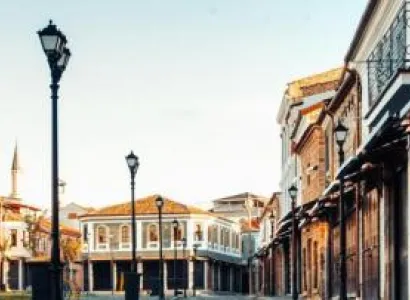
Once you arrive in Elbasan, the Tower of Hoxha is situated in the city center, making it easy to find. It is within walking distance from other popular sites, so you can also explore the city’s surroundings on foot after visiting the tower.
Weather in Elbasan
The weather in Elbasan, like much of Albania, is Mediterranean, characterized by hot, dry summers and mild, wet winters. Summer temperatures often reach highs of 30-35°C (86-95°F), making it an ideal time for outdoor visits, though it can be quite warm. The winter months are cooler, with temperatures ranging from 5-12°C (41-54°F). Spring and autumn are mild and pleasant, offering comfortable temperatures for sightseeing.
Timing and Opening Hours
The Tower of Hoxha is typically open for visits every day, with regular hours from 9:00 AM to 6:00 PM. However, it's a good idea to check in advance for any changes in opening hours, especially around public holidays or during the winter months when the attraction may close earlier. There is no official day of closure, but some maintenance work or special events may temporarily affect its availability.
Why is The Tower of Hoxha Famous?
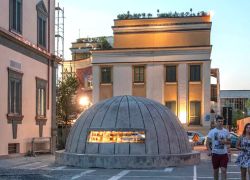
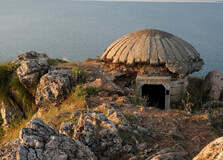
The Tower of Hoxha is famous because it represents an era of Albania's past that many would prefer to forget, but it is also a symbol of the country's transition. During the communist regime, the tower served as a defensive structure, symbolizing both strength and paranoia. It was part of a network of over 700,000 bunkers built throughout Albania, designed to defend against perceived foreign threats.
Today, the tower serves as a reminder of the country’s complex history. The structure has become a symbol not only of Albania’s past military and political climate but also of its post-communist recovery and growth.
Entry and Visit Details
There is a small entry fee to visit the Tower of Hoxha, which helps maintain the site and fund its preservation. The entry fee is quite affordable, making it accessible to tourists. Tickets can be purchased at the entrance, where you’ll also find helpful staff to guide you around and answer any questions you may have.
Things to Do at The Tower of Hoxha
While visiting the Tower of Hoxha, you can:
Interesting Facts about The Tower of Hoxha
Tips for Visiting The Tower of Hoxha
Conclusion
The Tower of Hoxha in Elbasan is a fascinating piece of Albanian history, offering visitors a chance to step back in time and learn about the country’s communist past. Whether you’re a history enthusiast or simply looking to enjoy panoramic views of the city, the tower is a must-see landmark in Elbasan. With its strategic location and historical significance, it stands as a powerful reminder of the complexities of Albania's past and its ongoing transformation into a modern European nation.




Elbasan