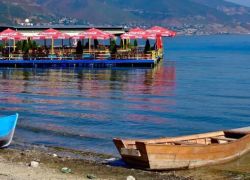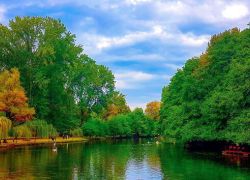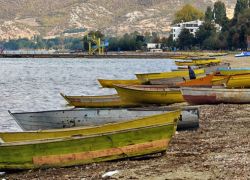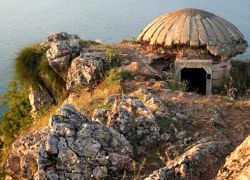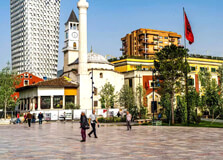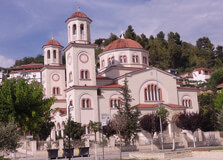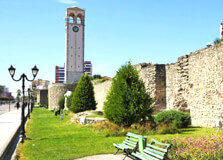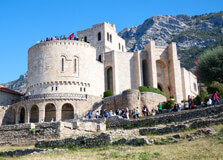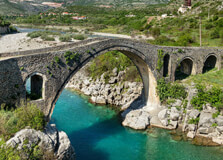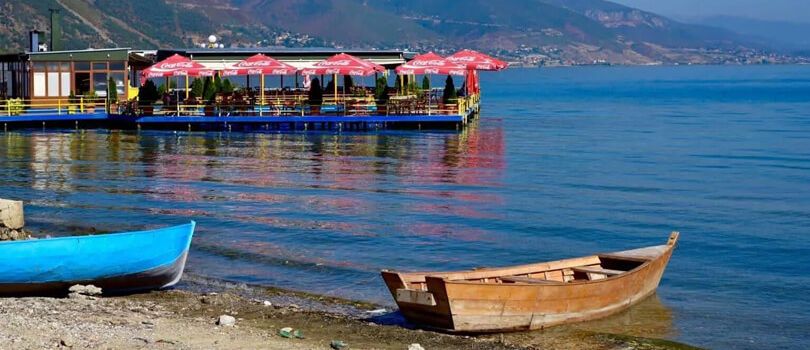
"Uncover ancient heritage by crystal-clear waters."
Lake Ohrid, located in the town of Pogradec in Albania, is one of the oldest and most beautiful lakes in Europe. Known for its stunning natural beauty, rich biodiversity, and historical significance, Lake Ohrid attracts visitors from all over the world. The lake spans both Albania and North Macedonia, with the town of Pogradec being one of the most popular spots on its Albanian shores. It is a UNESCO World Heritage site, recognized for its unique ecosystem and cultural heritage. This guide will take you through everything you need to know about Lake Ohrid in Pogradec, including how to reach it, its history, and things to do in the area.
How to Reach Lake Ohrid, Pogradec
Pogradec, the town located on the shores of Lake Ohrid, is easily accessible by car or bus from several major cities in Albania, including Tirana, the capital. The town is located approximately 140 kilometers southeast of Tirana, making it a popular destination for both local and international tourists. If you are traveling from **Tirana**, the drive takes about 2 to 2.5 hours, depending on traffic. The route follows the SH3 highway, which offers beautiful views of the Albanian countryside.
From Tirana to Pogradec: You can take a bus from Tirana to Pogradec, with several buses departing daily from the main bus terminal in Tirana. The journey takes around 2.5 hours. Taxis are also available for more convenient travel, though they can be more expensive.
From Ohrid (North Macedonia) to Pogradec: If you're coming from Ohrid in North Macedonia, you can reach Pogradec by crossing the border at the **Border Crossing of Qafa e Thanës**. The drive takes around 1 hour. Public transport options are available, but taxis and private transfers are the easiest way to reach the town from Ohrid.
Weather and Best Time to Visit Lake Ohrid
Lake Ohrid has a Mediterranean climate with hot, dry summers and mild, wet winters. The area enjoys a pleasant climate throughout the year, but the best time to visit is during the spring (April to June) and autumn (September to October). During these seasons, the weather is mild and ideal for outdoor activities like hiking and boat tours. The summer months (July and August) can be quite hot, with temperatures reaching around 30°C (86°F), but the lake provides a refreshing escape.
Winter: Winters are generally mild, with temperatures averaging around 5°C (41°F). While the region is less crowded during this season, it can still be an enjoyable time to visit for those seeking a more peaceful atmosphere.
Why Famous for Lake Ohrid, Pogradec, Albania?
Lake Ohrid is famous for its immense natural beauty, being one of the oldest and deepest lakes in Europe. It is home to a unique and diverse ecosystem, with numerous endemic species of plants and animals. The lake is also significant for its historical and cultural importance. It has been inhabited since prehistoric times, and ancient cities like **Ohrid** in North Macedonia, and **Pogradec** on the Albanian side, have flourished around it for centuries.
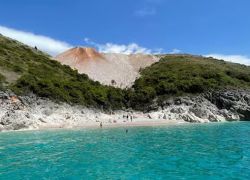
One of the most notable features of the lake is its biodiversity. It is home to over 200 species of fish, many of which are endemic, making it an essential location for biologists and nature enthusiasts. The lake’s clear, blue waters and picturesque landscapes make it a popular spot for both relaxation and adventure. As a UNESCO World Heritage site, Lake Ohrid is recognized not only for its natural wonders but also for its rich historical and cultural value.
Entry and Visit Details
Visiting Lake Ohrid is free, as it is a natural site with public access. While the lake itself is open year-round, the best time to visit is during the spring and summer when the weather is ideal for outdoor activities and boat tours.
Attractions around Lake Ohrid: Visitors to Lake Ohrid can enjoy a wide range of activities, including relaxing on the lake’s beaches, hiking in the nearby hills, and exploring the town of Pogradec itself. Additionally, there are various cultural and historical sites around the lake that add to its allure, such as the **St. Naum Monastery**, located at the southern end of the lake, and the **ancient city of Apollonia**, located inland from Pogradec.
History and Architecture around Lake Ohrid
Lake Ohrid has a long and fascinating history. It is believed to have formed around 3 to 4 million years ago, making it one of the oldest lakes in the world. The lake has been inhabited since prehistoric times, and numerous ancient civilizations have settled around its shores. In fact, it was an important center of culture and learning during the **Byzantine Empire** and **Ottoman Empire** periods.
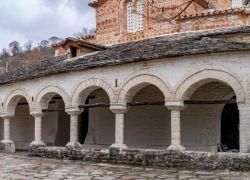
Architecturally, the area around Lake Ohrid is home to many important landmarks. The **St. Naum Monastery**, a key cultural site, dates back to the 9th century and is located on the southern edge of the lake. The monastery is known for its beautiful frescoes and its tranquil setting by the water. Other notable sites include **Pogradec's Old Bazaar**, where visitors can stroll through the narrow streets lined with traditional Albanian shops, and **Drilon Springs**, where fresh water from the lake creates a serene environment perfect for relaxation.
Things to Do at Lake Ohrid
Facts and Tips about Lake Ohrid, Pogradec
Conclusion
Lake Ohrid in Pogradec, Albania, is a stunning destination that offers visitors a unique blend of natural beauty, rich history, and outdoor adventure. Whether you’re interested in exploring ancient monasteries, hiking through the beautiful countryside, or simply relaxing by the water, Lake Ohrid has something for everyone. The lake’s clear waters, peaceful surroundings, and historical landmarks make it one of the most picturesque places in Albania, and a must-see for anyone visiting the region.





Pogradec
Pogradec