"Admire Baroque architecture and stunning art collections."
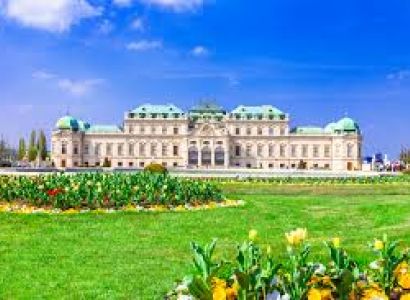
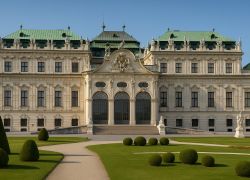
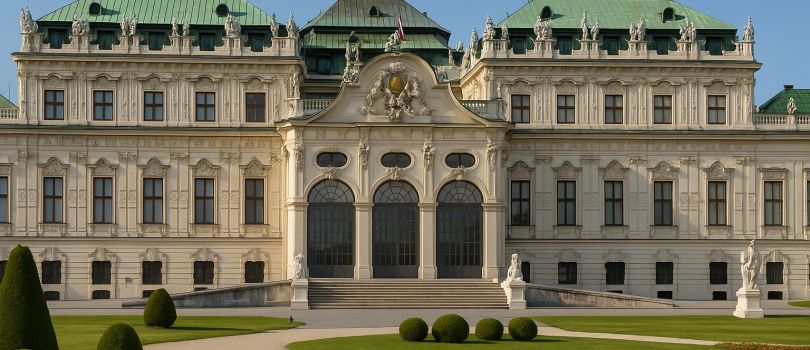
Belvedere Palace, located in the heart of Austria’s capital city, Vienna, is one of the most significant cultural and architectural landmarks in the country. This majestic baroque structure consists of two palaces, the Upper and Lower Belvedere, surrounded by beautifully landscaped gardens. The palace complex houses an extensive art collection, including masterpieces by famous artists like Gustav Klimt and Egon Schiele. A visit to the Belvedere Palace is a journey through Austria’s royal history, art, and stunning architecture.
How to Reach Belvedere Palace
Belvedere Palace is easily accessible from Vienna’s city center. If you're traveling by public transport, take the tram number 71 or 1, which stops right at the Belvedere complex. Alternatively, you can use the subway system (U-Bahn) and take the U1 line to the "Karlsplatz" station, which is a short walk away from the palace.
For those who prefer driving, the palace is located near the city center, and there are parking spaces available, though they may fill up quickly during peak tourist seasons. Taxis and ride-sharing services also frequently service this popular destination.
Weather
Vienna experiences a temperate climate, with warm summers and cold winters. The best time to visit Belvedere Palace is during the spring (April to June) and fall (September to October), when the weather is mild, and the gardens are in full bloom. The summer months can be busy, but the pleasant weather makes it ideal for outdoor sightseeing. Winters can be cold, but the palace looks stunning with a dusting of snow, making it an enchanting place to visit during the holiday season.
Timing and Opening Hours
Belvedere Palace is open every day, typically from 10:00 AM to 6:00 PM, though times may vary during holidays or special events. It is advisable to check the official website for any changes in timings before your visit. The Upper Belvedere and Lower Belvedere have separate opening hours, so be sure to confirm which part of the palace you plan to visit.
Why Famous?
Belvedere Palace is famous for its impressive architectural beauty and its role in Austrian history. Built in the early 18th century, it was originally the summer residence of Prince Eugene of Savoy, one of the most powerful military commanders of the time. The palace’s design is a perfect example of baroque architecture, featuring ornate gardens, stunning frescoes, and majestic halls.
Additionally, the Belvedere is renowned for its art collection. The Upper Belvedere houses the world's largest collection of Gustav Klimt's works, including his iconic painting *The Kiss*. Other artists, including Schiele, Kokoschka, and Van Gogh, are also part of the extensive collection that attracts art lovers from around the world.
Entry and Visit Details
The entry to the Belvedere Palace complex is ticketed. A general admission ticket grants access to both the Upper and Lower Belvedere, as well as the palace gardens. However, certain exhibits may require an additional fee. Visitors can also explore the beautifully landscaped gardens, which are free to enter. Guided tours are available, providing a deeper insight into the palace’s rich history and artistic legacy.
History and Architecture
The history of Belvedere Palace dates back to the early 1700s when Prince Eugene of Savoy commissioned the construction of the palace. Designed by the architect Johann Lukas von Hildebrandt, the Upper Belvedere was completed in 1723, followed by the Lower Belvedere. The palace’s architectural style is a prime example of Baroque elegance, characterized by symmetry, grandeur, and attention to detail.
One of the most notable features of the palace is its extensive garden layout, designed by the famous landscape architect Dominique Girard. The garden's terraced levels, fountains, and sculptures add to the visual splendor of the palace complex, offering a peaceful escape within the city.
Things to Do at Belvedere Palace
Facts and Tips About Belvedere Palace
Conclusion
Belvedere Palace is more than just a tourist attraction—it is a cultural landmark that showcases the artistic, architectural, and historical richness of Vienna. Whether you are an art enthusiast, a history buff, or simply someone who appreciates beautiful surroundings, a visit to Belvedere Palace offers something for everyone. Don’t miss the chance to immerse yourself in the grandeur and elegance of one of Austria’s most famous landmarks.