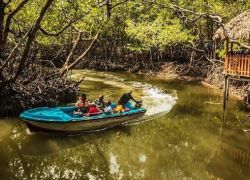
Baratang Island is one of the most fascinating and offbeat destinations in the Andaman & Nicobar Islands. Located about 100 kilometers north of Port Blair, Baratang Island is famous for its natural wonders such as limestone caves, mud volcanoes, dense mangrove forests, and pristine beaches. Unlike the more commercialized islands, Baratang offers a raw and untouched experience of nature, making it a must-visit place for travelers who love adventure, geology, and eco-tourism. Why Baratang Island is Famous Baratang Island is best known for its unique limestone caves, which are among the finest natural formations in India. These caves are formed over thousands of years by the slow deposition of calcium carbonate, resulting in stunning stalactites and stalagmites. Another major attraction of Baratang Island is the mud volcano, a rare geological phenomenon where mud and gases erupt from the earth’s surface. The island is also famous for its mangrove creeks, which can be explored through scenic boat rides, offering a close view of rich flora and fauna. History of Baratang Island Baratang Island has a deep-rooted history connected to indigenous tribes and early settlers of the Andaman Islands. The island lies close to the Jarawa Tribal Reserve, home to the indigenous Jarawa tribe. Due to this, tourism in the region is carefully regulated to protect tribal life and preserve ecological balance. Historically, Baratang remained relatively unexplored because of its dense forests and limited accessibility. Over time, it gained attention for its natural geological features rather than colonial architecture or historical monuments. Today, it plays an important role in eco-tourism and environmental conservation in the Andaman region. Natural Landscape and Architecture Baratang Island does not feature man-made architectural structures or monuments. Instead, its “architecture” lies in nature itself. The limestone caves, mangrove tunnels, and mud volcanoes are natural masterpieces shaped by time. The mangrove forests form natural tunnels through which boats glide silently, creating a magical experience. The limestone caves are accessed by a short walk through the forest, and their naturally sculpted interiors leave visitors in awe. Things to Do at Baratang Island Visiting the limestone caves is the most popular activity on Baratang Island. Visitors can explore the caves and admire the naturally formed rock structures. Exploring the mud volcano is another exciting experience. Although the eruptions are mild, witnessing bubbling mud emerging from the ground is fascinating. A mangrove boat ride through narrow creeks is a peaceful and scenic activity that allows travelers to observe the island’s rich ecosystem. Nature walks and photography are ideal for travelers who want to capture the untouched beauty of the island. Visiting nearby beaches such as Baludera Beach offers a chance to relax and enjoy the calm surroundings. How to Reach Baratang Island From Port Blair by Road: Baratang Island can be reached by road from Port Blair via the Andaman Trunk Road. The journey takes around 3 to 4 hours and passes through dense tropical forests and tribal reserves. Convoy travel is mandatory for safety reasons. By Ferry: Government ferries operate from Port Blair to Baratang Island on selected days. The ferry journey offers scenic views of the sea and surrounding islands. Nearest Airport: Veer Savarkar International Airport in Port Blair is the nearest airport. From the airport, visitors can travel by road or ferry to reach Baratang Island. Weather and Best Time to Visit Baratang Island experiences a tropical climate throughout the year. Summers from March to May are warm and humid, with temperatures ranging between 25°C and 35°C. The monsoon season from June to September brings heavy rainfall, which may affect road travel and boat services. The best time to visit Baratang Island is from October to April, when the weather is pleasant, roads are accessible, and boat rides are smooth. Timings of Baratang Island Attractions Baratang Island is accessible during daytime hours only. Limestone Caves Visiting Hours: 9:00 AM to 3:00 PM Mangrove Boat Rides: Usually operate between 9:00 AM and 2:00 PM Timings may vary depending on weather and administrative regulations. Entry and Visit Details There is no general entry fee to visit Baratang Island, but visitors need to pay for ferry services, boat rides, and local transportation. Boat charges apply for mangrove creek rides and access to limestone caves. Visitors are required to carry valid photo identification due to security checks along the Andaman Trunk Road. Interesting Facts about Baratang Island Baratang Island is home to one of the few known mud volcanoes in India. The limestone caves are naturally formed over thousands of years. The island is surrounded by protected tribal reserves. Mangrove forests here play a crucial role in coastal ecosystem preservation. Tips for Visiting Baratang Island Start early from Port Blair to complete the journey comfortably. Carry water, snacks, and essential medicines, as facilities are limited. Follow all instructions provided by authorities, especially while traveling through tribal areas. Wear comfortable footwear suitable for walking through forest paths. Do not litter and respect the natural environment. Conclusion Baratang Island near Port Blair in the Andaman & Nicobar Islands is a hidden gem that showcases nature in its purest form. With its limestone caves, mud volcanoes, and serene mangrove forests, the island offers a unique travel experience unlike any other destination in India. Ideal for nature lovers and adventure seekers, Baratang Island promises a memorable journey into the heart of untouched natural beauty.
Explore More
Forest Museum, located in Port Blair, is a fascinating destination for nature enthusiasts, students, and tourists interested in the rich biodiversity of the Andaman & Nicobar Islands. Established to promote awareness about the islands' unique flora and fauna, the museum provides an insightful look into the forest ecosystem, tribal life, and conservation efforts in the region. The museum is a must-visit for anyone seeking to understand the natural heritage and ecological significance of the Andamans. Why Forest Museum is Famous Forest Museum is famous for its extensive collection of exhibits that showcase the flora, fauna, and forest resources of the Andaman & Nicobar Islands. Visitors can explore life-sized models of animals, birds, and plants, as well as displays of timber species, medicinal plants, and indigenous tools used by local communities. The museum is also well-known for its informative panels and multimedia presentations, which educate visitors about forest conservation, biodiversity preservation, and the ecological importance of the Andamans. For researchers, students, and tourists alike, Forest Museum offers a unique opportunity to understand the delicate balance of island ecosystems and the role of forests in sustaining life. History of Forest Museum Forest Museum was established by the Forest Department of the Andaman & Nicobar Islands to serve as an educational and research-oriented facility. The museum was designed to raise awareness about the region's forests, wildlife, and natural resources. Over the years, it has become a center for ecological education, attracting school groups, environmentalists, and tourists. The museum plays a crucial role in documenting the traditional knowledge of indigenous tribes, their sustainable interaction with forest resources, and their contribution to biodiversity conservation. It also reflects the local administration’s efforts to combine tourism with environmental education. Architecture and Layout Forest Museum is designed in a functional yet attractive manner, incorporating open spaces, display halls, and natural surroundings to create an immersive experience. The museum includes well-arranged galleries featuring taxidermy specimens of birds, reptiles, and mammals native to the islands. Models of forest habitats and interactive exhibits make learning engaging for visitors of all ages. The building is surrounded by landscaped gardens, which include examples of indigenous plants and trees. These outdoor spaces allow visitors to experience the natural beauty of the Andaman forests and provide an informal learning environment alongside the indoor galleries. Things to Do at Forest Museum Visitors can explore multiple galleries and sections within the museum that highlight the islands’ flora and fauna. Life-sized animal models, bird specimens, and marine displays offer a realistic representation of Andaman ecosystems. Learn about forest ecology, the importance of sustainable forestry, and conservation efforts undertaken in the islands. Informative panels and multimedia displays enhance the educational experience. Photography enthusiasts will find plenty of opportunities to capture exhibits and the scenic outdoor areas of the museum. Students and researchers can study indigenous plants, timber species, and traditional tribal practices that have been preserved and documented at the museum. The museum also provides guided tours, making it easier for visitors to understand the ecological and cultural significance of each exhibit. How to Reach Forest Museum By Road from Port Blair: Forest Museum is located within the city limits of Port Blair and is easily accessible by taxi, auto-rickshaw, or private vehicle. It is approximately 5 kilometers from the main city center, making it a convenient stop for tourists exploring Port Blair. By Air: Veer Savarkar International Airport is the nearest airport. From there, visitors can hire a taxi to reach the museum in about 15 minutes. By Public Transport: Local buses and shared taxis from different parts of Port Blair connect to the vicinity of the museum, providing an affordable option for travelers. Weather and Best Time to Visit Forest Museum is located in Port Blair, which experiences a tropical climate. The best time to visit is between October and April when the weather is pleasant, and outdoor walks around the museum’s gardens can be enjoyed comfortably. Summer months from March to May can be hot and humid, while the monsoon season from June to September brings heavy rainfall. During monsoon, it may be challenging to explore the outdoor sections of the museum. Timings of Forest Museum The museum is open to visitors throughout the day, although mornings and early afternoons are ideal for exploring both indoor and outdoor exhibits. Recommended Visiting Hours: 9:00 AM to 5:00 PM It is advisable to visit in the morning for a quieter experience and to make the most of daylight for photography and exploration. Entry and Visit Details Forest Museum has a nominal entry fee for adults and a discounted rate for children and students. Guided tours may be available at an additional cost, enhancing the educational experience. The museum provides basic amenities such as restrooms, seating areas, and information counters. Visitors are encouraged to carry water, wear comfortable clothing, and take notes or photos of exhibits where allowed. Interesting Facts about Forest Museum Forest Museum houses rare exhibits of endemic species found in the Andaman & Nicobar Islands. It educates visitors about sustainable forestry practices and the importance of conserving island ecosystems. The museum also preserves traditional knowledge of indigenous tribes, highlighting their sustainable relationship with nature. It serves as an important educational hub for local schools, universities, and eco-tourists. Tips for Visiting Forest Museum Visit during weekdays or early hours to avoid crowds and enjoy a peaceful experience. Wear comfortable walking shoes as the museum has both indoor and outdoor areas to explore. Carry a notebook or camera to document interesting exhibits, but follow museum rules regarding photography. Take a guided tour to gain a deeper understanding of exhibits and the ecological importance of the region. Maintain cleanliness and avoid touching fragile displays to help preserve the exhibits for future visitors. Conclusion Forest Museum in Port Blair, Andaman & Nicobar Islands, is an enlightening destination for nature lovers, students, and tourists interested in the ecological and cultural heritage of the islands. With its rich collection of flora and fauna, informative displays, and serene outdoor spaces, the museum offers a unique combination of education and recreation. Whether you are exploring Andaman’s biodiversity, learning about sustainable forestry, or simply enjoying a peaceful walk amidst greenery, Forest Museum provides a memorable and enriching experience for visitors of all ages.
Explore More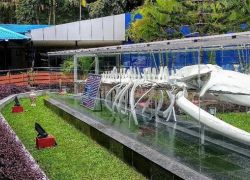
The Samudrika Naval Marine Museum, located in Port Blair, Andaman & Nicobar Islands, is one of the most popular educational and tourist attractions in the city. Managed by the Indian Navy, the museum provides visitors with a comprehensive insight into the maritime and marine life of the islands. It serves as a hub for marine research, education, and cultural awareness, showcasing the natural and cultural heritage of the Andaman & Nicobar Islands in an organized and informative manner. Why Samudrika Naval Marine Museum is Famous Samudrika Naval Marine Museum is famous for its diverse collections related to marine biology, geology, and anthropology. The museum has an extensive display of corals, shells, and preserved marine species that highlight the biodiversity of the surrounding waters. In addition to marine exhibits, the museum also features sections on the history of the islands, indigenous tribes, and the role of the Indian Navy in protecting the archipelago. It is also renowned for its interactive exhibits and educational displays that cater to students, researchers, and tourists alike. Visitors can explore detailed models of sea creatures, marine ecosystems, and geological formations, providing a fascinating glimpse into the rich marine environment of the Andamans. Its location near Aberdeen Bazaar makes it easily accessible and a must-visit for anyone exploring Port Blair. History of Samudrika Naval Marine Museum The museum was established by the Indian Navy to promote awareness about marine life and the ecology of the Andaman & Nicobar Islands. “Samudrika” translates to “oceanography,” reflecting the museum’s focus on marine and coastal studies. Over the years, the museum has evolved into a major educational and tourism center, attracting thousands of visitors each year. The museum also documents the culture and lifestyle of the indigenous tribes of the Andaman & Nicobar Islands, showcasing artifacts, tools, and models of traditional housing. It serves as an important repository of knowledge about the region’s natural and cultural history. Architecture and Layout The Samudrika Naval Marine Museum is designed to provide an organized and engaging visitor experience. The museum is divided into multiple galleries and sections, each focusing on specific themes such as marine biology, geology, anthropology, and naval history. The interiors are well-lit and climate-controlled to preserve the delicate marine specimens and artifacts. Exhibits include glass display cases of corals, shells, and preserved marine creatures, as well as life-sized models of sea turtles, dugongs, and other marine animals. Educational panels, maps, and interactive displays provide additional information and context. The museum’s layout allows for a guided or self-paced tour, ensuring that visitors can explore the exhibits comfortably. Things to Do at Samudrika Naval Marine Museum Visitors can explore the extensive marine biology section, which displays a wide range of corals, shells, and preserved sea creatures. The exhibits explain marine ecosystems, biodiversity, and conservation efforts. The anthropology section showcases the lifestyle, tools, and culture of the indigenous tribes of the Andaman & Nicobar Islands, providing insights into their traditional ways of life. The geology section highlights rock formations, fossils, and coastal processes, explaining the geological history of the islands. Photography is permitted in most areas of the museum, allowing visitors to capture detailed exhibits and life-sized marine models. Educational workshops and guided tours are sometimes organized for school groups and researchers, making the museum an excellent place for learning and exploration. How to Reach Samudrika Naval Marine Museum By Road: The museum is located near Aberdeen Bazaar in Port Blair, making it easily accessible by taxi, auto-rickshaw, or private vehicle. It is approximately 2–3 kilometers from the main city area, making it convenient for tourists staying in Port Blair. By Air: Veer Savarkar International Airport is the nearest airport. From the airport, visitors can hire a taxi to reach the museum in about 20 minutes. By Public Transport: Local buses and shared taxis operate near the museum, providing an economical travel option for visitors. Weather and Best Time to Visit Port Blair experiences a tropical climate, and the museum is open year-round. The best time to visit is from October to April, when the weather is pleasant and the city experiences minimal rainfall. Summer months (March to May) can be hot and humid, while the monsoon season (June to September) brings heavy rainfall, which might make traveling less comfortable. Timings of Samudrika Naval Marine Museum The museum is open to visitors every day except certain public holidays. Early morning or afternoon visits are ideal for avoiding crowds and enjoying a relaxed experience. Recommended Visiting Hours: 9:00 AM to 12:30 PM and 2:00 PM to 5:00 PM Entry and Visit Details There is a nominal entry fee for adults, while children and students may be eligible for discounted tickets. Entry fees help maintain the exhibits and support conservation initiatives undertaken by the museum. The museum provides guided tours on request, which enhance the learning experience by providing detailed explanations of exhibits and marine ecosystems. Basic amenities, including restrooms and seating areas, are available for visitors. Photography is allowed in most areas, but flash photography may be restricted near sensitive exhibits. Interesting Facts about Samudrika Naval Marine Museum The museum is operated and maintained by the Indian Navy, reflecting the strategic importance of the Andaman & Nicobar Islands and the Navy’s role in coastal conservation. Samudrika Naval Marine Museum houses rare and endemic marine species, including corals, mollusks, and tropical fish. It provides valuable information about the indigenous tribes, their lifestyle, and sustainable use of forest and marine resources. The museum emphasizes marine conservation, eco-tourism, and the protection of coastal biodiversity. Tips for Visiting Samudrika Naval Marine Museum Visit early in the morning to enjoy a peaceful experience before the crowd arrives. Carry water and wear comfortable clothing suitable for walking through the galleries. Follow museum rules regarding photography and avoid touching the exhibits to preserve their condition. Take a guided tour to fully understand the ecological and cultural significance of the displays. Combine your visit with nearby attractions such as Aberdeen Bazaar, Marina Park, and Corbyn’s Cove Beach for a comprehensive Port Blair tour. Conclusion Samudrika Naval Marine Museum in Port Blair, Andaman & Nicobar Islands, is a unique and educational destination offering insight into marine life, forest ecosystems, and indigenous cultures. With its diverse collections, interactive displays, and informative exhibits, the museum provides a rich learning experience for tourists, students, and researchers alike. A visit to this museum not only enhances knowledge about the Andaman & Nicobar Islands but also promotes awareness of environmental conservation and the importance of protecting marine and coastal ecosystems. Whether exploring marine biodiversity or learning about island culture, the Samudrika Naval Marine Museum promises an engaging and memorable experience for all visitors.
Explore More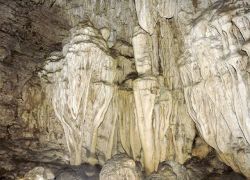
Nestled in the heart of the Andaman & Nicobar Islands, the Limestone Caves of Baratang Island are one of the most captivating natural wonders of the region. Known for their unique geological formations, lush mangrove surroundings, and mystic ambiance, these caves attract adventure seekers, nature lovers, and photographers from around the world. The combination of scenic beauty and natural heritage makes the Limestone Caves a must-visit destination when exploring the Andamans. How to Reach Limestone Caves, Baratang Island, Andaman & Nicobar Islands The journey to the Limestone Caves begins from Port Blair, the capital of Andaman and Nicobar Islands. The most common route involves a 100 km drive via the Andaman Trunk Road (ATR), which passes through lush tropical forests, tribal reserves, and scenic bridges. Visitors usually hire taxis, self-drive vehicles, or join organized tours from Port Blair. En route, travelers need to cross the Nilambur Jetty by ferry and pass through the Jarawa Tribal Reserve under government supervision. The drive is scenic but requires early morning departure to ensure sufficient time for exploration. The trek from the parking area to the caves is short but involves walking on uneven surfaces, so comfortable footwear is recommended. Weather in Baratang Island The Limestone Caves are best visited during the dry season, which runs from October to May. During this period, the weather is pleasant with temperatures ranging from 25°C to 32°C, and humidity is manageable. Monsoon season (June to September) brings heavy rainfall, making the road and trek slippery and potentially unsafe. Visitors are advised to check weather updates before planning their trip and carry appropriate rain gear during transitional months. Timings of Limestone Caves The Limestone Caves are accessible from 9:00 AM to 4:00 PM daily. Early morning visits are recommended to avoid crowding, especially during peak tourist season. Guided tours and local boat services usually operate within these hours, allowing enough time for sightseeing and photography. Why Limestone Caves Are Famous The Limestone Caves of Baratang Island are famous for their spectacular stalactite and stalagmite formations, created over thousands of years by natural processes of erosion and mineral deposition. The caves are set amidst dense mangroves, adding to their mystical allure. Their otherworldly charm, combined with the journey through tropical forests and mangrove creeks, makes visiting them a thrilling adventure. The caves also hold cultural significance for the local tribes and are a subject of geological interest. Entry and Visit Details Visitors need to obtain permits to pass through the Jarawa Tribal Reserve while en route to the caves. Entry to the Limestone Caves themselves usually requires a nominal fee for maintenance and conservation. Guided tours are available, providing insights into the geology, local legends, and biodiversity of the area. It is important to follow safety guidelines, stay on marked paths, and avoid touching delicate rock formations to preserve the natural heritage. History and Architecture Though not man-made, the Limestone Caves showcase natural architecture formed over millennia. The caves feature unique rock formations including stalactites hanging from the ceiling and stalagmites rising from the floor, forming fascinating shapes that resemble sculptures. Historically, these caves were known to the indigenous Jarawa tribes and were part of the local folklore. The combination of natural architecture and cultural significance makes the caves a unique geological and anthropological site. Things to Do in Limestone Caves, Baratang Island Guided Cave Exploration: Take guided walks inside the caves to appreciate the rock formations and geological history. Photography: Capture the dramatic stalactites, stalagmites, and surrounding mangroves. Nature Walks: Explore the nearby mangrove creeks, birdlife, and forest trails. Boat Rides: Enjoy the scenic ferry ride to the cave area across creeks and rivers. Local Interaction: Learn about the traditions and lifestyle of the Jarawa tribe from official guides. Facts About Limestone Caves The Limestone Caves are believed to be over 10,000 years old, formed through natural processes of erosion and mineral deposition. The caves are made primarily of limestone, a sedimentary rock, which gives them their striking white to grey appearance. The site is home to a diverse range of flora and fauna, including endemic species of birds and reptiles. The caves are a protected site, and eco-tourism measures are in place to minimize human impact. Tips for Visiting Limestone Caves, Baratang Island Carry insect repellent and water bottles during the trek and boat ride. Wear comfortable, non-slip footwear suitable for uneven terrain. Follow all government guidelines for crossing tribal reserves. Hire a local guide to enhance your understanding of the caves’ geology and local legends. Plan your visit during the dry season for better accessibility and clear views. In conclusion, Limestone Caves, Baratang Island, Andaman & Nicobar Islands is a captivating destination that blends natural beauty, geological wonder, and cultural significance. From exploring the unique stalactite and stalagmite formations to cruising through serene mangrove creeks, a visit to these caves offers an unforgettable experience. Whether you are a nature enthusiast, adventure traveler, or photographer, the Limestone Caves promise a journey filled with discovery, serenity, and awe-inspiring landscapes.
Explore More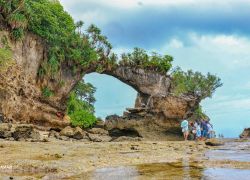
Welcome to Neil Island, an enchanting destination in the Andaman and Nicobar Islands known for its pristine beaches, crystal-clear waters, and vibrant marine life. One of the iconic landmarks that attract tourists from around the globe is the renowned Howrah Bridge. History of Howrah Bridge Steeped in history, Howrah Bridge has been a significant structure in Neil Island for centuries. Originally built as a vital connection point for locals, it has transformed into a popular tourist attraction over the years. The bridge holds historical significance and has witnessed the island's evolution into a bustling tourism hub. Architecture and Natural Beauty of Howrah Bridge Surrounded by breathtaking wetlands, lush forests, and diverse bird habitats, Howrah Bridge stands as a testament to the island's natural beauty. The nearby Keoladeo Temple adds a touch of historical charm to the landscape, making it a perfect blend of architecture and nature. Why is Howrah Bridge Famous? Howrah Bridge has gained fame for its picturesque surroundings and the diverse wildlife that inhabits the area. Birdwatchers, photographers, and nature enthusiasts flock to this destination to witness the beauty of the avian species and capture stunning moments in their lenses. How to Reach Howrah Bridge Traveling to Howrah Bridge is convenient, with options available via air, rail, and road. Visitors can reach the island through nearby airports and railway stations, making it easily accessible for tourists looking to explore this natural marvel. Weather and Best Time to Visit Howrah Bridge The weather at Howrah Bridge varies throughout the year, with distinct seasons of summer, monsoon, and winter. The best time to visit is during the cooler months when the weather is pleasant, allowing visitors to enjoy the beauty of the surroundings without extreme temperatures. Timings of Howrah Bridge Visitors can explore Howrah Bridge during specific timings, ensuring a memorable experience while adhering to the seasonal variations that may affect the visit. Planning ahead and checking the timings is essential for a smooth trip to this iconic destination. Entry Fee and Visit Details Entry to Howrah Bridge is subject to specific procedures and visitor guidelines. Guide services, safari options, bicycle rentals, and other visitor facilities are available to enhance the experience and make the visit more enjoyable for tourists of all ages. Things to Do at Howrah Bridge Engage in a variety of activities at Howrah Bridge, including birdwatching, photography sessions, cycling through scenic trails, and observing the rich biodiversity that thrives in the area. Educational experiences await those keen on learning more about the natural wonders of Neil Island. Interesting Facts About Howrah Bridge Howrah Bridge is teeming with interesting facts, from the migratory birds that frequent the area to the conservation efforts that have preserved the ecological balance of the region. The significance of this landmark goes beyond its structural beauty, delving deep into its ecological importance. Travel Tips for Visiting Howrah Bridge When planning a trip to Howrah Bridge, consider essential travel tips such as appropriate clothing for the weather, carrying photography equipment for capturing memorable moments, and understanding the best seasons for birdwatching and wildlife sightings. Responsible tourism practices are encouraged to preserve the natural habitat for future generations. Conclusion In conclusion, Howrah Bridge in Neil Island stands as a testament to the natural beauty and historical significance of this enchanting destination. From its rich biodiversity to the captivating landscapes, visitors are invited to immerse themselves in the wonders of nature and create unforgettable memories in this picturesque setting.
Explore More
Welcome to Cellular Jail, a historic site located in South Andaman that holds immense significance in India's freedom struggle. The jail stands as a reminder of the sacrifices made by countless freedom fighters who were imprisoned here during the British colonial rule. With its rich history, natural surroundings, and tourism appeal, Cellular Jail attracts visitors from around the world, offering a blend of historical exploration and natural beauty. History of Cellular Jail Cellular Jail, also known as Kālā Pānī, was constructed in the late 19th century by the British to exile political prisoners and revolutionaries. The jail complex served as a dreaded colonial prison where inmates endured harsh living conditions and brutal treatment. Over the years, it has transformed into a symbol of the indomitable spirit of India's freedom fighters. The UNESCO has recognized Cellular Jail as a World Heritage Site, acknowledging its historical significance. Architecture and Natural Beauty of Cellular Jail Surrounded by the azure waters of the Andaman Sea, Cellular Jail offers a unique juxtaposition of historical architecture and natural splendor. The lush greenery, pristine beaches, and diverse marine life add to the charm of this heritage site. Visitors can explore the various wings of the penitentiary and witness the somber beauty of the colonial-era structure. Additionally, the nearby Keoladeo Temple provides a spiritual retreat amidst the historical setting. Why is Cellular Jail Famous? Cellular Jail is renowned for its historical significance and architectural marvel. However, it is most famous for being a pilgrimage site for history enthusiasts, birdwatchers, photographers, and nature lovers. The jail's eerie silence and echoing corridors evoke a sense of patriotism and reverence, making it a must-visit destination for those interested in India's independence struggle. How to Reach Cellular Jail Traveling to Cellular Jail is convenient as it is well-connected by air, rail, and road. The nearest airport is Veer Savarkar International Airport in Port Blair, which offers regular flights from major cities in India. For those preferring rail travel, one can reach Port Blair by boarding a train to Chennai or Kolkata and then taking a ferry to the Andaman Islands. A network of roads connects Cellular Jail to various parts of South Andaman, making it easily accessible by private or public transport. Weather and Best Time to Visit Cellular Jail South Andaman experiences a tropical climate with distinct summer, monsoon, and winter seasons. The best time to visit Cellular Jail is during the winter months from November to February when the weather is pleasant, and the island is lush green. Monsoons bring heavy rainfall, enhancing the natural beauty of the region, while summers can be hot and humid, making outdoor activities challenging. Timings of Cellular Jail Cellular Jail is open to visitors from [Timings], offering guided tours and insights into the historical significance of the site. It is advisable to check for any seasonal variations in timings and plan your visit accordingly. The jail authorities provide informative sessions to enhance the visitor experience and ensure a deeper understanding of the site's heritage. Entry Fee and Visit Details Visitors can enter Cellular Jail by purchasing entry tickets at the designated counters. Guide services are available for those seeking detailed information about the jail's history and notable inmates. Additionally, visitors can opt for safari tours, rent bicycles to explore the surroundings, and utilize the facilities provided on-site for a comfortable and enriching visit. Things to Do at Cellular Jail At Cellular Jail, visitors can engage in a variety of activities that cater to different interests. Birdwatching enthusiasts can spot a diverse range of avian species in the natural surroundings. Photographers can capture the architectural details and scenic vistas offered by the jail and its environs. Nature lovers can indulge in walking trails, observe the local flora and fauna, and immerse themselves in the tranquil ambiance of the site. Interesting Facts About Cellular Jail Cellular Jail is home to numerous migratory birds that flock to the region during specific seasons, adding to the biodiversity of the area. The conservation efforts undertaken to preserve the jail's historical integrity have garnered recognition and accolades. The ecological importance of Cellular Jail lies in its ability to serve as a living testament to India's struggle for independence and the resilience of its people. Travel Tips for Visiting Cellular Jail When visiting Cellular Jail, it is advisable to wear comfortable clothing suitable for exploring the site. Photography enthusiasts should carry their equipment to capture the essence of the historical architecture and natural beauty. Depending on personal preferences, choosing the right season for the visit is essential to enjoy the best of what Cellular Jail has to offer. Responsible tourism practices, such as respecting the site's heritage and following designated guidelines, contribute to a meaningful and sustainable travel experience. Conclusion In conclusion, Cellular Jail in South Andaman stands as a poignant reminder of India's struggle for independence and the sacrifices made by its brave freedom fighters. With its historical significance, architectural grandeur, and natural charm, Cellular Jail offers visitors a multifaceted experience that combines education, reflection, and appreciation for the country's rich heritage. A visit to Cellular Jail is not just a journey through history but a tribute to the unwavering spirit of the Indian people.
Explore More
Located in South Andaman, Ross Island is a captivating tourist attraction known for its historical significance, natural beauty, and rich biodiversity. This picturesque island holds a special place in the hearts of visitors, offering a unique blend of history and nature that attracts travelers from around the globe. History of Ross Island Steeped in history, Ross Island served as the administrative headquarters of the British Raj in the Andaman and Nicobar Islands. Once a thriving settlement, it was abandoned after a devastating earthquake in 1941. Today, the island stands as a testament to its colonial past, with remnants of British architecture and a glimpse into the island's former glory. Ross Island has been recognized by UNESCO for its historical significance and conservation efforts to preserve its heritage. Architecture and Natural Beauty of Ross Island Rich in natural beauty, Ross Island boasts lush greenery, pristine beaches, and diverse ecosystems. The island is home to wetlands, forests, and grasslands that provide habitats for a wide variety of bird species. One of the highlights of Ross Island is the historic Keoladeo Temple, a sacred site that adds to the island's charm and allure. Why is Ross Island Famous? Ross Island is renowned for its enchanting landscapes and abundant birdlife, making it a paradise for birdwatchers, photographers, and nature enthusiasts. The island's serene ambiance and unique flora and fauna create an immersive experience for wildlife lovers and outdoor enthusiasts alike. How to Reach Ross Island Traveling to Ross Island is easily accessible by air, with regular flights to nearby airports. For those preferring rail or road travel, well-connected transportation options are available. Visitors can reach the island via a short boat ride from the mainland, offering a scenic journey to this tropical paradise. Weather and Best Time to Visit Ross Island Ross Island experiences pleasant weather throughout the year, with distinct summer, monsoon, and winter seasons. The best time to visit is during the cooler months when the weather is comfortable for exploration and outdoor activities. Timings of Ross Island Ross Island welcomes visitors during specific timings, ensuring a well-managed and enjoyable experience. Seasonal variations may impact operating hours, so it is advisable to check in advance for any updates or changes. Entry Fee and Visit Details Upon arrival, visitors can avail of entry procedures and services offered, including guide services, safari options, bicycle rentals, and other visitor facilities. These amenities enhance the overall experience and provide convenience for exploring the island. Things to Do at Ross Island There are myriad activities to enjoy on Ross Island, from birdwatching and photography to cycling and walking trails. Nature enthusiasts can immerse themselves in the island's beauty, observing wildlife and engaging in educational experiences that showcase the island's ecological diversity. Interesting Facts About Ross Island Ross Island is a haven for migratory birds, with numerous species finding refuge on the island's shores. The conservation efforts on Ross Island have led to significant biodiversity conservation achievements, highlighting the ecological importance of preserving such natural habitats. Travel Tips for Visiting Ross Island When planning a visit to Ross Island, it is advisable to pack appropriate clothing, photography equipment, and birdwatching essentials. Understanding the best seasons for visiting and practicing responsible tourism are essential to ensure a memorable and sustainable travel experience. Conclusion In conclusion, Ross Island in South Andaman offers a unique blend of history, nature, and adventure that appeals to a wide range of travelers. From its colonial past to its vibrant ecosystems, Ross Island provides a captivating destination for those seeking a memorable and enriching travel experience.
Explore MoreAndaman Tour Package 7 Nights - 8 Days
8 Days/ 7 Night
Port Blair - Havelock - Neil Island
6 Days Andaman Tour Package With Neil
6 Days/ 5 Night
Port Blair - Havelock - Neil Island
5-Day Andaman Tour With Havelock - Neil Islands - Value Edition
6 Days/ 5 Night
Port Blair - Neil Island - Havelock
6 Days Andaman Family Package With Havelock - Neil Island
6 Days/ 5 Night
Port Blair - Havelock - Neil Island