
Basilica of Bom Jesus in Old Goa, Goa is one of the most iconic churches in India, renowned for its historical, architectural, and religious significance. Built in the 16th century, the basilica is famous worldwide for housing the mortal remains of St. Francis Xavier, one of the greatest missionaries of the Catholic Church. Recognized as a UNESCO World Heritage Site, the Basilica of Bom Jesus attracts pilgrims, history enthusiasts, and travelers seeking to explore the rich cultural heritage of Goa. How to Reach Basilica of Bom Jesus, Old Goa, Goa Reaching Basilica of Bom Jesus is easy due to Old Goa’s accessibility from major cities in Goa: By Road: The basilica is around 10 km from Panaji, Goa’s capital. Visitors can hire taxis, auto-rickshaws, or drive private vehicles to reach the site. The roads are well-maintained and offer scenic views along the way. By Rail: The nearest railway station is Vasco da Gama, approximately 30 km away. From there, local transport can take visitors to Old Goa. By Air: Goa International Airport (Dabolim Airport) is roughly 40 km from Old Goa. Taxis or rental cars are convenient options for reaching the basilica from the airport. Weather in Old Goa, Goa The climate around Old Goa is tropical, with high humidity throughout the year. The best time to visit the Basilica of Bom Jesus is during winter (November to February), when temperatures range from 20°C to 30°C. Summers (March to May) can be hot and humid, while monsoon season (June to September) brings heavy rainfall, which can affect travel plans but enhances the greenery around the churches. Visitors should carry water, light clothing for summer, and umbrellas during monsoon months. Timings of Basilica of Bom Jesus The basilica is open to visitors daily from 9:00 AM to 5:30 PM. Morning hours are ideal for a peaceful visit and photography, while late afternoon offers softer lighting for capturing the architectural beauty. Religious services and masses are conducted at scheduled times, and tourists are encouraged to check local timings if they wish to attend services. Why Basilica of Bom Jesus is Famous Basilica of Bom Jesus is famous for its historical and religious significance, housing the preserved remains of St. Francis Xavier. The church is a masterpiece of Baroque architecture with Portuguese influence, featuring gilded altars, ornate interiors, and an impressive façade. Pilgrims visit from across the world, especially during the annual feast of St. Francis Xavier, which celebrates his life and contributions to spreading Christianity in Asia. The basilica is also a symbol of Goa’s colonial past and rich cultural heritage. Entry and Visit Details Entry to the Basilica of Bom Jesus is free for all visitors. While exploring, visitors are expected to maintain silence and respect the sanctity of the church. Photography is allowed in certain areas, though restrictions apply near the altar and relics. Guided tours are available for a small fee, providing insights into the basilica’s history, architecture, and religious significance. The basilica complex includes well-maintained gardens and surrounding courtyards for visitors to relax and enjoy the ambiance. History and Architecture The Basilica of Bom Jesus was constructed in 1605 by Portuguese colonists in the Baroque style, with strong Jesuit influences. It is considered one of the finest examples of Portuguese architecture in India. The basilica features a gilded altarpiece, elaborate Corinthian columns, and high vaulted ceilings. The main attraction is the silver casket containing the remains of St. Francis Xavier, preserved since his death in 1552. The church also features paintings, sculptures, and carvings depicting scenes from the life of Christ and St. Francis Xavier, making it both a religious and artistic landmark. Things to Do at Basilica of Bom Jesus Explore the Architecture: Admire the Baroque façade, ornate interiors, and intricate carvings. Photography: Capture the gilded altars, artwork, and surrounding gardens. Attend Mass: Experience the spiritual ambiance during religious ceremonies. Guided Tours: Learn about St. Francis Xavier, the church’s history, and Portuguese influence in Goa. Visit Nearby Attractions: Explore Se Cathedral, Church of St. Francis of Assisi, and other UNESCO heritage sites in Old Goa. Facts About Basilica of Bom Jesus The basilica is a UNESCO World Heritage Site and an important pilgrimage center. Its construction took several decades, combining Portuguese Baroque architecture with local craftsmanship. The silver casket of St. Francis Xavier attracts devotees worldwide. The basilica also plays a role in preserving historical records, artwork, and relics from the colonial period, making it both a religious and cultural repository. Tips for Visiting Basilica of Bom Jesus, Old Goa, Goa Dress modestly, covering shoulders and knees, to respect the sanctity of the church. Visit early morning or late afternoon for peaceful surroundings and ideal lighting for photography. Carry water and wear comfortable walking shoes to explore the complex and nearby sites. Hire a local guide for historical and cultural insights. Combine your visit with nearby heritage sites for a comprehensive experience of Old Goa’s religious and cultural history. In conclusion, Basilica of Bom Jesus, Old Goa, Goa is a landmark of immense historical, religious, and architectural importance. From its majestic Baroque architecture to the revered remains of St. Francis Xavier, the basilica offers visitors a unique opportunity to explore Goa’s rich Christian heritage. Whether you are a pilgrim, history enthusiast, or traveler, the Basilica of Bom Jesus promises an enriching and unforgettable experience in the heart of Old Goa.
Explore More
Se Cathedral in Old Goa, Goa is one of the largest and most historic churches in India, renowned for its grand architecture, cultural significance, and religious heritage. Dedicated to St. Catherine of Alexandria, the cathedral was built to commemorate the Portuguese victory over Muslim rulers in Goa in 1510. As part of the UNESCO World Heritage Site of Churches and Convents of Old Goa, Se Cathedral attracts pilgrims, historians, architects, and tourists from around the world, offering a glimpse into Goa’s colonial past and Christian traditions. How to Reach Se Cathedral, Old Goa, Goa Reaching Se Cathedral is convenient due to Old Goa’s connectivity with major towns and cities in Goa and India. Options include: By Road: Old Goa is about 10 km from Panaji, Goa’s capital. Visitors can hire taxis, auto-rickshaws, or self-drive vehicles to reach Se Cathedral. By Rail: The nearest railway station is in Vasco da Gama, around 30 km away. From the station, local taxis or buses can take you to Old Goa. By Air: Goa International Airport (Dabolim Airport) is approximately 40 km from Old Goa. Taxis or rental vehicles provide direct access to the cathedral. Weather in Old Goa, Goa The weather in Old Goa is tropical, characterized by warm temperatures and high humidity. The best time to visit Se Cathedral is during the winter months, from November to February, when temperatures range from 20°C to 30°C, providing comfortable conditions for sightseeing. Summers (March to May) can be hot, often exceeding 35°C. Monsoon season (June to September) brings heavy rainfall, which may restrict travel but also enhances the greenery and beauty of the surroundings. Timings of Se Cathedral Se Cathedral is generally open to visitors from 9:00 AM to 6:00 PM daily. Early morning visits allow tourists to experience the cathedral with fewer crowds and in peaceful surroundings. Religious services are conducted at specific times, and visitors attending these masses should check the schedule in advance. Afternoon visits are ideal for photography, capturing the grandeur of its exterior and interior design in natural light. Why Se Cathedral is Famous Se Cathedral is famous for its monumental size, architectural brilliance, and historical importance. It is one of the largest churches in Asia, with a spacious nave and stunning altars. The cathedral is known for its Portuguese-Manueline architectural style, featuring Corinthian columns, massive wooden doors, and ornate gilded interiors. The main bell, known as the “Golden Bell,” is one of the largest in Goa and is a popular attraction for visitors. The cathedral’s religious significance and association with the patron saint, St. Catherine, add to its fame as a pilgrimage site and historical landmark. Entry and Visit Details Entry to Se Cathedral is free for general visitors. Those attending religious ceremonies are advised to be respectful and follow church protocols. Photography is permitted in most areas, though restrictions may apply near the altar and during mass. Guided tours are available at a small fee and provide in-depth knowledge about the cathedral’s history, art, and religious practices. The surrounding church complex offers gardens, courtyards, and open spaces for visitors to relax and enjoy the ambiance. History and Architecture Se Cathedral was constructed in 1562 to celebrate the Portuguese conquest of Goa and to honor St. Catherine of Alexandria. The cathedral showcases Portuguese-Manueline architecture, a fusion of Gothic, Renaissance, and Indian influences. It features a massive nave, high vaulted ceilings, and ornate side chapels. The main altar is gilded and decorated with intricate carvings, while the walls are adorned with paintings depicting biblical stories. The cathedral’s bell tower houses the “Golden Bell,” cast in the 16th century, which continues to fascinate visitors. Se Cathedral stands as a symbol of Goa’s Christian heritage and Portuguese colonial history. Things to Do at Se Cathedral Explore the Architecture: Admire the grand facades, Corinthian columns, and detailed woodwork. Photography: Capture the exterior, interior, and surrounding courtyards with natural light. Attend Mass: Experience the spiritual ambiance during religious services. Guided Tours: Learn about the cathedral’s history, architecture, and cultural significance. Visit Nearby Attractions: Explore other Old Goa churches such as the Basilica of Bom Jesus and Church of St. Francis of Assisi. Facts About Se Cathedral The cathedral is part of the Churches and Convents of Old Goa, recognized as a UNESCO World Heritage Site. Its main bell, the “Golden Bell,” is over 400 years old. Se Cathedral’s construction spans over decades, reflecting the architectural and cultural amalgamation of Portuguese colonial and Indian artistry. The cathedral also hosts annual feasts and festivals, particularly the feast of St. Catherine, which attracts pilgrims and tourists from around the world. Tips for Visiting Se Cathedral, Old Goa, Goa Dress modestly, covering shoulders and knees, to respect the sanctity of the church. Visit early morning or late afternoon for the best lighting and fewer crowds. Carry water and comfortable walking shoes for exploring the complex and nearby attractions. Hire a guide to gain insights into the history, architecture, and significance of the cathedral. Combine your visit with other UNESCO heritage churches in Old Goa for a comprehensive cultural experience. In conclusion, Se Cathedral, Old Goa, Goa is a magnificent monument combining religious significance, historical heritage, and architectural brilliance. From its towering Corinthian columns to the grand “Golden Bell,” the cathedral offers an immersive experience for pilgrims, historians, and tourists. Visiting Se Cathedral provides a unique opportunity to explore Goa’s Portuguese legacy while enjoying the serene and spiritual environment of Old Goa.
Explore More
Church of St. Francis of Assisi
Church of St. Francis of Assisi in Old Goa, Goa is one of the most remarkable historical landmarks of the region, reflecting the grandeur of Portuguese architecture and the spiritual heritage of Goa. Built in the early 17th century, this church is renowned for its intricate design, exquisite Baroque interiors, and the serene atmosphere that attracts pilgrims, historians, and tourists from around the world. As part of the UNESCO World Heritage Site in Old Goa, it stands as a testament to the religious and cultural history of the region. How to Reach Church of St. Francis of Assisi, Old Goa, Goa Reaching the Church of St. Francis of Assisi is easy due to Old Goa’s connectivity with major cities in India and the nearby state of Goa. By Road: Old Goa is approximately 10 km from Panaji, the state capital. Taxis, auto-rickshaws, and buses are easily available from Panaji or Vasco da Gama to reach the church. By Rail: The nearest railway station is in Vasco da Gama, about 30 km from Old Goa. From there, local taxis or buses can be used to reach the church. By Air: Goa International Airport (Dabolim Airport) is the nearest airport, about 40 km away. Taxis, rental cars, or buses connect travelers to Old Goa. Weather in Old Goa, Goa The weather around the Church of St. Francis of Assisi is tropical, with high humidity and moderate temperatures throughout the year. Winters (November to February) are the most comfortable, with temperatures ranging from 20°C to 30°C, making it the ideal time for sightseeing. Summers (March to May) can be hot and humid, with temperatures between 28°C and 35°C. Monsoon season (June to September) brings heavy rainfall, enhancing the greenery but sometimes affecting travel plans. Visitors are advised to carry umbrellas or raincoats during the monsoon season. Timings of Church of St. Francis of Assisi The church is generally open to visitors from 9:00 AM to 5:30 PM daily. Early morning visits are recommended to avoid crowds and enjoy the peaceful environment. Guided tours and photography sessions can be arranged during visiting hours, ensuring an enriching experience. Religious services may have specific timings, so checking the schedule in advance is advised for those interested in attending mass. Why Church of St. Francis of Assisi is Famous Church of St. Francis of Assisi is famous for its beautiful architecture, historical significance, and artistic interiors. It is a prime example of Portuguese Baroque style, with intricate gilded altars, painted ceilings, and detailed woodwork. The church is also renowned for its peaceful ambiance and the historical murals depicting biblical scenes. Tourists and historians alike are drawn to this heritage site for its grandeur and the opportunity to explore Goa’s colonial and religious history. Entry and Visit Details Visiting Church of St. Francis of Assisi is free of charge for general sightseeing. Guided tours are available for a nominal fee, providing historical context, architectural insights, and information about the church’s religious significance. Visitors are advised to dress modestly, respecting the sanctity of the site, and to maintain silence inside the church. Photography is allowed in designated areas, while restrictions may apply near the altar and during religious ceremonies. History and Architecture The Church of St. Francis of Assisi was constructed in 1661 during the Portuguese colonial period. The church’s design reflects a fusion of Tuscan and Baroque architectural styles, characterized by grand arches, elegant frescoes, and elaborate wooden carvings. The interiors include a gilded main altar, decorated side altars, and ornate ceiling panels painted with biblical scenes. The church was part of a larger Franciscan complex, including a convent and cloisters, showcasing the religious and cultural influence of the Portuguese in Goa. Things to Do at Church of St. Francis of Assisi Explore the Architecture: Admire the Baroque-style design, intricate carvings, and gilded altars. Photography: Capture the ornate interiors, frescoed ceilings, and surrounding courtyards. Attend Mass: Experience the spiritual atmosphere during a religious service. Guided Tours: Learn about the church’s history, art, and religious significance. Visit Nearby Attractions: Explore other UNESCO World Heritage Sites in Old Goa, including Se Cathedral and Basilica of Bom Jesus. Facts About Church of St. Francis of Assisi The church is part of the Churches and Convents of Old Goa, a UNESCO World Heritage Site. Its construction dates back to the 17th century and showcases the blend of Indian and Portuguese influences. The main altar, gilded with gold leaf, is considered one of the finest examples of religious artistry in Goa. The church has undergone restoration to preserve its historical and cultural integrity. The surrounding gardens and cloisters enhance the overall experience, providing a peaceful retreat for visitors. Tips for Visiting Church of St. Francis of Assisi, Old Goa, Goa Dress modestly, covering shoulders and knees, to respect the sanctity of the site. Visit during morning or late afternoon for softer lighting and fewer crowds. Carry bottled water and wear comfortable footwear for walking around the complex. Hire a local guide to gain deeper insights into the history, architecture, and religious significance. Combine your visit with nearby heritage sites for a full-day cultural exploration of Old Goa. In conclusion, Church of St. Francis of Assisi, Old Goa, Goa is a magnificent landmark that combines history, architecture, and spirituality. From its intricate Baroque interiors to the serene surrounding courtyards, it provides visitors a glimpse into Goa’s colonial past and religious heritage. Whether you are a history enthusiast, a photographer, or a spiritual seeker, a visit to this iconic church promises an enriching and memorable experience in the heart of Old Goa.
Explore More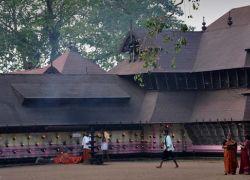
At the entrance of Shri Bhagavati temple are two elephants who await your welcome. This temple is over 500 years old. The presiding deity of temple is Goddess Bhagavati in Ashtabhuja (eight hand) form. Bhagavati is said to be one of the incarnation of Parvati and is related to Goddess Durga. Shri Bhagavati located at a distance of 7 kms. from Pernem in Pernem Taluka, the complex has five temples, the key temple being of Shri Bhagvati, other temples are of Shri Sateri, Shri Dev Ravalnath, Shri Dev Bhivangi Panchakshari and Brahma (Shri Vishnu, Shri Ganapathi, Shri Shankar). Devi Bhagvati temple has two Deepstambhas unique of its kind. Main festivals are Dussehra and annual Zatra.
Explore More
About the Feast of St. Francis Xavier, Goa City The Feast of St. Francis Xavier, celebrated annually on December 3rd in Old Goa, is a vibrant and significant event attracting thousands of devotees. This festival honors St. Francis Xavier, a key figure in spreading Christianity in Goa since 1542. The celebration includes a nine-day novena leading up to the main feast day, featuring a grand Pontifical Mass at the Basilica of Bom Jesus, where his relics are housed. The event is marked by colorful fairs offering local delicacies and traditional crafts, fostering a sense of community among participants from diverse backgrounds. Location The Feast of St. Francis Xavier is celebrated at the Basilica of Bom Jesus in Old Goa, a city located in the Indian state of Goa. Visiting Hours The Basilica of Bom Jesus is open to visitors from 9:00 am to 6:30 pm every day of the week. History The Feast of St. Francis Xavier is held annually on December 3rd to honor the death anniversary of St. Francis Xavier, a Spanish missionary who played a significant role in spreading Christianity in Asia during the 16th century. Church Services and Events Church services are held throughout the day on the Feast of St. Francis Xavier, with special masses and processions taking place to commemorate the occasion. The main event is a solemn mass in the evening. Architectural Facts The Basilica of Bom Jesus is a UNESCO World Heritage Site and is known for its Baroque architecture. The church houses the mortal remains of St. Francis Xavier and is a popular pilgrimage site for Christians around the world. Accessibility and Directions The Basilica of Bom Jesus is easily accessible by car or public transport. There is parking available nearby, and the church is wheelchair accessible for visitors with mobility issues. Visitor's Information There is no entry fee to visit the Basilica of Bom Jesus, and guides are available for hire for those who want a more in-depth tour of the church. Nearby attractions to visit around the Basilica include the Se Cathedral and the Church of St. Cajetan. There are no specific dress codes for visitors, but it is recommended to dress modestly out of respect for the religious site.
Explore More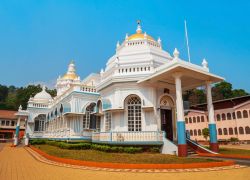
Welcome to the vibrant city of Goa, where ancient heritage meets natural beauty. One of the must-visit attractions in this city is the Mangeshi Temple, a place of serenity and spirituality that captivates visitors with its rich history and architectural splendor. History of Mangeshi Temple The Mangeshi Temple holds a significant historical background as it dates back to the 18th century and has been a symbol of faith for generations. Originally a royal hunting ground, the temple stands as a testament to the spiritual essence of the region. Its conservation efforts have preserved its grandeur, earning it recognition by UNESCO for its cultural importance. Architecture and Natural Beauty of Mangeshi Temple Surrounded by lush greenery and set amidst picturesque landscapes, Mangeshi Temple boasts a tranquil natural environment that complements its exquisite architecture. The temple is known for its intricate designs, reflecting the rich cultural heritage of the region. Visitors can also explore the nearby wetlands, forests, and bird habitats that add to the charm of the surroundings. Why is Mangeshi Temple Famous? Mangeshi Temple is renowned for its spiritual significance and architectural beauty, attracting not only devotees but also birdwatchers, photographers, nature enthusiasts, and wildlife lovers. The temple's serene ambiance and historical value make it a popular destination for those seeking a blend of culture and natural wonders. How to Reach Mangeshi Temple Traveling to Mangeshi Temple is convenient, with options available by air, rail, and road. The nearest airport is located in Dabolim, while the nearest railway station is in Madgaon. Visitors can easily access the temple via well-connected roads, enjoying a scenic journey through the picturesque landscapes of Goa. Weather and Best Time to Visit Mangeshi Temple Goa experiences pleasant weather throughout the year, with distinct summer, monsoon, and winter seasons. The best time to visit Mangeshi Temple is during the winter months when the weather is mild and comfortable, offering an ideal setting for exploration and sightseeing. Timings of Mangeshi Temple Mangeshi Temple welcomes visitors during specific timings, allowing them to explore its beauty and spirituality. It is advisable to check for any seasonal variations in timings to plan your visit effectively and make the most of your experience at the temple. Entry Fee and Visit Details Entry to Mangeshi Temple is usually free for devotees, with optional guide services available for a more insightful tour. Visitors can also explore the vicinity on safaris, rent bicycles for a leisurely ride, and utilize the visitor facilities provided for a comfortable and memorable visit. Things to Do at Mangeshi Temple At Mangeshi Temple, visitors can engage in various activities such as birdwatching, photography, cycling, walking trails, and nature observation. The serene ambiance of the temple and its surroundings offer a perfect setting for educational experiences and moments of tranquility amid nature's beauty. Interesting Facts About Mangeshi Temple The Mangeshi Temple is not only a spiritual sanctuary but also a haven for migratory birds and diverse biodiversity. The conservation efforts surrounding the temple have led to significant achievements in preserving the ecological balance of the region, making it an important landmark in the cultural and natural heritage of Goa. Travel Tips for Visiting Mangeshi Temple When visiting Mangeshi Temple, it is advisable to wear comfortable clothing, carry essential photography equipment for capturing memorable moments, and be mindful of the best visiting seasons. Embracing responsible tourism practices ensures the preservation of the temple's sanctity and the natural beauty that surrounds it. Conclusion In conclusion, Mangeshi Temple in Goa City stands as a testament to the rich cultural heritage and natural beauty of the region. Its historical significance, architectural splendor, and tranquil ambiance make it a must-visit destination for travelers seeking a blend of spirituality and serenity amidst the lush landscapes of Goa.
Explore More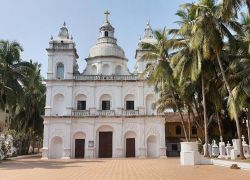
St. Alex Church is one of the most iconic religious landmarks in Calangute, Goa. Known for its architectural beauty, spiritual significance, and vibrant community, this church is a key destination for both pilgrims and tourists. Located in the heart of Calangute, one of Goa’s most popular beach towns, St. Alex Church offers a unique combination of faith, culture, and history. The church is renowned for its beautifully maintained interiors, stunning façade, and serene ambiance. It is an important site for the local Catholic community and hosts several religious festivals, including its annual feast which attracts thousands of devotees. The church also stands out for its harmonious blend of Portuguese colonial architecture with traditional Goan design elements, making it an important cultural and historical attraction in Goa. How to Reach St. Alex Church, Calangute, Goa St. Alex Church is well-connected by road, air, and rail, making it easily accessible for visitors. By Air: The nearest airport is Dabolim Airport (Goa International Airport), approximately 45 kilometers away. From the airport, taxis and rental cars are available to reach Calangute. By Train: The nearest railway station is Thivim Railway Station, about 15 kilometers from Calangute. From there, taxis and buses are available. By Road: Calangute is connected by national highways and state roads to major Goan cities. Regular bus services, taxis, and private vehicles can reach Calangute from Panaji, Margao, and Mapusa. Local Transportation: Auto-rickshaws and taxis are commonly available in Calangute. Walking within Calangute is also convenient due to the compact town layout. Weather at St. Alex Church The climate in Calangute is tropical, making it pleasant for most of the year. Summer (March to May): Temperatures range between 28°C and 35°C. Early mornings and evenings are ideal for sightseeing and visiting the church. Monsoon (June to September): The region experiences heavy rainfall. The church and surrounding greenery look exceptionally scenic during this time, but outdoor activities may be limited. Winter (October to February): Temperatures range from 20°C to 30°C. Winter is considered the best season to visit due to comfortable weather and festive celebrations. Timings of St. Alex Church St. Alex Church is open to visitors throughout the week. Mass and prayer timings vary, but tourists can explore the church at most times during the day. Visiting Hours: 7:00 AM to 6:00 PM Visiting early in the morning or late afternoon is recommended to experience the peaceful ambiance and capture beautiful photographs of the church. Why is St. Alex Church Famous? St. Alex Church is famous for its rich history, Portuguese-influenced architecture, and vibrant religious celebrations. Serves as an important place of worship for the local Catholic community. Famous for its annual feast in honor of St. Alex, celebrated with grand ceremonies and processions. Recognized for its beautiful interiors, stained-glass windows, and well-maintained exteriors. A prominent example of Portuguese colonial architecture blended with Goan styles. Popular among tourists exploring Calangute and nearby beaches. Offers cultural insight into Goa's religious and historical heritage. Entry and Visit Details about St. Alex Church The church welcomes both devotees and tourists, providing a peaceful environment for spiritual reflection and cultural appreciation. Entry Fee: Free entry Guidelines: Maintain silence inside the church premises. Respect local customs and religious practices. Photography is allowed outside the main sanctuary. Seek permission before capturing interiors. Follow signs and directions provided for visitors and devotees. History of St. Alex Church St. Alex Church has its origins dating back to the Portuguese colonial period in Goa. The church was established to cater to the spiritual needs of the local Christian population. Over the centuries, it has undergone renovations and restorations while preserving its original charm. The church is dedicated to St. Alex, a saint revered for his faith and contributions to the Catholic community. Historical records indicate that the church has been a hub of religious and social activities, reflecting the strong Christian heritage of the region. It continues to play an important role in the local community, hosting masses, weddings, and religious celebrations. Architecture of St. Alex Church The architecture of St. Alex Church is a combination of Portuguese colonial and traditional Goan styles. The façade is characterized by intricate stucco work, arched windows, and a prominent bell tower. The interior features beautiful altars, religious iconography, and stained-glass panels depicting biblical scenes. Key architectural highlights include: Portuguese-style bell tower Ornate altar and pulpit Stained-glass windows with vibrant colors Spacious nave and prayer halls Well-maintained garden and courtyard around the church Things to Do at St. Alex Church 1. Attend Mass Experience the spiritual atmosphere by attending morning or evening mass services. 2. Explore Architecture Observe the intricate Portuguese-influenced design and interior details of the church. 3. Photography Capture the church's exterior and surrounding areas. Be mindful of religious sensitivities inside. 4. Learn Local History Gain insight into Goa's Christian heritage and the historical significance of St. Alex Church. 5. Visit Nearby Attractions Combine your visit with nearby Calangute Beach, Baga Beach, and Anjuna Flea Market for a complete Goan experience. Interesting Facts about St. Alex Church One of the oldest churches in North Goa. Famous for the annual feast of St. Alex, which attracts thousands of devotees. Represents Portuguese colonial influence in architecture. Regularly visited by tourists exploring Goa’s cultural and religious heritage. Serves as a community center for local celebrations and events. Situated near popular beaches, making it a convenient stop for travelers. Travel Tips for Visiting St. Alex Church Visit during winter (October to February) for comfortable weather. Respect religious customs and dress modestly. Carry a hat, sunscreen, and water if visiting in summer. Photography is best done during daylight hours. Combine the visit with nearby attractions like Calangute and Baga beaches. Arrive early in the morning to avoid crowds and enjoy a peaceful atmosphere. Take guided tours to understand the historical and cultural context better. Follow local instructions during mass or religious events. Wear comfortable shoes for walking around the church and courtyard. Plan sufficient time for visiting the church and nearby tourist spots. Conclusion St. Alex Church, Calangute, Goa, is a must-visit destination for anyone interested in spirituality, history, and Portuguese-influenced architecture. Its peaceful ambiance, stunning design, and cultural significance make it one of Goa’s iconic landmarks. Visitors can enjoy the rich heritage, participate in religious activities, and explore the surrounding scenic areas. Whether you are a pilgrim, a history enthusiast, or a traveler seeking serene locations, St. Alex Church offers an enriching and memorable experience in the heart of Calangute.
Explore More
Three Kings Chapel is one of the most fascinating and scenic landmarks in Cansaulim, Goa. Situated on the top of a peaceful hill, this beautiful chapel attracts visitors with its breathtaking panoramic views, peaceful surroundings, and mysterious legends. Unlike many crowded tourist attractions in Goa, Three Kings Chapel offers a calm atmosphere where visitors can enjoy nature, history, and spirituality all at once. The chapel is dedicated to the Three Wise Men, also known as the Three Kings, who are believed to have visited Jesus after His birth. The place has become popular not only for its religious significance but also because of the interesting folklore and ghost stories associated with it. Whether you are a history lover, a photography enthusiast, or someone looking for a peaceful destination away from busy beaches, Three Kings Chapel is worth visiting. History of Three Kings Chapel, Cansaulim, Goa The history of Three Kings Chapel dates back to the Portuguese colonial period when Christianity spread across Goa. The chapel was constructed to honor the Three Kings or Magi—Melchior, Caspar, and Balthazar—who followed the Star of Bethlehem to visit the newborn Jesus Christ. Apart from its religious background, the chapel is also famous because of an old local legend. According to folklore, three Portuguese kings or local rulers once fought over the control of the nearby villages. One of them invited the other two rulers for a feast and secretly poisoned them to gain complete control of the area. After realizing the consequences of his actions and facing public anger, the surviving ruler is believed to have taken his own life. Many locals believe that the spirits of these rulers still haunt the hill, making the chapel one of Goa's most talked-about mysterious places. Although there is no historical evidence confirming this legend, the story has added to the popularity of the chapel and attracts many curious visitors every year. Architecture of Three Kings Chapel The architecture of Three Kings Chapel reflects the traditional Portuguese style seen in many churches and chapels across Goa. The building has a simple yet elegant white exterior that blends beautifully with the lush green surroundings. The chapel is not very large, but its peaceful design and hilltop location make it visually attractive. Inside the chapel, visitors can find a simple altar dedicated to the Three Kings. The interiors are modest, maintaining a calm and spiritual atmosphere. The windows allow natural light to enter, creating a pleasant environment for prayer and reflection. The chapel is surrounded by open spaces and tall trees, making it a perfect viewpoint. From the hilltop, visitors can enjoy spectacular views of nearby villages, paddy fields, coconut groves, and the Arabian Sea in the distance. Why is Three Kings Chapel Famous? Three Kings Chapel is famous for several reasons that make it unique among Goa's religious landmarks. Scenic Hilltop Location: The chapel offers one of the best panoramic viewpoints in South Goa. Visitors enjoy beautiful sunrise and sunset views from the hilltop. Mysterious Legends: The famous ghost stories surrounding the chapel have made it a popular destination for adventure seekers and paranormal enthusiasts. Religious Importance: The chapel is dedicated to the Three Wise Men, making it an important place of worship for local Christians. Photography Spot: The peaceful atmosphere, beautiful architecture, and scenic surroundings make it a favorite location for photography lovers. How to Reach Three Kings Chapel, Cansaulim, Goa Reaching Three Kings Chapel is quite convenient as it is well connected by road and located close to several important transport hubs in Goa. By Air: Goa International Airport (Dabolim Airport) is approximately 12 to 15 kilometers away. Visitors can hire taxis or book app-based cabs to reach the chapel. By Train: Cansaulim Railway Station is the nearest railway station, located around 3 kilometers from the chapel. Vasco da Gama Railway Station and Madgaon Railway Station also provide good connectivity. By Road: The chapel is accessible by private vehicles, taxis, rental scooters, and motorcycles. Goa's well-maintained roads make the journey comfortable. By Bus: Local buses operate between Margao, Vasco da Gama, and nearby villages. From Cansaulim bus stop, visitors can take an auto-rickshaw or taxi to the hilltop. Weather at Three Kings Chapel, Cansaulim, Goa The weather in Cansaulim remains pleasant for most of the year, although each season offers a different experience. Winter (November to February): Temperatures range between 20°C and 30°C. This is the best season for sightseeing, photography, and enjoying clear views. Summer (March to May): Temperatures range from 25°C to 35°C. The afternoons can be warm, so morning or evening visits are recommended. Monsoon (June to September): Heavy rainfall transforms the surroundings into lush greenery. The hill becomes extremely scenic, although roads may become slippery. Timing of Three Kings Chapel The chapel is generally open throughout the day for visitors. Opening Time: Around 6:00 AM Closing Time: Around 7:00 PM Early morning and evening are considered the best times to visit due to pleasant weather and beautiful natural lighting. Entry and Visit Details Entry Fee: No entry fee is charged for visiting Three Kings Chapel. Photography: Photography is generally allowed in the outdoor areas. Visitors should remain respectful while taking photographs inside the chapel. Duration of Visit: Most visitors spend around 30 minutes to 1.5 hours exploring the chapel and enjoying the surrounding viewpoints. Accessibility: The final stretch includes a short uphill climb. Comfortable footwear is recommended. Things to Do at Three Kings Chapel Enjoy the Panoramic Views: The hilltop offers spectacular views of South Goa's countryside and coastline. Photography: Capture stunning landscape photographs, especially during sunrise and sunset. Experience the Peaceful Atmosphere: Spend quiet moments relaxing and enjoying nature. Explore Local Legends: Learn about the mysterious folklore and ghost stories associated with the chapel. Visit Nearby Beaches: Cansaulim Beach, Arossim Beach, and Majorda Beach are located nearby and can easily be included in the same trip. Attend the Feast of the Three Kings: Every year on January 6, a special religious celebration takes place with prayers and local festivities. Interesting Facts about Three Kings Chapel • The chapel is one of the highest viewpoints in South Goa. • It is famous for both religious importance and mysterious folklore. • The annual Feast of the Three Kings attracts pilgrims from nearby villages. • It offers breathtaking sunrise and sunset views. • The chapel is often featured in travel documentaries and Goa tourism guides. • The surrounding greenery makes it a peaceful escape from Goa's crowded beaches. Travel Tips for Visiting Three Kings Chapel Visit During Morning or Evening: The weather is cooler, and the lighting is ideal for photography. Wear Comfortable Shoes: A short uphill walk is required to reach the chapel. Carry Drinking Water: There are limited shops near the hilltop. Respect Religious Customs: Dress modestly and maintain silence inside the chapel. Avoid Littering: Help preserve the natural beauty of the surroundings. Be Careful During Monsoon: The pathways can become slippery after rainfall. Combine Nearby Attractions: Plan your visit along with nearby beaches, churches, and villages to make the most of your day. Best Time to Visit Three Kings Chapel The ideal time to visit Three Kings Chapel is between November and February, when Goa experiences pleasant weather and clear skies. The months of December and January are particularly popular because of the annual Feast of the Three Kings celebration. Visitors who enjoy lush green landscapes may prefer the monsoon season, while photographers often visit during sunrise or sunset to capture spectacular views from the hilltop. Conclusion Three Kings Chapel in Cansaulim, Goa, is a unique destination that beautifully combines history, religious significance, scenic beauty, and fascinating local legends. Perched on a tranquil hilltop, it offers visitors an opportunity to experience peaceful surroundings while enjoying breathtaking panoramic views of South Goa. The chapel's simple Portuguese architecture, mysterious folklore, annual religious celebrations, and nearby natural attractions make it an excellent destination for travelers of all interests. Whether you are exploring Goa's cultural heritage, searching for beautiful viewpoints, or simply looking for a quiet place away from crowded tourist spots, Three Kings Chapel provides a memorable and enriching experience.
Explore MoreGoa Tour Package 8 Nights - 9 Days
9 Days/ 8 Night
Goa City - North Goa - South Goa - Panaji
3 Night - 4 Days Goa Tour Package
4 Days/ 3 Night
Goa City - North Goa - South Goa
Goa Signature Holiday 6N - 7D Tour
7 Days/ 6 Night
Goa City - North Goa - South Goa
Goa Grand Island Tour Package 3 Night 4 Days
4 Days/ 3 Night
Goa City - North Goa - South Goa