"Discover ancient wisdom etched in stone."
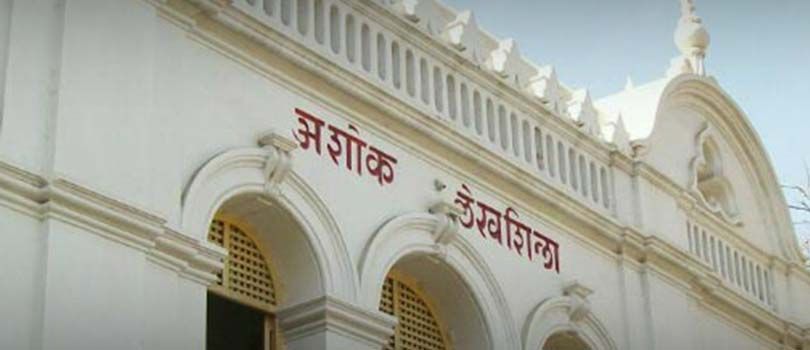
Ashokan Edicts in Junagadh are one of the most important historical and archaeological treasures of India. These ancient inscriptions, carved on a large rock, date back to the reign of Emperor Ashoka of the Mauryan dynasty in the 3rd century BCE. Located at the foothills of the Girnar Hills, these edicts provide valuable insights into the policies, teachings, and governance of Emperor Ashoka.
How to Reach Ashokan Edicts, Junagadh
The Ashokan Edicts are located close to Junagadh city and are easily accessible by different modes of transport.
Weather
Junagadh experiences a tropical climate, making it important to plan your visit accordingly.
Timings
The Ashokan Edicts site is generally open from 8:00 AM to 6:00 PM. Visitors are advised to visit during daylight hours for a better experience and to read the inscriptions clearly.
Why Famous for Ashokan Edicts, Junagadh?
The Ashokan Edicts are famous for their historical and cultural importance. These inscriptions were issued by Emperor Ashoka to spread his message of peace, morality, and good governance after the Kalinga War.
The edicts at Junagadh are unique because they also include inscriptions from later rulers like Rudradaman I and Skandagupta, making the site a rare example of multi-period historical records on a single rock. The messages carved here emphasize non-violence, respect for all religions, and welfare of the people.
Entry and Visit Details
Entry Fee: The entry fee is minimal, usually around ₹10 to ₹25 for Indian visitors. Charges may vary for foreign tourists.
Duration of Visit: Visitors typically spend about 30 minutes to 1 hour exploring the site and reading the inscriptions.
Facilities: Basic facilities such as pathways and information boards are available. The site is maintained by the Archaeological Survey of India (ASI).
History and Architecture
The Ashokan Edicts at Junagadh date back to the 3rd century BCE and are among the earliest written records of Indian history. These inscriptions were engraved on a massive natural rock using the Brahmi script and Prakrit language.
Emperor Ashoka used these edicts to communicate his policies and moral teachings to the public. The inscriptions cover topics such as ethical behavior, justice, religious tolerance, and the welfare of citizens.
In addition to Ashoka’s inscriptions, the same rock also features a famous inscription by Rudradaman I from the 2nd century CE, written in Sanskrit, which is considered one of the earliest long inscriptions in classical Sanskrit. Another inscription by Skandagupta from the Gupta period highlights the repair of the Sudarshan Lake.
Architecturally, the site is simple, as it mainly consists of a large engraved rock protected by a structure to preserve it from weather damage. The importance of the site lies in its inscriptions rather than physical architecture.
Things to Do at Ashokan Edicts, Junagadh
Visitors can engage in several interesting activities:
Facts and Tips About Ashokan Edicts, Junagadh
Conclusion
Ashokan Edicts in Junagadh are a remarkable testament to India’s ancient history and the vision of Emperor Ashoka. The site offers a unique opportunity to connect with the past and understand the values that shaped early Indian civilization. Whether you are a history enthusiast or a curious traveler, visiting the Ashokan Edicts is an enriching and educational experience.




















Junagadh
Junagadh
Junagadh
Junagadh
Junagadh
Junagadh
Junagadh
Junagadh
Junagadh
Junagadh