
Welcome to Virasat-e-Khalsa, located in the picturesque city of Anandpur. This cultural hotspot is a mesmerizing blend of history, architecture, and natural beauty, attracting tourists from all around the globe. History of Virasat-e-Khalsa Virasat-e-Khalsa holds a rich historical background, serving as a symbol of Sikh heritage and culture. Originally a former royal hunting ground, this site has been transformed into a cultural center dedicated to showcasing the history and traditions of Sikhism. Recognized by UNESCO for its cultural significance, the park stands as a testament to the valor and resilience of the Sikh community. Architecture and Natural Beauty of Virasat-e-Khalsa The park boasts a diverse natural environment comprising wetlands, forests, and grasslands that serve as habitats for a variety of bird species. Among the lush landscapes lies the ancient Keoladeo Temple, adding a touch of historical charm to the surroundings. Why is Virasat-e-Khalsa Famous? Virasat-e-Khalsa is renowned for its appeal to birdwatchers, photographers, nature enthusiasts, and wildlife lovers. The park's biodiversity and serene surroundings offer a unique experience for visitors seeking to immerse themselves in the wonders of nature. How to Reach Virasat-e-Khalsa Traveling to Virasat-e-Khalsa is convenient, with options available by air, rail, and road. The nearest airports and railway stations provide easy access to this cultural gem, ensuring a smooth journey for tourists. Weather and Best Time to Visit Virasat-e-Khalsa The weather at Virasat-e-Khalsa varies across seasons, with summer, monsoon, and winter each offering a different experience. To make the most of your visit, plan your trip during the best months when the weather is most favorable. Timings of Virasat-e-Khalsa Visitors can explore Virasat-e-Khalsa during specific timings, with variations based on the season. It is advisable to check for any seasonal changes and plan your visit accordingly to maximize your experience. Entry Fee and Visit Details Entry procedures at Virasat-e-Khalsa are hassle-free, with guide services, safari options, bicycle rentals, and visitor facilities available to enhance your visit. Ensure a smooth and enjoyable trip by taking advantage of these services. Things to Do at Virasat-e-Khalsa Engage in popular activities at Virasat-e-Khalsa such as birdwatching, photography, cycling, walking trails, and nature observation. Immerse yourself in the beauty of the surroundings and create unforgettable memories during your visit. Interesting Facts About Virasat-e-Khalsa Virasat-e-Khalsa is home to a diverse range of migratory birds, reflecting the park's commitment to conservation and ecological preservation. Learn about the park's conservation achievements and the critical role it plays in protecting biodiversity. Travel Tips for Visiting Virasat-e-Khalsa When planning your visit to Virasat-e-Khalsa, remember to pack appropriate clothing, necessary photography equipment, and gear for birdwatching. Familiarize yourself with the best visiting seasons and adhere to responsible tourism practices to ensure a positive and sustainable travel experience. Conclusion In conclusion, Virasat-e-Khalsa in Anandpur offers a unique blend of history, culture, and natural beauty that captivates visitors. Explore the rich heritage of Sikhism, immerse yourself in the lush landscapes, and create lasting memories at this cultural hotspot in the heart of Anandpur.
Explore More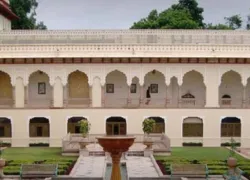
Maharaja Ranjit Singh War Museum
Maharaja Ranjit Singh War Museum is a famous tourist attraction in Ludhiana. Bearing the name of the warrior Sikh ruler, Maharaja Ranjit Singh, this museum glorifies the bravery and heroism of the Indian soldiers that laid their lives while fighting with the enemy. There are different galleries in the museum that narrate the heroic tales of the valiant soldiers that were a part of the bloodiest wars that were fought by the Indian Army. It Is Known For:- 1) The surroundings of this museum are enchanting and provide a sense of calmness to its guests. 2) Maharaja Ranjit Singh War Museum houses various galleries where the information about the battles fought by the Indian army is displayed. It also tells about the transformation of the army men from the British India till present-day India. 3) The galleries like Kargil Gallery and History Gallery shouldn't be missed. Kargil Gallery provides the information about the entire strategy of army and the weapons used by them. 4) Historic Gallery displays the information about the battles fought by the army of Maharaja Ranjit Singh, especially his last battle. Best Time To Visit:- Maharaja Ranjit Singh War Museum is a prominent tourist site in Ludhiana. Although it is visited by the tourists and visitors on a daily basis, being a part of the Independence and Republic Day celebrations at this place is an experience in itself. Reaching There:- Maharaja Ranjit Singh War Museum is located near the National Highway-1 that connects Amritsar and Ludhiana. Such connectivity makes it possible for the people to reach the place easily. The local buses are available in multitude for reaching the museum. Nearest Railway Station:- Ludhiana Junction Nearest Airport:- Ludhiana Airport
Explore More
Welcome to Ropar Archaeological Museum, a gem nestled in the historic city of Ropar. This museum stands as a testament to the rich cultural heritage and archaeological significance of the region. Visitors are drawn to its intriguing exhibits and artifacts that offer a glimpse into the glorious past of Ropar. History of Ropar Archaeological Museum The Ropar Archaeological Museum holds a profound historical background, showcasing artifacts dating back to ancient civilizations. It is situated on the former royal hunting grounds, adding a touch of grandeur to its surroundings. The museum's conservation efforts have been commendable, preserving valuable relics for future generations. Its importance has been recognized by UNESCO, further solidifying its status as a cultural treasure. Architecture and Natural Beauty of Ropar Archaeological Museum Surrounded by lush wetlands, verdant forests, and picturesque grasslands, the museum boasts a natural setting that is both serene and captivating. Bird habitats thrive in this ecosystem, attracting a diverse range of avian species. The historical Keoladeo Temple, located within the museum premises, adds a spiritual aura to the landscape. Why is Ropar Archaeological Museum Famous? Ropar Archaeological Museum is renowned for its appeal to birdwatchers, photographers, nature enthusiasts, and wildlife lovers. The abundance of natural beauty and historical artifacts make it a haven for those seeking a deeper connection with the past and the environment. How to Reach Ropar Archaeological Museum Traveling to Ropar Archaeological Museum is convenient, with options available by air, rail, and road. The nearest airports and railway stations provide easy access to this cultural hub, allowing visitors to embark on a journey of discovery. Weather and Best Time to Visit Ropar Archaeological Museum The museum experiences varying weather conditions throughout the year, with distinct summer, monsoon, and winter seasons. The best time to visit is during the months when the climate is pleasant, ensuring an enjoyable and comfortable exploration of the exhibits. Timings of Ropar Archaeological Museum Visitors can explore the museum during specific timings, with variations based on the season. This information is crucial for effective trip planning and ensuring a fulfilling visit to this historical treasure trove. Entry Fee and Visit Details Entry procedures to the museum are straightforward, with guide services available for a more enriching experience. Safari options, bicycle rentals, and visitor facilities cater to the diverse needs of guests, enhancing their overall visit. Things to Do at Ropar Archaeological Museum Engage in popular activities such as birdwatching, photography, cycling, walking trails, and nature observation within the museum premises. Educational experiences await those curious about the history and biodiversity showcased here. Interesting Facts About Ropar Archaeological Museum Discover fascinating facts about migratory birds, biodiversity conservation efforts, and the ecological significance of the museum. These insights shed light on the interconnectedness of history and nature within this cultural hub. Travel Tips for Visiting Ropar Archaeological Museum Prepare for your visit by considering clothing choices, photography essentials, birdwatching equipment, and the ideal seasons to explore the museum. Embrace responsible tourism practices to ensure the preservation of this heritage site for future generations. Conclusion In conclusion, Ropar Archaeological Museum in Ropar stands as a beacon of cultural richness and historical splendor. Its significance transcends time, offering visitors a profound journey through the past and the natural beauty that surrounds it. A visit to this museum is not just a trip; it's an immersive experience that leaves a lasting impact on all who wander through its hallowed halls.
Explore MoreBest Of Himachal Pradesh Trip 10 Night - 11 Days
11 Days/ 10 Night
Dalhousie - Khajjiar - Kufri - Manali - Shimla - Dharamshala - Amritsar - Mcleodganj
Amritsar - Kandaghat - 6 Nights - 7 Days Tour
7 Days/ 6 Night
Kufri - Solan - Amritsar
Shimla-Manali-Dalhousie with Amritsar
8 Days/ 7 Night
Amritsar - Dalhousie - Khajjiar - Kufri - Manali - Shimla - Fagu
Dharamshala - Dalhousie - Amritsar Tour Package 5 Nights - 6 Days
6 Days/ 5 Night
Dalhousie - Khajjiar - Dharamshala - Amritsar - Mcleodganj