"Discover diverse plant species in a tranquil setting."
Utrecht University Botanic Gardens, located in the eastern part of Utrecht, Netherlands, is one of the oldest and largest botanical gardens in the country. Established in 1639, the gardens have evolved over centuries, incorporating various plant collections and research facilities. Today, they serve as a hub for botanical research, conservation, and public education.
How to Reach Utrecht University Botanic Gardens
The gardens are situated in the Utrecht Science Park (De Uithof), approximately 4.7 kilometers from Utrecht's city center. Visitors can reach the gardens via:
Weather in Utrecht
Utrecht experiences a temperate maritime climate with mild summers and cool winters. Average temperatures range from 3°C in January to 17°C in July. Rain is evenly distributed throughout the year, so it's advisable to carry an umbrella or raincoat when visiting.
Timing
The Utrecht University Botanic Gardens are open daily from 10:00 AM to 4:30 PM between March 1 and November 30. The gardens are closed during the winter months, from December to February. It's recommended to check the official website for any changes in opening hours or special events.
Why is Utrecht University Botanic Gardens Famous?
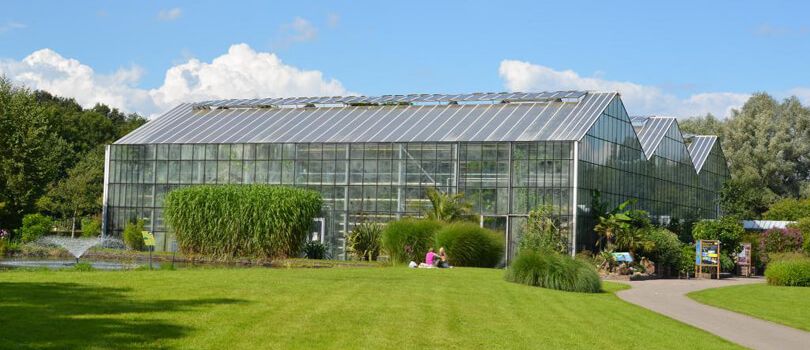
The gardens are renowned for their extensive plant collections, including over 10,000 species from around the world. They feature thematic areas such as the rock garden, evolutionary garden, and tropical greenhouses. The gardens also play a crucial role in botanical research and conservation, focusing on biodiversity and sustainable plant use.
Entry and Visit Details
Admission fees are as follows:
Tickets can be purchased at the entrance or online through the official website. For those planning multiple visits, a yearly membership is available for €35, offering unlimited access and supporting the gardens' educational and conservation efforts.
History and Architecture
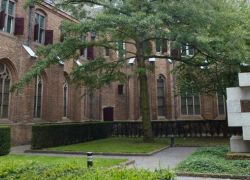
The history of the gardens dates back to 1639, with the first botanical garden established for medicinal purposes. Over the centuries, the gardens have relocated and expanded, incorporating various plant collections. The current site at Fort Hoofddijk, a former military fort, was acquired in 1963. The fort's historical architecture blends seamlessly with the surrounding botanical displays, creating a unique setting for the gardens.
Things to Do
Facts and Tips about Utrecht University Botanic Gardens