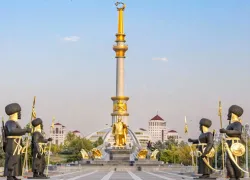
The Independence Monument is a national symbol located in the heart of Ashgabat, the capital of Turkmenistan. Standing as a symbol of the country’s sovereignty, the monument celebrates Turkmenistan’s independence from the Soviet Union, which was achieved in 1991. With its impressive architecture and significance, it draws both locals and tourists to witness a beautiful blend of history and modernity. The monument is a must-see landmark for anyone visiting the capital, offering a deeper understanding of Turkmenistan's journey toward independence. How to Reach Independence Monument, Ashgabat Independence Monument is centrally located in Ashgabat, making it easily accessible from various parts of the city. The most convenient way to reach the monument is by taking a taxi or using a ride-sharing service, both of which are popular and affordable options. Public transportation options, such as buses, also pass by the monument. If you're staying in central Ashgabat, the monument is usually a short distance away, making it accessible on foot as well. Weather in Ashgabat Ashgabat experiences a desert climate, which means hot summers and mild winters. The best time to visit the Independence Monument is during the spring (March to May) or fall (September to November) when temperatures are comfortable. Summer temperatures can soar above 40°C (104°F), so it’s important to stay hydrated and wear sunscreen if you plan to visit during this time. Winters are mild, with temperatures rarely dropping below freezing, making it a great time to explore the city without extreme heat. Timings of Independence Monument The Independence Monument is an open-air structure, meaning you can visit at any time of the day. However, the best time to visit is during the evening when the monument is beautifully lit, and you can experience its grandeur under the night sky. The monument is open to the public 24/7, and there are no specific visiting hours. However, if you're looking to explore nearby attractions or museums, it is advised to visit during daylight hours when other sites in the area are open. Why the Independence Monument is Famous The Independence Monument is famous primarily for its significance as a symbol of Turkmenistan’s hard-fought independence from the Soviet Union. The monument stands tall as a beacon of national pride and sovereignty. It was completed in 2001 and symbolizes the country’s rebirth as an independent nation. The design incorporates elements of Turkmen culture and history, making it a symbol of unity and national identity. The impressive 91-meter (299-foot) tall structure is one of the tallest monuments in the country, drawing admiration for its beauty and symbolism. Entry and Visit Details Visiting the Independence Monument is free of charge, and there are no specific entry requirements for tourists. It is located in a large open space, surrounded by fountains and well-maintained gardens. There are no strict visiting hours, as it is an outdoor monument, but it is advisable to visit during the day or early evening to enjoy its full splendor. You may also want to consider a guided tour to learn more about the history behind the monument and its significance in Turkmenistan's modern history. History of the Independence Monument The Independence Monument was erected to commemorate Turkmenistan’s independence from the Soviet Union in 1991. The country celebrated its newfound autonomy, and this monument was built as a permanent reminder of the struggle and sacrifices that led to the independence of the nation. The monument was completed in 2001, almost a decade after independence was achieved, and it is positioned in such a way that it dominates the Ashgabat skyline. The design of the monument incorporates elements that reflect Turkmen history, including a golden statue of the first president of Turkmenistan, Saparmurat Niyazov, known as Turkmenbashi. Architecture of the Independence Monument The monument’s architecture is a grand representation of Turkmenistan’s history and culture. The centerpiece is a large golden statue of Turkmenbashi, which is surrounded by several smaller sculptures and fountains. The structure is designed in the form of a traditional Turkmen yurt, symbolizing the nation’s deep connection to its nomadic roots. The tall column at the center is adorned with intricate carvings that depict scenes of Turkmen life, as well as motifs of the country's past and its journey toward independence. The monument is flanked by beautifully landscaped gardens and wide walkways, adding to the majesty of the site. Things to Do Around the Independence Monument While visiting the Independence Monument, there are several activities to enjoy in the surrounding area. You can take a leisurely walk around the beautifully landscaped gardens and fountains, taking in the grandeur of the monument from different angles. There are also nearby museums that offer further insight into the history of Turkmenistan, including the National Museum of Turkmenistan, which is located not far from the monument. If you’re interested in local culture, you can visit nearby markets and shop for traditional Turkmen souvenirs such as carpets, textiles, and handcrafted jewelry. Facts about the Independence Monument The monument was completed in 2001 and is 91 meters tall, symbolizing the year of Turkmenistan’s independence (1991). The golden statue of Turkmenbashi at the center of the monument is made of bronze and is a symbol of the country's first president. The monument’s base includes intricate carvings that reflect Turkmen culture, history, and the country’s independence struggle. It is one of the tallest monuments in Turkmenistan and one of the most important landmarks in Ashgabat. Tips for Visiting the Independence Monument Dress appropriately for the hot desert climate, especially during the summer months. Wear light, breathable clothing and sunscreen. Carry a water bottle with you, as temperatures can get very hot in Ashgabat. Consider visiting during the evening to see the monument beautifully lit up against the night sky. Take your time exploring the surrounding gardens and fountains; it's a peaceful place to reflect on the history of the country. Don’t forget to bring a camera, as the monument offers fantastic photo opportunities, especially with the golden statue and the surrounding architecture. Conclusion The Independence Monument in Ashgabat, Turkmenistan, is a symbol of the nation's hard-fought independence and a magnificent piece of architecture that draws visitors from around the world. With its striking design, historical significance, and beautiful location, it is a must-see attraction for anyone visiting Turkmenistan's capital. Whether you're a history buff or simply someone who appreciates impressive architecture, the Independence Monument offers a unique glimpse into the country’s past and present. Don’t forget to take in the surrounding area, and be sure to capture some incredible photos of this grand monument.
Explore More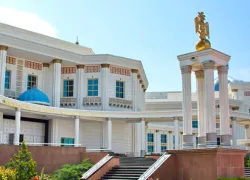
The Turkmenistan National Museum is one of the most important cultural landmarks in Ashgabat, Turkmenistan. Established in 1998, this museum offers visitors a comprehensive insight into the rich history, culture, and heritage of the country. The museum showcases a vast collection of artifacts that span several millennia, from the ancient civilizations of the region to the modern history of Turkmenistan. It is an ideal destination for anyone looking to understand the cultural and historical evolution of this fascinating Central Asian country. How to Reach Turkmenistan National Museum The Turkmenistan National Museum is located in the capital city of Ashgabat, which is easily accessible by various modes of transportation. The museum is situated in the city center, so it can be reached by taxi, ride-sharing services, or public transport. Ashgabat also has a well-connected network of buses, so taking a bus that passes near the museum is a good option. If you're staying in a central hotel or guesthouse, the museum is just a short drive or walk away. Weather in Ashgabat Ashgabat has a desert climate, characterized by hot summers and mild winters. The best time to visit the Turkmenistan National Museum is during the spring (March to May) or autumn (September to November), when the weather is comfortable for walking and exploring. Summer months can be extremely hot, with temperatures exceeding 40°C (104°F), so it's advisable to wear light, breathable clothing and carry plenty of water if you visit during this season. Winter temperatures are generally mild, but it’s still recommended to wear layers to stay warm. Timings of Turkmenistan National Museum The Turkmenistan National Museum is open every day from 9:00 AM to 5:00 PM, except on national holidays. It is closed on Mondays. The museum's schedule allows enough time to explore its extensive collections and exhibits. Visitors are encouraged to arrive early to take full advantage of the museum's exhibits, as it can get busier in the afternoons. For those interested in a more in-depth experience, guided tours are available during the opening hours. Why the Turkmenistan National Museum is Famous The Turkmenistan National Museum is famous for its vast and diverse collection that covers the entire history of the country, from ancient times to the present day. The museum is divided into several sections, including archaeology, ethnography, natural history, and Turkmenistan's Soviet era. The exhibits highlight the cultural heritage of the Turkmen people, showcasing items such as traditional clothing, carpets, ancient coins, and artworks. The museum’s unique displays also emphasize the nomadic traditions of the Turkmen people and the evolution of their society over the centuries. Entry and Visit Details Visiting the Turkmenistan National Museum is generally free for tourists. There is no entry fee, but it is recommended to bring identification for possible entry checks. The museum has an organized and user-friendly layout, with clear signage in both Turkmen and English. Visitors are encouraged to take a guided tour for a deeper understanding of the exhibits and the country’s history. The museum's knowledgeable staff can provide insights into the rich heritage of Turkmenistan and guide you through the exhibits. The museum also offers audio guides in various languages, making it more accessible to international visitors. History of the Turkmenistan National Museum The Turkmenistan National Museum was founded in 1998, soon after the country gained independence from the Soviet Union in 1991. The establishment of the museum was part of Turkmenistan's efforts to preserve and celebrate its unique history, culture, and traditions. It was designed to reflect the country's aspirations to promote national pride and cultural awareness. The museum's collection includes artifacts from various periods, including the ancient Parthian Empire, the Seljuk Turks, and the Turkmen people’s nomadic past. Today, it serves as a vital institution for education and cultural preservation in Turkmenistan. Architecture of the Turkmenistan National Museum The architecture of the Turkmenistan National Museum is a striking example of modern design combined with traditional Turkmen elements. The building itself is a grand, white-marble structure that reflects the nation's rich architectural heritage. The museum's facade is decorated with intricate carvings and symbols that evoke Turkmen cultural identity. Inside, the museum is spacious and well-lit, with expansive halls that house the diverse collections. The design of the museum creates an atmosphere of reverence and respect for the cultural treasures it holds. Things to Do Around the Turkmenistan National Museum In addition to exploring the museum's exhibits, visitors can enjoy a stroll around the surrounding area, which is home to several other key landmarks in Ashgabat. The Museum is located near the Independence Monument and the Palace of Peace and Neutrality, which are both worth visiting for those interested in learning more about Turkmenistan’s modern history. The nearby parks and gardens also provide a relaxing space to unwind after a museum visit. Additionally, the local markets offer opportunities to shop for traditional Turkmen handicrafts, such as carpets, textiles, and jewelry. Facts about the Turkmenistan National Museum The museum was established in 1998, shortly after Turkmenistan became an independent country. It houses over 150,000 artifacts, including ancient coins, textiles, jewelry, and archaeological finds from different periods of Turkmen history. The museum has several permanent and temporary exhibitions that showcase Turkmenistan's rich culture, history, and natural environment. The building is designed with traditional Turkmen motifs, incorporating elements like marble, gold, and intricate patterns that reflect the country's cultural identity. It is one of the largest museums in Central Asia, attracting both local and international visitors. Tips for Visiting the Turkmenistan National Museum Visit in the morning to avoid crowds, especially if you’re visiting on weekends or public holidays. Wear comfortable shoes, as the museum is large, and you may be walking for extended periods of time. If you’re unfamiliar with Turkmenistan’s history, consider taking a guided tour to learn more about the exhibits and their significance. Carry water, especially if you’re visiting during the warmer months, as temperatures in Ashgabat can be quite high. Don’t forget to bring a camera, as there are plenty of opportunities to capture the beautiful exhibits and architecture. Conclusion The Turkmenistan National Museum is a cultural treasure trove that provides visitors with an enriching experience about the history and heritage of Turkmenistan. With its impressive architecture, extensive collections, and informative exhibits, the museum offers a fascinating journey through time, from ancient civilizations to modern Turkmenistan. Whether you're a history enthusiast, an art lover, or simply curious about Turkmenistan, this museum is a must-visit destination in Ashgabat. Take the time to explore its collections and learn about the rich cultural fabric that defines this remarkable country.
Explore More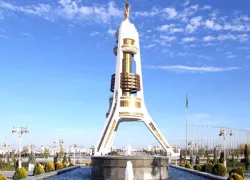
The Ashgabat Arch of Neutrality is one of the most iconic landmarks in Turkmenistan’s capital city, Ashgabat. Standing at 95 meters tall, this monumental arch is a symbol of Turkmenistan’s policy of permanent neutrality, which was officially declared by the United Nations in 1995. The arch, which is surrounded by well-maintained gardens and fountains, is a focal point of the city and an important national symbol. Its striking design and historical significance make it a must-see destination for visitors to Ashgabat. How to Reach Ashgabat Arch of Neutrality The Arch of Neutrality is located in the center of Ashgabat, making it easily accessible from various parts of the city. The most convenient way to reach the monument is by taxi or ride-sharing services, both of which are affordable and widely available in Ashgabat. For those who prefer public transport, several bus routes pass near the arch, and you can also walk if you're staying in a central location. Since the monument is prominent and well-known, local drivers and tour guides can easily direct you to the location. Weather in Ashgabat Ashgabat experiences a desert climate, which means hot summers and mild winters. The best time to visit the Ashgabat Arch of Neutrality is during the spring (March to May) or autumn (September to November) when temperatures are pleasant, ranging between 20-25°C (68-77°F). Summer months can be extremely hot, with temperatures often exceeding 40°C (104°F), so it’s important to be prepared for the heat. Winter in Ashgabat is generally mild, with temperatures rarely dropping below freezing, making it a good time to explore the city comfortably. Timing of the Ashgabat Arch of Neutrality The Ashgabat Arch of Neutrality is an open-air monument, meaning you can visit at any time of day. However, the best time to visit is during the evening when the arch is beautifully illuminated, and you can experience its grandeur against the night sky. The surrounding gardens and fountains also look spectacular in the evening light. Since the monument is outdoors, it is always accessible, and there are no set opening hours or entry fees to worry about. That said, visiting during the day or early evening allows you to enjoy the view of the city and take photographs. Why the Ashgabat Arch of Neutrality is Famous The Ashgabat Arch of Neutrality is famous for its symbolism of Turkmenistan’s permanent neutrality, a foreign policy that has been a cornerstone of the country’s diplomacy since 1995. The arch stands as a testament to Turkmenistan’s commitment to remaining neutral in international conflicts and avoiding military alliances. The monument's design, with a golden statue of the country's first president, Saparmurat Niyazov, atop the arch, further underscores the leadership's role in this policy. The Arch of Neutrality is one of the tallest structures in Ashgabat and serves as an iconic symbol of the country’s modern identity. Entry and Visit Details Visiting the Ashgabat Arch of Neutrality is completely free of charge. There are no entry fees, and since it is an open-air monument, you can visit at any time. The arch is accessible for visitors who are interested in exploring its architecture and taking photos. While there are no official visiting hours, it is best to visit during daylight or in the evening when the monument is illuminated. Be sure to check the surrounding areas, as the monument is often accompanied by beautifully landscaped gardens and fountains that enhance the visitor experience. History of the Ashgabat Arch of Neutrality The Arch of Neutrality was constructed in 1998 to commemorate Turkmenistan’s declaration of permanent neutrality, a policy that was recognized by the United Nations in 1995. The decision for neutrality was largely driven by the leadership of President Saparmurat Niyazov, who sought to ensure Turkmenistan’s political independence and stability in a region often affected by conflict. The arch itself was designed as a modern, monumental structure to symbolize the nation’s commitment to neutrality. In 2010, the golden statue of Niyazov was added to the top of the arch, further solidifying his importance in the country’s history. The monument was later renamed the "Arch of Neutrality" in honor of Turkmenistan’s foreign policy. Architecture of the Ashgabat Arch of Neutrality The architecture of the Ashgabat Arch of Neutrality is a striking example of modern design. The arch itself stands at 95 meters (312 feet) tall and is made of white marble, which is a material often used in Turkmenistan for its elegant and luxurious appearance. At the top of the arch is a 12-meter-high golden statue of Saparmurat Niyazov, the first president of Turkmenistan. The monument’s design is meant to convey strength, stability, and unity, reflecting Turkmenistan’s policy of neutrality and its focus on peaceful diplomacy. The structure is surrounded by manicured gardens, fountains, and pathways, making it a pleasant place for visitors to explore. Things to Do Around the Ashgabat Arch of Neutrality While visiting the Ashgabat Arch of Neutrality, you can take a leisurely walk around the surrounding area. The monument is located in a large plaza with fountains and gardens, where visitors can relax and enjoy the scenery. The plaza is a popular spot for both locals and tourists, offering a peaceful place to reflect on the importance of the monument. Nearby, you can also visit other important landmarks of Ashgabat, such as the Palace of Peace and Neutrality, which offers more insight into Turkmenistan’s political history. The nearby markets also provide an opportunity to shop for traditional Turkmen crafts, such as carpets and jewelry. Facts about the Ashgabat Arch of Neutrality The Arch of Neutrality was completed in 1998 to commemorate Turkmenistan's declaration of permanent neutrality. The monument stands at 95 meters tall and is made of white marble, one of the most prominent features of Turkmen architecture. At the top of the arch is a 12-meter-high golden statue of Saparmurat Niyazov, Turkmenistan’s first president. The arch is considered one of the tallest structures in Ashgabat and is a key symbol of the country’s commitment to neutrality in international affairs. The Arch of Neutrality is surrounded by gardens and fountains, making it a beautiful place for tourists to visit and relax. Tips for Visiting the Ashgabat Arch of Neutrality Visit the monument during the evening to see it beautifully lit up, providing fantastic photo opportunities. Dress appropriately for the weather, as Ashgabat can be very hot, especially in the summer months. Take your time exploring the surrounding gardens and fountains. The area offers a serene atmosphere and is perfect for a peaceful walk. If you want to get the best view of the monument, visit it in the early morning or late afternoon, as the light at these times enhances the monument’s visual appeal. Remember to bring water, especially if you’re visiting in the summer when temperatures can soar. Conclusion The Ashgabat Arch of Neutrality is a monumental symbol of Turkmenistan’s commitment to peace and neutrality. Its striking architecture, combined with the historical significance of Turkmenistan's foreign policy, makes it an essential stop for anyone visiting Ashgabat. Whether you’re a history enthusiast, a photography lover, or simply someone who appreciates impressive structures, the Arch of Neutrality offers a memorable experience. Its location in the heart of Ashgabat, along with the surrounding gardens and fountains, provides a peaceful and reflective atmosphere, making it a must-visit landmark in Turkmenistan.
Explore More
The Turkmen Carpet Museum, located in Ashgabat, the capital of Turkmenistan, is one of the most fascinating cultural attractions in the country. The museum is dedicated to the art of carpet weaving, which is a deep-rooted tradition in Turkmen culture. With over 2,000 carpets on display, ranging from ancient to modern designs, the museum offers a comprehensive insight into the significance of carpet weaving in Turkmenistan's history and daily life. The museum is a must-visit for those interested in textiles, art, and Central Asian culture. How to Reach Turkmen Carpet Museum The Turkmen Carpet Museum is located in the heart of Ashgabat, which is easily accessible by various forms of transportation. The most convenient option for visitors is to take a taxi or ride-sharing service from your accommodation in the city. Public buses also run close to the museum, making it accessible for those traveling by public transport. If you are staying in a central area, it’s possible to reach the museum on foot, as it is located near other key landmarks of Ashgabat. The museum’s central location means that it is well-known, and locals can easily guide you there if needed. Weather in Ashgabat Ashgabat experiences a desert climate, characterized by hot summers and mild winters. The best time to visit the Turkmen Carpet Museum is in the spring (March to May) or autumn (September to November) when temperatures are more comfortable, averaging between 20-25°C (68-77°F). Summer in Ashgabat can be extremely hot, with temperatures regularly exceeding 40°C (104°F), making the cooler months the best time to explore the museum and the city. Winters in Ashgabat are generally mild, with daytime temperatures rarely falling below 10°C (50°F), but it can be chilly in the evenings, so be sure to dress warmly during this period. Timing of Turkmen Carpet Museum The Turkmen Carpet Museum is open every day from 9:00 AM to 5:00 PM, with a lunch break from 12:00 PM to 1:00 PM. It is advisable to arrive early to make the most of your visit, as you will have more time to explore the intricate exhibits without the crowds. The museum is closed on national holidays, so it is a good idea to check the local calendar before planning your visit. Audio guides and guided tours are available during opening hours, which can help you gain a deeper understanding of the cultural and historical significance of the carpets on display. Why the Turkmen Carpet Museum is Famous The Turkmen Carpet Museum is famous worldwide for its unparalleled collection of carpets, which showcase the incredible artistry and skill of Turkmen weavers. Carpet weaving is an ancient tradition in Turkmenistan, and the museum displays carpets that date back to the 18th and 19th centuries, along with contemporary works. The carpets on display are known for their vivid colors, intricate patterns, and symbolic motifs, each representing the diverse regions and tribes of Turkmenistan. The museum also hosts temporary exhibitions and special events that highlight the ongoing importance of carpet weaving in Turkmen culture. The museum’s collection is considered one of the largest and most comprehensive in the world, making it an essential stop for those interested in textiles and cultural heritage. Entry and Visit Details Entry to the Turkmen Carpet Museum is relatively inexpensive, with tickets available for a modest fee. International visitors may need to show identification and pay a slightly higher price than locals. The museum offers guided tours in multiple languages, including English, which can enhance your experience by providing in-depth knowledge about the history and significance of the carpets. The museum is spacious and well-maintained, providing an enjoyable environment for visitors to explore the exhibits at their own pace. There are also souvenir shops inside the museum where you can purchase miniature carpets and other local crafts to take home as a reminder of your visit. History of the Turkmen Carpet Museum The Turkmen Carpet Museum was founded in 1994 to preserve and promote Turkmenistan’s rich tradition of carpet weaving. The museum is housed in a building designed to reflect the cultural significance of the carpets displayed inside. The museum’s collection began with a small selection of carpets but has since grown into one of the largest collections in the world. The exhibits highlight the craftsmanship and artistry involved in creating Turkmen carpets, from the design process to the weaving techniques used. Carpets were historically used in Turkmen society for various purposes, including as symbols of wealth, status, and even as dowries. Over the years, the museum has played a key role in educating visitors about the importance of this art form and its role in Turkmen history. Architecture of the Turkmen Carpet Museum The architecture of the Turkmen Carpet Museum is designed to complement the beautiful carpets it houses. The building is an elegant, modern structure that blends traditional Turkmen motifs with contemporary design elements. The exterior of the museum is made of white marble, a common material used in Turkmenistan’s architectural landmarks. Inside, the museum features spacious galleries with high ceilings, which create an open and airy atmosphere. The layout is designed to allow visitors to fully appreciate the intricate details of each carpet on display. The museum’s carefully curated lighting highlights the vibrant colors and patterns of the carpets, ensuring that every piece is showcased in the best possible way. Things to Do Around the Turkmen Carpet Museum When visiting the Turkmen Carpet Museum, there are several other attractions in Ashgabat that are worth exploring. Nearby, you can visit the Ashgabat Arch of Neutrality, a striking landmark that symbolizes Turkmenistan’s foreign policy of neutrality. The Independence Monument and the Palace of Peace and Neutrality are also within reach, offering more insight into Turkmenistan’s modern history. For those interested in shopping, the nearby markets offer a wide variety of traditional Turkmen goods, including carpets, textiles, and jewelry. Exploring the gardens and parks around the museum is another way to relax and enjoy the surroundings after your visit. Facts about the Turkmen Carpet Museum The museum houses over 2,000 carpets, including some of the finest examples of Turkmen weaving. Many of the carpets on display are centuries old, dating back to the 18th and 19th centuries. The carpets are made using traditional techniques, with some of the oldest carpets woven by hand using wool, silk, and cotton. The Turkmen Carpet Museum is considered one of the best museums of its kind in the world, with a reputation for preserving and showcasing the art of carpet weaving. The museum is located in the heart of Ashgabat, making it easy to visit alongside other important landmarks in the city. Tips for Visiting the Turkmen Carpet Museum Arrive early to avoid crowds and have plenty of time to explore the exhibits at your own pace. Consider taking a guided tour, especially if you want to learn more about the history and techniques behind the carpets on display. Wear comfortable shoes as you may be walking for an extended period of time while exploring the museum’s many galleries. Check out the museum’s gift shop for high-quality Turkmen carpets and other handmade crafts as unique souvenirs. Don’t forget to take photos, but be sure to respect any photography restrictions that may be in place in certain areas of the museum. Conclusion The Turkmen Carpet Museum in Ashgabat is a unique and fascinating destination that showcases one of Turkmenistan’s most cherished art forms. Whether you are an art lover, a history enthusiast, or simply curious about the culture of Turkmenistan, this museum offers a deep and meaningful exploration of the country’s weaving traditions. The museum’s stunning collection of carpets, its modern architecture, and its educational value make it a must-see attraction in Ashgabat. Don't miss the chance to visit this incredible museum and experience the rich heritage of Turkmen carpet weaving firsthand.
Explore More