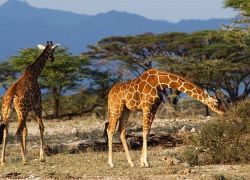
Queen Elizabeth National Park, located in western Uganda, is one of Africa's most biodiverse and popular safari destinations. Spanning 1,978 square kilometers (764 square miles), it offers breathtaking landscapes, rich wildlife, and cultural heritage. The park straddles the equator and features monuments marking its latitude, adding to its uniqueness. It is bordered by Kasese, Kamwenge, Rubirizi, and Rukungiri districts and lies approximately 420 kilometers southwest of Kampala, Uganda's capital. Introduction and History Originally established in 1952 as Kazinga National Park, it was renamed in 1954 to honor Queen Elizabeth II of England following her visit. The park's history dates back to colonial times when it was created by combining Lake George and Lake Edward Game Reserves. Over the years, conservation efforts have restored its wildlife population after periods of human conflict that severely impacted the ecosystem. Location The park is situated within the Western Rift Valley and is surrounded by prominent landmarks such as Lake Edward, the Kazinga Channel, Kyambura Gorge, and the Rwenzori Mountains. It also adjoins Virunga National Park in the Democratic Republic of Congo to the west. Wildlife and Species Queen Elizabeth National Park is home to: Mammals: Over 95 species, including African elephants, lions (including tree-climbing lions), leopards, hippos, chimpanzees, antelopes like topi and reedbuck. Birds: More than 620 species, making it a birding paradise. Notable species include kingfishers and migratory birds. Aquatic Life: Hippos and crocodiles are commonly seen along the Kazinga Channel. Best Time to Visit The ideal time to visit is during the dry seasons: January to February and June to September. These months provide better opportunities for wildlife viewing as animals gather around water sources. Rules and Guidelines Visitors must adhere to conservation guidelines such as: Avoid feeding or disturbing animals. Stay within designated areas during safaris. Follow park regulations regarding littering and noise levels. Entry Fees The entry fee for Queen Elizabeth National Park varies based on nationality: Foreign Non-residents: $40 per adult per day. Foreign Residents: $30 per adult per day. East African Citizens: UGX 20,000 per adult per day. Children under 15 years enjoy discounted rates. Sightseeing Opportunities Key attractions include: Kazinga Channel: Famous for boat cruises offering views of hippos, buffaloes, elephants, and diverse bird species. Ishasha Sector: Known for tree-climbing lions. Kyambura Gorge: Ideal for chimpanzee tracking. Maramagambo Forest: A haven for birdwatchers. Explosion Craters: Scenic volcanic craters scattered across the parks. Items to Carry Visitors should pack: Comfortable clothing suitable for tropical climates. Binoculars for birdwatching. Sunscreen and insect repellent. Cameras for capturing wildlife moments. Water bottles to stay hydrated during activities. Wildlife Safari Charges The cost of safaris depends on the activity: Game Drives: Range from $50-$150 per vehicle depending on duration. Boat Cruises on Kazinga Channel: Approximately $30-$40 per person. Chimpanzee Tracking: Around $50-$150 depending on permits. Accessibility for Senior Citizens and Children Queen Elizabeth National Park welcomes senior citizens and children. Special arrangements can be made for elderly visitors requiring assistance during safaris. Children under 15 years are allowed but must be accompanied by adults during activities like game drives or boat cruises. Queen Elizabeth National Park offers a unique blend of natural beauty, abundant wildlife, and cultural experiences that make it an unforgettable destination for travelers worldwide.
Explore More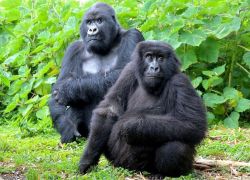
Kibale Forest National Park, located in western Uganda, is renowned for its rich biodiversity and stunning landscapes. Covering an area of 795 square kilometers, it is one of the most significant tropical rainforests in Africa. The park is best known for its primates, boasting the highest diversity of primate species in East Africa, including chimpanzees, red colobus monkeys, and L’Hoest’s monkeys. It was first gazetted as a forest reserve in the 1940s and later upgraded to a national park in 1993 to protect its unique ecosystems and wildlife. Location Kibale National Park is situated about 26 kilometers southeast of Fort Portal, a charming town in western Uganda. The park lies on the Fort Portal plateau and extends southward to the rift valley escarpment. Its proximity to other notable attractions like Queen Elizabeth National Park and the Rwenzori Mountains makes it a strategic destination for tourists exploring Uganda's natural wonders. Wildlife and Biodiversity Kibale Forest is home to an extraordinary variety of flora and fauna: Primates: The park hosts 13 species of primates, including over 1,450 chimpanzees, black-and-white colobus monkeys, olive baboons, blue monkeys, and red-tailed monkeys. Mammals: Other animals include elephants, bush pigs, leopards, buffaloes, and duikers. However, these are less frequently seen due to the dense forest cover. Birds: With over 370 bird species recorded, Kibale is a paradise for birdwatchers. Notable species include the African pitta, green-breasted pitta, and grey parrot. Vegetation: The park features diverse habitats ranging from moist evergreen forests to savannah grasslands. It supports over 350 tree species. Best Time to Visit The ideal time to visit Kibale National Park is during the dry seasons from December to February and June to September. During these months, the trails are more accessible for activities like chimpanzee trekking and nature walks. However, the park remains open year-round. Rules and Guidelines Visitors are required to follow strict rules to ensure safety and conservation: Maintain a safe distance from animals. Avoid feeding or disturbing wildlife. Follow instructions from guides during activities like chimpanzee tracking. Wear appropriate clothing such as long-sleeved shirts and sturdy boots for forest walks. Entry Fees The entry fee for Kibale National Park varies by nationality: Foreign non-residents: $40 per person per day. Foreign residents: $30 per person per day. East African citizens: UGX 20,000 per person per day. Additional fees apply for activities like chimpanzee trekking permits ($200–$250 depending on the season). Sightseeing Opportunities Kibale offers numerous attractions: Chimpanzee Trekking: A highlight of any visit, allowing close encounters with habituated chimpanzee groups. Nature Walks: Explore the forest trails to spot other primates and birds. Crater Lakes: The Ndali-Kasenda Crater Lakes near the park provide breathtaking views. Bigodi Wetland Sanctuary: Located near the park, this community-run project offers excellent birdwatching opportunities. Items to Carry When visiting Kibale Forest National Park, it is essential to pack: Comfortable hiking boots. Long-sleeved shirts and trousers. Rain gear (especially during wet seasons). Insect repellent. Binoculars for birdwatching. A camera for capturing memories. Wildlife Safari Charges Chimpanzee trekking permits cost between $200–$250 depending on the season. Guided nature walks typically cost $30–$40 per person. Additional charges may apply for specialized tours like birdwatching or nocturnal walks. Accessibility for Senior Citizens and Children The park welcomes visitors of all ages. However, activities like chimpanzee trekking may have age restrictions (minimum age: 15 years). Senior citizens are encouraged to consult guides about trail difficulty before participating in certain activities. Kibale Forest National Park offers an unparalleled experience for nature lovers and adventure seekers alike. Its rich biodiversity, coupled with well-maintained facilities and expert guides, ensures a memorable visit for all.
Explore More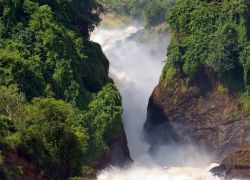
About Murchison Falls National Park Murchison Falls National Park is located in Masindi, Uganda, in East Africa. The park was established in 1952 and is one of Uganda’s largest and most popular national parks. It covers an area of 3,893 square kilometers, making it a prime destination for those interested in wildlife and nature. The park is named after the famous Murchison Falls, where the Victoria Nile River forces its way through a narrow gap, creating a powerful waterfall. The park is home to a wide variety of wildlife, including elephants, giraffes, lions, leopards, and hippos. The Victoria Nile that runs through the park supports a large number of crocodiles and bird species. Murchison Falls National Park is also a birdwatcher's paradise, with over 450 species of birds recorded in the area, such as the rare Shoebill stork. Best Time to Visit Murchison Falls National Park The best time to visit Murchison Falls National Park is during the dry season, which runs from December to February and June to September. During these months, wildlife is easier to spot as animals gather around water sources. The park can be visited year-round, but the wet season, from March to May and October to November, might make some roads difficult to navigate and wildlife harder to spot due to thick vegetation. Rules and Guidelines Visitors to Murchison Falls National Park must follow certain rules and guidelines to ensure their safety and the preservation of the park. 1. Stay on designated paths – Stick to marked trails and roads to avoid disturbing wildlife or getting lost. 2. Respect animals – Keep a safe distance from wildlife. Do not feed or provoke animals. 3. No littering – Carry out all trash to keep the park clean and protected. 4. Avoid noise – Keep noise levels low to avoid disturbing animals. 5. Safety with guides – Always go on a safari with a trained guide to ensure safety and the best experience. Entry Fees The entry fee for Murchison Falls National Park depends on the visitor's nationality. Ugandan residents: Ush 20,000 for adults and Ush 10,000 for children. East African citizens: Ush 40,000 for adults and Ush 20,000 for children. Foreign nonresidents: $40 for adults and $20 for children. These fees give visitors access to the park’s many attractions, including game drives, boat cruises, and nature walks. Sightseeing and Activities There are several activities and attractions to enjoy in Murchison Falls National Park: 1. Game Drives: Murchison Falls offers a range of game drives, where visitors can spot elephants, lions, buffaloes, giraffes, and many other species. The drives are best early in the morning or late in the afternoon when animals are most active. 2. Boat Cruise: The boat cruise on the Victoria Nile is a highlight of any visit. It takes visitors to the base of the Murchison Falls and offers a chance to see crocodiles, hippos, and a variety of birds. 3. Hike to Murchison Falls: A hike to the top of the falls is another popular activity. It provides stunning views of the surrounding landscape and the powerful flow of water at the falls. 4. Nature Walks: For those who enjoy hiking and wildlife spotting on foot, nature walks are available with a trained guide. These walks offer a closer look at the park’s flora and smaller fauna. 5. Bird Watching: The park is a birdwatcher's haven. Visitors can spot over 450 species of birds, including the rare Shoebill stork. Items to Carry When planning a visit to Murchison Falls National Park, there are a few essential items to bring: 1. Sun Protection: A hat, sunscreen, and sunglasses to protect against the sun. 2. Camera: To capture the stunning wildlife and scenery. 3. Binoculars: For bird watching and observing animals from a safe distance. 4. Comfortable Clothing and Footwear: Light clothing for the day and warm clothes for the cooler evenings. 5. Insect Repellent: To protect against mosquitoes and other insects. 6. Water Bottle: Staying hydrated is important during activities. 7. Safari Gear: If planning a game drive, bring a camera, a notebook, or binoculars to enhance the experience. Wildlife Safari Charges The park offers a range of wildlife safari options, including: 1. Game Drives: The cost of a game drive varies depending on the duration and the vehicle type. Prices generally range from $30 to $150 for a half day or fullday safari. 2. Boat Cruise: A boat cruise along the Victoria Nile is an additional cost, typically around $30 per person for a two-hour cruise. 3. Guided Walks: Guided nature walks can cost approximately $20 per person. Visitors can also book combined packages that include multiple activities such as game drives, boat cruises, and hikes to the falls. Senior Citizens and Children Murchison Falls National Park is welcoming to both senior citizens and children, though it’s important to note that some activities may be less suitable for older visitors or young children. Game drives and boat cruises are typically safe and enjoyable for people of all ages. However, hiking or nature walks may require more physical effort, so it’s a good idea to check with the park staff beforehand to see if there are any age-specific restrictions for certain activities. Senior Citizens: Many tour operators offer discounts for senior citizens, and the park is accessible to those with limited mobility, particularly on game drives and boat cruises. Children: Children are welcome to visit, and there are plenty of family-friendly activities available, such as game drives and boat cruises. However, parents should ensure that their children follow the park’s guidelines to stay safe around wildlife. Murchison Falls National Park is a captivating destination for anyone interested in Uganda’s rich wildlife and natural beauty. With a wide variety of animals, birds, and plants, it provides an unforgettable safari experience. The park offers many activities, from game drives and boat cruises to hiking and bird watching. Whether you are a nature lover, a wildlife enthusiast, or a family on vacation, Murchison Falls National Park offers something for everyone. Be sure to follow the park’s guidelines and come prepared with the right gear to make the most of your visit.
Explore More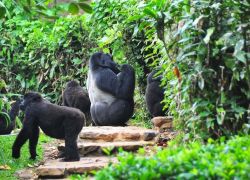
Bwindi Impenetrable National Park
Bwindi Impenetrable National Park, located in southwestern Uganda, is a UNESCO World Heritage Site renowned for its biodiversity and ecological significance. Established in 1991, this park spans 331 square kilometers and is home to endangered mountain gorillas, diverse wildlife, and dense tropical forests. It is among Africa's most sought-after destinations for eco-tourism and gorilla trekking. Location The park lies at the edge of the Albertine Rift Valley in the Kanungu District of Uganda. It borders the Democratic Republic of Congo and is close to other attractions like Mgahinga Gorilla National Park and Virunga National Park. The park's terrain consists of steep hills and valleys covered by montane and lowland forests. Wildlife and Species Bwindi hosts over half of the world's remaining mountain gorillas, with approximately 400 individuals residing in the park. Other primates include chimpanzees, baboons, black-and-white colobus monkeys, and L’Hoest’s monkeys. It also shelters forest elephants, bush pigs, duikers, jackals, civets, and various nocturnal mammals. Bird enthusiasts can explore over 348 bird species, while butterfly lovers will find 220 species fluttering through the forest. Reptiles like frogs, chameleons, and geckos also thrive here. Best Time to Visit The ideal time to visit Bwindi is during the dry seasons: June to August and December to February. These months offer better trekking conditions as trails are less muddy. However, the park can be visited year-round due to its consistent wildlife sightings. Rules and Guidelines Visitors must adhere to strict guidelines to protect the park's wildlife: Maintain a safe distance from gorillas (7 meters). Avoid loud noises or sudden movements. Do not litter or disturb natural habitats. Visitors under 15 years old are not allowed for gorilla trekking. Carry valid permits issued by the Uganda Wildlife Authority. Entry Fee Park entry fees vary based on residency status: Foreign residents: $350 annually. East African residents: UGX 200,000 annually. Special rates apply for couples ($500), families ($700), corporate groups ($1,500), safari guides ($100), and tour operators ($50)4. Sightseeing Activities Bwindi offers a range of activities: Gorilla Trekking: The highlight of any visit; permits cost $800 for foreign non-residents. Bird Watching: Spot rare species like African green broadbill. Nature Walks: Explore trails leading to waterfalls or scenic viewpoints. Cultural Experiences: Interact with Batwa pygmies to learn about their traditions. Items to Carry For a comfortable experience: Sturdy hiking boots. Long-sleeved shirts and pants for protection. Rain gear (jacket or poncho). Insect repellent. Camera for capturing memories. Personal medications and a first aid kit. Wildlife Safari Charges Gorilla trekking permits cost $800 for foreign non-residents, $700 for foreign residents, and UGX 300,000 for East African citizens. Other activities like bird watching or nature walks may have additional fees. Senior Citizens and Children Senior citizens are welcome but must be physically fit for trekking. Children below 15 years are not allowed in gorilla trekking due to safety concerns. Bwindi Impenetrable National Park offers an unforgettable experience combining adventure, conservation efforts, and cultural immersion. Its pristine beauty makes it a must-visit destination in Africa.
Explore More
Welcome to Kidepo Valley National Park in Karamoja, a hidden gem nestled in the heart of Uganda. This park is a paradise for nature lovers, offering a unique blend of breathtaking landscapes, rich biodiversity, and a tranquil environment that will captivate your senses. History of Kidepo Valley National Park Steeped in history, Kidepo Valley National Park was established in the 1960s, originally serving as royal hunting grounds for the local tribes. Over the years, the park has evolved into a conservation area dedicated to preserving the natural habitat and wildlife. Its significant conservation efforts have been recognized by UNESCO, highlighting its importance on a global scale. Architecture and Natural Beauty of Kidepo Valley National Park Within the park, you will encounter a diverse range of ecosystems, including wetlands, forests, and expansive grasslands. These habitats provide a sanctuary for a myriad of bird species, making it a paradise for birdwatchers. The historical Keoladeo Temple adds a cultural touch to the park, blending history with natural beauty. Why is Kidepo Valley National Park Famous? Kidepo Valley National Park has gained fame as a hotspot for birdwatchers, photographers, and wildlife enthusiasts. The park's unparalleled natural beauty, coupled with its rich biodiversity, offers a unique experience for those seeking to immerse themselves in the wonders of nature. How to Reach Kidepo Valley National Park Accessing Kidepo Valley National Park is possible through various travel options. Whether you prefer traveling by air, rail, or road, the park is well-connected. Nearby airports and railway stations make reaching this natural paradise a seamless journey. Weather and Best Time to Visit Kidepo Valley National Park The weather in Kidepo Valley National Park varies across seasons, with distinct summer, monsoon, and winter conditions. To make the most of your visit, plan your trip during the best months when the weather is favorable and wildlife sightings are at their peak. Timings of Kidepo Valley National Park Visitor timings at Kidepo Valley National Park are structured to offer the best experience to tourists. Understanding the seasonal variations and planning your visit accordingly will ensure a memorable and fulfilling trip to this natural wonder. Entry Fee and Visit Details Upon arrival at Kidepo Valley National Park, visitors can expect a seamless entry procedure. Guide services, safari options, bicycle rentals, and well-equipped visitor facilities are available to enhance your experience and make your stay more comfortable. Things to Do at Kidepo Valley National Park Engage in a variety of activities at Kidepo Valley National Park, from birdwatching and photography to cycling and nature observation. The park's walking trails offer a chance to explore the diverse landscapes and wildlife, providing educational experiences for visitors of all ages. Interesting Facts About Kidepo Valley National Park Kidepo Valley National Park is home to a remarkable array of migratory birds and boasts impressive biodiversity. The park's conservation achievements have contributed to its ecological importance, making it a critical conservation area in Uganda. Travel Tips for Visiting Kidepo Valley National Park When visiting Kidepo Valley National Park, remember to pack appropriate clothing, essential photography gear, and birdwatching equipment to make the most of your experience. Understanding the best visiting seasons and practicing responsible tourism will ensure a sustainable and enjoyable trip. Conclusion In conclusion, Kidepo Valley National Park in Karamoja stands as a testament to the beauty of nature and the importance of conservation. From its rich history to its diverse ecosystems, this park offers a unique blend of cultural heritage and natural wonders, promising visitors an unforgettable experience in the heart of Uganda.
Explore More
Welcome to Lake Mburo National Park, a hidden gem located in Entebbe that offers a perfect blend of natural beauty and wildlife diversity. This park is a sanctuary for nature enthusiasts, birdwatchers, and wildlife lovers, providing a unique experience in the heart of Uganda. History of Lake Mburo National Park Established in the 1980s, Lake Mburo National Park was originally a royal hunting ground for the King of Buganda. Over the years, it has transformed into a conservation area dedicated to preserving the rich biodiversity of the region. The park's efforts in wildlife conservation and sustainable tourism have earned it recognition by UNESCO as an important natural heritage site. Architecture and Natural Beauty of Lake Mburo National Park The park is characterized by a diverse landscape that includes sprawling wetlands, dense forests, and vast grasslands. It is home to a variety of bird species, making it a paradise for birdwatchers. One of the highlights of the park is the historic Keoladeo Temple, a cultural and architectural marvel nestled within the natural beauty of the surroundings. Why is Lake Mburo National Park Famous? Lake Mburo National Park is renowned for its exceptional birdwatching opportunities, with over 300 bird species to be spotted. It also attracts photographers and wildlife enthusiasts due to its picturesque landscapes and diverse flora and fauna. The park's peaceful ambiance and close encounters with nature make it a must-visit destination for those seeking a tranquil retreat. How to Reach Lake Mburo National Park Traveling to Lake Mburo National Park is convenient, with options available by air, rail, and road. The nearest airport is located in Entebbe, providing easy access to the park. For those opting for rail travel, nearby railway stations offer connecting services to the park. By road, well-maintained routes ensure a smooth journey to this natural paradise. Weather and Best Time to Visit Lake Mburo National Park The park experiences distinct seasons, with summer being warm and pleasant, monsoon bringing occasional rains, and winter offering cool temperatures. The best time to visit Lake Mburo National Park is during the dry season, from June to August, when wildlife sightings are at their peak and the weather is ideal for outdoor activities. Timings of Lake Mburo National Park Lake Mburo National Park welcomes visitors throughout the year, with varying seasonal timings to accommodate different daylight hours. It is advisable to plan your visit during the operational hours to make the most of your time exploring the park's wonders. Entry Fee and Visit Details Entry to Lake Mburo National Park is subject to nominal fees, with additional charges for guide services, safari options, and bicycle rentals. The park offers visitor facilities such as accommodation and dining options, ensuring a comfortable stay amidst nature's embrace. Things to Do at Lake Mburo National Park Embark on a journey of discovery at Lake Mburo National Park with activities like birdwatching, photography, cycling through scenic trails, and immersing yourself in nature observation. The park also provides educational experiences to learn more about the region's unique ecosystem and conservation efforts. Interesting Facts About Lake Mburo National Park Lake Mburo National Park is a haven for migratory birds, showcasing the importance of wetlands in supporting diverse bird species. The park's conservation achievements have contributed significantly to preserving Uganda's natural heritage and promoting ecological sustainability in the region. Travel Tips for Visiting Lake Mburo National Park When planning your visit to Lake Mburo National Park, remember to pack suitable clothing for varying weather conditions, carry essential photography equipment for capturing memorable moments, and adhere to responsible tourism practices to protect the park's fragile ecosystem. Choose the right visiting season to maximize your wildlife encounters and overall experience. Conclusion In conclusion, Lake Mburo National Park in Entebbe is a paradise waiting to be explored, offering a harmonious blend of natural wonders and wildlife encounters. Whether you are a nature lover, birdwatcher, or photographer, this park promises an unforgettable experience that celebrates the beauty and diversity of Uganda's landscape.
Explore More