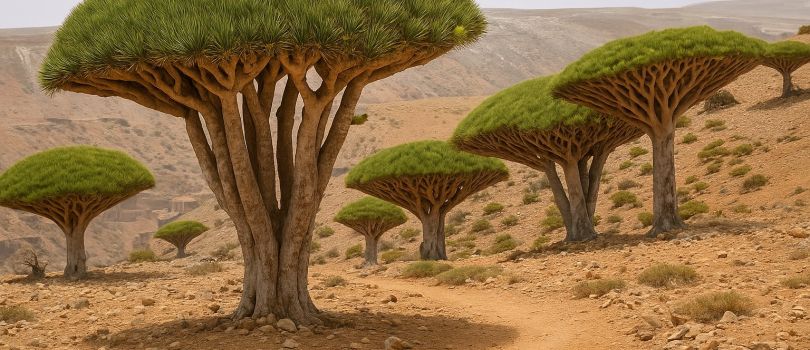
"Witness unique flora in a stunning landscape."
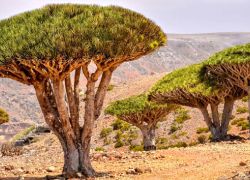
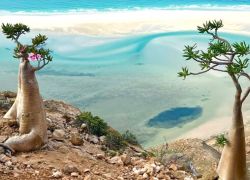
Socotra Island, located off the coast of Yemen in the Arabian Sea, is one of the most unique and isolated places on Earth. Known for its extraordinary biodiversity, Socotra is home to many rare species of plants and animals. Among its most famous and striking residents is the Dragon Blood Tree, a species of tree unlike any other in the world. This iconic tree is recognized by its umbrella-like canopy and its vibrant red sap, which has earned it the name "Dragon Blood." The Dragon Blood Tree is not just a remarkable natural phenomenon, but also an important symbol of the island's ancient ecosystem.
How to Reach Dragon Blood Tree, Socotra Island, Yemen
Socotra Island is located approximately 350 kilometers (220 miles) from the coast of mainland Yemen, and reaching it can be a bit of an adventure. The most common way to reach Socotra is by flying into the island's only airport, Socotra International Airport (SQO), which is located in the capital city of Hadibu. Flights to Socotra are available from Yemen's main cities, such as Sana'a and Aden, and they are typically scheduled a few times a week. However, flights can sometimes be delayed or canceled due to weather or logistical reasons, so it is important to plan ahead.
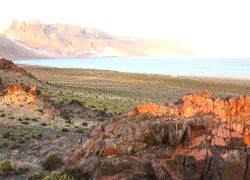
Once on the island, getting to the Dragon Blood Trees typically requires a guided tour or private transport. Socotra's roads are rugged, and while some of the trees are located near the capital, others are in more remote, difficult-to-reach areas. The most famous Dragon Blood Tree forests are located in the mountains of the island, particularly in the Haggier Mountains and the Diksam Plateau. These areas are best explored with a local guide who is familiar with the terrain and can ensure safety during the visit.
Weather in Socotra Island, Yemen
The climate of Socotra is arid and hot, with temperatures often exceeding 30°C (86°F) during the day. The best time to visit the island is during the cooler months of the year, from October to March, when temperatures are more moderate. The summer months (June to September) can be extremely hot, with daytime temperatures sometimes reaching over 40°C (104°F). Despite the heat, the island has a mild sea breeze that makes the climate more bearable, especially in the early mornings and evenings.
Rainfall on Socotra is minimal, with most of the island receiving little more than 100 mm of rain per year. However, there are occasional monsoon rains between June and September, which can bring refreshing showers. These rains also play a significant role in sustaining the island’s unique ecosystems, including the Dragon Blood Trees, which thrive in this environment.
Timing of Visit
The Dragon Blood Tree is visible throughout the year, but the best time to visit the island for optimal weather conditions is during the cooler months (October to March). During this period, hiking and sightseeing are much more pleasant, and visitors can explore the island without being overwhelmed by the intense heat. For those who are interested in photography, the soft light and pleasant temperatures of the morning and late afternoon are ideal for capturing the striking silhouette of the Dragon Blood Tree against the backdrop of the island's rugged terrain.
Why Famous for Dragon Blood Tree, Socotra Island, Yemen?
The Dragon Blood Tree is famous for its striking appearance and unique qualities. With its distinctive umbrella-shaped canopy, the tree looks as though it belongs to a fantasy world rather than a real-life ecosystem. The tree's red sap, which resembles blood, is one of its most remarkable features. This resin has been used for centuries in traditional medicine, cosmetics, and even as a dye. The name "Dragon Blood" originates from the myth that the sap is the blood of dragons, a legend that has captivated the imaginations of many over the years.
In addition to its unique appearance, the Dragon Blood Tree is famous for its ability to survive in Socotra's harsh desert environment. The tree’s canopy helps it capture moisture from the air, and its deep roots allow it to access water even in the driest conditions. The Dragon Blood Tree has become an enduring symbol of resilience, and its ability to thrive in an environment where few other plants can survive makes it an iconic feature of Socotra’s biodiversity.
Entry and Visit Details About Dragon Blood Tree, Socotra Island, Yemen
There is no formal entry fee to visit the Dragon Blood Trees on Socotra Island, but visitors should plan for expenses related to transportation, guides, and accommodation. Most travelers visit the trees as part of a guided tour, as local knowledge is essential to navigating the island and reaching the more remote tree clusters. Additionally, local guides can provide valuable information about the trees' history, significance, and ecology, which enhances the overall experience.
There are several tour operators that offer guided excursions to the Dragon Blood Trees. These tours typically include visits to the Diksam Plateau, where many of the most impressive trees are located, as well as other natural landmarks on the island. Tours can be customized to meet the needs of visitors, whether they are looking for a day trip or a more immersive, multi-day hiking experience.
History and Architecture of the Dragon Blood Tree
The Dragon Blood Tree has a long history, dating back millions of years. The tree is believed to have evolved in isolation on Socotra, an island that has been separated from the mainland for over 6 million years. As a result, Socotra’s flora and fauna are some of the most unique on Earth, and the Dragon Blood Tree is a perfect example of this endemic biodiversity.
The tree's distinctive appearance is a result of its adaptation to the harsh desert climate of Socotra. The umbrella-shaped canopy helps to reduce water loss, and the red resin that oozes from the tree has been used for centuries in traditional medicine. The tree's wood has also been used for crafting tools and making furniture. Today, the Dragon Blood Tree remains a cultural and natural symbol of Socotra’s remarkable ecological diversity.
Things to Do at the Dragon Blood Tree, Socotra Island
Facts About the Dragon Blood Tree
Tips for Visiting the Dragon Blood Tree, Socotra Island


Socotra Island
Socotra Island

Socotra Island
Socotra Island
Socotra Island
Socotra Island
Socotra Island