"Uncover the treasures of medieval artistry and history."
The National Museum of Medieval Art in Korca is one of Albania’s most important cultural institutions and a must-visit destination for anyone interested in history, art, and religious heritage. Located in the beautiful city of Korca in southeastern Albania, this museum houses the country’s richest collection of medieval and post-Byzantine art. With its impressive displays of icons, sculptures, and artifacts, the museum offers visitors a deep insight into Albania’s artistic and spiritual traditions from the Middle Ages.
Why The National Museum of Medieval Art Is Famous
The National Museum of Medieval Art is famous for its outstanding collection of Orthodox icons, many of which date back to the 13th to 19th centuries. It is considered the most important iconography museum in Albania and one of the finest in the Balkans. The museum showcases works by renowned Albanian icon painters, including Onufri, David Selenica, and the Zografi brothers, whose works are admired for their vibrant colors, detailed expressions, and unique artistic styles.
The museum is also well known for preserving and presenting Albania’s medieval cultural identity, reflecting the influence of Byzantine art combined with local Albanian traditions. Its educational value and artistic significance make it a key attraction in Korca.
History of The National Museum of Medieval Art
The history of the National Museum of Medieval Art dates back to 1980, when it was officially established to protect and display Albania’s rich collection of medieval religious art. Before the museum was founded, many of the icons and artifacts were stored in churches, monasteries, or private collections across the country. Recognizing the importance of preserving these valuable works, the Albanian authorities decided to create a national museum dedicated entirely to medieval art.
Over the years, the museum’s collection has grown significantly, and today it includes more than 7,000 objects, with around 400 icons and artifacts displayed at any given time. The museum has played a crucial role in conserving artworks that survived periods of political and religious suppression, making it an essential guardian of Albania’s cultural heritage.
Architecture of The National Museum of Medieval Art
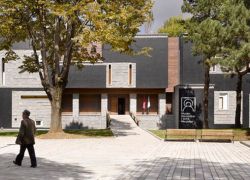
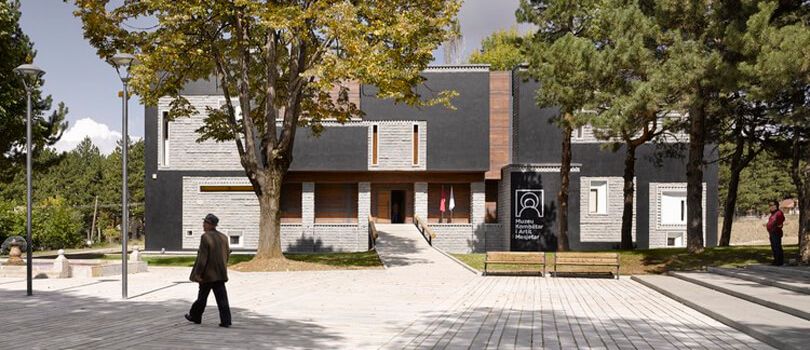
The building of the National Museum of Medieval Art is modern and thoughtfully designed to complement the historical significance of its contents. While the exterior appears simple and elegant, the interior is carefully structured to create a calm and respectful atmosphere suitable for viewing sacred art. Spacious galleries, controlled lighting, and clear display arrangements allow visitors to focus on the details and craftsmanship of each piece.
The museum’s layout follows a chronological and thematic order, guiding visitors through different periods of medieval and post-Byzantine art. This architectural and curatorial approach enhances the visitor experience by making the complex history of Albanian medieval art easy to understand.
How to Reach The National Museum of Medieval Art
The National Museum of Medieval Art is located near the city center of Korca, making it easily accessible for visitors. If you are staying in Korca, the museum can be reached on foot from most central hotels, cafes, and attractions. Walking through the city also allows you to enjoy Korca’s charming streets and relaxed atmosphere.
For travelers coming from other parts of Albania, Korca is well connected by road. Regular buses operate from Tirana and other major cities, and the journey from Tirana takes approximately four to five hours. Once you arrive at Korca’s bus station, a short taxi ride or walk will take you directly to the museum.
Weather and Best Time to Visit
Korca has a continental climate, with cold winters and warm summers. Winter temperatures can drop significantly, and snow is not uncommon, especially between December and February. Summers are generally warm and pleasant, with July and August being the hottest months.
The best time to visit the National Museum of Medieval Art is during spring and autumn, from April to June and September to October. During these seasons, the weather is comfortable for walking around the city and visiting indoor attractions like museums. Visiting during these months also allows you to enjoy Korca’s cultural festivals and lively city atmosphere.
Timing and Entry Details
The National Museum of Medieval Art is usually open from morning until late afternoon, with opening hours varying slightly depending on the season. It is generally open from Tuesday to Sunday, while Mondays may be closed. Visitors are advised to check local timings during holidays or special events.
An entry fee is required to visit the museum, with affordable ticket prices for both local and international visitors. Discounts are often available for students, children, and groups. Guided tours may also be available and are highly recommended for a deeper understanding of the artworks and their historical context.
Things to Do at The National Museum of Medieval Art
One of the main activities at the museum is exploring the impressive collection of icons and religious artifacts. Visitors can admire the artistic techniques, symbolism, and evolution of medieval art in Albania. Reading the information panels and descriptions helps in understanding the cultural and religious background of each piece.
Another enjoyable activity is joining a guided tour, which provides expert insights into the lives of famous icon painters and the historical periods in which they worked. Photography is usually allowed without flash, but visitors should follow the museum’s rules to protect the artworks.
Interesting Facts About The National Museum of Medieval Art
The museum houses one of the largest collections of Byzantine and post-Byzantine icons in the Balkans. Many of its artworks were rescued from churches that were closed or damaged during Albania’s communist era. The museum has also collaborated with international institutions to restore and exhibit its collection abroad.
Another interesting fact is that Korca itself has a long tradition of art and education, making it a fitting home for this national museum. The museum plays a key role in promoting Albanian cultural identity both locally and internationally.
Tips for Visiting The National Museum of Medieval Art
To make the most of your visit, allow at least one to two hours to explore the museum comfortably. Visiting early in the day can help you avoid crowds and enjoy a quieter experience. If you are particularly interested in history and art, consider hiring a guide for detailed explanations.
Respect the museum’s rules by not touching the exhibits and avoiding flash photography. After your visit, take time to explore nearby attractions, cafes, and parks, as the museum is located close to Korca’s main cultural and social areas.
Conclusion
The National Museum of Medieval Art, Korca, Albania, is a remarkable destination that offers a deep journey into the country’s medieval artistic and spiritual heritage. With its exceptional collection, well-designed galleries, and cultural importance, the museum provides an enriching experience for visitors of all backgrounds. Whether you are an art lover, history enthusiast, or cultural traveler, this museum is an essential stop during your visit to Korca.