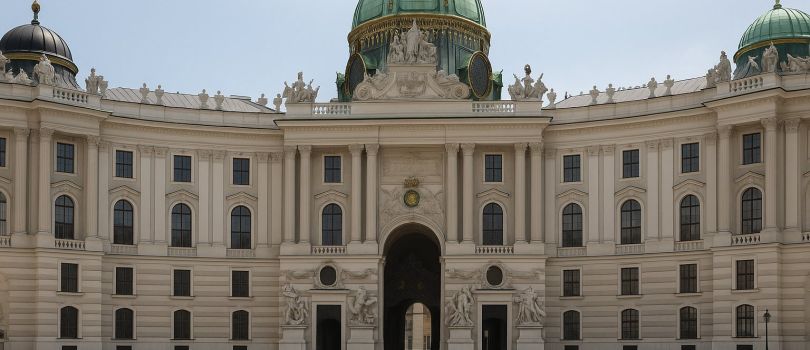
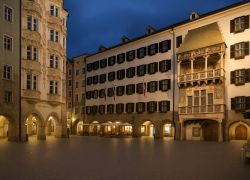
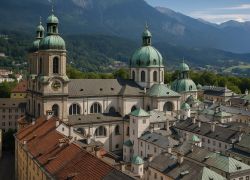
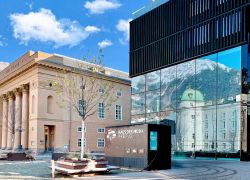
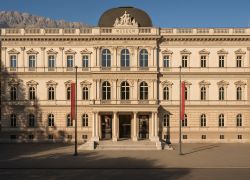
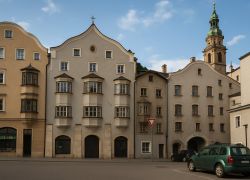
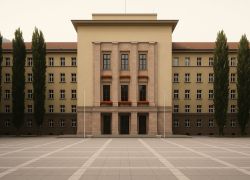
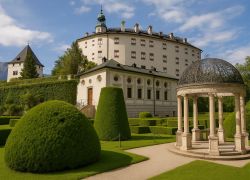
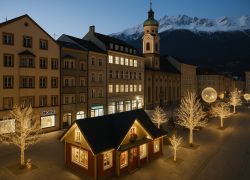
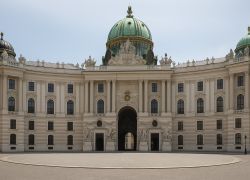
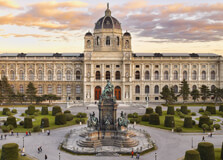
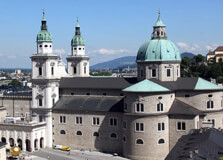
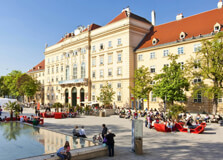
The Hofburg Palace in Innsbruck is one of Austria’s most historically significant landmarks. Located in the heart of Innsbruck, this magnificent building once served as the residence of the Habsburg family, who ruled over the Tyrol region for centuries. The palace is an iconic symbol of Austria’s imperial past and offers visitors a unique glimpse into the royal life of the Habsburgs. With its blend of Renaissance and Baroque architectural styles, the Hofburg Palace stands as a testament to the grandeur of the Habsburg monarchy.
The Hofburg is not only a popular tourist attraction but also a significant cultural and historical site. It houses several important rooms and museums that showcase the Habsburgs' opulent lifestyle, including the Imperial Apartments, the Tyrolean Folk Art Museum, and the court chapel. Whether you are interested in history, art, or architecture, the Hofburg Palace is a must-see destination in Innsbruck.
How to Reach Hofburg Palace, Innsbruck, Austria
The Hofburg Palace is centrally located in Innsbruck, making it easy to reach from various points in the city. Here are a few options for getting to the palace:
- By Train: Innsbruck Hauptbahnhof (Main Train Station) is well-connected to other cities in Austria and Europe. From the station, you can take a bus, tram, or walk to Hofburg Palace. The walk is approximately 15 minutes.
- By Bus: Several local bus lines pass through Innsbruck’s city center. The nearest bus stops to Hofburg are “Rathausgalerien” or “Landesmuseum.” Both stops are a short walk away from the palace.
- By Car: If you're driving, you can park in nearby parking garages such as Parkhaus Rathaus or Parkhaus Altstadt. However, parking in the city center can be limited, and public transport or walking is often the best choice for visitors.
- On Foot: If you are staying in Innsbruck’s Old Town, Hofburg Palace is within walking distance. It is located near other key landmarks, such as the Golden Roof (Goldenes Dachl) and the Imperial Court Church (Hofkirche).
Weather in Innsbruck and Best Time to Visit Hofburg Palace
Innsbruck experiences a variety of weather conditions throughout the year, so it's important to plan your visit to Hofburg Palace according to the season. Here's what to expect:
- Spring (March to May): Spring in Innsbruck is mild, with temperatures ranging from 5°C to 15°C (41°F to 59°F). The weather is pleasant, and the city is less crowded than in summer, making it an ideal time for sightseeing.
- Summer (June to August): Summer is the peak tourist season in Innsbruck, with temperatures between 15°C to 25°C (59°F to 77°F). The city can get crowded, but the warm weather makes it a great time to explore the palace and surrounding attractions.
- Autumn (September to November): Autumn offers cooler temperatures, ranging from 10°C to 18°C (50°F to 64°F). The fall colors in the surrounding mountains create a stunning backdrop for the palace, and it’s a quieter time to visit compared to summer.
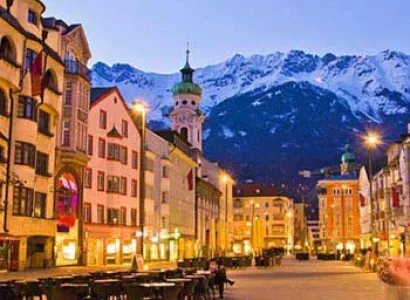
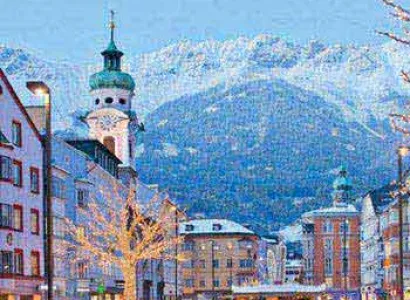
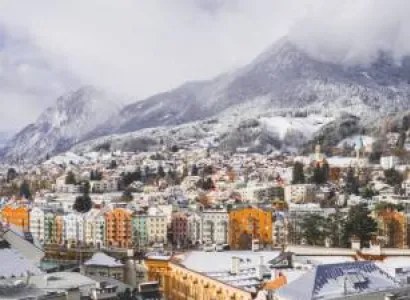
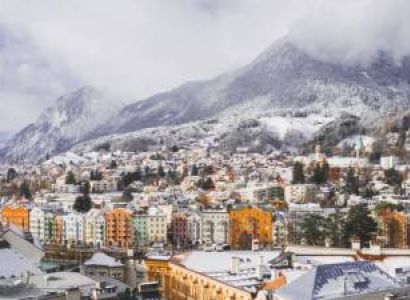
- Winter (December to February): Winter is cold, with temperatures ranging from -5°C to 5°C (23°F to 41°F). Snow is common, and Innsbruck becomes a winter wonderland. If you enjoy snow and winter festivities, the Hofburg Palace looks magical during this season.
Opening Hours and Entry Details for Hofburg Palace
Hofburg Palace is open year-round, though its hours of operation may vary depending on the season. Here are the general opening hours:
- Summer (May to October): The palace is open daily from 9:00 AM to 6:00 PM. This is the peak tourist season, so you may encounter larger crowds.
- Winter (November to April): In winter, the Hofburg is open from 10:00 AM to 4:00 PM. The palace is less crowded during this time, making it a great option if you prefer a quieter visit.
The entry fee for Hofburg Palace is usually around 10-12 euros for adults, with discounts available for children, students, and seniors. Tickets often include entry to multiple rooms and exhibitions, such as the Imperial Apartments, the Tyrolean Folk Art Museum, and the Hofburg Court Chapel. Be sure to check the official website for the latest details on ticket prices and hours.
Why is Hofburg Palace Famous?
Hofburg Palace is famous for several reasons, all of which contribute to its importance as a historical and cultural landmark:
- Imperial Residence: The Hofburg served as the residence of the Habsburg family for centuries. It was the seat of Tyrolean rulers and later became the home of Austrian emperors, making it a central piece of Austria’s royal history.
- Architectural Grandeur: The palace is a stunning example of Renaissance and Baroque architecture. Its intricate facades, elegant courtyards, and grand interiors reflect the opulence of the Habsburg monarchy.
- Historical Significance: The palace played an important role in the political and cultural life of Austria for centuries. It witnessed key events in Tyrolean and Austrian history and has been a site for royal ceremonies and receptions.
- Art and Culture: The palace houses several important museums, including the Tyrolean Folk Art Museum and the Imperial Apartments. These exhibitions provide visitors with a deeper understanding of Tyrolean history and the royal lifestyle of the Habsburgs.
History and Architecture of Hofburg Palace
The construction of Hofburg Palace dates back to the 12th century, although it underwent significant expansions and renovations over the centuries. Originally built as a simple fortress for the counts of Tyrol, the palace gradually grew in size and significance as the region’s rulers gained more power.
The most notable expansions took place during the Renaissance and Baroque periods, when the palace transformed into a grand royal residence. The Habsburg family, who ruled over the Tyrol region, commissioned numerous architectural changes to reflect their wealth and status. The palace’s exterior is a striking mix of Renaissance and Baroque styles, with elegant facades and beautifully designed courtyards. Inside, visitors can explore opulent rooms, including the Emperor’s Apartments, where the Habsburgs resided during their stays in Innsbruck.
The Hofburg Palace also houses the Hofkirche (Court Church), which is renowned for its stunning architecture and historical significance. The church is home to the tomb of Emperor Maximilian I, as well as impressive bronze statues of his ancestors.
Things to Do Around Hofburg Palace, Innsbruck
Hofburg Palace is located in the heart of Innsbruck, so there are many attractions nearby that you can explore. Here are some things to do around the palace:
- Visit the Golden Roof (Goldenes Dachl): Located just a short walk from Hofburg, the Golden Roof is one of Innsbruck's most famous landmarks. Admire the intricate golden tiles and learn about the history of the building.
- Explore the Tyrolean Folk Art Museum: This museum, located inside Hofburg Palace, showcases the region’s rich folk traditions, including costumes, crafts, and artifacts from daily life in Tyrol.
- Take a Stroll through the Hofgarten: The Hofgarten is a peaceful park located near the palace. It’s a great place for a relaxing walk, with beautiful views of the surrounding mountains.
- Explore the Imperial Court Church (Hofkirche): Just next door to the Hofburg, the Hofkirche is home to impressive tombs, statues, and altars. It’s an architectural gem and an important site for Austrian history.
Interesting Facts and Tips About Hofburg Palace
- The Hofburg Palace was originally a medieval fortress and has been expanded and renovated over the centuries, reflecting the changing architectural styles of different eras.
- One of the most impressive rooms in the palace is the Emperor’s Apartments, where the Habsburgs entertained guests and conducted royal business.
- Visiting the palace in the off-season (autumn or winter) can help you avoid large crowds, making for a more peaceful and intimate experience.
- Don’t miss the Hofkirche next door, where you can see the tomb of Emperor Maximilian I and explore the impressive sculptures and artwork within the church.
Conclusion
Hofburg Palace is one of Innsbruck’s most important and beautiful landmarks. With its rich history, stunning architecture, and fascinating museums, it offers a unique opportunity to explore the opulent lifestyle of the Habsburgs and the cultural heritage of Tyrol. Whether you’re a history enthusiast, an architecture lover, or simply someone who enjoys exploring Austria’s royal past, Hofburg Palace is an essential stop during your visit to Innsbruck.