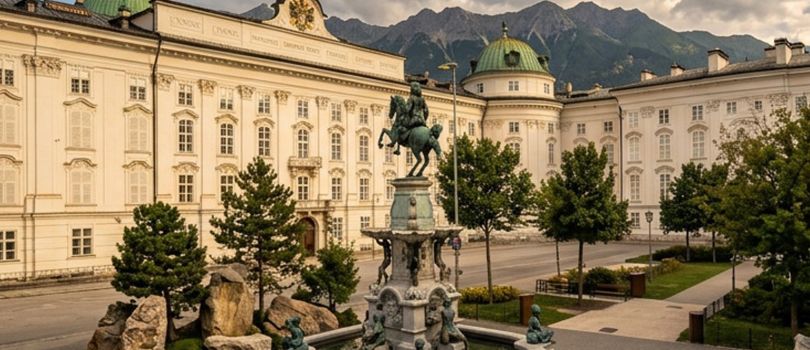
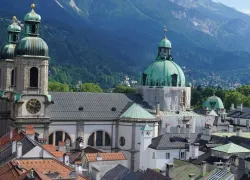
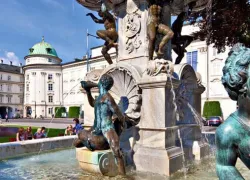
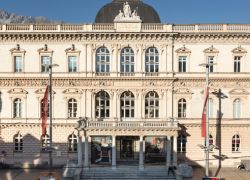
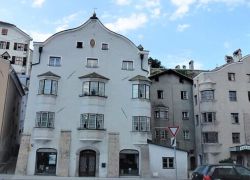
Leopoldsbrunnen is a historical fountain located in the heart of Innsbruck, Austria. Situated in the Old Town (Altstadt), the fountain is one of the city's most iconic landmarks and a significant piece of Tyrolean heritage. Named after Emperor Leopold I, the fountain was constructed in the late 17th century and stands as a testament to the architectural and cultural richness of Innsbruck's past.
Leopoldsbrunnen is not just a functional piece of urban infrastructure but also a symbol of the city's history, featuring beautiful sculptures and a grand design that captures the spirit of the Baroque era. Over the centuries, the fountain has become a gathering spot for locals and a popular attraction for visitors seeking to learn more about Innsbruck's rich history and beautiful public art.
How to Reach Leopoldsbrunnen, Innsbruck, Austria
Leopoldsbrunnen is centrally located in Innsbruck, making it easily accessible by various modes of transportation. Here are some options for reaching the fountain:
- By Train: Innsbruck Hauptbahnhof (Main Train Station) is well connected to cities across Austria and Europe. From the station, you can reach Leopoldsbrunnen by taking a bus or tram to the city center. The fountain is about a 10-minute walk from the station.
- By Bus: The fountain is located near several bus stops, including “Rathausgalerien” and “Landesmuseum.” Buses running along lines 1, 2, F, and other local routes will take you close to the fountain.
- By Car: If you are driving to Innsbruck, you can park in nearby parking garages such as the Parkhaus Rathaus or Parkhaus Altstadt. From there, it’s only a short walk to Leopoldsbrunnen. However, keep in mind that parking in the city center can be limited, especially during busy seasons.
- On Foot: If you are staying in or near the city center, Leopoldsbrunnen is easily accessible on foot. It is located in the heart of Innsbruck’s Old Town, making it a perfect stop while exploring the area.
Weather in Innsbruck and Best Time to Visit Leopoldsbrunnen
The weather in Innsbruck varies throughout the year, so your visit to Leopoldsbrunnen will depend on the season you choose to explore Innsbruck. Here is a quick overview of the typical weather conditions in the city:
- Spring (March to May): Spring in Innsbruck is generally mild, with temperatures ranging from 5°C to 15°C (41°F to 59°F). The weather is pleasant, and the city is less crowded than in summer, making it an excellent time for a visit to the fountain.
- Summer (June to August): Summer is the peak tourist season in Innsbruck, with temperatures ranging between 15°C to 25°C (59°F to 77°F). The weather is warm, and the city comes alive with outdoor activities and festivals. However, it can get crowded, so plan to visit early in the morning or later in the evening to avoid the crowds.
- Autumn (September to November): Autumn offers cooler temperatures, ranging from 10°C to 18°C (50°F to 64°F), and beautiful fall foliage in the surrounding mountains. This is a great time to visit if you prefer fewer tourists and a more relaxed atmosphere.
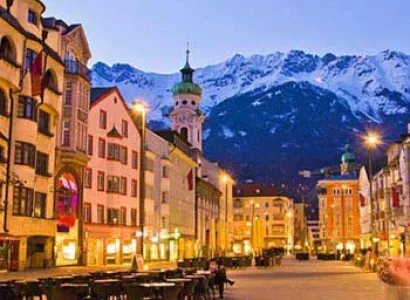
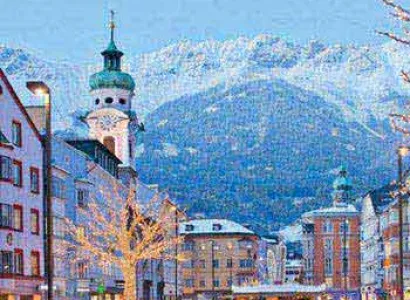
- Winter (December to February): Winter in Innsbruck can be cold, with temperatures between -5°C and 5°C (23°F and 41°F). Snow is common, and Innsbruck becomes a winter wonderland. If you enjoy snow-covered streets and festive markets, winter is a magical time to visit Leopoldsbrunnen and the Old Town.
Opening Hours and Entry Details for Leopoldsbrunnen
Leopoldsbrunnen is a public fountain located outdoors, and as such, it is accessible at all times of the day and night. There are no specific opening hours, and visitors are free to admire the fountain at their own convenience. However, if you are visiting during the colder months, the fountain may occasionally be turned off due to freezing temperatures, although this is relatively rare.
There is no entry fee to visit Leopoldsbrunnen. As a public monument, it is open for everyone to enjoy. It’s an ideal spot to take photos, relax, and enjoy the atmosphere of the Old Town of Innsbruck.
Why is Leopoldsbrunnen Famous?
Leopoldsbrunnen is famous for several reasons, most notably its historical significance and beautiful Baroque architecture. Here are a few key reasons why it is such an iconic landmark in Innsbruck:
- Historical Significance: The fountain was constructed in the late 17th century during the reign of Emperor Leopold I, from whom the fountain gets its name. It was designed to commemorate the emperor's reign and provide a public water source for the city.
- Baroque Architecture: The fountain is a beautiful example of Baroque-era design, featuring intricate sculptures and ornamental details. Its central column, topped by a statue of Leopold I, is surrounded by other decorative elements, making it an impressive visual centerpiece in the Old Town.
- Public Art and Gathering Spot: Leopoldsbrunnen has long served as a meeting point for locals and visitors alike. Its iconic design and location in the heart of Innsbruck’s historic center make it a perfect spot for a leisurely break while exploring the city.
History and Architecture of Leopoldsbrunnen
Leopoldsbrunnen was erected in 1676 to commemorate Emperor Leopold I’s reign and to serve as a public fountain for the city. Designed by the Tyrolean sculptor Michael Lutz, the fountain was built during a time when fountains were important features in urban spaces, providing both decorative and functional value to cities. The construction of the fountain symbolized the wealth and cultural importance of Innsbruck during the Baroque period.
The fountain’s design is typical of Baroque fountains, with a central column topped by a statue of Emperor Leopold I, flanked by four smaller statues representing virtues such as justice, fortitude, and piety. The figures around the fountain enhance its symbolic meaning, emphasizing the emperor's role in maintaining order and prosperity in the Tyrol region.
Leopoldsbrunnen has undergone some restoration work over the years, ensuring that its intricate sculptures and features are preserved for future generations to enjoy. The fountain is a perfect example of how public art can enhance a city’s landscape and contribute to its historical identity.
Things to Do Around Leopoldsbrunnen, Innsbruck
Leopoldsbrunnen is located in Innsbruck's Old Town (Altstadt), making it the perfect starting point for exploring other key attractions. Here are a few things to do around the fountain:
- Visit the Golden Roof (Goldenes Dachl): Just a short walk from Leopoldsbrunnen, the Golden Roof is one of Innsbruck's most famous landmarks. Admire its intricate golden tiles and learn about the history of this architectural marvel.
- Explore the Imperial Palace (Hofburg): The Hofburg is a historic palace that once served as the residence of the Habsburg family. It’s a short walk from the fountain and offers a glimpse into Innsbruck’s royal history.
- Stroll through the Hofgarten: The Hofgarten is a tranquil park near the city center. It’s a perfect place for a peaceful stroll, with beautiful gardens and views of the surrounding mountains.
- Shop along Maria-Theresien Strasse: This lively street is lined with shops, cafes, and restaurants. It’s a great place to pick up souvenirs, enjoy a coffee, or simply people-watch.
Interesting Facts and Tips About Leopoldsbrunnen
- The fountain was originally built to provide drinking water for the public, making it a functional piece of urban infrastructure as well as a decorative monument.
- Leopoldsbrunnen is one of the most photographed landmarks in Innsbruck, so make sure to bring your camera for some great photos, especially during the golden hour when the light enhances the fountain’s beauty.
- While the fountain is accessible at all times, visiting early in the morning or late in the evening can give you a more peaceful experience, as it can get crowded with tourists during the day.
- The fountain is part of a larger collection of Baroque-era landmarks in Innsbruck’s Old Town, so consider exploring the entire area to fully appreciate the city’s architectural heritage.
Conclusion
Leopoldsbrunnen is a historic and artistic gem in the heart of Innsbruck. Its stunning Baroque architecture and significance as a public monument make it a must-visit for anyone exploring the city. Whether you’re interested in history, art, or simply enjoying the atmosphere of Innsbruck’s Old Town, Leopoldsbrunnen offers a captivating experience for visitors. Don’t forget to explore the nearby attractions and soak in the beauty of this Alpine city during your visit.