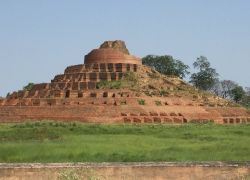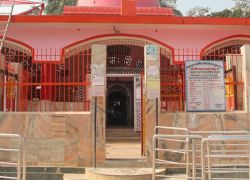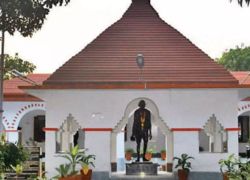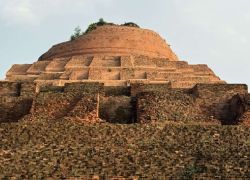
"Experience natural beauty and serene landscapes."
Sitakund is a sacred and historically important religious site located in the Champaran region of Bihar, India. The place is deeply connected with Hindu mythology and is believed to be associated with Goddess Sita from the epic Ramayana. Sitakund is known for its natural hot water spring and small temple dedicated to Goddess Sita, making it an important pilgrimage spot for devotees and a peaceful place for travelers interested in spiritual and cultural heritage.
The surroundings of Sitakund are calm and rural, with greenery, small ponds, and village life adding to the spiritual atmosphere of the place. Devotees visit Sitakund throughout the year, especially during religious festivals, to take holy baths in the warm water spring and offer prayers. The place is also popular among history lovers who wish to explore ancient religious traditions of Champaran.
History of Sitakund, Champaran
The history of Sitakund is connected to the Ramayana period. According to local beliefs and legends, Goddess Sita is said to have stayed here during her exile in the forest with Lord Rama and Lakshmana. It is believed that Sita used to bathe at this natural spring, and because of her divine presence, the water of the kund (pond) is considered sacred.
Over time, a small temple was built near the hot spring to honor Goddess Sita. The site became a place of worship and pilgrimage for local people. Though there is no exact historical record to confirm the events of the Ramayana, Sitakund continues to be respected as a holy site where people come to pray for peace, health, and family happiness.
Architecture and Layout
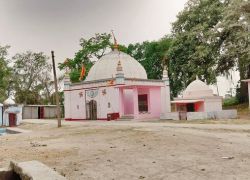
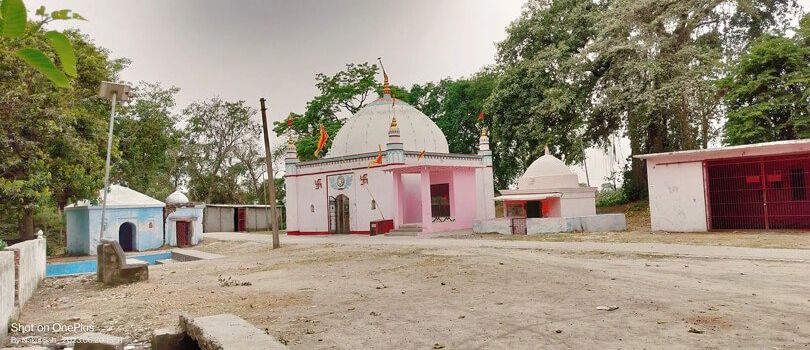
The architecture of Sitakund is simple and traditional. The main attraction is the natural hot water spring surrounded by stone steps and a small temple structure. The temple is modest in design, with a small sanctum where idols and images of Goddess Sita are placed for worship. The walls of the temple are decorated with basic religious paintings and symbols related to Hindu mythology.
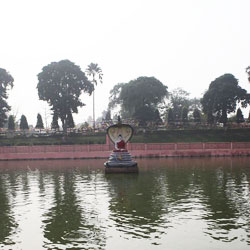
The kund itself is constructed with stone boundaries to allow devotees to bathe safely. Nearby, there are small resting areas and shaded spaces where visitors can sit and relax after their bath. The overall layout reflects a traditional rural pilgrimage site rather than a modern tourist complex, adding to its authentic charm.
How to Reach Sitakund, Champaran
Sitakund is located in the Champaran region of Bihar and can be reached by road from nearby towns.
By Air: The nearest major airport is Jay Prakash Narayan International Airport in Patna, around 150–170 km away. From Patna, visitors can hire taxis or take buses to reach Motihari or Bettiah and then travel to Sitakund by local transport.
By Train: The nearest railway stations are Motihari Junction (East Champaran) and Bettiah Junction (West Champaran). Both stations are connected with Patna, Muzaffarpur, and Gorakhpur. From these stations, Sitakund can be reached by local taxis or buses.
By Road: State highways and village roads connect Sitakund with nearby towns. Buses and private vehicles are available from Motihari, Bettiah, and other nearby places. Local guidance may be needed as signboards are limited in rural areas.
Weather and Best Time to Visit
The climate in Champaran is typical of North India. Summers (April to June) are hot and dry, with temperatures going above 35°C. Monsoon season (July to September) brings heavy rain, making the surroundings green but sometimes causing muddy roads.
The best time to visit Sitakund is from October to March when the weather is pleasant and comfortable for outdoor activities and temple visits. Winter mornings and evenings can be cool, making the experience peaceful. Many devotees prefer visiting during religious festivals when special prayers are organized.
Timings and Entry Details
Sitakund is generally open to visitors throughout the day, from early morning to evening. Most devotees visit between 6:00 AM and 7:00 PM. The exact timings may vary depending on local temple management and festival days.
Entry to Sitakund is free of cost. There is no official entry fee to visit the temple or the kund. Visitors are expected to maintain cleanliness and follow basic temple rules while bathing or offering prayers.
Why Sitakund Is Famous
Sitakund is famous for its association with Goddess Sita and the Ramayana tradition. The natural hot water spring is believed to have healing and spiritual benefits. Many devotees believe that bathing in the kund can cure skin problems and bring mental peace.
The place is also known for its peaceful rural atmosphere and simple religious environment. It is a popular local pilgrimage site in Champaran and is visited by families, elderly devotees, and spiritual travelers who seek a calm and meaningful experience.
Things to Do at Sitakund
Visitors can take a holy bath in the warm water kund as part of religious tradition.
You can offer prayers at the Sita temple and spend time in meditation.
Photography lovers can capture rural scenery and the temple surroundings.
Visitors can interact with local priests and villagers to learn about local beliefs and traditions connected to Sitakund.
Interesting Facts About Sitakund
Sitakund has a natural hot water spring, which is rare in the plains of Bihar.
The place is named after Goddess Sita, a central figure in the Ramayana.
Local people believe the water has healing properties.
The site remains an important local pilgrimage center rather than a large tourist attraction.
Visitor Tips
Wear comfortable and modest clothes suitable for a religious place.
Carry extra clothes if you plan to bathe in the kund.
Visit during daylight hours for safety and better experience.
Carry drinking water and basic snacks, as shops nearby may be limited.
Respect local traditions and avoid littering.
Note on “Church of Our Lady, Bruges, Champaran”
The Church of Our Lady is a famous historical church located in Bruges, Belgium, Europe. It is known for its tall Gothic tower and famous artworks. This church has no geographical or historical connection with Champaran district in Bihar, India.
If you were referring to any local church near Champaran with a similar name, please share the correct name and location. I can then provide accurate travel content for your website.



Champaran
Champaran

Champaran

Champaran
Champaran

Champaran
Champaran
Champaran
Champaran