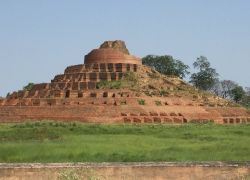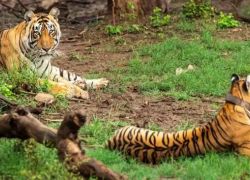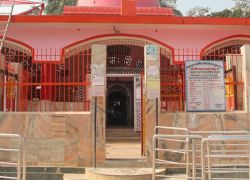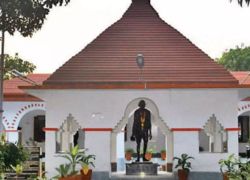
"Immerse in rich biodiversity and natural beauty."
Valmiki National Park is a spectacular wildlife destination located in the West Champaran district of Bihar, India. It is the **only national park and tiger reserve in Bihar**, covering an area close to 900 square kilometers and forming part of the Terai–Bhabar ecosystem at the foothills of the Himalayas. Known for its rich biodiversity, dense forests, and rare wildlife, Valmiki National Park offers an extraordinary blend of adventure, nature, and cultural history. :contentReference[oaicite:0]{index=0}
History and Background
The region around Valmiki was originally declared a wildlife sanctuary in 1978, reflecting its ecological importance and the need for protection of its flora and fauna. Later, in 1990, the sanctuary was upgraded to a **national park**, and soon after it became a crucial part of India’s tiger conservation efforts under *Project Tiger*, giving it legal recognition as a tiger reserve. :contentReference[oaicite:1]{index=1}
The name “Valmiki” comes from the ancient sage Valmiki, who is traditionally believed to have composed the epic Ramayana in this region. As a result, the park holds both natural and cultural significance. :contentReference[oaicite:2]{index=2}
Wildlife and Biodiversity
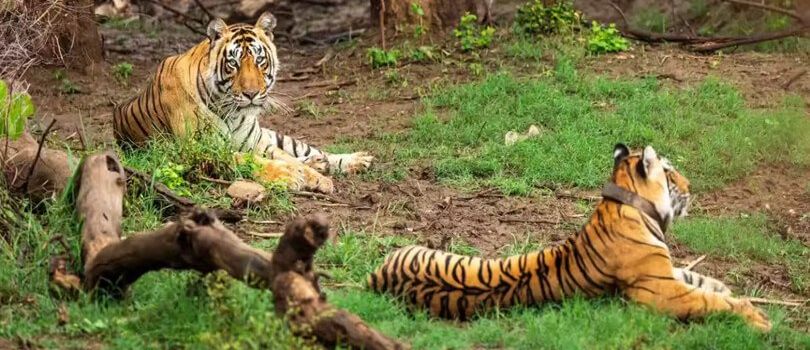
Valmiki National Park is rich in biodiversity and supports a wide variety of wildlife. As part of a strategic habitat corridor with Nepal’s Chitwan National Park to the north, it hosts numerous species that thrive across borders. The park is particularly famous for its population of **Royal Bengal Tigers**, making it one of the most important tiger reserves in eastern India. :contentReference[oaicite:3]{index=3}
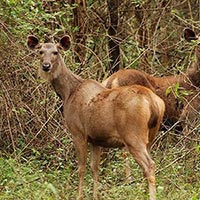
In addition to tigers, the park is home to leopards, sloth bears, wild boars, Indian bison (gaur), and several species of deer including sambar and chital. The forest also shelters elephants, Indian pangolins, striped hyenas, and other fascinating mammals. :contentReference[oaicite:4]{index=4}
The birdlife is equally impressive, with more than 250 species recorded, including hornbills, paradise flycatchers, peacocks, and migratory birds that visit during the winter months. The park’s rivers and wetlands also support aquatic life like the endangered Gangetic dolphin. :contentReference[oaicite:5]{index=5}
Flora and Landscape
The forest of Valmiki National Park consists of moist deciduous Sal forests, grasslands, riverine vegetation, and wetlands. It encompasses a mixture of **Terai–Bhabar landscapes**, which means the topography includes gently rolling foothills transitioning into river plains and dense vegetation areas. This diversity of habitats supports a wide spectrum of plant and animal life. :contentReference[oaicite:6]{index=6}
How to Reach Valmiki National Park
Valmiki National Park is located in remote countryside with good connectivity from major transport hubs:
Weather and Best Time to Visit
The climate in Valmiki National Park varies with the season. Winters (November to March) offer **cool, pleasant weather** and are considered the best time to visit for wildlife sightings and outdoor activities. Summers (April to June) can be very hot, making afternoon activities challenging. During the monsoon season (July to September), heavy rainfall may affect road access, although the forest becomes lush and green. :contentReference[oaicite:10]{index=10}
Entry and Timings
Visitors are generally allowed inside Valmiki National Park in organized groups or with prior permission from forest authorities. Typical safari timings are:
These timings may vary slightly by season and management policy, so it is recommended to check with the park’s official entry office or local travel guides before planning your visit. :contentReference[oaicite:11]{index=11}
Things to Do at Valmiki National Park
Visitation in Valmiki National Park can be an exciting experience with a variety of activities:
Interesting Facts
• Only Tiger Reserve in Bihar: Valmiki is the only tiger reserve in the entire state of Bihar, making it a vital stronghold for tiger conservation. :contentReference[oaicite:17]{index=17}
• Transboundary Wildlife Corridor: Its proximity to Nepal’s Chitwan National Park enables cross-border movement of elephants, rhinoceros, and other wildlife. :contentReference[oaicite:18]{index=18}
• Rich Biodiversity: The park supports more than 250 species of birds, 50+ mammal species, and a healthy ecosystem of reptiles and butterflies. :contentReference[oaicite:19]{index=19}
Visitor Tips
• Book Safaris Early: Since the park has limited daily safari slots, booking in advance is beneficial. :contentReference[oaicite:20]{index=20}
• Carry Binoculars and Camera: Wildlife is best observed from a distance — binoculars and a camera with zoom are highly recommended. :contentReference[oaicite:21]{index=21}
• Respect Wildlife Rules: Do not feed animals, stray from designated paths, or make loud noises. :contentReference[oaicite:22]{index=22}
• Dress Appropriately: Use neutral colors, sturdy shoes, sun protection, and insect repellent for a comfortable experience. :contentReference[oaicite:23]{index=23}
Note on “Church of Our Lady, Bruges”
Your request also included topics like *“Church of Our Lady, Bruges, Champaran”*. It’s important to clarify that the famous Church of Our Lady refers to a **Roman Catholic church in Bruges, Belgium**, known for its tall Gothic tower and artistic heritage in Europe — and **it has no geographical or historical connection to Champaran, Bihar, India**. :contentReference[oaicite:24]{index=24}
If you intended to refer to a local church near Valmiki National Park or in Champaran with a similar name, please provide the correct name or location, and I can include relevant travel details. Otherwise, content about the Church of Our Lady in Bruges is unrelated to Indian wildlife travel.



Champaran
Champaran
Champaran
Champaran
Champaran
Champaran
Champaran
Champaran
Champaran