"Discover the roots of Gandhi's philosophy."
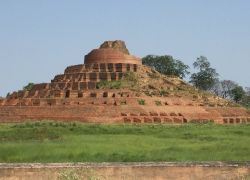
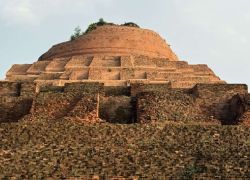
Bhitiharwa Ashram is a peaceful and historically important place located in West Champaran district of Bihar, India, close to the India–Nepal border. This ashram is closely connected with Mahatma Gandhi and the Champaran Satyagraha movement of 1917, which marked the beginning of organized non-violent resistance in India’s freedom struggle. The ashram today stands as a symbol of truth, simplicity, education, and self-reliance.
Surrounded by green fields, village life, and open spaces, Bhitiharwa Ashram attracts visitors who are interested in India’s freedom movement, Gandhian philosophy, and rural development. The calm atmosphere makes it an ideal place for reflection and learning about the early days of India’s struggle for independence.
History of Bhitiharwa Ashram
Bhitiharwa Ashram was established by Mahatma Gandhi in 1917 during the Champaran movement. At that time, farmers in Champaran were being forced by British indigo planters to grow indigo under the Tinkathia system, which caused severe hardship and poverty. Mahatma Gandhi came to Champaran to understand their problems and lead a peaceful movement against this unjust practice.
Gandhi chose Bhitiharwa village as one of the centers for his social and educational work. The ashram was set up to spread education among villagers, promote cleanliness, encourage self-reliance through spinning and village industries, and raise awareness about basic rights. Leaders such as Rajendra Prasad and other freedom fighters also worked from this ashram. Over time, Bhitiharwa Ashram became an important base for social reform activities in rural Bihar.
Architecture and Layout of the Ashram
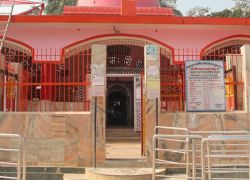
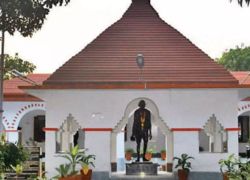
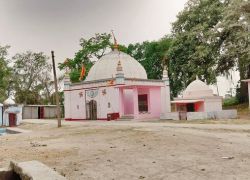
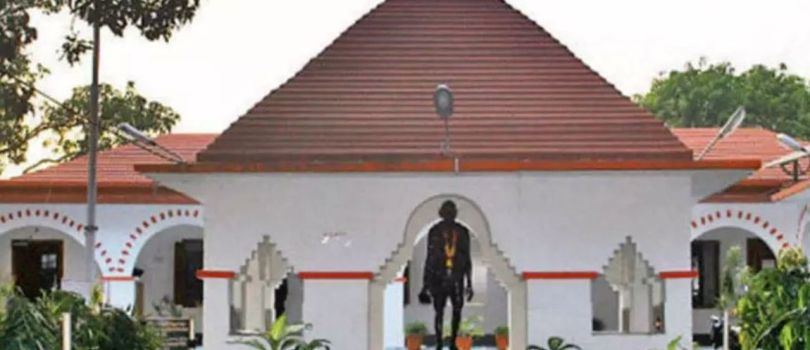
The architecture of Bhitiharwa Ashram is simple and reflects Gandhian values of minimalism and functionality. The buildings are modest in size, constructed using basic materials and traditional styles common to rural Bihar. The ashram includes a small prayer hall, rooms where Mahatma Gandhi and his associates stayed, and open courtyards where meetings and discussions were held.
The ashram complex also has a small museum-like section displaying photographs, writings, and information boards related to the Champaran movement and Gandhiji’s activities in the region. The open surroundings and greenery add to the peaceful environment, allowing visitors to experience the simplicity and discipline that defined Gandhian living.
How to Reach Bhitiharwa Ashram, Champaran
Bhitiharwa Ashram is located in West Champaran district and can be reached by road from major towns in Bihar and nearby regions.
By Air: The nearest major airport is Jay Prakash Narayan International Airport in Patna, around 230–250 km away. From Patna, visitors can hire taxis or take buses towards Bettiah and then continue to Bhitiharwa by local transport.
By Train: The nearest major railway station is Bettiah Junction, which is well connected to Patna, Muzaffarpur, Gorakhpur, and other cities. From Bettiah, Bhitiharwa Ashram is about 50–60 km away and can be reached by taxi or local bus.
By Road: Bhitiharwa is connected by state highways and rural roads. Regular buses and private vehicles operate from Bettiah, Motihari, and nearby towns. The road journey offers a close look at rural Champaran life and countryside landscapes.
Weather and Best Time to Visit
Bhitiharwa experiences a typical North Indian climate. Summers (April to June) are hot and dry, with temperatures often crossing 35°C. Monsoon season (July to September) brings heavy rainfall, which makes the area lush and green but can make rural roads muddy and difficult to travel.
The best time to visit Bhitiharwa Ashram is from October to March when the weather is pleasant and suitable for walking around the ashram and nearby villages. Winter months offer comfortable temperatures for sightseeing and learning tours. Visitors also prefer coming during Gandhi Jayanti (2nd October) when special programs and remembrance events are organized at the ashram.
Timings and Entry Details
Bhitiharwa Ashram is generally open to visitors during daylight hours, usually from around 9:00 AM to 5:00 PM. The timings may vary slightly depending on local administration and special events. It is advisable to visit during daytime as the area becomes quiet in the evening.
Entry to the ashram is usually free of cost. There is no official ticket counter. Visitors are expected to maintain silence and discipline, as the place is considered a site of national importance and reflection. Guided tours may be available on request through local caretakers.
Why Bhitiharwa Ashram Is Famous
Bhitiharwa Ashram is famous because it is directly connected to Mahatma Gandhi and the Champaran Satyagraha, which was the first major movement led by Gandhiji in India. The ashram served as a center for organizing farmers, educating villagers, and promoting social reforms such as cleanliness, basic education, and self-reliance.
The ashram represents the beginning of non-violent resistance that later shaped India’s freedom struggle. Many visitors come here to understand how Gandhi worked at the grassroots level and how simple living and moral strength helped change society.
Things to Do at Bhitiharwa Ashram
Visitors can walk around the ashram complex and read information boards that explain the history of Champaran Satyagraha.
You can spend time in quiet reflection or meditation in the peaceful surroundings.
Visitors interested in history can interact with local caretakers to learn more about Gandhiji’s work in the region.
Nearby villages can be explored to observe rural life and understand the conditions that existed during the freedom movement period.
Interesting Facts About Bhitiharwa Ashram
Bhitiharwa Ashram was one of the first centers set up by Mahatma Gandhi in India.
The ashram focused not only on political protest but also on education, cleanliness, and rural development.
Many freedom fighters used this place as a base for social work during the Champaran movement.
The ashram still hosts events on Gandhi Jayanti and other national occasions.
Visitor Tips
Wear simple and comfortable clothes suitable for walking.
Carry drinking water, especially during summer.
Respect the silence and cleanliness of the ashram.
Avoid littering and follow the instructions given by caretakers.
Visit during daylight hours for safety and better experience.
Note on “Church of Our Lady, Bruges, Champaran”
The Church of Our Lady is a famous historical church located in Bruges, Belgium, known for its tall Gothic tower and European heritage value. This church has no connection with Champaran district in Bihar, India.
If you were referring to any local church near Bhitiharwa or Champaran with a similar name, please share the correct name and location, and I can provide accurate details for your travel content.


Champaran
Champaran
Champaran
Champaran
Champaran
Champaran
Champaran
Champaran
Champaran