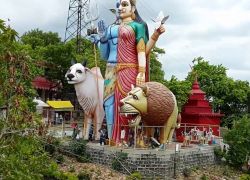
Maa Chandrasini Devi Temple is one of the most respected and spiritually significant temples in the Raigarh region of Chhattisgarh. Dedicated to Goddess Chandrasini Devi, an important form of Shakti, this temple is deeply rooted in local faith, traditions, and cultural history. Every year, thousands of devotees visit the temple to seek blessings for prosperity, health, and peace. Surrounded by a calm rural environment, the temple offers both spiritual comfort and a peaceful retreat from city life. Location and Overview of Maa Chandrasini Devi Temple, Raigarh The temple is located near :contentReference[oaicite:1]{index=1}, a district known for its royal heritage, tribal culture, and religious diversity. Maa Chandrasini Devi Temple holds a special place among local communities and nearby villages. It is not only a religious center but also a social and cultural gathering point, especially during festivals and special पूजा (puja) occasions. History of Maa Chandrasini Devi Temple The history of Maa Chandrasini Devi Temple is closely connected with local legends and oral traditions passed down through generations. According to popular belief, the temple has existed for several centuries and was established after devotees experienced divine visions of Goddess Chandrasini. Over time, the site became a recognized Shakti Peeth for the surrounding region. Earlier, the temple structure was simple and built using locally available materials. As the number of devotees increased, renovations and expansions were carried out by local rulers, villagers, and temple trusts. Despite these changes, the spiritual essence and traditional worship practices of the temple have been carefully preserved. Architecture of Maa Chandrasini Devi Temple The architectural style of Maa Chandrasini Devi Temple reflects traditional Hindu temple design blended with regional influences. The temple structure includes: • A sanctum sanctorum (garbhagriha) housing the idol of Maa Chandrasini Devi • A small mandapa for devotees to sit and pray • Traditional carvings and religious symbols on walls and pillars • A temple courtyard used during festivals and community gatherings The idol of the goddess is beautifully decorated with flowers, clothes, and ornaments, especially during Navratri and other major festivals. The architecture emphasizes devotion and simplicity rather than grand decoration. Why Maa Chandrasini Devi Temple, Raigarh Is Famous Maa Chandrasini Devi Temple is famous for its strong religious significance and deep-rooted belief among devotees. The temple is especially known for: • Worship of Goddess Chandrasini, a powerful form of Shakti • Fulfillment of wishes and spiritual healing • Large gatherings during Navratri and special pujas • Its peaceful and sacred atmosphere Many devotees believe that sincere prayers offered here bring protection, strength, and positive changes in life. How to Reach Maa Chandrasini Devi Temple, Raigarh Raigarh is well connected by air, rail, and road, making the temple easily accessible. By Air: The nearest airport is Swami Vivekananda Airport, Raipur. From Raipur, Raigarh can be reached by train or road. By Train: Raigarh Railway Station lies on the Howrah–Mumbai main railway line and has frequent trains from major cities. By Road: Regular buses and taxis are available from nearby towns. Local transport can be used to reach the temple from Raigarh city. Weather and Best Time to Visit Raigarh experiences a tropical climate throughout the year. Summer (March to June): Hot weather; temple visits are best done early morning or evening. Monsoon (July to September): Pleasant greenery around the temple, but occasional heavy rainfall. Winter (October to February): The best time to visit, with comfortable temperatures and festive celebrations. Timings of Maa Chandrasini Devi Temple, Raigarh The temple is generally open daily for devotees. Morning: 6:00 AM to 12:00 PM Evening: 4:00 PM to 8:00 PM Timings may extend during festivals and special religious occasions. Entry and Visit Details There is no entry fee to visit Maa Chandrasini Devi Temple. Devotees can offer flowers, coconuts, and prasad as per tradition. Special pujas and offerings can be arranged through the temple authorities during festivals or personal religious ceremonies. Things to Do at Maa Chandrasini Devi Temple, Raigarh Visitors and devotees can engage in various activities: • Participate in daily aarti and prayers • Offer special pujas during Navratri • Spend time in meditation and spiritual reflection • Experience local religious customs and rituals • Visit nearby temples and cultural sites in Raigarh Interesting Facts About Maa Chandrasini Devi Temple • Goddess Chandrasini is worshipped as a symbol of strength and protection. • The temple plays a major role during Navratri celebrations. • Devotees from nearby districts regularly visit the temple. • The temple is maintained largely through community support. • Local folklore adds deep cultural value to the site. Travel Tips for Visiting Maa Chandrasini Devi Temple, Raigarh • Dress modestly as it is a religious place. • Visit early morning for a peaceful darshan. • Avoid peak festival hours if you prefer less crowd. • Carry basic essentials like water, especially in summer. • Respect temple rules and local traditions. Important Clarification About “Church of Our Lady, Bruges” Some travel content formats mention “Church of Our Lady, Bruges.” This famous church is located in :contentReference[oaicite:2]{index=2} and is not connected in any way to Maa Chandrasini Devi Temple or Raigarh. Therefore, details such as history, architecture, entry fees, or reasons for fame related to the Church of Our Lady, Bruges, do not apply to this temple in Chhattisgarh. Conclusion Maa Chandrasini Devi Temple, Raigarh, stands as a symbol of devotion, faith, and cultural heritage. With its peaceful surroundings, strong spiritual beliefs, and welcoming atmosphere, the temple offers a meaningful experience for devotees and travelers alike. Whether you are seeking blessings or exploring the religious heritage of Chhattisgarh, this sacred temple is a place worth visiting.
Explore More
Introduction to Temples of Raigarh, Raigarh The Temples of Raigarh represent the deep spiritual roots and cultural heritage of the city and surrounding regions. Located in :contentReference[oaicite:0]{index=0}, these temples are not only places of worship but also important centers of history, architecture, and community life. Raigarh is widely known for its devotion to Hindu traditions, classical music, and tribal culture, and its temples reflect this rich blend of faith and heritage. From ancient shrines dedicated to Goddess Shakti to peaceful Shiva temples, the temples of Raigarh attract devotees, pilgrims, and cultural travelers throughout the year. Overview of Major Temples in Raigarh Raigarh is home to several important temples, each with its own religious importance and local legends. Some temples are located within the city, while others are found in nearby villages, forests, and hill areas. These temples are dedicated to different Hindu deities such as Lord Shiva, Goddess Durga, Goddess Kali, Lord Hanuman, and Lord Vishnu. Temples like Maa Chandrasini Devi Temple, Ram Mandir, Hanuman Mandir, and various Shiva temples play a central role in daily worship and festival celebrations. Together, they form the spiritual backbone of Raigarh and contribute to its identity as a religious destination in eastern Chhattisgarh. History of Temples of Raigarh The history of temples in Raigarh dates back several centuries and is closely linked with local rulers, tribal traditions, and village communities. Many early temples were built using simple materials and later renovated with stone and concrete as the region developed. Royal families of Raigarh State also contributed to temple construction and maintenance, especially during the princely era. In addition to royal patronage, local villagers played a significant role in preserving these temples. Oral traditions, folklore, and devotional songs have helped pass temple histories from one generation to another. Though not all temples have written records, their continued worship highlights their long-standing importance. Architecture of Temples of Raigarh The architecture of Raigarh temples is simple, traditional, and deeply spiritual. Most temples follow North Indian Hindu architectural styles with regional influences. Common architectural features include: • Sanctum sanctorum (garbhagriha) housing the main deity • Small mandapas or prayer halls • Shikhara (tower) above the sanctum • Courtyards used for gatherings and festivals Some older temples feature stone carvings, religious symbols, and traditional designs, while newer temples are more modern in structure. The emphasis is usually on devotion and ritual rather than grand decoration. Why Temples of Raigarh Are Famous The temples of Raigarh are famous for their strong spiritual energy and deep-rooted faith among devotees. They are well known for: • Ancient religious traditions and daily rituals • Large gatherings during festivals like Navratri, Mahashivratri, and Ram Navami • Local legends associated with deities and sacred sites • Peaceful environment suitable for prayer and meditation Many devotees believe that sincere prayers offered at Raigarh temples bring blessings, protection, and fulfillment of wishes. How to Reach Temples of Raigarh Raigarh is well connected by air, rail, and road, making temple visits easy for travelers. By Air: The nearest airport is Swami Vivekananda Airport, Raipur. From Raipur, Raigarh can be reached by train or road. By Train: Raigarh Railway Station lies on the Howrah–Mumbai main railway route and has frequent train services from major cities. By Road: Raigarh is connected by national and state highways. Local buses, taxis, and auto-rickshaws are available for reaching temples within the city and nearby areas. Weather and Best Time to Visit Temples of Raigarh Raigarh experiences a tropical climate. Summer (March to June): Hot weather; temple visits are best in early morning or evening. Monsoon (July to September): Pleasant greenery, though occasional rain may affect travel. Winter (October to February): The best time to visit temples, with comfortable temperatures and major festivals. Temple Timings in Raigarh Most temples in Raigarh follow similar daily schedules. Morning: 5:30 AM to 12:00 PM Evening: 4:00 PM to 8:30 PM Timings may vary depending on the temple and during festivals. Entry and Visit Details There is generally no entry fee to visit temples in Raigarh. Devotees may offer flowers, fruits, coconuts, and prasad. Special pujas and ceremonies can be arranged through temple priests. Visitors are advised to follow temple rules and maintain cleanliness. Things to Do While Visiting Temples of Raigarh Visitors can experience more than just worship: • Participate in daily aarti and prayer rituals • Attend special festivals and religious events • Observe traditional temple customs • Spend time in meditation and spiritual reflection • Explore nearby local markets and cultural sites Interesting Facts About Temples of Raigarh • Raigarh temples reflect a blend of royal and tribal traditions. • Many temples are community-managed and supported by devotees. • Navratri is the most important festival celebrated across temples. • Some temples are located in scenic natural surroundings. • Classical music and devotional songs are often part of temple events. Travel Tips for Visiting Temples of Raigarh • Dress modestly and respectfully. • Visit early morning for a peaceful experience. • Remove footwear before entering temples. • Avoid visiting during peak hours if you prefer less crowd. • Respect local customs and religious practices. Important Clarification About “Church of Our Lady, Bruges” Some content formats mention “Church of Our Lady, Bruges.” This famous church is located in :contentReference[oaicite:1]{index=1} and is not connected in any way with the temples of Raigarh or with Raigarh city in India. Therefore, details such as history, architecture, entry fees, or reasons for fame related to the Church of Our Lady, Bruges do not apply to the Temples of Raigarh. Conclusion The Temples of Raigarh, Raigarh, showcase the city’s deep devotion, cultural richness, and spiritual harmony. Whether you are a devotee, cultural explorer, or traveler seeking peace, these temples offer a meaningful experience. With their simple architecture, strong faith, and welcoming atmosphere, the temples of Raigarh continue to inspire generations and remain an essential part of the region’s heritage.
Explore More
The Danteshwari Temple, located in Jagdalpur in the Bastar region of Chhattisgarh, is a revered pilgrimage site dedicated to Goddess Danteshwari, an incarnation of Goddess Durga. The temple is situated at the confluence of the Shankhini and Dankini rivers, surrounded by the beauty of dense forests, making it a spiritual and serene destination. The Danteshwari Temple holds immense religious significance for the people of Bastar and is considered one of the 52 Shakti Peethas in India. How to Reach Danteshwari Temple, Jagdalpur The Danteshwari Temple is easily accessible from Jagdalpur and can be reached by various modes of transport. By Air: The nearest airport to Jagdalpur is Swami Vivekananda Airport in Raipur, about 300 km away. From Raipur, you can hire a taxi or take a bus to reach Jagdalpur, and then visit the temple. By Train: Jagdalpur has a railway station that connects it to major cities like Raipur, Bilaspur, and others. Once you reach the Jagdalpur railway station, you can hire a cab or auto-rickshaw to reach the temple. By Road: Jagdalpur is well connected to other cities and towns by road. You can hire a private vehicle or take a bus to reach Jagdalpur. The Danteshwari Temple is located within the city, so it is easy to get there by local transport. Weather The weather in Jagdalpur is typical of a tropical climate, with a distinct summer, monsoon, and winter season. Summer (March to June): The summer season in Jagdalpur can be quite hot, with temperatures rising to 40°C. The temple remains open for visitors, but the heat might make outdoor activities less comfortable during this time. Monsoon (July to September): The monsoon season brings moderate to heavy rainfall, making the surrounding area lush and green. While the temple is open, it is important to be cautious when traveling due to the wet conditions. Winter (October to February): Winter is the best time to visit the Danteshwari Temple, as the weather is pleasant, with temperatures ranging from 15°C to 25°C. This is the ideal time to explore the temple and enjoy the surrounding natural beauty. Timing The Danteshwari Temple is open for visitors throughout the week from early morning to late evening. The temple generally opens around 6:00 AM and closes by 9:00 PM. Devotees can participate in daily prayers and rituals during these hours. The temple is especially busy during the annual Dussehra festival, where it attracts a large number of devotees. Why Famous for Danteshwari Temple, Jagdalpur? The Danteshwari Temple is famous for being one of the 52 Shakti Peethas in India, which are sacred shrines dedicated to Goddess Durga. According to Hindu mythology, the temple is believed to be the place where the teeth of Goddess Sati fell, giving the temple its name “Danteshwari,” which means “the goddess of the tooth.” The temple holds significant religious importance, especially for the local tribal communities, who consider it a powerful place of worship. The Danteshwari Temple is also well known for its architectural beauty, with its traditional Chhattisgarhi style of construction. The sanctum sanctorum houses the idol of Goddess Danteshwari, which is beautifully adorned during the various festivals and rituals that take place throughout the year. Entry and Visit Details about Danteshwari Temple, Jagdalpur The entry to Danteshwari Temple is free for all visitors. There is no entry fee to visit the temple, making it an easily accessible place for pilgrims and tourists alike. However, donations are accepted at the temple, which are used for the upkeep of the temple and its activities. Upon arrival, visitors are required to follow the temple's rules and regulations. It is customary to remove shoes before entering the temple premises. Photography is not allowed inside the temple to maintain the sanctity of the place. If you wish to participate in any rituals or poojas, you can purchase the necessary offerings at the temple or nearby shops. History and Architecture of Danteshwari Temple The history of the Danteshwari Temple dates back to the 14th century, though the exact date of its construction remains unknown. It is believed that the temple was built by the Chalukya kings during their reign over the region. The temple has undergone several renovations and restorations over the centuries, with additions to the architecture in later years. Architecturally, the Danteshwari Temple reflects the Chhattisgarhi style, featuring intricate carvings on the walls and pillars. The temple has a unique structure with a large central sanctum, which houses the idol of Goddess Danteshwari. The temple complex also includes smaller shrines dedicated to other deities and is surrounded by beautiful gardens and open spaces. Things to Do at Danteshwari Temple, Jagdalpur Worship and Prayer: The main activity at the Danteshwari Temple is offering prayers to Goddess Danteshwari. Participate in the daily aartis and rituals to seek blessings. Explore the Temple Complex: Take a walk around the temple complex, admire the architecture, and enjoy the peaceful surroundings. Attend the Dussehra Festival: If you visit during Dussehra, you can experience the grand celebrations, which include elaborate rituals, dances, and processions. Photography: While photography is not allowed inside the temple, you can take pictures of the temple from outside and capture the surrounding scenic beauty. Shopping for Local Artifacts: There are various stalls around the temple selling local handicrafts, souvenirs, and religious offerings. You can shop for these as a memento of your visit. Facts and Tips about Danteshwari Temple, Jagdalpur Best Time to Visit: The best time to visit is during the winter months (October to February) when the weather is pleasant. The Dussehra festival in September-October is also a significant event to experience. Dress Modestly: As a place of worship, it is important to dress modestly when visiting the temple. Avoid wearing revealing or inappropriate clothes. Carry Offerings: If you wish to participate in the rituals, you can purchase flowers, fruits, or prasad (holy offerings) from nearby shops. Plan Your Visit During the Morning: Visiting the temple early in the morning allows you to experience the serene atmosphere and participate in the morning prayers. Respect Local Traditions: Be respectful of the local customs and traditions, especially when interacting with the temple priests and staff. Conclusion The Danteshwari Temple in Jagdalpur is not only a significant religious destination but also a place of cultural and historical importance. With its beautiful architecture, rich history, and tranquil atmosphere, it attracts visitors from all over the country. Whether you're visiting for spiritual reasons, to explore the local culture, or to witness the annual festivities, Danteshwari Temple offers a memorable experience for all.
Explore More
Maa Shivani Temple is one of the most respected and spiritually significant temples in the Kanker district of Chhattisgarh. The temple is not only a place of worship but also a symbol of faith for the local people. Many devotees believe that Maa Shivani fulfills wishes and protects her followers from difficulties. Because of this strong belief, the temple holds a special place in the religious and cultural life of Kanker. History of Maa Shivani Temple, Kanker The history of Maa Shivani Temple is deeply connected with local traditions and folklore. According to popular belief, the temple has existed for several generations and was established after villagers experienced divine signs related to the Goddess. Over time, the site became a center of worship and devotion. Local stories say that Maa Shivani is the guardian deity of the region, protecting Kanker and nearby villages from natural and spiritual dangers. Although there are limited written historical records, the temple’s long-standing presence and continuous worship reflect its importance in the region’s spiritual history. Architecture of Maa Shivani Temple The architecture of Maa Shivani Temple is simple yet deeply spiritual. Unlike large and highly decorative temples, this shrine reflects traditional regional temple design. The structure is built using basic construction materials, focusing more on devotion than grandeur. The sanctum houses the idol of Maa Shivani, beautifully decorated with flowers, clothes, and ornaments by devotees. The temple complex also includes an open courtyard where people gather during festivals and special prayers. The peaceful atmosphere adds to the spiritual experience of visitors. Why Maa Shivani Temple Is Famous Maa Shivani Temple is famous for its strong spiritual energy and the deep faith people have in the Goddess. Devotees from Kanker and nearby districts visit the temple regularly to offer prayers for health, success, and family well-being. The temple becomes especially lively during Navratri and other Hindu festivals, when special pujas and rituals are performed. During these times, the temple attracts a large number of pilgrims, creating a vibrant and devotional atmosphere. How to Reach Maa Shivani Temple, Kanker Reaching Maa Shivani Temple is convenient, as Kanker is well connected by road to major cities of Chhattisgarh. By Road: Kanker has good road connectivity with Raipur, Jagdalpur, and Dhamtari. Regular buses and taxis are available. The temple is easily accessible from Kanker town. By Rail: The nearest major railway station is Raipur Junction. From Raipur, visitors can travel to Kanker by bus or taxi. By Air: Swami Vivekananda Airport in Raipur is the nearest airport. From there, Kanker can be reached by road. Weather and Best Time to Visit Maa Shivani Temple The weather in Kanker remains suitable for temple visits for most of the year. Winter (October to February): This is the best time to visit. The weather is pleasant and ideal for sightseeing and spiritual activities. Summer (March to June): Summers can be warm, but early morning or evening visits are comfortable. Monsoon (July to September): The surroundings become green and refreshing, but visitors should be cautious during heavy rains. Timings of Maa Shivani Temple Maa Shivani Temple is open daily for devotees. Temple Timings: Morning: 6:00 AM to 12:00 PM Evening: 4:00 PM to 8:00 PM Timings may vary slightly during festivals and special occasions. Entry and Visit Details There is no entry fee to visit Maa Shivani Temple. The temple is open to all devotees and visitors. Photography inside the sanctum may be restricted. Visitors are advised to follow temple rules and maintain silence and cleanliness within the premises. Things to Do at Maa Shivani Temple Offer Prayers: Devotees can offer flowers, coconuts, and incense to Maa Shivani. Attend Aarti: Morning and evening aartis are peaceful and spiritually uplifting. Meditation: The calm environment is ideal for quiet meditation and reflection. Festival Participation: Visiting during Navratri allows visitors to experience the temple’s vibrant celebrations. Interesting Facts About Maa Shivani Temple The temple is considered a Shakti worship center in the Kanker region. Local devotees believe that Maa Shivani protects the town and its people. The temple plays an important role during major Hindu festivals. Travel Tips for Visiting Maa Shivani Temple, Kanker Wear modest and respectful clothing while visiting the temple. Visit during early morning or evening hours for a peaceful experience. Avoid crowded hours during major festivals if you prefer a calm visit. Respect local customs and temple traditions. Conclusion Maa Shivani Temple, Kanker is not just a religious site but a place of deep faith, peace, and cultural importance. Its spiritual atmosphere, strong local beliefs, and simple architecture make it a meaningful destination for devotees and travelers alike. A visit to this sacred temple offers inner peace, positive energy, and a closer connection to the spiritual heritage of Chhattisgarh.
Explore More
ISKCON Raipur is one of the most important spiritual centers in the capital city of Raipur. Managed by the International Society for Krishna Consciousness (ISKCON), this temple is dedicated to Lord Krishna and follows the teachings of Bhakti Yoga, devotion, and spiritual discipline. The temple attracts devotees, spiritual seekers, tourists, and families from Raipur and nearby regions throughout the year. ISKCON Raipur is not just a place of worship; it is a peaceful spiritual complex where visitors can experience devotion, culture, philosophy, and community service. With its serene atmosphere, regular prayers, kirtans, and spiritual programs, the temple provides a calm escape from busy city life. History of ISKCON Raipur The International Society for Krishna Consciousness was founded in 1966 by A.C. Bhaktivedanta Swami Prabhupada with the aim of spreading the teachings of Lord Krishna as mentioned in the Bhagavad Gita and Srimad Bhagavatam. ISKCON Raipur was established as part of this global spiritual movement to promote Krishna consciousness in Chhattisgarh. Since its establishment, ISKCON Raipur has grown into a prominent religious and cultural center. The temple regularly organizes spiritual discourses, devotional singing, festivals, and social activities. Over the years, it has become a strong spiritual pillar for devotees seeking guidance, peace, and devotion in their daily lives. Architecture of ISKCON Raipur The architecture of ISKCON Raipur reflects a blend of traditional temple design and modern construction. The temple structure is elegant, clean, and well-maintained, designed to create a peaceful and spiritual environment for worship. The main sanctum houses beautifully decorated idols of Lord Krishna and Radha, adorned with colorful clothes, flowers, and ornaments. The prayer hall is spacious and allows devotees to sit comfortably during aarti and kirtan. The temple complex also includes smaller shrines, a hall for spiritual lectures, and areas for community gatherings. The overall architectural design focuses on simplicity, devotion, and spiritual focus rather than grandeur, making the temple welcoming and serene. Why ISKCON Raipur Is Famous ISKCON Raipur is famous for its spiritual teachings, devotional practices, and vibrant celebrations of Hindu festivals. The temple is known for its daily aartis, melodious kirtans, and Bhagavad Gita classes that attract people of all age groups. The temple is especially popular during festivals like Janmashtami, Radhashtami, and Gaura Purnima, when the complex is beautifully decorated and filled with devotional energy. ISKCON Raipur is also known for promoting a disciplined and spiritual lifestyle through vegetarianism, meditation, and devotion. How to Reach ISKCON Raipur, Raipur ISKCON Raipur is easily accessible from different parts of the city. By Road: Local buses, auto-rickshaws, and taxis are readily available from all areas of Raipur. The temple is well connected by city roads. By Rail: Raipur Junction is a major railway station with excellent connectivity to major cities across India. From the station, the temple can be reached by taxi or local transport. By Air: Swami Vivekananda Airport, Raipur, is the nearest airport. From the airport, visitors can hire taxis or app-based cabs to reach ISKCON Raipur. Weather and Best Time to Visit ISKCON Raipur The weather in Raipur plays an important role in planning a temple visit. Winter (October to February): The best time to visit. Pleasant weather makes temple visits and participation in activities comfortable. Summer (March to June): Summers can be hot, so early morning or evening visits are recommended. Monsoon (July to September): The surroundings become greener, though humidity can be high. Timings of ISKCON Raipur ISKCON Raipur follows fixed daily timings for devotees. Temple Timings: Morning: 4:30 AM to 1:00 PM Evening: 4:30 PM to 9:00 PM Timings may change slightly during festivals and special religious events. Entry and Visit Details There is no entry fee to visit ISKCON Raipur. The temple is open to all visitors regardless of religion or background. Donations are voluntary and are used for temple maintenance, spiritual programs, and community services. Photography may be restricted inside the sanctum, so visitors should follow temple guidelines. Things to Do at ISKCON Raipur Attend Aarti: Participate in morning and evening aarti for a spiritually uplifting experience. Kirtan and Bhajans: Join devotional singing sessions that create a peaceful atmosphere. Spiritual Learning: Attend Bhagavad Gita classes and spiritual discourses. Festival Celebrations: Experience vibrant celebrations during Janmashtami and other festivals. Meditation: Spend quiet time in meditation and reflection within the temple premises. Interesting Facts About ISKCON Raipur The temple follows strict vegetarian principles. ISKCON Raipur is part of a global spiritual movement present in many countries. The temple regularly engages in cultural and spiritual education programs. Travel Tips for Visiting ISKCON Raipur, Raipur Wear modest and respectful clothing. Maintain silence and decorum inside the prayer hall. Visit during aarti timings to experience devotional energy. Follow temple rules regarding photography and mobile phone usage. Conclusion ISKCON Raipur, Raipur is a center of devotion, peace, and spiritual learning. With its serene atmosphere, regular religious activities, and welcoming environment, the temple offers a meaningful experience for devotees and visitors alike. Whether you are seeking spiritual guidance, inner peace, or cultural understanding, a visit to ISKCON Raipur provides a deeply enriching and calming journey into devotion and faith.
Explore More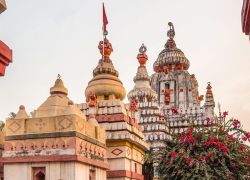
Dudhadhari Monastery and Temple
Welcome to the serene and enchanting Dudhadhari Monastery and Temple nestled in the heart of Raipur. This captivating tourist attraction offers a unique blend of spirituality, natural beauty, and cultural heritage, making it a must-visit destination for travelers seeking tranquility and exploration in the bustling city. History of Dudhadhari Monastery and Temple The Dudhadhari Monastery and Temple hold a rich historical legacy dating back to the ancient times when it served as a royal hunting ground for the erstwhile rulers. Over the years, this sacred site has undergone significant conservation efforts to preserve its natural environment, leading to its recognition by UNESCO as a site of historical and cultural importance. Architecture and Natural Beauty of Dudhadhari Monastery and Temple Surrounded by lush wetlands, dense forests, and picturesque grasslands, Dudhadhari Monastery and Temple mesmerize visitors with its diverse bird habitats and breathtaking landscapes. The historical Keoladeo Temple situated within the premises adds to the architectural charm of this spiritual haven. Why is Dudhadhari Monastery and Temple Famous? Dudhadhari Monastery and Temple have gained popularity among birdwatchers, photographers, nature enthusiasts, and wildlife lovers due to its rich biodiversity, offering a captivating glimpse into the wonders of the natural world. The site is renowned for its vibrant avian population and serene ambiance that attracts visitors from far and wide. How to Reach Dudhadhari Monastery and Temple Traveling to Dudhadhari Monastery and Temple is convenient, with options available by air, rail, and road. The nearest airport and railway station provide easy access to this tranquil destination, ensuring a hassle-free journey for visitors. Weather and Best Time to Visit Dudhadhari Monastery and Temple The weather at Dudhadhari Monastery and Temple exhibits distinct seasonal variations, with summer, monsoon, and winter seasons offering unique experiences to visitors. The best time to explore this magnificent site is during the pleasant months when the natural beauty is at its peak. Timings of Dudhadhari Monastery and Temple Dudhadhari Monastery and Temple welcome visitors during specific timings, with seasonal variations that may influence your travel plans. It is advisable to plan your visit accordingly and make the most of your time exploring the wonders of this spiritual retreat. Entry Fee and Visit Details Entry procedures to Dudhadhari Monastery and Temple are straightforward, with guide services, safari options, bicycle rentals, and visitor facilities available to enhance your experience. Ensure you have all the necessary information before embarking on your journey to this enchanting destination. Things to Do at Dudhadhari Monastery and Temple Engage in a myriad of activities at Dudhadhari Monastery and Temple, including birdwatching, photography, cycling, walking trails, and nature observation. Immerse yourself in the serene surroundings and partake in educational experiences that offer insights into the rich biodiversity of the region. Interesting Facts About Dudhadhari Monastery and Temple Dudhadhari Monastery and Temple are home to a plethora of migratory birds, showcasing the ecological significance of this sacred site. The conservation achievements and efforts to protect the biodiversity of the region highlight the importance of preserving such natural treasures for future generations. Travel Tips for Visiting Dudhadhari Monastery and Temple When visiting Dudhadhari Monastery and Temple, remember to dress appropriately, carry essential photography and birdwatching equipment, and be mindful of the visiting seasons to make the most of your trip. Practice responsible tourism and respect the natural environment to ensure a memorable and sustainable travel experience. Conclusion In conclusion, Dudhadhari Monastery and Temple in Raipur stand as a harmonious blend of spirituality, natural beauty, and cultural heritage, offering visitors a unique opportunity to immerse themselves in the wonders of the natural world. Explore the serene surroundings, witness the vibrant avian population, and experience the tranquility of this enchanting destination that leaves a lasting impression on all who visit.
Explore More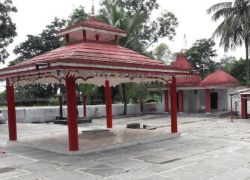
Kopabeda Shiv Temple is a spiritually important and culturally rich Hindu temple located near Kondagaon. Nestled amid forests, hills, and tribal villages of the Bastar region, this temple is dedicated to Lord Shiva and is revered by local communities as well as devotees from nearby districts. The temple is known for its peaceful surroundings, ancient roots, and strong connection with tribal faith and traditions. Kopabeda Shiv Temple is not just a religious site but also a reflection of the deep spiritual heritage of Bastar. The calm atmosphere, natural beauty, and devotional energy make it an ideal destination for pilgrims, history lovers, and travelers seeking spiritual peace away from crowded temples. History of Kopabeda Shiv Temple The history of Kopabeda Shiv Temple is closely linked with the ancient Shaivite traditions of the Bastar plateau. According to local beliefs and oral traditions, the temple has existed for several centuries and was established by early forest-dwelling communities who worshipped Lord Shiva as the supreme protector of nature. It is believed that sages and ascetics once meditated in this region, choosing the quiet forest surroundings for spiritual practices. Over time, villagers built a small shrine around the natural Shiva symbol (linga), which later developed into the present temple. Though there are no written historical records, the long-standing religious practices and annual festivals indicate the temple’s deep-rooted antiquity. Architecture of Kopabeda Shiv Temple The architecture of Kopabeda Shiv Temple is simple yet spiritually powerful. Unlike grand stone temples found in urban centers, this temple reflects traditional rural and tribal temple architecture. The structure is modest, built using locally available materials such as stone and cement, and blends naturally with its surroundings. The main sanctum houses a Shiva Linga, which is the focal point of worship. The temple premises may include a small open courtyard where devotees gather during festivals and special rituals. The simplicity of the design highlights devotion over decoration, making the temple deeply peaceful and authentic. Why Kopabeda Shiv Temple Is Famous Kopabeda Shiv Temple is famous for its religious significance and strong faith among local tribal communities. Devotees believe that prayers offered here bring peace, protection, and fulfillment of wishes. The temple becomes especially lively during festivals such as Maha Shivratri and the holy month of Shravan, when devotees gather in large numbers. The combination of spirituality, forest environment, and traditional rituals makes this temple unique in the Kondagaon region. How to Reach Kopabeda Shiv Temple, Kondagaon Kopabeda Shiv Temple is accessible mainly through road transport. By Road: The temple is located near Kopabeda village and can be reached from Kondagaon town by private vehicles, taxis, or local transport. The road journey passes through scenic forest areas and rural landscapes. By Rail: The nearest major railway station is Jagdalpur Railway Station. From Jagdalpur, visitors can travel by road to Kondagaon and then continue to Kopabeda village. By Air: Swami Vivekananda Airport, Raipur, is the nearest airport. From Raipur, travelers need to reach Kondagaon by road and then proceed to the temple. Weather and Best Time to Visit Kopabeda Shiv Temple The temple can be visited throughout the year, but weather conditions affect travel comfort. Winter (October to February): The best time to visit, with pleasant weather suitable for travel and temple visits. Monsoon (July to September): The surroundings turn lush green, enhancing the spiritual atmosphere, though roads may be slippery. Summer (March to June): Summers can be warm; early morning or evening visits are recommended. Timings of Kopabeda Shiv Temple Kopabeda Shiv Temple follows simple daily visiting hours. Temple Timings: 6:00 AM to 7:00 PM During festivals and special occasions, the temple may remain open for extended hours. Entry and Visit Details There is no entry fee to visit Kopabeda Shiv Temple. Devotees can offer prayers freely. Donations are voluntary and used for temple maintenance and festivals. Facilities around the temple are basic. Visitors should respect temple rules and maintain cleanliness within the premises. Things to Do at Kopabeda Shiv Temple Prayer and Worship: Offer prayers to Lord Shiva and participate in rituals. Meditation: Experience peace and silence in the forest surroundings. Festival Participation: Witness traditional celebrations during Maha Shivratri. Nature Walk: Explore nearby forest paths and village surroundings. Cultural Interaction: Learn about tribal beliefs and customs associated with the temple. Interesting Facts About Kopabeda Shiv Temple The temple is deeply connected with local tribal faith. Lord Shiva is worshipped here as a guardian of forests and villages. The site has remained spiritually active for centuries. Festivals attract devotees from nearby districts. Travel Tips for Visiting Kopabeda Shiv Temple, Kondagaon Dress modestly and respect religious customs. Visit during early morning or evening for a peaceful experience. Carry water and basic essentials, as facilities are limited. Avoid littering and maintain temple cleanliness. Seek local guidance if visiting during monsoon. Conclusion Kopabeda Shiv Temple, Kondagaon is a sacred and serene destination that reflects the spiritual soul of the Bastar region. With its ancient roots, simple architecture, and deep cultural significance, the temple offers a meaningful experience for devotees and travelers alike. A visit to Kopabeda Shiv Temple is not just a religious journey but also an opportunity to connect with nature, tradition, and timeless faith.
Explore More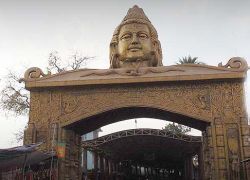
The Mungeli Maa Mahamaya Temple is a renowned religious site located in Bilaspur, Chhattisgarh. This temple is dedicated to Maa Mahamaya, a form of the Hindu Goddess Durga. The temple holds immense spiritual significance for devotees who come from far and wide to seek blessings and offer prayers to the deity. Architecture of Mungeli Maa Mahamaya Temple The temple is a fine example of traditional Indian architecture with its intricate carvings and vibrant colors. The entrance of the temple is adorned with beautifully crafted sculptures of various Hindu deities. The main sanctum sanctorum houses the idol of Maa Mahamaya, which is decorated with flowers and ornaments during daily prayers and rituals. The temple complex also includes smaller shrines dedicated to other gods and goddesses, along with a large open courtyard where devotees can sit and meditate. The entire structure exudes a sense of peace and tranquility, making it a perfect place for spiritual contemplation. History The history of the Mungeli Maa Mahamaya Temple dates back several centuries, with the exact origins shrouded in mystery. According to local legends, the temple was built by a saint who had a divine vision of Maa Mahamaya and was instructed to construct a temple in her honor. Over the years, the temple has undergone several renovations and expansions, but its spiritual essence has remained intact. Today, it stands as a symbol of faith and devotion, attracting devotees and tourists alike. Best Time To Visit The Mungeli Maa Mahamaya Temple can be visited throughout the year, but the best time to visit is during the Navratri festival, which is celebrated with great fervor and enthusiasm. During this time, the temple is adorned with colorful decorations, and special prayers and rituals are conducted in honor of Maa Mahamaya. It is also recommended to visit the temple during the early morning or evening hours when the weather is pleasant, and the temple is less crowded. This allows for a peaceful and serene experience, perfect for meditation and prayer. How To Reach The Mungeli Maa Mahamaya Temple is easily accessible by road, with well-maintained highways connecting it to major cities in the region. The nearest railway station is located in Bilaspur, which is about 40 kilometers away from the temple. From the railway station, visitors can hire a taxi or take a bus to reach the temple. For those traveling by air, the nearest airport is Swami Vivekananda Airport in Raipur, which is about 150 kilometers away from the temple. From the airport, one can hire a taxi or take a bus to reach the temple. Significance Of The Mungeli Maa Mahamaya Temple The Mungeli Maa Mahamaya Temple holds great significance for devotees, who believe that worshipping Maa Mahamaya brings blessings of prosperity, happiness, and protection. Many people visit the temple to seek guidance and solace during difficult times in their lives. The temple also serves as a cultural hub, hosting various festivals and events throughout the year that showcase the rich heritage of the region. It is a place where people from all walks of life come together in prayer and celebration, fostering a sense of unity and community. In conclusion, the Mungeli Maa Mahamaya Temple is not just a religious site but a symbol of faith, tradition, and spirituality. It stands as a beacon of hope and devotion for all those who seek solace and enlightenment. Visit this sacred place to experience the divine presence of Maa Mahamaya and immerse yourself in the blissful atmosphere of this ancient temple.
Explore More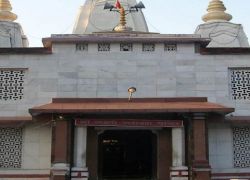
The Laxmi Narayan Mandir Temple is a beautiful and grand temple located in Bilaspur, Chhattisgarh. It is dedicated to Lord Vishnu and Goddess Lakshmi, making it a significant place of worship for Hindus. The temple is known for its intricate architecture, spiritual ambiance, and historical significance. Architecture of Laxmi Narayan Mandir Temple The Laxmi Narayan Mandir Temple is built in the traditional North Indian style of architecture, with exquisite stone carvings and ornate designs. The temple complex consists of a main shrine dedicated to Lord Vishnu and Goddess Lakshmi, surrounded by smaller shrines dedicated to other deities. The temple's spire, or shikara, is adorned with intricate sculptures of gods, goddesses, and mythical creatures. Inside the temple, visitors can admire the beautifully decorated ceilings, pillars, and walls, which are covered in colourful paintings and motifs. The sanctum sanctorum, where the main idols are placed, is a serene and sacred space where devotees come to offer prayers and seek blessings. History The Laxmi Narayan Mandir Temple has a rich history that dates back several centuries. The temple was built by the Maharaja of Bilaspur in the 18th century, during the rule of the Maratha Empire. Over the years, the temple has undergone several renovations and modifications, but has retained its original charm and beauty. The temple is not only a place of worship, but also a cultural and historical landmark in Bilaspur. It has stood as a symbol of faith and devotion for generations of devotees, who come to seek blessings and spiritual solace. Best Time To Visit The best time to visit the Laxmi Narayan Mandir Temple is during the festive season, which typically falls during the months of October and November. During this time, the temple is beautifully decorated with flowers, lights, and garlands, and is filled with the sounds of devotional songs and prayers. Visitors can also witness various cultural performances, processions, and rituals that take place during the festivals, adding to the vibrant and festive atmosphere of the temple. It is a time when the temple is bustling with activity and energy, making it a truly memorable experience for visitors. How To Reach The Laxmi Narayan Mandir Temple is located in the heart of Bilaspur city, making it easily accessible by road. Visitors can reach the temple by taking a taxi, auto-rickshaw, or public bus from any part of the city. The temple is also well-connected by rail, with the Bilaspur Railway Station located just a few kilometres away. For those travelling by air, the nearest airport is the Swami Vivekananda Airport in Raipur, which is approximately 135 kilometres away from Bilaspur. From the airport, visitors can hire a taxi or take a bus to reach the temple. Significance Of The Laxmi Narayan Mandir Temple The Laxmi Narayan Mandir Temple holds immense significance for devotees and pilgrims, who believe that worshipping Lord Vishnu and Goddess Lakshmi at the temple brings blessings and prosperity. The temple is also believed to be a place where prayers are answered and wishes are fulfilled. Aside from its religious significance, the temple is also a popular tourist attraction in Bilaspur, drawing visitors from near and far to admire its architectural beauty and spiritual ambiance. Many people visit the temple to seek inner peace, solace, and spiritual enlightenment. Overall, the Laxmi Narayan Mandir Temple in Bilaspur is a place that is steeped in history, culture, and tradition, making it a must-visit destination for anyone seeking a spiritual experience or simply looking to marvel at the grandeur of Indian temple architecture.
Explore More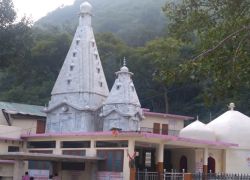
The Markandeya Temple is a renowned ancient temple located in Bilaspur, Himachal Pradesh. Dedicated to the sage Markandeya, the temple holds great religious significance for Hindus. The temple is situated on the banks of the beautiful River Satluj and is surrounded by lush greenery, making it a serene and peaceful place for devotees to visit. Architecture of Markandeya Temple The Markandeya Temple is known for its exquisite architecture that reflects the traditional Himachali style. The temple is constructed using wood and stone, with intricate carvings and designs that showcase the skill and craftsmanship of the artisans of that era. The temple's shikhara (spire) is a prominent feature, adorned with sculptures and figures depicting various mythological stories. History The history of the Markandeya Temple dates back to ancient times, believed to have been built during the reign of the Chandela rulers. The temple is dedicated to the sage Markandeya, who is known for his devotion and wisdom. Legend has it that the sage meditated at this very spot, making it a sacred place for followers to seek blessings and guidance. Best Time To Visit The best time to visit the Markandeya Temple is during the months of October to March when the weather is pleasant and ideal for sightseeing. During this time, the temple is also less crowded, allowing devotees to explore the surroundings in peace. The winter months offer a magical ambiance with misty mornings and cool evenings, adding to the spiritual experience of visiting the temple. How To Reach The Markandeya Temple is easily accessible by road, located about 30 kilometers from the town of Bilaspur. Visitors can hire a taxi or take a local bus from Bilaspur to reach the temple. The nearest railway station is in Bilaspur, which is well-connected to major cities like Delhi and Chandigarh. For those traveling by air, the nearest airport is in Chandigarh, from where they can hire a taxi or take a bus to reach the temple. Significance Of The Markandeya Temple The Markandeya Temple holds immense significance for followers of Hinduism, as it is believed to be a place where one can seek blessings for longevity and wisdom. The temple is also associated with the legend of sage Markandeya, who is revered for his devotion and knowledge. Followers visit the temple to offer prayers and seek guidance in their spiritual journey. In conclusion, the Markandeya Temple in Bilaspur is a sacred place with a rich history and stunning architecture. It is a must-visit destination for those seeking spiritual solace and connection with ancient Hindu traditions. The serene surroundings and peaceful ambiance of the temple make it a perfect place for meditation and introspection. Plan a visit to the Markandeya Temple to experience the divinity and beauty of this ancient shrine.
Explore More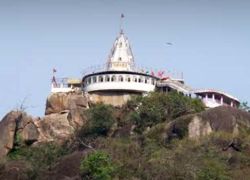
About The Bambleshwari Temple The Bambleshwari Temple is a popular Hindu temple located in Bhilai, Chhattisgarh. It is dedicated to the goddess Bambleshwari, an incarnation of Goddess Durga. The temple is known for its spiritual significance and attracts devotees from all over the region who come to seek blessings and offer prayers to the goddess. Architecture of Bambleshwari Temple The Bambleshwari Temple boasts stunning architecture that reflects traditional Hindu temple design. The temple features a grand entrance gate leading to a spacious courtyard where the main shrine is located. The shrine is adorned with intricate carvings and sculptures depicting Hindu deities and mythological figures. The temple complex also includes smaller shrines dedicated to other gods and goddesses, as well as various facilities for pilgrims. History The history of the Bambleshwari Temple dates back several centuries. According to legend, the temple was built by a devout king who was visited by the goddess Bambleshwari in a dream. The goddess instructed him to construct a temple in her honor at the site where she appeared to him. The king followed the goddess's instructions and built the temple, which has since become a revered place of worship for Hindus. Best Time To Visit The best time to visit the Bambleshwari Temple is during the festival of Navratri, which is celebrated with great zeal and fervor at the temple. Navratri is a nine-day festival dedicated to Goddess Durga, and during this time, the temple is decorated with lights and flowers, and special rituals and ceremonies are performed to honor the goddess. The atmosphere during Navratri is vibrant and festive, making it an ideal time to visit the temple. How To Reach The Bambleshwari Temple is easily accessible by road and is well-connected to major cities in Chhattisgarh. Visitors can reach the temple by taking a bus or hiring a taxi from nearby towns and cities. The nearest railway station to the temple is in Bhilai, which is well-connected to other parts of the state. For those traveling by air, the nearest airport is in Raipur, which is about 45 kilometers away from the temple. Significance Of The Bambleshwari Temple The Bambleshwari Temple holds great significance for devotees, who believe that worshipping the goddess can bring prosperity, peace, and protection from evil forces. Many devotees visit the temple to seek blessings for success, health, and happiness in their lives. The temple also serves as a cultural and religious hub, hosting various festivals, ceremonies, and events throughout the year. Overall, the Bambleshwari Temple is a place of spiritual solace and divine grace for all who visit it.
Explore More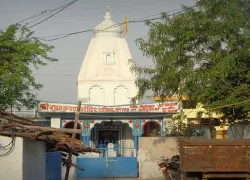
The Rudreshwar Temple, also known as the Rudraeshwar Mahadev Temple, is a popular Hindu temple located in Dhamtari, Chhattisgarh. This ancient temple is dedicated to Lord Shiva and is considered to be a sacred place by devotees who come here to seek blessings and offer prayers. The temple is known for its beautiful architecture and tranquil surroundings, making it a must-visit for those seeking spiritual solace. Architecture of Rudreshwar Temple The Rudreshwar Temple is built in the traditional Hindu temple architecture style, with intricate carvings and sculptures adorning its walls and pillars. The main sanctum sanctorum houses the idol of Lord Shiva in the form of a lingam, which is the main deity worshipped here. The temple complex also includes smaller shrines dedicated to other Hindu gods and goddesses, adding to the spiritual ambiance of the place. The temple's architecture is a fine example of ancient Indian craftsmanship, with detailed carvings depicting scenes from Hindu mythology and symbols of religious significance. The temple's spire, known as the shikhara, rises high into the sky, making it a prominent landmark in the area. History The history of the Rudreshwar Temple dates back centuries, with legends and myths surrounding its origins. It is believed that the temple was built by a saint named Rudraeshwar Baba, who was a devout follower of Lord Shiva. Over the years, the temple has undergone several renovations and additions, resulting in the magnificent structure that stands today. The temple has witnessed the rise and fall of empires and the passage of time, yet it continues to be a place of worship and spiritual contemplation for visitors from all walks of life. Best Time To Visit The best time to visit the Rudreshwar Temple is during the winter months, from October to February, when the weather is pleasant and conducive for exploring the temple complex. The cool breeze and clear skies make it an ideal time to enjoy the peaceful ambiance of the temple and its surroundings. During the monsoon season, from July to September, the temple's lush green surroundings come alive with vibrant colors, making it a sight to behold. However, the heavy rains during this time may hinder travel plans, so it is advisable to check the weather forecast before planning a visit. How To Reach The Rudreshwar Temple is located in Dhamtari, Chhattisgarh, making it easily accessible by road. The nearest major city is Raipur, which is around 70 kilometers away from the temple. Visitors can take a taxi or bus from Raipur to reach the temple, enjoying the scenic beauty of the countryside along the way. For those traveling by air, the nearest airport is Swami Vivekananda Airport in Raipur, which is well connected to major cities in India. From the airport, visitors can hire a taxi or take a bus to reach the temple. Significance Of The Rudreshwar Temple The Rudreshwar Temple holds great religious significance for devotees of Lord Shiva, who come here to seek blessings and offer prayers. The temple is believed to be a place where wishes are fulfilled and prayers are answered, making it a popular pilgrimage site for those seeking spiritual solace. The tranquil surroundings of the temple, nestled amidst lush greenery and serene landscapes, create a peaceful atmosphere that is conducive to meditation and reflection. Visitors often spend hours sitting in quiet contemplation, soaking in the divine energy of the place. Overall, the Rudreshwar Temple is a sacred place that holds a special place in the hearts of devotees and travelers alike, offering a unique blend of spirituality and architectural beauty that is truly captivating.
Explore More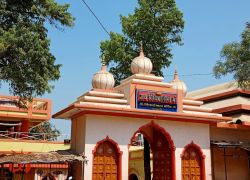
Shree Bilai Mata Temple is one of the most revered Hindu temples in the Dhamtari district of Chhattisgarh. Dedicated to Goddess Bilai Mata, a powerful local form of Shakti, the temple holds immense religious importance among devotees from Dhamtari and nearby regions. Nestled in a peaceful natural setting, the temple is not only a spiritual center but also a place where faith, tradition, and local culture come together. Devotees believe that Goddess Bilai Mata fulfills wishes, protects her followers from harm, and brings prosperity to families. The calm surroundings, devotional atmosphere, and regular rituals make Shree Bilai Mata Temple a must-visit spiritual destination in Dhamtari. Why Shree Bilai Mata Temple Is Famous Shree Bilai Mata Temple is famous for its strong spiritual beliefs and deep-rooted faith among local communities. The goddess is worshipped as a guardian deity, and people from surrounding villages visit the temple to seek blessings for health, protection, and success. The temple is especially popular during Navratri, when thousands of devotees gather to offer prayers, light lamps, and participate in religious ceremonies. The vibrant atmosphere during festivals, combined with traditional rituals and devotional songs, makes the temple a major religious attraction in Dhamtari. History of Shree Bilai Mata Temple The history of Shree Bilai Mata Temple is closely connected to local folklore and oral traditions. According to popular belief, the presence of the goddess was revealed to villagers many generations ago, and a small shrine was established to honor her divine power. Over time, as devotion grew, the temple structure was developed and expanded with the support of local communities. Though there are no written historical records dating the exact origin, the temple has been a center of worship for decades and continues to play an important role in the spiritual life of the region. Architecture and Temple Design The architecture of Shree Bilai Mata Temple reflects a simple yet traditional Hindu temple style. The temple structure includes a sanctum sanctorum where the idol of Goddess Bilai Mata is installed. The idol is adorned with flowers, vermilion, and traditional ornaments, creating a divine and powerful presence. The temple complex is modest in size but well maintained. The use of bright colors, religious symbols, and sacred flags adds to its spiritual charm. The surrounding open space allows devotees to sit peacefully, meditate, and participate in group prayers. How to Reach Shree Bilai Mata Temple, Dhamtari Shree Bilai Mata Temple is easily accessible from Dhamtari town and nearby areas. By Air: The nearest airport is Swami Vivekananda Airport, Raipur, located about 70–80 km away. From the airport, visitors can hire taxis or private vehicles to reach Dhamtari and then the temple. By Train: The nearest railway station is Dhamtari Railway Station. From the station, auto-rickshaws, taxis, or local transport are available to reach the temple comfortably. By Road: Dhamtari is well connected by road with Raipur and other towns of Chhattisgarh. Regular buses and private vehicles can be used to reach the temple. The roads are mostly smooth and pass through pleasant rural surroundings. Weather and Best Time to Visit Shree Bilai Mata Temple The best time to visit Shree Bilai Mata Temple is from October to March, when the weather is pleasant and suitable for temple visits and outdoor movement. During this period, the climate remains comfortable for devotees of all ages. Summers (April to June) can be quite hot, so early morning or evening visits are recommended. The monsoon season (July to September) brings greenery and a refreshing atmosphere, but visitors should be cautious during heavy rainfall. Temple Timings Shree Bilai Mata Temple is generally open to devotees from early morning to evening. Morning hours are ideal for peaceful darshan and rituals, while evenings are popular for aarti and devotional gatherings. During festivals like Navratri, the temple remains open for extended hours to accommodate large numbers of devotees. It is advisable to check local timings during special occasions. Entry and Visit Details (Including Access and Surroundings) There is no entry fee to visit Shree Bilai Mata Temple. Devotees can freely enter the temple premises and participate in prayers. Offerings such as flowers, coconuts, and incense are commonly made to the goddess. The temple surroundings are simple and peaceful. Basic pathways and open areas allow easy movement for visitors. Though the mention of bridges in local descriptions usually refers to small connecting roads or access paths, the area is generally safe and accessible. Things to Do at Shree Bilai Mata Temple, Dhamtari The primary activity at the temple is offering prayers and seeking blessings from Goddess Bilai Mata. Devotees can participate in daily aarti and special rituals conducted on auspicious days. Meditation and quiet reflection are also common activities, as the calm environment supports spiritual focus. During festivals, visitors can witness cultural programs, devotional singing, and traditional celebrations. Visitors can also explore nearby local areas to experience rural culture and interact with local devotees who share stories and beliefs associated with the temple. Interesting Facts About Shree Bilai Mata Temple Goddess Bilai Mata is believed to be a powerful protector deity worshipped mainly in the Dhamtari region. Navratri is the most important festival celebrated at the temple, attracting large crowds from nearby villages and towns. The temple continues to be maintained largely through community support and donations from devotees. Travel Tips for Visiting Shree Bilai Mata Temple Visitors should dress modestly and respectfully, keeping in mind the religious significance of the temple. Footwear must be removed before entering the inner sanctum. Carry drinking water, especially during summer months. Avoid littering and help maintain the cleanliness of the temple premises. During festivals, expect crowds and plan your visit accordingly. Conclusion Shree Bilai Mata Temple, Dhamtari, stands as a symbol of deep faith, devotion, and cultural tradition. With its peaceful environment, strong spiritual beliefs, and welcoming atmosphere, the temple offers a meaningful experience for devotees and visitors alike. Whether you are seeking blessings, spiritual peace, or a glimpse into local religious traditions, a visit to Shree Bilai Mata Temple is a rewarding experience in Chhattisgarh.
Explore More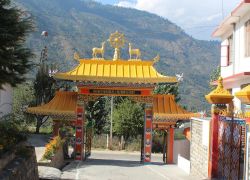
Dhakpo Shedupling Monastery is a serene Buddhist monastery nestled in the picturesque highlands of Mainpat, Chhattisgarh. Also known as the Tibetan Monastery of Mainpat, it is one of the most spiritually significant places in the region. The monastery is part of a larger Tibetan settlement established in the 1960s, making it a center for cultural preservation and peaceful retreat. With its vibrant prayer flags, golden stupas, and peaceful chants echoing through the hills, the monastery offers both spiritual solace and visual beauty. Visitors come here to experience Tibetan Buddhist practices, learn about the refugee history, and enjoy panoramic views of the surrounding hills. How to Reach Dhakpo Shedupling Monastery, Chhattisgarh The monastery is located in the village of Mainpat in the Surguja district of Chhattisgarh. Though a bit remote, it is accessible by road from nearby towns. By Air: The nearest airport is Maa Mahamaya Airport in Ambikapur (around 55 km). The nearest major airport is Swami Vivekananda Airport in Raipur, approximately 380 km away. By Train: Ambikapur Railway Station is the closest railhead, around 55 km from Mainpat. By Road: Mainpat is well connected to Ambikapur by road. From Ambikapur, taxis, jeeps, and buses are available. The route involves a scenic drive through forested hills. By Private Vehicle: Hiring a cab or driving a personal vehicle is the most convenient option, especially for tourists carrying luggage or visiting multiple attractions. Weather at Dhakpo Shedupling Monastery, Chhattisgarh The weather at Mainpat is pleasant due to its elevation (~1,100 meters above sea level), earning it the nickname "Shimla of Chhattisgarh." Winter (October to February): Cool and refreshing with temperatures ranging from 10°C to 20°C. Ideal for sightseeing. Summer (March to June): Mild temperatures, ranging from 18°C to 30°C, unlike the hotter plains of Chhattisgarh. Monsoon (July to September): Lush greenery and misty landscapes, but roads may be slippery and foggy at times. Timings Dhakpo Shedupling Monastery is open throughout the week for visitors and worshippers. Visiting Hours: 6:00 AM – 6:00 PM Best Time to Visit: October to March, when the weather is at its most pleasant and skies are clear for scenic views. Festival Periods: Tibetan festivals like Losar (Tibetan New Year) offer colorful and vibrant experiences. Why Famous for Dhakpo Shedupling Monastery, Chhattisgarh? The monastery is well known for its spiritual ambiance, historical importance, and as a symbol of Tibetan culture in India. Tibetan Refugee Center: It is one of the key monasteries built by Tibetan refugees who settled in Mainpat after the 1959 Tibetan uprising. Buddhist Teachings: The monastery regularly hosts teachings, meditation sessions, and prayers in the Tibetan Buddhist tradition. Architectural Beauty: The monastery’s bright colors, prayer wheels, and towering statues attract not only devotees but also tourists and photographers. Scenic Location: Situated atop a hill, it offers panoramic views of forests, meadows, and rolling valleys. Entry and Visit Details about Dhakpo Shedupling Monastery, Chhattisgarh Entry Fee: There is no entry fee; donations are welcome. Guided Tours: While official guides are not always available, monks and residents are usually friendly and may explain the history and rituals. Photography: Allowed in the outdoor areas. Inside the prayer hall, photography may be restricted—ask for permission first. Facilities: Clean restrooms, parking space, and small Tibetan shops selling handicrafts and snacks are available near the premises. History and Architecture Dhakpo Shedupling Monastery was established by Tibetan refugees who arrived in India following the Chinese invasion of Tibet in 1959. The Indian government provided settlements in various parts of the country, and Mainpat became one of seven such locations. The monastery serves as a spiritual, cultural, and social hub for the Tibetan community in the area. The architectural design follows traditional Tibetan Buddhist styles. It features: Vibrant red and gold hues symbolizing purity and enlightenment. Prayer wheels lining the corridors for visitors to spin for blessings. Large statue of the Buddha inside the main prayer hall. Intricate thangka paintings and sacred scripts decorating the interior walls. The monastery’s courtyard often hosts communal gatherings, teachings by lamas, and celebratory dances during festive seasons. Things to Do at Dhakpo Shedupling Monastery, Chhattisgarh Explore the Monastery Complex: Walk through peaceful gardens, spin the prayer wheels, and enjoy the calming spiritual environment. Attend Prayers: Join or observe daily prayer rituals, especially early in the morning or late afternoon. Meditate: Spend time meditating in the silent atmosphere of the prayer hall or in the open-air surroundings. Interact with Monks: Learn about Tibetan Buddhism, teachings of the Dalai Lama, and the monastery’s heritage. Photography: Capture stunning views of the monastery with forested hills and valleys in the backdrop. Visit Local Tibetan Shops: Purchase prayer flags, handicrafts, incense, and traditional souvenirs. Facts about Dhakpo Shedupling Monastery, Chhattisgarh One of the oldest Tibetan monasteries in Chhattisgarh, built in the 1960s. Located in Camp No. 6 of the Tibetan settlement in Mainpat. The region houses over 2,000 Tibetan refugees in multiple camps. It is affiliated with the Gelugpa (Yellow Hat) sect of Tibetan Buddhism. Set at an altitude of over 1,000 meters, it enjoys a cool climate all year round. Tips about Dhakpo Shedupling Monastery, Chhattisgarh Dress modestly and remove shoes before entering the main prayer hall. Speak softly and avoid disturbing prayer or meditation sessions. Carry some cash as digital payments may not be accepted in the area. Visit during Tibetan New Year (Losar) for cultural festivities and dances. Combine your visit with nearby attractions like Tiger Point Falls, Jaljali (bouncing land), and Fish Point. Bring light snacks and water, as options nearby may be limited. Photography is allowed, but always seek permission before photographing monks or inside the temple.
Explore More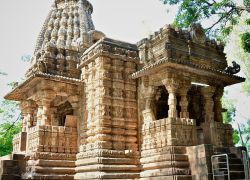
Located in the charming city of Bhoramdeo, the Bhoramdeo Temple stands as a testament to the rich cultural heritage and architectural brilliance of the region. This ancient temple is not just a religious site but also a popular tourist attraction drawing visitors from far and wide to marvel at its beauty and historical significance. History of Bhoramdeo Temple The history of Bhoramdeo Temple dates back centuries, showcasing intricate carvings and architectural grandeur that reflect the artistic prowess of the bygone era. Once a royal hunting ground, the temple now stands as a symbol of conservation efforts and has garnered recognition from UNESCO for its historical importance. Architecture and Natural Beauty of Bhoramdeo Temple Besides the awe-inspiring architecture of Bhoramdeo Temple, the natural surroundings add to its allure. Surrounded by lush wetlands, dense forests, and picturesque grasslands, the temple provides a serene setting for visitors to immerse themselves in the beauty of nature. Bird habitats thrive in this area, making it a paradise for birdwatchers and nature enthusiasts. Notably, the historical Keoladeo Temple within the premises adds a mystical charm to the overall ambiance. Why is Bhoramdeo Temple Famous? The Bhoramdeo Temple is renowned for its tranquility and natural splendor, making it a hotspot for birdwatchers, photographers, and wildlife lovers. The blend of historical architecture and vibrant biodiversity attracts visitors seeking a peaceful retreat amidst the lap of nature. How to Reach Bhoramdeo Temple Traveling to Bhoramdeo Temple is convenient, with options available by air, rail, and road. Nearby airports and railway stations provide easy access to the city, ensuring a hassle-free journey for tourists keen on exploring this cultural gem. Weather and Best Time to Visit Bhoramdeo Temple The weather at Bhoramdeo Temple varies across seasons, offering different experiences for visitors. While summers can be hot, the monsoon brings lush greenery, and winters offer a pleasant climate, making the best time to visit during the cooler months for a comfortable exploration of the surroundings. Timings of Bhoramdeo Temple Visiting timings at Bhoramdeo Temple cater to the convenience of tourists, allowing them to plan their trip effectively. Seasonal variations, if any, are communicated to ensure that visitors have the most updated information for their visit. Entry Fee and Visit Details Entry procedures at Bhoramdeo Temple are streamlined to provide a seamless experience for visitors. Guide services, safari options, bicycle rentals, and other visitor facilities are available to enhance the overall visit and make it both informative and enjoyable. Things to Do at Bhoramdeo Temple Engaging in various activities at Bhoramdeo Temple is a delightful experience for tourists. From birdwatching to photography, cycling, walking trails, nature observation, and educational endeavors, there are ample opportunities for visitors to explore and connect with the natural surroundings. Interesting Facts About Bhoramdeo Temple Bhoramdeo Temple is not just a historical site but also a sanctuary for migratory birds, boasting rich biodiversity and significant conservation achievements. The ecological importance of this destination adds to its charm, making it a unique place for nature lovers. Travel Tips for Visiting Bhoramdeo Temple When planning a visit to Bhoramdeo Temple, it is advisable to pack suitable clothing, photography equipment, and birdwatching gear to make the most of the experience. Understanding the visiting seasons and practicing responsible tourism ensures a fulfilling and sustainable trip to this remarkable destination. Conclusion In conclusion, the Bhoramdeo Temple in Bhoramdeo city stands as a majestic blend of history, architecture, and natural beauty. Its significance as a cultural heritage site and a haven for wildlife make it a must-visit for anyone seeking a peaceful retreat in the lap of nature. Explore the wonders of Bhoramdeo Temple and immerse yourself in the magic of this enchanting destination.
Explore More