"Marvel at exquisite craftsmanship in sacred sites."
Introduction to Temples of Raigarh, Raigarh
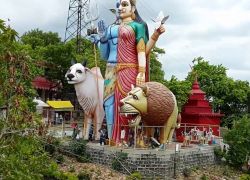
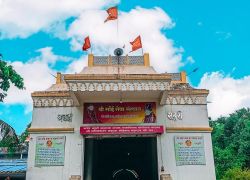
The Temples of Raigarh represent the deep spiritual roots and cultural heritage of the city and surrounding regions. Located in :contentReference[oaicite:0]{index=0}, these temples are not only places of worship but also important centers of history, architecture, and community life. Raigarh is widely known for its devotion to Hindu traditions, classical music, and tribal culture, and its temples reflect this rich blend of faith and heritage. From ancient shrines dedicated to Goddess Shakti to peaceful Shiva temples, the temples of Raigarh attract devotees, pilgrims, and cultural travelers throughout the year.
Overview of Major Temples in Raigarh
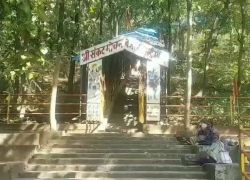
Raigarh is home to several important temples, each with its own religious importance and local legends. Some temples are located within the city, while others are found in nearby villages, forests, and hill areas. These temples are dedicated to different Hindu deities such as Lord Shiva, Goddess Durga, Goddess Kali, Lord Hanuman, and Lord Vishnu.
Temples like Maa Chandrasini Devi Temple, Ram Mandir, Hanuman Mandir, and various Shiva temples play a central role in daily worship and festival celebrations. Together, they form the spiritual backbone of Raigarh and contribute to its identity as a religious destination in eastern Chhattisgarh.
History of Temples of Raigarh
The history of temples in Raigarh dates back several centuries and is closely linked with local rulers, tribal traditions, and village communities. Many early temples were built using simple materials and later renovated with stone and concrete as the region developed. Royal families of Raigarh State also contributed to temple construction and maintenance, especially during the princely era.
In addition to royal patronage, local villagers played a significant role in preserving these temples. Oral traditions, folklore, and devotional songs have helped pass temple histories from one generation to another. Though not all temples have written records, their continued worship highlights their long-standing importance.
Architecture of Temples of Raigarh
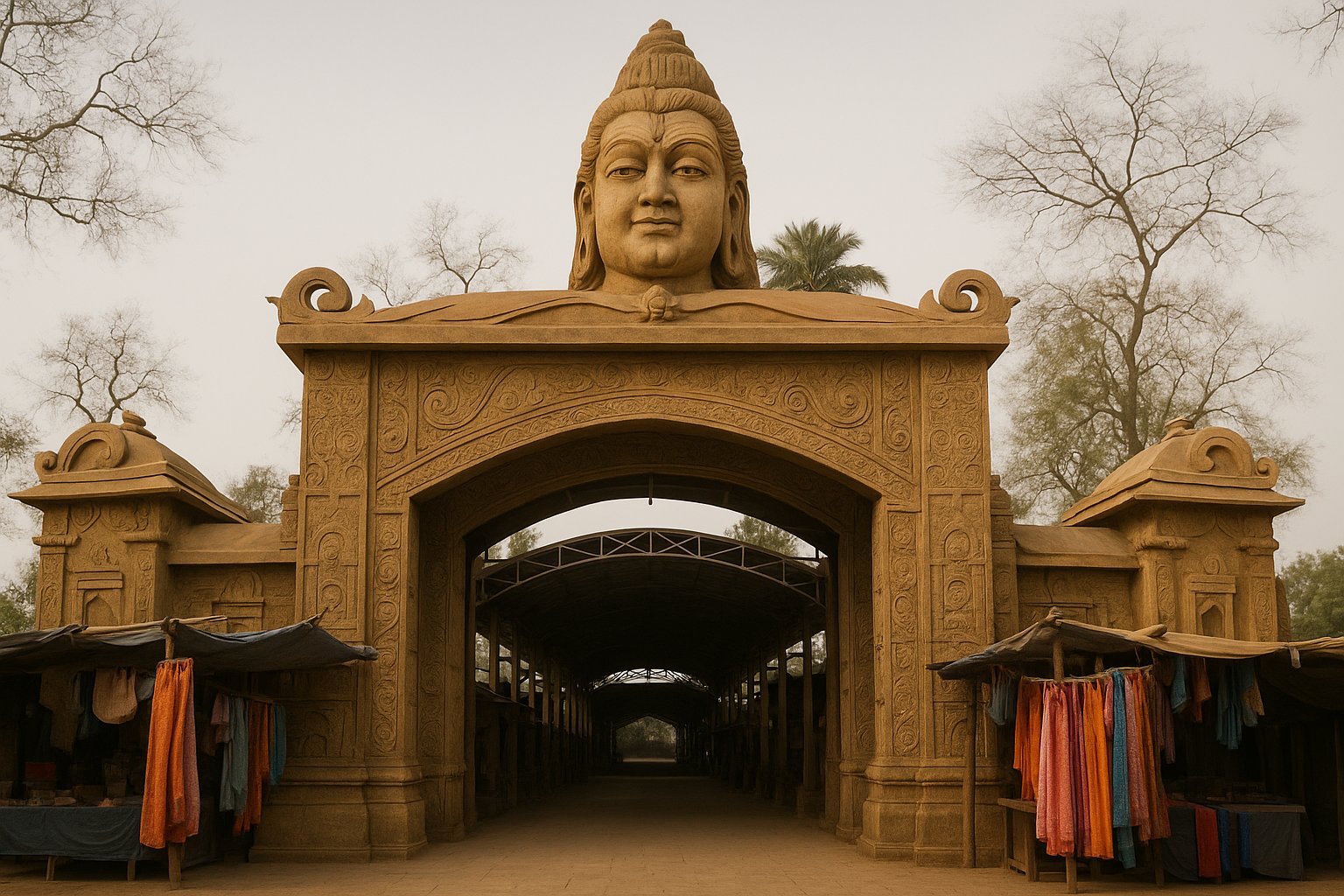
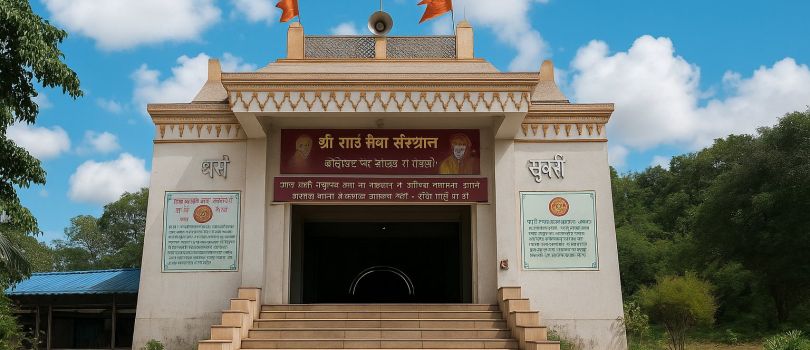
The architecture of Raigarh temples is simple, traditional, and deeply spiritual. Most temples follow North Indian Hindu architectural styles with regional influences. Common architectural features include:
• Sanctum sanctorum (garbhagriha) housing the main deity
• Small mandapas or prayer halls
• Shikhara (tower) above the sanctum
• Courtyards used for gatherings and festivals
Some older temples feature stone carvings, religious symbols, and traditional designs, while newer temples are more modern in structure. The emphasis is usually on devotion and ritual rather than grand decoration.
Why Temples of Raigarh Are Famous
The temples of Raigarh are famous for their strong spiritual energy and deep-rooted faith among devotees. They are well known for:
• Ancient religious traditions and daily rituals
• Large gatherings during festivals like Navratri, Mahashivratri, and Ram Navami
• Local legends associated with deities and sacred sites
• Peaceful environment suitable for prayer and meditation
Many devotees believe that sincere prayers offered at Raigarh temples bring blessings, protection, and fulfillment of wishes.
How to Reach Temples of Raigarh
Raigarh is well connected by air, rail, and road, making temple visits easy for travelers.
By Air: The nearest airport is Swami Vivekananda Airport, Raipur. From Raipur, Raigarh can be reached by train or road.
By Train: Raigarh Railway Station lies on the Howrah–Mumbai main railway route and has frequent train services from major cities.
By Road: Raigarh is connected by national and state highways. Local buses, taxis, and auto-rickshaws are available for reaching temples within the city and nearby areas.
Weather and Best Time to Visit Temples of Raigarh
Raigarh experiences a tropical climate.
Summer (March to June): Hot weather; temple visits are best in early morning or evening.
Monsoon (July to September): Pleasant greenery, though occasional rain may affect travel.
Winter (October to February): The best time to visit temples, with comfortable temperatures and major festivals.
Temple Timings in Raigarh
Most temples in Raigarh follow similar daily schedules.
Morning: 5:30 AM to 12:00 PM
Evening: 4:00 PM to 8:30 PM
Timings may vary depending on the temple and during festivals.
Entry and Visit Details
There is generally no entry fee to visit temples in Raigarh. Devotees may offer flowers, fruits, coconuts, and prasad. Special pujas and ceremonies can be arranged through temple priests. Visitors are advised to follow temple rules and maintain cleanliness.
Things to Do While Visiting Temples of Raigarh
Visitors can experience more than just worship:
• Participate in daily aarti and prayer rituals
• Attend special festivals and religious events
• Observe traditional temple customs
• Spend time in meditation and spiritual reflection
• Explore nearby local markets and cultural sites
Interesting Facts About Temples of Raigarh
• Raigarh temples reflect a blend of royal and tribal traditions.
• Many temples are community-managed and supported by devotees.
• Navratri is the most important festival celebrated across temples.
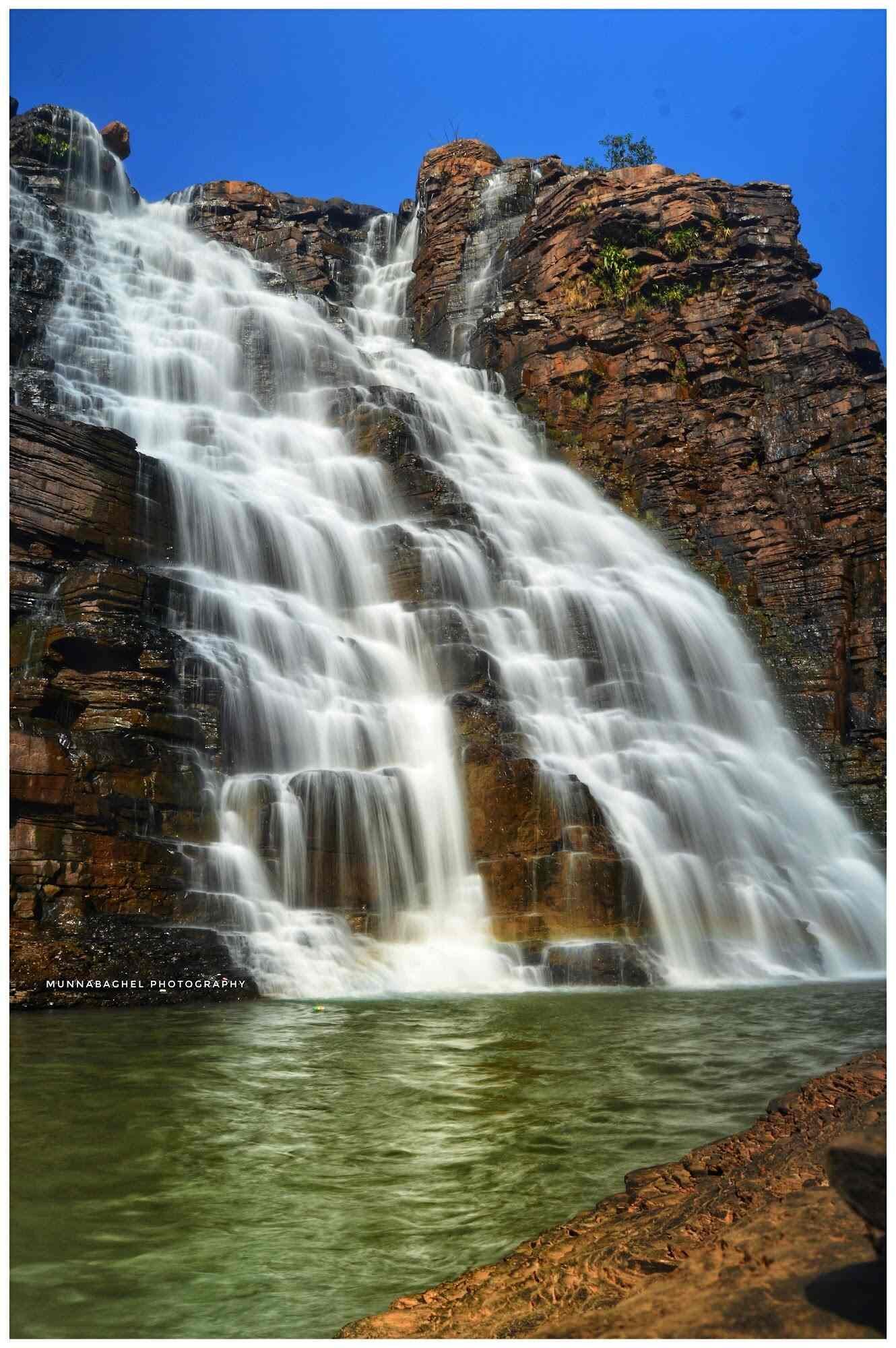
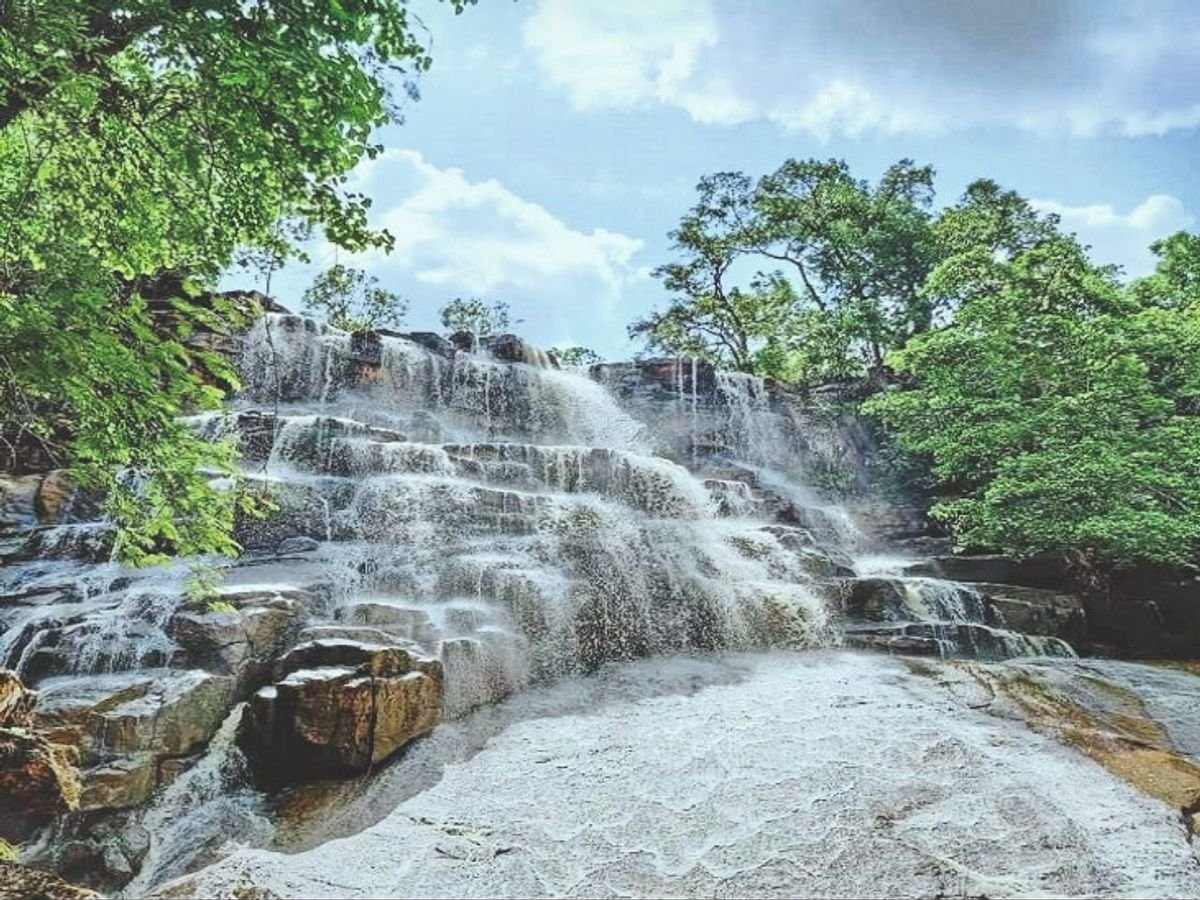
• Some temples are located in scenic natural surroundings.
• Classical music and devotional songs are often part of temple events.
Travel Tips for Visiting Temples of Raigarh
• Dress modestly and respectfully.
• Visit early morning for a peaceful experience.
• Remove footwear before entering temples.
• Avoid visiting during peak hours if you prefer less crowd.
• Respect local customs and religious practices.
Important Clarification About “Church of Our Lady, Bruges”
Some content formats mention “Church of Our Lady, Bruges.” This famous church is located in :contentReference[oaicite:1]{index=1} and is not connected in any way with the temples of Raigarh or with Raigarh city in India. Therefore, details such as history, architecture, entry fees, or reasons for fame related to the Church of Our Lady, Bruges do not apply to the Temples of Raigarh.
Conclusion
The Temples of Raigarh, Raigarh, showcase the city’s deep devotion, cultural richness, and spiritual harmony. Whether you are a devotee, cultural explorer, or traveler seeking peace, these temples offer a meaningful experience. With their simple architecture, strong faith, and welcoming atmosphere, the temples of Raigarh continue to inspire generations and remain an essential part of the region’s heritage.



Raigarh
Raigarh
Raigarh
Raigarh
Raigarh
Raigarh
Raigarh
Raigarh
Raigarh