"Seek blessings at this revered spiritual site."
Tilinga Mandir is one of the most unique and spiritually powerful temples in Assam, located near Digboi in the Tinsukia district. Dedicated to Lord Shiva, this temple is popularly known as the “Bell Temple of Assam” because thousands of bells of different sizes hang all around the temple premises. The sound of these bells, combined with the natural surroundings, creates a deeply spiritual and peaceful atmosphere that attracts devotees and tourists from across India.
Nestled amidst lush greenery and surrounded by forested hills, Tilinga Mandir is not just a religious site but also a place of faith, belief, and mystery. Devotees visit the temple to fulfill vows, seek blessings, and experience the strong spiritual energy associated with the shrine.
How to Reach Tilinga Mandir, Digboi, Assam
Tilinga Mandir is well connected with major towns of Upper Assam and can be easily reached by road, rail, and air.
By Air: The nearest airport is Dibrugarh Airport (Mohanbari), located about 85 kilometers away. From the airport, visitors can hire taxis or use bus services to reach Digboi. Tilinga Mandir is around 10–12 kilometers from Digboi town.
By Train: Tinsukia Junction is the nearest major railway station. It is well connected to Guwahati, Dibrugarh, Kolkata, and other major cities. From Tinsukia, visitors can travel by taxi, bus, or shared vehicles to Digboi and then proceed to the temple.
By Road: Digboi is well connected by road with Tinsukia, Dibrugarh, Doomdooma, and Margherita. Regular buses and shared taxis are available. From Digboi town, local transport can easily take visitors to Tilinga Mandir.
Weather and Best Time to Visit
Digboi experiences a humid subtropical climate. Summers, from March to June, are warm and humid, with temperatures ranging between 25°C and 35°C. The monsoon season, from June to September, brings heavy rainfall, making the surroundings lush and green but sometimes causing travel inconvenience.
The best time to visit Tilinga Mandir is from October to March. During winter, the weather remains pleasant, with temperatures between 12°C and 25°C, making it comfortable for temple visits and sightseeing. Mondays and special Hindu festivals attract large crowds, especially during winter months.
Timing of Tilinga Mandir
Tilinga Mandir is generally open to devotees from 6:00 AM to 5:00 PM. Morning hours are ideal for peaceful darshan, while afternoons and festival days tend to be crowded.
On Mondays, Maha Shivaratri, and during the holy month of Shravan, the temple may remain open for extended hours to accommodate the large number of devotees.
Entry and Visit Details
There is no entry fee to visit Tilinga Mandir. Devotees are free to offer prayers and perform rituals.
Visitors can bring bells as offerings and hang them within the temple premises after their wishes are fulfilled. Shoes must be removed before entering the inner prayer area. Small stalls outside the temple sell bells, flowers, incense sticks, and other puja items.
Why is Tilinga Mandir Famous?
Tilinga Mandir is famous for the belief that wishes made here are fulfilled by Lord Shiva. Once a devotee’s wish is granted, they return to the temple to offer a bell as a mark of gratitude. Over time, this tradition has resulted in thousands of bells hanging all around the temple, giving it a unique and powerful identity.
The temple is also known for its strong spiritual atmosphere and the belief that negative energies and evil spirits are removed through sincere prayer here. This has made Tilinga Mandir one of the most visited Shiva temples in Upper Assam.
History of Tilinga Mandir
The history of Tilinga Mandir is deeply connected to local legends and faith. According to popular belief, the temple was established after a local person experienced divine intervention by Lord Shiva. Over time, word spread about miracles associated with the shrine, and more devotees began visiting the site.
Initially a small shrine, Tilinga Mandir gradually developed into a major religious center with community support. Though the temple structure has been renovated over the years, its core spiritual traditions and beliefs remain unchanged.
Architecture of Tilinga Mandir
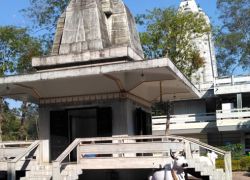
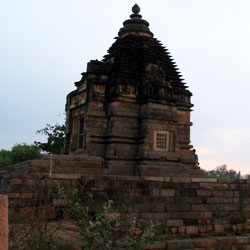
The architecture of Tilinga Mandir is simple yet striking. The main shrine houses the Shiva Lingam, around which devotees gather to offer prayers. What makes the temple visually unique is the presence of countless bells hanging from trees, metal frames, and temple structures.
The temple complex is open and spacious, surrounded by greenery and forested land. The sound of bells ringing softly in the breeze adds to the spiritual and meditative experience of the place.
Things to Do at Tilinga Mandir
Visitors can engage in several meaningful activities at Tilinga Mandir:
Offer Prayers: Devotees can perform puja and seek blessings from Lord Shiva.
Fulfill Vows: Hang bells as offerings after wishes are fulfilled.
Meditation: Spend quiet time in the peaceful temple surroundings.
Photography: Capture the unique sight of thousands of bells hanging together.
Explore Nearby Areas: Visit nearby attractions like Digboi Oil Museum and Digboi War Cemetery.
Facts About Tilinga Mandir
• Tilinga Mandir is also called the Bell Temple of Assam.
• Thousands of bells are offered by devotees as a symbol of fulfilled wishes.
• The temple is dedicated to Lord Shiva.
• It attracts devotees from Assam and neighboring states.
Tips for Visitors
• Visit early in the morning to avoid crowds.
• Maintain silence and respect the religious atmosphere.
• Wear comfortable and modest clothing.
• Avoid touching bells unnecessarily.
• Be cautious during monsoon due to slippery paths.
Conclusion
Tilinga Mandir in Digboi, Assam, is a place where faith, tradition, and spirituality come together in a unique and powerful way. With its thousands of bells, strong belief system, and peaceful natural surroundings, the temple offers a deeply moving experience for devotees and visitors alike. Whether you are seeking spiritual blessings or simply wish to explore one of Assam’s most fascinating religious sites, Tilinga Mandir is truly a must-visit destination.





















Digboi
Digboi
Digboi
Digboi