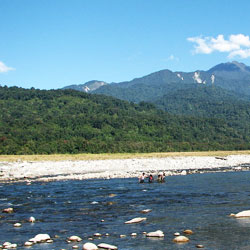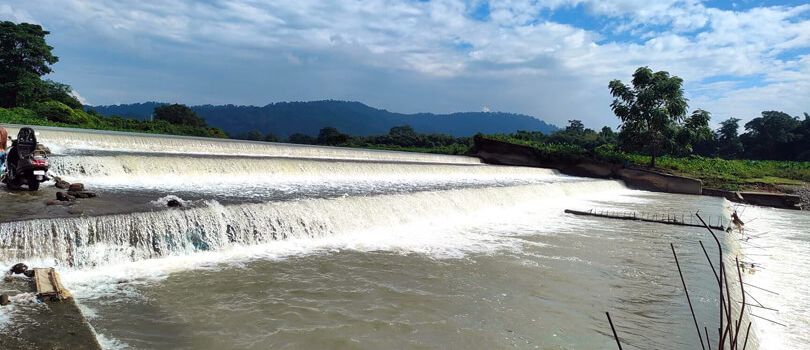
"Explore serene waters and rich biodiversity."
The Upper Dehing River is one of the most scenic and ecologically rich river stretches in Upper Assam, flowing near the historic oil town of Digboi in Tinsukia district. Surrounded by dense forests, rolling hills, tea gardens, and rural settlements, the Upper Dehing River offers a peaceful natural escape and showcases the raw beauty of Assam’s riverine landscape. This river is a major tributary of the Brahmaputra and plays an important role in shaping the environment, culture, and livelihood of the region.
The calm yet powerful flow of the river, combined with its lush green banks, makes the Upper Dehing River a favorite spot for nature lovers, photographers, and travelers looking to experience untouched natural surroundings. It also supports rich biodiversity and remains an important water source for nearby communities.
How to Reach Upper Dehing River, Digboi, Assam
The Upper Dehing River near Digboi is easily accessible through well-developed road, rail, and air networks.
By Air: The nearest airport is Dibrugarh Airport (Mohanbari), located about 85 kilometers from Digboi. From the airport, visitors can hire taxis or use public transport to reach Digboi town. From Digboi, local vehicles can take visitors to various accessible points along the Upper Dehing River.
By Train: Tinsukia Junction is the nearest major railway station and is well connected to Guwahati, Dibrugarh, Kolkata, and other major cities. From Tinsukia, Digboi is around 30 kilometers away and can be reached by taxi, bus, or shared vehicles.
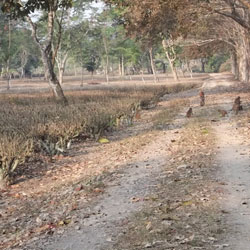
By Road: Digboi is well connected by road with Tinsukia, Dibrugarh, Margherita, and Doomdooma. Regular bus services and shared taxis operate on these routes. The riverbanks near Digboi can be accessed via local roads and village paths.
Weather and Best Time to Visit
The Upper Dehing River region experiences a humid subtropical climate. Summers, from March to June, are warm and humid, with temperatures ranging from 25°C to 35°C. The monsoon season lasts from June to September and brings heavy rainfall, causing the river to swell and flow rapidly.
The best time to visit the Upper Dehing River is from October to March. During this period, the weather remains cool and pleasant, with temperatures between 12°C and 25°C. Winter months offer clear skies, making it ideal for sightseeing, photography, and nature walks along the riverbanks.
Timing of Upper Dehing River
The Upper Dehing River is a natural attraction and does not have fixed visiting hours. Visitors can explore the river area during daylight hours, ideally between 6:00 AM and 6:00 PM.
Early mornings and late afternoons are especially recommended for enjoying scenic views, birdwatching, and peaceful walks along the river.
Entry and Visit Details
There is no entry fee to visit the Upper Dehing River. Visitors are free to explore accessible riverbanks and nearby areas.
Some stretches of the river may pass through forested or private land, so visitors should respect local guidelines and seek permission if required. There are no formal tourist facilities, so travelers should plan their visit accordingly.
Why is the Upper Dehing River Famous?
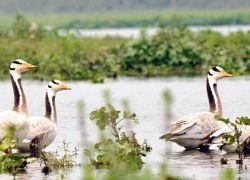
The Upper Dehing River is famous for its natural beauty, rich biodiversity, and importance to the local ecosystem. The river supports various species of fish, birds, and aquatic plants, making it a key ecological zone in Upper Assam.
It is also well known for its role in agriculture and daily life of nearby villages. The riverbanks are often used for fishing, irrigation, and traditional activities. The untouched surroundings and peaceful environment make the Upper Dehing River a hidden gem for eco-tourism.
History of the Upper Dehing River
The history of the Upper Dehing River is closely linked to the geological and cultural development of Upper Assam. Over centuries, the river has shaped the fertile plains of the region through sediment deposits and seasonal flooding.
During the British colonial period, the Dehing River region gained importance due to the discovery of oil in Digboi. The river served as a natural boundary and resource during the development of tea plantations and oil infrastructure. Local communities have depended on the river for generations.
Natural Features and Landscape
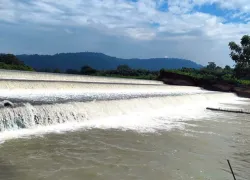
Unlike man-made structures, the Upper Dehing River’s beauty lies in its natural features. The river is characterized by wide stretches of flowing water, sandy banks, rocky sections, and surrounding forests.
Seasonal changes dramatically alter the river’s appearance. During monsoon, it becomes powerful and expansive, while in winter, calm waters and exposed banks create picturesque views ideal for exploration and photography.
Things to Do at Upper Dehing River
Visitors can enjoy several activities along the Upper Dehing River:
Nature Walks: Walk along the riverbanks and enjoy fresh air and scenic views.
Photography: Capture landscapes, flowing water, wildlife, and sunsets.
Bird Watching: Spot local and migratory birds near the river.
Picnicking: Enjoy quiet picnics at safe and accessible riverbank areas.
Local Interaction: Learn about fishing and rural life by interacting with villagers.
Facts About Upper Dehing River
• The Dehing River is a major tributary of the Brahmaputra.
• The river supports agriculture and fishing in Upper Assam.
• It flows near the historic oil town of Digboi.
• The river region is rich in biodiversity and greenery.
Tips for Visitors
• Visit during winter months for safe and comfortable exploration.
• Avoid riverbanks during monsoon due to strong currents.
• Carry drinking water and basic supplies, as facilities are limited.
• Respect local communities and natural surroundings.
• Do not litter or disturb wildlife.
Conclusion
The Upper Dehing River near Digboi, Assam, is a perfect destination for travelers seeking natural beauty, peace, and a connection with nature. With its scenic riverbanks, rich ecosystem, and cultural importance, the river offers a refreshing break from busy urban life. Whether you are a nature lover, photographer, or explorer, a visit to the Upper Dehing River provides a calm and memorable experience in the heart of Upper Assam.






Digboi
Digboi
Digboi
Digboi