"Honoring bravery and sacrifice in historical context."
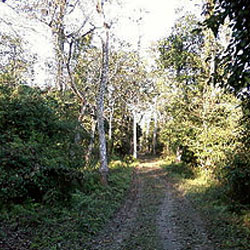
Digboi War Cemetery is a solemn and historically significant site located in the oil town of Digboi in Tinsukia district, Assam. This cemetery stands as a respectful memorial dedicated to soldiers of the Allied Forces who lost their lives during the Second World War, particularly in the Burma Campaign. Surrounded by tall trees, rolling hills, and a peaceful atmosphere, the cemetery offers visitors a place of remembrance, reflection, and historical learning.
Maintained by the Commonwealth War Graves Commission, Digboi War Cemetery is known for its well-kept lawns, uniform headstones, and serene environment. It is not just a burial ground but also a reminder of Assam’s strategic importance during World War II and Digboi’s role as a key oil-producing center during that time.
How to Reach Digboi War Cemetery, Digboi, Assam
Digboi War Cemetery is well connected by road, rail, and air, making it accessible for visitors traveling from different parts of Assam and neighboring states.
By Air: The nearest airport is Dibrugarh Airport (Mohanbari), located approximately 85 kilometers away. From the airport, visitors can hire taxis or take buses to reach Digboi. Another nearby option is the airport at Tinsukia, if available for limited flights.
By Train: The nearest railway station is Tinsukia Junction, which is well connected to major cities such as Guwahati, Dibrugarh, Kolkata, and Delhi. From Tinsukia, Digboi is about 30 kilometers away and can be reached by taxi or bus.
By Road: Digboi is well connected by road with Tinsukia, Dibrugarh, Margherita, and Doomdooma. Regular buses, shared taxis, and private vehicles operate on these routes. The cemetery is located within Digboi town and can be easily reached using local transport.
Weather and Best Time to Visit
Digboi experiences a humid subtropical climate. Summers, from March to June, are warm and humid, with temperatures ranging from 25°C to 35°C. The monsoon season, from June to September, brings heavy rainfall, which enhances greenery but may make travel slightly inconvenient.
The best time to visit Digboi War Cemetery is from October to March. During this period, the weather remains pleasant, with temperatures ranging between 12°C and 25°C. The cool and calm winter climate is ideal for walking around the cemetery and exploring nearby attractions.
Timing of Digboi War Cemetery
Digboi War Cemetery is generally open to visitors during daylight hours. The usual visiting time is from 8:00 AM to 5:00 PM.
Visitors are advised to visit during the morning or early afternoon to fully experience the peaceful surroundings and read the inscriptions on the headstones comfortably.
Entry and Visit Details
There is no entry fee to visit Digboi War Cemetery. The site is open to people of all nationalities and faiths.
Visitors are expected to maintain silence and decorum, as the cemetery is a place of remembrance. Photography is generally allowed, but it should be done respectfully without disturbing the peaceful atmosphere.
Why is Digboi War Cemetery Famous?
Digboi War Cemetery is famous for its association with World War II and the Burma Campaign. It serves as the final resting place for soldiers from different countries who fought against Japanese forces in the eastern front.
The cemetery is also well known for its neat layout, well-maintained grounds, and the emotional impact it leaves on visitors. It stands as a symbol of sacrifice, bravery, and international unity, reminding people of the cost of war and the importance of peace.
History of Digboi War Cemetery
The history of Digboi War Cemetery dates back to the early 1940s during World War II. Digboi, being Asia’s oldest oil town, played a vital role in supplying fuel to Allied forces. Because of its strategic importance, the region witnessed military activities and movements.
Many soldiers who died in nearby battles, military hospitals, or accidents were buried here. After the war, the cemetery was formally organized and maintained by the Commonwealth War Graves Commission to honor the fallen soldiers. Today, it stands as a carefully preserved historical site.
Architecture and Layout
The architecture of Digboi War Cemetery follows the traditional design of Commonwealth war cemeteries. It features rows of uniform white headstones made of stone, each engraved with the name, rank, regiment, and date of death of the soldier.
The cemetery is beautifully landscaped with green lawns, flowering plants, and tall trees. A central memorial structure and remembrance plaques add to the solemn dignity of the site. The simple and symmetrical layout reflects respect, order, and equality among the fallen.
Things to Do at Digboi War Cemetery
Visitors can engage in several meaningful activities at Digboi War Cemetery:
Pay Respect: Offer silent prayers or moments of reflection to honor the fallen soldiers.
Learn History: Read the inscriptions on the headstones to understand individual stories and historical context.
Photography: Capture the peaceful and well-maintained surroundings respectfully.
Nature Walk: Enjoy a calm walk amidst greenery and fresh air.
Visit Nearby Attractions: Combine the visit with nearby places like Digboi Oil Museum and Digboi Centenary Park.
Facts About Digboi War Cemetery
• The cemetery is maintained by the Commonwealth War Graves Commission.
• Soldiers from multiple countries are buried here.
• It is associated with World War II and the Burma Campaign.
• Digboi was strategically important due to its oil refinery.
Tips for Visitors
• Maintain silence and respect the sanctity of the cemetery.
• Visit during morning hours for a peaceful experience.
• Avoid loud conversations or playing music.
• Dress modestly and appropriately.
• Do not litter or damage any structures or plants.
Conclusion
Digboi War Cemetery in Digboi, Assam, is more than just a historical site—it is a place of deep emotion, remembrance, and learning. With its calm surroundings, historical significance, and well-preserved layout, the cemetery offers visitors an opportunity to reflect on the sacrifices made during World War II. A visit to Digboi War Cemetery is a meaningful experience for history enthusiasts, travelers, and anyone who wishes to understand the past and honor those who gave their lives for peace.

























Digboi
Digboi
Digboi
Digboi