"Experience spiritual tranquility in a sacred temple."
Koli Aai Temple is an important local religious shrine located near the historic town of Digboi in Tinsukia district, Assam. Dedicated to Goddess Koli Aai, the temple is deeply revered by the local community and holds a special place in the spiritual life of the people living in and around Digboi. The shrine is associated with traditional beliefs, folk worship, and age-old rituals that reflect the indigenous religious practices of Assam.
Set amidst a peaceful natural environment with greenery and open spaces, Koli Aai Temple attracts devotees who seek blessings for health, protection, and prosperity. Though not as large or famous as some major temples in Assam, its cultural and spiritual importance makes it a meaningful destination for visitors interested in local traditions and faith.
How to Reach Koli Aai Temple, Digboi, Assam
Koli Aai Temple is easily accessible from Digboi town and nearby areas through road, rail, and air connections.
By Air: The nearest airport is Dibrugarh Airport (Mohanbari), located approximately 85 kilometers away. From the airport, taxis and buses are available to reach Digboi. The temple can be reached from Digboi town using local transport.
By Train: Tinsukia Junction is the nearest major railway station. It is well connected to Guwahati, Dibrugarh, Kolkata, and other cities. From Tinsukia, Digboi is about 30 kilometers away and can be reached by taxi, bus, or shared vehicles.
By Road: Digboi is well connected by road with Tinsukia, Doomdooma, Margherita, and Dibrugarh. Regular buses and shared taxis operate on these routes. Local roads lead directly to the temple area.
Weather and Best Time to Visit
Digboi experiences a humid subtropical climate. Summers, from March to June, are warm and humid, with temperatures ranging from 25°C to 35°C. The monsoon season, from June to September, brings heavy rainfall and lush greenery, though travel can be slightly challenging due to wet conditions.
The best time to visit Koli Aai Temple is from October to March. During winter, the weather is pleasant, with temperatures ranging between 12°C and 25°C, making it comfortable for temple visits and outdoor activities. Special festivals and local celebrations also take place during this period.
Timing of Koli Aai Temple
Koli Aai Temple is generally open to devotees from 6:00 AM to 6:00 PM. Morning and evening hours are considered most auspicious for offering prayers.
During special pujas, festivals, or community events, the temple may remain open for extended hours to accommodate devotees.
Entry and Visit Details
There is no entry fee to visit Koli Aai Temple. Devotees and visitors are welcome to offer prayers freely.
Shoes must be removed before entering the inner prayer area. Offerings such as flowers, incense sticks, and traditional items can be brought or purchased from nearby local vendors during festival days.
Why is Koli Aai Temple Famous?
Koli Aai Temple is famous for its strong connection to local folk beliefs and traditional goddess worship. The deity, Goddess Koli Aai, is believed to protect the community from diseases, natural calamities, and negative influences.
The temple is particularly important during local festivals and rituals, when villagers gather to perform special prayers and ceremonies. The faith and devotion of the local people have kept the temple’s traditions alive for generations.
History of Koli Aai Temple
The history of Koli Aai Temple is rooted in local legends and oral traditions passed down through generations. It is believed that the worship of Goddess Koli Aai began as a form of folk religion practiced by early settlers and indigenous communities in the Digboi region.
Over time, a simple shrine was established at the present site, and with community support, it developed into a temple. Though the structure has been renovated and improved over the years, the core rituals and beliefs remain unchanged.
Architecture of Koli Aai Temple
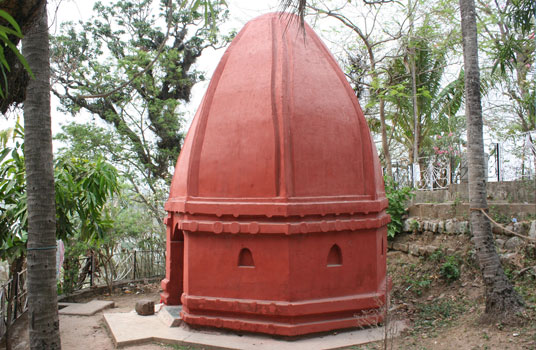
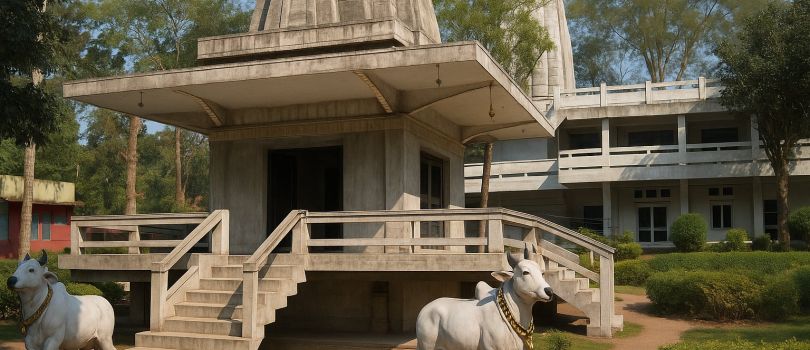
The architecture of Koli Aai Temple is simple and traditional, reflecting rural Assamese temple design. The structure focuses on functionality and spiritual purpose rather than elaborate decoration.
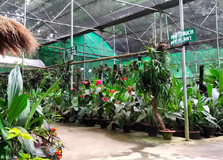
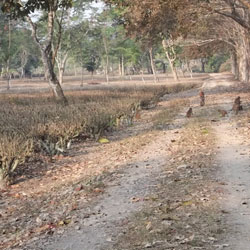
The main sanctum houses the deity of Goddess Koli Aai. The temple complex is modest in size, with open spaces around it for gatherings during festivals and community rituals. Natural surroundings add to the peaceful atmosphere of the temple.
Things to Do at Koli Aai Temple
Visitors can engage in several meaningful activities at Koli Aai Temple:
Offer Prayers: Seek blessings from Goddess Koli Aai for health and protection.
Participate in Rituals: Observe or take part in traditional local pujas.
Experience Local Culture: Learn about folk traditions and beliefs from local devotees.
Photography: Capture the simple beauty of the temple and its surroundings respectfully.
Visit Nearby Attractions: Combine the visit with nearby places like Digboi Oil Museum or Tilinga Mandir.
Facts About Koli Aai Temple
• The temple is dedicated to Goddess Koli Aai, a folk deity.
• It reflects indigenous religious traditions of Assam.
• The temple is especially active during local festivals.
• It is maintained mainly by community support.
Tips for Visitors
• Visit during morning or evening hours for a peaceful experience.
• Respect local customs and religious practices.
• Dress modestly while visiting the temple.
• Avoid loud behavior within the temple premises.
• Seek permission before photographing rituals or people.
Conclusion
Koli Aai Temple in Digboi, Assam, is a meaningful spiritual destination that offers insight into the region’s folk traditions and community-based worship. With its simple architecture, strong local faith, and peaceful surroundings, the temple provides visitors with a chance to connect with the cultural roots of Assam. Whether you are a devotee, a cultural explorer, or a traveler seeking quiet spiritual experiences, Koli Aai Temple is a place worth visiting.




























Digboi
Digboi
Digboi
Digboi