
Old Goa about 9 Kms. east of Panaji, was once the capital of the eastern Portuguese Empire and is now a fascinating small village surrounded by huge convents and churches dedicated to the zeal of Christianity, including the Convent and Church of St. Francis of Assisi and the famous Basilica of Bom Jesus. This ancient historical former capital of Goa is a UNESCO world heritage site now and is famed for its opulent buildings and churches reminiscent of the glory days of "Golden Goa". The Portuguese abandoned it officially in 1843 when the capital was moved to Panjim or Panaji. Today, the archeological survey of India and the Archdiocese of Goa maintain most of the remaining buildings. It is a holy site for all Goans because it is the site where the sacred relics of St Francis Xavier or "Goencho Saib" are preserved for posterity.
Explore More
The Anjuna Flea Market is one of the most famous and vibrant shopping destinations in Goa, known for its colorful stalls, bohemian vibe, handmade crafts, and energetic atmosphere. It is a paradise for backpackers, tourists, and shoppers looking for unique souvenirs and local experiences. Located in the coastal village of Anjuna, this iconic market is part of the scenic North Goa region in India. It lies in the beautiful beachside area of Anjuna, Goa, which is globally known for its beaches, nightlife, and hippie culture. Popularly known as Anjuna Flea Market, this weekly market attracts visitors from all over the world, especially during the tourist season between October and March. History of Anjuna Flea Market The Anjuna Flea Market has its roots in the 1960s and 1970s when Goa became a major hub for hippie travelers from Europe, America, and Israel. These travelers often sold or exchanged their personal belongings, handmade crafts, and goods to fund their journey. Over time, this informal exchange evolved into a structured weekly market. Local Goans also began participating, selling spices, clothing, jewelry, and handmade products. Today, it has become a cultural fusion of global and local influences. The market is a reflection of Goa’s unique history, blending Portuguese heritage, Indian culture, and global hippie traditions. Architecture and Market Setup Unlike traditional markets, Anjuna Flea Market does not have fixed architecture. It is an open-air market set up along the beachside area with temporary stalls made of bamboo, cloth, and wooden frames. Each stall is creatively decorated, reflecting the personality of the vendor. The colorful arrangement, handmade signage, and artistic displays create a vibrant and artistic environment. The market spreads across a large area near the beach, with stalls arranged in rows selling clothes, jewelry, handicrafts, bags, spices, musical instruments, and souvenirs. Why Anjuna Flea Market is Famous The Anjuna Flea Market is famous for its bohemian atmosphere, diverse shopping options, and cultural experience. It is especially known for handmade jewelry, hippie-style clothing, and unique artifacts that cannot be found in regular shops. It is also famous for its international vibe, where sellers and buyers from different countries interact, making it a global cultural hotspot. The market is also popular for live music performances, food stalls, and beachside cafés that enhance the overall experience. How to Reach Anjuna Flea Market Reaching Anjuna Flea Market is easy due to its location in North Goa. By Air: The nearest airport is Goa International Airport (Dabolim), located around 45 km away. Taxis and rental scooters are available from the airport. By Train: The nearest railway station is Thivim Railway Station, about 18 km away. From there, taxis and local transport can take you to Anjuna. By Road: Anjuna is well connected by road to Mapusa (8 km), Panaji (20 km), and other parts of Goa. Local taxis, scooters, and buses are easily available. The market is usually located near Anjuna Beach, making it easy to combine sightseeing with shopping. Weather at Anjuna Flea Market Goa experiences a tropical climate with distinct seasons. Summer (March to May): Hot and humid with temperatures ranging from 30°C to 35°C. Monsoon (June to September): Heavy rains make outdoor markets less active, and many stalls remain closed. Winter (October to February): The best time to visit, with pleasant temperatures between 20°C and 28°C, ideal for shopping and beach activities. Timing and Entry Details The Anjuna Flea Market is generally open every Wednesday from 9:00 AM to 6:00 PM during the tourist season (November to March). Entry to the market is usually free, but parking fees may apply in nearby areas. Visitors are advised to come early in the day to avoid crowds and enjoy better shopping deals. Things to Do at Anjuna Flea Market Visitors can explore hundreds of stalls selling unique handmade products, clothing, jewelry, and souvenirs. Bargaining is a common practice and part of the fun experience. You can also enjoy live music performances, street food, and beach cafés near the market. Many stalls sell international cuisine, including Israeli, Italian, and Goan dishes. After shopping, visitors can relax at nearby Anjuna Beach, which is known for its scenic beauty and sunset views. Interesting Facts About Anjuna Flea Market The market originated from the hippie movement of the 1960s and continues to reflect that culture today. Many items sold here are handmade and sourced from different parts of India and abroad. It is one of the few markets in India where international vendors regularly participate. The flea market also changes its layout every week, making each visit unique. The nearby beach parties and nightlife add to its global popularity. Travel Tips for Visitors Visitors should carry cash, as many stalls do not accept digital payments. Bargaining is encouraged but should be done respectfully. Wear comfortable clothing and footwear suitable for walking. Keep your belongings safe in crowded areas. Try local Goan food and stay hydrated, especially during warm afternoons. Visiting early morning or late afternoon is recommended for a better experience. Conclusion Anjuna Flea Market is not just a shopping destination but a cultural experience that reflects Goa’s vibrant and free-spirited lifestyle. Its colorful stalls, global influences, and beachside charm make it a must-visit attraction. Whether you are a traveler, shopper, or culture lover, the Anjuna Flea Market offers an unforgettable experience filled with creativity, energy, and fun.
Explore More
Welcome to Cabo de Rama Fort, a historical gem nestled in the vibrant city of Goa. This majestic fort holds centuries of stories within its walls and offers a glimpse into the rich past of the region. The fort's significance lies not only in its historical value but also in the breathtaking natural surroundings that make it a haven for wildlife enthusiasts and history buffs alike. History of Cabo de Rama Fort With a history dating back to ancient times, Cabo de Rama Fort stands as a testament to Goa's colonial past. Originally built as a military outpost by Hindu rulers, the fort later served as a Portuguese stronghold and was witness to many battles. Today, it stands as a reminder of Goa's diverse cultural heritage and is recognized for its historical importance. Architecture and Natural Beauty of Cabo de Rama Fort Surrounded by lush greenery and overlooking the Arabian Sea, Cabo de Rama Fort boasts a stunning natural setting. The fort is situated amidst forests, wetlands, and grasslands, making it a paradise for birdwatchers and nature lovers. The nearby Keoladeo Temple adds to the architectural beauty of the site, offering a peaceful retreat for visitors. Why is Cabo de Rama Fort Famous? Cabo de Rama Fort is renowned for its picturesque landscapes and diverse bird habitats, attracting photographers, birdwatchers, and wildlife enthusiasts from around the world. The fort's serene ambiance and historical significance make it a must-visit destination for those seeking a blend of culture and nature. How to Reach Cabo de Rama Fort Traveling to Cabo de Rama Fort is convenient, with options available by air, rail, and road. The nearest airport is located in Dabolim, while the closest railway station is in Margao. Visitors can also reach the fort by road, enjoying scenic drives through the picturesque Goan countryside. Weather and Best Time to Visit Cabo de Rama Fort The weather at Cabo de Rama Fort varies throughout the year, with pleasant conditions during the winter months and occasional rainfall during the monsoon season. The best time to visit is from November to March, when the weather is mild, and the surroundings are at their most vibrant. Timings of Cabo de Rama Fort Cabo de Rama Fort is open to visitors throughout the year, with timings varying slightly based on seasonal changes. It is advisable to plan your visit during daylight hours to fully appreciate the beauty and historical significance of the fort. Entry Fee and Visit Details Entry to Cabo de Rama Fort is typically free for visitors, with options available for guided tours and safari experiences. Bicycle rentals are also available for those looking to explore the area at their own pace. Visitor facilities include rest areas, information centers, and amenities for a comfortable stay. Things to Do at Cabo de Rama Fort Visitors to Cabo de Rama Fort can engage in a variety of activities, including birdwatching, photography, cycling, and walking trails. The fort's natural surroundings offer ample opportunities for nature observation and educational experiences, making it an ideal destination for outdoor enthusiasts. Interesting Facts About Cabo de Rama Fort Cabo de Rama Fort is home to a diverse range of migratory birds and boasts a rich biodiversity that is essential for the region's ecological balance. Conservation efforts have been put in place to protect the fort's natural habitats and preserve its historical significance, making it a symbol of Goa's commitment to environmental sustainability. Travel Tips for Visiting Cabo de Rama Fort When visiting Cabo de Rama Fort, it is advisable to wear comfortable clothing suitable for outdoor activities. Bringing along a camera and binoculars is recommended for capturing the stunning landscapes and observing the diverse bird species. Visitors should also be mindful of the seasons and plan their trip accordingly to make the most of their experience. Conclusion In conclusion, Cabo de Rama Fort in Goa City is a destination that offers a perfect blend of history, natural beauty, and wildlife experiences. Whether you are a history enthusiast, nature lover, or avid photographer, this fort has something to offer everyone. Explore the fort's ancient walls, immerse yourself in the surrounding landscapes, and create memories that will last a lifetime at Cabo de Rama Fort.
Explore More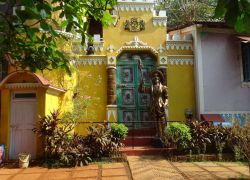
What Is the Ancestral Goa Museum? When most people think of Goa, images of sun-soaked beaches, shacks serving cold beer, and pulsating nightlife come to mind. But Goa has another side — one that is quieter, richer, and far more ancient. The Ancestral Goa Museum, popularly known as the Big Foot Museum, is the perfect place to discover that side. Located in the small village of Loutolim in South Goa, the Ancestral Goa Museum is an open-air eco-tourism development that offers a vivid glimpse into Goa's past, showcasing traditional Goan rural life from centuries ago. It is one of those rare places where history does not feel like a textbook — it feels alive, colourful, and deeply personal. The museum was created by artist Maendra Jocelino Araujo Alvares in 1995 with the objective of preserving the art, culture, and environment of rural Goa for future generations. What started as a modest personal project has grown into something extraordinary. Today, it spans an area of about 9 acres, spread across what was once a barren hillock, now teeming with life and colour. Where Is It Located and How to Get There? Located about 25 km away from Panaji and 10 km from Margao, the Ancestral Goa Museum sits beautifully in the small village of Loutolim. The village itself is charming and relatively unspoiled by tourism, making the drive there part of the experience. The museum is about one kilometre from the Loutolim bus stop; you can walk or take a local rickshaw. If you are landing at Goa International Airport (Dabolim), hiring a taxi to cover the 25 km distance is the most convenient option. Travellers staying near the southern beaches will find this museum especially easy to access. There are several beaches nearby, including Majorda Beach, Benaulim Beach, and Utorda Beach, so if you are staying near these beaches, you can hire a cab and reach the museum within an hour. Timings and Entry Fee The museum is open every day of the week, making it easy to plan your visit around other Goa activities. You can visit the museum throughout the week, between 9 AM and 6 PM. The entry fee is INR 100 for adults and INR 50 for children aged three to ten years. There is an additional charge of INR 20 for using a still camera and INR 100 per person for the Sound and Light museum. For the experience it offers, this is exceptional value for money. The Star Attraction — The Sant Mirabai Sculpture The moment you step inside, you are in for a visual treat — but nothing quite prepares you for the centrepiece of the museum. The highlight of the Big Foot Museum is the awe-inspiring 14-metre sculpture of Saint Mira Bai, carved in just 30 days by Maendra Jocelino Araujo Alvares. It now holds a place in the Limca Book of Records as the longest laterite sculpture in India. If you look closely, Saint Mira Bai is depicted singing with an Ektara, adorned with various ornaments. The red Kumkum on her forehead highlights her features, the armlet enhances the beauty of her arms, and the anklet adds a quintessential Indian touch.This sculpture alone is worth the trip. The sheer scale of it, carved entirely from laterite stone found locally in Goa, is breathtaking. It is the kind of artwork that makes you stand still and simply stare. A Walk Through a Recreated Goan Village As you wander through this open-air museum, the warm sun casts its golden glow on intricately crafted statues of farmers tilling the soil, fishermen hauling in their day's catch, and women busy with their daily chores. The museum has thoughtfully recreated an entire Goan village with true-to-life detail. Colourful life-size statues depict lifestyle, occupation, transportation, celebrations, weddings, religious life, and traditions of old Goa. The different coexisting cultures of that time are portrayed beautifully. You will find exhibits dedicated to the Goan farmer (locally known as JOAO), the basket weaver (ANMARE), the blacksmith, the cobbler, the potter, and the village market seller. There is also a Taverna — the traditional Goan liquor shop — where a sculpture displays the sale of the famous Goan drink Feni between two people, along with a game called Tablam that labourers used to play after a hard day's work. In this model village, you can also see different miniature houses that showcase traditional occupations and social classes, along with a music school known as the Escola da Musica, a village market, and a feni distillery. The Legend of the Big Foot The museum gets its nickname from one of its most intriguing features. There is a big footprint atop a rock inside a cave-like temple. It is said that a wish is fulfilled if asked while the heart is touching the big foot. Tourists often place their hands on the imprint hoping for fortune to bless them. Whether or not you believe in such things, the experience of standing before this ancient rock imprint, surrounded by the hush of the surrounding greenery, is quietly magical. Art, Crafts, and Things to Take Home The museum is also a celebration of living Goan artistry. The art gallery contains almost twenty paintings, and thematic art shows are organised in the gallery occasionally. These shows are not restricted to paintings alone — some other kinds of artwork like clay pottery, cloth painting, and metal art are also included. The handicraft centre features a wide range of locally made crafts, from intricate pottery to handwoven textiles, available for purchase as unique souvenirs that support local artisans. If you want to take home something genuinely Goan — not a mass-produced magnet or keychain — this is the place to shop. Traditional and local craft items made of cane, bamboo, and clay are also sold at the Handicraft Fair within the museum complex. Food, Entertainment, and the Full Experience A visit to Ancestral Goa is not just educational — it is fun. There is a Big Foot dance floor, a Big Foot restaurant, a spring known as Boca da Vaca, a bird habitat, a spice yard, rubber plantations, and much more to keep visitors entertained. The museum also offers an immersive experience through automated audio tours in two languages — Hindi and English. As you explore, electronic speakers provide information, and detailed displays on the exhibits offer even more insights. The moment you enter the museum, you are greeted with a warm, traditional welcome. A lady at the door applies a tilak on your forehead and showers you with flowers and scented water. This kind of greeting immediately sets the tone — you are not just a tourist here, you are a guest. Best Time to Visit The best times to add this destination to your Goa itinerary are the winter months, from October to February. The weather is pleasant, the skies are clear, and walking through the open-air exhibits is genuinely enjoyable. It is advisable to avoid visiting during the summer months as the intense heat can dampen the experience. The monsoon season, from July to September, is also best avoided, as Goa receives heavy rainfall during this period and many outdoor areas can be overwhelming. For the best experience within the day, visit in the morning or late afternoon to avoid the midday heat. Why Every Traveller Should Visit The location has played a vital role in reshaping the tourism scene in South Goa by bringing in visitors interested in culture and history, not just the beaches and nightlife that Goa is commonly known for. It is also a source of pride for the locals, giving them a platform to display their traditions and craftsmanship. Ancestral Goa Museum is the kind of place that reminds you why travel matters. It is not about ticking off sights — it is about understanding a place, its people, and their story. Whether you are a history lover, an art enthusiast, a family with curious children, or simply a traveller who wants more than a sunburn from their Goa trip, this museum will leave a lasting impression. Plan at least two to three hours here. Walk slowly. Listen to the audio guide. Touch the Big Foot. And don't forget to pick up a piece of handmade Goan craft before you leave.
Explore More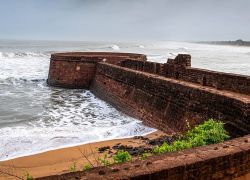
Welcome to Aguada Fort, a historic gem nestled in the heart of Bardez, offering visitors a glimpse into the rich past and natural beauty of the region. Aguada Fort, located in Bardez, is a popular tourist attraction known for its historical significance, stunning architecture, and vibrant biodiversity. Whether you are a history buff, nature enthusiast, or avid photographer, Aguada Fort has something special to offer to every traveler. History of Aguada Fort Steeped in history, Aguada Fort dates back to the 17th century when it was constructed by the Portuguese to defend against Dutch and Maratha invasions. Originally serving as a crucial defense outpost, the fort later transformed into a lighthouse and a prison. Aguada Fort stands as a testament to the region's colonial past and has been recognized for its historical importance. Architecture and Natural Beauty of Aguada Fort Surrounded by picturesque landscapes, Aguada Fort boasts stunning views of the Arabian Sea and lush greenery. The fort is set amidst verdant forests, grasslands, and wetlands, making it a haven for birdwatchers and nature lovers. Within the fort complex lies the ancient Keoladeo Temple, adding to its architectural charm and historical significance. Why is Aguada Fort Famous? Aguada Fort is renowned for its captivating beauty and diverse wildlife, making it a paradise for birdwatchers and photographers. The fort's strategic location offers panoramic views of the surrounding natural landscapes, attracting visitors seeking a blend of history and nature in one place. How to Reach Aguada Fort Traveling to Aguada Fort is convenient, with various options available. Visitors can reach Bardez by air, with the nearest airport being located in close proximity. Additionally, the region is well-connected by rail and road, offering easy access to Aguada Fort from major cities and towns. Weather and Best Time to Visit Aguada Fort Aguada Fort experiences pleasant weather throughout the year, with distinct summer, monsoon, and winter seasons. The best time to visit Aguada Fort is during the winter months when the weather is cool and ideal for exploring the fort and its surroundings. Timings of Aguada Fort Aguada Fort welcomes visitors during specific timings, allowing ample time to explore the fort and its attractions. Depending on the season, visitor timings may vary, so it is advisable to plan your visit accordingly to make the most of your trip. Entry Fee and Visit Details Entry to Aguada Fort is subject to nominal fees, with additional services such as guide assistance, safari options, and bicycle rentals available for visitors. The fort provides essential visitor facilities to ensure a comfortable and enjoyable experience for all guests. Things to Do at Aguada Fort Visitors to Aguada Fort can engage in a variety of activities, including birdwatching, photography, cycling, and nature walks. The fort offers captivating trails and observation points, allowing visitors to immerse themselves in the natural beauty and historical charm of the surroundings. Interesting Facts About Aguada Fort Aguada Fort is home to a diverse range of migratory birds and wildlife species, contributing to the region's rich biodiversity and ecological importance. The fort's conservation efforts have been instrumental in preserving the natural habitats and heritage of the area, making it a significant landmark in Bardez. Travel Tips for Visiting Aguada Fort When visiting Aguada Fort, it is advisable to wear comfortable clothing, carry essential photography equipment, and be mindful of the visiting seasons to make the most of your trip. Responsible tourism practices are encouraged to protect the environment and wildlife in and around the fort. Conclusion In conclusion, Aguada Fort in Bardez stands as a captivating destination that seamlessly blends history, architecture, and natural beauty. Whether you are exploring the fort's intriguing past, marveling at its architectural wonders, or immersing yourself in the serene surroundings, Aguada Fort offers a memorable experience for all visitors. Plan your trip to Aguada Fort to embark on a journey filled with history, nature, and adventure in the heart of Bardez.
Explore More
Candolim, a picturesque coastal city in India, is home to the captivating tourist attraction known as Fort Aguada. This historic site boasts a rich heritage, stunning natural surroundings, and a diverse range of flora and fauna, making it a must-visit destination for travelers seeking a blend of history and natural beauty. History of Fort Aguada Fort Aguada holds a significant historical background, originally constructed as a defense fortress in the early 17th century. It served as a crucial outpost to guard against enemy invasions and protect the Portuguese territories in Goa. The fort's strategic location overlooking the Arabian Sea made it a formidable stronghold during colonial times. Today, Fort Aguada stands as a symbol of Goa's past glory and resilience, attracting visitors with its intriguing past and architectural grandeur. Architecture and Natural Beauty of Fort Aguada Set amidst lush greenery and overlooking the azure waters of the Arabian Sea, Fort Aguada offers a mesmerizing blend of natural beauty and historic charm. The fort is surrounded by expansive wetlands, dense forests, and picturesque landscapes that create a serene environment for visitors to explore. Within the fort complex lies the historic Keoladeo Temple, adding a spiritual touch to the scenic beauty of the surroundings. Why is Fort Aguada Famous? Fort Aguada has gained fame as a popular destination for birdwatchers, photographers, nature enthusiasts, and wildlife lovers. The fort's surroundings provide a habitat for a variety of bird species, making it a paradise for birdwatching enthusiasts. The tranquil ambiance and panoramic views from the fort attract photographers in search of capturing the beauty of nature at its best. How to Reach Fort Aguada Traveling to Fort Aguada is convenient, with options available by air, rail, and road. The nearest airport is Dabolim Airport, located approximately 37 kilometers away. For those arriving by train, the nearest railway station is Thivim Railway Station, situated about 20 kilometers from Fort Aguada. Additionally, well-maintained roadways connect the fort to major cities and towns in the region, allowing for a smooth travel experience. Weather and Best Time to Visit Fort Aguada Fort Aguada experiences pleasant weather throughout the year, with distinct seasons of summer, monsoon, and winter. The best time to visit is during the winter months from November to February when the weather is mild and ideal for exploring the fort and its surroundings. Summer months can be hot and humid, while the monsoon season brings lush greenery but occasional heavy rainfall. Timings of Fort Aguada Fort Aguada welcomes visitors during specific timings, allowing ample time to explore the fort and enjoy its serene ambiance. The timings may vary seasonally, so it is advisable to check in advance before planning your visit. The fort's opening hours provide visitors with the opportunity to witness the beauty of the surroundings and delve into its historical significance. Entry Fee and Visit Details Visitors to Fort Aguada can enjoy a hassle-free entry process with nominal entry fees. Guide services are available for those interested in learning more about the fort's history and significance. Additionally, safari options, bicycle rentals, and other visitor facilities are provided to enhance the overall experience of exploring Fort Aguada. Things to Do at Fort Aguada Fort Aguada offers a plethora of activities for visitors to engage in, including birdwatching, photography, cycling, walking trails, and nature observation. The fort's serene surroundings and diverse flora and fauna provide ample opportunities for educational experiences and tranquil moments amidst nature's beauty. Exploring the fort's architecture and historical artifacts adds a touch of adventure to the visit. Interesting Facts About Fort Aguada Fort Aguada is renowned for its biodiversity, with a variety of migratory birds flocking to the region during specific seasons. The fort's conservation efforts have contributed to the preservation of the local ecosystem and the protection of endangered species. Its ecological significance and historical value make Fort Aguada a unique destination that showcases Goa's natural and cultural heritage. Travel Tips for Visiting Fort Aguada When planning a visit to Fort Aguada, it is advisable to wear comfortable clothing and sturdy footwear suitable for exploring the fort's surroundings. Carrying essential photography equipment can help capture the beauty of the fort and its natural landscapes. Visitors should consider the best seasons for birdwatching and photography to make the most of their experience at Fort Aguada while practicing responsible tourism habits. Conclusion In conclusion, Fort Aguada in Candolim stands out as a gem of historical significance and natural beauty, offering visitors a unique blend of architectural marvels and serene landscapes. The fort's rich history, diverse biodiversity, and engaging activities make it a top destination for travelers looking to immerse themselves in the charm of Goa's heritage. A visit to Fort Aguada promises an unforgettable experience that combines exploration, education, and appreciation for the wonders of nature.
Explore MoreGoa Tour Package 8 Nights - 9 Days
9 Days/ 8 Night
Goa City - North Goa - South Goa - Panaji
3 Night - 4 Days Goa Tour Package
4 Days/ 3 Night
Goa City - North Goa - South Goa
Goa Signature Holiday 6N - 7D Tour
7 Days/ 6 Night
Goa City - North Goa - South Goa
Goa Grand Island Tour Package 3 Night 4 Days
4 Days/ 3 Night
Goa City - North Goa - South Goa