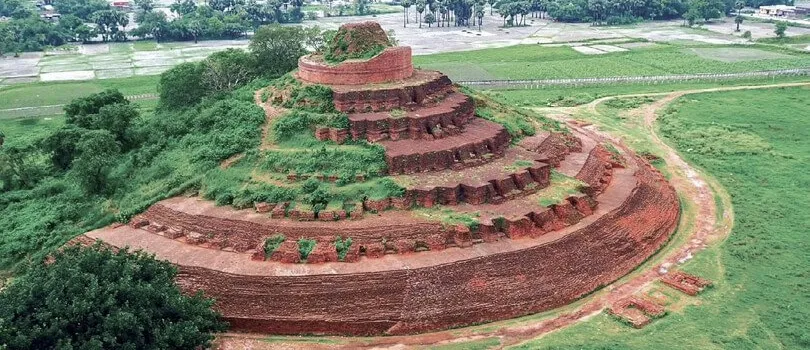
"Visit the largest Buddhist stupa in India."
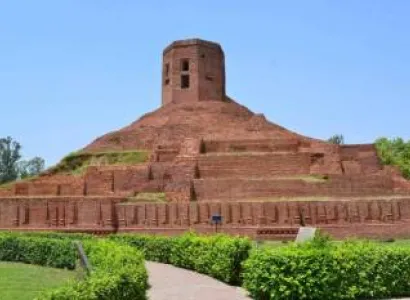
Kesariya Stupa is one of the most important Buddhist heritage monuments in Bihar and a major attraction in Kesariya town of East Champaran district. It is widely believed to be the tallest Buddhist stupa in the world, making it a remarkable historical and archaeological site in India. The stupa stands as a powerful symbol of Buddhism and is closely connected with the life and teachings of Lord Buddha. Pilgrims, history lovers, researchers, and tourists visit Kesariya Stupa to explore its ancient structure and to experience the calm spiritual atmosphere of the place.
History of Kesariya Stupa, Kesariya
The history of Kesariya Stupa goes back to ancient times and is linked with Lord Buddha’s final journey. According to Buddhist traditions, when Lord Buddha was traveling from Vaishali to Kushinagar, he stopped at Kesariya. The local Licchavi clan wanted him to stay, but when he refused, he gave them his begging bowl as a token of remembrance. After his departure, the followers built a stupa at this spot to honor his visit and teachings.
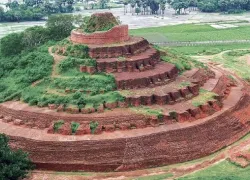
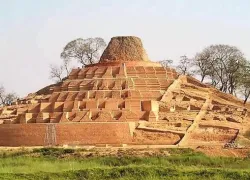
Archaeological studies suggest that the original stupa was built during the Mauryan period, possibly under the reign of Emperor Ashoka in the 3rd century BCE. Later, the structure was expanded during the Kushan and Gupta periods. Over centuries, the stupa remained buried under earth and vegetation until it was rediscovered and excavated by archaeologists. Today, the visible structure shows multiple levels, reflecting different phases of construction across various historical periods.
Architecture of Kesariya Stupa, Kesariya
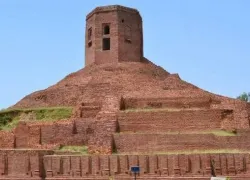
The architecture of Kesariya Stupa is grand and impressive. The stupa is built in a circular shape and rises in several stepped terraces. It is made mainly of bricks and is designed in multiple layers, showing how it was enlarged over time. The base of the stupa is wide, and the structure gradually narrows as it goes upward, forming a massive dome-like shape.
The stupa originally had niches that likely contained Buddha statues, and traces of these can still be seen on the terraces. The layered design reflects Buddhist architectural traditions, where stupas were expanded to mark important events or royal patronage. The height and width of Kesariya Stupa make it stand out among other stupas in India, giving visitors a sense of the monument’s ancient grandeur and spiritual importance.
Why Kesariya Stupa, Kesariya is Famous
Kesariya Stupa is famous mainly because it is considered the tallest Buddhist stupa in the world. Its massive size and unique stepped design make it a rare example of ancient Buddhist architecture. The stupa is also famous for its connection with Lord Buddha’s journey and the Licchavi clan of Vaishali.
The site is an important stop on the Buddhist pilgrimage circuit in Bihar. Many Buddhist pilgrims from India and abroad visit Kesariya Stupa to pay respect to Lord Buddha and to meditate in the peaceful surroundings. The stupa’s scenic rural setting, combined with its spiritual history, makes it a popular destination for heritage tourism and photography.
How to Reach Kesariya Stupa, Kesariya
Kesariya Stupa is located in Kesariya town in East Champaran district of Bihar and can be reached by road from major cities in the region.
By Air: The nearest airport is at Patna. From Patna Airport, you can hire a taxi or take a bus towards Muzaffarpur and then continue to Kesariya by road.
By Train: The nearest major railway stations are Muzaffarpur Junction and Motihari Railway Station. From these stations, buses and taxis are available to reach Kesariya.
By Road: Kesariya is well connected by road to Muzaffarpur, Motihari, and other towns of North Bihar. Regular buses and private vehicles can take you to the stupa site from nearby cities.
Weather in Kesariya (Best Time to Visit)
Kesariya experiences hot summers with temperatures often rising above 35°C, which can make sightseeing uncomfortable during daytime. The monsoon season brings rainfall, and the surroundings become green and fresh, but travel can be difficult due to muddy roads. Winters are pleasant, with temperatures ranging between 10°C and 25°C, making it the best time to visit Kesariya Stupa. The ideal months for visiting are from October to March when the weather is comfortable for exploring the site.
Timings of Kesariya Stupa, Kesariya
Kesariya Stupa is generally open to visitors during daylight hours. There are no strict official timings, but visitors are advised to visit between 8:00 AM and 6:00 PM. Early morning and late afternoon are the best times to visit, as the weather is cooler and the lighting is good for photography.
Entry and Visit Details about Kesariya Stupa, Kesariya
There is no entry fee to visit Kesariya Stupa. Visitors can freely walk around the stupa and explore the surrounding area. As it is an archaeological and heritage site, visitors should avoid climbing on the structure or damaging any part of the monument. There are basic facilities nearby, but food and water options may be limited, so it is better to carry your own essentials.
Things to Do at Kesariya Stupa, Kesariya
Visitors can walk around the stupa and admire its massive structure and layered design. Photography is popular here, especially during sunrise and sunset when the stupa looks beautiful against the sky. History lovers can observe the different construction phases visible on the terraces and learn about ancient Buddhist architecture.
Buddhist pilgrims often meditate near the stupa and spend quiet time reflecting on Lord Buddha’s teachings. You can also explore nearby villages to experience rural life in Bihar. Combining a visit to Kesariya Stupa with nearby Buddhist sites in Bihar can make your trip more meaningful and educational.
Interesting Facts about Kesariya Stupa, Kesariya
Kesariya Stupa is believed to be the tallest Buddhist stupa in the world. The structure shows multiple construction phases from Mauryan, Kushan, and Gupta periods. The stupa remained buried for centuries before being rediscovered by archaeologists. It is associated with Lord Buddha’s final journey to Kushinagar. The site is part of the important Buddhist heritage circuit in Bihar.
Tips for Visiting Kesariya Stupa, Kesariya
Visit during winter months for a comfortable experience. Carry drinking water, a cap, and sunscreen, especially in summer. Wear comfortable footwear as you may need to walk around the site. Avoid touching or climbing on the monument to protect the heritage structure. Visit early in the morning or late afternoon to avoid heat and crowds. Respect the religious importance of the site and maintain cleanliness around the stupa area.