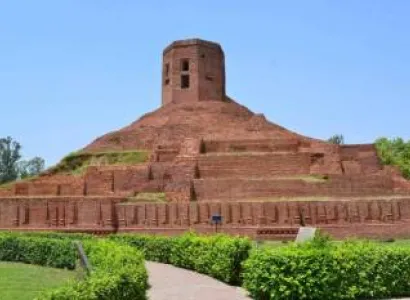
"A sacred site of ancient Indian heritage."
Maharishi Valmiki Temple in Kesariya is an important religious and cultural site in East Champaran district of Bihar. The temple is dedicated to Maharishi Valmiki, the great sage who is traditionally known as the author of the Ramayana. This sacred place is closely linked with the Ramayana tradition and local beliefs. Devotees, pilgrims, and tourists visit the temple to seek blessings, to learn about the life of Maharishi Valmiki, and to experience the peaceful spiritual atmosphere of the area. The temple is located in a calm rural setting, making it a good place for prayer and quiet reflection.
History of Maharishi Valmiki Temple, Kesariya
The history of Maharishi Valmiki Temple is connected with the ancient Ramayana tradition. According to local belief, this region of North Bihar is associated with the hermitage (ashram) of Maharishi Valmiki, where Goddess Sita stayed after leaving Ayodhya. It is believed that Sita gave birth to her twin sons, Lava and Kusha, in the ashram of Valmiki in this region. Because of this strong connection with the Ramayana, the place is considered sacred by devotees of Lord Rama.
The temple was built to honor Maharishi Valmiki and to preserve the memory of his ashram. Over time, the temple has been renovated and maintained by local communities and devotees. Though the present structure is not very ancient, the spiritual importance of the site is rooted in age-old traditions and stories passed down through generations. The temple has become an important stop for pilgrims who visit religious places connected with the Ramayana in Bihar.
Architecture of Maharishi Valmiki Temple, Kesariya
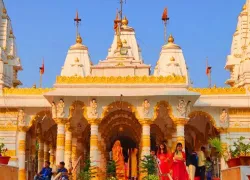
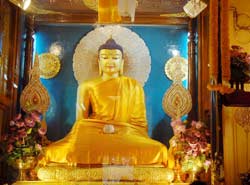
The architecture of Maharishi Valmiki Temple is simple yet graceful. The temple follows traditional North Indian Hindu temple design, with a central shrine and a small dome or spire on top. The main sanctum houses an idol or image of Maharishi Valmiki, often shown in a seated position with a scripture, symbolizing wisdom and knowledge.
The temple complex usually includes a small courtyard where devotees can sit, pray, and meditate. The walls are decorated with simple paintings or images related to the Ramayana story, showing scenes from the life of Sita, Rama, and the sage Valmiki. The peaceful surroundings and clean layout of the temple make it suitable for quiet worship and spiritual reflection. Even though the temple is not very large, its spiritual value is high for devotees who believe in the Ramayana tradition.
Why Maharishi Valmiki Temple, Kesariya is Famous
Maharishi Valmiki Temple is famous because of its strong connection with the Ramayana and the life of Maharishi Valmiki. Devotees believe that this region is linked with Valmiki’s ashram, where important events of the Ramayana took place. The temple is therefore considered a sacred spot related to Goddess Sita and her sons Lava and Kusha.
The temple is also well known among pilgrims visiting East Champaran and nearby areas. Many people visit the temple to pray for peace, knowledge, and guidance, as Maharishi Valmiki is respected as a great sage and poet. During religious festivals and special occasions related to Lord Rama, Sita, and Valmiki, the temple attracts more visitors. The calm and spiritual environment makes it popular among those looking for a quiet religious experience.
How to Reach Maharishi Valmiki Temple, Kesariya
Maharishi Valmiki Temple is located in Kesariya town in East Champaran district of Bihar and is well connected by road to nearby cities and towns.
By Air: The nearest major airport is at Patna. From Patna, visitors can hire a taxi or take a bus towards Muzaffarpur or Motihari and then continue to Kesariya by road.
By Train: The nearest railway stations are Muzaffarpur Junction and Motihari Railway Station. From these stations, local buses, autos, and taxis are available to reach Kesariya town and the temple.
By Road: Kesariya is connected by road to Muzaffarpur, Motihari, and other towns of North Bihar. Regular buses and private vehicles can easily reach the town. The temple can be accessed by local transport from Kesariya market area.
Weather in Kesariya (Best Time to Visit)
The weather in Kesariya is similar to other parts of North Bihar. Summers are hot and humid, with temperatures often crossing 35°C. Visiting the temple during peak summer can be uncomfortable, especially in the afternoon. The monsoon season brings rainfall and greenery, but the area may become muddy and travel can be slow.
Winter is the best season to visit Maharishi Valmiki Temple. From October to March, the weather remains pleasant and cool, making it suitable for temple visits and sightseeing. Early mornings and evenings during winter offer a calm and comfortable environment for prayer and relaxation at the temple.
Timings of Maharishi Valmiki Temple, Kesariya
The temple is generally open to devotees every day. The usual visiting time is from early morning around 6:00 AM to evening around 7:00 PM. Morning and evening aarti (prayer rituals) are performed, and these times are considered especially auspicious for visiting. It is advised to visit during daytime hours for convenience and safety.
Entry and Visit Details about Maharishi Valmiki Temple, Kesariya
There is no entry fee to visit Maharishi Valmiki Temple. The temple is open to people of all faiths who wish to learn about the Ramayana tradition and pay respect to Maharishi Valmiki. Visitors should dress modestly and maintain silence inside the temple premises. Photography may be allowed in the outer areas, but it is better to ask the temple authorities before taking pictures inside the sanctum.
Things to Do at Maharishi Valmiki Temple, Kesariya
Visitors can take part in daily prayers and aarti at the temple. Many devotees like to sit quietly and meditate in the temple courtyard. Reading or listening to stories from the Ramayana can help visitors understand the importance of Maharishi Valmiki in Hindu tradition.
You can also interact with local priests to learn more about the history and legends connected with the temple. Walking around the nearby area gives a glimpse of rural life in Kesariya. Combining a visit to the temple with nearby heritage sites in East Champaran can make your trip more meaningful.
Interesting Facts about Maharishi Valmiki Temple, Kesariya
The temple is linked with the Ramayana tradition and the legend of Maharishi Valmiki’s ashram. It is believed that Goddess Sita stayed in this region after leaving Ayodhya. Maharishi Valmiki is respected as the author of the Ramayana and as a symbol of spiritual wisdom. The temple is maintained mainly by local devotees and community support. It attracts pilgrims from nearby towns and villages during religious festivals.
Tips for Visiting Maharishi Valmiki Temple, Kesariya
Visit during winter months for a comfortable experience. Try to attend the morning or evening aarti for a peaceful spiritual experience. Dress modestly and respect local religious customs. Carry drinking water, especially in summer. Maintain cleanliness in and around the temple premises. If you are visiting with family, keep an eye on children as the area may get crowded during festivals.