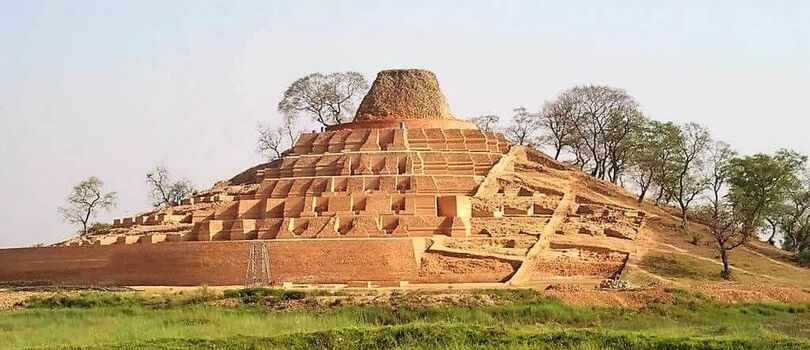
"Explore the majestic ruins of Rajasthan's heritage."
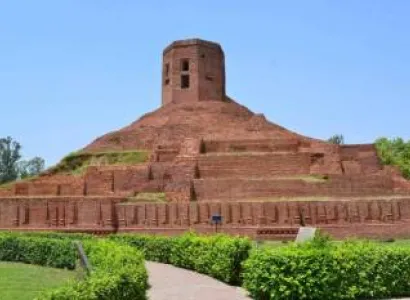
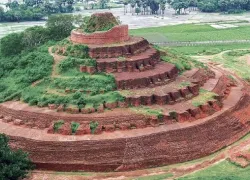
Raja Ben ka Deora is a lesser-known historical and cultural spot located near Kesariya in East Champaran district of Bihar. The word “Deora” locally refers to a sacred or memorial place, often connected with folk traditions and village history. Raja Ben ka Deora is believed to be linked with local legends of a ruler or respected figure named Raja Ben. Though not as famous as the Kesariya Stupa, this site holds importance for local people and those interested in regional history, folklore, and rural heritage. Visitors come here to understand village traditions, local beliefs, and to experience the calm countryside around Kesariya.
History of Raja Ben ka Deora, Kesariya
The history of Raja Ben ka Deora is mainly preserved through oral traditions and local stories. According to villagers, Raja Ben was a local ruler or a respected leader who played an important role in protecting or supporting the nearby villages in earlier times. The Deora was built as a memorial to honor his memory. Over the years, the place became a small cultural landmark for the community.
Unlike large forts or palaces, Raja Ben ka Deora does not have detailed written historical records. Its importance lies in local heritage rather than royal history. The site reflects how rural communities in Bihar preserve the memory of their leaders and heroes through simple memorial structures. During village gatherings and local festivals, people often visit the Deora to remember the values associated with Raja Ben, such as bravery, fairness, and support for the community.
Architecture of Raja Ben ka Deora, Kesariya
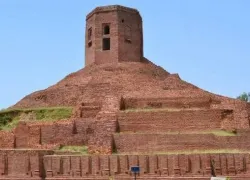
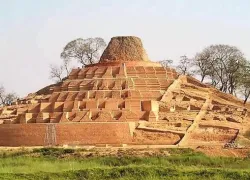
The architecture of Raja Ben ka Deora is simple and traditional. The structure is usually a small raised platform or a modest shrine made of brick or stone. It may include a small canopy or a simple roof to protect the memorial from sun and rain. The design is practical and reflects rural construction styles found in villages of East Champaran.
There may be basic carvings, symbols, or painted marks on the structure that represent local beliefs. In some cases, villagers place flowers, incense sticks, or small lamps at the Deora as a sign of respect. The surrounding area is generally open and quiet, with fields and village houses nearby. The simplicity of the architecture highlights the cultural value of the place rather than artistic or royal grandeur.
Why Raja Ben ka Deora, Kesariya is Famous
Raja Ben ka Deora is famous mainly among the local population of Kesariya and nearby villages. It is known as a symbol of respect for a local historical figure remembered for his leadership or bravery. People believe that visiting the Deora brings blessings and protection, especially during important family or village occasions.
The site is also valued by travelers who want to explore offbeat and less crowded places in Bihar. For those interested in rural heritage and folk history, Raja Ben ka Deora offers a simple yet meaningful experience. It represents how local communities keep their history alive through memorials and traditions, even without large monuments or official recognition.
How to Reach Raja Ben ka Deora, Kesariya
Raja Ben ka Deora is located near Kesariya town in East Champaran district and can be reached easily by road.
By Air: The nearest major airport is in Patna. From Patna, visitors can travel by taxi or bus to Muzaffarpur or Motihari, and then continue to Kesariya by road.
By Train: The nearest railway stations are Muzaffarpur Junction and Motihari Railway Station. From these stations, local buses, shared autos, and taxis are available to reach Kesariya. The Deora can be reached from Kesariya town using local transport.
By Road: Kesariya is well connected by road with Motihari, Muzaffarpur, and nearby towns. Buses and private vehicles are available. After reaching Kesariya, ask local people for directions to Raja Ben ka Deora, as it is mainly known to villagers.
Weather in Kesariya (Best Time to Visit)
Kesariya experiences hot summers, humid monsoons, and mild winters. Summer temperatures can be high and uncomfortable, especially in the afternoon. Monsoon season brings greenery to the region but may make village roads muddy and difficult to walk on.
The best time to visit Raja Ben ka Deora is during winter, from October to March. The weather during this time is pleasant, making it easier to explore the village area and nearby attractions. Early mornings and evenings are comfortable for walking around and observing local life.
Timings of Raja Ben ka Deora, Kesariya
Raja Ben ka Deora is an open memorial site and can be visited at any time of the day. There are no fixed opening or closing hours. However, it is best to visit during daylight hours for safety and convenience. During local festivals or special village events, more people gather at the site, and the atmosphere becomes lively.
Entry and Visit Details about Raja Ben ka Deora, Kesariya
There is no entry fee to visit Raja Ben ka Deora. The site is open to everyone. Visitors are expected to behave respectfully, as the place is considered important by local people. Avoid littering and do not disturb any offerings placed by villagers. Since it is a simple rural site, there are no ticket counters, guides, or official facilities.
Things to Do at Raja Ben ka Deora, Kesariya
Visitors can spend some quiet time at the Deora to understand the local culture and traditions. Talking to villagers is one of the best ways to learn about the story of Raja Ben and the importance of the memorial. You can also take a short walk around the village to observe rural life, farming activities, and traditional houses.
Photography of the surroundings is allowed, but it is polite to ask people before taking pictures of the Deora or villagers. You can combine your visit with other nearby attractions in Kesariya to make your trip more meaningful.
Interesting Facts about Raja Ben ka Deora, Kesariya
The site is maintained mainly by the local community. The story of Raja Ben is passed down through generations by word of mouth. The Deora represents how rural communities honor their local heroes without large monuments. It is a good example of folk heritage in East Champaran. The place becomes more active during village gatherings and local festivals.
Tips for Visiting Raja Ben ka Deora, Kesariya
Visit during winter for better weather conditions. Wear comfortable footwear, as you may need to walk on village paths. Respect local customs and traditions. Ask local people for directions and information about the site. Carry water and basic necessities, as shops may not be nearby. Keep the area clean and avoid damaging the memorial structure.